Breaking News
ताज़ा खबर
ताजी बातमी
সর্বশেষ সংবাদ
சமீபத்திய செய்தி
తాజా వార్త
તાજા સમાચાર
ਤਾਜ਼ਾ ਖ਼ਬਰ
Governments Worldwide Explore New Revenue from Energy Companies
ऊर्जा कंपनियों से अतिरिक्त राजस्व जुटाने की फिराक में दुनिया भर की सरकारें
ऊर्जा कंपन्यांकडून अतिरिक्त महसूल मिळवण्याच्या प्रयत्नात जगभरातील सरकारे
বিশ্বজুড়ে সরকারগুলি জ্বালানি সংস্থাগুলি থেকে অতিরিক্ত রাজস্ব আদায়ের পথ খুঁজছে
எரிசக்தி நிறுவனங்களிடமிருந்து கூடுதல் வருவாய் ஈட்ட உலக நாடுகள் ஆராய்கின்றன
శక్తి కంపెనీల నుండి అదనపు ఆదాయం కోసం ప్రభుత్వాలు అన్వేషణ
ઊર્જા કંપનીઓ પાસેથી વધારાની આવક મેળવવા માટે સરકારો પ્રયત્નશીલ
ਸਰਕਾਰਾਂ ਊਰਜਾ ਕੰਪਨੀਆਂ ਤੋਂ ਵਾਧੂ ਮਾਲੀਆ ਇਕੱਠਾ ਕਰਨ ਦੇ ਤਰੀਕੇ ਲੱਭ ਰਹੀਆਂ ਹਨ
By AI News Desk
🕐 23 May 2026, 11:33 AM
💹 Finance
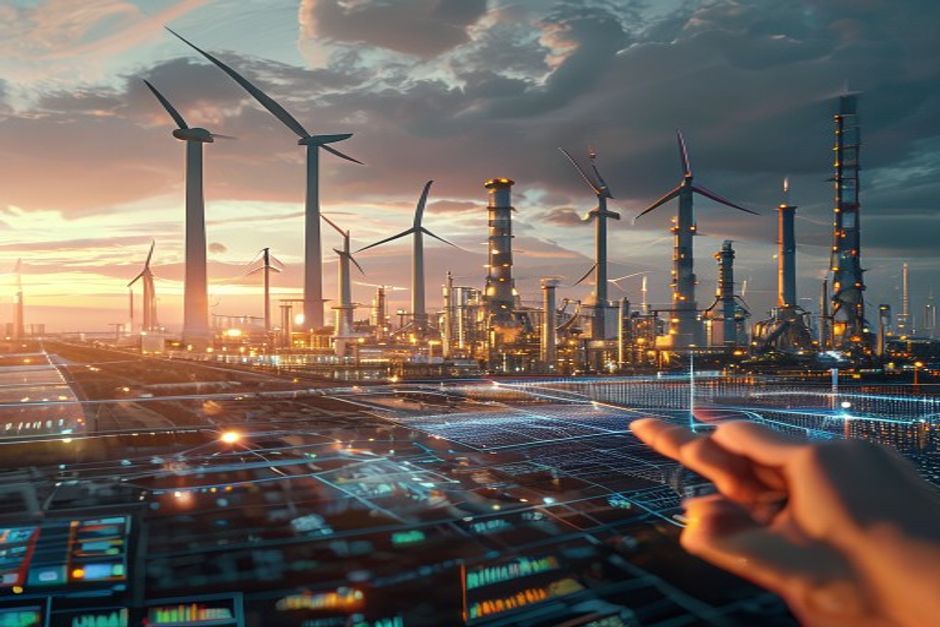
In a significant global economic shift, numerous countries are actively investigating novel strategies to generate additional revenue, with a particular focus on the energy sector. Amidst fluctuating global energy prices and increasing demands for public services and infrastructure investment, governments are turning their attention to the substantial profits reported by major energy corporations.
The Rationale Behind the Revenue Push
The recent surge in energy prices, driven by geopolitical events and supply chain disruptions, has led to record profits for many oil, gas, and even some renewable energy companies. This financial windfall has not gone unnoticed by governments facing budget deficits or ambitious spending plans. The idea is to tap into these extraordinary profits, often referred to as 'windfall profits', to fund essential public projects, reduce national debt, or provide relief to citizens struggling with the rising cost of living.
Various Approaches Being Considered
Different nations are contemplating a spectrum of measures. These include imposing temporary or permanent windfall taxes, increasing corporate tax rates specifically for energy firms, or introducing new levies on energy production and sales. Some countries are also exploring stricter regulatory frameworks that could indirectly boost government coffers through licensing fees or environmental compliance charges. The debate often centers on the potential impact of these measures on investment in the energy sector, energy security, and consumer prices.
Global Economic Implications
The effectiveness and fairness of these revenue-generating strategies are subjects of intense discussion among economists and policymakers. Critics warn that excessive taxation could deter investment in crucial energy infrastructure and slow down the transition to cleaner energy sources. Proponents argue that energy companies have a responsibility to contribute more to society, especially during times of crisis, and that such taxes can be designed to target only the most excessive profits without harming long-term viability. As the global economic landscape continues to evolve, the way governments engage with the powerful energy sector will remain a key determinant of both national budgets and the future of energy provision.
वैश्विक आर्थिक परिदृश्य में एक महत्वपूर्ण बदलाव देखने को मिल रहा है, जहाँ कई देश ऊर्जा क्षेत्र पर ध्यान केंद्रित करते हुए अतिरिक्त राजस्व उत्पन्न करने के नए तरीके खोज रहे हैं। ऊर्जा की कीमतों में उतार-चढ़ाव और सार्वजनिक सेवाओं तथा बुनियादी ढाँचे में निवेश की बढ़ती माँगों के बीच, सरकारें प्रमुख ऊर्जा निगमों द्वारा दर्ज किए जा रहे भारी मुनाफे की ओर अपना ध्यान आकर्षित कर रही हैं।
राजस्व बढ़ाने के पीछे का तर्क
भू-राजनीतिक घटनाओं और आपूर्ति श्रृंखला की बाधाओं के कारण हाल ही में ऊर्जा की कीमतों में आई तेजी ने कई तेल, गैस और यहाँ तक कि कुछ नवीकरणीय ऊर्जा कंपनियों के लिए रिकॉर्ड मुनाफा दर्ज कराया है। इस वित्तीय लाभ पर सरकारों की नज़र है, जो बजट घाटे या महत्वाकांक्षी व्यय योजनाओं का सामना कर रही हैं। इसका उद्देश्य इन असाधारण लाभों का उपयोग आवश्यक सार्वजनिक परियोजनाओं को निधि देने, राष्ट्रीय ऋण को कम करने या जीवन यापन की बढ़ती लागत से जूझ रहे नागरिकों को राहत प्रदान करने के लिए करना है।
विचार-विमर्श के विभिन्न तरीके
विभिन्न राष्ट्र उपायों के एक स्पेक्ट्रम पर विचार कर रहे हैं। इनमें अस्थायी या स्थायी विंडफॉल टैक्स लगाना, विशेष रूप से ऊर्जा फर्मों के लिए कॉर्पोरेट टैक्स की दरें बढ़ाना, या ऊर्जा उत्पादन और बिक्री पर नए शुल्क लगाना शामिल है। कुछ देश सख्त नियामक ढांचे भी तलाश रहे हैं जो लाइसेंस शुल्क या पर्यावरणीय अनुपालन शुल्क के माध्यम से अप्रत्यक्ष रूप से सरकारी खजाने को बढ़ावा दे सकते हैं। बहस अक्सर ऊर्जा क्षेत्र में निवेश, ऊर्जा सुरक्षा और उपभोक्ता कीमतों पर इन उपायों के संभावित प्रभाव के इर्द-गिर्द घूमती है।
वैश्विक आर्थिक निहितार्थ
इन राजस्व-उत्पादक रणनीतियों की प्रभावशीलता और निष्पक्षता अर्थशास्त्रियों और नीति निर्माताओं के बीच गहन चर्चा का विषय है। आलोचक चेतावनी देते हैं कि अत्यधिक कराधान महत्वपूर्ण ऊर्जा बुनियादी ढाँचे में निवेश को हतोत्साहित कर सकता है और स्वच्छ ऊर्जा स्रोतों में परिवर्तन को धीमा कर सकता है। समर्थकों का तर्क है कि ऊर्जा कंपनियों का समाज में अधिक योगदान करने का दायित्व है, खासकर संकट के समय में, और ऐसे करों को केवल अत्यधिक मुनाफे को लक्षित करने के लिए डिज़ाइन किया जा सकता है, जिससे दीर्घकालिक व्यवहार्यता को नुकसान न हो। जैसे-जैसे वैश्विक आर्थिक परिदृश्य विकसित हो रहा है, सरकारें शक्तिशाली ऊर्जा क्षेत्र के साथ कैसे जुड़ती हैं, यह राष्ट्रीय बजट और ऊर्जा प्रावधान के भविष्य दोनों का एक प्रमुख निर्धारक बना रहेगा।
जागतिक अर्थव्यवस्थेत एक महत्त्वपूर्ण बदल घडत आहे, जिथे अनेक देश ऊर्जा क्षेत्रावर लक्ष केंद्रित करून अतिरिक्त महसूल मिळवण्याचे नवे मार्ग शोधत आहेत. ऊर्जेच्या किमतींमधील चढ-उतार आणि सार्वजनिक सेवा व पायाभूत सुविधांमधील वाढत्या गुंतवणुकीच्या गरजा लक्षात घेता, सरकारे प्रमुख ऊर्जा कंपन्यांनी नोंदवलेल्या प्रचंड नफ्याकडे आपले लक्ष वेधत आहेत.
महसुली वाढीमागील कारणे
भू-राजकीय घटना आणि पुरवठा साखळीतील अडथळ्यांमुळे ऊर्जा किमतींमध्ये झालेली अलीकडील वाढ अनेक तेल, वायू आणि अगदी काही अपारंपरिक ऊर्जा कंपन्यांसाठी विक्रमी नफ्याचे कारण ठरली आहे. या आर्थिक लाभाकडे सरकारांचे लक्ष गेले आहे, कारण अनेक सरकारे अर्थसंकल्पीय तूट किंवा महत्त्वाकांक्षी खर्चाच्या योजनांना सामोरे जात आहेत. या असाधारण नफ्यातून अत्यावश्यक सार्वजनिक प्रकल्पांना निधी पुरवणे, राष्ट्रीय कर्ज कमी करणे किंवा वाढत्या महागाईमुळे त्रस्त असलेल्या नागरिकांना दिलासा देणे हा यामागील उद्देश आहे.
विचाराधीन विविध दृष्टिकोन
विविध राष्ट्रे उपायांच्या एका श्रेणीचा विचार करत आहेत. यामध्ये तात्पुरते किंवा कायमस्वरूपी विंडफॉल कर लावणे, विशेषतः ऊर्जा कंपन्यांसाठी कॉर्पोरेट कर दर वाढवणे किंवा ऊर्जा उत्पादन आणि विक्रीवर नवीन शुल्क आकारणे यांचा समावेश आहे. काही देश कठोर नियामक चौकट देखील तपासत आहेत, ज्यामुळे परवाना शुल्क किंवा पर्यावरणीय अनुपालन शुल्काच्या माध्यमातून अप्रत्यक्षपणे सरकारी तिजोरीत भर पडू शकते. या उपायांचा ऊर्जा क्षेत्रातील गुंतवणूक, ऊर्जा सुरक्षा आणि ग्राहक किंमतींवर होणाऱ्या संभाव्य परिणामांवर अनेकदा चर्चा केंद्रित असते.
जागतिक आर्थिक परिणाम
या महसूल-उत्पादक धोरणांची परिणामकारकता आणि निष्पक्षता अर्थतज्ञ आणि धोरणकर्त्यांमध्ये तीव्र चर्चेचा विषय आहे. टीकाकारांचा इशारा आहे की अति कर आकारणीमुळे महत्त्वपूर्ण ऊर्जा पायाभूत सुविधांमधील गुंतवणूक कमी होऊ शकते आणि स्वच्छ ऊर्जा स्रोतांमध्ये संक्रमणाचा वेग मंदावू शकतो. समर्थकांचा युक्तिवाद आहे की ऊर्जा कंपन्यांचे समाजासाठी अधिक योगदान देण्याचे उत्तरदायित्व आहे, विशेषतः संकटाच्या काळात, आणि अशा करांची रचना केवळ अति नफ्याला लक्ष्य करण्यासाठी केली जाऊ शकते, ज्यामुळे दीर्घकालीन व्यवहार्यतेला हानी पोहोचणार नाही. जागतिक आर्थिक परिस्थिती विकसित होत असताना, सरकारे शक्तिशाली ऊर्जा क्षेत्राशी कशा प्रकारे संवाद साधतात, हे राष्ट्रीय अर्थसंकल्प आणि भविष्यातील ऊर्जा पुरवठा या दोन्हीसाठी एक महत्त्वाचे निर्धारक ठरेल.
একটি উল্লেখযোগ্য বৈশ্বিক অর্থনৈতিক পরিবর্তনের মধ্যে, বহু দেশ জ্বালানি খাতের উপর বিশেষ নজর রেখে অতিরিক্ত রাজস্ব উপার্জনের নতুন উপায় অনুসন্ধান করছে। বিশ্বব্যাপী জ্বালানি মূল্যের অস্থিরতা এবং জনসেবা ও পরিকাঠামোতে বিনিয়োগের ক্রমবর্ধমান চাহিদার পরিপ্রেক্ষিতে, সরকারগুলি প্রধান জ্বালানি কর্পোরেশনগুলির দ্বারা অর্জিত বিপুল লাভের দিকে মনোযোগ দিচ্ছে।
রাজস্ব বৃদ্ধির পেছনের যুক্তি
ভূ-রাজনৈতিক ঘটনাবলী এবং সরবরাহ শৃঙ্খলের বাধার কারণে সম্প্রতি জ্বালানির দাম বেড়ে যাওয়ায় অনেক তেল, গ্যাস এবং এমনকি কিছু নবায়নযোগ্য জ্বালানি সংস্থার জন্য রেকর্ড মুনাফা অর্জিত হয়েছে। এই আর্থিক সুবিধা সরকারগুলির নজরে এসেছে, কারণ অনেক দেশ বাজেট ঘাটতি বা উচ্চাভিলাষী ব্যয় পরিকল্পনার সম্মুখীন হচ্ছে। এর মূল উদ্দেশ্য হল এই অসাধারণ মুনাফা থেকে অত্যাবশ্যকীয় জন প্রকল্পগুলির জন্য তহবিল সংগ্রহ করা, জাতীয় ঋণ কমানো, অথবা জীবনযাত্রার ক্রমবর্ধমান ব্যয় নিয়ে সংগ্রামরত নাগরিকদের জন্য স্বস্তি প্রদান করা।
বিবেচনাধীন বিভিন্ন পদ্ধতি
বিভিন্ন দেশ বিভিন্ন ধরনের ব্যবস্থার কথা ভাবছে। এর মধ্যে রয়েছে অস্থায়ী বা স্থায়ী উইন্ডফল ট্যাক্স আরোপ করা, বিশেষভাবে জ্বালানি সংস্থাগুলির জন্য কর্পোরেট করের হার বৃদ্ধি করা, অথবা জ্বালানি উৎপাদন ও বিক্রয়ের উপর নতুন শুল্ক আরোপ করা। কিছু দেশ কঠোর নিয়ন্ত্রক কাঠামোও খতিয়ে দেখছে, যা লাইসেন্স ফি বা পরিবেশগত সম্মতি চার্জের মাধ্যমে পরোক্ষভাবে সরকারি কোষাগার বৃদ্ধি করতে পারে। এই পদক্ষেপগুলির জ্বালানি খাতে বিনিয়োগ, জ্বালানি নিরাপত্তা এবং ভোক্তাদের মূল্যের উপর সম্ভাব্য প্রভাব নিয়ে প্রায়শই বিতর্ক কেন্দ্রীভূত থাকে।
বৈশ্বিক অর্থনৈতিক প্রভাব
এই রাজস্ব-উৎপাদনকারী কৌশলগুলির কার্যকারিতা এবং ন্যায্যতা অর্থনীতিবিদ ও নীতি নির্ধারকদের মধ্যে গভীর আলোচনার বিষয়। সমালোচকরা সতর্ক করেছেন যে অত্যধিক কর আরোপ করলে গুরুত্বপূর্ণ জ্বালানি পরিকাঠামোতে বিনিয়োগ বাধাগ্রস্ত হতে পারে এবং পরিচ্ছন্ন জ্বালানি উৎসের দিকে রূপান্তর প্রক্রিয়া ধীর হতে পারে। অন্যদিকে, সমর্থকরা যুক্তি দেন যে জ্বালানি সংস্থাগুলির সমাজের জন্য, বিশেষ করে সংকটকালে, আরও বেশি অবদান রাখার দায়িত্ব রয়েছে এবং এই ধরনের করগুলি দীর্ঘমেয়াদী কার্যকারিতা ক্ষতি না করে শুধুমাত্র অতি মুনাফাকে লক্ষ্য করে ডিজাইন করা যেতে পারে। বিশ্ব অর্থনীতি বিকশিত হওয়ার সাথে সাথে, সরকারগুলি কীভাবে প্রভাবশালী জ্বালানি খাতের সাথে জড়িত থাকে, তা জাতীয় বাজেট এবং জ্বালানি সরবরাহের ভবিষ্যৎ - উভয়েরই একটি মূল নির্ধারক হিসেবে থাকবে।
உலகளாவிய பொருளாதாரத்தில் ஒரு குறிப்பிடத்தக்க மாற்றம் ஏற்பட்டுள்ளது. பல நாடுகள் எரிசக்தித் துறையில் கவனம் செலுத்தி, கூடுதல் வருவாய் ஈட்டுவதற்கான புதிய வழிகளை ஆராய்ந்து வருகின்றன. உலகளாவிய எரிசக்தி விலைகளில் ஏற்படும் ஏற்ற இறக்கங்கள் மற்றும் பொதுச் சேவைகள் மற்றும் உள்கட்டமைப்பில் முதலீடு செய்வதற்கான வளர்ந்து வரும் தேவைகளைக் கருத்தில் கொண்டு, அரசாங்கங்கள் முக்கிய எரிசக்தி நிறுவனங்கள் ஈட்டும் பெரும் லாபத்தின் மீது தங்கள் கவனத்தைத் திருப்பியுள்ளன.
வருவாய் ஈட்டுவதற்கான காரணங்கள்
புவிசார் அரசியல் நிகழ்வுகள் மற்றும் விநியோகச் சங்கிலித் தடைகளால் சமீபத்தில் எரிசக்தி விலைகள் உயர்ந்ததன் விளைவாக, பல எண்ணெய், எரிவாயு மற்றும் சில புதுப்பிக்கத்தக்க எரிசக்தி நிறுவனங்கள் சாதனை அளவிலான லாபத்தைப் பதிவு செய்துள்ளன. நிதிப் பற்றாக்குறையை அல்லது லட்சிய செலவினத் திட்டங்களை எதிர்கொள்ளும் அரசாங்கங்களுக்கு இந்த நிதி ஆதாயம் கவனிக்கத்தக்கதாக உள்ளது. இதன் முக்கிய நோக்கம், இந்த அசாதாரண லாபங்களிலிருந்து அத்தியாவசிய பொதுத் திட்டங்களுக்கு நிதியளிப்பது, தேசியக் கடனைக் குறைப்பது அல்லது வாழ்க்கைச் செலவு உயர்வால் பாதிக்கப்படும் குடிமக்களுக்கு நிவாரணம் வழங்குவது ஆகும்.
பரிசீலனையில் உள்ள பல்வேறு அணுகுமுறைகள்
பல்வேறு நாடுகள் பலதரப்பட்ட நடவடிக்கைகளை பரிசீலித்து வருகின்றன. இவற்றில் தற்காலிக அல்லது நிரந்தர 'விண்ட்ஃபால்' வரிகளை விதிப்பது, குறிப்பாக எரிசக்தி நிறுவனங்களுக்கு கார்ப்பரேட் வரி விகிதங்களை உயர்த்துவது, அல்லது எரிசக்தி உற்பத்தி மற்றும் விற்பனையில் புதிய வரிகளை விதிப்பது ஆகியவை அடங்கும். சில நாடுகள் உரிமக் கட்டணங்கள் அல்லது சுற்றுச்சூழல் இணக்கக் கட்டணங்கள் மூலம் அரசாங்கத்தின் கருவூலத்திற்கு மறைமுகமாக வருவாய் சேர்க்கும் கடுமையான ஒழுங்குமுறை கட்டமைப்புகளையும் ஆராய்ந்து வருகின்றன. இந்த நடவடிக்கைகள் எரிசக்தித் துறையில் முதலீடு, எரிசக்திப் பாதுகாப்பு மற்றும் நுகர்வோர் விலைகள் ஆகியவற்றில் ஏற்படுத்தக்கூடிய தாக்கம் குறித்து விவாதங்கள் அடிக்கடி மையமடைகின்றன.
உலகளாவிய பொருளாதாரத் தாக்கங்கள்
இந்த வருவாய் ஈட்டும் உத்திகளின் செயல்திறன் மற்றும் நியாயம் ஆகியவை பொருளாதார வல்லுநர்கள் மற்றும் கொள்கை வகுப்பாளர்களிடையே தீவிர விவாதத்திற்குரியதாக உள்ளன. அதிகப்படியான வரி விதிப்பு, முக்கிய எரிசக்தி உள்கட்டமைப்பில் முதலீட்டைத் தடுக்கலாம் மற்றும் தூய்மையான எரிசக்தி ஆதாரங்களுக்கு மாறுவதை மெதுவாக்கலாம் என்று விமர்சகர்கள் எச்சரிக்கின்றனர். அதே சமயம், எரிசக்தி நிறுவனங்கள், குறிப்பாக நெருக்கடியான காலங்களில், சமூகத்திற்கு அதிக பங்களிக்க வேண்டும் என்றும், அத்தகைய வரிகள் நீண்டகால நம்பகத்தன்மையை பாதிக்காமல் மிக அதிகமான லாபத்தை மட்டுமே குறிவைக்க வடிவமைக்கப்படலாம் என்றும் ஆதரவாளர்கள் வாதிடுகின்றனர். உலகப் பொருளாதாரம் தொடர்ந்து உருவாகி வருவதால், அரசாங்கங்கள் சக்திவாய்ந்த எரிசக்தித் துறையுடன் எவ்வாறு தொடர்பு கொள்கின்றன என்பது தேசிய வரவுசெலவுத் திட்டங்கள் மற்றும் எதிர்கால எரிசக்தி விநியோகம் இரண்டிற்கும் ஒரு முக்கிய தீர்மானிக்கும் காரணியாக இருக்கும்.
ప్రపంచ ఆర్థిక వ్యవస్థలో ఒక ముఖ్యమైన మార్పు కనిపిస్తోంది, దీనిలో అనేక దేశాలు ఇంధన రంగంపై దృష్టి సారించి, అదనపు ఆదాయాన్ని ఆర్జించడానికి కొత్త మార్గాలను అన్వేషిస్తున్నాయి. ప్రపంచ ఇంధన ధరలలోని అస్థిరత, ప్రజా సేవలు మరియు మౌలిక సదుపాయాలలో పెట్టుబడుల కోసం పెరుగుతున్న డిమాండ్ల నేపథ్యంలో, ప్రభుత్వాలు ప్రధాన ఇంధన సంస్థలు ఆర్జిస్తున్న భారీ లాభాలపై తమ దృష్టిని సారిస్తున్నాయి.
ఆదాయ వృద్ధి వెనుక గల కారణాలు
భౌగోళిక రాజకీయ సంఘటనలు, సరఫరా గొలుసు అంతరాయాల కారణంగా ఇటీవలి కాలంలో ఇంధన ధరలు పెరగడం వల్ల అనేక చమురు, గ్యాస్, మరియు కొన్ని పునరుత్పాదక ఇంధన కంపెనీలు రికార్డు స్థాయిలో లాభాలను నమోదు చేశాయి. ఈ ఆర్థిక లాభాలను ప్రభుత్వాలు గుర్తించాయి, ఎందుకంటే అనేక ప్రభుత్వాలు బడ్జెట్ లోటులను లేదా ప్రతిష్టాత్మక వ్యయ ప్రణాళికలను ఎదుర్కొంటున్నాయి. దీని ప్రధాన ఉద్దేశ్యం, ఈ అసాధారణ లాభాల నుండి అవసరమైన ప్రజా ప్రాజెక్టులకు నిధులు సమకూర్చడం, జాతీయ రుణాన్ని తగ్గించడం, లేదా పెరుగుతున్న జీవన వ్యయంతో ఇబ్బంది పడుతున్న పౌరులకు ఉపశమనం అందించడం.
పరిశీలనలో ఉన్న వివిధ విధానాలు
వివిధ దేశాలు అనేక రకాల చర్యలను పరిశీలిస్తున్నాయి. వీటిలో తాత్కాలిక లేదా శాశ్వత 'విండ్ ఫాల్' పన్నులను విధించడం, ముఖ్యంగా ఇంధన సంస్థలకు కార్పొరేట్ పన్ను రేట్లను పెంచడం, లేదా ఇంధన ఉత్పత్తి మరియు అమ్మకాలపై కొత్త పన్నులను విధించడం వంటివి ఉన్నాయి. కొన్ని దేశాలు లైసెన్స్ ఫీజులు లేదా పర్యావరణ అనుమతి రుసుముల ద్వారా ప్రభుత్వ ఖజానాకు పరోక్షంగా ఆదాయాన్ని పెంచే కఠినమైన నియంత్రణ ఫ్రేమ్వర్క్లను కూడా అన్వేషిస్తున్నాయి. ఈ చర్యల వల్ల ఇంధన రంగంలో పెట్టుబడులు, ఇంధన భద్రత, మరియు వినియోగదారుల ధరలపై కలిగే ప్రభావంపై తరచుగా చర్చలు కేంద్రీకృతమై ఉంటాయి.
ప్రపంచ ఆర్థిక ప్రభావాలు
ఈ ఆదాయాన్ని సృష్టించే వ్యూహాల ప్రభావం మరియు న్యాయబద్ధత ఆర్థికవేత్తలు మరియు విధాన నిర్ణేతల మధ్య తీవ్రమైన చర్చనీయాంశంగా మారాయి. అధిక పన్నుల విధింపు, కీలకమైన ఇంధన మౌలిక సదుపాయాలలో పెట్టుబడులను నిరుత్సాహపరచవచ్చని, మరియు స్వచ్ఛమైన ఇంధన వనరుల వైపు పరివర్తనను నెమ్మది చేయవచ్చని విమర్శకులు హెచ్చరిస్తున్నారు. అదే సమయంలో, ఇంధన కంపెనీలు, ముఖ్యంగా సంక్షోభ సమయాల్లో, సమాజానికి మరింత సహకరించాల్సిన బాధ్యత ఉందని, మరియు అటువంటి పన్నులు దీర్ఘకాలిక విశ్వసనీయతకు హాని కలిగించకుండా, అత్యధిక లాభాలను మాత్రమే లక్ష్యంగా చేసుకుని రూపొందించబడవచ్చని సమర్థకులు వాదిస్తున్నారు. ప్రపంచ ఆర్థిక వ్యవస్థ నిరంతరం అభివృద్ధి చెందుతున్నందున, ప్రభుత్వాలు శక్తివంతమైన ఇంధన రంగంతో ఎలా వ్యవహరిస్తాయనేది జాతీయ బడ్జెట్లు మరియు భవిష్యత్ ఇంధన సరఫరా రెండింటికీ కీలక నిర్ణయాత్మకంగా కొనసాగుతుంది.
વૈશ્વિક આર્થિક પરિદ્રશ્યમાં એક મહત્વપૂર્ણ પરિવર્તન આવી રહ્યું છે, જ્યાં અનેક દેશો ઊર્જા ક્ષેત્ર પર ધ્યાન કેન્દ્રિત કરીને વધારાની આવક મેળવવાના નવા માર્ગો શોધી રહ્યા છે. ઊર્જાના ભાવમાં થતી વધઘટ અને જાહેર સેવાઓ તથા ઈન્ફ્રાસ્ટ્રક્ચરમાં રોકાણની વધતી જરૂરિયાતોને ધ્યાનમાં રાખીને, સરકારો મુખ્ય ઊર્જા કોર્પોરેશનો દ્વારા નોંધાયેલા ભારે નફા પર પોતાનું ધ્યાન કેન્દ્રિત કરી રહી છે.
આવક વધારવા પાછળનો તર્ક
ભૌગોલિક રાજકીય ઘટનાઓ અને સપ્લાય ચેઇનમાં અવરોધોને કારણે તાજેતરમાં ઊર્જાના ભાવમાં થયેલો વધારો, ઘણા તેલ, ગેસ અને કેટલીક રિન્યુએબલ એનર્જી કંપનીઓ માટે રેકોર્ડ નફાનું કારણ બન્યો છે. આ નાણાકીય લાભો સરકારોની નજરમાં આવ્યા છે, કારણ કે ઘણી સરકારો બજેટની ખાધ અથવા મહત્વાકાંક્ષી ખર્ચ યોજનાઓનો સામનો કરી રહી છે. તેનો મુખ્ય ઉદ્દેશ્ય આ અસાધારણ નફામાંથી આવશ્યક મેળવી, આવશ્યક જાહેર પ્રોજેક્ટ્સ માટે ભંડોળ પૂરું પાડવું, રાષ્ટ્રીય દેવું ઘટાડવું, અથવા જીવનનિર્વાહના વધતા ખર્ચથી પીડાઈ રહેલા નાગરિકોને રાહત આપવાનો છે.
વિચારણા હેઠળના વિવિધ અભિગમો
વિવિધ રાષ્ટ્રો વિવિધ પગલાંઓ પર વિચાર કરી રહ્યા છે. જેમાં કામચલાઉ અથવા કાયમી 'વિન્ડફોલ' ટેક્સ લાદવા, ખાસ કરીને ઊર્જા કંપનીઓ માટે કોર્પોરેટ ટેક્સ દરમાં વધારો કરવો, અથવા ઊર્જા ઉત્પાદન અને વેચાણ પર નવા શુલ્ક લાદવા જેવી બાબતોનો સમાવેશ થાય છે. કેટલાક દેશો લાઇસન્સ ફી અથવા પર્યાવરણીય અનુપાલન શુલ્ક દ્વારા સરકારી તિજોરીમાં પરોક્ષ રીતે વધારો કરી શકે તેવા કડક નિયમનકારી માળખાં પણ ચકાસી રહ્યા છે. ઊર્જા ક્ષેત્રમાં રોકાણ, ઊર્જા સુરક્ષા અને ગ્રાહક ભાવો પર આ પગલાંની સંભવિત અસર અંગે ચર્ચાઓ ઘણીવાર કેન્દ્રિત રહે છે.
વૈશ્વિક આર્થિક અસરો
આ આવક-ઉત્પાદક વ્યૂહરચનાઓની અસરકારકતા અને નિષ્પક્ષતા અર્થશાસ્ત્રીઓ અને નીતિ નિર્માતાઓ વચ્ચે ગહન ચર્ચાનો વિષય છે. વિવેચકો ચેતવણી આપે છે કે વધુ પડતો કરવેરો મહત્વપૂર્ણ ઊર્જા ઇન્ફ્રાસ્ટ્રક્ચરમાં રોકાણને અવરોધે છે અને સ્વચ્છ ઊર્જા સ્ત્રોતો તરફના સંક્રમણને ધીમું કરી શકે છે. જ્યારે, સમર્થકો દલીલ કરે છે કે ઊર્જા કંપનીઓનું સમાજમાં, ખાસ કરીને સંકટના સમયમાં, વધુ યોગદાન આપવાનું એક ઉત્તરદાયિત્વ છે, અને આવા કરવેરા લાંબા ગાળાની વ્યવહારિકતાને નુકસાન પહોંચાડ્યા વિના માત્ર અત્યંત નફાને લક્ષ્ય બનાવવા માટે ડિઝાઇન કરી શકાય છે. જેમ જેમ વૈશ્વિક આર્થિક પરિસ્થિતિ વિકસિત થઈ રહી છે, તેમ તેમ સરકારો શક્તિશાળી ઊર્જા ક્ષેત્ર સાથે કેવી રીતે વ્યવહાર કરે છે, તે રાષ્ટ્રીય બજેટ અને ભવિષ્યના ઊર્જા પુરવઠા બંને માટે એક મુખ્ય નિર્ધારક બની રહેશે.
ਵਿਸ਼ਵ ਆਰਥਿਕਤਾ ਵਿੱਚ ਇੱਕ ਮਹੱਤਵਪੂਰਨ ਬਦਲਾਅ ਆ ਰਿਹਾ ਹੈ, ਜਿੱਥੇ ਕਈ ਦੇਸ਼ ਊਰਜਾ ਖੇਤਰ 'ਤੇ ਧਿਆਨ ਕੇਂਦ੍ਰਿਤ ਕਰਕੇ ਵਾਧੂ ਮਾਲੀਆ ਪੈਦਾ ਕਰਨ ਦੇ ਨਵੇਂ ਤਰੀਕੇ ਲੱਭ ਰਹੇ ਹਨ। ਊਰਜਾ ਦੀਆਂ ਕੀਮਤਾਂ ਵਿੱਚ ਉਤਰਾਅ-ਚੜ੍ਹਾਅ ਅਤੇ ਜਨਤਕ ਸੇਵਾਵਾਂ ਅਤੇ ਬੁਨਿਆਦੀ ਢਾਂਚੇ ਵਿੱਚ ਨਿਵੇਸ਼ ਦੀ ਵੱਧ ਰਹੀ ਮੰਗ ਦੇ ਵਿਚਕਾਰ, ਸਰਕਾਰਾਂ ਪ੍ਰਮੁੱਖ ਊਰਜਾ ਕਾਰਪੋਰੇਸ਼ਨਾਂ ਦੁਆਰਾ ਦਰਜ ਕੀਤੇ ਗਏ ਭਾਰੀ ਮੁਨਾਫੇ ਵੱਲ ਆਪਣਾ ਧਿਆਨ ਮੋੜ ਰਹੀਆਂ ਹਨ।
ਮਾਲੀਆ ਵਾਧਾ ਪਿੱਛੇ ਦਾ ਤਰਕ
ਭੂ-ਰਾਜਨੀਤਿਕ ਘਟਨਾਵਾਂ ਅਤੇ ਸਪਲਾਈ ਚੇਨ ਵਿੱਚ ਰੁਕਾਵਟਾਂ ਕਾਰਨ ਊਰਜਾ ਦੀਆਂ ਕੀਮਤਾਂ ਵਿੱਚ ਹਾਲ ਹੀ ਵਿੱਚ ਹੋਇਆ ਵਾਧਾ, ਕਈ ਤੇਲ, ਗੈਸ ਅਤੇ ਇੱਥੋਂ ਤੱਕ ਕਿ ਕੁਝ ਨਵਿਆਉਣਯੋਗ ਊਰਜਾ ਕੰਪਨੀਆਂ ਲਈ ਰਿਕਾਰਡ ਮੁਨਾਫੇ ਦਾ ਕਾਰਨ ਬਣਿਆ ਹੈ। ਇਸ ਵਿੱਤੀ ਲਾਭ ਨੂੰ ਸਰਕਾਰਾਂ ਨੇ ਨੋਟ ਕੀਤਾ ਹੈ, ਕਿਉਂਕਿ ਬਹੁਤ ਸਾਰੀਆਂ ਸਰਕਾਰਾਂ ਬਜਟ ਘਾਟੇ ਜਾਂ ਮਹੱਤਵਪੂਰਨ ਖਰਚ ਯੋਜਨਾਵਾਂ ਦਾ ਸਾਹਮਣਾ ਕਰ ਰਹੀਆਂ ਹਨ। ਇਸਦਾ ਮੁੱਖ ਉਦੇਸ਼ ਇਹ ਹੈ ਕਿ ਇਹ ਅਸਾਧਾਰਨ ਮੁਨਾਫੇ, ਜਿਸਨੂੰ 'ਵਿੰਡਫਾਲ ਪ੍ਰੋਫਿਟ' ਵੀ ਕਿਹਾ ਜਾਂਦਾ ਹੈ, ਤੋਂ ਜ਼ਰੂਰੀ ਜਨਤਕ ਪ੍ਰੋਜੈਕਟਾਂ ਲਈ ਫੰਡ ਇਕੱਠਾ ਕਰਨਾ, ਰਾਸ਼ਟਰੀ ਕਰਜ਼ੇ ਨੂੰ ਘਟਾਉਣਾ, ਜਾਂ ਜੀਵਨ-ਨਿਰਬਾਹ ਦੇ ਵੱਧ ਰਹੇ ਖਰਚਿਆਂ ਨਾਲ ਜੂਝ ਰਹੇ ਨਾਗਰਿਕਾਂ ਨੂੰ ਰਾਹਤ ਪ੍ਰਦਾਨ ਕਰਨਾ ਹੈ।
ਵਿਚਾਰ ਅਧੀਨ ਵੱਖ-ਵੱਖ ਪਹੁੰਚਾਂ
ਵੱਖ-ਵੱਖ ਦੇਸ਼ ਕਈ ਤਰ੍ਹਾਂ ਦੇ ਉਪਾਵਾਂ 'ਤੇ ਵਿਚਾਰ ਕਰ ਰਹੇ ਹਨ। ਇਨ੍ਹਾਂ ਵਿੱਚ ਅਸਥਾਈ ਜਾਂ ਸਥਾਈ ਵਿੰਡਫਾਲ ਟੈਕਸ ਲਗਾਉਣਾ, ਖਾਸ ਤੌਰ 'ਤੇ ਊਰਜਾ ਕੰਪਨੀਆਂ ਲਈ ਕਾਰਪੋਰੇਟ ਟੈਕਸ ਦਰਾਂ ਵਧਾਉਣਾ, ਜਾਂ ਊਰਜਾ ਉਤਪਾਦਨ ਅਤੇ ਵਿਕਰੀ 'ਤੇ ਨਵੇਂ ਟੈਕਸ ਲਗਾਉਣਾ ਸ਼ਾਮਲ ਹੈ। ਕੁਝ ਦੇਸ਼ ਸਖ਼ਤ ਰੈਗੂਲੇਟਰੀ ਫਰੇਮਵਰਕ ਦੀ ਵੀ ਜਾਂਚ ਕਰ ਰਹੇ ਹਨ, ਜੋ ਲਾਇਸੈਂਸ ਫੀਸ ਜਾਂ ਵਾਤਾਵਰਣ ਅਨੁਸਾਰੀ ਚਾਰਜਾਂ ਰਾਹੀਂ ਅਸਿੱਧੇ ਤੌਰ 'ਤੇ ਸਰਕਾਰੀ ਖਜ਼ਾਨੇ ਨੂੰ ਵਧਾ ਸਕਦੇ ਹਨ। ਇਨ੍ਹਾਂ ਕਦਮਾਂ ਦੇ ਊਰਜਾ ਖੇਤਰ ਵਿੱਚ ਨਿਵੇਸ਼, ਊਰਜਾ ਸੁਰੱਖਿਆ ਅਤੇ ਖਪਤਕਾਰਾਂ ਦੀਆਂ ਕੀਮਤਾਂ 'ਤੇ ਸੰਭਾਵੀ ਪ੍ਰਭਾਵ ਬਾਰੇ ਅਕਸਰ ਬਹਿਸ ਹੁੰਦੀ ਰਹਿੰਦੀ ਹੈ।
ਵਿਸ਼ਵਵਿਆਪੀ ਆਰਥਿਕ ਪ੍ਰਭਾਵ
ਇਨ੍ਹਾਂ ਮਾਲੀਆ-ਉਤਪਾਦਕ ਰਣਨੀਤੀਆਂ ਦੀ ਪ੍ਰਭਾਵਸ਼ੀਲਤਾ ਅਤੇ ਨਿਰਪੱਖਤਾ ਅਰਥ ਸ਼ਾਸਤਰੀਆਂ ਅਤੇ ਨੀਤੀ ਨਿਰਮਾਤਾਵਾਂ ਦਰਮਿਆਨ ਡੂੰਘੀ ਵਿਚਾਰ-ਵਟਾਂਦਰੇ ਦਾ ਵਿਸ਼ਾ ਹੈ। ਆਲੋਚਕ ਚੇਤਾਵਨੀ ਦਿੰਦੇ ਹਨ ਕਿ ਬਹੁਤ ਜ਼ਿਆਦਾ ਟੈਕਸ ਲਗਾਉਣਾ ਮਹੱਤਵਪੂਰਨ ਊਰਜਾ ਬੁਨਿਆਦੀ ਢਾਂਚੇ ਵਿੱਚ ਨਿਵੇਸ਼ ਨੂੰ ਰੋਕ ਸਕਦਾ ਹੈ ਅਤੇ ਸਾਫ਼ ਊਰਜਾ ਸਰੋਤਾਂ ਵੱਲ ਤਬਦੀਲੀ ਨੂੰ ਹੌਲੀ ਕਰ ਸਕਦਾ ਹੈ। ਹਾਲਾਂਕਿ, ਸਮਰਥਕ ਦਲੀਲ ਦਿੰਦੇ ਹਨ ਕਿ ਊਰਜਾ ਕੰਪਨੀਆਂ ਦੀ ਸਮਾਜ, ਖਾਸ ਕਰਕੇ ਸੰਕਟ ਦੇ ਸਮੇਂ, ਵਿੱਚ ਵਧੇਰੇ ਯੋਗਦਾਨ ਪਾਉਣ ਦੀ ਜ਼ਿੰਮੇਵਾਰੀ ਹੈ, ਅਤੇ ਅਜਿਹੇ ਟੈਕਸਾਂ ਨੂੰ ਲੰਬੇ ਸਮੇਂ ਦੀ ਵਿਹਾਰਕਤਾ ਨੂੰ ਨੁਕਸਾਨ ਪਹੁੰਚਾਏ ਬਿਨਾਂ ਸਿਰਫ ਬਹੁਤ ਜ਼ਿਆਦਾ ਮੁਨਾਫੇ ਨੂੰ ਨਿਸ਼ਾਨਾ ਬਣਾਉਣ ਲਈ ਤਿਆਰ ਕੀਤਾ ਜਾ ਸਕਦਾ ਹੈ। ਜਿਵੇਂ ਕਿ ਵਿਸ਼ਵ ਆਰਥਿਕ ਦ੍ਰਿਸ਼ ਜਾਰੀ ਹੈ, ਸਰਕਾਰਾਂ ਸ਼ਕਤੀਸ਼ਾਲੀ ਊਰਜਾ ਖੇਤਰ ਨਾਲ ਕਿਵੇਂ ਜੁੜਦੀਆਂ ਹਨ, ਇਹ ਰਾਸ਼ਟਰੀ ਬਜਟ ਅਤੇ ਭਵਿੱਖ ਦੀ ਊਰਜਾ ਸਪਲਾਈ ਦੋਵਾਂ ਲਈ ਇੱਕ ਮੁੱਖ ਨਿਰਧਾਰਕ ਬਣਿਆ ਰਹੇਗਾ।

💬 Comments