Breaking News
ताज़ा खबर
ताजी बातमी
সর্বশেষ সংবাদ
சமீபத்திய செய்தி
తాజా వార్త
તાજા સમાચાર
ਤਾਜ਼ਾ ਖ਼ਬਰ
Karnataka's Growing Human-Wildlife Conflict: A Call for Urgent Solutions
कर्नाटक का बढ़ता मानव-वन्यजीव संघर्ष: तत्काल समाधानों की मांग
कर्नाटकचा वाढता मानव-वन्यजीव संघर्ष: तातडीच्या उपायांची मागणी
কর্ণাটকের ক্রমবর্ধমান মানব-বন্যপ্রাণী সংঘাত: জরুরি সমাধানের আহ্বান
கர்நாடகாவின் பெருகிவரும் மனித-வனவிலங்கு மோதல்: அவசர தீர்வுகளுக்கான அழைப்பு
కర్ణాటకలో పెరుగుతున్న మానవ-వన్యప్రాణి సంఘర్షణ: తక్షణ పరిష్కారాల కోసం డిమాండ్
કર્ણાટકમાં વધતો માનવ-વન્યજીવન સંઘર્ષ: તાત્કાલિક ઉકેલોની માંગ
ਕਰਨਾਟਕ ਵਿੱਚ ਵਧਦਾ ਮਨੁੱਖੀ-ਜੰਗਲੀ ਜੀਵਨ ਟਕਰਾਅ: ਤੁਰੰਤ ਹੱਲਾਂ ਦੀ ਮੰਗ
By AI News Desk
🕐 08 May 2026, 01:08 PM
🌍 World
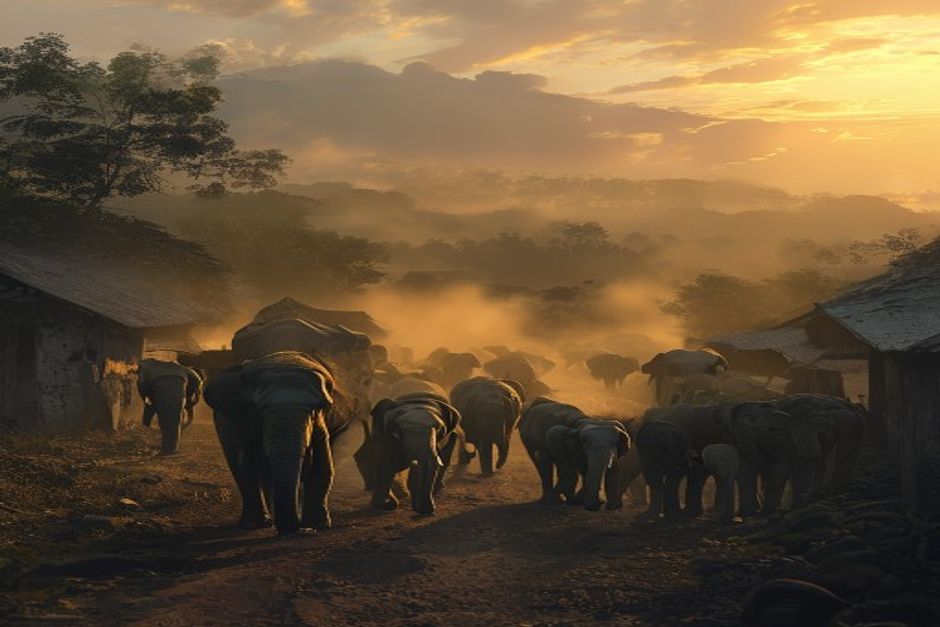
From the verdant hills of Kodagu to the fertile farmlands of Hassan, Karnataka is grappling with a disturbing surge in human-wildlife encounters. Elephants, gaurs, and even big cats are increasingly venturing into human settlements, leading to tragic loss of life and significant property damage. These escalating conflicts are not only causing fear and distress among residents but are also exposing critical gaps in current mitigation strategies.
Lives Lost, Livelihoods Threatened
Recent incidents paint a grim picture. Families have lost loved ones, and farmers watch in despair as their crops are ravaged by elephants and other wild animals. The fear of encountering a wild animal on the way to work or school has become a daily reality for many in these regions. While conservation efforts aim to protect wildlife, the encroaching human footprint into natural habitats, coupled with the animals' search for food and water, has created a volatile situation.
Gaps in Mitigation
Current measures, often a mix of physical barriers like trenches and electric fences, along with occasional forest department patrols, appear insufficient to tackle the scale of the problem. Residents argue that these solutions are often temporary, poorly maintained, or ineffective against determined animals. The lack of timely intervention and compensation for damages further fuels resentment and desperation. There's a growing demand for more robust, long-term strategies that balance the needs of both humans and wildlife.
A Demand for Lasting Solutions
The people of Kodagu and Hassan, and indeed many other affected parts of Karnataka, are no longer content with piecemeal solutions. They are raising their voices, demanding that the government and wildlife authorities implement comprehensive plans. These plans should include better habitat management, corridors for animal movement, community involvement in conservation, swift compensation mechanisms, and potentially, relocation of particularly problematic animal populations or enhanced monitoring systems. The urgency is palpable, as the current trajectory threatens to escalate into a full-blown crisis, damaging both human lives and conservation goals.
कोडगु की हरी-भरी पहाड़ियों से लेकर हसन की उपजाऊ खेती योग्य भूमि तक, कर्नाटक मानव-वन्यजीव मुठभेड़ों की एक परेशान करने वाली वृद्धि से जूझ रहा है। हाथी, गौर और यहां तक कि बड़ी बिल्लियाँ भी लगातार मानव बस्तियों में घुसपैठ कर रही हैं, जिससे दुखद जीवन हानि और महत्वपूर्ण संपत्ति क्षति हो रही है। ये बढ़ते संघर्ष न केवल निवासियों के बीच भय और संकट पैदा कर रहे हैं, बल्कि वर्तमान शमन रणनीतियों में गंभीर खामियों को भी उजागर कर रहे हैं।
जीवन की हानि, आजीविका खतरे में
हाल की घटनाओं ने एक गंभीर तस्वीर पेश की है। परिवारों ने प्रियजनों को खो दिया है, और किसान निराशा में देखते हैं क्योंकि उनके फसल हाथियों और अन्य जंगली जानवरों द्वारा तबाह हो जाते हैं। काम या स्कूल जाने के रास्ते में जंगली जानवर का सामना करने का डर इन क्षेत्रों में कई लोगों के लिए एक दैनिक वास्तविकता बन गया है। जबकि संरक्षण के प्रयास वन्यजीवों की रक्षा करना चाहते हैं, प्राकृतिक आवासों में मानव पदचिह्न का अतिक्रमण, भोजन और पानी की जानवरों की तलाश के साथ मिलकर, एक अस्थिर स्थिति पैदा हुई है।
शमन में खामियां
वर्तमान उपाय, जो अक्सर खाई और बिजली की बाड़ जैसी भौतिक बाधाओं का एक मिश्रण होते हैं, साथ ही कभी-कभार वन विभाग गश्त, समस्या के पैमाने से निपटने के लिए अपर्याप्त लगते हैं। निवासी तर्क देते हैं कि ये समाधान अक्सर अस्थायी, खराब रखरखाव वाले या दृढ़ जानवरों के खिलाफ अप्रभावी होते हैं। समय पर हस्तक्षेप और क्षति के लिए मुआवजे की कमी आगे नाराजगी और निराशा को बढ़ावा देती है। अधिक मजबूत, दीर्घकालिक रणनीतियों की बढ़ती मांग है जो मनुष्यों और वन्यजीवों दोनों की जरूरतों को संतुलित करती है।
स्थायी समाधानों की मांग
कोडगु और हसन के लोग, और वास्तव में कर्नाटक के कई अन्य प्रभावित हिस्से, अब खंडित समाधानों से संतुष्ट नहीं हैं। वे अपनी आवाज़ उठा रहे हैं, सरकार और वन्यजीव अधिकारियों से व्यापक योजनाएं लागू करने की मांग कर रहे हैं। इन योजनाओं में बेहतर आवास प्रबंधन, जानवरों की आवाजाही के लिए गलियारे, संरक्षण में सामुदायिक भागीदारी, त्वरित मुआवजा तंत्र, और संभावित रूप से, विशेष रूप से समस्याग्रस्त पशु आबादी का पुनर्वास या बढ़ी हुई निगरानी प्रणाली शामिल होनी चाहिए। तात्कालिकता स्पष्ट है, क्योंकि वर्तमान प्रक्षेपवक्र एक पूर्ण संकट में बढ़ने की धमकी देता है, जो मानव जीवन और संरक्षण दोनों लक्ष्यों को नुकसान पहुंचाता है।
कोडगुच्या हिरव्यागार टेकड्यांपासून ते हसनच्या सुपीक शेतजमिनीपर्यंत, कर्नाटक मानव-वन्यजीव चकमकींच्या वाढत्या संख्येने त्रस्त आहे. हत्ती, गौर आणि मोठे मांजर यांच्या मानवी वस्त्यांमध्ये वाढत्या प्रवेशामुळे दुःखद जीवितहानी आणि मालमत्तेचे मोठे नुकसान होत आहे. या वाढत्या संघर्षांमुळे रहिवाशांमध्ये भीती आणि अस्वस्थता निर्माण झाली आहे, तसेच सध्याच्या निवारण धोरणांमधील महत्त्वपूर्ण त्रुटी उघड झाल्या आहेत.
जीव गमावले, उपजीविका धोक्यात
अलीकडील घटना एक गंभीर चित्र रेखाटतात. कुटुंबांनी प्रियजनांना गमावले आहे आणि शेतकरी हत्ती आणि इतर वन्य प्राण्यांनी पिके उद्ध्वस्त होताना पाहून हताश झाले आहेत. कामावर किंवा शाळेत जाताना वन्य प्राण्यांचा सामना करण्याची भीती या भागातील अनेकांसाठी रोजची वास्तविकता बनली आहे. वन्यजीव संवर्धनाचे प्रयत्न प्राण्यांचे संरक्षण करण्याचे उद्दिष्ट ठेवत असले तरी, नैसर्गिक अधिवासांमध्ये मानवी हस्तक्षेप वाढत आहे, तसेच अन्न आणि पाण्यासाठी प्राण्यांचा शोध यामुळे एक धोकादायक परिस्थिती निर्माण झाली आहे.
निवारणातील त्रुटी
सध्याची उपाययोजना, ज्यात खंदक आणि विद्युत कुंपण यांसारख्या भौतिक अडथळ्यांचा समावेश आहे, तसेच अधूनमधून वन विभागाची गस्त, या समस्येच्या व्याप्तीवर मात करण्यासाठी अपुरी असल्याचे दिसते. रहिवाशांचा असा युक्तिवाद आहे की हे उपाय अनेकदा तात्पुरते, खराब देखभाल केलेले किंवा जिद्दी प्राण्यांसाठी कुचकामी ठरतात. वेळेवर हस्तक्षेप आणि नुकसानीसाठी भरपाई न मिळाल्याने असंतोष आणि निराशा वाढत आहे. मनुष्य आणि वन्यजीव दोघांच्याही गरजा संतुलित करणाऱ्या अधिक मजबूत, दीर्घकालीन धोरणांची मागणी वाढत आहे.
कायमस्वरूपी उपायांची मागणी
कोडगु आणि हसनचे लोक, आणि खरं तर कर्नाटकच्या इतर अनेक प्रभावित भागांतील रहिवासी, आता अपूर्ण उपायांनी समाधानी नाहीत. ते आवाज उठवत आहेत आणि सरकार व वन्यजीव अधिकाऱ्यांकडे व्यापक योजनांची अंमलबजावणी करण्याची मागणी करत आहेत. या योजनांमध्ये सुधारित अधिवास व्यवस्थापन, प्राण्यांच्या हालचालींसाठी मार्गिका, संवर्धनामध्ये समुदायाचा सहभाग, त्वरित नुकसान भरपाईची यंत्रणा, आणि संभाव्यतः, विशेषतः समस्याप्रधान वन्य प्राण्यांच्या स्थलांतराचा विचार किंवा सुधारित देखरेख प्रणाली यांचा समावेश असावा. सध्याची परिस्थिती एका मोठ्या संकटात रूपांतरित होण्याची भीती असल्याने तातडीची गरज स्पष्ट आहे, ज्यामुळे मानवी जीवन आणि संवर्धनाचे उद्दिष्ट या दोन्हीला धोका निर्माण होईल.
কোডাগুর সবুজ পাহাড় থেকে হাসাননের উর্বর কৃষিজমি পর্যন্ত, কর্ণাটক মানব-বন্যপ্রাণী সংঘর্ষের এক উদ্বেগজনক বৃদ্ধিতে জর্জরিত। হাতি, গাউর এবং এমনকি বড় বিড়ালগুলি ক্রমবর্ধমানভাবে মানব বসতিতে প্রবেশ করছে, যার ফলে মর্মান্তিক জীবনহানি এবং উল্লেখযোগ্য সম্পত্তি ক্ষতি হচ্ছে। এই ক্রমবর্ধমান সংঘাতগুলি কেবল বাসিন্দাদের মধ্যে ভয় এবং উদ্বেগ সৃষ্টি করছে না, বরং বর্তমান প্রশমন কৌশলগুলিতে গুরুতর ফাঁকগুলিও উন্মোচিত করছে।
জীবন হারানো, জীবিকা হুমকির মুখে
সাম্প্রতিক ঘটনাগুলি একটি ভয়াবহ চিত্র তুলে ধরেছে। পরিবারগুলি প্রিয়জন হারিয়েছে এবং কৃষকরা হতাশ হয়ে দেখছে তাদের ফসল হাতি এবং অন্যান্য বন্যপ্রাণী দ্বারা ধ্বংস হয়ে যাচ্ছে। কর্মস্থলে বা স্কুলে যাওয়ার পথে বন্যপ্রাণীর মুখোমুখি হওয়ার ভয় এই অঞ্চলের অনেকের জন্য একটি দৈনন্দিন বাস্তবতা হয়ে দাঁড়িয়েছে। যদিও বন্যপ্রাণী সংরক্ষণের প্রচেষ্টা বন্যপ্রাণীকে রক্ষা করার লক্ষ্যে করা হয়, তবে প্রাকৃতিক আবাসস্থলে মানুষের পদচারণা বৃদ্ধি, খাদ্য এবং জলের জন্য প্রাণীদের অনুসন্ধানের সাথে মিলিত হয়ে একটি অস্থির পরিস্থিতি তৈরি করেছে।
প্রশমন কৌশলের ফাঁক
বর্তমান ব্যবস্থাগুলি, প্রায়শই পরিখা এবং বৈদ্যুতিক বেড়ার মতো শারীরিক বাধাগুলির মিশ্রণ, পাশাপাশি মাঝে মাঝে বন বিভাগের টহল, সমস্যার ব্যাপকতার সাথে মোকাবিলা করার জন্য অপর্যাপ্ত বলে মনে হচ্ছে। বাসিন্দাদের যুক্তি হল যে এই সমাধানগুলি প্রায়শই অস্থায়ী, দুর্বলভাবে রক্ষণাবেক্ষণ করা বা জেদী প্রাণীদের বিরুদ্ধে অকার্যকর। সময়মত হস্তক্ষেপ এবং ক্ষতির জন্য ক্ষতিপূরণের অভাব আরও অসন্তোষ এবং হতাশা বাড়িয়ে তুলছে। এমন আরও শক্তিশালী, দীর্ঘমেয়াদী কৌশলের চাহিদা বাড়ছে যা মানুষ এবং বন্যপ্রাণী উভয়ের প্রয়োজনকে ভারসাম্যপূর্ণ করে।
স্থায়ী সমাধানের দাবি
কোডাগু এবং হাসানের জনগণ, এবং প্রকৃতপক্ষে কর্ণাটকের অন্যান্য অনেক ক্ষতিগ্রস্ত অঞ্চলের মানুষ, এখন আংশিক সমাধানে সন্তুষ্ট নয়। তারা তাদের কণ্ঠস্বর তুলছে, সরকার এবং বন্যপ্রাণী কর্তৃপক্ষের কাছে ব্যাপক পরিকল্পনা বাস্তবায়নের দাবি জানাচ্ছে। এই পরিকল্পনাগুলির মধ্যে উন্নত আবাসস্থল ব্যবস্থাপনা, প্রাণীদের চলাচলের জন্য করিডোর, সংরক্ষণে সম্প্রদায়ের অংশগ্রহণ, দ্রুত ক্ষতিপূরণ প্রক্রিয়া এবং সম্ভবত, বিশেষভাবে সমস্যাযুক্ত প্রাণী জনসংখ্যার স্থানান্তর বা উন্নত পর্যবেক্ষণ ব্যবস্থা অন্তর্ভুক্ত করা উচিত। বর্তমান পরিস্থিতি একটি পূর্ণাঙ্গ সংকটে পরিণত হওয়ার হুমকি দেওয়ায় জরুরি অবস্থা স্পষ্ট, যা মানব জীবন এবং সংরক্ষণ উভয় লক্ষ্যকেই ক্ষতিগ্রস্ত করবে।
கோடகுவின் பசுமையான மலைப்பகுதிகளிலிருந்து ஹாசனின் வளமான விவசாய நிலங்கள் வரை, கர்நாடகா மனித-வனவிலங்கு மோதல்களின் பெருகிவரும் எண்ணிக்கையால் தவித்து வருகிறது. யானைகள், காடுகள் மற்றும் பெரிய பூனைகள் மனித குடியிருப்புகளுக்குள் ஊடுருவுவதால், சோகமான உயிர் இழப்புகள் மற்றும் குறிப்பிடத்தக்க சொத்து சேதங்கள் ஏற்படுகின்றன. இந்த மோதல்கள் குடியிருப்பாளர்களிடையே பயத்தையும் கவலையையும் ஏற்படுத்துவதோடு மட்டுமல்லாமல், தற்போதைய தணிப்பு உத்திகளில் உள்ள முக்கியமான இடைவெளிகளையும் அம்பலப்படுத்துகின்றன.
உயிரிழப்புகள், வாழ்வாதாரங்கள் அச்சுறுத்தல்
சமீபத்திய சம்பவங்கள் ஒரு சோகமான படத்தை வரைகின்றன. குடும்பங்கள் தங்கள் அன்புக்குரியவர்களை இழந்துள்ளன, மேலும் விவசாயிகள் யானைகள் மற்றும் பிற வன விலங்குகளால் தங்கள் பயிர்கள் அழிக்கப்படுவதைக் கண்டு விரக்தியடைகின்றனர். வேலைக்கு அல்லது பள்ளிக்குச் செல்லும் வழியில் வனவிலங்கை எதிர்கொள்ளும் பயம் இந்தப் பகுதிகளில் பலருக்கு அன்றாட யதார்த்தமாக மாறியுள்ளது. வனவிலங்கு பாதுகாப்பு முயற்சிகள் வனவிலங்குகளைப் பாதுகாக்க முயன்றாலும், இயற்கை வாழ்விடங்களில் மனித கால் தடங்களின் விரிவாக்கம், உணவு மற்றும் தண்ணீருக்கான விலங்குகளின் தேடலுடன் சேர்ந்து, ஒரு நிலையற்ற சூழ்நிலையை உருவாக்கியுள்ளது.
தணிப்பு உத்திகளில் இடைவெளிகள்
தற்போதுள்ள நடவடிக்கைகள், பெரும்பாலும் அகழிகள் மற்றும் மின்வேலிகள் போன்ற உடல் தடைகள், அவ்வப்போது வனத்துறை ரோந்துகள் ஆகியவை, பிரச்சனையின் அளவைக் கையாள போதுமானதாக இல்லை. இந்த தீர்வுகள் பெரும்பாலும் தற்காலிகமானவை, மோசமாகப் பராமரிக்கப்படுபவை அல்லது பிடிவாதமான விலங்குகளுக்கு எதிராக பயனுள்ளவை அல்ல என்று குடியிருப்பாளர்கள் வாதிடுகின்றனர். சரியான நேரத்தில் தலையீடு மற்றும் சேதங்களுக்கான இழப்பீடு இல்லாதது மேலும் அதிருப்தியையும் விரக்தியையும் அதிகரிக்கிறது. மனிதர்கள் மற்றும் வனவிலங்குகள் இருவரின் தேவைகளையும் சமநிலைப்படுத்தும் வலுவான, நீண்டகால உத்திகளுக்கான தேவை அதிகரித்து வருகிறது.
நீடித்த தீர்வுகளுக்கான கோரிக்கை
கோடகு மற்றும் ஹாசனின் மக்கள், உண்மையில் கர்நாடகாவின் பல பாதிக்கப்பட்ட பகுதிகளைச் சேர்ந்தவர்கள், இப்போது பகுதி தீர்வுகளில் திருப்தி அடையவில்லை. அவர்கள் தங்கள் குரல்களை எழுப்புகிறார்கள், அரசாங்கமும் வனவிலங்கு அதிகாரிகளும் விரிவான திட்டங்களைச் செயல்படுத்த வேண்டும் என்று கோருகிறார்கள். இந்தத் திட்டங்களில் மேம்பட்ட வாழ்விட மேலாண்மை, விலங்குகளின் நடமாட்டத்திற்கான வழித்தடங்கள், பாதுகாப்பில் சமூக ஈடுபாடு, விரைவான இழப்பீட்டு வழிமுறைகள் மற்றும் சாத்தியமானால், குறிப்பாக சிக்கலான விலங்கு இனங்களின் இடமாற்றம் அல்லது மேம்படுத்தப்பட்ட கண்காணிப்பு அமைப்புகள் ஆகியவை அடங்கும். தற்போதைய போக்கு ஒரு முழு நெருக்கடியாக வெடிப்பதற்கான அச்சுறுத்தலைக் கொண்டிருப்பதால், அவசரம் தெளிவாகிறது, இது மனித உயிர்களையும் பாதுகாப்பு இலக்குகளையும் பாதிக்கும்.
కోడగు కొండల నుండి హాసన్ వ్యవసాయ క్షేత్రాల వరకు, కర్ణాటకలో మానవ-వన్యప్రాణి ఘర్షణలు ఆందోళనకరంగా పెరుగుతున్నాయి. ఏనుగులు, గౌర్లు మరియు పెద్ద పిల్లులు మానవ ఆవాసాలలోకి ప్రవేశించడం వల్ల విషాదకరమైన ప్రాణనష్టం మరియు ఆస్తి నష్టం సంభవిస్తోంది. ఈ పెరుగుతున్న సంఘర్షణలు నివాసితులలో భయాన్ని, ఆందోళనను పెంచడమే కాకుండా, ప్రస్తుత నివారణ చర్యలలో ఉన్న లోపాలను కూడా బహిర్గతం చేస్తున్నాయి.
ప్రాణాలు కోల్పోతున్నాయి, జీవనోపాధులు ప్రమాదంలో
ఇటీవలి సంఘటనలు భయంకరమైన చిత్రాన్ని చూపుతున్నాయి. కుటుంబాలు తమ ప్రియమైనవారిని కోల్పోతున్నాయి, మరియు రైతులు ఏనుగులు, ఇతర వన్యప్రాణుల వల్ల తమ పంటలు నాశనం అవ్వడాన్ని చూసి నిరాశ చెందుతున్నారు. పనికి లేదా పాఠశాలకు వెళ్లే మార్గంలో వన్యప్రాణులను ఎదుర్కొంటారనే భయం ఈ ప్రాంతాల్లోని చాలా మందికి రోజువారీ వాస్తవంగా మారింది. వన్యప్రాణి సంరక్షణ ప్రయత్నాలు జంతువులను రక్షించడానికి ఉద్దేశించినప్పటికీ, సహజ ఆవాసాలలో మానవ ఆక్రమణ, ఆహారం మరియు నీటి కోసం జంతువుల అన్వేషణతో కలిసి, ఒక అస్థిర పరిస్థితిని సృష్టించింది.
నివారణలో లోపాలు
ప్రస్తుతం అమలులో ఉన్న చర్యలు, తరచుగా కందకాలు మరియు విద్యుత్ కంచెల వంటి భౌతిక అడ్డంకులు, అప్పుడప్పుడు అటవీ శాఖ నిఘా వంటివి, ఈ సమస్య తీవ్రతను ఎదుర్కోవడానికి సరిపోవని తెలుస్తోంది. ఈ పరిష్కారాలు తరచుగా తాత్కాలికమైనవి, సరిగా నిర్వహించబడనివి లేదా మొండి జంతువులకు వ్యతిరేకంగా అసమర్థమైనవి అని నివాసితులు వాదిస్తున్నారు. సకాలంలో జోక్యం చేసుకోకపోవడం మరియు నష్టపరిహారం చెల్లించకపోవడం మరింత అసంతృప్తికి, నిరాశకు దారితీస్తోంది. మానవులు, వన్యప్రాణులు ఇద్దరి అవసరాలను సమతుల్యం చేసే మరింత పటిష్టమైన, దీర్ఘకాలిక వ్యూహాల కోసం డిమాండ్ పెరుగుతోంది.
శాశ్వత పరిష్కారాల కోసం డిమాండ్
కోడగు, హాసన్ మరియు కర్ణాటకలోని ఇతర ప్రభావిత ప్రాంతాల ప్రజలు ఇకపై తాత్కాలిక పరిష్కారాలతో సంతృప్తి చెందడం లేదు. వారు తమ గొంతులను వినిపిస్తూ, ప్రభుత్వం మరియు వన్యప్రాణి అధికారులను సమగ్ర ప్రణాళికలను అమలు చేయాలని కోరుతున్నారు. ఈ ప్రణాళికలలో మెరుగైన ఆవాసాల నిర్వహణ, జంతువుల కదలికల కోసం కారిడార్లు, సంరక్షణలో సమాజ భాగస్వామ్యం, సత్వర నష్టపరిహార యంత్రాంగాలు మరియు సాధ్యమైతే, ప్రత్యేకంగా సమస్యాత్మకమైన జంతు జనాభాను తరలించడం లేదా పర్యవేక్షణ వ్యవస్థలను మెరుగుపరచడం వంటివి ఉండాలి. ప్రస్తుత పరిస్థితి ఒక పెద్ద సంక్షోభంగా మారే ప్రమాదం ఉన్నందున, ఈ సమస్య మానవ జీవితాలను, సంరక్షణ లక్ష్యాలను దెబ్బతీస్తోంది, కాబట్టి తక్షణ చర్య అవసరం.
કોડગુની લીલીછમ ટેકરીઓથી લઈને હાસનની ફળદ્રુપ ખેતીની જમીન સુધી, કર્ણાટક માનવ-વન્યજીવન અથડામણોની ચિંતાજનક વૃદ્ધિથી પીડાઈ રહ્યું છે. હાથીઓ, ગૌર અને મોટી બિલાડીઓ પણ માનવ વસાહતોમાં વધુ ને વધુ પ્રવેશી રહી છે, જેના કારણે દુઃખદ જાનહાનિ અને નોંધપાત્ર સંપત્તિનું નુકસાન થઈ રહ્યું છે. આ વધતા સંઘર્ષો માત્ર રહેવાસીઓમાં ભય અને તકલીફ પેદા કરી રહ્યા નથી, પરંતુ વર્તમાન નિવારણ વ્યૂહરચનાઓમાં ગંભીર ખામીઓને પણ ઉજાગર કરી રહ્યા છે.
જીવન ગુમાવ્યા, આજીવિકા જોખમમાં
તાજેતરની ઘટનાઓ એક ગંભીર ચિત્ર રજૂ કરે છે. પરિવારોએ પ્રિયજનો ગુમાવ્યા છે, અને ખેડૂતો નિરાશામાં જુએ છે કારણ કે તેમના પાક હાથીઓ અને અન્ય જંગલી પ્રાણીઓ દ્વારા નાશ પામે છે. કામ પર અથવા શાળાએ જતાં રસ્તામાં જંગલી પ્રાણીનો સામનો કરવાનો ભય આ પ્રદેશોમાં ઘણા લોકો માટે રોજિંદી વાસ્તવિકતા બની ગયો છે. જ્યારે વન્યજીવન સંરક્ષણના પ્રયાસો વન્યજીવનને બચાવવાનો હેતુ ધરાવે છે, ત્યારે કુદરતી નિવાસસ્થાનોમાં માનવ પગલાંનો વધારો, ખોરાક અને પાણી માટે પ્રાણીઓની શોધ સાથે મળીને, એક અસ્થિર પરિસ્થિતિ ઊભી કરી છે.
નિવારણમાં ખામીઓ
વર્તમાન પગલાં, જે ઘણીવાર ખાઈ અને ઇલેક્ટ્રિક વાડ જેવી ભૌતિક અવરોધોનું મિશ્રણ હોય છે, સાથે સાથે પ્રસંગોપાત વન વિભાગની પેટ્રોલિંગ, સમસ્યાના વ્યાપને પહોંચી વળવા માટે અપૂરતા જણાય છે. રહેવાસીઓ દલીલ કરે છે કે આ ઉકેલો ઘણીવાર કામચલાઉ, નબળી રીતે જાળવવામાં આવેલ અથવા દ્રઢ પ્રાણીઓ સામે બિનઅસરકારક હોય છે. સમયસર હસ્તક્ષેપ અને નુકસાન માટે વળતરનો અભાવ વધુ અસંતોષ અને નિરાશાને વેગ આપે છે. વધુ મજબૂત, લાંબા ગાળાની વ્યૂહરચનાઓની વધતી માંગ છે જે માનવ અને વન્યજીવન બંનેની જરૂરિયાતોને સંતુલિત કરે.
કાયમી ઉકેલોની માંગ
કોડગુ અને હાસનના લોકો, અને ખરેખર કર્ણાટકના અન્ય ઘણા અસરગ્રસ્ત વિસ્તારોના લોકો, હવે આંશિક ઉકેલોથી સંતુષ્ટ નથી. તેઓ પોતાનો અવાજ ઉઠાવી રહ્યા છે, સરકાર અને વન્યજીવન અધિકારીઓ પાસેથી વ્યાપક યોજનાઓનો અમલ કરવાની માંગ કરી રહ્યા છે. આ યોજનાઓમાં સુધારેલ નિવાસસ્થાન વ્યવસ્થાપન, પ્રાણીઓની હિલચાલ માટે કોરિડોર, સંરક્ષણમાં સમુદાયની ભાગીદારી, ઝડપી વળતર પદ્ધતિઓ અને સંભવિતપણે, ખાસ કરીને સમસ્યારૂપ પ્રાણીઓની વસ્તીનું સ્થળાંતર અથવા સુધારેલી નિરીક્ષણ પ્રણાલીઓનો સમાવેશ થવો જોઈએ. વર્તમાન પરિસ્થિતિ સંપૂર્ણ કટોકટીમાં વધવાની ધમકી આપતી હોવાથી તાકીદ સ્પષ્ટ છે, જે માનવ જીવન અને સંરક્ષણ બંને લક્ષ્યોને નુકસાન પહોંચાડશે.
ਕੋਡਗੂ ਦੀਆਂ ਹਰੀ-ਭਰੀ ਪਹਾੜੀਆਂ ਤੋਂ ਲੈ ਕੇ ਹਾਸਨ ਦੀਆਂ ਉਪਜਾਊ ਖੇਤੀਯੋਗ ਜ਼ਮੀਨਾਂ ਤੱਕ, ਕਰਨਾਟਕ ਮਨੁੱਖੀ-ਜੰਗਲੀ ਜੀਵਨ ਟਕਰਾਅ ਦੀ ਚਿੰਤਾਜਨਕ ਵਾਧੇ ਨਾਲ ਜੂਝ ਰਿਹਾ ਹੈ। ਹਾਥੀ, ਗੌਰ ਅਤੇ ਵੱਡੇ ਬਿੱਲ ਵੀ ਮਨੁੱਖੀ ਬਸਤੀਆਂ ਵਿੱਚ ਵਧੇਰੇ ਦਾਖਲ ਹੋ ਰਹੇ ਹਨ, ਜਿਸ ਕਾਰਨ ਦੁਖਦਾਈ ਜਾਨੀ ਨੁਕਸਾਨ ਅਤੇ ਮਹੱਤਵਪੂਰਨ ਜਾਇਦਾਦ ਦਾ ਨੁਕਸਾਨ ਹੋ ਰਿਹਾ ਹੈ। ਇਹ ਵਧਦੇ ਟਕਰਾਅ ਨਾ ਸਿਰਫ਼ ਵਸਨੀਕਾਂ ਵਿੱਚ ਡਰ ਅਤੇ ਤਕਲੀਫ਼ ਪੈਦਾ ਕਰ ਰਹੇ ਹਨ, ਬਲਕਿ ਮੌਜੂਦਾ ਰਾਹਤ ਯੋਜਨਾਵਾਂ ਵਿੱਚ ਗੰਭੀਰ ਖਾਮੀਆਂ ਨੂੰ ਵੀ ਉਜਾਗਰ ਕਰ ਰਹੇ ਹਨ।
ਜੀਵਨ ਗੁਆਚਿਆ, ਰੋਜ਼ੀ-ਰੋਟੀ ਖਤਰੇ ਵਿੱਚ
ਹਾਲੀਆ ਘਟਨਾਵਾਂ ਇੱਕ ਗੰਭੀਰ ਤਸਵੀਰ ਪੇਸ਼ ਕਰਦੀਆਂ ਹਨ। ਪਰਿਵਾਰਾਂ ਨੇ ਆਪਣੇ ਅਜ਼ੀਜ਼ਾਂ ਨੂੰ ਗੁਆ ਦਿੱਤਾ ਹੈ, ਅਤੇ ਕਿਸਾਨ ਨਿਰਾਸ਼ਾ ਵਿੱਚ ਦੇਖਦੇ ਹਨ ਜਦੋਂ ਉਨ੍ਹਾਂ ਦੀਆਂ ਫਸਲਾਂ ਹਾਥੀਆਂ ਅਤੇ ਹੋਰ ਜੰਗਲੀ ਜਾਨਵਰਾਂ ਦੁਆਰਾ ਤਬਾਹ ਹੋ ਜਾਂਦੀਆਂ ਹਨ। ਕੰਮ ਜਾਂ ਸਕੂਲ ਜਾਣ ਦੇ ਰਸਤੇ 'ਤੇ ਜੰਗਲੀ ਜਾਨਵਰਾਂ ਦਾ ਸਾਹਮਣਾ ਕਰਨ ਦਾ ਡਰ ਇਨ੍ਹਾਂ ਇਲਾਕਿਆਂ ਵਿੱਚ ਬਹੁਤ ਸਾਰੇ ਲੋਕਾਂ ਲਈ ਰੋਜ਼ਾਨਾ ਦੀ ਹਕੀਕਤ ਬਣ ਗਿਆ ਹੈ। ਜਦੋਂ ਕਿ ਜੰਗਲੀ ਜੀਵਨ ਸੁਰੱਖਿਆ ਦੇ ਯਤਨ ਜੰਗਲੀ ਜੀਵਨ ਨੂੰ ਬਚਾਉਣ ਲਈ ਕੀਤੇ ਜਾਂਦੇ ਹਨ, ਕੁਦਰਤੀ ਆਵਾਸਾਂ ਵਿੱਚ ਮਨੁੱਖੀ ਪੈੜਾਂ ਦਾ ਵਧਣਾ, ਭੋਜਨ ਅਤੇ ਪਾਣੀ ਲਈ ਜਾਨਵਰਾਂ ਦੀ ਭਾਲ ਨਾਲ ਮਿਲ ਕੇ, ਇੱਕ ਅਸਥਿਰ ਸਥਿਤੀ ਪੈਦਾ ਕਰ ਚੁੱਕਾ ਹੈ।
ਰਾਹਤ ਯੋਜਨਾਵਾਂ ਵਿੱਚ ਖਾਮੀਆਂ
ਮੌਜੂਦਾ ਉਪਾਅ, ਜੋ ਅਕਸਰ ਖਾਈਆਂ ਅਤੇ ਇਲੈਕਟ੍ਰਿਕ ਵਾੜਾਂ ਵਰਗੀਆਂ ਭੌਤਿਕ ਰੁਕਾਵਟਾਂ ਦਾ ਮਿਸ਼ਰਣ ਹੁੰਦੇ ਹਨ, ਨਾਲ ਹੀ ਕਦੇ-ਕਦਾਈਂ ਜੰਗਲਾਤ ਵਿਭਾਗ ਦੀ ਗਸ਼ਤ, ਸਮੱਸਿਆ ਦੇ ਪੈਮਾਨੇ ਨਾਲ ਨਜਿੱਠਣ ਲਈ ਨਾਕਾਫ਼ੀ ਜਾਪਦੇ ਹਨ। ਵਸਨੀਕਾਂ ਦਾ ਤਰਕ ਹੈ ਕਿ ਇਹ ਹੱਲ ਅਕਸਰ ਅਸਥਾਈ, ਖਰਾਬ ਢੰਗ ਨਾਲ ਰੱਖੇ ਜਾਂਦੇ ਹਨ ਜਾਂ ਜ਼ਿੱਦੀ ਜਾਨਵਰਾਂ ਦੇ ਵਿਰੁੱਧ ਬੇਅਸਰ ਹੁੰਦੇ ਹਨ। ਸਮੇਂ ਸਿਰ ਦਖਲਅੰਦਾਜ਼ੀ ਅਤੇ ਨੁਕਸਾਨ ਲਈ ਮੁਆਵਜ਼ੇ ਦੀ ਘਾਟ ਹੋਰ ਅਸੰਤੋਖ ਅਤੇ ਨਿਰਾਸ਼ਾ ਨੂੰ ਵਧਾਉਂਦੀ ਹੈ। ਵਧੇਰੇ ਮਜ਼ਬੂਤ, ਲੰਬੇ ਸਮੇਂ ਦੀਆਂ ਯੋਜਨਾਵਾਂ ਦੀ ਮੰਗ ਵੱਧ ਰਹੀ ਹੈ ਜੋ ਮਨੁੱਖਾਂ ਅਤੇ ਜੰਗਲੀ ਜੀਵਨ ਦੋਵਾਂ ਦੀਆਂ ਜ਼ਰੂਰਤਾਂ ਨੂੰ ਸੰਤੁਲਿਤ ਕਰਦੀਆਂ ਹਨ।
ਸਥਾਈ ਹੱਲਾਂ ਦੀ ਮੰਗ
ਕੋਡਗੂ ਅਤੇ ਹਾਸਨ ਦੇ ਲੋਕ, ਅਤੇ ਅਸਲ ਵਿੱਚ ਕਰਨਾਟਕ ਦੇ ਹੋਰ ਬਹੁਤ ਸਾਰੇ ਪ੍ਰਭਾਵਿਤ ਖੇਤਰਾਂ ਦੇ ਲੋਕ, ਹੁਣ ਅੰਸ਼ਕ ਹੱਲਾਂ ਤੋਂ ਸੰਤੁਸ਼ਟ ਨਹੀਂ ਹਨ। ਉਹ ਆਪਣੀ ਆਵਾਜ਼ ਬੁਲੰਦ ਕਰ ਰਹੇ ਹਨ, ਸਰਕਾਰ ਅਤੇ ਜੰਗਲੀ ਜੀਵਨ ਅਧਿਕਾਰੀਆਂ ਤੋਂ ਵਿਆਪਕ ਯੋਜਨਾਵਾਂ ਲਾਗੂ ਕਰਨ ਦੀ ਮੰਗ ਕਰ ਰਹੇ ਹਨ। ਇਨ੍ਹਾਂ ਯੋਜਨਾਵਾਂ ਵਿੱਚ ਬਿਹਤਰ ਆਵਾਸ ਪ੍ਰਬੰਧਨ, ਜਾਨਵਰਾਂ ਦੀ ਆਵਾਜਾਈ ਲਈ ਗਲਿਆਰੇ, ਸੁਰੱਖਿਆ ਵਿੱਚ ਭਾਈਚਾਰੇ ਦੀ ਭਾਗੀਦਾਰੀ, ਤੇਜ਼ ਮੁਆਵਜ਼ਾ ਪ੍ਰਣਾਲੀਆਂ, ਅਤੇ ਸੰਭਵ ਤੌਰ 'ਤੇ, ਖਾਸ ਕਰਕੇ ਸਮੱਸਿਆ ਵਾਲੇ ਜਾਨਵਰਾਂ ਦੀਆਂ ਆਬਾਦੀਆਂ ਦਾ ਸਥਾਨਾਂਤਰਨ ਜਾਂ ਸੁਧਾਰੀ ਨਿਗਰਾਨੀ ਪ੍ਰਣਾਲੀਆਂ ਸ਼ਾਮਲ ਹੋਣੀਆਂ ਚਾਹੀਦੀਆਂ ਹਨ। ਤੁਰੰਤਤਾ ਸਪੱਸ਼ਟ ਹੈ, ਕਿਉਂਕਿ ਮੌਜੂਦਾ ਰੁਝਾਨ ਇੱਕ ਪੂਰੇ ਸੰਕਟ ਵਿੱਚ ਵਾਧਾ ਕਰਨ ਦੀ ਧਮਕੀ ਦਿੰਦਾ ਹੈ, ਜੋ ਮਨੁੱਖੀ ਜੀਵਨ ਅਤੇ ਸੁਰੱਖਿਆ ਦੋਵਾਂ ਟੀਚਿਆਂ ਨੂੰ ਨੁਕਸਾਨ ਪਹੁੰਚਾਏਗਾ।

💬 Comments