Breaking News
ताज़ा खबर
ताजी बातमी
সর্বশেষ সংবাদ
சமீபத்திய செய்தி
తాజా వార్త
તાજા સમાચાર
ਤਾਜ਼ਾ ਖ਼ਬਰ
US President Fails to De-Escalate Tensions: A Costly Cycle of Mistakes
अमेरिकी राष्ट्रपति की कूटनीतिक विफलता: गलतियों का महंगा चक्र
अमेरिकन अध्यक्षांचे राजनैतिक अपयश: चुकांचे चक्र सुरूच
মার্কিন প্রেসিডেন্টের কূটনৈতিক ব্যর্থতা: ভুলগুলির ব্যয়বহুল চক্র
அமெரிக்க அதிபரின் இராஜதந்திரத் தோல்வி: தவறுகளின் விலையுயர்ந்த சுழற்சி
అమెరికా అధ్యక్షుడి దౌత్య వైఫల్యం: తప్పుల ఖరీదైన చక్రం
યુએસ પ્રમુખની રાજદ્વારી નિષ્ફળતા: ભૂલોનું મોંઘું ચક્ર
ਅਮਰੀਕੀ ਰਾਸ਼ਟਰਪਤੀ ਦੀ ਕੂਟਨੀਤਕ ਅਸਫਲਤਾ: ਗਲਤੀਆਂ ਦਾ ਇੱਕ ਮਹਿੰਗਾ ਚੱਕਰ
By AI News Desk
🕐 21 May 2026, 09:29 PM
🌍 World
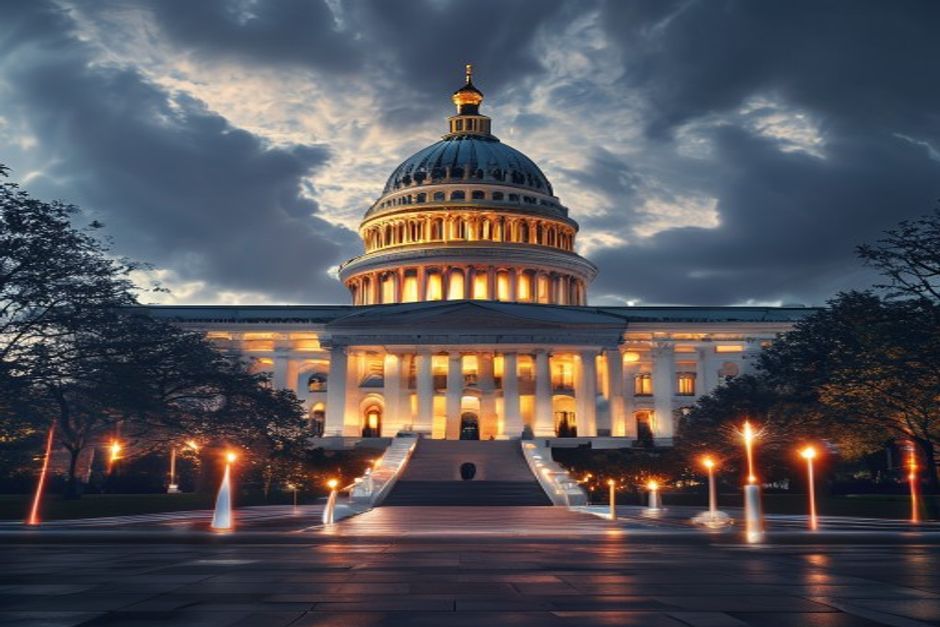
The global stage is buzzing with discussions following recent reports indicating that the US President's efforts to 'un-unite' – or more accurately, to de-escalate tensions and prevent further alignment between – two significant global powers have seemingly fallen short. This diplomatic setback is particularly poignant as critics point to a familiar pattern: the repetition of strategic missteps previously made by his predecessors, ultimately exacerbating existing geopolitical divides rather than mending them.
The Echoes of Past Failures
For decades, US foreign policy has grappled with the complex dynamics of rival nations. The current administration, despite promises of a fresh approach, appears to have fallen into the same traps. Analysts suggest a primary mistake lies in an over-reliance on confrontational tactics, sanctions, and a perceived lack of nuanced understanding of the historical grievances and strategic imperatives driving these rival powers. Instead of fostering dialogue and finding common ground, policies have often been perceived as unilateral, alienating potential mediators and pushing adversaries closer together.
Predecessors, too, faced similar dilemmas, often resorting to heavy-handed diplomacy that, while aimed at asserting dominance, inadvertently fostered greater solidarity among those targeted. This cycle of reactive rather than proactive engagement creates a predictable pathway for international relations, one where adversaries learn to anticipate and counter US moves, often by strengthening their own alliances and deepening economic and military cooperation.
Consequences on the Global Stage
The immediate consequence of this persistent failure is a further hardening of existing blocs and an escalation of global tensions. Instead of achieving a strategic separation or de-escalation, the US approach might have inadvertently solidified the very alliances it sought to disrupt. This not only diminishes the US's diplomatic leverage but also complicates international efforts to address pressing global issues, from climate change to economic stability, which require concerted, cooperative action from all major players.
Furthermore, the perceived predictability of US foreign policy emboldens rivals, allowing them to formulate long-term strategies to circumvent American influence. The trust gap widens, making future negotiations and peace initiatives significantly more challenging. For the global community, it means a more fractured and volatile world, where the risks of miscalculation and conflict are heightened. It’s a stark reminder that true statecraft requires empathy, adaptability, and a willingness to transcend historical patterns of thought and action.
हाल की रिपोर्टों से पता चला है कि अमेरिकी राष्ट्रपति के दो महत्वपूर्ण वैश्विक शक्तियों के बीच 'विभाजन' – या अधिक सटीक रूप से, तनाव कम करने और आगे संरेखण को रोकने – के प्रयासों में कमी आई है, जिसके बाद वैश्विक मंच पर गरमागरम चर्चा हो रही है। यह कूटनीतिक झटका विशेष रूप से मार्मिक है क्योंकि आलोचक एक परिचित पैटर्न की ओर इशारा करते हैं: उनके पूर्ववर्तियों द्वारा पहले की गई रणनीतिक गलतियों की पुनरावृत्ति, अंततः मौजूदा भू-राजनीतिक विभाजनों को ठीक करने के बजाय उन्हें और बढ़ा रही है।
पिछली विफलताओं की गूँज
दशकों से, अमेरिकी विदेश नीति प्रतिद्वंद्वी राष्ट्रों की जटिल गतिशीलता से जूझ रही है। मौजूदा प्रशासन, एक नए दृष्टिकोण के वादों के बावजूद, उन्हीं जाल में फंसता दिख रहा है। विश्लेषकों का सुझाव है कि एक प्राथमिक गलती टकराव की रणनीति, प्रतिबंधों पर अत्यधिक निर्भरता, और इन प्रतिद्वंद्वी शक्तियों को चलाने वाली ऐतिहासिक शिकायतों और रणनीतिक अनिवार्यताओं की सूक्ष्म समझ की कमी में निहित है। संवाद को बढ़ावा देने और सामान्य आधार खोजने के बजाय, नीतियों को अक्सर एकतरफा माना जाता है, जो संभावित मध्यस्थों को अलग-थलग कर देती हैं और विरोधियों को करीब लाती हैं।
पूर्ववर्तियों को भी ऐसी ही दुविधाओं का सामना करना पड़ा था, अक्सर कठोर कूटनीति का सहारा लेते हुए, जिसका उद्देश्य प्रभुत्व स्थापित करना था, लेकिन अनजाने में उन लोगों के बीच अधिक एकजुटता को बढ़ावा मिला जिन्हें लक्षित किया गया था। प्रतिक्रियात्मक के बजाय सक्रिय जुड़ाव का यह चक्र अंतरराष्ट्रीय संबंधों के लिए एक अनुमानित मार्ग बनाता है, जहां विरोधी अमेरिकी चालों का अनुमान लगाना और उनका मुकाबला करना सीखते हैं, अक्सर अपने स्वयं के गठबंधनों को मजबूत करके और आर्थिक व सैन्य सहयोग को गहरा करके।
वैश्विक मंच पर परिणाम
इस लगातार विफलता का तात्कालिक परिणाम मौजूदा गुटों का और कठोर होना और वैश्विक तनावों का बढ़ना है। रणनीतिक अलगाव या तनाव कम करने के बजाय, अमेरिकी दृष्टिकोण ने अनजाने में उन गठबंधनों को मजबूत कर दिया हो सकता है जिन्हें वह बाधित करना चाहता था। यह न केवल अमेरिका के कूटनीतिक प्रभाव को कम करता है, बल्कि जलवायु परिवर्तन से लेकर आर्थिक स्थिरता तक, महत्वपूर्ण वैश्विक मुद्दों को संबोधित करने के अंतरराष्ट्रीय प्रयासों को भी जटिल बनाता है, जिनके लिए सभी प्रमुख खिलाड़ियों से ठोस, सहकारी कार्रवाई की आवश्यकता होती है।
इसके अलावा, अमेरिकी विदेश नीति की कथित पूर्वानुमेयता प्रतिद्वंद्वियों को सशक्त बनाती है, जिससे उन्हें अमेरिकी प्रभाव को दरकिनार करने के लिए दीर्घकालिक रणनीतियाँ बनाने की अनुमति मिलती है। विश्वास का अंतर बढ़ता है, जिससे भविष्य की बातचीत और शांति पहल काफी अधिक चुनौतीपूर्ण हो जाती है। वैश्विक समुदाय के लिए, इसका मतलब एक अधिक खंडित और अस्थिर दुनिया है, जहां गलत गणना और संघर्ष के जोखिम बढ़ जाते हैं। यह एक कठोर अनुस्मारक है कि सच्ची राजनीति के लिए सहानुभूति, अनुकूलनशीलता और विचार और कार्रवाई के ऐतिहासिक पैटर्न को पार करने की इच्छा की आवश्यकता होती है।
अलिकडील अहवालांनुसार, अमेरिकेच्या अध्यक्षांनी दोन महत्त्वाच्या जागतिक सत्तांना 'एकत्र येण्यापासून रोखण्यासाठी' – किंवा अधिक अचूकपणे, तणाव कमी करण्यासाठी आणि त्यांच्यातील पुढील संरेखन टाळण्यासाठी – केलेले प्रयत्न कमी पडले आहेत, या चर्चेने जागतिक व्यासपीठ गजबजून गेले आहे. हा राजनैतिक धक्का विशेषतः तीव्र आहे कारण समीक्षक एका परिचित नमुन्याकडे लक्ष वेधत आहेत: त्यांच्या पूर्ववर्तींनी केलेल्या धोरणात्मक चुकांची पुनरावृत्ती, ज्यामुळे अस्तित्वातील भू-राजकीय विभाजन दुरुस्त करण्याऐवजी ते अधिकच वाढले आहे.
भूतकाळातील अपयशांचे प्रतिध्वनी
दशकांपासून, अमेरिकेच्या परराष्ट्र धोरणाने प्रतिस्पर्धी राष्ट्रांच्या जटिल गतिशीलतेशी संघर्ष केला आहे. सध्याचे प्रशासन, नवीन दृष्टिकोनाची आश्वासने देऊनही, त्याच सापळ्यात अडकले असल्याचे दिसते. विश्लेषकांचे म्हणणे आहे की प्राथमिक चूक ही संघर्षपूर्ण डावपेच, निर्बंध आणि या प्रतिस्पर्धी शक्तींना चालना देणाऱ्या ऐतिहासिक तक्रारी आणि धोरणात्मक अनिवार्यतेच्या सूक्ष्म समजाचा अभाव यावर जास्त अवलंबून असण्यात आहे. संवाद आणि समान आधार शोधण्याऐवजी, धोरणे अनेकदा एकतर्फी मानली गेली आहेत, ज्यामुळे संभाव्य मध्यस्थ दुरावले आणि विरोधक एकमेकांच्या जवळ आले.
पूर्ववर्तींनाही अशाच दुविधांचा सामना करावा लागला होता, अनेकदा कठोर मुत्सद्देगिरीचा अवलंब केला जात असे, ज्याचा उद्देश वर्चस्व गाजवण्याचा असला तरी, अनवधानाने लक्ष्यित लोकांमध्ये अधिक एकता निर्माण झाली. प्रतिक्रियात्मक ऐवजी सक्रिय सहभागाचे हे चक्र आंतरराष्ट्रीय संबंधांसाठी एक अंदाज करण्यायोग्य मार्ग तयार करते, जिथे विरोधक अमेरिकेच्या हालचालींचा अंदाज घेण्यास आणि त्यांचा सामना करण्यास शिकतात, अनेकदा स्वतःचे गट मजबूत करून आणि आर्थिक व लष्करी सहकार्य वाढवून.
जागतिक स्तरावरील परिणाम
या सततच्या अपयशाचा तात्काळ परिणाम म्हणजे विद्यमान गटांचे आणखी दृढीकरण आणि जागतिक तणावांमध्ये वाढ. धोरणात्मक विभाजन किंवा तणाव कमी करण्याऐवजी, अमेरिकेच्या दृष्टिकोनाने अनवधानाने त्या युतींनाच मजबूत केले असावे ज्यांना ते विस्कळीत करण्याचा प्रयत्न करत होते. यामुळे केवळ अमेरिकेचा राजनैतिक प्रभाव कमी होत नाही, तर हवामान बदल ते आर्थिक स्थैर्य यांसारख्या महत्त्वाच्या जागतिक समस्यांचे निराकरण करण्यासाठी आंतरराष्ट्रीय प्रयत्नांनाही गुंतागुंतीचे करते, ज्यासाठी सर्व प्रमुख खेळाडूंकडून एकत्रित, सहकार्याची कृती आवश्यक आहे.
शिवाय, अमेरिकेच्या परराष्ट्र धोरणाची कथित अंदाजक्षमता प्रतिस्पर्ध्यांना बळ देते, ज्यामुळे त्यांना अमेरिकन प्रभावाला बगल देण्यासाठी दीर्घकालीन रणनीती तयार करण्याची संधी मिळते. विश्वासातील दरी वाढत जाते, ज्यामुळे भविष्यातील वाटाघाटी आणि शांतता उपक्रम लक्षणीयरीत्या अधिक आव्हानात्मक होतात. जागतिक समुदायासाठी, याचा अर्थ अधिक विखंडित आणि अस्थिर जग आहे, जिथे चुकीच्या गणनेचा आणि संघर्षाचा धोका वाढलेला असतो. हे एक स्पष्ट स्मरण आहे की खऱ्या राजकारणासाठी सहानुभूती, अनुकूलता आणि विचार आणि कृतीच्या ऐतिहासिक पद्धतींना मागे टाकण्याची तयारी आवश्यक आहे.
সাম্প্রতিক প্রতিবেদনগুলি ইঙ্গিত দিচ্ছে যে মার্কিন প্রেসিডেন্টের দুটি গুরুত্বপূর্ণ বিশ্ব শক্তিকে 'অনৈক্য' করতে – অথবা আরও সঠিকভাবে বলতে গেলে, উত্তেজনা হ্রাস করতে এবং তাদের মধ্যে আরও জোটবদ্ধতা প্রতিরোধ করতে – যে প্রচেষ্টাগুলি করেছেন তা ব্যর্থ হয়েছে, এর ফলে বিশ্ব মঞ্চে ব্যাপক আলোচনা শুরু হয়েছে। এই কূটনৈতিক ব্যর্থতা বিশেষভাবে বেদনাদায়ক কারণ সমালোচকরা একটি পরিচিত প্যাটার্নের দিকে ইঙ্গিত করছেন: তার পূর্বসূরিদের দ্বারা পূর্বে করা কৌশলগত ভুলগুলির পুনরাবৃত্তি, যা শেষ পর্যন্ত বিদ্যমান ভূ-রাজনৈতিক বিভাজনগুলি মেরামত করার পরিবর্তে আরও বাড়িয়ে তুলছে।
অতীতের ব্যর্থতার প্রতিধ্বনি
কয়েক দশক ধরে, মার্কিন যুক্তরাষ্ট্রের পররাষ্ট্র নীতি প্রতিদ্বন্দ্বী দেশগুলির জটিল গতিশীলতা নিয়ে সংগ্রাম করেছে। বর্তমান প্রশাসন, একটি নতুন পদ্ধতির প্রতিশ্রুতি সত্ত্বেও, একই ফাঁদে পড়েছে বলে মনে হচ্ছে। বিশ্লেষকরা পরামর্শ দেন যে একটি প্রাথমিক ভুল হলো সংঘাতমূলক কৌশল, নিষেধাজ্ঞা এবং এই প্রতিদ্বন্দ্বী শক্তিগুলিকে চালিত করা ঐতিহাসিক ক্ষোভ এবং কৌশলগত বাধ্যবাধকতাগুলির সূক্ষ্ম বোঝার অভাবের উপর অত্যধিক নির্ভরতা। সংলাপকে উত্সাহিত করার এবং সাধারণ ভিত্তি খুঁজে বের করার পরিবর্তে, নীতিগুলিকে প্রায়শই একতরফা হিসাবে দেখা হয়েছে, যা সম্ভাব্য মধ্যস্থতাকারীদের দূরে সরিয়ে দিয়েছে এবং প্রতিপক্ষকে আরও কাছাকাছি ঠেলে দিয়েছে।
পূর্বসূরিরাও একই ধরনের দ্বিধাগুলির মুখোমুখি হয়েছিলেন, প্রায়শই কঠোর কূটনীতির আশ্রয় নিয়েছিলেন যা আধিপত্য জোরদার করার লক্ষ্যে হলেও, অনিচ্ছাকৃতভাবে লক্ষ্যবস্তুগুলির মধ্যে বৃহত্তর সংহতি গড়ে তুলেছিল। প্রতিক্রিয়াশীলতার পরিবর্তে সক্রিয় জড়িত থাকার এই চক্র আন্তর্জাতিক সম্পর্কের জন্য একটি অনুমানযোগ্য পথ তৈরি করে, যেখানে প্রতিপক্ষরা মার্কিন পদক্ষেপগুলি অনুমান করতে এবং তার মোকাবিলা করতে শেখে, প্রায়শই তাদের নিজস্ব জোটগুলিকে শক্তিশালী করে এবং অর্থনৈতিক ও সামরিক সহযোগিতা গভীর করে।
বিশ্ব মঞ্চে এর পরিণতি
এই ক্রমাগত ব্যর্থতার immediate immediate ফল হলো বিদ্যমান জোটগুলির আরও দৃঢ়তা এবং বিশ্বব্যাপী উত্তেজনা বৃদ্ধি। কৌশলগত বিচ্ছেদ বা উত্তেজনা হ্রাস করার পরিবর্তে, মার্কিন দৃষ্টিভঙ্গি অনিচ্ছাকৃতভাবে সেই জোটগুলিকেই শক্তিশালী করেছে যা সে বিঘ্নিত করতে চেয়েছিল। এটি কেবল মার্কিন যুক্তরাষ্ট্রের কূটনৈতিক প্রভাবকে হ্রাস করে না বরং জলবায়ু পরিবর্তন থেকে অর্থনৈতিক স্থিতিশীলতা পর্যন্ত গুরুত্বপূর্ণ বিশ্বব্যাপী সমস্যাগুলির মোকাবিলায় আন্তর্জাতিক প্রচেষ্টাকেও জটিল করে তোলে, যার জন্য সমস্ত প্রধান খেলোয়াড়দের পক্ষ থেকে সম্মিলিত, সহযোগিতামূলক পদক্ষেপ প্রয়োজন।
এছাড়াও, মার্কিন পররাষ্ট্র নীতির অনুমানযোগ্যতা প্রতিদ্বন্দ্বীদের উৎসাহিত করে, তাদের আমেরিকান প্রভাবকে পাশ কাটিয়ে যাওয়ার জন্য দীর্ঘমেয়াদী কৌশল তৈরি করার অনুমতি দেয়। আস্থার ব্যবধান বেড়ে যায়, যা ভবিষ্যতের আলোচনা এবং শান্তি উদ্যোগগুলিকে উল্লেখযোগ্যভাবে আরও চ্যালেঞ্জিং করে তোলে। বিশ্ব সম্প্রদায়ের জন্য, এর অর্থ একটি আরও খণ্ডিত এবং অস্থির বিশ্ব, যেখানে ভুল গণনা এবং সংঘাতের ঝুঁকি বেড়ে যায়। এটি একটি কঠোর স্মরণ করিয়ে দেয় যে সত্যিকারের রাষ্ট্রপরিচালনার জন্য সহানুভূতি, অভিযোজনযোগ্যতা এবং চিন্তা ও কর্মের ঐতিহাসিক ধরণগুলিকে অতিক্রম করার ইচ্ছার প্রয়োজন।
அமெரிக்க அதிபரின் 'ஒற்றுமையைப் பிரிக்கும்' அல்லது மிகவும் துல்லியமாகச் சொல்லப்போனால், பதட்டங்களைத் தணிக்கும் மற்றும் இரண்டு முக்கிய உலக சக்திகளுக்கிடையேயான மேலும் கூட்டணியைத் தடுக்கும் முயற்சிகள் தோல்வியடைந்துவிட்டதாக சமீபத்திய அறிக்கைகள் கூறுவதால், உலக அரங்கு முழுவதும் இந்த விவாதம் தீவிரமாக நடைபெற்று வருகிறது. இந்த இராஜதந்திரப் பின்னடைவு குறிப்பாக உணர்வுபூர்வமானது, ஏனெனில் விமர்சகர்கள் ஒரு பழக்கப்பட்ட வடிவத்தைக் சுட்டிக்காட்டுகின்றனர்: அவரது முன்னோர்கள் செய்த அதே மூலோபாய தவறுகளை மீண்டும் செய்வது, இதன் விளைவாக தற்போதுள்ள புவிசார் அரசியல் பிளவுகளை சரிசெய்வதற்குப் பதிலாக மேலும் மோசமாக்குகிறது.
கடந்தகால தோல்விகளின் எதிரொலிகள்
பல தசாப்தங்களாக, அமெரிக்க வெளியுறவுக் கொள்கை போட்டி நாடுகளின் சிக்கலான இயக்கவியலுடன் போராடி வருகிறது. தற்போதைய நிர்வாகம், ஒரு புதிய அணுகுமுறைக்கான வாக்குறுதிகள் இருந்தபோதிலும், அதே வலையில் விழுந்ததாகத் தெரிகிறது. ஆய்வாளர்கள் ஒரு முதன்மை தவறு மோதல் உத்திகள், தடைகள், மற்றும் இந்த போட்டி சக்திகளைத் தூண்டும் வரலாற்றுப் புகார்கள் மற்றும் மூலோபாயக் கட்டாயங்களைப் பற்றிய நுட்பமான புரிதல் இல்லாததைச் சார்ந்து அதிக நம்பிக்கை வைத்திருப்பதாகக் கூறுகின்றனர். உரையாடலை வளர்ப்பதற்கும் பொதுவான தளத்தைக் கண்டுபிடிப்பதற்கும் பதிலாக, கொள்கைகள் பெரும்பாலும் ஒருதலைப்பட்சமாகப் பார்க்கப்பட்டுள்ளன, இது சாத்தியமான மத்தியஸ்தர்களை அந்நியப்படுத்தி, எதிரிகளை ஒருவருக்கொருவர் நெருக்கமாகத் தள்ளுகிறது.
முன்னோடிகளும் இதேபோன்ற இக்கட்டான சூழ்நிலைகளை எதிர்கொண்டனர், பெரும்பாலும் கடுமையான இராஜதந்திரத்தை நாடினர், இது ஆதிக்கத்தை நிலைநிறுத்தும் நோக்கம் கொண்டிருந்தாலும், அறியாமலேயே இலக்கு வைக்கப்பட்டவர்களிடையே அதிக ஒற்றுமையை வளர்த்தது. செயலூக்கமான ஈடுபாட்டிற்குப் பதிலாக எதிர்வினை ஈடுபாட்டின் இந்தச் சுழற்சி சர்வதேச உறவுகளுக்கு ஒரு கணிக்கக்கூடிய பாதையை உருவாக்குகிறது, அங்கு எதிரிகள் அமெரிக்க நகர்வுகளை எதிர்பார்க்கவும் எதிர்க்கவும் கற்றுக்கொள்கிறார்கள், பெரும்பாலும் தங்கள் சொந்த கூட்டணிகளை வலுப்படுத்தி பொருளாதார மற்றும் இராணுவ ஒத்துழைப்பை ஆழப்படுத்துவதன் மூலம்.
உலக அரங்கில் விளைவுகள்
இந்த தொடர்ச்சியான தோல்வியின் உடனடி விளைவு, ஏற்கனவே உள்ள கூட்டணிகள் மேலும் இறுகுவதும், உலகளாவிய பதட்டங்கள் அதிகரிப்பதும்தான். ஒரு மூலோபாயப் பிரிவினையை அல்லது பதட்டத் தணிப்பைப் பெறுவதற்குப் பதிலாக, அமெரிக்க அணுகுமுறை அது சீர்குலைக்க முயன்ற அதே கூட்டணிகளைத் தற்செயலாக உறுதிப்படுத்தியிருக்கலாம். இது அமெரிக்காவின் இராஜதந்திர செல்வாக்கைக் குறைப்பது மட்டுமல்லாமல், காலநிலை மாற்றம் முதல் பொருளாதார ஸ்திரத்தன்மை வரையிலான அழுத்தமான உலகளாவிய பிரச்சினைகளைத் தீர்க்கும் சர்வதேச முயற்சிகளையும் சிக்கலாக்குகிறது, இதற்கு அனைத்து முக்கிய தரப்பினரின் ஒருங்கிணைந்த, கூட்டு நடவடிக்கை தேவைப்படுகிறது.
மேலும், அமெரிக்க வெளியுறவுக் கொள்கையின் கணிக்கக்கூடிய தன்மை எதிரிகளுக்கு ஊக்கமளிக்கிறது, இது அமெரிக்க செல்வாக்கைத் தவிர்ப்பதற்கான நீண்டகால உத்திகளை வகுக்க அனுமதிக்கிறது. நம்பிக்கைப் பிளவு விரிவடைந்து, எதிர்கால பேச்சுவார்த்தைகள் மற்றும் அமைதி முயற்சிகளை கணிசமாக சவாலானதாக ஆக்குகிறது. உலகளாவிய சமூகத்தைப் பொறுத்தவரை, இது ஒரு மிகவும் பிளவுபட்ட மற்றும் நிலையற்ற உலகத்தைக் குறிக்கிறது, அங்கு தவறான கணக்கீடு மற்றும் மோதலின் அபாயங்கள் அதிகரிக்கும். உண்மையான அரசுத் தலைமைக்கு பச்சாதாபம், தகவமைவு மற்றும் சிந்தனை மற்றும் செயலின் வரலாற்று வடிவங்களைத் தாண்டிச் செல்லும் விருப்பம் தேவை என்பதை இது ஒரு கடுமையான நினைவூட்டலாகும்.
రెండు ముఖ్యమైన ప్రపంచ శక్తుల మధ్య ఉద్రిక్తతలను తగ్గించడానికి మరియు మరింత పొత్తును నిరోధించడానికి - లేదా మరింత ఖచ్చితంగా చెప్పాలంటే, 'విడదీయడానికి' - అమెరికా అధ్యక్షుడి ప్రయత్నాలు విఫలమైనట్లు ఇటీవలి నివేదికలు సూచించడంతో ప్రపంచ వేదికపై తీవ్ర చర్చ జరుగుతోంది. ఈ దౌత్యపరమైన ఎదురుదెబ్బ ముఖ్యంగా తీవ్రమైనది, ఎందుకంటే విమర్శకులు ఒక తెలిసిన నమూనాని ఎత్తి చూపుతున్నారు: అతని పూర్వీకులు గతంలో చేసిన వ్యూహాత్మక తప్పుల పునరావృతం, చివరికి ఇప్పటికే ఉన్న భౌగోళిక రాజకీయ విభేదాలను సరిదిద్దడానికి బదులుగా వాటిని మరింత తీవ్రతరం చేస్తుంది.
గత వైఫల్యాల ప్రతిధ్వనులు
దశాబ్దాలుగా, అమెరికా విదేశాంగ విధానం ప్రత్యర్థి దేశాల సంక్లిష్ట గతిశీలతతో పోరాడుతోంది. ప్రస్తుత పరిపాలన, కొత్త విధానాల వాగ్దానాలు చేసినప్పటికీ, అదే ఉచ్చులలో చిక్కుకున్నట్లు కనిపిస్తోంది. విశ్లేషకుల అభిప్రాయం ప్రకారం, ప్రాథమిక తప్పు ఘర్షణ వ్యూహాలు, ఆంక్షలు మరియు ఈ ప్రత్యర్థి శక్తులను నడిపించే చారిత్రక ఫిర్యాదులు మరియు వ్యూహాత్మక ఆవశ్యకతలపై సూక్ష్మమైన అవగాహన లేకపోవడంపై అతిగా ఆధారపడటంలో ఉంది. సంభాషణను ప్రోత్సహించడానికి మరియు ఉమ్మడి భూమికను కనుగొనడానికి బదులుగా, విధానాలు తరచుగా ఏకపక్షంగా భావించబడ్డాయి, సంభావ్య మధ్యవర్తులను దూరం చేసి, ప్రత్యర్థులను ఒకరికొకరు దగ్గర చేశాయి.
పూర్వీకులు కూడా ఇలాంటి సందిగ్ధతలను ఎదుర్కొన్నారు, తరచుగా కఠినమైన దౌత్యాన్ని ఆశ్రయించారు, ఇది ఆధిపత్యాన్ని నిరూపించుకోవాలనే లక్ష్యంతో ఉన్నప్పటికీ, అనుకోకుండా లక్ష్యంగా చేసుకున్న వారిలో గొప్ప ఐక్యతను పెంపొందించింది. ప్రతిచర్యలకు బదులుగా చురుకైన ప్రమేయం యొక్క ఈ చక్రం అంతర్జాతీయ సంబంధాలకు ఊహించదగిన మార్గాన్ని సృష్టిస్తుంది, ఇక్కడ ప్రత్యర్థులు అమెరికా కదలికలను ఊహించడం మరియు ఎదుర్కోవడం నేర్చుకుంటారు, తరచుగా తమ స్వంత కూటములను బలోపేతం చేయడం ద్వారా మరియు ఆర్థిక మరియు సైనిక సహకారాన్ని లోతుగా చేయడం ద్వారా.
ప్రపంచ వేదికపై పరిణామాలు
ఈ నిరంతర వైఫల్యం యొక్క తక్షణ పరిణామం ఏమిటంటే, ఇప్పటికే ఉన్న కూటముల కఠినత్వం మరియు ప్రపంచ ఉద్రిక్తతల పెరుగుదల. వ్యూహాత్మక విభజన లేదా ఉద్రిక్తతలను తగ్గించడం సాధించే బదులు, అమెరికా విధానం అది భంగపరచాలని కోరుకున్న కూటములను అనుకోకుండా బలోపేతం చేసి ఉండవచ్చు. ఇది అమెరికా యొక్క దౌత్యపరమైన ప్రభావాన్ని తగ్గించడమే కాకుండా, వాతావరణ మార్పు నుండి ఆర్థిక స్థిరత్వం వరకు ప్రపంచ సమస్యలను పరిష్కరించడానికి అంతర్జాతీయ ప్రయత్నాలను కూడా క్లిష్టతరం చేస్తుంది, వీటికి అన్ని ప్రధాన భాగస్వాముల నుండి సమన్వయ, సహకార చర్య అవసరం.
ఇంకా, అమెరికా విదేశాంగ విధానం యొక్క ఊహించదగిన స్వభావం ప్రత్యర్థులకు ధైర్యాన్ని ఇస్తుంది, ఇది అమెరికన్ ప్రభావాన్ని తప్పించుకోవడానికి దీర్ఘకాలిక వ్యూహాలను రూపొందించడానికి వారికి వీలు కల్పిస్తుంది. విశ్వాస అంతరం విస్తరిస్తుంది, భవిష్యత్ చర్చలు మరియు శాంతి కార్యక్రమాలను గణనీయంగా మరింత సవాలుగా మారుస్తుంది. ప్రపంచ సమాజానికి, దీని అర్థం మరింత విచ్ఛిన్నమైన మరియు అస్థిరమైన ప్రపంచం, ఇక్కడ తప్పు లెక్కలు మరియు సంఘర్షణల ప్రమాదాలు పెరుగుతాయి. నిజమైన రాజనీతికి సానుభూతి, అనుకూలత మరియు ఆలోచన మరియు చర్య యొక్క చారిత్రక నమూనాలని అధిగమించాలనే సంకల్పం అవసరం అని ఇది స్పష్టంగా గుర్తుచేస్తుంది.
યુએસ પ્રમુખના બે મહત્વપૂર્ણ વૈશ્વિક શક્તિઓને 'અ-એક કરવા' - અથવા વધુ સ્પષ્ટ રીતે, તણાવ ઘટાડવા અને તેમની વચ્ચેના વધુ જોડાણને રોકવા - ના પ્રયાસો નિષ્ફળ ગયા હોવાના તાજેતરના અહેવાલો પછી વૈશ્વિક મંચ પર ચર્ચાઓનું બજાર ગરમ છે. આ રાજદ્વારી આંચકો ખાસ કરીને ગહન છે કારણ કે ટીકાકારો એક પરિચિત પેટર્ન તરફ નિર્દેશ કરી રહ્યા છે: તેમના પુરોગામીઓ દ્વારા અગાઉ કરવામાં આવેલી વ્યૂહાત્મક ભૂલોનું પુનરાવર્તન, જે આખરે હાલના ભૌગોલિક રાજકીય વિભાજનને સુધારવાને બદલે તેને વધુ બળ આપે છે.
ભૂતકાળની નિષ્ફળતાઓના પડઘા
દાયકાઓથી, યુએસની વિદેશ નીતિ હરીફ રાષ્ટ્રોની જટિલ ગતિશીલતા સાથે સંઘર્ષ કરી રહી છે. વર્તમાન વહીવટ, નવી દ્રષ્ટિના વચનો છતાં, એ જ જાળમાં ફસાયેલો દેખાય છે. વિશ્લેષકો સૂચવે છે કે પ્રાથમિક ભૂલ મુકાબલો કરવાની યુક્તિઓ, પ્રતિબંધો અને આ હરીફ શક્તિઓને ચલાવતા ઐતિહાસિક અસંતોષો અને વ્યૂહાત્મક આવશ્યકતાઓની સૂક્ષ્મ સમજણના અભાવ પર વધુ પડતી નિર્ભરતામાં રહેલી છે. સંવાદને પ્રોત્સાહન આપવા અને સામાન્ય જમીન શોધવાને બદલે, નીતિઓને ઘણીવાર એકપક્ષીય તરીકે જોવામાં આવી છે, જે સંભવિત મધ્યસ્થીઓને દૂર કરે છે અને વિરોધીઓને એકબીજાની નજીક ધકેલે છે.
પુરોગામીઓએ પણ આવી જ દુવિધાઓનો સામનો કર્યો હતો, ઘણીવાર કડક રાજદ્વારીનો આશ્રય લેતા હતા, જેનો હેતુ વર્ચસ્વ સ્થાપિત કરવાનો હતો, તેમ છતાં અનૈચ્છિક રીતે લક્ષિત લોકોમાં વધુ એકતાને પ્રોત્સાહન મળ્યું. પ્રતિક્રિયાત્મકને બદલે સક્રિય જોડાણનું આ ચક્ર આંતરરાષ્ટ્રીય સંબંધો માટે એક અનુમાનિત માર્ગ બનાવે છે, જ્યાં વિરોધીઓ યુએસના પગલાંની અપેક્ષા રાખવાનું અને તેનો સામનો કરવાનું શીખે છે, ઘણીવાર તેમના પોતાના જોડાણોને મજબૂત કરીને અને આર્થિક તથા લશ્કરી સહકારને ગાઢ બનાવીને.
વૈશ્વિક મંચ પર પરિણામો
આ સતત નિષ્ફળતાનું તાત્કાલિક પરિણામ એ છે કે હાલના બ્લોક્સનું વધુ સખત થવું અને વૈશ્વિક તણાવમાં વધારો. વ્યૂહાત્મક વિભાજન અથવા તણાવ ઘટાડવાને બદલે, યુએસનો અભિગમ કદાચ તેણે વિક્ષેપ પાડવાનો પ્રયાસ કરેલા જોડાણોને અનૈચ્છિક રીતે મજબૂત કરી શક્યો હશે. આનાથી યુએસના રાજદ્વારી પ્રભાવમાં ઘટાડો થવા ઉપરાંત, આબોહવા પરિવર્તનથી લઈને આર્થિક સ્થિરતા સુધીના તાકીદના વૈશ્વિક મુદ્દાઓને સંબોધવા માટેના આંતરરાષ્ટ્રીય પ્રયાસો પણ જટિલ બને છે, જેના માટે તમામ મુખ્ય ખેલાડીઓ તરફથી સંકલિત, સહકારી કાર્યવાહીની જરૂર છે.
વધુમાં, યુએસની વિદેશ નીતિની કથિત અનુમાનિતતા હરીફોને પ્રોત્સાહિત કરે છે, તેમને અમેરિકન પ્રભાવને ટાળવા માટે લાંબા ગાળાની વ્યૂહરચના બનાવવાની મંજૂરી આપે છે. વિશ્વાસનો તફાવત વધે છે, ભવિષ્યની વાટાઘાટો અને શાંતિ પહેલને નોંધપાત્ર રીતે વધુ પડકારજનક બનાવે છે. વૈશ્વિક સમુદાય માટે, તેનો અર્થ વધુ વિભાજિત અને અસ્થિર વિશ્વ છે, જ્યાં ગણતરીની ભૂલ અને સંઘર્ષના જોખમો વધે છે. તે એક કડક રીમાઇન્ડર છે કે સાચા રાજ્યશાસ્ત્ર માટે સહાનુભૂતિ, અનુકૂલનક્ષમતા અને વિચાર અને કાર્યની ઐતિહાસિક પેટર્નને પાર કરવાની ઇચ્છા જરૂરી છે.
ਹਾਲੀਆ ਰਿਪੋਰਟਾਂ ਤੋਂ ਬਾਅਦ ਵਿਸ਼ਵ ਮੰਚ 'ਤੇ ਚਰਚਾਵਾਂ ਤੇਜ਼ ਹੋ ਗਈਆਂ ਹਨ, ਜਿਨ੍ਹਾਂ ਵਿੱਚ ਇਹ ਦੱਸਿਆ ਗਿਆ ਹੈ ਕਿ ਅਮਰੀਕੀ ਰਾਸ਼ਟਰਪਤੀ ਦੇ ਦੋ ਮਹੱਤਵਪੂਰਨ ਵਿਸ਼ਵ ਸ਼ਕਤੀਆਂ ਨੂੰ 'ਅਣ-ਇਕਜੁੱਟ' ਕਰਨ – ਜਾਂ ਵਧੇਰੇ ਸਹੀ ਢੰਗ ਨਾਲ, ਤਣਾਅ ਘਟਾਉਣ ਅਤੇ ਉਨ੍ਹਾਂ ਵਿਚਕਾਰ ਹੋਰ ਗਠਜੋੜ ਨੂੰ ਰੋਕਣ – ਦੇ ਯਤਨ ਅਸਫਲ ਰਹੇ ਹਨ। ਇਹ ਕੂਟਨੀਤਕ ਝਟਕਾ ਖਾਸ ਤੌਰ 'ਤੇ ਦੁਖਦਾਈ ਹੈ ਕਿਉਂਕਿ ਆਲੋਚਕ ਇੱਕ ਜਾਣੇ-ਪਛਾਣੇ ਪੈਟਰਨ ਵੱਲ ਇਸ਼ਾਰਾ ਕਰ ਰਹੇ ਹਨ: ਉਨ੍ਹਾਂ ਦੇ ਪੂਰਵਜਾਂ ਦੁਆਰਾ ਪਹਿਲਾਂ ਕੀਤੀਆਂ ਗਈਆਂ ਰਣਨੀਤਕ ਗਲਤੀਆਂ ਦਾ ਦੁਹਰਾਓ, ਜੋ ਅੰਤ ਵਿੱਚ ਮੌਜੂਦਾ ਭੂ-ਰਾਜਨੀਤਿਕ ਵੰਡਾਂ ਨੂੰ ਸੁਧਾਰਨ ਦੀ ਬਜਾਏ ਹੋਰ ਵਧਾਉਂਦਾ ਹੈ।
ਬੀਤੇ ਦੀਆਂ ਅਸਫਲਤਾਵਾਂ ਦੀ ਗੂੰਜ
ਦਹਾਕਿਆਂ ਤੋਂ, ਅਮਰੀਕੀ ਵਿਦੇਸ਼ ਨੀਤੀ ਵਿਰੋਧੀ ਰਾਸ਼ਟਰਾਂ ਦੀਆਂ ਗੁੰਝਲਦਾਰ ਗਤੀਸ਼ੀਲਤਾਵਾਂ ਨਾਲ ਜੂਝ ਰਹੀ ਹੈ। ਮੌਜੂਦਾ ਪ੍ਰਸ਼ਾਸਨ, ਇੱਕ ਨਵੇਂ ਪਹੁੰਚ ਦੇ ਵਾਅਦਿਆਂ ਦੇ ਬਾਵਜੂਦ, ਉਹੀ ਜਾਲਾਂ ਵਿੱਚ ਫਸਦਾ ਦਿਖਾਈ ਦੇ ਰਿਹਾ ਹੈ। ਵਿਸ਼ਲੇਸ਼ਕ ਸੁਝਾਅ ਦਿੰਦੇ ਹਨ ਕਿ ਇੱਕ ਮੁੱਖ ਗਲਤੀ ਟਕਰਾਅ ਵਾਲੀਆਂ ਚਾਲਾਂ, ਪਾਬੰਦੀਆਂ, ਅਤੇ ਇਨ੍ਹਾਂ ਵਿਰੋਧੀ ਸ਼ਕਤੀਆਂ ਨੂੰ ਚਲਾਉਣ ਵਾਲੇ ਇਤਿਹਾਸਕ ਸ਼ਿਕਾਇਤਾਂ ਅਤੇ ਰਣਨੀਤਕ ਜ਼ਰੂਰਤਾਂ ਦੀ ਸੂਖਮ ਸਮਝ ਦੀ ਘਾਟ 'ਤੇ ਬਹੁਤ ਜ਼ਿਆਦਾ ਨਿਰਭਰਤਾ ਵਿੱਚ ਹੈ। ਸੰਵਾਦ ਨੂੰ ਉਤਸ਼ਾਹਿਤ ਕਰਨ ਅਤੇ ਸਾਂਝਾ ਆਧਾਰ ਲੱਭਣ ਦੀ ਬਜਾਏ, ਨੀਤੀਆਂ ਨੂੰ ਅਕਸਰ ਇਕਪਾਸੜ ਮੰਨਿਆ ਜਾਂਦਾ ਰਿਹਾ ਹੈ, ਜਿਸ ਨਾਲ ਸੰਭਾਵੀ ਵਿਚੋਲੇ ਦੂਰ ਹੋ ਗਏ ਹਨ ਅਤੇ ਵਿਰੋਧੀਆਂ ਨੂੰ ਇੱਕ ਦੂਜੇ ਦੇ ਨੇੜੇ ਧੱਕਿਆ ਗਿਆ ਹੈ।
ਪੂਰਵਜਾਂ ਨੂੰ ਵੀ ਇਸੇ ਤਰ੍ਹਾਂ ਦੀਆਂ ਦੁਬਿਧਾਵਾਂ ਦਾ ਸਾਹਮਣਾ ਕਰਨਾ ਪਿਆ ਸੀ, ਅਕਸਰ ਸਖਤ ਕੂਟਨੀਤੀ ਦਾ ਸਹਾਰਾ ਲੈਂਦੇ ਸਨ, ਜਿਸਦਾ ਉਦੇਸ਼ ਦਬਦਬਾ ਸਥਾਪਤ ਕਰਨਾ ਸੀ, ਪਰ ਅਣਜਾਣੇ ਵਿੱਚ ਉਨ੍ਹਾਂ ਲੋਕਾਂ ਵਿੱਚ ਵਧੇਰੇ ਏਕਤਾ ਪੈਦਾ ਹੋ ਗਈ ਜਿਨ੍ਹਾਂ ਨੂੰ ਨਿਸ਼ਾਨਾ ਬਣਾਇਆ ਗਿਆ ਸੀ। ਪ੍ਰਤੀਕਿਰਿਆਤਮਕ ਦੀ ਬਜਾਏ ਕਿਰਿਆਸ਼ੀਲ ਸ਼ਮੂਲੀਅਤ ਦਾ ਇਹ ਚੱਕਰ ਅੰਤਰਰਾਸ਼ਟਰੀ ਸਬੰਧਾਂ ਲਈ ਇੱਕ ਅਨੁਮਾਨਯੋਗ ਮਾਰਗ ਬਣਾਉਂਦਾ ਹੈ, ਜਿੱਥੇ ਵਿਰੋਧੀ ਅਮਰੀਕੀ ਚਾਲਾਂ ਦਾ ਅੰਦਾਜ਼ਾ ਲਗਾਉਣਾ ਅਤੇ ਉਨ੍ਹਾਂ ਦਾ ਮੁਕਾਬਲਾ ਕਰਨਾ ਸਿੱਖਦੇ ਹਨ, ਅਕਸਰ ਆਪਣੇ ਖੁਦ ਦੇ ਗਠਜੋੜਾਂ ਨੂੰ ਮਜ਼ਬੂਤ ਕਰਕੇ ਅਤੇ ਆਰਥਿਕ ਅਤੇ ਫੌਜੀ ਸਹਿਯੋਗ ਨੂੰ ਡੂੰਘਾ ਕਰਕੇ।
ਗਲੋਬਲ ਪੱਧਰ 'ਤੇ ਨਤੀਜੇ
ਇਸ ਲਗਾਤਾਰ ਅਸਫਲਤਾ ਦਾ ਤੁਰੰਤ ਨਤੀਜਾ ਮੌਜੂਦਾ ਗੱਠਜੋੜਾਂ ਦਾ ਹੋਰ ਸਖਤ ਹੋਣਾ ਅਤੇ ਵਿਸ਼ਵਵਿਆਪੀ ਤਣਾਅ ਵਿੱਚ ਵਾਧਾ ਹੈ। ਰਣਨੀਤਕ ਵੱਖਰੇਵੇਂ ਜਾਂ ਤਣਾਅ ਘਟਾਉਣ ਦੀ ਬਜਾਏ, ਅਮਰੀਕੀ ਪਹੁੰਚ ਨੇ ਅਣਜਾਣੇ ਵਿੱਚ ਉਨ੍ਹਾਂ ਗੱਠਜੋੜਾਂ ਨੂੰ ਮਜ਼ਬੂਤ ਕੀਤਾ ਹੋ ਸਕਦਾ ਹੈ ਜਿਨ੍ਹਾਂ ਨੂੰ ਉਹ ਵਿਗਾੜਨਾ ਚਾਹੁੰਦਾ ਸੀ। ਇਹ ਨਾ ਸਿਰਫ ਅਮਰੀਕਾ ਦੇ ਕੂਟਨੀਤਕ ਪ੍ਰਭਾਵ ਨੂੰ ਘਟਾਉਂਦਾ ਹੈ ਬਲਕਿ ਜਲਵਾਯੂ ਪਰਿਵਰਤਨ ਤੋਂ ਲੈ ਕੇ ਆਰਥਿਕ ਸਥਿਰਤਾ ਤੱਕ, ਦਬਾਅ ਵਾਲੇ ਵਿਸ਼ਵਵਿਆਪੀ ਮੁੱਦਿਆਂ ਨੂੰ ਹੱਲ ਕਰਨ ਲਈ ਅੰਤਰਰਾਸ਼ਟਰੀ ਯਤਨਾਂ ਨੂੰ ਵੀ ਗੁੰਝਲਦਾਰ ਬਣਾਉਂਦਾ ਹੈ, ਜਿਸ ਲਈ ਸਾਰੇ ਪ੍ਰਮੁੱਖ ਖਿਡਾਰੀਆਂ ਤੋਂ ਇਕਸੁਰ, ਸਹਿਕਾਰੀ ਕਾਰਵਾਈ ਦੀ ਲੋੜ ਹੈ।
ਇਸ ਤੋਂ ਇਲਾਵਾ, ਅਮਰੀਕੀ ਵਿਦੇਸ਼ ਨੀਤੀ ਦੀ ਅਨੁਮਾਨਯੋਗਤਾ ਵਿਰੋਧੀਆਂ ਨੂੰ ਉਤਸ਼ਾਹਿਤ ਕਰਦੀ ਹੈ, ਜਿਸ ਨਾਲ ਉਨ੍ਹਾਂ ਨੂੰ ਅਮਰੀਕੀ ਪ੍ਰਭਾਵ ਤੋਂ ਬਚਣ ਲਈ ਲੰਬੇ ਸਮੇਂ ਦੀਆਂ ਰਣਨੀਤੀਆਂ ਬਣਾਉਣ ਦੀ ਇਜਾਜ਼ਤ ਮਿਲਦੀ ਹੈ। ਵਿਸ਼ਵਾਸ ਦਾ ਪਾੜਾ ਵਧਦਾ ਹੈ, ਜਿਸ ਨਾਲ ਭਵਿੱਖ ਦੀਆਂ ਗੱਲਬਾਤਾਂ ਅਤੇ ਸ਼ਾਂਤੀ ਪਹਿਲਕਦਮੀਆਂ ਕਾਫ਼ੀ ਜ਼ਿਆਦਾ ਚੁਣੌਤੀਪੂਰਨ ਹੋ ਜਾਂਦੀਆਂ ਹਨ। ਵਿਸ਼ਵ ਭਾਈਚਾਰੇ ਲਈ, ਇਸਦਾ ਮਤਲਬ ਇੱਕ ਵਧੇਰੇ ਵੰਡਿਆ ਅਤੇ ਅਸਥਿਰ ਸੰਸਾਰ ਹੈ, ਜਿੱਥੇ ਗਲਤ ਗਣਨਾ ਅਤੇ ਸੰਘਰਸ਼ ਦੇ ਜੋਖਮ ਵਧ ਜਾਂਦੇ ਹਨ। ਇਹ ਇੱਕ ਸਖ਼ਤ ਯਾਦ ਦਿਵਾਉਂਦਾ ਹੈ ਕਿ ਸੱਚੇ ਰਾਜਨੀਤਿਕ ਗਿਆਨ ਲਈ ਹਮਦਰਦੀ, ਅਨੁਕੂਲਤਾ, ਅਤੇ ਸੋਚ ਅਤੇ ਕਾਰਵਾਈ ਦੇ ਇਤਿਹਾਸਕ ਪੈਟਰਨਾਂ ਨੂੰ ਪਾਰ ਕਰਨ ਦੀ ਇੱਛਾ ਦੀ ਲੋੜ ਹੁੰਦੀ ਹੈ।

💬 Comments