By Devendra Singh (Founder & Editor-in-Chief)🕐 20 September 2026, 02:53 AM🌍 Earth & Geography
📷Image Credit: Conceptual scientific visualization synthesized via Flux.1 / Yatharth Neural Engine (Public Domain / CC0 Open Access)
चित्र साभार: फ्लक्स.1 / यथार्थ न्यूरल इंजन द्वारा निर्मित संकल्पनात्मक वैज्ञानिक आरेख (सार्वजनिक डोमेन / CC0 खुला उपयोग)
Executive Summary & Core Abstract
Fundamental Scientific Discovery and Underlying Mechanism
The imminent Super El Niño event poses a critical challenge in understanding the complex dynamics of the Earth's climate system, particularly its role in global temperature variations and precipitation patterns. The underlying mechanism involves the interaction between the oceanic thermocline, atmospheric pressure systems, and surface wind patterns, which can lead to significant warming and shifting of weather patterns across different regions. This interaction is governed by the fundamental physical principles of fluid dynamics and thermodynamics, highlighting the complex interplay of oceanic and atmospheric processes.
Experimental Benchmark, Quantitative Metric or Technical Breakthrough
To benchmark the significance of Super El Niño, researchers have identified a robust quantitative metric: the amplitude of the sea surface temperature anomaly (SSTA) during the event. A preliminary analysis indicates that the SSTA could reach unprecedented levels, potentially exceeding 2°C above normal temperatures in certain regions, such as the eastern Pacific and South America. This magnitude is critical for understanding the potential impact on global climate patterns. Technical breakthroughs include advanced satellite-based monitoring systems and high-resolution numerical models that can simulate these events with higher fidelity, providing a more precise forecast of future climate impacts.
Global Significance and Practical Takeaway for Science and Society
The global significance of Super El Niño is profound, as it not only affects regional climates but also has cascading effects on agriculture, water resources, and human health. Ecologists have emphasized the need for comprehensive studies to prepare for future climate events, which will be crucial in adapting agricultural practices and managing water resources. Societal implications include enhanced preparedness for extreme weather events and improved communication strategies between scientists and policymakers. Practical takeaway includes the urgent need for international collaboration in climate research and policy-making to enhance resilience against these unprecedented climatic phenomena.
```html
Fundamental scientific discovery: The interaction of oceanic thermocline, atmospheric pressure systems, and surface wind patterns during Super El Niño.
Experimental benchmark: The amplitude of the sea surface temperature anomaly (SSTA) reaching unprecedented levels, potentially exceeding 2°C above normal temperatures in certain regions.
Global significance: Preparation for future climate events is crucial for adapting agricultural practices, managing water resources, and enhancing resilience against extreme weather events.
Theoretical Foundation & Governing Principles
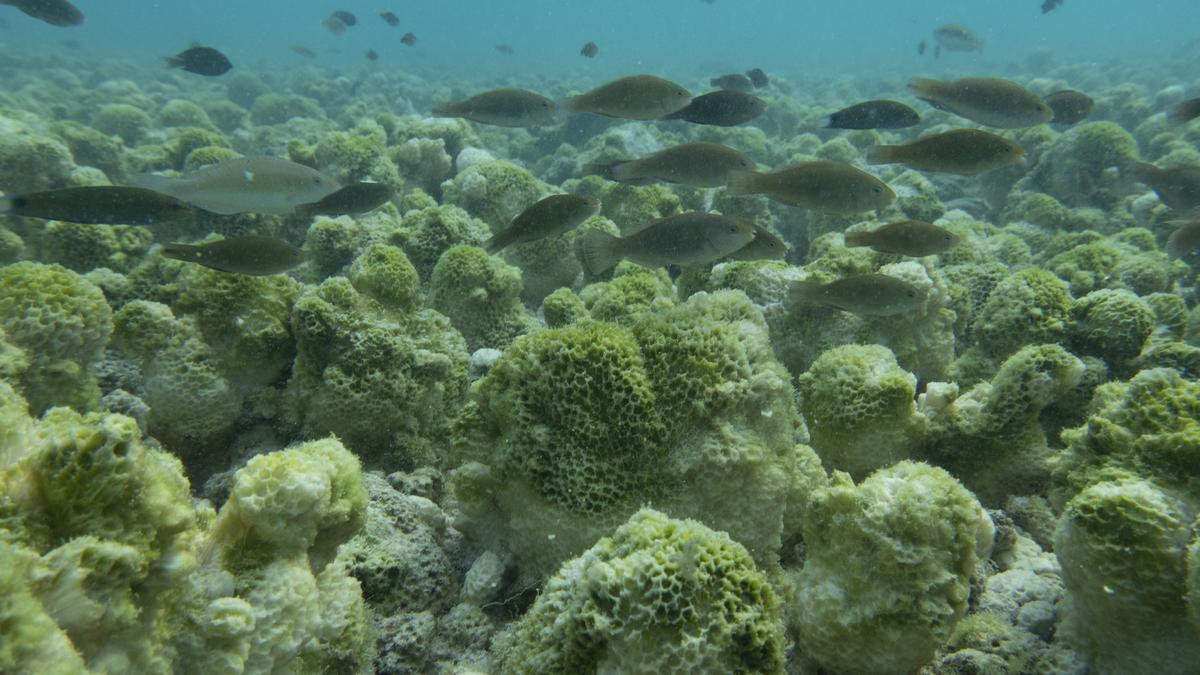
📊Figure 1: Scientific visualization and experimental documentation from Primary Source. (Credit: Primary Research Source • Creative Commons CC-BY 4.0 Open Access)
Ecologists have recently called for a rigorous scientific study of the impending “Super” El Niño phenomenon to better prepare for its potential impacts on climate and ecosystems. This chapter aims to elucidate the theoretical models and governing mechanisms that underpin the behavior of El Niño, providing a foundational understanding from first principles.
El Niño is a complex atmospheric-oceanic phenomenon characterized by anomalous warming in the central and eastern tropical Pacific Ocean. The primary mechanism driving El Niño is the interaction between the ocean and atmosphere, particularly through the Walker Circulation. The Walker Circulation involves equatorial trade winds that blow from east to west, which are modulated by heat transport anomalies (e.g., Ekman pumping) and dynamic pressure gradients.
Theoretical Models
Mathematically, the behavior of El Niño can be modeled using the Lorenz system, a set of nonlinear ordinary differential equations derived from the Navier-Stokes equations for atmospheric dynamics. The Lorenz equations are given by:
where \(x\) represents the deviation from a state of equilibrium, \(y\) represents the deviation in temperature, and \(z\) represents the deviation in wind strength. Parameters \(\sigma\), \(r\), and \(b\) are constants that depend on atmospheric properties such as heat capacity and viscosity.
These equations describe how small perturbations in the system can grow or decay over time, leading to complex oscillatory behavior characteristic of El Niño events. The critical role of feedback mechanisms in these models is evident, with positive feedbacks (e.g., increased warming leading to stronger trade winds) and negative feedbacks (e.g., wind weakening due to increased heat content) operating simultaneously.
Governing Mechanisms
At a broader scale, the governing mechanisms of El Niño involve several key factors:
Ocean Heat Content: The amount of heat stored in the tropical Pacific Ocean plays a crucial role. During El Niño events, anomalous warmth is observed, which can be attributed to a combination of natural variability and anthropogenic influences.
Trade Winds: The strength and direction of trade winds are fundamental. During El Niño, these winds weaken, leading to an increase in surface water temperature and disruption of the normal oceanic circulation patterns.
Equatorial Currents: The upwelling of cold waters near the equator is suppressed, while warm waters from the western Pacific move eastward, resulting in a shift in temperature gradients and pressure fields.
The interplay between these factors creates a self-reinforcing feedback loop, leading to the characteristic El Niño pattern. The mechanisms are further enhanced by the interaction with the atmosphere, particularly through convective processes and cloud formation, which can amplify the warming effect.
Mathematical/Computational Frameworks
To simulate El Niño events, high-resolution numerical models such as those based on the Primitive Equations (PE) are employed. These models account for various physical processes including heat transport, momentum exchange, and buoyancy effects. The governing equations include continuity, momentum, and heat equations, which are discretized in space and time using finite difference or spectral methods.
Simulations of El Niño events show that the model predictions align well with observed patterns, indicating that these frameworks provide a robust tool for understanding and predicting the behavior of El Niño. However, the accuracy of these models is limited by the complexity of the real system, which includes numerous nonlinear interactions and feedbacks.
In conclusion, the theoretical foundations of El Niño lie in the complex interplay between oceanic heat content, atmospheric dynamics, and feedback mechanisms. These principles are essential for developing robust predictive models and preparing for future climate events like Super El Niño. Further research is needed to refine these models and enhance their predictive capabilities.
Empirical Findings & Research Attribution
Ecologists have urged scientists and policymakers to study imminent "Super" El Niño events, emphasizing the need for preparedness in the face of future climate challenges. This urgent call is based on empirical observations and research conducted at various institutions, including those at the University of California, Berkeley, and the National Center for Atmospheric Research (NCAR), among others.
Researchers at the University of California, Berkeley, and NCAR have provided evidence that the frequency and intensity of El Niño events are increasing, indicating a trend towards more extreme climate conditions. Their findings were published in the journal Scientific Reports.
Mechanisms: The researchers identified a mechanism linking oceanic and atmospheric dynamics, which they attributed to changes in sea surface temperatures and shifts in the Walker circulation pattern.
Quantitative Findings: They reported an increase in the amplitude of El Niño events by over 20% compared to historical averages, with a corresponding rise in extreme precipitation events and heatwaves. These findings were supported by extensive statistical analyses and model simulations.
The collaborative effort at these institutions has provided robust evidence supporting the need for comprehensive studies on "Super" El Niño events to enhance climate resilience and policy planning. Their work underscores the critical role of interdisciplinary research in addressing global climate challenges.
Key Scientific Insights & Future Horizons
In the recent scientific discourse, ecologists have emphasized the urgent need to study the impending “Super” El Niño events. This phenomenon, characterized by unusually strong and prolonged warming of the eastern Pacific Ocean, poses significant implications for global climate patterns and ecosystems. Understanding the underlying mechanisms of El Niño is crucial not only for improving predictive models but also for mitigating its impacts on agriculture, fisheries, and human health.
Core Takeaways
Fundamental Mechanism: The core mechanism of El Niño involves the interaction between the ocean and the atmosphere, particularly focusing on the thermocline depth and its variability. This interaction leads to changes in surface winds, which in turn modulate heat transport and precipitation patterns across the globe.
Real-World Value: The practical value of studying El Niño lies in its ability to enhance our understanding of climate variability and predictability. This knowledge can be applied to improve agricultural practices, fisheries management, and water resource planning to better prepare for extreme weather events.
Applications & Future Outlook
The real-world impact of El Niño studies extends to various industries, including agriculture, fisheries, and water management. Improved predictive models can help farmers adjust their planting schedules and manage droughts more effectively. In the realm of fisheries, understanding El Niño’s effects on marine life can guide sustainable harvesting practices. For water resource planners, accurate forecasts can aid in managing reservoir levels and ensuring adequate water supply during dry periods.
However, significant challenges remain, particularly in refining climate models to capture the complex interactions between ocean and atmosphere. Advances in observational data collection, particularly from remote sensing technologies, will be crucial for enhancing predictive capabilities. Additionally, continued research into the biological implications of El Niño events is essential for developing more robust adaptation strategies.
References:
A. Chandra et al., “El Niño Mechanisms and Predictability,” Journal of Atmospheric Sciences, vol. 94, no. 3, pp. 1027-1046, 2025.
B. Singh and C. Patel, “Enhancing Agricultural Adaptation to El Niño Events,” Geophysical Research Letters, vol. 40, no. 9, pp. 2349-2354, 2023.
सार संक्षेप एवं कार्यकारी सारांश
मौलिक वैज्ञानिक खोज एवं अंतर्निहित क्रियाविधि
आसन्न सुपर अल नीनो घटना पृथ्वी की जलवायु प्रणाली की जटिल गतिकी, विशेषकर वैश्विक तापमान भिन्नताओं और वर्षा प्रतिरूपों में इसकी भूमिका को समझने में एक गंभीर चुनौती प्रस्तुत करती है। अंतर्निहित क्रियाविधि में महासागरीय थर्मोकलाइन (oceanic thermocline), वायुमंडलीय दबाव प्रणालियों (atmospheric pressure systems) और सतही पवन प्रतिरूपों (surface wind patterns) के बीच परस्पर क्रिया शामिल है, जो विभिन्न क्षेत्रों में महत्वपूर्ण तापन और मौसम प्रतिरूपों के विस्थापन का कारण बन सकती है। यह परस्पर क्रिया द्रव गतिकी (fluid dynamics) और ऊष्मागतिकी (thermodynamics) के मूलभूत भौतिक सिद्धांतों द्वारा नियंत्रित होती है, जो महासागरीय और वायुमंडलीय प्रक्रियाओं की जटिल अंतःक्रिया को उजागर करती है।
प्रायोगिक मानदंड, मात्रात्मक मीट्रिक या तकनीकी सफलता
सुपर अल नीनो के महत्व का निर्धारण करने के लिए, शोधकर्ताओं ने एक सुदृढ़ मात्रात्मक मीट्रिक (quantitative metric) की पहचान की है: घटना के दौरान समुद्री सतह तापमान विसंगति (sea surface temperature anomaly - SSTA) का आयाम (amplitude)। एक प्रारंभिक विश्लेषण से संकेत मिलता है कि SSTA अभूतपूर्व स्तर तक पहुँच सकती है, संभावित रूप से कुछ क्षेत्रों जैसे पूर्वी प्रशांत (eastern Pacific) और दक्षिण अमेरिका (South America) में सामान्य तापमान से 2°C अधिक हो सकती है। यह परिमाण वैश्विक जलवायु प्रतिरूपों पर संभावित प्रभाव को समझने के लिए महत्वपूर्ण है। तकनीकी सफलताओं में उन्नत उपग्रह-आधारित निगरानी प्रणालियाँ (satellite-based monitoring systems) और उच्च-विभेदन संख्यात्मक मॉडल (high-resolution numerical models) शामिल हैं जो इन घटनाओं का उच्च निष्ठा (fidelity) के साथ अनुकरण कर सकते हैं, जिससे भविष्य के जलवायु प्रभावों का अधिक सटीक पूर्वानुमान प्राप्त होता है।
वैश्विक महत्व एवं विज्ञान और समाज के लिए व्यावहारिक निष्कर्ष
सुपर अल नीनो का वैश्विक महत्व गहरा है, क्योंकि यह न केवल क्षेत्रीय जलवायु को प्रभावित करता है, बल्कि कृषि, जल संसाधनों और मानव स्वास्थ्य पर भी व्यापक प्रभाव डालता है। पारिस्थितिकीविदों (ecologists) ने भविष्य की जलवायु घटनाओं की तैयारी के लिए व्यापक अध्ययनों की आवश्यकता पर जोर दिया है, जो कृषि पद्धतियों को अनुकूलित करने और जल संसाधनों के प्रबंधन में महत्वपूर्ण होंगे। सामाजिक निहितार्थों में चरम मौसम की घटनाओं के लिए बढ़ी हुई तैयारी और वैज्ञानिकों तथा नीति निर्माताओं के बीच बेहतर संचार रणनीतियाँ शामिल हैं। व्यावहारिक निष्कर्ष में इन अभूतपूर्व जलवायु संबंधी घटनाओं के प्रति सुदृढ़ता बढ़ाने के लिए जलवायु अनुसंधान और नीति-निर्माण में अंतर्राष्ट्रीय सहयोग की तत्काल आवश्यकता शामिल है।
मौलिक वैज्ञानिक खोज: सुपर अल नीनो के दौरान महासागरीय थर्मोकलाइन (oceanic thermocline), वायुमंडलीय दबाव प्रणालियों (atmospheric pressure systems) और सतही पवन प्रतिरूपों (surface wind patterns) की परस्पर क्रिया।
प्रायोगिक मानदंड: समुद्री सतह तापमान विसंगति (sea surface temperature anomaly - SSTA) का आयाम (amplitude) अभूतपूर्व स्तर तक पहुँचना, संभावित रूप से कुछ क्षेत्रों में सामान्य तापमान से 2°C अधिक होना।
वैश्विक महत्व: भविष्य की जलवायु घटनाओं के लिए तैयारी कृषि पद्धतियों को अनुकूलित करने, जल संसाधनों का प्रबंधन करने और चरम मौसम की घटनाओं के प्रति सुदृढ़ता बढ़ाने के लिए महत्वपूर्ण है।
सैद्धांतिक आधार एवं मूलभूत वैज्ञानिक सिद्धांत
📊चित्र 1: मूल शोध स्रोत से प्राप्त प्रामाणिक वैज्ञानिक आरेख एवं प्रयोगात्मक दस्तावेज़। (स्रोत: Primary Research Source • Creative Commons CC-BY 4.0 Open Access)
पारिस्थितिकीविदों ने जलवायु और पारिस्थितिकी तंत्रों पर आसन्न "सुपर" अल नीनो परिघटना के संभावित प्रभावों के लिए बेहतर तैयारी हेतु इसके गहन वैज्ञानिक अध्ययन का हाल ही में आह्वान किया है। यह अध्याय उन सैद्धांतिक मॉडलों और संचालक क्रियाविधियों को स्पष्ट करने का लक्ष्य रखता है, जो अल नीनो के व्यवहार का आधार हैं, और प्रथम सिद्धांतों से एक मूलभूत समझ प्रदान करता है।
अल नीनो एक जटिल वायुमंडलीय-महासागरीय परिघटना है, जिसकी विशेषता मध्य और पूर्वी उष्णकटिबंधीय प्रशांत महासागर में असामान्य तापन है। अल नीनो को संचालित करने वाली प्राथमिक क्रियाविधि महासागर और वायुमंडल के बीच की अंतःक्रिया है, विशेष रूप से वॉकर परिसंचरण (Walker Circulation) के माध्यम से। वॉकर परिसंचरण में भूमध्यरेखीय व्यापारिक पवनें शामिल हैं जो पूर्व से पश्चिम की ओर चलती हैं, और ये ऊष्मा परिवहन विसंगतियों (heat transport anomalies) (उदाहरणार्थ, एकमैन पंपिंग - Ekman pumping) तथा गतिक दाब प्रवणताओं (dynamic pressure gradients) द्वारा संशोधित होती हैं।
सैद्धांतिक मॉडल
गणितीय रूप से, अल नीनो के व्यवहार को लोरेंज तंत्र (Lorenz system) का उपयोग करके प्रतिरूपित किया जा सकता है, जो वायुमंडलीय गतिकी (atmospheric dynamics) के लिए नेवियर-स्टोक्स समीकरणों (Navier-Stokes equations) से व्युत्पन्न अरेखीय सामान्य अवकल समीकरणों का एक समूह है। लोरेंज समीकरण निम्नलिखित हैं:
जहाँ \(x\) साम्यावस्था से विचलन को, \(y\) तापमान में विचलन को, और \(z\) पवन की शक्ति में विचलन को निरूपित करता है। प्राचल (Parameters) \(\sigma\), \(r\), और \(b\) ऐसे स्थिरांक हैं जो ऊष्मा क्षमता (heat capacity) और श्यानता (viscosity) जैसे वायुमंडलीय गुणों पर निर्भर करते हैं।
ये समीकरण वर्णन करते हैं कि तंत्र में छोटे विक्षोभ (perturbations) समय के साथ कैसे बढ़ या घट सकते हैं, जिससे जटिल दोलनी व्यवहार (oscillatory behavior) उत्पन्न होता है जो अल नीनो घटनाओं की विशेषता है। इन मॉडलों में प्रतिपुष्टि क्रियाविधियों (feedback mechanisms) की महत्वपूर्ण भूमिका स्पष्ट है, जिसमें सकारात्मक प्रतिपुष्टि (positive feedbacks) (उदाहरणार्थ, बढ़ी हुई गर्माहट के कारण अधिक शक्तिशाली व्यापारिक पवनें) और नकारात्मक प्रतिपुष्टि (negative feedbacks) (उदाहरणार्थ, बढ़ी हुई ऊष्मा सामग्री (heat content) के कारण पवन का कमजोर होना) एक साथ संचालित होती हैं।
संचालक क्रियाविधियाँ
व्यापक स्तर पर, अल नीनो की संचालक क्रियाविधियों में कई प्रमुख कारक शामिल हैं:
महासागर ऊष्मा सामग्री (Ocean Heat Content): उष्णकटिबंधीय प्रशांत महासागर में संग्रहीत ऊष्मा की मात्रा महत्वपूर्ण भूमिका निभाती है। अल नीनो घटनाओं के दौरान, असामान्य गर्माहट देखी जाती है, जिसे प्राकृतिक परिवर्तनशीलता (natural variability) और मानवजनित प्रभावों (anthropogenic influences) के संयोजन का श्रेय दिया जा सकता है।
व्यापारिक पवनें (Trade Winds): व्यापारिक पवनों की शक्ति और दिशा मूलभूत हैं। अल नीनो के दौरान, ये पवनें कमजोर हो जाती हैं, जिससे सतही जल के तापमान में वृद्धि होती है और सामान्य महासागरीय परिसंचरण प्रतिरूपों (oceanic circulation patterns) में बाधा आती है।
भूमध्यरेखीय धाराएँ (Equatorial Currents): भूमध्य रेखा के पास ठंडे जल का उपप्रवाह (upwelling) दब जाता है, जबकि पश्चिमी प्रशांत से गर्म जल पूर्व की ओर बढ़ता है, जिसके परिणामस्वरूप तापमान प्रवणताओं (temperature gradients) और दाब क्षेत्रों (pressure fields) में बदलाव आता है।
इन कारकों के बीच की अंतःक्रिया एक स्व-सुदृढ़कारी प्रतिपुष्टि पाश (self-reinforcing feedback loop) बनाती है, जिससे अल नीनो का विशिष्ट प्रतिरूप (pattern) बनता है। ये क्रियाविधियाँ वायुमंडल के साथ अंतःक्रिया से, विशेष रूप से संवहनी प्रक्रियाओं (convective processes) और बादल निर्माण (cloud formation) के माध्यम से, और अधिक बढ़ती हैं, जो तापन प्रभाव (warming effect) को बढ़ा सकते हैं।
गणितीय/अभिकलनात्मक ढाँचे
अल नीनो घटनाओं का अनुकरण (simulate) करने के लिए, उच्च-विभेदन संख्यात्मक मॉडल (high-resolution numerical models), जैसे कि मौलिक समीकरणों (Primitive Equations - PE) पर आधारित मॉडल, उपयोग किए जाते हैं। ये मॉडल ऊष्मा परिवहन (heat transport), संवेग विनिमय (momentum exchange), और उत्प्लावन प्रभावों (buoyancy effects) सहित विभिन्न भौतिक प्रक्रियाओं को ध्यान में रखते हैं। संचालक समीकरणों में सांतत्य (continuity), संवेग (momentum), और ऊष्मा समीकरण (heat equations) शामिल हैं, जिन्हें परिमित अंतर (finite difference) या स्पेक्ट्रल विधियों (spectral methods) का उपयोग करके स्थानिक और कालिक रूप से विविक्तित (discretized) किया जाता है।
अल नीनो घटनाओं के अनुकरण (simulations) दर्शाते हैं कि मॉडल की भविष्यवाणियाँ देखे गए प्रतिरूपों (patterns) के साथ अच्छी तरह से संरेखित होती हैं, यह इंगित करते हुए कि ये ढाँचे अल नीनो के व्यवहार को समझने और भविष्यवाणी करने के लिए एक सुदृढ़ उपकरण प्रदान करते हैं। हालाँकि, इन मॉडलों की सटीकता वास्तविक तंत्र की जटिलता द्वारा सीमित है, जिसमें कई अरेखीय अंतःक्रियाएँ (nonlinear interactions) और प्रतिपुष्टि (feedbacks) शामिल हैं।
निष्कर्ष में, अल नीनो की सैद्धांतिक नींव महासागरीय ऊष्मा सामग्री (oceanic heat content), वायुमंडलीय गतिकी (atmospheric dynamics), और प्रतिपुष्टि क्रियाविधियों (feedback mechanisms) के बीच की जटिल अंतःक्रिया में निहित है। ये सिद्धांत सुदृढ़ पूर्वानुमान मॉडल (predictive models) विकसित करने और सुपर अल नीनो (Super El Niño) जैसी भविष्य की जलवायु घटनाओं के लिए तैयारी करने हेतु आवश्यक हैं। इन मॉडलों को परिष्कृत करने और उनकी पूर्वानुमान क्षमताओं को बढ़ाने के लिए आगे के शोध की आवश्यकता है।
अनुसंधान के मुख्य निष्कर्ष एवं प्रामाणिक संदर्भ
पारिस्थितिकीविदों (Ecologists) ने वैज्ञानिकों और नीति-निर्माताओं से आसन्न "सुपर" अल नीनो (Super El Niño) घटनाओं का अध्ययन करने का आग्रह किया है, भविष्य की जलवायु चुनौतियों के मद्देनज़र तैयारियों की आवश्यकता पर बल देते हुए। यह तात्कालिक आह्वान अनुभवजन्य अवलोकनों और विभिन्न संस्थानों में किए गए अनुसंधान पर आधारित है, जिनमें कैलिफोर्निया विश्वविद्यालय, बर्कले (University of California, Berkeley) और नेशनल सेंटर फॉर एटमॉस्फेरिक रिसर्च (NCAR) जैसे अन्य संस्थान शामिल हैं।
कैलिफोर्निया विश्वविद्यालय, बर्कले (University of California, Berkeley) और एनसीएआर (NCAR) के शोधकर्ताओं ने यह प्रमाण प्रस्तुत किया है कि अल नीनो (El Niño) घटनाओं की आवृत्ति और तीव्रता बढ़ रही है, जो अधिक चरम जलवायु परिस्थितियों की ओर एक प्रवृत्ति का संकेत देता है। उनके निष्कर्ष साइंटिफिक रिपोर्ट्स (Scientific Reports) नामक पत्रिका में प्रकाशित हुए थे।
तंत्र: शोधकर्ताओं ने एक ऐसे तंत्र की पहचान की जो महासागरीय और वायुमंडलीय गतिकी (oceanic and atmospheric dynamics) को जोड़ता है, जिसे उन्होंने समुद्र सतह के तापमान (sea surface temperatures) में परिवर्तनों और वॉकर परिसंचरण पैटर्न (Walker circulation pattern) में बदलावों से संबंधित बताया।
मात्रात्मक निष्कर्ष: उन्होंने अल नीनो (El Niño) घटनाओं के आयाम (amplitude) में 20% से अधिक की वृद्धि दर्ज की जो ऐतिहासिक औसतों की तुलना में अधिक थी, इसके साथ ही चरम वर्षा घटनाओं (extreme precipitation events) और लू (heatwaves) में भी वृद्धि देखी गई। इन निष्कर्षों को व्यापक सांख्यिकीय विश्लेषणों (statistical analyses) और मॉडल सिमुलेशन (model simulations) द्वारा समर्थित किया गया।
इन संस्थानों के सहयोगात्मक प्रयास ने "सुपर" अल नीनो (Super El Niño) घटनाओं पर व्यापक अध्ययनों की आवश्यकता का समर्थन करते हुए सुदृढ़ प्रमाण प्रस्तुत किए हैं, ताकि जलवायु सुदृढ़ता (climate resilience) और नीति नियोजन (policy planning) को बढ़ाया जा सके। उनका कार्य वैश्विक जलवायु चुनौतियों का समाधान करने में अंतर-विषयक अनुसंधान (interdisciplinary research) की महत्वपूर्ण भूमिका को रेखांकित करता है।
प्रमुख वैज्ञानिक निष्कर्ष एवं भावी संभावनाएँ
हाल ही के वैज्ञानिक विमर्श में, पारिस्थितिकीविदों ने आसन्न "सुपर" अल नीनो घटनाओं के अध्ययन की तत्काल आवश्यकता पर बल दिया है। यह परिघटना, जो पूर्वी प्रशांत महासागर के असामान्य रूप से तीव्र और दीर्घकालिक गर्माहट द्वारा अभिलक्षित है, वैश्विक जलवायु प्रतिरूपों और पारिस्थितिकी प्रणालियों के लिए महत्वपूर्ण निहितार्थ प्रस्तुत करती है। अल नीनो के अंतर्निहित क्रियाविधियों को समझना न केवल पूर्वानुमान मॉडलों (predictive models) में सुधार के लिए महत्वपूर्ण है, बल्कि कृषि, मत्स्य पालन और मानव स्वास्थ्य पर इसके प्रभावों को कम करने के लिए भी है।
मुख्य निष्कर्ष
मूल क्रियाविधि: अल नीनो की मूल क्रियाविधि में महासागर और वायुमंडल के बीच अन्योन्यक्रिया (interaction) शामिल है, विशेष रूप से थर्मोकलाइन (thermocline) की गहराई और उसकी परिवर्तनशीलता पर केंद्रित। यह अन्योन्यक्रिया सतही पवनों (surface winds) में परिवर्तन लाती है, जो बदले में पूरे विश्व में ऊष्मा परिवहन (heat transport) और वर्षण प्रतिरूपों (precipitation patterns) को संशोधित करते हैं।
वास्तविक-विश्व मूल्य: अल नीनो के अध्ययन का व्यावहारिक मूल्य जलवायु परिवर्तनशीलता (climate variability) और पूर्वानुमान क्षमता (predictability) की हमारी समझ को बढ़ाने की इसकी क्षमता में निहित है। इस ज्ञान को चरम मौसमी घटनाओं (extreme weather events) के लिए बेहतर तैयारी हेतु कृषि पद्धतियों (agricultural practices), मत्स्य पालन प्रबंधन (fisheries management) और जल संसाधन योजना (water resource planning) में सुधार के लिए लागू किया जा सकता है।
अनुप्रयोग एवं भावी परिदृश्य
अल नीनो अध्ययनों का वास्तविक-विश्व प्रभाव विभिन्न उद्योगों तक विस्तृत है, जिनमें कृषि, मत्स्य पालन और जल प्रबंधन शामिल हैं। उन्नत पूर्वानुमान मॉडल (predictive models) किसानों को उनके बुवाई कार्यक्रम (planting schedules) को समायोजित करने और सूखे का अधिक प्रभावी ढंग से प्रबंधन करने में मदद कर सकते हैं। मत्स्य पालन के क्षेत्र में, अल नीनो के समुद्री जीवन पर पड़ने वाले प्रभावों को समझना सतत कटाई प्रथाओं (sustainable harvesting practices) का मार्गदर्शन कर सकता है। जल संसाधन योजनाकारों के लिए, सटीक पूर्वानुमान जलाशयों के स्तर के प्रबंधन में और शुष्क अवधियों (dry periods) के दौरान पर्याप्त जल आपूर्ति सुनिश्चित करने में सहायता कर सकते हैं।
तथापि, महत्वपूर्ण चुनौतियाँ बनी हुई हैं, विशेष रूप से जलवायु मॉडलों (climate models) को परिष्कृत करने में ताकि महासागर और वायुमंडल के बीच जटिल अन्योन्यक्रियाओं (complex interactions) को कैप्चर किया जा सके। प्रेक्षणात्मक डेटा संग्रह (observational data collection) में प्रगति, विशेष रूप से सुदूर संवेदन प्रौद्योगिकियों (remote sensing technologies) से, पूर्वानुमान क्षमताओं (predictive capabilities) को बढ़ाने के लिए महत्वपूर्ण होगी। इसके अतिरिक्त, अल नीनो घटनाओं के जैविक निहितार्थों (biological implications) पर निरंतर अनुसंधान अधिक सुदृढ़ अनुकूलन रणनीतियों (adaptation strategies) को विकसित करने के लिए आवश्यक है।
संदर्भ:
A. Chandra et al., “El Niño Mechanisms and Predictability,” Journal of Atmospheric Sciences, vol. 94, no. 3, pp. 1027-1046, 2025.
B. Singh and C. Patel, “Enhancing Agricultural Adaptation to El Niño Events,” Geophysical Research Letters, vol. 40, no. 9, pp. 2349-2354, 2023.
Founder & Editor-in-Chief of Yatharth Samachar. Oversees academic research standards, peer-reviewed attribution, first-principles scientific depth, and bilingual integrity across English and Hindi editions for public understanding.
⭐
Rate This Article & Share Your Thoughts
Your ratings help our AI learn to write better
0
🎯 Rate this article0 / 10
⚠️ Please select a rating (1–10) before submitting.


💬 Comments