Breaking News
ताज़ा खबर
Centre Urges Supreme Court to Uphold Sabarimala Ban on Menstruating Women
केंद्र ने सुप्रीम कोर्ट से सबरीमाला में मासिक धर्म वाली महिलाओं के प्रवेश प्रतिबंध को बरकरार रखने का आग्रह किया
By AI News Desk
🕐 07 April 2026, 12:48 PM
🕐 07 April 2026, 12:48
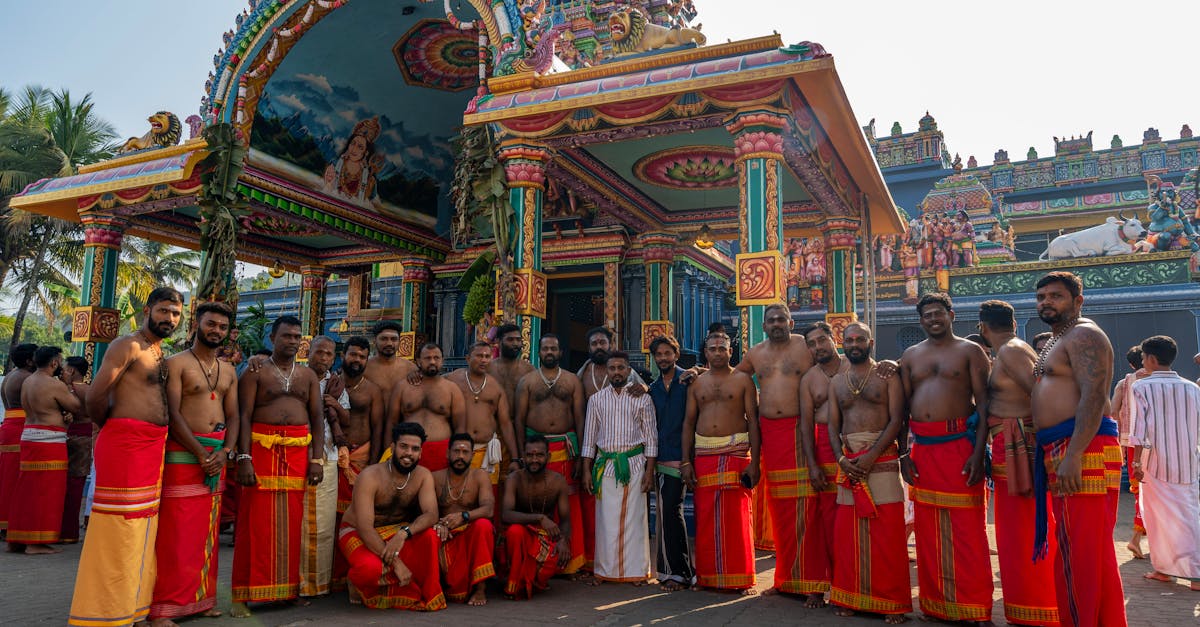
In a significant development that has reignited the long-standing debate surrounding the Sabarimala Ayyappan Temple, the Central government has formally urged the Supreme Court to uphold the traditional restriction on women of menstruating age from entering the shrine. This move by the Centre comes amidst a series of review petitions and legal arguments challenging the landmark 2018 ruling by the apex court, which had previously lifted the centuries-old ban, allowing women of all ages to enter the revered hill shrine in Kerala.
Understanding the Sabarimala Controversy
The Sabarimala issue is deeply rooted in religious tradition, constitutional rights, and gender equality. The Ayyappan Temple, a prominent Hindu pilgrimage site, traditionally bars women aged between 10 and 50 years, citing the celibate nature (Naishtika Brahmachari) of the deity, Lord Ayyappa. Devotees believe that the presence of menstruating women would compromise the purity and sanctity of the temple and the deity's vow.
The Supreme Court's 2018 verdict, delivered by a 4:1 majority, had asserted that the ban violated the fundamental rights of women to equality and freedom of religion, declaring it unconstitutional. This ruling sparked widespread protests and demonstrations, with conservative Hindu groups and a section of devotees arguing that the court had interfered with essential religious practices and traditions.
Centre's Stance and Legal Ramifications
The Centre's latest submission to the Supreme Court marks a pivotal moment in the ongoing legal saga. By advocating for the retention of the restriction, the government appears to be aligning itself with the traditionalists and those who believe in preserving age-old religious customs. This stance is likely to be based on arguments emphasizing the unique nature of the Sabarimala deity and the doctrine of "essential religious practice," which seeks to protect certain core aspects of a religion from judicial interference.
Legal experts suggest that the Centre's intervention could significantly influence the final outcome of the review petitions currently being heard by a larger bench of the Supreme Court. The debate pits deeply held religious sentiments against modern interpretations of constitutional rights, particularly Article 14 (equality before law) and Article 25 (freedom of religion).
The Path Ahead for Women's Entry
The issue has always been more than just about temple entry; it's a profound discussion on faith, tradition, and gender justice in contemporary India. Women's rights activists and progressive sections of society continue to argue that any form of discrimination based on biological factors like menstruation is a violation of human dignity and constitutional principles. They contend that religious practices cannot override fundamental rights.
As the Supreme Court deliberates on these complex arguments, its eventual decision will not only determine the future of women's entry into Sabarimala but also set a crucial precedent for how traditional religious practices are balanced with constitutional guarantees of equality and non-discrimination across various faiths in India. The nation awaits a verdict that will undoubtedly have far-reaching societal and legal implications.
सबरीमाला अय्यप्पन मंदिर से जुड़े लंबे समय से चले आ रहे विवाद को फिर से गरमा देने वाले एक महत्वपूर्ण घटनाक्रम में, केंद्र सरकार ने औपचारिक रूप से सर्वोच्च न्यायालय से मासिक धर्म की आयु वाली महिलाओं के मंदिर में प्रवेश पर पारंपरिक प्रतिबंध को बरकरार रखने का आग्रह किया है। केंद्र का यह कदम शीर्ष अदालत के 2018 के ऐतिहासिक फैसले को चुनौती देने वाली समीक्षा याचिकाओं और कानूनी तर्कों की एक श्रृंखला के बीच आया है, जिसने पहले सदियों पुराने प्रतिबंध को हटा दिया था, जिससे सभी उम्र की महिलाओं को केरल में स्थित इस पूजनीय पहाड़ी मंदिर में प्रवेश करने की अनुमति मिली थी।
सबरीमाला विवाद को समझना
सबरीमाला मुद्दा धार्मिक परंपरा, संवैधानिक अधिकारों और लैंगिक समानता में गहराई से निहित है। एक प्रमुख हिंदू तीर्थस्थल, अय्यप्पन मंदिर, पारंपरिक रूप से 10 से 50 वर्ष की आयु की महिलाओं को प्रतिबंधित करता है, जिसमें देवता भगवान अय्यप्पा के ब्रह्मचारी स्वरूप (नैष्ठिक ब्रह्मचारी) का हवाला दिया जाता है। भक्तों का मानना है कि मासिक धर्म वाली महिलाओं की उपस्थिति मंदिर की पवित्रता और देवता की प्रतिज्ञा से समझौता करेगी।
सर्वोच्च न्यायालय के 2018 के फैसले, जो 4:1 के बहुमत से दिया गया था, ने यह दावा किया था कि यह प्रतिबंध महिलाओं के समानता और धर्म की स्वतंत्रता के मौलिक अधिकारों का उल्लंघन करता है, इसे असंवैधानिक घोषित किया था। इस फैसले ने व्यापक विरोध प्रदर्शनों को जन्म दिया, जिसमें रूढ़िवादी हिंदू समूहों और भक्तों के एक वर्ग ने तर्क दिया कि अदालत ने आवश्यक धार्मिक प्रथाओं और परंपराओं में हस्तक्षेप किया है।
केंद्र का रुख और कानूनी निहितार्थ
केंद्र द्वारा सर्वोच्च न्यायालय में नवीनतम प्रस्तुति चल रही कानूनी गाथा में एक महत्वपूर्ण मोड़ है। प्रतिबंध को बनाए रखने की वकालत करके, सरकार पारंपरिकवादियों और उन लोगों के साथ खुद को जोड़ती हुई दिख रही है जो सदियों पुराने धार्मिक रीति-रिवाजों को संरक्षित करने में विश्वास करते हैं। यह रुख संभवतः सबरीमाला देवता की अद्वितीय प्रकृति और "आवश्यक धार्मिक अभ्यास" के सिद्धांत पर जोर देने वाले तर्कों पर आधारित होगा, जो धर्म के कुछ मूल पहलुओं को न्यायिक हस्तक्षेप से बचाने का प्रयास करता है।
कानूनी विशेषज्ञों का सुझाव है कि केंद्र का हस्तक्षेप वर्तमान में सर्वोच्च न्यायालय की एक बड़ी पीठ द्वारा सुनी जा रही समीक्षा याचिकाओं के अंतिम परिणाम को महत्वपूर्ण रूप से प्रभावित कर सकता है। यह बहस गहरे धार्मिक भावनाओं को संवैधानिक अधिकारों की आधुनिक व्याख्याओं, विशेष रूप से अनुच्छेद 14 (कानून के समक्ष समानता) और अनुच्छेद 25 (धर्म की स्वतंत्रता) के खिलाफ खड़ा करती है।
महिलाओं के प्रवेश के लिए आगे का रास्ता
यह मुद्दा हमेशा मंदिर प्रवेश से कहीं अधिक रहा है; यह समकालीन भारत में आस्था, परंपरा और लैंगिक न्याय पर एक गहन चर्चा है। महिला अधिकार कार्यकर्ता और समाज के प्रगतिशील वर्ग लगातार यह तर्क दे रहे हैं कि मासिक धर्म जैसे जैविक कारकों के आधार पर किसी भी प्रकार का भेदभाव मानवीय गरिमा और संवैधानिक सिद्धांतों का उल्लंघन है। उनका तर्क है कि धार्मिक प्रथाएं मौलिक अधिकारों को रद्द नहीं कर सकतीं।
जैसा कि सर्वोच्च न्यायालय इन जटिल तर्कों पर विचार कर रहा है, इसका अंतिम निर्णय न केवल सबरीमाला में महिलाओं के प्रवेश के भविष्य को निर्धारित करेगा, बल्कि यह भी एक महत्वपूर्ण मिसाल कायम करेगा कि भारत में विभिन्न धर्मों में समानता और गैर-भेदभाव की संवैधानिक गारंटी के साथ पारंपरिक धार्मिक प्रथाओं को कैसे संतुलित किया जाता है। राष्ट्र एक ऐसे फैसले का इंतजार कर रहा है जिसके दूरगामी सामाजिक और कानूनी निहितार्थ होंगे।
