Breaking News
ताज़ा खबर
US-Iran Deal Fears: Gulf States Wary of Iran's Growing Leverage Over Key Energy Waterway
अमेरिकी-ईरानी समझौते का डर: खाड़ी देश प्रमुख ऊर्जा जलमार्ग पर ईरान के बढ़ते प्रभाव को लेकर चिंतित
By AI News Desk
🕐 09 April 2026, 11:57 AM
🕐 09 April 2026, 11:57
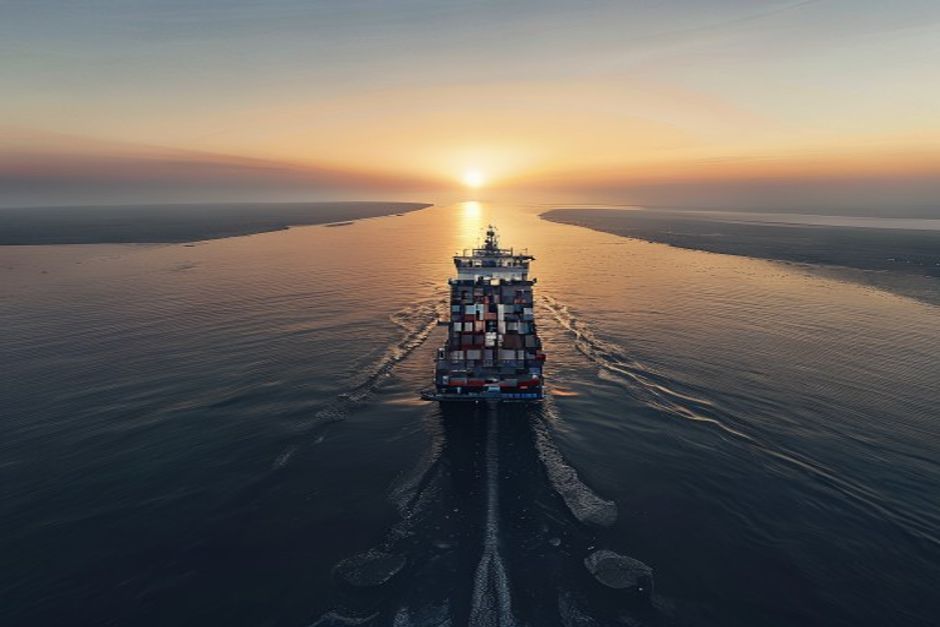
Recent expert analyses suggest that several Gulf states are expressing significant unease regarding potential agreements between the United States and Iran. The core of their concern lies in the possibility that such a deal could inadvertently grant Iran greater leverage over the Strait of Hormuz, a critical chokepoint for global oil and gas shipments. This strategic waterway is vital for the economic stability of the region and the world, making any shift in influence a matter of intense geopolitical scrutiny.
Regional Security and Economic Implications
The Strait of Hormuz, a narrow sea passage connecting the Persian Gulf to the Gulf of Oman, sees the transit of approximately 30% of the world's seaborne crude oil and other petroleum products. Any instability or increased assertiveness by Iran in this region could have immediate and severe repercussions on global energy markets, leading to price volatility and potential supply disruptions. Gulf nations, heavily reliant on oil revenues, are particularly sensitive to these risks.
Sources close to the matter indicate that leaders in countries like Saudi Arabia and the UAE are closely monitoring diplomatic efforts. They fear that concessions made by the US, perhaps in exchange for concessions from Iran on its nuclear program or other regional issues, might overlook the direct impact on Gulf security. The concern is that Iran could interpret such deals as a green light to further consolidate its influence, potentially through increased naval presence or by disrupting shipping lanes, thereby solidifying its position as a dominant regional power.
Expert Perspectives and Diplomatic Maneuvers
Geopolitical analysts point out that Iran has historically used its strategic position to exert pressure on its regional rivals and the international community. The potential for increased leverage, they argue, stems from the possibility that the US might seek to de-escalate tensions through direct negotiation, which could be perceived by Tehran as a sign of American pragmatism rather than a lack of resolve. This perceived shift in the balance of power is what rattles the Gulf Cooperation Council (GCC) members.
The diplomatic landscape is complex, with various global powers vying for influence and stability in the Middle East. As talks potentially progress, the United States faces the delicate task of balancing its foreign policy objectives with the security concerns of its long-standing allies in the Gulf. The outcome of these negotiations could significantly reshape regional dynamics for years to come, making the Strait of Hormuz a focal point of international attention.
हाल के विशेषज्ञ विश्लेषणों से पता चलता है कि कई खाड़ी देश संयुक्त राज्य अमेरिका और ईरान के बीच संभावित समझौतों को लेकर काफी बेचैनी व्यक्त कर रहे हैं। उनकी चिंता का मूल कारण यह संभावना है कि ऐसा सौदा अनजाने में ईरान को होर्मुज जलडमरूमध्य पर अधिक प्रभाव दे सकता है, जो वैश्विक तेल और गैस शिपमेंट के लिए एक महत्वपूर्ण बिंदु है। यह रणनीतिक जलमार्ग क्षेत्र और दुनिया की आर्थिक स्थिरता के लिए महत्वपूर्ण है, जिससे किसी भी प्रभाव बदलाव को गहन भू-राजनीतिक जांच का विषय बना दिया गया है।
क्षेत्रीय सुरक्षा और आर्थिक निहितार्थ
होर्मुज जलडमरूमध्य, फारस की खाड़ी को ओमान की खाड़ी से जोड़ने वाला एक संकीर्ण समुद्री मार्ग है, जहाँ से दुनिया के लगभग 30% समुद्री कच्चे तेल और अन्य पेट्रोलियम उत्पादों का पारगमन होता है। इस क्षेत्र में ईरान की किसी भी अस्थिरता या बढ़ी हुई मुखरता का वैश्विक ऊर्जा बाजारों पर तत्काल और गंभीर प्रभाव पड़ सकता है, जिससे कीमतों में उतार-चढ़ाव और संभावित आपूर्ति व्यवधान हो सकता है। तेल राजस्व पर भारी निर्भर खाड़ी राष्ट्र इन जोखिमों के प्रति विशेष रूप से संवेदनशील हैं।
मामले से जुड़े सूत्रों का संकेत है कि सऊदी अरब और यूएई जैसे देशों के नेता राजनयिक प्रयासों की बारीकी से निगरानी कर रहे हैं। उन्हें डर है कि अमेरिका द्वारा ईरान के परमाणु कार्यक्रम या अन्य क्षेत्रीय मुद्दों पर रियायतें के बदले में की गई रियायतें खाड़ी सुरक्षा पर सीधे प्रभाव को नजरअंदाज कर सकती हैं। चिंता यह है कि ईरान ऐसे सौदों को अपने प्रभाव को और मजबूत करने के लिए एक हरी झंडी के रूप में व्याख्या कर सकता है, संभवतः नौसैनिक उपस्थिति बढ़ाकर या शिपिंग लेन को बाधित करके, इस प्रकार एक प्रमुख क्षेत्रीय शक्ति के रूप में अपनी स्थिति को मजबूत कर सकता है।
विशेषज्ञ के विचार और राजनयिक पैंतरेबाज़ी
भू-राजनीतिक विश्लेषकों का कहना है कि ईरान ने ऐतिहासिक रूप से अपने क्षेत्रीय प्रतिद्वंद्वियों और अंतरराष्ट्रीय समुदाय पर दबाव डालने के लिए अपनी रणनीतिक स्थिति का इस्तेमाल किया है। उनका तर्क है कि प्रभाव बढ़ने की संभावना इस संभावना से उत्पन्न होती है कि अमेरिका सीधे बातचीत के माध्यम से तनाव कम करने की कोशिश कर सकता है, जिसे तेहरान अमेरिकी व्यावहारिकता के संकेत के रूप में व्याख्या कर सकता है, न कि संकल्प की कमी के। शक्ति संतुलन में यह कथित बदलाव ही खाड़ी सहयोग परिषद (जीसीसी) के सदस्यों को परेशान कर रहा है।
कूटनीतिक परिदृश्य जटिल है, जिसमें विभिन्न वैश्विक शक्तियां मध्य पूर्व में प्रभाव और स्थिरता के लिए होड़ कर रही हैं। जैसे-जैसे वार्ताएं संभावित रूप से आगे बढ़ती हैं, संयुक्त राज्य अमेरिका अपने दीर्घकालिक खाड़ी सहयोगियों की सुरक्षा चिंताओं के साथ अपने विदेश नीति के उद्देश्यों को संतुलित करने के नाजुक कार्य का सामना करता है। इन वार्ताओं का परिणाम आने वाले वर्षों के लिए क्षेत्रीय गतिशीलता को महत्वपूर्ण रूप से बदल सकता है, जिससे होर्मुज जलडमरूमध्य अंतरराष्ट्रीय ध्यान का केंद्र बिंदु बन जाएगा।
