Breaking News
ताज़ा खबर
Egypt Implements Energy Conservation Measures Amidst Escalating Regional Tensions
मध्य पूर्व में बढ़ते तनाव के बीच मिस्र ने ऊर्जा संरक्षण के उपाय लागू किए
By AI News Desk
🕐 07 April 2026, 11:05 PM
🕐 07 April 2026, 23:05
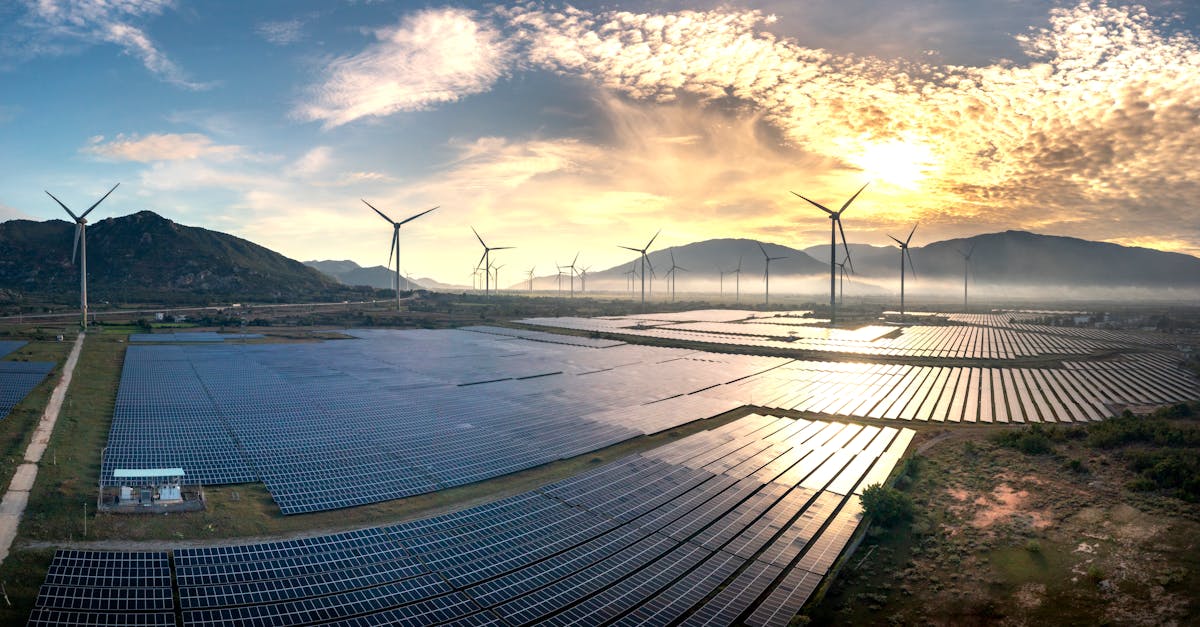
Egypt has embarked on a strategic path of implementing energy conservation measures, a move that comes amidst heightened geopolitical tensions in the Middle East, particularly concerning the US, Israel, and Iran. This decision by Cairo underscores a growing trend among nations to safeguard their economies and resource stability against the backdrop of regional conflicts and global uncertainties. The move by a key regional player like Egypt highlights the far-reaching economic and logistical implications of geopolitical instability.
The Geopolitical Landscape and Energy Dynamics
The Middle East is a crucible of global energy supply, with major shipping lanes like the Suez Canal and the Red Sea being critical arteries for international trade, including oil and gas. Any escalation in conflict, such as the ongoing tensions involving the US, Israel, and Iran, inevitably sends ripples through global energy markets. Oil prices become volatile, supply chains face disruption risks, and nations reliant on energy imports or keen on maintaining economic stability are compelled to adopt proactive strategies. Egypt, strategically positioned, is acutely aware of these vulnerabilities.
While the original prompt mentioned a 'US-Israel war on Iran,' it is more accurate to describe the situation as a complex web of geopolitical tensions, proxy conflicts, and strategic rivalries that profoundly impact regional stability. These dynamics often lead to uncertainty in energy markets, pushing countries like Egypt to reassess their energy policies and focus on internal resilience.
Egypt's Rationale and Initiatives
Egypt's pivot towards energy conservation is driven by multiple factors. Economically, reducing energy consumption can mitigate the impact of fluctuating global energy prices, free up resources for other sectors, and reduce the national import bill. Environmentally, such measures align with global sustainability goals and efforts to combat climate change by reducing carbon emissions. Furthermore, by optimizing energy use, Egypt aims to enhance its energy security, making its economy less susceptible to external shocks and supply disruptions that can arise from regional instability.
Although specific details of Egypt's current conservation measures were not fully elaborated, typical strategies include reducing street lighting, optimizing air conditioning usage in public buildings, encouraging energy-efficient practices in industries, and promoting greater reliance on renewable energy sources. These measures not only contribute to immediate savings but also lay the groundwork for a more sustainable and resilient energy future for the nation.
Broader Implications for Regional Stability
Egypt's actions are indicative of a broader recognition across the region regarding the need for energy independence and efficiency. As geopolitical fault lines continue to shift, countries are increasingly looking inwards to build robust domestic foundations. This proactive approach by Egypt could serve as a model for other nations facing similar challenges, emphasizing the critical link between national energy policy and broader geopolitical stability. The shift is not just about saving electricity; it's about strategic foresight in a volatile world.
मिस्र ने ऊर्जा संरक्षण के उपायों को लागू करने का एक रणनीतिक मार्ग अपनाया है, यह कदम मध्य पूर्व में भू-राजनीतिक तनाव बढ़ने के बीच आया है, विशेष रूप से अमेरिका, इजरायल और ईरान से संबंधित। काहिरा के इस फैसले ने क्षेत्रीय संघर्षों और वैश्विक अनिश्चितताओं की पृष्ठभूमि में अपनी अर्थव्यवस्थाओं और संसाधन स्थिरता की रक्षा के लिए देशों के बीच बढ़ते रुझान को रेखांकित किया है। मिस्र जैसे प्रमुख क्षेत्रीय खिलाड़ी का यह कदम भू-राजनीतिक अस्थिरता के दूरगामी आर्थिक और तार्किक प्रभावों को उजागर करता है।
भू-राजनीतिक परिदृश्य और ऊर्जा गतिशीलता
मध्य पूर्व वैश्विक ऊर्जा आपूर्ति का एक केंद्र है, जिसमें स्वेज नहर और लाल सागर जैसे प्रमुख शिपिंग लेन अंतरराष्ट्रीय व्यापार, जिसमें तेल और गैस भी शामिल है, के लिए महत्वपूर्ण धमनियां हैं। अमेरिका, इजरायल और ईरान से संबंधित मौजूदा तनाव जैसे संघर्ष में कोई भी वृद्धि, अनिवार्य रूप से वैश्विक ऊर्जा बाजारों में लहरें भेजती है। तेल की कीमतें अस्थिर हो जाती हैं, आपूर्ति श्रृंखलाओं को व्यवधान का सामना करना पड़ता है, और ऊर्जा आयात पर निर्भर या आर्थिक स्थिरता बनाए रखने के इच्छुक देशों को सक्रिय रणनीतियां अपनाने के लिए मजबूर होना पड़ता है। मिस्र, रणनीतिक रूप से स्थित, इन कमजोरियों से भली-भांति अवगत है।
जबकि मूल संकेत में 'अमेरिका-इजरायल का ईरान पर युद्ध' का उल्लेख किया गया था, स्थिति को भू-राजनीतिक तनावों, छद्म संघर्षों और रणनीतिक प्रतिद्वंद्विता के एक जटिल जाल के रूप में वर्णित करना अधिक सटीक है जो क्षेत्रीय स्थिरता को गहराई से प्रभावित करते हैं। ये गतिशीलता अक्सर ऊर्जा बाजारों में अनिश्चितता पैदा करती हैं, जिससे मिस्र जैसे देशों को अपनी ऊर्जा नीतियों का पुनर्मूल्यांकन करने और आंतरिक लचीलेपन पर ध्यान केंद्रित करने के लिए प्रेरित किया जाता है।
मिस्र का तर्क और पहल
मिस्र का ऊर्जा संरक्षण की ओर रुख कई कारकों से प्रेरित है। आर्थिक रूप से, ऊर्जा खपत को कम करने से वैश्विक ऊर्जा कीमतों में उतार-चढ़ाव के प्रभाव को कम किया जा सकता है, अन्य क्षेत्रों के लिए संसाधनों को मुक्त किया जा सकता है, और राष्ट्रीय आयात बिल को कम किया जा सकता है। पर्यावरणीय रूप से, ऐसे उपाय वैश्विक स्थिरता लक्ष्यों और कार्बन उत्सर्जन को कम करके जलवायु परिवर्तन से निपटने के प्रयासों के अनुरूप हैं। इसके अलावा, ऊर्जा उपयोग को अनुकूलित करके, मिस्र का लक्ष्य अपनी ऊर्जा सुरक्षा को बढ़ाना है, जिससे उसकी अर्थव्यवस्था बाहरी झटकों और क्षेत्रीय अस्थिरता से उत्पन्न होने वाले आपूर्ति व्यवधानों के प्रति कम संवेदनशील हो जाती है।
हालांकि मिस्र के वर्तमान संरक्षण उपायों का विशिष्ट विवरण पूरी तरह से विस्तृत नहीं किया गया था, विशिष्ट रणनीतियों में स्ट्रीट लाइटिंग को कम करना, सार्वजनिक भवनों में एयर कंडीशनिंग उपयोग को अनुकूलित करना, उद्योगों में ऊर्जा-कुशल प्रथाओं को प्रोत्साहित करना और नवीकरणीय ऊर्जा स्रोतों पर अधिक निर्भरता को बढ़ावा देना शामिल है। ये उपाय न केवल तत्काल बचत में योगदान करते हैं बल्कि देश के लिए अधिक टिकाऊ और लचीले ऊर्जा भविष्य के लिए आधार भी तैयार करते हैं।
क्षेत्रीय स्थिरता के लिए व्यापक निहितार्थ
मिस्र की कार्रवाइयाँ ऊर्जा स्वतंत्रता और दक्षता की आवश्यकता के संबंध में पूरे क्षेत्र में एक व्यापक पहचान का संकेत हैं। जैसे-जैसे भू-राजनीतिक दोष रेखाएँ बदलती रहेंगी, देश मजबूत घरेलू नींव बनाने के लिए तेजी से अंदर की ओर देख रहे हैं। मिस्र द्वारा यह सक्रिय दृष्टिकोण समान चुनौतियों का सामना कर रहे अन्य देशों के लिए एक मॉडल के रूप में काम कर सकता है, जो राष्ट्रीय ऊर्जा नीति और व्यापक भू-राजनीतिक स्थिरता के बीच महत्वपूर्ण संबंध पर जोर देता है। यह बदलाव केवल बिजली बचाने के बारे में नहीं है; यह एक अस्थिर दुनिया में रणनीतिक दूरदर्शिता के बारे में है।
