Breaking News
ताज़ा खबर
ताजी बातमी
সর্বশেষ সংবাদ
சமீபத்திய செய்தி
తాజా వార్త
તાજા સમાચાર
ਤਾਜ਼ਾ ਖ਼ਬਰ
Unpacking India's Waste Management 'Blackspots': More Than Just Surface Problems
भारत के 'काला धब्बे': सिर्फ सतही समस्याएं नहीं, गहरी जड़ें
भारतातील कचरा व्यवस्थापनाचे 'ब्लॅकस्पॉट्स': केवळ वरवरच्या समस्या नव्हे, खोलवरची कारणे
ভারতের বর্জ্য ব্যবস্থাপনার 'ব্ল্যাকস্পট': কেবল উপরিভাগের সমস্যা নয়, গভীরে প্রোথিত কারণ
இந்தியாவின் கழிவு மேலாண்மை 'பிளாக்ஸ்பாட்கள்': மேலோட்டமான பிரச்சனைகள் அல்ல, ஆழமான காரணங்கள்
భారతదేశపు వ్యర్థ పదార్థాల నిర్వహణ 'బ్లాక్స్పాట్స్': కేవలం ఉపరితల సమస్యలు కాదు, లోతైన కారణాలు
ભારતની કચરા વ્યવસ્થાપન 'બ્લેકસ્પોટ્સ': માત્ર સપાટીની સમસ્યાઓ નહીં, ઊંડા મૂળિયાં
ਭਾਰਤ ਦੇ 'ਬਲੈਕਸਪੌਟਸ': ਕੇਵਲ ਸਤਹੀ ਸਮੱਸਿਆਵਾਂ ਨਹੀਂ, ਡੂੰਘੀਆਂ ਜੜ੍ਹਾਂ
By AI News Desk
🕐 20 August 2026, 07:24 PM
🌍 World
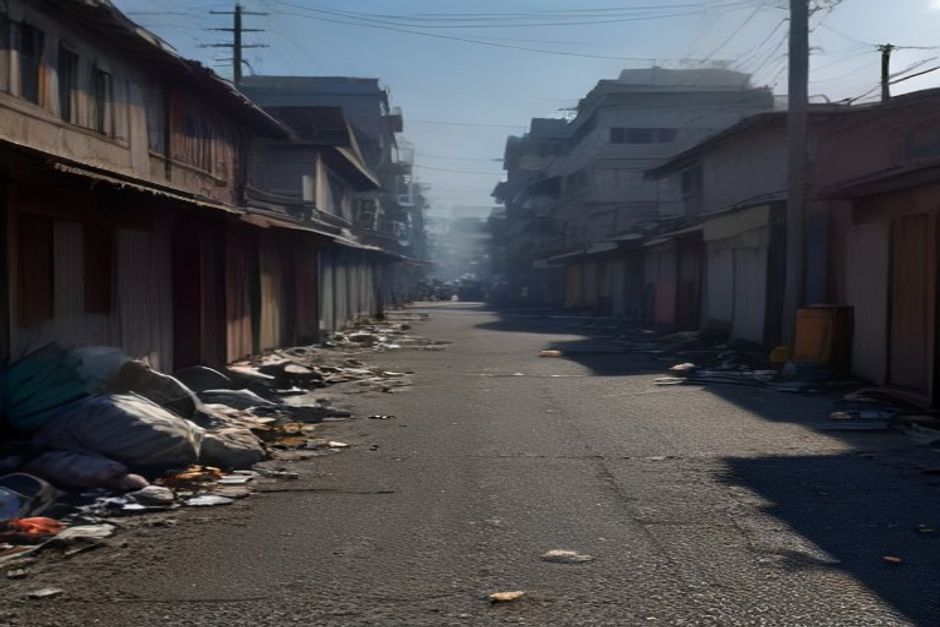
The persistent issue of waste management in many urban and rural areas of India, often referred to as 'blackspots,' represents a complex interplay of factors far beyond mere accumulation of garbage. These critical points, where waste collection efficiency falters, processing capacity is overwhelmed, enforcement mechanisms are weak, and institutional coordination breaks down, require a more nuanced understanding than simple clean-up drives.
Beyond the Visible: Interconnected Challenges
Simply clearing these visible blackspots might offer a temporary reprieve, akin to treating a symptom. However, without addressing the root causes, the problem is likely to resurface, highlighting a systemic failure. The efficiency of waste collection is intrinsically linked to the available infrastructure, the frequency of collection, and public participation. When these elements are insufficient, waste begins to pile up.
Furthermore, the capacity of waste processing facilities – whether for recycling, composting, or scientific disposal – often lags behind the sheer volume of waste generated. This bottleneck means that collected waste has nowhere to go, exacerbating the collection problem. Enforcement of waste management rules, from littering penalties to regulations for industries, is frequently lax, allowing bad practices to continue unchecked.
The Crucial Role of Coordination
Perhaps the most significant challenge lies in institutional coordination. Effective waste management requires seamless collaboration between various government bodies – municipal corporations, pollution control boards, urban development authorities, and even rural development departments. This includes clear demarcation of responsibilities, adequate resource allocation, and a unified strategy. When these entities operate in silos, or when there's a lack of political will, the entire system falters.
Innovative solutions, technological advancements in waste processing, and stringent policy implementation are all vital. However, the ultimate success hinges on a holistic approach that tackles the interconnectedness of collection, processing, enforcement, and coordination. Only then can India hope to move beyond temporary fixes and establish a truly sustainable waste management system, ensuring that these blackspots become a relic of the past.
भारत के कई शहरी और ग्रामीण इलाकों में कचरा प्रबंधन की लगातार समस्या, जिसे अक्सर 'काला धब्बे' कहा जाता है, केवल कूड़े के ढेर लगने से कहीं अधिक जटिल कारकों का मेलजोल है। ये महत्वपूर्ण बिंदु, जहाँ कचरा संग्रहण क्षमता, प्रसंस्करण क्षमता की सीमाएँ, प्रवर्तन तंत्र की कमजोरी और संस्थागत समन्वय का अभाव होता है, केवल सफाई अभियानों की तुलना में अधिक सूक्ष्म समझ की मांग करते हैं।
दृश्य से परे: परस्पर जुड़ी चुनौतियाँ
इन दिखाई देने वाले काला धब्बों को साफ़ करना केवल एक अस्थायी राहत दे सकता है, जो लक्षण के उपचार के समान है। हालाँकि, मूल कारणों का समाधान किए बिना, समस्या के फिर से उभरने की संभावना है, जो एक प्रणालीगत विफलता को उजागर करता है। कचरा संग्रहण की दक्षता संग्रह की आवृत्ति, उपलब्ध बुनियादी ढांचे और सार्वजनिक भागीदारी से अविभाज्य रूप से जुड़ी हुई है। जब ये तत्व अपर्याप्त होते हैं, तो कचरा जमा होना शुरू हो जाता है।
इसके अलावा, कचरा प्रसंस्करण सुविधाओं की क्षमता - चाहे वह पुनर्चक्रण, खाद बनाना या वैज्ञानिक निपटान के लिए हो - उत्पन्न कचरे की भारी मात्रा के अनुरूप अक्सर नहीं होती है। यह बाधा का मतलब है कि एकत्र किए गए कचरे के लिए कहीं भी जाने की जगह नहीं है, जिससे संग्रह की समस्या बढ़ जाती है। कचरा प्रबंधन नियमों का प्रवर्तन, कूड़ा फेंकने पर दंड से लेकर उद्योगों के लिए नियमों तक, अक्सर ढीला होता है, जिससे बुरी प्रथाएं अनियंत्रित रूप से जारी रहती हैं।
समन्वय की महत्वपूर्ण भूमिका
शायद सबसे बड़ी चुनौती संस्थागत समन्वय में निहित है। प्रभावी कचरा प्रबंधन के लिए विभिन्न सरकारी निकायों - नगर निगमों, प्रदूषण नियंत्रण बोर्डों, शहरी विकास प्राधिकरणों और यहाँ तक कि ग्रामीण विकास विभागों के बीच निर्बाध सहयोग की आवश्यकता होती है। इसमें जिम्मेदारियों का स्पष्ट सीमांकन, पर्याप्त संसाधन आवंटन और एक एकीकृत रणनीति शामिल है। जब ये संस्थाएँ अलग-अलग काम करती हैं, या राजनीतिक इच्छाशक्ति की कमी होती है, तो पूरा सिस्टम विफल हो जाता है।
कचरा प्रसंस्करण में तकनीकी प्रगति और कड़े नीति कार्यान्वयन जैसे अभिनव समाधान महत्वपूर्ण हैं। हालाँकि, अंतिम सफलता एक समग्र दृष्टिकोण पर निर्भर करती है जो संग्रह, प्रसंस्करण, प्रवर्तन और समन्वय की परस्पर संबद्धता को संबोधित करती है। केवल तभी भारत अस्थायी सुधारों से आगे बढ़कर वास्तव में टिकाऊ कचरा प्रबंधन प्रणाली स्थापित करने की उम्मीद कर सकता है, यह सुनिश्चित करते हुए कि ये काला धब्बे अतीत के अवशेष बन जाएं।
भारतातील अनेक शहरी आणि ग्रामीण भागांतील कचरा व्यवस्थापनाचा सातत्याने भेडसावणारा मुद्दा, ज्याला अनेकदा 'ब्लॅकस्पॉट्स' म्हटले जाते, हे केवळ कचऱ्याच्या ढिगाऱ्याच्या पलीकडे अनेक गुंतागुंतीच्या घटकांचे मिश्रण आहे. हे गंभीर मुद्दे, जेथे कचरा संकलन कार्यक्षमतेत अडथळे येतात, प्रक्रिया क्षमतेवर ताण येतो, अंमलबजावणी यंत्रणा कमकुवत असतात आणि संस्थात्मक समन्वयाचा अभाव असतो, या साध्या स्वच्छता मोहिमांपेक्षा अधिक सखोल आकलनाची मागणी करतात.
दृश्यापलीकडे: एकमेकांशी जोडलेली आव्हाने
हे दिसणारे ब्लॅकस्पॉट्स तात्पुरते साफ केल्याने तात्पुरता दिलासा मिळू शकतो, जणू लक्षणांवर उपचार केल्यासारखे. तथापि, मूळ कारणांना संबोधित केल्याशिवाय, समस्या पुन्हा उद्भवण्याची शक्यता आहे, जी एक प्रणालीगत अपयश दर्शवते. कचरा संकलनाची कार्यक्षमता ही संकलनाच्या वारंवारतेवर, उपलब्ध पायाभूत सुविधांवर आणि लोकांच्या सहभागावर अवलंबून असते. जेव्हा हे घटक अपुरे असतात, तेव्हा कचरा साठू लागतो.
याव्यतिरिक्त, कचरा प्रक्रिया सुविधांची क्षमता - मग ती पुनर्वापर, कंपोस्ट खत किंवा वैज्ञानिक विल्हेवाट यासाठी असो - निर्माण होणाऱ्या कचऱ्याच्या प्रचंड प्रमाणापेक्षा कमी पडते. या अडथळ्यामुळे गोळा केलेला कचरा कुठेही जात नाही, ज्यामुळे संकलनाची समस्या अधिकच गंभीर होते. कचरा व्यवस्थापन नियमांची अंमलबजावणी, कचरा टाकण्यावरील दंड लावण्यापासून ते उद्योगांसाठी असलेल्या नियमांपर्यंत, अनेकदा शिथिल असते, ज्यामुळे वाईट पद्धती अनियंत्रितपणे चालू राहतात.
समन्वयाची महत्त्वपूर्ण भूमिका
कदाचित सर्वात मोठे आव्हान संस्थात्मक समन्वयामध्ये आहे. प्रभावी कचरा व्यवस्थापनासाठी विविध सरकारी संस्था - नगरपालिका, प्रदूषण नियंत्रण मंडळे, शहरी विकास प्राधिकरणे आणि अगदी ग्रामीण विकास विभाग यांच्यात अखंड सहकार्याची आवश्यकता आहे. यात जबाबदाऱ्यांचे स्पष्ट वाटप, पुरेसा संसाधनांचे वाटप आणि एक एकीकृत धोरण यांचा समावेश आहे. जेव्हा या संस्था स्वतंत्रपणे काम करतात किंवा राजकीय इच्छाशक्तीचा अभाव असतो, तेव्हा संपूर्ण व्यवस्था कोलमडते.
कचरा प्रक्रियेतील नाविन्यपूर्ण उपाय, तांत्रिक प्रगती आणि कठोर धोरणांची अंमलबजावणी सर्व आवश्यक आहे. तथापि, अंतिम यश संकलन, प्रक्रिया, अंमलबजावणी आणि समन्वय यांच्या परस्परावलंबित्वाला संबोधित करणाऱ्या समग्र दृष्टिकोनावर अवलंबून आहे. केवळ तेव्हाच भारत तात्पुरत्या उपायांच्या पलीकडे जाऊन खऱ्या अर्थाने टिकाऊ कचरा व्यवस्थापन प्रणाली स्थापित करण्याची आशा करू शकतो, ज्यामुळे हे ब्लॅकस्पॉट्स भूतकाळातील आठवण बनतील.
ভারতের অনেক শহরাঞ্চল ও গ্রামীণ এলাকায় বর্জ্য ব্যবস্থাপনার ক্রমাগত সমস্যা, যা প্রায়শই 'ব্ল্যাকস্পট' হিসাবে উল্লেখ করা হয়, তা কেবল আবর্জনা জমে থাকার চেয়ে অনেক বেশি জটিল কারণগুলির সম্মিলিত ফল। এই গুরুতর স্থানগুলি, যেখানে বর্জ্য সংগ্রহের দক্ষতা বাধাগ্রস্ত হয়, প্রক্রিয়াকরণের ক্ষমতা সীমিত থাকে, প্রয়োগকারী সংস্থাগুলি দুর্বল হয় এবং প্রাতিষ্ঠানিক সমন্বয়ের অভাব দেখা যায়, সেখানে কেবল পরিষ্কার-পরিচ্ছন্নতার অভিযানের চেয়ে আরও গভীর উপলব্ধির প্রয়োজন।
দৃশ্যমানতার বাইরে: পরস্পর সংযুক্ত চ্যালেঞ্জ
এই দৃশ্যমান ব্ল্যাকস্পটগুলি কেবল পরিষ্কার করলে একটি অস্থায়ী স্বস্তি মিলতে পারে, যা উপসর্গের চিকিৎসার মতো। তবে, মূল কারণগুলি সমাধান না করা হলে, সমস্যাটি পুনরায় আবির্ভূত হওয়ার সম্ভাবনা রয়েছে, যা একটি পদ্ধতিগত ব্যর্থতাকে তুলে ধরে। বর্জ্য সংগ্রহের কার্যকারিতা সংগ্রহের ফ্রিকোয়েন্সি, উপলব্ধ পরিকাঠামো এবং জনসাধারণের অংশগ্রহণের সাথে ওতপ্রোতভাবে জড়িত। যখন এই উপাদানগুলি অপর্যাপ্ত হয়, তখন বর্জ্য জমতে শুরু করে।
তাছাড়া, বর্জ্য প্রক্রিয়াকরণ সুবিধাগুলির ক্ষমতা - তা পুনর্ব্যবহার, কম্পোস্টিং বা বৈজ্ঞানিক নিষ্পত্তির জন্যই হোক না কেন - উৎপন্ন বর্জ্যের বিশাল পরিমাণের সাথে প্রায়শই সঙ্গতিপূর্ণ হয় না। এই বাধা মানে হল সংগৃহীত বর্জ্যের জন্য কোথাও যাওয়ার জায়গা নেই, যা সংগ্রহের সমস্যাটিকে আরও বাড়িয়ে তোলে। বর্জ্য ব্যবস্থাপনা নিয়মগুলির প্রয়োগ, যেখানে যেখানে আবর্জনা ফেলার শাস্তি থেকে শুরু করে শিল্পগুলির জন্য নিয়মাবলী রয়েছে, তা প্রায়শই শিথিল থাকে, যার ফলে খারাপ অভ্যাসগুলি অনিয়ন্ত্রিতভাবে চলতে থাকে।
সমন্বয়ের গুরুত্বপূর্ণ ভূমিকা
সম্ভবত সবচেয়ে বড় চ্যালেঞ্জটি প্রাতিষ্ঠানিক সমন্বয়ের মধ্যে নিহিত। কার্যকর বর্জ্য ব্যবস্থাপনার জন্য বিভিন্ন সরকারি সংস্থার - পৌরসভা, দূষণ নিয়ন্ত্রণ বোর্ড, নগর উন্নয়ন কর্তৃপক্ষ এবং এমনকি গ্রামীণ উন্নয়ন বিভাগগুলির মধ্যে নিরবচ্ছিন্ন সহযোগিতার প্রয়োজন। এর মধ্যে দায়িত্বের স্পষ্ট বিভাজন, পর্যাপ্ত সম্পদ বরাদ্দ এবং একটি ঐক্যবদ্ধ কৌশল অন্তর্ভুক্ত রয়েছে। যখন এই সংস্থাগুলি বিচ্ছিন্নভাবে কাজ করে, বা রাজনৈতিক ইচ্ছাশক্তির অভাব থাকে, তখন পুরো ব্যবস্থাটি ভেঙে পড়ে।
বর্জ্য প্রক্রিয়াকরণে উদ্ভাবনী সমাধান, প্রযুক্তিগত অগ্রগতি এবং কঠোর নীতি বাস্তবায়ন সবই গুরুত্বপূর্ণ। তবে, চূড়ান্ত সাফল্য একটি সামগ্রিক পদ্ধতির উপর নির্ভর করে যা সংগ্রহ, প্রক্রিয়াকরণ, প্রয়োগ এবং সমন্বয়ের পারস্পরিক নির্ভরতাকে সম্বোধন করে। কেবল তখনই ভারত অস্থায়ী সমাধানগুলি অতিক্রম করে একটি সত্যিকারের টেকসই বর্জ্য ব্যবস্থাপনা ব্যবস্থা স্থাপন করার আশা করতে পারে, যাতে এই ব্ল্যাকস্পটগুলি অতীতের স্মৃতি হয়ে থাকে।
இந்தியாவின் பல நகர்ப்புற மற்றும் கிராமப்புறங்களில் கழிவு மேலாண்மை தொடர்பான தொடர்ச்சியான பிரச்சனை, இது பெரும்பாலும் 'பிளாக்ஸ்பாட்கள்' என்று குறிப்பிடப்படுகிறது, இது வெறும் குப்பை குவிவதை விட மிக சிக்கலான காரணிகளின் தொகுப்பாகும். இந்த முக்கியமான இடங்கள், கழிவு சேகரிப்புத் திறன் குறையும் இடங்களில், செயலாக்கத் திறன் உச்சமடையும், அமலாக்க வழிமுறைகள் பலவீனமாக இருக்கும், மற்றும் நிறுவன ஒருங்கிணைப்பு உடையும், இவை மேலோட்டமான சுத்தப்படுத்தும் முயற்சிகளை விட ஆழமான புரிதலைக் கோருகின்றன.
காண்பதற்கு அப்பால்: ஒன்றோடொன்று இணைக்கப்பட்ட சவால்கள்
இந்தத் தெரியும் பிளாக்ஸ்பாட்களைச் சுத்தம் செய்வது ஒரு தற்காலிக நிவாரணம் அளிக்கலாம், இது அறிகுறியைச் சிகிச்சையளிப்பதைப் போன்றது. இருப்பினும், மூல காரணங்களைக் கவனிக்காமல், பிரச்சனை மீண்டும் தோன்றக்கூடும், இது ஒரு அமைப்புரீதியான தோல்வியைக் குறிக்கிறது. கழிவு சேகரிப்பின் செயல்திறன், சேகரிப்பின் அதிர்வெண், கிடைக்கும் உள்கட்டமைப்பு மற்றும் பொதுமக்களின் பங்கேற்புடன் பிரிக்க முடியாத வகையில் இணைக்கப்பட்டுள்ளது. இந்த கூறுகள் போதுமானதாக இல்லாதபோது, கழிவுகள் குவியத் தொடங்குகின்றன.
மேலும், கழிவு செயலாக்க வசதிகளின் திறன் - மறுசுழற்சி, உரம் தயாரித்தல் அல்லது அறிவியல் ரீதியான அகற்றல் எதுவாக இருந்தாலும் - உருவாக்கப்படும் கழிவுகளின் பெரும் அளவைப் பொறுத்து பெரும்பாலும் பின்தங்குகிறது. இந்தத் தடை என்றால் சேகரிக்கப்பட்ட கழிவுகளுக்குச் செல்ல இடம் இல்லை, இது சேகரிப்புப் பிரச்சனையை மோசமாக்குகிறது. குப்பைப் போடுவதற்கான அபராதங்கள் முதல் தொழில்களுக்கான விதிமுறைகள் வரை, கழிவு மேலாண்மை விதிகளை அமல்படுத்துவது பெரும்பாலும் தளர்வாக உள்ளது, இது மோசமான நடைமுறைகள் கட்டுப்பாடின்றி தொடர அனுமதிக்கிறது.
ஒருங்கிணைப்பின் முக்கியப் பங்கு
ஒருவேளை மிகப்பெரிய சவால் நிறுவன ஒருங்கிணைப்பில் உள்ளது. திறமையான கழிவு மேலாண்மைக்கு பல்வேறு அரசு அமைப்புகளுக்கு - நகராட்சிகள், மாசுக் கட்டுப்பாட்டு வாரியங்கள், நகர்ப்புற மேம்பாட்டு ஆணையங்கள் மற்றும் கிராமப்புற மேம்பாட்டுத் துறைகள் கூட - இடையே தடையற்ற ஒத்துழைப்பு தேவை. இதில் பொறுப்புகளின் தெளிவான வரையறை, போதுமான வள ஒதுக்கீடு மற்றும் ஒருங்கிணைந்த உத்தி ஆகியவை அடங்கும். இந்த அமைப்புகள் தனித்தனியாக இயங்கும்போது, அல்லது அரசியல் விருப்பம் இல்லாதபோது, முழு அமைப்பும் செயலிழக்கிறது.
கழிவு செயலாக்கத்தில் புதுமையான தீர்வுகள், தொழில்நுட்ப முன்னேற்றங்கள் மற்றும் கடுமையான கொள்கை அமலாக்கம் அனைத்தும் முக்கியமானவை. இருப்பினும், இறுதி வெற்றி சேகரிப்பு, செயலாக்கம், அமலாக்கம் மற்றும் ஒருங்கிணைப்பு ஆகியவற்றின் பரஸ்பர சார்புநிலையைக் கையாளும் ஒரு முழுமையான அணுகுமுறையைச் சார்ந்துள்ளது. அப்போதுதான் இந்தியா தற்காலிக தீர்வுகளுக்கு அப்பால் சென்று, உண்மையான நிலையான கழிவு மேலாண்மை அமைப்பை நிறுவ முடியும், இந்த பிளாக்ஸ்பாட்கள் கடந்த காலத்தின் எச்சங்களாக இருப்பதை உறுதிசெய்யும்.
భారతదేశంలోని అనేక పట్టణ మరియు గ్రామీణ ప్రాంతాలలో వ్యర్థ పదార్థాల నిర్వహణ సమస్య, దీనిని తరచుగా 'బ్లాక్స్పాట్స్' అని అంటారు, కేవలం వ్యర్థాలు పేరుకుపోవడం కంటే చాలా క్లిష్టమైన అంశాల కలయిక. ఈ కీలక ప్రదేశాలు, ఇక్కడ వ్యర్థ సేకరణ సామర్థ్యం విఫలమవుతుంది, ప్రాసెసింగ్ సామర్థ్యం పరిమితికి చేరుకుంటుంది, అమలు యంత్రాంగాలు బలహీనంగా ఉంటాయి మరియు సంస్థాగత సమన్వయం లోపిస్తుంది, ఇవి కేవలం శుభ్రపరిచే కార్యక్రమాల కంటే లోతైన అవగాహనను కోరుతాయి.
కంటికి కనిపించే వాటికి అతీతంగా: పరస్పరం అనుసంధానించబడిన సవాళ్లు
ఈ కనిపించే బ్లాక్స్పాట్లను శుభ్రం చేయడం తాత్కాలిక ఉపశమనం కలిగించవచ్చు, ఇది లక్షణానికి చికిత్స చేయడం లాంటిది. అయినప్పటికీ, మూల కారణాలను పరిష్కరించకుండా, సమస్య మళ్ళీ తలెత్తే అవకాశం ఉంది, ఇది ఒక వ్యవస్థాగత వైఫల్యాన్ని హైలైట్ చేస్తుంది. వ్యర్థ సేకరణ సామర్థ్యం, సేకరణ యొక్క తరచుదనం, అందుబాటులో ఉన్న మౌలిక సదుపాయాలు మరియు ప్రజల భాగస్వామ్యంతో విడదీయరాని విధంగా ముడిపడి ఉంటుంది. ఈ అంశాలు సరిపోనప్పుడు, వ్యర్థాలు పేరుకుపోవడం ప్రారంభమవుతుంది.
అంతేకాకుండా, వ్యర్థాల ప్రాసెసింగ్ సౌకర్యాల సామర్థ్యం - అది రీసైక్లింగ్, కంపోస్టింగ్ లేదా శాస్త్రీయ పారవేయడం కోసం అయినా - ఉత్పత్తి అయ్యే వ్యర్థాల భారీ పరిమాణంతో సరిపోలడం లేదు. ఈ అడ్డంకి అంటే సేకరించిన వ్యర్థాలకు వెళ్లడానికి చోటు లేదని, ఇది సేకరణ సమస్యను మరింత తీవ్రతరం చేస్తుంది. చెత్త పారవేయడంపై జరిమానాల నుండి పరిశ్రమలకు నిబంధనల వరకు, వ్యర్థ పదార్థాల నిర్వహణ నిబంధనల అమలు తరచుగా వదులుగా ఉంటుంది, ఇది చెడు పద్ధతులు నియంత్రణ లేకుండా కొనసాగడానికి అనుమతిస్తుంది.
సమన్వయం యొక్క కీలక పాత్ర
బహుశా అతిపెద్ద సవాలు సంస్థాగత సమన్వయంలో ఉంది. సమర్థవంతమైన వ్యర్థ పదార్థాల నిర్వహణకు వివిధ ప్రభుత్వ సంస్థల - మున్సిపాలిటీలు, కాలుష్య నియంత్రణ బోర్డులు, పట్టణాభివృద్ధి సంస్థలు మరియు గ్రామీణాభివృద్ధి విభాగాలు - మధ్య అతుకులు లేని సహకారం అవసరం. ఇందులో బాధ్యతల స్పష్టమైన విభజన, తగిన వనరుల కేటాయింపు మరియు ఏకీకృత వ్యూహం ఉంటాయి. ఈ సంస్థలు విడిగా పనిచేసినప్పుడు, లేదా రాజకీయ సంకల్పం లేనప్పుడు, మొత్తం వ్యవస్థ విఫలమవుతుంది.
వ్యర్థ పదార్థాల ప్రాసెసింగ్లో వినూత్న పరిష్కారాలు, సాంకేతిక పురోగతులు మరియు కఠినమైన విధానాల అమలు అన్నీ కీలకం. అయితే, అంతిమ విజయం సేకరణ, ప్రాసెసింగ్, అమలు మరియు సమన్వయం యొక్క పరస్పర ఆధారపడటాన్ని పరిష్కరించే సమగ్ర విధానంపై ఆధారపడి ఉంటుంది. అప్పుడే భారతదేశం తాత్కాలిక పరిష్కారాలను అధిగమించి, నిజంగా స్థిరమైన వ్యర్థ పదార్థాల నిర్వహణ వ్యవస్థను స్థాపించగలదు, ఈ బ్లాక్స్పాట్లు గతానికి సంబంధించినవిగా మారుతాయని నిర్ధారిస్తుంది.
ભારતના ઘણા શહેરી અને ગ્રામીણ વિસ્તારોમાં કચરા વ્યવસ્થાપનની સતત સમસ્યા, જેને ઘણીવાર 'બ્લેકસ્પોટ્સ' તરીકે ઓળખવામાં આવે છે, તે માત્ર કચરાના ઢગલા જમા થવા કરતાં ઘણા વધુ જટિલ પરિબળોનું મિશ્રણ છે. આ ગંભીર બિંદુઓ, જ્યાં કચરો એકત્રિત કરવાની કાર્યક્ષમતા નિષ્ફળ જાય છે, પ્રક્રિયા ક્ષમતા મર્યાદા સુધી પહોંચે છે, અમલીકરણ પદ્ધતિઓ નબળી હોય છે, અને સંસ્થાકીય સંકલન તૂટી જાય છે, તે માત્ર સફાઈ અભિયાનો કરતાં વધુ સૂક્ષ્મ સમજણની માંગ કરે છે.
દૃશ્યમાનતાની બહાર: એકબીજા સાથે જોડાયેલા પડકારો
આ દેખીતા બ્લેકસ્પોટ્સને સાફ કરવાથી માત્ર કામચલાઉ રાહત મળી શકે છે, જે લક્ષણની સારવાર જેવું છે. જોકે, મૂળ કારણોને સંબોધ્યા વિના, સમસ્યા ફરી દેખાવાની શક્યતા છે, જે એક પ્રણાલીગત નિષ્ફળતાને પ્રકાશિત કરે છે. કચરો એકત્રિત કરવાની કાર્યક્ષમતા, સંગ્રહની આવર્તન, ઉપલબ્ધ માળખાકીય સુવિધાઓ અને જાહેર ભાગીદારી સાથે ગાઢ રીતે જોડાયેલી છે. જ્યારે આ પરિબળો અપૂરતા હોય છે, ત્યારે કચરો એકઠો થવાનું શરૂ થાય છે.
વધુમાં, કચરાની પ્રક્રિયા કરવાની સુવિધાઓની ક્ષમતા - પછી ભલે તે રિસાયક્લિંગ, ખાતર બનાવવું અથવા વૈજ્ઞાનિક નિકાલ માટે હોય - ઉત્પન્ન થતા કચરાના વિશાળ જથ્થા સાથે ઘણીવાર મેળ ખાતી નથી. આ અવરોધનો અર્થ એ છે કે એકત્રિત કરેલા કચરા માટે ક્યાંય જવાની જગ્યા નથી, જે સંગ્રહની સમસ્યાને વધુ વકરે છે. કચરો ફેંકવા પરના દંડથી લઈને ઉદ્યોગો માટેના નિયમો સુધી, કચરા વ્યવસ્થાપનના નિયમોનું અમલીકરણ ઘણીવાર ઢીલું હોય છે, જેનાથી ખરાબ પ્રથાઓ અનિયંત્રિત રીતે ચાલુ રહે છે.
સંકલનની મહત્વપૂર્ણ ભૂમિકા
કદાચ સૌથી મોટો પડકાર સંસ્થાકીય સંકલનમાં રહેલો છે. અસરકારક કચરા વ્યવસ્થાપન માટે વિવિધ સરકારી સંસ્થાઓ - મ્યુનિસિપલ કોર્પોરેશનો, પ્રદૂષણ નિયંત્રણ બોર્ડ, શહેરી વિકાસ સત્તાવાળાઓ અને ગ્રામીણ વિકાસ વિભાગો - વચ્ચે સીમલેસ સહયોગની જરૂર છે. આમાં જવાબદારીઓની સ્પષ્ટ વ્યાખ્યા, પૂરતા સંસાધનોની ફાળવણી અને એકીકૃત વ્યૂહરચનાનો સમાવેશ થાય છે. જ્યારે આ સંસ્થાઓ અલગ-અલગ કાર્ય કરે છે, અથવા રાજકીય ઇચ્છાશક્તિનો અભાવ હોય છે, ત્યારે સમગ્ર સિસ્ટમ નિષ્ફળ જાય છે.
કચરાની પ્રક્રિયામાં નવીન ઉકેલો, તકનીકી પ્રગતિ અને કડક નીતિઓના અમલીકરણ એ બધું જ મહત્વપૂર્ણ છે. જોકે, અંતિમ સફળતા સંગ્રહ, પ્રક્રિયા, અમલીકરણ અને સંકલનની પરસ્પર નિર્ભરતાને સંબોધવાના સર્વગ્રાહી અભિગમ પર આધાર રાખે છે. ત્યારે જ ભારત કામચલાઉ ઉકેલોથી આગળ વધીને ખરેખર ટકાઉ કચરા વ્યવસ્થાપન પ્રણાલી સ્થાપિત કરવાની આશા રાખી શકે છે, ખાતરી કરીને કે આ બ્લેકસ્પોટ્સ ભૂતકાળના અવશેષ બની જાય.
ਭਾਰਤ ਦੇ ਕਈ ਸ਼ਹਿਰੀ ਅਤੇ ਪੇਂਡੂ ਖੇਤਰਾਂ ਵਿੱਚ ਕੂੜਾ ਪ੍ਰਬੰਧਨ ਦੀ ਲਗਾਤਾਰ ਸਮੱਸਿਆ, ਜਿਸਨੂੰ ਅਕਸਰ 'ਬਲੈਕਸਪੌਟਸ' ਕਿਹਾ ਜਾਂਦਾ ਹੈ, ਇਹ ਸਿਰਫ਼ ਕੂੜਾ ਇਕੱਠਾ ਹੋਣ ਤੋਂ ਕਿਤੇ ਵੱਧ ਗੁੰਝਲਦਾਰ ਕਾਰਕਾਂ ਦਾ ਸੁਮੇਲ ਹੈ। ਇਹ ਮਹੱਤਵਪੂਰਨ ਬਿੰਦੂ, ਜਿੱਥੇ ਕੂੜਾ ਇਕੱਠਾ ਕਰਨ ਦੀ ਕੁਸ਼ਲਤਾ ਢਿੱਲੀ ਪੈਂਦੀ ਹੈ, ਪ੍ਰੋਸੈਸਿੰਗ ਸਮਰੱਥਾ ਸੀਮਤ ਹੁੰਦੀ ਹੈ, ਲਾਗੂ ਕਰਨ ਦੇ ਢੰਗ ਕਮਜ਼ੋਰ ਹੁੰਦੇ ਹਨ, ਅਤੇ ਸੰਸਥਾਈ ਤਾਲਮੇਲ ਟੁੱਟ ਜਾਂਦਾ ਹੈ, ਇਹ ਸਿਰਫ਼ ਸਫਾਈ ਮੁਹਿੰਮਾਂ ਨਾਲੋਂ ਵੱਧ ਸਮਝ ਦੀ ਮੰਗ ਕਰਦੇ ਹਨ।
ਦਿਸਣ ਤੋਂ ਪਰ੍ਹੇ: ਆਪਸ ਵਿੱਚ ਜੁੜੀਆਂ ਚੁਣੌਤੀਆਂ
ਇਨ੍ਹਾਂ ਦਿੱਖ ਬਲੈਕਸਪੌਟਸ ਨੂੰ ਸਾਫ਼ ਕਰਨ ਨਾਲ ਇੱਕ ਅਸਥਾਈ ਰਾਹਤ ਮਿਲ ਸਕਦੀ ਹੈ, ਜੋ ਕਿ ਲੱਛਣ ਦੇ ਇਲਾਜ ਵਾਂਗ ਹੈ। ਹਾਲਾਂਕਿ, ਮੂਲ ਕਾਰਨਾਂ ਨੂੰ ਹੱਲ ਕੀਤੇ ਬਿਨਾਂ, ਸਮੱਸਿਆ ਦੇ ਦੁਬਾਰਾ ਉਭਰਨ ਦੀ ਸੰਭਾਵਨਾ ਹੈ, ਜੋ ਇੱਕ ਪ੍ਰਣਾਲੀਗਤ ਅਸਫਲਤਾ ਨੂੰ ਉਜਾਗਰ ਕਰਦੀ ਹੈ। ਕੂੜਾ ਇਕੱਠਾ ਕਰਨ ਦੀ ਕੁਸ਼ਲਤਾ, ਇਕੱਠਾ ਕਰਨ ਦੀ ਬਾਰੰਬਾਰਤਾ, ਉਪਲਬਧ ਬੁਨਿਆਦੀ ਢਾਂਚਾ ਅਤੇ ਜਨਤਕ ਭਾਗੀਦਾਰੀ ਨਾਲ ਅਟੁੱਟ ਰੂਪ ਵਿੱਚ ਜੁੜੀ ਹੋਈ ਹੈ। ਜਦੋਂ ਇਹ ਕਾਰਕ ਅਪੂਰਨ ਹੁੰਦੇ ਹਨ, ਤਾਂ ਕੂੜਾ ਜਮ੍ਹਾਂ ਹੋਣਾ ਸ਼ੁਰੂ ਹੋ ਜਾਂਦਾ ਹੈ।
ਇਸ ਤੋਂ ਇਲਾਵਾ, ਕੂੜੇ ਦੀ ਪ੍ਰੋਸੈਸਿੰਗ ਸਹੂਲਤਾਂ ਦੀ ਸਮਰੱਥਾ - ਭਾਵੇਂ ਇਹ ਰੀਸਾਈਕਲਿੰਗ, ਕੰਪੋਸਟਿੰਗ ਜਾਂ ਵਿਗਿਆਨਕ ਨਿਪਟਾਰੇ ਲਈ ਹੋਵੇ - ਪੈਦਾ ਹੋਣ ਵਾਲੇ ਕੂੜੇ ਦੀ ਭਾਰੀ ਮਾਤਰਾ ਨਾਲ ਮੇਲ ਨਹੀਂ ਖਾਂਦੀ। ਇਸ ਰੁਕਾਵਟ ਦਾ ਮਤਲਬ ਹੈ ਕਿ ਇਕੱਠੇ ਕੀਤੇ ਕੂੜੇ ਕੋਲ ਜਾਣ ਲਈ ਕੋਈ ਜਗ੍ਹਾ ਨਹੀਂ ਹੈ, ਜਿਸ ਨਾਲ ਇਕੱਠਾ ਕਰਨ ਦੀ ਸਮੱਸਿਆ ਹੋਰ ਵਧ ਜਾਂਦੀ ਹੈ। ਕੂੜਾ ਸੁੱਟਣ 'ਤੇ ਜੁਰਮਾਨੇ ਤੋਂ ਲੈ ਕੇ ਉਦਯੋਗਾਂ ਲਈ ਨਿਯਮਾਂ ਤੱਕ, ਕੂੜਾ ਪ੍ਰਬੰਧਨ ਨਿਯਮਾਂ ਨੂੰ ਲਾਗੂ ਕਰਨਾ ਅਕਸਰ ਢਿੱਲਾ ਹੁੰਦਾ ਹੈ, ਜਿਸ ਨਾਲ ਬਦ ਅਭਿਆਸਾਂ ਬਿਨਾਂ ਰੋਕ-ਟੋਕ ਜਾਰੀ ਰਹਿੰਦੀਆਂ ਹਨ।
ਤਾਲਮੇਲ ਦੀ ਮਹੱਤਵਪੂਰਨ ਭੂਮਿਕਾ
ਸ਼ਾਇਦ ਸਭ ਤੋਂ ਵੱਡੀ ਚੁਣੌਤੀ ਸੰਸਥਾਈ ਤਾਲਮੇਲ ਵਿੱਚ ਹੈ। ਪ੍ਰਭਾਵਸ਼ਾਲੀ ਕੂੜਾ ਪ੍ਰਬੰਧਨ ਲਈ ਵੱਖ-ਵੱਖ ਸਰਕਾਰੀ ਸੰਸਥਾਵਾਂ - ਮਿਉਂਸਪਲ ਕਾਰਪੋਰੇਸ਼ਨਾਂ, ਪ੍ਰਦੂਸ਼ਣ ਕੰਟਰੋਲ ਬੋਰਡ, ਸ਼ਹਿਰੀ ਵਿਕਾਸ ਅਥਾਰਟੀਆਂ ਅਤੇ ਇੱਥੋਂ ਤੱਕ ਕਿ ਪੇਂਡੂ ਵਿਕਾਸ ਵਿਭਾਗਾਂ - ਵਿਚਕਾਰ ਨਿਰਵਿਘਨ ਸਹਿਯੋਗ ਦੀ ਲੋੜ ਹੈ। ਇਸ ਵਿੱਚ ਜ਼ਿੰਮੇਵਾਰੀਆਂ ਦੀ ਸਪੱਸ਼ਟ ਵੰਡ, ਲੋੜੀਂਦੇ ਸਰੋਤਾਂ ਦੀ ਵੰਡ ਅਤੇ ਇੱਕ ਏਕੀਕ੍ਰਿਤ ਰਣਨੀਤੀ ਸ਼ਾਮਲ ਹੈ। ਜਦੋਂ ਇਹ ਸੰਸਥਾਵਾਂ ਵੱਖ-ਵੱਖ ਕੰਮ ਕਰਦੀਆਂ ਹਨ, ਜਾਂ ਰਾਜਨੀਤਿਕ ਇੱਛਾ ਸ਼ਕਤੀ ਦੀ ਘਾਟ ਹੁੰਦੀ ਹੈ, ਤਾਂ ਪੂਰੀ ਪ੍ਰਣਾਲੀ ਅਸਫਲ ਹੋ ਜਾਂਦੀ ਹੈ।
ਕੂੜੇ ਦੀ ਪ੍ਰੋਸੈਸਿੰਗ ਵਿੱਚ ਨਵੀਨ ਹੱਲ, ਤਕਨੀਕੀ ਤਰੱਕੀ ਅਤੇ ਸਖ਼ਤ ਨੀਤੀਆਂ ਨੂੰ ਲਾਗੂ ਕਰਨਾ ਸਭ ਮਹੱਤਵਪੂਰਨ ਹਨ। ਹਾਲਾਂਕਿ, ਅੰਤਿਮ ਸਫਲਤਾ ਇਕੱਠਾ ਕਰਨ, ਪ੍ਰੋਸੈਸਿੰਗ, ਲਾਗੂ ਕਰਨ ਅਤੇ ਤਾਲਮੇਲ ਦੀ ਪਰਸਪਰ ਨਿਰਭਰਤਾ ਨੂੰ ਹੱਲ ਕਰਨ ਦੇ ਇੱਕ ਸਮੁੱਚੇ ਪਹੁੰਚ 'ਤੇ ਨਿਰਭਰ ਕਰਦੀ ਹੈ। ਸਿਰਫ਼ ਉਦੋਂ ਹੀ ਭਾਰਤ ਅਸਥਾਈ ਹੱਲਾਂ ਤੋਂ ਪਰ੍ਹੇ ਜਾ ਕੇ ਇੱਕ ਸੱਚਮੁੱਚ ਟਿਕਾਊ ਕੂੜਾ ਪ੍ਰਬੰਧਨ ਪ੍ਰਣਾਲੀ ਸਥਾਪਤ ਕਰਨ ਦੀ ਉਮੀਦ ਕਰ ਸਕਦਾ ਹੈ, ਇਹ ਯਕੀਨੀ ਬਣਾਉਂਦੇ ਹੋਏ ਕਿ ਇਹ ਬਲੈਕਸਪੌਟਸ ਅਤੀਤ ਦੀਆਂ ਯਾਦਾਂ ਬਣ ਜਾਣ।

💬 Comments