Breaking News
ताज़ा खबर
ताजी बातमी
সর্বশেষ সংবাদ
சமீபத்திய செய்தி
తాజా వార్త
તાજા સમાચાર
ਤਾਜ਼ਾ ਖ਼ਬਰ
113-Million-Year-Old Spinosaurid Fossil Fuels Restitution Battle
113 मिलियन वर्ष पुराना स्पिनोसॉरिड जीवाश्म बना विवाद का केंद्र
113 दशलक्ष वर्षांपूर्वीचे स्पिनोसॉरिड जीवाश्म restitution वादाच्या केंद्रस्थानी
113 মিলিয়ন বছরের পুরনো স্পাইনোসরিড জীবাশ্মকে ঘিরে নতুন বিবাদ
113 மில்லியன் ஆண்டுகள் பழமையான ஸ்பைனோசரிட் புதைபடிவம்: ஒரு நீண்டகால உரிமைப் போராட்டம்
113 మిలియన్ సంవత్సరాల పురాతన స్పైనోసరిడ్ శిలాజం: ఒక సుదీర్ఘ పునరుద్ధరణ పోరాటం
113 મિલિયન વર્ષ જૂનું સ્પાઇનોસોરિડ અશ્મિભૂત રેસ્ટિટ્યુશન યુદ્ધનું કેન્દ્ર બન્યું
113 ਮਿਲੀਅਨ ਸਾਲ ਪੁਰਾਣਾ ਸਪਿਨੋਸੋਰਿਡ ਜੀਵਾਸ਼ਮ ਬਣਿਆ ਵਾਪਸੀ ਮੁਹਿੰਮ ਦਾ ਕੇਂਦਰ
By AI News Desk
🕐 02 May 2026, 03:45 PM
🔬 Science
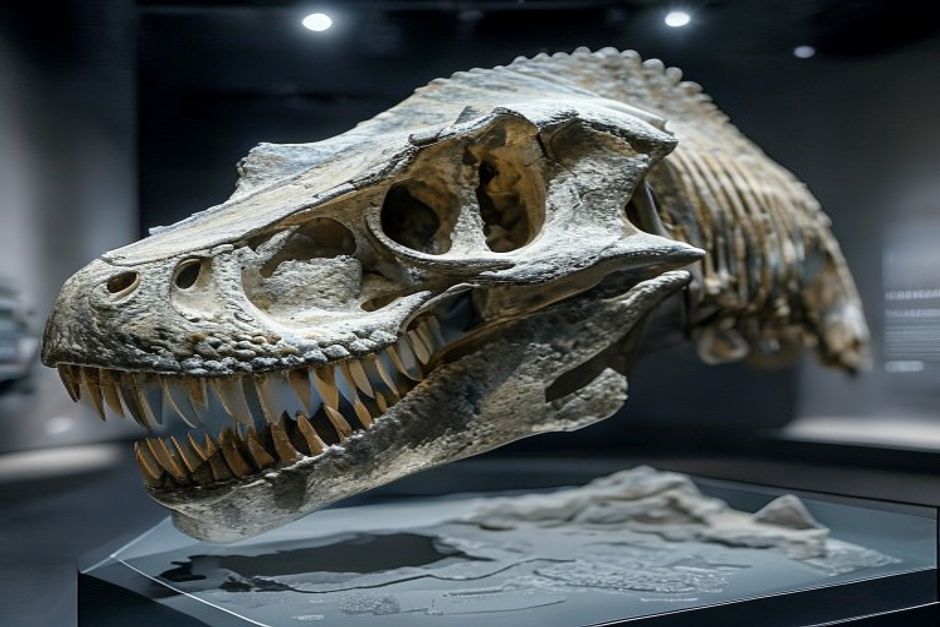
A 113-million-year-old fossilized dinosaur skull, purchased by a Stuttgart institution in 1991, has become the focal point of a protracted restitution campaign. This isn't just any ancient bone; researchers have identified it as the most complete spinosaurid skull known to date, belonging to a previously unknown genus of these colossal meat-eating dinosaurs. The scientific community is buzzing, but its acquisition history has sparked a global debate about ethical fossil collecting and the repatriation of significant artifacts.
The story began when Stuttgart's State Museum of Natural History acquired the skull, a move that seemed a scientific coup at the time. However, as its immense significance became clear – representing a new genus of Spinosauridae, a group of bipedal carnivorous dinosaurs known for their crocodile-like snouts and conical teeth, specialized for preying on fish – questions about its origin and legality began to surface. These types of disputes often arise when fossils, particularly those of significant scientific value, are acquired without clear provenance or through channels that bypass the originating country's cultural heritage laws.
The Global Call for Repatriation
The restitution campaign argues that such a unique and scientifically invaluable specimen should be returned to its country of origin, where it can be studied in its native context and serve as a source of national pride and scientific discovery for that region. Proponents of repatriation highlight the importance of respecting international ethical guidelines on the acquisition and display of cultural and natural heritage.
This ongoing controversy underscores a broader issue in paleontology and museum ethics: balancing the universal scientific value of fossils with the sovereign rights of nations over their natural resources. While the Stuttgart museum maintains its legal ownership, the moral and ethical dimensions of holding such a significant specimen, potentially acquired under questionable circumstances decades ago, are increasingly coming under scrutiny. The outcome of this particular campaign could set a precedent for future debates surrounding ancient artifacts and their rightful custodianship, making it a pivotal moment in the world of natural history museums.
स्टटगार्ट के एक संस्थान द्वारा 1991 में खरीदा गया 113 मिलियन वर्ष पुराना डायनासोर का जीवाश्म खोपड़ी एक लंबी बहाली अभियान का केंद्र बन गया है। यह केवल कोई पुरानी हड्डी नहीं है; शोधकर्ताओं ने इसे अब तक ज्ञात सबसे पूर्ण स्पिनोसॉरिड खोपड़ी के रूप में पहचाना है, जो इन विशाल मांसाहारी डायनासोरों के पहले से अज्ञात वंश से संबंधित है। वैज्ञानिक समुदाय में हलचल है, लेकिन इसके अधिग्रहण के इतिहास ने नैतिक जीवाश्म संग्रह और महत्वपूर्ण कलाकृतियों की वापसी के बारे में एक वैश्विक बहस छेड़ दी है।
कहानी तब शुरू हुई जब स्टटगार्ट के राज्य प्राकृतिक इतिहास संग्रहालय ने इस खोपड़ी को खरीदा, जो उस समय एक वैज्ञानिक उपलब्धि लग रही थी। हालांकि, जैसे ही इसका विशाल महत्व स्पष्ट हुआ – स्पिनोसॉरिडे, द्विपद मांसाहारी डायनासोरों का एक समूह, जो अपनी मगरमच्छ जैसी थूथन और शंक्वाकार दांतों के लिए जाने जाते हैं, मछली का शिकार करने में विशेष – इसकी उत्पत्ति और वैधता के बारे में सवाल उठने लगे। इस प्रकार के विवाद अक्सर तब उत्पन्न होते हैं जब जीवाश्म, विशेष रूप से महत्वपूर्ण वैज्ञानिक मूल्य वाले, स्पष्ट स्रोत के बिना या ऐसे चैनलों के माध्यम से अधिग्रहित किए जाते हैं जो मूल देश के सांस्कृतिक विरासत कानूनों को दरकिनार करते हैं।
वैश्विक प्रत्यावर्तन की पुकार
बहाली अभियान का तर्क है कि इस तरह के एक अद्वितीय और वैज्ञानिक रूप से अमूल्य नमूने को उसके मूल देश में वापस कर दिया जाना चाहिए, जहां इसका उसके मूल संदर्भ में अध्ययन किया जा सके और उस क्षेत्र के लिए राष्ट्रीय गौरव और वैज्ञानिक खोज का स्रोत बन सके। प्रत्यावर्तन के समर्थक सांस्कृतिक और प्राकृतिक विरासत के अधिग्रहण और प्रदर्शन पर अंतरराष्ट्रीय नैतिक दिशानिर्देशों का सम्मान करने के महत्व पर प्रकाश डालते हैं।
यह चल रहा विवाद जीवाश्म विज्ञान और संग्रहालय नैतिकता में एक व्यापक मुद्दे को रेखांकित करता है: जीवाश्मों के सार्वभौमिक वैज्ञानिक मूल्य को उनके प्राकृतिक संसाधनों पर राष्ट्रों के संप्रभु अधिकारों के साथ संतुलित करना। जबकि स्टटगार्ट संग्रहालय अपनी कानूनी स्वामित्व बनाए रखता है, ऐसे महत्वपूर्ण नमूने को रखने के नैतिक आयाम, जिसे दशकों पहले संदिग्ध परिस्थितियों में अधिग्रहित किया गया था, तेजी से जांच के दायरे में आ रहे हैं। इस विशेष अभियान का परिणाम प्राचीन कलाकृतियों और उनके सही संरक्षकता के आसपास भविष्य की बहसों के लिए एक मिसाल कायम कर सकता है, जिससे यह प्राकृतिक इतिहास संग्रहालयों की दुनिया में एक महत्वपूर्ण क्षण बन गया है।
1991 मध्ये स्टटगार्टमधील एका संस्थेने खरेदी केलेले 113 दशलक्ष वर्षांपूर्वीचे डायनासोरचे जीवाश्म डोके एका दीर्घ प्रत्यावर्तन मोहिमेचे केंद्र बनले आहे. हे केवळ काही जुने हाड नाही; संशोधकांनी याला आजपर्यंत ज्ञात असलेले सर्वात संपूर्ण स्पिनोसॉरिड डोके म्हणून ओळखले आहे, जे या विशाल मांसाहारी डायनासोरच्या पूर्वी अज्ञात वंशाशी संबंधित आहे. वैज्ञानिक समुदायात याबाबत उत्सुकता आहे, परंतु याच्या अधिग्रहणाच्या इतिहासामुळे नैतिक जीवाश्म संग्रह आणि महत्त्वाच्या कलाकृतींच्या प्रत्यावर्तनाबद्दल जागतिक चर्चा सुरू झाली आहे.
या कथेची सुरुवात तेव्हा झाली जेव्हा स्टटगार्टच्या राज्य नैसर्गिक इतिहास संग्रहालयाने हे डोके विकत घेतले, जे त्यावेळी एक वैज्ञानिक यश वाटले. तथापि, त्याचे अफाट महत्त्व स्पष्ट झाल्यावर – स्पिनोसॉरिडे, म्हणजे मगरीसारखे तोंड आणि शंकूच्या आकाराचे दात असलेले द्विपदी मांसाहारी डायनासोर यांचा एक नवीन वंश, जे मासे खाण्यासाठी विशेष होते – तेव्हा त्याची उत्पत्ती आणि कायदेशीरतेबद्दल प्रश्न निर्माण होऊ लागले. अशा प्रकारचे वाद अनेकदा उद्भवतात जेव्हा जीवाश्म, विशेषतः महत्त्वपूर्ण वैज्ञानिक मूल्याचे, स्पष्ट उत्पत्तीशिवाय किंवा मूळ देशाच्या सांस्कृतिक वारसा कायद्यांना बगल देणाऱ्या मार्गांनी मिळवले जातात.
जागतिक प्रत्यावर्तनासाठी आवाहन
प्रत्यावर्तन मोहीम असा युक्तिवाद करते की अशा अद्वितीय आणि वैज्ञानिकदृष्ट्या अमूल्य नमुन्याला त्याच्या मूळ देशात परत केले पाहिजे, जिथे त्याचा मूळ संदर्भात अभ्यास केला जाऊ शकेल आणि त्या प्रदेशासाठी राष्ट्रीय अभिमानाचे आणि वैज्ञानिक शोधाचे स्रोत म्हणून काम करेल. प्रत्यावर्तनाचे समर्थक सांस्कृतिक आणि नैसर्गिक वारशाच्या अधिग्रहण आणि प्रदर्शनावरील आंतरराष्ट्रीय नैतिक मार्गदर्शक तत्त्वांचा आदर करण्याच्या महत्त्वावर भर देतात.
हा चालू असलेला वाद पॅलियोन्टोलॉजी आणि संग्रहालय नैतिकतेमधील एका व्यापक समस्येवर प्रकाश टाकतो: जीवाश्मांचे सार्वत्रिक वैज्ञानिक मूल्य आणि त्यांच्या नैसर्गिक संसाधनांवरील राष्ट्रांचे सार्वभौम हक्क यांच्यात संतुलन राखणे. स्टटगार्ट संग्रहालय आपली कायदेशीर मालकी कायम ठेवत असले तरी, दशकांपूर्वी संशयास्पद परिस्थितीत मिळवलेल्या अशा महत्त्वपूर्ण नमुन्याला ठेवण्याच्या नैतिक आयामांची अधिकाधिक तपासणी होत आहे. या विशिष्ट मोहिमेचा परिणाम प्राचीन कलाकृती आणि त्यांच्या योग्य संरक्षणाच्या भविष्यातील वादविवादांसाठी एक उदाहरण सेट करू शकतो, ज्यामुळे नैसर्गिक इतिहास संग्रहालयाच्या जगात हा एक महत्त्वाचा क्षण बनला आहे.
1991 সালে স্টুটগার্টের একটি প্রতিষ্ঠান দ্বারা কেনা 113 মিলিয়ন বছরের পুরনো একটি ডাইনোসরের জীবাশ্ম মাথার খুলি একটি দীর্ঘ প্রত্যর্পণ অভিযানের কেন্দ্রবিন্দুতে পরিণত হয়েছে। এটি শুধু কোনো পুরানো হাড় নয়; গবেষকরা এটিকে আজ পর্যন্ত পরিচিত সবচেয়ে সম্পূর্ণ স্পাইনোসরিড মাথার খুলি হিসেবে চিহ্নিত করেছেন, যা এই বিশাল মাংসাশী ডাইনোসরদের একটি পূর্বে অজানা প্রজাতির অন্তর্গত। বৈজ্ঞানিক সম্প্রদায় এই বিষয়ে আলোড়িত, তবে এর অধিগ্রহণের ইতিহাস নৈতিক জীবাশ্ম সংগ্রহ এবং গুরুত্বপূর্ণ প্রত্নবস্তু ফিরিয়ে আনার বিষয়ে একটি বৈশ্বিক বিতর্ক সৃষ্টি করেছে।
গল্পটি শুরু হয়েছিল যখন স্টুটগার্টের স্টেট মিউজিয়াম অফ ন্যাচারাল হিস্টরি এই খুলিটি অধিগ্রহণ করে, যা সেই সময়ে একটি বৈজ্ঞানিক সাফল্য বলে মনে হয়েছিল। তবে, এর অসীম গুরুত্ব স্পষ্ট হওয়ার সাথে সাথে – স্পাইনোসরিডি, কুমিরের মতো মুখ এবং শঙ্কুযুক্ত দাঁত সহ দ্বিপদী মাংসাশী ডাইনোসরদের একটি গোষ্ঠী, যারা মাছ শিকারের জন্য বিশেষ ছিল – এর উৎস এবং বৈধতা নিয়ে প্রশ্ন উঠতে শুরু করে। এই ধরনের বিরোধ প্রায়শই দেখা দেয় যখন জীবাশ্ম, বিশেষ করে উল্লেখযোগ্য বৈজ্ঞানিক মূল্যসম্পন্ন, সুস্পষ্ট উৎস ছাড়া বা এমন চ্যানেলের মাধ্যমে অর্জিত হয় যা উদ্ভবকারী দেশের সাংস্কৃতিক ঐতিহ্য আইনকে পাশ কাটায়।
প্রত্যর্পণের জন্য বৈশ্বিক আহ্বান
প্রত্যর্পণ অভিযান যুক্তি দেয় যে এই ধরনের একটি অনন্য এবং বৈজ্ঞানিকভাবে অমূল্য নমুনা তার উৎস দেশে ফিরিয়ে দেওয়া উচিত, যেখানে এটিকে তার মূল প্রেক্ষাপটে অধ্যয়ন করা যেতে পারে এবং সেই অঞ্চলের জন্য জাতীয় গর্ব ও বৈজ্ঞানিক আবিষ্কারের উৎস হিসেবে কাজ করতে পারে। প্রত্যর্পণের সমর্থকরা সাংস্কৃতিক এবং প্রাকৃতিক ঐতিহ্যের অধিগ্রহণ এবং প্রদর্শনের বিষয়ে আন্তর্জাতিক নৈতিক নির্দেশিকা মেনে চলার গুরুত্ব তুলে ধরেন।
এই চলমান বিতর্ক প্রত্নতত্ত্ব এবং জাদুঘরের নীতিশাস্ত্রের একটি বৃহত্তর বিষয়কে তুলে ধরে: জীবাশ্মের সার্বজনীন বৈজ্ঞানিক মূল্য এবং তাদের প্রাকৃতিক সম্পদের উপর জাতিগুলির সার্বভৌম অধিকারের মধ্যে ভারসাম্য বজায় রাখা। স্টুটগার্ট জাদুঘর তার আইনি মালিকানা বজায় রাখলেও, সম্ভবত কয়েক দশক আগে সন্দেহজনক পরিস্থিতিতে অর্জিত এমন একটি গুরুত্বপূর্ণ নমুনা ধারণ করার নৈতিক দিকগুলি ক্রমবর্ধমানভাবে তদন্তের অধীনে আসছে। এই নির্দিষ্ট অভিযানের ফলাফল প্রাচীন প্রত্নবস্তু এবং তাদের rightful তত্ত্বাবধান সম্পর্কিত ভবিষ্যতের বিতর্কের জন্য একটি নজির স্থাপন করতে পারে, যা প্রাকৃতিক ইতিহাস জাদুঘরের জগতে এটিকে একটি গুরুত্বপূর্ণ মুহূর্ত করে তোলে।
1991 இல் ஸ்டுட்கார்ட் நிறுவனத்தால் வாங்கப்பட்ட 113 மில்லியன் ஆண்டுகள் பழமையான டைனோசரின் புதைபடிவ மண்டை ஓடு ஒரு நீண்டகால உரிமைப் போராட்டத்தின் மையமாக மாறியுள்ளது. இது வெறும் பழைய எலும்பு மட்டுமல்ல; ஆராய்ச்சியாளர்கள் இதை இதுவரை அறியப்பட்ட மிக முழுமையான ஸ்பைனோசரிட் மண்டை ஓடாக அடையாளம் கண்டுள்ளனர், இது இந்த மாபெரும் மாமிச உண்ணி டைனோசர்களின் முன்னர் அறியப்படாத ஒரு இனத்தைச் சேர்ந்தது. விஞ்ஞான சமூகம் இந்த கண்டுபிடிப்பால் உற்சாகத்தில் இருந்தாலும், அதன் கையகப்படுத்தல் வரலாறு, நெறிமுறை புதைபடிவ சேகரிப்பு மற்றும் முக்கியமான கலைப்பொருட்களைத் தாயகத்திற்குத் திருப்புவது குறித்து உலகளாவிய விவாதத்தைத் தூண்டியுள்ளது.
ஸ்டுட்கார்ட்டின் இயற்கை வரலாற்று அருங்காட்சியகம் இந்த மண்டை ஓட்டை வாங்கியபோது கதை தொடங்கியது, அது அந்த நேரத்தில் ஒரு அறிவியல் வெற்றியாகக் கருதப்பட்டது. இருப்பினும், அதன் மகத்தான முக்கியத்துவம் தெளிவாகத் தெரிந்தவுடன் – முதலை போன்ற முகங்கள் மற்றும் கூம்பு வடிவ பற்களுடன் கூடிய இருகால் மாமிச உண்ணி டைனோசர்களின் ஒரு குழுவான ஸ்பைனோசரிடேவின் ஒரு புதிய இனத்தை இது பிரதிநிதித்துவப்படுத்துகிறது, இது மீன் பிடிப்பதில் சிறப்பு வாய்ந்தது – அதன் தோற்றம் மற்றும் சட்டபூர்வமான தன்மை குறித்த கேள்விகள் எழத் தொடங்கின. இத்தகைய சர்ச்சைகள் பெரும்பாலும், குறிப்பாக குறிப்பிடத்தக்க அறிவியல் மதிப்புள்ள புதைபடிவங்கள், தெளிவான ஆதாரம் இல்லாமல் அல்லது அதன் தோற்று நாட்டின் கலாச்சார பாரம்பரியச் சட்டங்களைத் தவிர்த்துப் பெறப்படும்போது எழுகின்றன.
தாயகத்திற்குத் திருப்பக் கோரும் உலகளாவிய அழைப்பு
இந்த உரிமைப் போராட்டம், அத்தகைய ஒரு தனித்துவமான மற்றும் அறிவியல் ரீதியாக விலைமதிப்பற்ற மாதிரியை அதன் தோற்று நாட்டிற்குத் திருப்பித் தர வேண்டும் என்று வாதிடுகிறது, அங்கு அதை அதன் சொந்த சூழலில் ஆய்வு செய்யலாம் மற்றும் அந்த பிராந்தியத்திற்கான தேசிய பெருமை மற்றும் அறிவியல் கண்டுபிடிப்பின் ஆதாரமாகச் செயல்படலாம். உரிமைப் போராட்டத்தின் ஆதரவாளர்கள், கலாச்சார மற்றும் இயற்கை பாரம்பரியத்தின் கையகப்படுத்தல் மற்றும் காட்சிப்படுத்துதல் தொடர்பான சர்வதேச நெறிமுறை வழிகாட்டுதல்களை மதிப்பதன் முக்கியத்துவத்தை வலியுறுத்துகின்றனர்.
இந்தத் தொடர்ச்சியான சர்ச்சை, தொல்லுயிரியல் மற்றும் அருங்காட்சியக நெறிமுறைகளில் ஒரு பரந்த பிரச்சினையை அடிக்கோடிட்டுக் காட்டுகிறது: புதைபடிவங்களின் உலகளாவிய அறிவியல் மதிப்புக்கும், அவற்றின் இயற்கை வளங்கள் மீதான நாடுகளின் இறையாண்மை உரிமைகளுக்கும் இடையே சமநிலையை ஏற்படுத்துவது. ஸ்டுட்கார்ட் அருங்காட்சியகம் அதன் சட்டபூர்வமான உரிமையைப் பராமரித்தாலும், பல தசாப்தங்களுக்கு முன்பு கேள்விக்குரிய சூழ்நிலைகளில் பெறப்பட்ட இத்தகைய குறிப்பிடத்தக்க மாதிரியை வைத்திருப்பதன் தார்மீக மற்றும் நெறிமுறை பரிமாணங்கள் பெருகிய முறையில் ஆராயப்பட்டு வருகின்றன. இந்த குறிப்பிட்ட போராட்டத்தின் விளைவு, பழங்கால கலைப்பொருட்கள் மற்றும் அவற்றின் சரியான பாதுகாவலர்கள் குறித்த எதிர்கால விவாதங்களுக்கு ஒரு முன்மாதிரியை உருவாக்கலாம், இது இயற்கை வரலாற்று அருங்காட்சியகங்களின் உலகில் ஒரு முக்கிய தருணமாக அமைகிறது.
1991లో స్టట్గార్ట్ సంస్థ కొనుగోలు చేసిన 113 మిలియన్ సంవత్సరాల పురాతన డైనోసార్ శిలాజ పుర్రె సుదీర్ఘ పునరుద్ధరణ ప్రచారం యొక్క కేంద్ర బిందువుగా మారింది. ఇది కేవలం పాత ఎముక కాదు; పరిశోధకులు దీనిని ఇప్పటివరకు తెలిసిన అత్యంత పూర్తి స్పైనోసరిడ్ పుర్రెగా గుర్తించారు, ఇది ఈ భారీ మాంసాహార డైనోసార్ల యొక్క ఇంతకు ముందు తెలియని జాతికి చెందినది. శాస్త్రీయ సమాజంలో దీనిపై చర్చ జరుగుతోంది, అయితే దీని సముపార్జన చరిత్ర నైతిక శిలాజ సేకరణ మరియు ముఖ్యమైన కళాఖండాల స్వదేశానికి తిరిగి రావడం గురించి ప్రపంచవ్యాప్త చర్చకు దారితీసింది.
ఈ కథ స్టట్గార్ట్ స్టేట్ మ్యూజియం ఆఫ్ నేచురల్ హిస్టరీ ఈ పుర్రెను కొనుగోలు చేయడంతో మొదలైంది, ఇది అప్పట్లో ఒక శాస్త్రీయ విజయం అనిపించింది. అయితే, దాని అపారమైన ప్రాముఖ్యత స్పష్టమైన తర్వాత – మొసలి లాంటి మూతులు మరియు శంఖాకార పళ్లతో కూడిన ద్విపాద మాంసాహార డైనోసార్ల సమూహమైన స్పైనోసరిడేకు చెందిన కొత్త జాతిని ఇది సూచిస్తుంది, ఇది చేపలను వేటాడటంలో ప్రత్యేకత కలిగి ఉంది – దాని మూలం మరియు చట్టబద్ధత గురించి ప్రశ్నలు తలెత్తడం ప్రారంభించాయి. స్పష్టమైన మూలం లేకుండా లేదా మూల దేశం యొక్క సాంస్కృతిక వారసత్వ చట్టాలను విస్మరించి, ముఖ్యంగా గణనీయమైన శాస్త్రీయ విలువ కలిగిన శిలాజాలను సేకరించినప్పుడు ఇటువంటి వివాదాలు తరచుగా తలెత్తుతాయి.
పునరుద్ధరణ కోసం ప్రపంచ పిలుపు
పునరుద్ధరణ ప్రచారం ప్రకారం, అటువంటి ప్రత్యేకమైన మరియు శాస్త్రీయంగా అమూల్యమైన నమూనాను దాని మూల దేశానికి తిరిగి ఇవ్వాలి, అక్కడ దానిని దాని స్వంత సందర్భంలో అధ్యయనం చేయవచ్చు మరియు ఆ ప్రాంతానికి జాతీయ అహంకారం మరియు శాస్త్రీయ ఆవిష్కరణకు మూలంగా ఉపయోగపడుతుంది. పునరుద్ధరణకు మద్దతుదారులు సాంస్కృతిక మరియు సహజ వారసత్వాన్ని సముపార్జన మరియు ప్రదర్శనపై అంతర్జాతీయ నైతిక మార్గదర్శకాలను గౌరవించాల్సిన ప్రాముఖ్యతను హైలైట్ చేస్తారు.
ఈ కొనసాగుతున్న వివాదం పాలియోంటాలజీ మరియు మ్యూజియం నైతికతలో విస్తృత సమస్యను నొక్కి చెబుతుంది: శిలాజాల సార్వత్రిక శాస్త్రీయ విలువను మరియు వారి సహజ వనరులపై దేశాల సార్వభౌమ హక్కులను సమతుల్యం చేయడం. స్టట్గార్ట్ మ్యూజియం తన చట్టపరమైన యాజమాన్యాన్ని కొనసాగిస్తున్నప్పటికీ, దశాబ్దాల క్రితం ప్రశ్నించదగ్గ పరిస్థితులలో సముపార్జించిన అటువంటి ముఖ్యమైన నమూనాను కలిగి ఉండటం యొక్క నైతిక మరియు నైతిక కోణాలు పెరుగుతున్న విమర్శలకు గురవుతున్నాయి. ఈ నిర్దిష్ట ప్రచారం యొక్క ఫలితం పురాతన కళాఖండాలు మరియు వాటి సరైన సంరక్షణపై భవిష్యత్తులో జరిగే చర్చలకు ఒక ఉదాహరణను సెట్ చేయగలదు, ఇది సహజ చరిత్ర సంగ్రహాలయాల ప్రపంచంలో ఒక కీలక క్షణంగా మారుతుంది.
1991 માં સ્ટુટગાર્ટની એક સંસ્થા દ્વારા ખરીદવામાં આવેલું 113 મિલિયન વર્ષ જૂનું ડાયનાસોરનું અશ્મિભૂત ખોપરી એક લાંબા સમયથી ચાલી રહેલા રેસ્ટિટ્યુશન (પરત મેળવવા) અભિયાનનું કેન્દ્ર બની ગયું છે. આ કોઈ સામાન્ય જૂનું હાડકું નથી; સંશોધકોએ તેને અત્યાર સુધી જાણીતી સૌથી સંપૂર્ણ સ્પાઇનોસોરિડ ખોપરી તરીકે ઓળખી છે, જે આ વિશાળ માંસાહારી ડાયનાસોરની અગાઉ અજાણી પ્રજાતિ સાથે સંબંધિત છે. વૈજ્ઞાનિક સમુદાયમાં આ અંગે ઉત્સાહ છે, પરંતુ તેના સંપાદનના ઇતિહાસે નૈતિક અશ્મિભૂત સંગ્રહ અને મહત્વપૂર્ણ કલાકૃતિઓના પ્રત્યાવર્તન (માતૃદેશમાં પાછા ફરવા) વિશે વૈશ્વિક ચર્ચા જગાવી છે.
વાર્તાની શરૂઆત ત્યારે થઈ જ્યારે સ્ટુટગાર્ટના સ્ટેટ મ્યુઝિયમ ઓફ નેચરલ હિસ્ટરીએ આ ખોપરી ખરીદી, જે તે સમયે એક વૈજ્ઞાનિક સિદ્ધિ જેવું લાગતું હતું. જોકે, તેનું અત્યંત મહત્વ સ્પષ્ટ થતાં જ – સ્પાઇનોસોરિડે, મગર જેવી થૂથો અને શંકુ આકારના દાંતવાળા દ્વિપાદી માંસાહારી ડાયનાસોરના એક નવા જીનસનું પ્રતિનિધિત્વ કરતું, જે માછલીનો શિકાર કરવામાં વિશિષ્ટ હતા – તેની ઉત્પત્તિ અને કાયદેસરતા અંગે પ્રશ્નો ઉભા થવા લાગ્યા. આવા વિવાદો ઘણીવાર ત્યારે ઉદ્ભવે છે જ્યારે અશ્મિભૂત, ખાસ કરીને નોંધપાત્ર વૈજ્ઞાનિક મૂલ્યના, સ્પષ્ટ સ્ત્રોત વિના અથવા મૂળ દેશના સાંસ્કૃતિક વારસાના કાયદાઓને બાયપાસ કરતી ચેનલો દ્વારા પ્રાપ્ત કરવામાં આવે છે.
પ્રત્યાવર્તન માટે વૈશ્વિક આહ્વાન
રેસ્ટિટ્યુશન અભિયાન દલીલ કરે છે કે આવા અનન્ય અને વૈજ્ઞાનિક રીતે અમૂલ્ય નમૂનાને તેના મૂળ દેશમાં પરત કરવું જોઈએ, જ્યાં તેનો તેના મૂળ સંદર્ભમાં અભ્યાસ કરી શકાય અને તે પ્રદેશ માટે રાષ્ટ્રીય ગૌરવ અને વૈજ્ઞાનિક શોધનો સ્ત્રોત બની શકે. પ્રત્યાવર્તનના હિમાયતીઓ સાંસ્કૃતિક અને કુદરતી વારસાના સંપાદન અને પ્રદર્શન પરના આંતરરાષ્ટ્રીય નૈતિક દિશાનિર્દેશોનો આદર કરવાના મહત્વ પર પ્રકાશ પાડે છે.
આ ચાલુ વિવાદ પેલિયોન્ટોલોજી અને સંગ્રહાલય નીતિશાસ્ત્રમાં એક વ્યાપક મુદ્દાને રેખાંકિત કરે છે: અશ્મિભૂતોના સાર્વત્રિક વૈજ્ઞાનિક મૂલ્યને અને તેમના કુદરતી સંસાધનો પર રાષ્ટ્રોના સાર્વભૌમ અધિકારોને સંતુલિત કરવું. જ્યારે સ્ટુટગાર્ટ મ્યુઝિયમ તેની કાયદેસર માલિકી જાળવી રાખે છે, ત્યારે દાયકાઓ પહેલા શંકાસ્પદ સંજોગોમાં પ્રાપ્ત થયેલા આવા મહત્વપૂર્ણ નમૂનાને રાખવાના નૈતિક અને નૈતિક પરિમાણો પર વધુને વધુ તપાસ થઈ રહી છે. આ ચોક્કસ અભિયાનનું પરિણામ પ્રાચીન કલાકૃતિઓ અને તેમના યોગ્ય વાલીપણા અંગેના ભવિષ્યના વિવાદો માટે એક દાખલો બેસાડી શકે છે, જે તેને કુદરતી ઇતિહાસ સંગ્રહાલયોની દુનિયામાં એક મુખ્ય ક્ષણ બનાવે છે.
1991 ਵਿੱਚ ਸਟਟਗਾਰਟ ਦੀ ਇੱਕ ਸੰਸਥਾ ਦੁਆਰਾ ਖਰੀਦੀ ਗਈ 113 ਮਿਲੀਅਨ ਸਾਲ ਪੁਰਾਣੀ ਡਾਇਨਾਸੌਰ ਦੀ ਜੀਵਾਸ਼ਮ ਖੋਪੜੀ ਇੱਕ ਲੰਬੀ ਵਾਪਸੀ (restitution) ਮੁਹਿੰਮ ਦਾ ਕੇਂਦਰ ਬਣ ਗਈ ਹੈ। ਇਹ ਸਿਰਫ ਕੋਈ ਪੁਰਾਣੀ ਹੱਡੀ ਨਹੀਂ; ਖੋਜਕਰਤਾਵਾਂ ਨੇ ਇਸਨੂੰ ਅੱਜ ਤੱਕ ਜਾਣੀ ਗਈ ਸਭ ਤੋਂ ਸੰਪੂਰਨ ਸਪਿਨੋਸੋਰਿਡ ਖੋਪੜੀ ਵਜੋਂ ਪਛਾਣਿਆ ਹੈ, ਜੋ ਇਹਨਾਂ ਵਿਸ਼ਾਲ ਮਾਸਾਹਾਰੀ ਡਾਇਨਾਸੌਰਾਂ ਦੀ ਇੱਕ ਪਹਿਲਾਂ ਅਣਜਾਣ ਪ੍ਰਜਾਤੀ ਨਾਲ ਸਬੰਧਤ ਹੈ। ਵਿਗਿਆਨਕ ਭਾਈਚਾਰਾ ਇਸ ਬਾਰੇ ਚਿੰਤਤ ਹੈ, ਪਰ ਇਸਦੀ ਪ੍ਰਾਪਤੀ ਦੇ ਇਤਿਹਾਸ ਨੇ ਨੈਤਿਕ ਜੀਵਾਸ਼ਮ ਇਕੱਤਰਤਾ ਅਤੇ ਮਹੱਤਵਪੂਰਨ ਕਲਾਕ੍ਰਿਤੀਆਂ ਨੂੰ ਵਾਪਸ ਕਰਨ ਬਾਰੇ ਇੱਕ ਵਿਸ਼ਵਵਿਆਪੀ ਬਹਿਸ ਛੇੜ ਦਿੱਤੀ ਹੈ।
ਕਹਾਣੀ ਉਦੋਂ ਸ਼ੁਰੂ ਹੋਈ ਜਦੋਂ ਸਟਟਗਾਰਟ ਦੇ ਰਾਜਕੀ ਕੁਦਰਤੀ ਇਤਿਹਾਸ ਅਜਾਇਬ ਘਰ ਨੇ ਇਹ ਖੋਪੜੀ ਖਰੀਦੀ, ਜੋ ਉਸ ਸਮੇਂ ਇੱਕ ਵਿਗਿਆਨਕ ਪ੍ਰਾਪਤੀ ਲੱਗਦੀ ਸੀ। ਹਾਲਾਂਕਿ, ਜਦੋਂ ਇਸਦੀ ਬਹੁਤ ਜ਼ਿਆਦਾ ਮਹੱਤਵਤਾ ਸਪੱਸ਼ਟ ਹੋ ਗਈ – ਸਪਿਨੋਸੋਰਿਡੇ, ਦੋ-ਪੈਰੀ ਮਾਸਾਹਾਰੀ ਡਾਇਨਾਸੌਰਾਂ ਦਾ ਇੱਕ ਸਮੂਹ, ਜੋ ਕਿ ਮਗਰਮੱਛ ਵਰਗੇ ਥੁੱਕਣ ਅਤੇ ਸ਼ੰਕੂਦਾਰ ਦੰਦਾਂ ਲਈ ਜਾਣੇ ਜਾਂਦੇ ਹਨ, ਮੱਛੀਆਂ ਦਾ ਸ਼ਿਕਾਰ ਕਰਨ ਵਿੱਚ ਵਿਸ਼ੇਸ਼ – ਤਾਂ ਇਸਦੀ ਉਤਪਤੀ ਅਤੇ ਕਾਨੂੰਨੀਤਾ ਬਾਰੇ ਸਵਾਲ ਉੱਠਣ ਲੱਗੇ। ਇਸ ਤਰ੍ਹਾਂ ਦੇ ਵਿਵਾਦ ਅਕਸਰ ਉਦੋਂ ਪੈਦਾ ਹੁੰਦੇ ਹਨ ਜਦੋਂ ਜੀਵਾਸ਼ਮ, ਖਾਸ ਤੌਰ 'ਤੇ ਮਹੱਤਵਪੂਰਨ ਵਿਗਿਆਨਕ ਮੁੱਲ ਵਾਲੇ, ਸਪੱਸ਼ਟ ਸਰੋਤ ਦੇ ਬਿਨਾਂ ਜਾਂ ਅਜਿਹੇ ਚੈਨਲਾਂ ਰਾਹੀਂ ਪ੍ਰਾਪਤ ਕੀਤੇ ਜਾਂਦੇ ਹਨ ਜੋ ਮੂਲ ਦੇਸ਼ ਦੇ ਸੱਭਿਆਚਾਰਕ ਵਿਰਾਸਤੀ ਕਾਨੂੰਨਾਂ ਨੂੰ ਅਣਡਿੱਠ ਕਰਦੇ ਹਨ।
ਵਾਪਸੀ ਲਈ ਵਿਸ਼ਵਵਿਆਪੀ ਸੱਦਾ
ਵਾਪਸੀ ਮੁਹਿੰਮ ਦਾ ਤਰਕ ਹੈ ਕਿ ਅਜਿਹੇ ਵਿਲੱਖਣ ਅਤੇ ਵਿਗਿਆਨਕ ਤੌਰ 'ਤੇ ਅਨਮੋਲ ਨਮੂਨੇ ਨੂੰ ਇਸਦੇ ਮੂਲ ਦੇਸ਼ ਵਿੱਚ ਵਾਪਸ ਕਰ ਦੇਣਾ ਚਾਹੀਦਾ ਹੈ, ਜਿੱਥੇ ਇਸਦਾ ਇਸਦੇ ਮੂਲ ਸੰਦਰਭ ਵਿੱਚ ਅਧਿਐਨ ਕੀਤਾ ਜਾ ਸਕੇ ਅਤੇ ਉਸ ਖੇਤਰ ਲਈ ਰਾਸ਼ਟਰੀ ਮਾਣ ਅਤੇ ਵਿਗਿਆਨਕ ਖੋਜ ਦਾ ਸਰੋਤ ਬਣ ਸਕੇ। ਵਾਪਸੀ ਦੇ ਸਮਰਥਕ ਸੱਭਿਆਚਾਰਕ ਅਤੇ ਕੁਦਰਤੀ ਵਿਰਾਸਤ ਦੀ ਪ੍ਰਾਪਤੀ ਅਤੇ ਪ੍ਰਦਰਸ਼ਨ 'ਤੇ ਅੰਤਰਰਾਸ਼ਟਰੀ ਨੈਤਿਕ ਦਿਸ਼ਾ-ਨਿਰਦੇਸ਼ਾਂ ਦਾ ਸਤਿਕਾਰ ਕਰਨ ਦੇ ਮਹੱਤਵ 'ਤੇ ਜ਼ੋਰ ਦਿੰਦੇ ਹਨ।
ਇਹ ਚੱਲ ਰਿਹਾ ਵਿਵਾਦ ਪੈਲੀਓਨਟੋਲੋਜੀ ਅਤੇ ਅਜਾਇਬ ਘਰ ਦੀ ਨੈਤਿਕਤਾ ਵਿੱਚ ਇੱਕ ਵਿਆਪਕ ਮੁੱਦੇ ਨੂੰ ਰੇਖਾਂਕਿਤ ਕਰਦਾ ਹੈ: ਜੀਵਾਸ਼ਮ ਦੇ ਵਿਸ਼ਵਵਿਆਪੀ ਵਿਗਿਆਨਕ ਮੁੱਲ ਨੂੰ ਅਤੇ ਉਹਨਾਂ ਦੇ ਕੁਦਰਤੀ ਸਰੋਤਾਂ 'ਤੇ ਰਾਸ਼ਟਰਾਂ ਦੇ ਪ੍ਰਭੂਸੱਤਾ ਅਧਿਕਾਰਾਂ ਨੂੰ ਸੰਤੁਲਿਤ ਕਰਨਾ। ਜਦੋਂ ਕਿ ਸਟਟਗਾਰਟ ਅਜਾਇਬ ਘਰ ਆਪਣੀ ਕਾਨੂੰਨੀ ਮਲਕੀਅਤ ਬਰਕਰਾਰ ਰੱਖਦਾ ਹੈ, ਦਹਾਕਿਆਂ ਪਹਿਲਾਂ ਸ਼ੱਕੀ ਹਾਲਾਤਾਂ ਵਿੱਚ ਪ੍ਰਾਪਤ ਕੀਤੇ ਗਏ ਅਜਿਹੇ ਮਹੱਤਵਪੂਰਨ ਨਮੂਨੇ ਨੂੰ ਰੱਖਣ ਦੇ ਨੈਤਿਕ ਪਹਿਲੂ ਵਧੇਰੇ ਜਾਂਚ ਦੇ ਅਧੀਨ ਆ ਰਹੇ ਹਨ। ਇਸ ਖਾਸ ਮੁਹਿੰਮ ਦਾ ਨਤੀਜਾ ਪ੍ਰਾਚੀਨ ਕਲਾਕ੍ਰਿਤੀਆਂ ਅਤੇ ਉਹਨਾਂ ਦੇ ਸਹੀ ਰੱਖਿਅਕਾਂ ਬਾਰੇ ਭਵਿੱਖ ਦੀਆਂ ਬਹਿਸਾਂ ਲਈ ਇੱਕ ਮਿਸਾਲ ਕਾਇਮ ਕਰ ਸਕਦਾ ਹੈ, ਜਿਸ ਨਾਲ ਇਹ ਕੁਦਰਤੀ ਇਤਿਹਾਸ ਅਜਾਇਬ ਘਰਾਂ ਦੀ ਦੁਨੀਆ ਵਿੱਚ ਇੱਕ ਮਹੱਤਵਪੂਰਨ ਪਲ ਬਣ ਗਿਆ ਹੈ।

💬 Comments