Breaking News
ताज़ा खबर
ताजी बातमी
সর্বশেষ সংবাদ
சமீபத்திய செய்தி
తాజా వార్త
તાજા સમાચાર
ਤਾਜ਼ਾ ਖ਼ਬਰ
President Trump's Hormuz Threat Puts Gulf States on Edge Amid Rising Tensions
राष्ट्रपति ट्रम्प की होर्मुज धमकी से खाड़ी देश चिंतित, तनाव बढ़ा
ट्रम्पच्या होर्मुज धमकीने आखाती देश चिंतेत, तणाव वाढला
ট্রাম্পের হরমুজ হুমকি উপসাগরীয় দেশগুলোকে উদ্বেগে ফেলেছে, উত্তেজনা বৃদ্ধি
ஹோர்முஸ் மீதான ட்ரம்பின் அச்சுறுத்தல் வளைகுடா நாடுகளை அச்சத்தில் ஆழ்த்தியது, பதற்றம் அதிகரித்தது
ట్రంప్ యొక్క హార్ముజ్ బెదిరింపు గల్ఫ్ దేశాలను ఆందోళనకు గురిచేసింది, ఉద్రిక్తతలు పెరిగాయి
ટ્રમ્પની હોર્મુઝ ધમકીથી ગલ્ફ દેશો ચિંતિત, તણાવ વધ્યો
ਟਰੰਪ ਦੇ ਹਾਰਮੂਜ਼ ਧਮਕੀ ਨਾਲ ਖਾੜੀ ਦੇਸ਼ ਚਿੰਤਤ, ਤਣਾਅ ਵਧਿਆ
By AI News Desk
🕐 12 April 2026, 08:44 PM
🌍 World
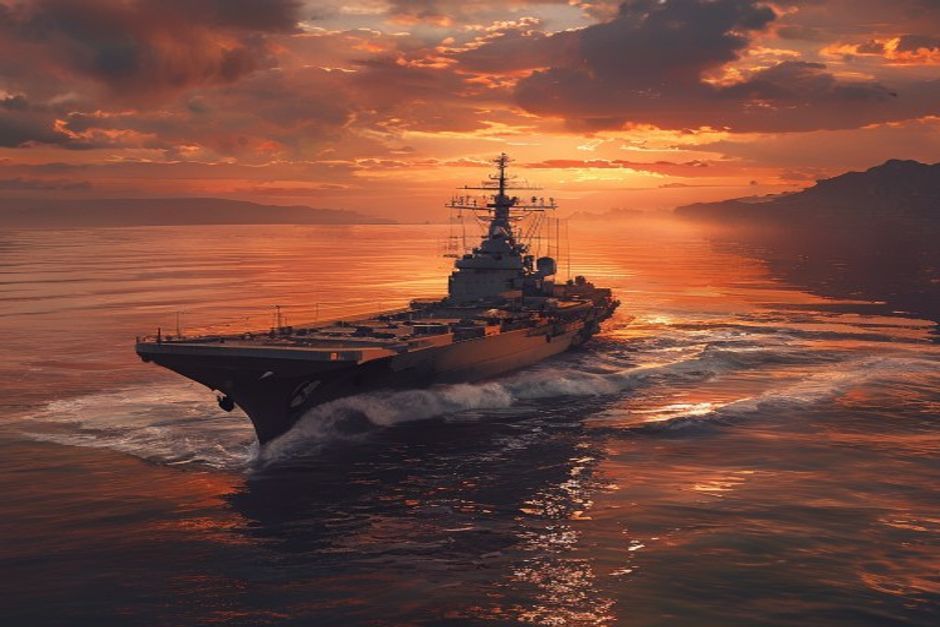
US President Donald Trump's recent assertive rhetoric and explicit threats to compel US naval vessels through the Strait of Hormuz have amplified anxieties across the Gulf region. The strategic waterway, a crucial chokepoint for global oil supply, has become a focal point of escalating geopolitical friction between the United States and Iran.
Escalating Rhetoric and Regional Fears
Trump's uncompromising stance, detailed in recent public statements, suggests a willingness to bypass international norms and potentially provoke direct confrontation. This has sent ripples of concern through the delicate political landscape of the Middle East, where regional powers are acutely aware of the potential economic and security ramifications of any conflict in the Strait.
Al Jazeera's Zein Basravi, reporting from Dubai, highlighted the palpable tension gripping the region. Diplomats and analysts are closely monitoring the situation, expressing fears that miscalculation or escalation could lead to severe disruptions in oil markets, impacting global economies. The involvement of the US Navy in forcefully navigating the strait is seen as a particularly provocative move that could invite a strong response from Iran.
Diplomacy vs. Confrontation
While the Trump administration appears to be leaning towards a show of force, there are underlying calls for de-escalation and diplomatic engagement. The Strait of Hormuz, through which roughly 30% of the world's seaborne oil passes, is too vital to international trade to be jeopardized by escalating tensions. Regional states are reportedly engaging in quiet diplomacy to avert a crisis, urging both sides to exercise restraint.
The situation remains volatile, with the international community watching closely to see if diplomatic channels can prevail over aggressive posturing. The coming days and weeks are critical in determining whether the Strait of Hormuz will remain a free-flowing artery of global commerce or become a flashpoint for wider conflict.
अमेरिकी राष्ट्रपति डोनाल्ड ट्रम्प के हालिया मुखर बयानों और होर्मुज जलडमरूमध्य से अमेरिकी जहाजों को जबरन निकालने की धमकी ने खाड़ी देशों को चिंता में डाल दिया है। यह रणनीतिक जलमार्ग, वैश्विक तेल आपूर्ति के लिए एक महत्वपूर्ण बिंदु है, जो संयुक्त राज्य अमेरिका और ईरान के बीच बढ़ते भू-राजनीतिक तनाव का केंद्र बन गया है।
बढ़ता बयानबाजी और क्षेत्रीय भय
ट्रम्प का अडिग रुख, हाल के सार्वजनिक बयानों में विस्तृत, अंतरराष्ट्रीय मानदंडों को दरकिनार करने और संभावित रूप से सीधी टकराव को भड़काने की इच्छा का सुझाव देता है। इसने मध्य पूर्व के नाजुक राजनीतिक परिदृश्य में चिंता की लहरें भेजी हैं, जहां क्षेत्रीय शक्तियां जलडमरूमध्य में किसी भी संघर्ष के संभावित आर्थिक और सुरक्षा परिणामों से अच्छी तरह वाकिफ हैं।
दुबई से रिपोर्टिंग करते हुए अल जज़ीरा के ज़ीन बसरावी ने क्षेत्र में व्याप्त स्पष्ट तनाव पर प्रकाश डाला। राजनयिक और विश्लेषक स्थिति पर बारीकी से नजर रख रहे हैं, तेल बाजारों में गंभीर व्यवधान के कारण गलतफहमी या वृद्धि के डर से वैश्विक अर्थव्यवस्थाओं को प्रभावित कर रहे हैं। अमेरिकी नौसेना की जलडमरूमध्य से जबरन नेविगेट करने में भागीदारी को एक विशेष रूप से उत्तेजक कदम के रूप में देखा जाता है जो ईरान से मजबूत प्रतिक्रिया को आमंत्रित कर सकता है।
कूटनीति बनाम टकराव
जबकि ट्रम्प प्रशासन बल प्रदर्शन की ओर झुकता हुआ प्रतीत होता है, तनाव कम करने और राजनयिक जुड़ाव के लिए अंतर्निहित कॉल हैं। होर्मुज जलडमरूमध्य, जिससे दुनिया के समुद्री तेल का लगभग 30% गुजरता है, बढ़ते तनाव से खतरे में पड़ने वाले वैश्विक व्यापार के लिए बहुत महत्वपूर्ण है। क्षेत्रीय राज्य संकट से बचने के लिए चुपचाप कूटनीति में संलग्न होने की सूचना दे रहे हैं, दोनों पक्षों से संयम बरतने का आग्रह कर रहे हैं।
यह स्थिति अस्थिर बनी हुई है, जिसमें अंतर्राष्ट्रीय समुदाय यह देखने के लिए उत्सुकता से देख रहा है कि क्या कूटनीतिक चैनल आक्रामक मुद्राओं पर हावी हो सकते हैं। होर्मुज जलडमरूमध्य वैश्विक वाणिज्य की एक मुक्त-प्रवाह धमनी बना रहेगा या व्यापक संघर्ष के लिए एक फ्लैशपॉइंट बन जाएगा, यह निर्धारित करने में आने वाले दिन और सप्ताह महत्वपूर्ण हैं।
अमेरिकेचे राष्ट्राध्यक्ष डोनाल्ड ट्रम्प यांच्या अलिकडील आक्रमक वक्तव्यांनी आणि होर्मुज सामुद्रधुनीतून अमेरिकेची जहाजे जबरदस्तीने पाठवण्याच्या धमक्यांनी आखाती देशांमध्ये चिंता वाढवली आहे. जागतिक तेल पुरवठ्यासाठी एक महत्त्वपूर्ण मार्ग असलेली ही जलसंधि, अमेरिका आणि इराणमधील वाढत्या भू-राजकीय तणावाचे केंद्र बनली आहे.
वाढती वक्तव्ये आणि प्रादेशिक भीती
ट्रम्प यांचे कठोर धोरण, जे अलीकडील सार्वजनिक विधानांमध्ये तपशीलवार आहे, आंतरराष्ट्रीय नियमांना डावलण्याची आणि संभाव्यतः थेट संघर्षाला प्रवृत्त करण्याची इच्छा दर्शवते. यामुळे मध्य पूर्वेतील नाजूक राजकीय वातावरणात चिंतेच्या लाटा पसरल्या आहेत. येथील प्रादेशिक सत्ताधारी होर्मुज जलसंधीतील कोणत्याही संघर्षाच्या संभाव्य आर्थिक आणि सुरक्षा परिणामांबद्दल अत्यंत जागरूक आहेत.
दुबईहून वृत्त देणारे अल जजीराचे झीन बसरावी यांनी या प्रदेशात पसरलेल्या तणावावर प्रकाश टाकला. मुत्सद्दी आणि विश्लेषक परिस्थितीवर बारकाईने लक्ष ठेवून आहेत. कोणत्याही चुकीच्या गणनेमुळे किंवा संघर्षाच्या वाढीमुळे तेल बाजारात गंभीर अडथळे येऊ शकतात, ज्याचा जागतिक अर्थव्यवस्थांवर परिणाम होईल, अशी भीती व्यक्त केली जात आहे. जलसंधिबूझमधून जबरदस्तीने मार्ग काढणाऱ्या अमेरिकन नौदलाची कृती विशेषतः चिथावणीखोर मानली जात आहे, जी इराणकडून तीव्र प्रतिसादाला आमंत्रण देऊ शकते.
मुत्सद्देगिरी विरुद्ध संघर्ष
ट्रम्प प्रशासन जरी बळाचा वापर करण्याकडे झुकत असले, तरी तणाव कमी करण्यासाठी आणि वाटाघाटीसाठी आवाहन केले जात आहे. होर्मुज जलसंधि, ज्यातून जगातील सुमारे ३०% तेल जाते, जागतिक व्यापारासाठी अत्यंत महत्त्वाची आहे आणि वाढत्या तणावामुळे ती धोक्यात येऊ नये. संकट टाळण्यासाठी प्रादेशिक देश गुप्तपणे मुत्सद्देगिरीत गुंतलेले असल्याचे वृत्त आहे आणि दोन्ही पक्षांना संयम राखण्याचे आवाहन करत आहेत.
आंतरराष्ट्रीय समुदाय लक्ष ठेवून आहे की कूटनीतिचे मार्ग आक्रमक पवित्रांवर मात करू शकतात का. होर्मुज जलसंधि जागतिक व्यापाराची एक मुक्त धमनी राहील की व्यापक संघर्षाचे केंद्र बनेल, हे येणारे दिवस आणि आठवडे ठरवतील.
মার্কিন প্রেসিডেন্ট ডোনাল্ড ট্রাম্পের সাম্প্রতিক বাগাড়ম্বরপূর্ণ পোস্ট এবং হরমুজ প্রণালীর মধ্য দিয়ে মার্কিন জাহাজগুলিকে জোরপূর্বক পাঠানোর হুমকি উপসাগরীয় দেশগুলোকে উদ্বেগে ফেলেছে। এই কৌশলগত জলপথ, যা বিশ্বব্যাপী তেল সরবরাহের জন্য একটি গুরুত্বপূর্ণ কেন্দ্র, মার্কিন যুক্তরাষ্ট্র এবং ইরানের মধ্যে ক্রমবর্ধমান ভূ-রাজনৈতিক উত্তেজনার কেন্দ্রবিন্দুতে পরিণত হয়েছে।
ক্রমবর্ধমান বাগাড়ম্বর এবং আঞ্চলিক উদ্বেগ
ট্রাম্পের আপসহীন অবস্থান, যা সাম্প্রতিক জনসমক্ষে প্রকাশিত হয়েছে, আন্তর্জাতিক নিয়ম লঙ্ঘন এবং সম্ভাব্য সরাসরি সংঘাত উস্কে দেওয়ার ইচ্ছা প্রকাশ করে। এটি মধ্যপ্রাচ্যের নাজুক রাজনৈতিক পরিস্থিতিতে উদ্বেগের সৃষ্টি করেছে। এখানকার আঞ্চলিক শক্তিগুলি প্রণালীতে যেকোনো সংঘাতের সম্ভাব্য অর্থনৈতিক ও নিরাপত্তা পরিণতি সম্পর্কে অত্যন্ত সচেতন।
দুবাই থেকে আল জাজিরার জেইন বাসরাভি এই অঞ্চলে বিরাজমান স্পষ্ট উত্তেজনা তুলে ধরেছেন। কূটনীতিক এবং বিশ্লেষকরা পরিস্থিতি নিবিড়ভাবে পর্যবেক্ষণ করছেন। তারা আশঙ্কা করছেন যে ভুল হিসাব বা উত্তেজনা বৃদ্ধি পেলে তা তেলের বাজারে গুরুতর বিঘ্ন ঘটাতে পারে, যা বিশ্ব অর্থনীতিকে প্রভাবিত করবে। প্রণালীটি দিয়ে জোরপূর্বক নৌ চলাচলের মার্কিন প্রচেষ্টা একটি বিশেষ উস্কানিমূলক পদক্ষেপ হিসাবে দেখা হচ্ছে যা ইরানের কাছ থেকে একটি শক্তিশালী প্রতিক্রিয়া আকর্ষণ করতে পারে।
কূটনীতি বনাম সংঘাত
যদিও ট্রাম্প প্রশাসন শক্তি প্রদর্শনের দিকে ঝুঁকছে বলে মনে হচ্ছে, উত্তেজনা হ্রাস এবং কূটনৈতিক যোগাযোগের জন্য অভ্যন্তরীণ আহ্বান রয়েছে। হরমুজ প্রণালী, যার মধ্য দিয়ে বিশ্বের প্রায় ৩০% সামুদ্রিক তেল প্রবাহিত হয়, আন্তর্জাতিক বাণিজ্যের জন্য অত্যন্ত গুরুত্বপূর্ণ এবং এটি বর্ধিত উত্তেজনা দ্বারা হুমকির মুখে পড়ার মতো নয়। সংকট এড়াতে আঞ্চলিক রাষ্ট্রগুলি গোপন কূটনীতিতে জড়িত হচ্ছে এবং উভয় পক্ষকে সংযম প্রদর্শনের আহ্বান জানাচ্ছে বলে জানা গেছে।
পরিস্থিতি এখনও অস্থিতিশীল রয়ে গেছে। আন্তর্জাতিক সম্প্রদায় ঘনিষ্ঠভাবে পর্যবেক্ষণ করছে যে কূটনৈতিক পথগুলি আক্রমণাত্মক অবস্থানকে ছাড়িয়ে যেতে পারে কিনা। হরমুজ প্রণালী বিশ্ব বাণিজ্যের একটি মুক্ত প্রবাহ থাকবে নাকি এটি বৃহত্তর সংঘাতের একটি কেন্দ্রবিন্দুতে পরিণত হবে, তা নির্ধারণে আগামী দিন এবং সপ্তাহগুলি অত্যন্ত গুরুত্বপূর্ণ।
அமெரிக்க அதிபர் டொனால்ட் ட்ரம்பின் சமீபத்திய சர்ச்சைக்குரிய பதிவுகள் மற்றும் ஹோர்முஸ் ஜலசந்தி வழியாக அமெரிக்க கப்பல்களை வலுக்கட்டாயமாக அனுப்பும் அச்சுறுத்தல் வளைகுடா நாடுகளில் பதற்றத்தை அதிகரித்துள்ளது. உலகளாவிய எண்ணெய் விநியோகத்திற்கு ஒரு முக்கிய பாதையான இந்த மூலோபாய நீர்வழி, அமெரிக்காவிற்கும் ஈரானுக்கும் இடையிலான புவிசார் அரசியல் பதட்டங்களின் மையமாக மாறியுள்ளது.
அதிகரிக்கும் பேச்சும் பிராந்திய அச்சங்களும்
சமீபத்திய பொது அறிவிப்புகளில் விவரிக்கப்பட்டுள்ள ட்ரம்பின் சமரசமற்ற நிலைப்பாடு, சர்வதேச விதிமுறைகளை புறக்கணிக்கும் மற்றும் நேரடி மோதலைத் தூண்டும் விருப்பத்தை சுட்டிக்காட்டுகிறது. இது மத்திய கிழக்கின் பலவீனமான அரசியல் சூழலில் கவலைகளை ஏற்படுத்தியுள்ளது. இப்பிராந்திய நாடுகள், ஜலசந்தியில் ஏற்படும் எந்தவொரு மோதலின் சாத்தியமான பொருளாதார மற்றும் பாதுகாப்பு விளைவுகளைப் பற்றி நன்கு அறிந்திருக்கின்றன.
துபாயிலிருந்து அல் ஜசீரா நிருபர் ஸெய்ன் பசரவி, இப்பகுதியில் நிலவும் பதட்டமான சூழ்நிலையை வெளிச்சம் போட்டுக் காட்டினார். இராஜதந்திரிகள் மற்றும் ஆய்வாளர்கள் நிலைமையை உன்னிப்பாகக் கண்காணித்து வருகின்றனர். தவறான கணக்கீடுகள் அல்லது பதட்டங்களின் அதிகரிப்பு எண்ணெய் சந்தைகளில் கடுமையான இடையூறுகளை ஏற்படுத்தக்கூடும் என்று அவர்கள் அஞ்சுகின்றனர், இது உலகப் பொருளாதாரங்களைப் பாதிக்கும். ஜலசந்தி வழியாக வலுக்கட்டாயமாக செல்லும் அமெரிக்க கடற்படையின் செயல்பாடு, ஈரானிடமிருந்து ஒரு வலுவான பதிலைத் தூண்டக்கூடிய ஒரு குறிப்பாக ஆத்திரமூட்டும் செயலாகக் கருதப்படுகிறது.
ராஜதந்திரம் எதிர் மோதல்
ட்ரம்பின் நிர்வாகம் இராணுவ பலத்தைப் பயன்படுத்துவதை நோக்கியே நகர்வதாகத் தோன்றினாலும், பதட்டங்களைக் குறைப்பதற்கும் இராஜதந்திர ஈடுபாட்டிற்கும் உள்நாட்டு அழைப்புகள் உள்ளன. உலகளாவிய வர்த்தகத்திற்கு மிக முக்கியமானதும், உலகின் கடல்சார் எண்ணெயில் சுமார் 30% வழித்தடமுமான ஹோர்முஸ் ஜலசந்தி, அதிகரித்து வரும் பதட்டங்களால் அச்சுறுத்தலுக்கு உள்ளாகக் கூடாது. நெருக்கடியைத் தவிர்க்க பிராந்திய நாடுகள் இரகசிய ராஜதந்திர நடவடிக்கைகளில் ஈடுபட்டுள்ளதாகவும், இரு தரப்பினரையும் கட்டுப்பாடுடன் செயல்படுமாறு வலியுறுத்துவதாகவும் கூறப்படுகிறது.
நிலைமை இன்னும் நிலையற்றதாகவே உள்ளது. ராஜதந்திர வழிகள் ஆக்கிரோஷமான நிலைப்பாடுகளை மிஞ்ச முடியுமா என்பதை சர்வதேச சமூகம் உன்னிப்பாகக் கவனித்து வருகிறது. ஹோர்முஸ் ஜலசந்தி உலகளாவிய வர்த்தகத்தின் தடையற்ற தமனியாகத் தொடருமா அல்லது பரந்த மோதலுக்கான ஒரு மையப்புள்ளியாக மாறுமா என்பதை வரும் நாட்களும் வாரங்களும் தீர்மானிக்கும்.
అమెరికా అధ్యక్షుడు డొనాల్డ్ ట్రంప్ యొక్క ఇటీవలి రెచ్చగొట్టే పోస్ట్లు మరియు హార్ముజ్ జలసంధి గుండా US నౌకలను బలవంతంగా పంపాలనే బెదిరింపులు గల్ఫ్ దేశాలను ఆందోళనకు గురిచేశాయి. ప్రపంచ చమురు సరఫరాకు కీలకమైన ఈ వ్యూహాత్మక జలమార్గం, అమెరికా మరియు ఇరాన్ మధ్య పెరుగుతున్న భౌగోళిక-రాజకీయ ఉద్రిక్తతలకు కేంద్ర బిందువుగా మారింది.
పెరుగుతున్న మాటలు మరియు ప్రాంతీయ భయాలు
ఇటీవలి బహిరంగ ప్రకటనలలో వివరించిన ట్రంప్ యొక్క రాజీలేని వైఖరి, అంతర్జాతీయ నిబంధనలను పక్కన పెట్టే మరియు ప్రత్యక్ష ఘర్షణను రెచ్చగొట్టే సంకల్పాన్ని సూచిస్తుంది. ఇది మధ్యప్రాచ్యం యొక్క సున్నితమైన రాజకీయ వాతావరణంలో ఆందోళనలను రేకెత్తించింది. ఈ ప్రాంతీయ దేశాలు జలసంధిలో ఏదైనా సంఘర్షణ యొక్క సంభావ్య ఆర్థిక మరియు భద్రతా పరిణామాల గురించి బాగా తెలుసు.
దుబాయ్ నుండి నివేదిస్తున్న అల్ జజీరా యొక్క జెయిన్ బస్రావి, ఈ ప్రాంతంలో నెలకొన్న స్పష్టమైన ఉద్రిక్తతను ఎత్తి చూపారు. దౌత్యవేత్తలు మరియు విశ్లేషకులు పరిస్థితిని నిశితంగా గమనిస్తున్నారు. పొరపాటు లేదా ఉద్రిక్తతల పెరుగుదల చమురు మార్కెట్లలో తీవ్ర అంతరాయాలను కలిగిస్తుందని, ఇది ప్రపంచ ఆర్థిక వ్యవస్థలను ప్రభావితం చేస్తుందని వారు భయపడుతున్నారు. జలసంధి గుండా US నేవీని బలవంతంగా నడిపించే ప్రయత్నం, ఇరాన్ నుండి బలమైన ప్రతిస్పందనను ఆకర్షించే ఒక ముఖ్యంగా రెచ్చగొట్టే చర్యగా పరిగణించబడుతుంది.
దౌత్యం వర్సెస్ ఘర్షణ
ట్రంప్ పరిపాలన సైనిక ప్రదర్శన వైపు మొగ్గు చూపుతున్నట్లు కనిపిస్తున్నప్పటికీ, ఉద్రిక్తతలను తగ్గించడానికి మరియు దౌత్యపరమైన జోక్యం కోసం అంతర్గత పిలుపులు ఉన్నాయి. ప్రపంచ సముద్ర చమురులో సుమారు 30% ప్రయాణించే హార్ముజ్ జలసంధి, పెరుగుతున్న ఉద్రిక్తతల ద్వారా ప్రమాదానికి గురికాకుండా అంతర్జాతీయ వాణిజ్యానికి చాలా ముఖ్యమైనది. సంక్షోభాన్ని నివారించడానికి ప్రాంతీయ దేశాలు నిశ్శబ్ద దౌత్యంలో నిమగ్నమై ఉన్నాయని, ఇరుపక్షాలను సంయమనం పాటించాలని కోరుతున్నాయని నివేదించబడింది.
పరిస్థితి అస్థిరంగానే ఉంది. దౌత్య మార్గాలు దూకుడు వైఖరిని అధిగమించగలవో లేదో అంతర్జాతీయ సమాజం నిశితంగా గమనిస్తోంది. హార్ముజ్ జలసంధి ప్రపంచ వాణిజ్యానికి స్వేచ్ఛాయుతమైన ధమనిగా కొనసాగుతుందా లేదా విస్తృత సంఘర్షణకు కేంద్ర బిందువుగా మారుతుందా అని నిర్ధారించడంలో రాబోయే రోజులు మరియు వారాలు కీలకమైనవి.
યુએસ પ્રમુખ ડોનાલ્ડ ટ્રમ્પની તાજેતરની આક્રમક પોસ્ટ્સ અને હોર્મુઝ સ્ટ્રેટમાંથી યુએસ જહાજોને બળજબરીથી પસાર કરવાની ધમકીએ ગલ્ફ દેશોને ચિંતામાં મૂકી દીધા છે. વૈશ્વિક તેલ પુરવઠા માટે એક મહત્વપૂર્ણ માર્ગ તરીકે આ વ્યૂહાત્મક જળમાર્ગ, યુનાઇટેડ સ્ટેટ્સ અને ઈરાન વચ્ચેના વધતા ભૌગોલિક-રાજકીય તણાવનું કેન્દ્ર બન્યું છે.
વધતું વક્તવ્ય અને પ્રાદેશિક ભય
ટ્રમ્પનું સમાધાનકારી વલણ, જે તાજેતરના જાહેર નિવેદનોમાં વિગતવાર છે, તે આંતરરાષ્ટ્રીય નિયમોને અવગણવાની અને સંભવિત રીતે સીધા સંઘર્ષને ઉશ્કેરવાની ઇચ્છા દર્શાવે છે. આનાથી મધ્ય પૂર્વના નાજુક રાજકીય વાતાવરણમાં ચિંતાની લહેરો પ્રસરી છે. પ્રાદેશિક શક્તિઓ સ્ટ્રેટમાં કોઈપણ સંઘર્ષના સંભવિત આર્થિક અને સુરક્ષા પરિણામોથી ખૂબ જ વાકેફ છે.
દુબઈથી અહેવાલ આપતા અલ જઝીરાના ઝેઈન બસરાવીએ આ પ્રદેશમાં પ્રવર્તમાન સ્પષ્ટ તણાવ પર પ્રકાશ પાડ્યો છે. રાજદ્વારીઓ અને વિશ્લેષકો પરિસ્થિતિ પર બારીકાઈથી નજર રાખી રહ્યા છે, એવી ભીતિ વ્યક્ત કરી રહ્યા છે કે ખોટી ગણતરી અથવા તણાવ વધવાથી તેલ બજારોમાં ગંભીર વિક્ષેપ આવી શકે છે, જે વૈશ્વિક અર્થતંત્રોને અસર કરશે. સ્ટ્રેટમાંથી પસાર થવા માટે યુએસ નેવીની બળજબરીભરી કાર્યવાહી, ઈરાન તરફથી મજબૂત પ્રતિસાદને આમંત્રણ આપી શકે તેવા ખાસ કરીને ઉશ્કેરણીજનક પગલા તરીકે જોવામાં આવે છે.
રાજદ્વારી વિરુદ્ધ સંઘર્ષ
જ્યારે ટ્રમ્પ વહીવટીતંત્ર બળ પ્રદર્શન તરફ ઝૂકતું જણાય છે, ત્યારે તણાવ ઘટાડવા અને રાજદ્વારી સંવાદ માટે આંતરિક અપીલો છે. હોર્મુઝ સ્ટ્રેટ, જેમાંથી વિશ્વના લગભગ 30% દરિયાઈ તેલ પસાર થાય છે, તે વધતા તણાવથી જોખમમાં મૂકાય તે માટે વૈશ્વિક વેપાર માટે ખૂબ જ મહત્વપૂર્ણ છે. સંકટ ટાળવા માટે પ્રાદેશિક રાજ્યો ગુપ્ત રાજદ્વારી પ્રવૃત્તિઓમાં રોકાયેલા હોવાનું અને બંને પક્ષોને સંયમ રાખવા વિનંતી કરતા હોવાનું કહેવાય છે.
સ્થિતિ અસ્થિર રહે છે, અને આંતરરાષ્ટ્રીય સમુદાય નજીકથી જોઈ રહ્યું છે કે શું રાજદ્વારી માર્ગો આક્રમક વલણો પર પ્રભુત્વ મેળવી શકે છે. હોર્મુઝ સ્ટ્રેટ વૈશ્વિક વાણિજ્યની મુક્ત-પ્રવાહ ધમની રહેશે કે પછી વ્યાપક સંઘર્ષ માટે ફ્લેશપોઇન્ટ બનશે તે નક્કી કરવામાં આવનારા દિવસો અને અઠવાડિયા નિર્ણાયક છે.
ਅਮਰੀਕੀ ਰਾਸ਼ਟਰਪਤੀ ਡੋਨਾਲਡ ਟਰੰਪ ਦੀਆਂ ਹਾਲ ਹੀ ਵਿੱਚ ਕੀਤੀਆਂ ਗਈਆਂ ਬਿਆਨਬਾਜ਼ੀ ਭਰੀਆਂ ਪੋਸਟਾਂ ਅਤੇ ਹਾਰਮੂਜ਼ ਸਟ੍ਰੇਟ ਰਾਹੀਂ ਅਮਰੀਕੀ ਜਹਾਜ਼ਾਂ ਨੂੰ ਜ਼ਬਰਦਸਤੀ ਲੰਘਾਉਣ ਦੀ ਧਮਕੀ ਨੇ ਖਾੜੀ ਦੇਸ਼ਾਂ ਨੂੰ ਚਿੰਤਾ ਵਿੱਚ ਪਾ ਦਿੱਤਾ ਹੈ। ਇਹ ਰਣਨੀਤਕ ਜਲਮਾਰਗ, ਜੋ ਕਿ ਵਿਸ਼ਵਵਿਆਪੀ ਤੇਲ ਸਪਲਾਈ ਲਈ ਇੱਕ ਮਹੱਤਵਪੂਰਨ ਮਾਰਗ ਹੈ, ਸੰਯੁਕਤ ਰਾਜ ਅਮਰੀਕਾ ਅਤੇ ਈਰਾਨ ਵਿਚਕਾਰ ਵੱਧ ਰਹੇ ਭੂ-ਰਾਜਨੀਤਕ ਤਣਾਅ ਦਾ ਕੇਂਦਰ ਬਣ ਗਿਆ ਹੈ।
ਵੱਧ ਰਹੀ ਬਿਆਨਬਾਜ਼ੀ ਅਤੇ ਖੇਤਰੀ ਡਰ
ਟਰੰਪ ਦਾ ਅੜੀਅਲ ਰੁਖ, ਜੋ ਕਿ ਹਾਲੀਆ ਜਨਤਕ ਬਿਆਨਾਂ ਵਿੱਚ ਵਿਸਥਾਰ ਵਿੱਚ ਦੱਸਿਆ ਗਿਆ ਹੈ, ਅੰਤਰਰਾਸ਼ਟਰੀ ਨਿਯਮਾਂ ਨੂੰ ਅਣਡਿੱਠਾ ਕਰਨ ਅਤੇ ਸੰਭਾਵੀ ਤੌਰ 'ਤੇ ਸਿੱਧੇ ਟਕਰਾਅ ਨੂੰ ਭੜਕਾਉਣ ਦੀ ਇੱਛਾ ਦਾ ਸੰਕੇਤ ਦਿੰਦਾ ਹੈ। ਇਸ ਨੇ ਮੱਧ ਪੂਰਬ ਦੇ ਨਾਜ਼ੁਕ ਰਾਜਨੀਤਕ ਲੈਂਡਸਕੇਪ ਵਿੱਚ ਚਿੰਤਾ ਦੀਆਂ ਲਹਿਰਾਂ ਭੇਜੀਆਂ ਹਨ। ਖੇਤਰੀ ਸ਼ਕਤੀਆਂ ਸਟ੍ਰੇਟ ਵਿੱਚ ਕਿਸੇ ਵੀ ਸੰਘਰਸ਼ ਦੇ ਸੰਭਾਵੀ ਆਰਥਿਕ ਅਤੇ ਸੁਰੱਖਿਆ ਨਤੀਜਿਆਂ ਤੋਂ ਪੂਰੀ ਤਰ੍ਹਾਂ ਜਾਣੂ ਹਨ।
ਦੁਬਈ ਤੋਂ ਅਲ ਜਜ਼ੀਰਾ ਦੇ ਜ਼ੇਨ ਬਸਰਾਵੀ ਨੇ ਇਸ ਖੇਤਰ ਵਿੱਚ ਫੈਲੇ ਤਣਾਅ ਨੂੰ ਉਜਾਗਰ ਕੀਤਾ ਹੈ। ਕੂਟਨੀਤਕ ਅਤੇ ਵਿਸ਼ਲੇਸ਼ਕ ਸਥਿਤੀ 'ਤੇ ਨੇੜੀਓਂ ਨਜ਼ਰ ਰੱਖ ਰਹੇ ਹਨ, ਅਤੇ ਇਹ ਡਰ ਜ਼ਾਹਰ ਕਰ ਰਹੇ ਹਨ ਕਿ ਗਲਤ ਗਣਨਾ ਜਾਂ ਤਣਾਅ ਵਧਣ ਨਾਲ ਤੇਲ ਬਾਜ਼ਾਰਾਂ ਵਿੱਚ ਗੰਭੀਰ ਰੁਕਾਵਟ ਆ ਸਕਦੀ ਹੈ, ਜਿਸ ਨਾਲ ਵਿਸ਼ਵ ਅਰਥਚਾਰੇ ਪ੍ਰਭਾਵਿਤ ਹੋਣਗੇ। ਸਟ੍ਰੇਟ ਰਾਹੀਂ ਜ਼ਬਰਦਸਤੀ ਨੈਵੀਗੇਟ ਕਰਨ ਵਾਲੀ ਯੂਐਸ ਨੇਵੀ ਦੀ ਸ਼ਮੂਲੀਅਤ ਨੂੰ ਇੱਕ ਖਾਸ ਤੌਰ 'ਤੇ ਉਕਸਾਉਣ ਵਾਲਾ ਕਦਮ ਮੰਨਿਆ ਜਾ ਰਿਹਾ ਹੈ ਜੋ ਈਰਾਨ ਤੋਂ ਮਜ਼ਬੂਤ ਜਵਾਬ ਨੂੰ ਆਕਰਸ਼ਿਤ ਕਰ ਸਕਦਾ ਹੈ।
ਕੂਟਨੀਤੀ ਬਨਾਮ ਟਕਰਾਅ
ਹਾਲਾਂਕਿ ਟਰੰਪ ਪ੍ਰਸ਼ਾਸਨ ਬਲ ਪ੍ਰਦਰਸ਼ਨ ਵੱਲ ਝੁਕਦਾ ਜਾਪਦਾ ਹੈ, ਤਣਾਅ ਘਟਾਉਣ ਅਤੇ ਕੂਟਨੀਤਕ ਸ਼ਮੂਲੀਅਤ ਲਈ ਅੰਦਰੂਨੀ ਅਪੀਲਾਂ ਹਨ। ਹਾਰਮੂਜ਼ ਸਟ੍ਰੇਟ, ਜਿਸ ਰਾਹੀਂ ਦੁਨੀਆ ਦਾ ਲਗਭਗ 30% ਸਮੁੰਦਰੀ ਤੇਲ ਲੰਘਦਾ ਹੈ, ਵਧ ਰਹੇ ਤਣਾਅ ਦੁਆਰਾ ਖਤਰੇ ਵਿੱਚ ਪੈਣ ਤੋਂ ਬਚਣ ਲਈ ਗਲੋਬਲ ਵਪਾਰ ਲਈ ਬਹੁਤ ਜ਼ਿਆਦਾ ਮਹੱਤਵਪੂਰਨ ਹੈ। ਇਹ ਰਿਪੋਰਟ ਕੀਤਾ ਗਿਆ ਹੈ ਕਿ ਖੇਤਰੀ ਰਾਜ ਸੰਕਟ ਤੋਂ ਬਚਣ ਲਈ ਗੁਪਤ ਕੂਟਨੀਤੀ ਵਿੱਚ ਲੱਗੇ ਹੋਏ ਹਨ, ਦੋਵਾਂ ਧਿਰਾਂ ਨੂੰ ਸੰਜਮ ਵਰਤਣ ਦੀ ਅਪੀਲ ਕਰਦੇ ਹਨ।
ਸਥਿਤੀ ਅਸਥਿਰ ਬਣੀ ਹੋਈ ਹੈ, ਅਤੇ ਅੰਤਰਰਾਸ਼ਟਰੀ ਭਾਈਚਾਰਾ ਨੇੜੀਓਂ ਦੇਖ ਰਿਹਾ ਹੈ ਕਿ ਕੀ ਕੂਟਨੀਤਕ ਮਾਰਗ ਹਮਲਾਵਰ ਰੁਖਾਂ 'ਤੇ ਕਾਬੂ ਪਾ ਸਕਦੇ ਹਨ। ਆਉਣ ਵਾਲੇ ਦਿਨ ਅਤੇ ਹਫ਼ਤੇ ਇਹ ਨਿਰਧਾਰਤ ਕਰਨ ਵਿੱਚ ਮਹੱਤਵਪੂਰਨ ਹਨ ਕਿ ਕੀ ਹਾਰਮੂਜ਼ ਸਟ੍ਰੇਟ ਗਲੋਬਲ ਵਪਾਰ ਦੀ ਇੱਕ ਸੁਤੰਤਰ-ਪ੍ਰਵਾਹ ਧਮਣੀ ਬਣੀ ਰਹੇਗੀ ਜਾਂ ਵਿਆਪਕ ਸੰਘਰਸ਼ ਲਈ ਇੱਕ ਫਲੈਸ਼ਪੁਆਇੰਟ ਬਣ ਜਾਵੇਗੀ।
