Breaking News
ताज़ा खबर
Strait of Hormuz Closure: Homin Lee Warns Global Investors of Escalating Oil Price Risks
हॉर्मुज़ जलडमरूमध्य बंद: होमिन ली ने वैश्विक निवेशकों को तेल की बढ़ती कीमतों के जोखिमों से आगाह किया
By AI News Desk
🕐 07 April 2026, 08:39 AM
🕐 07 April 2026, 08:39
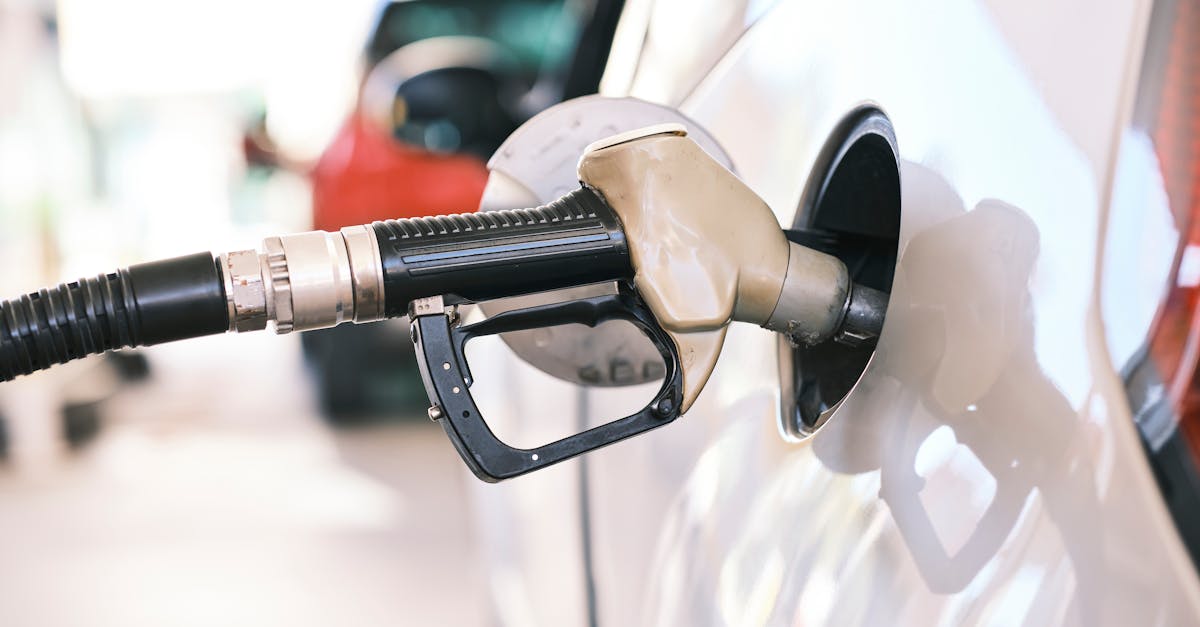
The global economic landscape faces a significant challenge as the Strait of Hormuz remains closed, exposing economies worldwide to the harsh realities of higher oil prices. In this critical juncture, Lombard Odier's seasoned strategist, Homin Lee, has offered a sobering assessment, laying out potential outcomes for investors grappling with escalating geopolitical tensions and their undeniable ripple effects on energy markets.
The Strait of Hormuz: A Vital Lifeline Under Threat
Often dubbed the world's most critical oil transit chokepoint, the Strait of Hormuz is a narrow passage connecting the Persian Gulf with the Arabian Sea and the Gulf of Oman. Through its waters, approximately one-fifth of the world's total petroleum consumption, including crude oil and refined products, passes daily. Its closure, for any prolonged period, triggers immediate and severe supply shocks, sending crude oil prices soaring and creating a cascade of economic disruptions. This vulnerability highlights how deeply intertwined global energy security is with the geopolitical stability of the Middle East.
Homin Lee's Investor Outlook: Navigating Volatility
Homin Lee's analysis provides crucial guidance for investors navigating this tumultuous environment. He warns that sustained closure of the Strait will undoubtedly lead to a significant spike in energy costs, fueling inflationary pressures across major economies. This will put central banks in a precarious position, potentially forcing them to choose between combating inflation with tighter monetary policies—risking a slowdown in economic growth—or accommodating higher prices, which could destabilize financial markets. Lee's scenarios suggest a period of heightened market volatility, with particular sectors bearing the brunt. Industries heavily reliant on oil, such as aviation, shipping, and manufacturing, will face increased operational costs, impacting profitability and consumer prices. Conversely, some energy producers and renewable energy innovators might see renewed interest, though the overall sentiment would likely be risk-off.
Beyond the Headlines: Preparing for Economic Fallout
For investors, the current climate necessitates a proactive and adaptive strategy. Diversification across asset classes and geographies becomes paramount to mitigate region-specific risks. Hedging strategies, particularly in commodities and currencies, can offer some protection against sudden market shifts. Lee implicitly suggests focusing on sectors with strong balance sheets, pricing power, and less direct exposure to volatile commodity markets. Furthermore, long-term implications include an accelerated push towards energy independence and diversification away from fossil fuels in many nations, potentially reshaping the global energy architecture. The closure serves as a stark reminder of the interconnectedness of geopolitical events and the fragility of global supply chains, underscoring the need for robust economic planning and strategic foresight.
In conclusion, the situation at the Strait of Hormuz is more than a regional crisis; it's a global economic test. Homin Lee's insights underscore the urgent need for investors and policymakers alike to prepare for potential headwinds, emphasizing resilience and adaptability in an increasingly unpredictable world.
हॉर्मुज़ जलडमरूमध्य के बंद रहने से वैश्विक आर्थिक परिदृश्य एक महत्वपूर्ण चुनौती का सामना कर रहा है, जिससे दुनिया भर की अर्थव्यवस्थाएं उच्च तेल की कीमतों की कठोर वास्तविकता के संपर्क में आ रही हैं। इस महत्वपूर्ण मोड़ पर, लॉम्बार्ड ओडियर के अनुभवी रणनीतिकार, होमिन ली ने एक गंभीर मूल्यांकन प्रस्तुत किया है, जिसमें बढ़ते भू-राजनीतिक तनाव और ऊर्जा बाजारों पर उनके अकाट्य प्रभावों से जूझ रहे निवेशकों के लिए संभावित परिणामों को रेखांकित किया गया है।
हॉर्मुज़ जलडमरूमध्य: खतरे में एक महत्वपूर्ण जीवन रेखा
अक्सर दुनिया के सबसे महत्वपूर्ण तेल पारगमन चोकपॉइंट के रूप में जाना जाने वाला हॉर्मुज़ जलडमरूमध्य, फारस की खाड़ी को अरब सागर और ओमान की खाड़ी से जोड़ने वाला एक संकीर्ण मार्ग है। इसके जलमार्ग से प्रतिदिन दुनिया के कुल पेट्रोलियम खपत का लगभग पांचवां हिस्सा गुजरता है, जिसमें कच्चा तेल और परिष्कृत उत्पाद शामिल हैं। इसका बंद होना, किसी भी लंबी अवधि के लिए, तत्काल और गंभीर आपूर्ति झटके पैदा करता है, जिससे कच्चे तेल की कीमतें आसमान छू जाती हैं और आर्थिक व्यवधानों का एक झरना बन जाता है। यह भेद्यता इस बात पर प्रकाश डालती है कि वैश्विक ऊर्जा सुरक्षा मध्य पूर्व की भू-राजनीतिक स्थिरता से कितनी गहराई से जुड़ी हुई है।
होमिन ली का निवेशक दृष्टिकोण: अस्थिरता से निपटना
होमिन ली का विश्लेषण इस अशांत माहौल में निवेशकों के लिए महत्वपूर्ण मार्गदर्शन प्रदान करता है। वह चेतावनी देते हैं कि जलडमरूमध्य के निरंतर बंद रहने से ऊर्जा लागत में निस्संदेह भारी वृद्धि होगी, जिससे प्रमुख अर्थव्यवस्थाओं में मुद्रास्फीति का दबाव बढ़ेगा। इससे केंद्रीय बैंक एक खतरनाक स्थिति में आ जाएंगे, जिससे उन्हें या तो सख्त मौद्रिक नीतियों के साथ मुद्रास्फीति का मुकाबला करने का विकल्प चुनना होगा - जिससे आर्थिक विकास में मंदी का जोखिम होगा - या उच्च कीमतों को समायोजित करना होगा, जिससे वित्तीय बाजार अस्थिर हो सकते हैं। ली के परिदृश्य एक बढ़ी हुई बाजार अस्थिरता की अवधि का सुझाव देते हैं, जिसमें विशेष क्षेत्र सबसे अधिक प्रभावित होंगे। तेल पर अत्यधिक निर्भर उद्योग, जैसे विमानन, शिपिंग और विनिर्माण, को परिचालन लागत में वृद्धि का सामना करना पड़ेगा, जिससे लाभप्रदता और उपभोक्ता कीमतें प्रभावित होंगी। इसके विपरीत, कुछ ऊर्जा उत्पादक और नवीकरणीय ऊर्जा के नवप्रवर्तक नए सिरे से रुचि देख सकते हैं, हालांकि समग्र भावना संभवतः जोखिम-रहित होगी।
सुर्खियों से परे: आर्थिक गिरावट के लिए तैयारी
निवेशकों के लिए, मौजूदा माहौल में एक सक्रिय और अनुकूली रणनीति की आवश्यकता है। क्षेत्र-विशिष्ट जोखिमों को कम करने के लिए परिसंपत्ति वर्गों और भौगोलिक क्षेत्रों में विविधीकरण सर्वोपरि हो जाता है। विशेष रूप से वस्तुओं और मुद्राओं में हेजिंग रणनीतियाँ, अचानक बाजार बदलावों के खिलाफ कुछ सुरक्षा प्रदान कर सकती हैं। ली अप्रत्यक्ष रूप से मजबूत बैलेंस शीट, मूल्य निर्धारण शक्ति और अस्थिर कमोडिटी बाजारों के लिए कम प्रत्यक्ष जोखिम वाले क्षेत्रों पर ध्यान केंद्रित करने का सुझाव देते हैं। इसके अलावा, दीर्घकालिक निहितार्थों में कई देशों में ऊर्जा स्वतंत्रता और जीवाश्म ईंधन से दूर विविधीकरण की दिशा में एक त्वरित धक्का शामिल है, जो संभावित रूप से वैश्विक ऊर्जा वास्तुकला को नया रूप दे सकता है। यह बंद होना भू-राजनीतिक घटनाओं के अंतर्संबंध और वैश्विक आपूर्ति श्रृंखलाओं की नाजुकता की एक कड़ी याद दिलाता है, जो मजबूत आर्थिक योजना और रणनीतिक दूरदर्शिता की आवश्यकता को रेखांकित करता है।
निष्कर्ष में, हॉर्मुज़ जलडमरूमध्य की स्थिति एक क्षेत्रीय संकट से कहीं अधिक है; यह एक वैश्विक आर्थिक परीक्षा है। होमिन ली की अंतर्दृष्टि निवेशकों और नीति निर्माताओं दोनों के लिए संभावित प्रतिकूलताओं के लिए तैयार रहने की तत्काल आवश्यकता पर जोर देती है, एक तेजी से अप्रत्याशित दुनिया में लचीलेपन और अनुकूलनशीलता पर जोर देती है।
