Breaking News
ताज़ा खबर
ताजी बातमी
সর্বশেষ সংবাদ
சமீபத்திய செய்தி
తాజా వార్త
તાજા સમાચાર
ਤਾਜ਼ਾ ਖ਼ਬਰ
Strait of Hormuz Traffic Increases as Middle East Boosts Oil Exports
होरमुज जलडमरूमध्य में तेल निर्यात बढ़ा, कीमतें नियंत्रण में
होरमुझ सामुद्रधुनीतून तेलाचा प्रवाह वाढला, मध्य पूर्वेकडील निर्यात वाढीमुळे किमती स्थिर
হরমুজ প্রণালীতে তেলের প্রবাহ বৃদ্ধি, মধ্যপ্রাচ্যের রপ্তানি বৃদ্ধিতে দাম স্থিতিশীল
ஹோர்முஸ் ஜலசந்தியில் எண்ணெய் ஏற்றுமதி அதிகரிப்பு, மத்திய கிழக்கு நாடுகளின் ஏற்றுமதி உயர்வதால் விலைகள் கட்டுக்குள்
ஹோர்முజ్ జలసంధిలో చమురు రవాణా పెరిగింది, మధ్యప్రాచ్యం ఎగుమతులు పెంచడంతో ధరలు అదుపులో
હોરમુઝ જળડમરુમધ્યમાંથી ક્રૂડ ઓઇલનો પ્રવાહ વધ્યો, મધ્ય પૂર્વની નિકાસ વૃદ્ધિથી ભાવ સ્થિર
ਹੋਰਮੁਜ਼ ਦੀ ਖਾੜੀ ਵਿੱਚ ਤੇਲ ਦੇ ਪ੍ਰਵਾਹ ਵਿੱਚ ਵਾਧਾ, ਮੱਧ ਪੂਰਬ ਦੀ ਬਰਾਮਦ ਵਧਣ ਨਾਲ ਕੀਮਤਾਂ ਸਥਿਰ
By AI News Desk
🕐 27 August 2026, 06:59 PM
💹 Finance
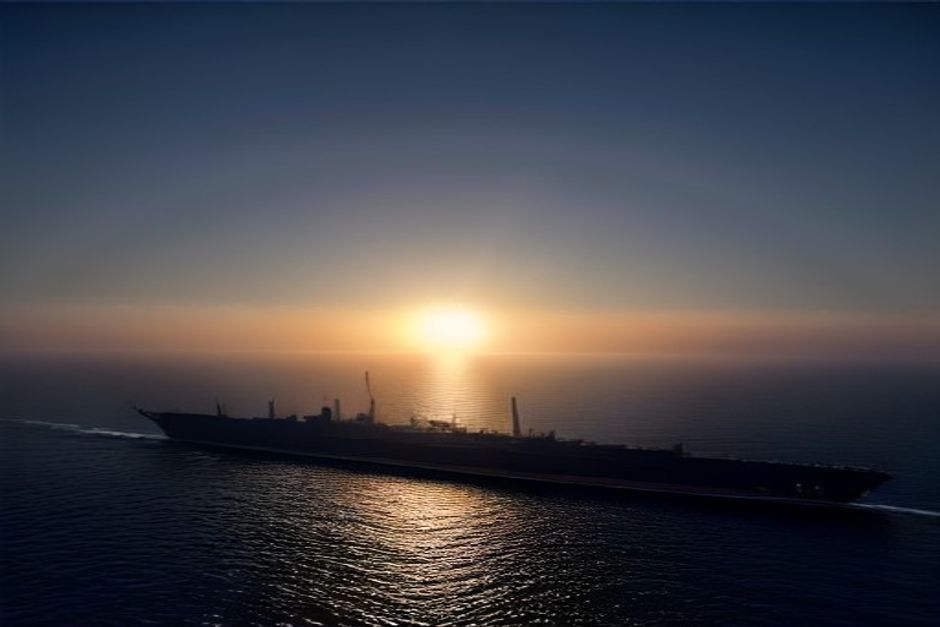
The vital Strait of Hormuz is witnessing an uptick in crude oil transport as producers across the Middle East ramp up their exports. This surge comes amidst persistent concerns over Iran’s potential threats to maritime shipping in the region. Despite the geopolitical tensions, the increased flow of oil through this critical chokepoint is playing a significant role in keeping global crude oil prices stable, much to the relief of consumers and economies worldwide.
Increased Production, Stable Prices
Middle Eastern oil giants, including major players in Saudi Arabia, UAE, and Kuwait, have reportedly been increasing their output and export volumes. This strategic move appears to be a response to a combination of factors: ensuring market share, meeting global demand, and perhaps as a subtle demonstration of control over critical energy infrastructure. The heightened activity in the Strait, a narrow waterway through which a significant portion of the world's oil passes, is a testament to the region's enduring influence on the global energy landscape. Analysts suggest that the steady stream of crude is effectively counteracting some of the upward price pressures that could have arisen from geopolitical instability.
Geopolitical Undercurrents
While the increased oil flow is a boon for price stability, the shadow of Iran's past threats to disrupt shipping lanes looms large. Tehran has previously warned that it could close or disrupt passage through the Hormuz Strait in retaliation for external pressure. However, the current surge in traffic suggests that either these threats are not being realized, or producers are finding ways to navigate the risks. The international community remains vigilant, monitoring the situation closely. The continued free flow of oil demonstrates the resilience of global supply chains, even in the face of potential disruptions. This delicate balance between increased supply and underlying geopolitical risk ensures that the Strait of Hormuz remains a focal point for global energy markets and international diplomacy.
मध्य पूर्व में उत्पादकों द्वारा शिपिंग के लिए ईरान के निरंतर खतरे के बावजूद निर्यात बढ़ाने के कारण होरमुज जलडमरूमध्य से कच्चे तेल का प्रवाह बढ़ रहा है। यह वृद्धि वैश्विक कच्चे तेल की कीमतों को नियंत्रण में रख रही है। यह महत्वपूर्ण जलमार्ग, जिसके माध्यम से दुनिया का एक बड़ा हिस्सा तेल पारगमन करता है, में बढ़ी हुई गतिविधि देखी जा रही है।
बढ़ी हुई गतिविधि और स्थिर कीमतें
मध्य पूर्व के प्रमुख तेल उत्पादकों ने हाल के हफ्तों में अपने निर्यात की मात्रा में वृद्धि की है। यह कदम वैश्विक मांग को पूरा करने और भू-राजनीतिक अनिश्चितताओं से उत्पन्न संभावित मूल्य वृद्धि को रोकने के लिए उठाया गया प्रतीत होता है। जबकि ईरान से शिपिंग को बाधित करने की लगातार चिंताएँ बनी हुई हैं, तेल का बढ़ता प्रवाह यह सुनिश्चित कर रहा है कि वैश्विक आपूर्ति बनी रहे। विश्लेषकों का मानना है कि उत्पादन में यह वृद्धि कच्चे तेल की कीमतों पर लगाम लगाने में महत्वपूर्ण भूमिका निभा रही है, जिससे दुनिया भर के उपभोक्ताओं को राहत मिल रही है।
भू-राजनीतिक परिदृश्य
होरमुज जलडमरूमध्य, फारस की खाड़ी और ओमान की खाड़ी को जोड़ने वाला एक महत्वपूर्ण समुद्री मार्ग है, और किसी भी व्यवधान का वैश्विक ऊर्जा बाजारों पर तत्काल प्रभाव पड़ सकता है। ईरान द्वारा अतीत में इस मार्ग को अवरुद्ध करने की धमकियों को देखते हुए, निर्यात में वृद्धि एक जटिल भू-राजनीतिक संदेश भेजती है। यह दर्शाता है कि क्षेत्र के प्रमुख तेल उत्पादक अपनी आपूर्ति क्षमताओं का प्रदर्शन कर रहे हैं और संभावित खतरों के बावजूद व्यापार प्रवाह को बनाए रखने के लिए प्रतिबद्ध हैं। हालांकि, स्थिति पर अंतरराष्ट्रीय समुदाय की बारीकी से नजर रखी जा रही है। तेल के बढ़ते प्रवाह के बावजूद, क्षेत्र में तनाव की स्थिति बनी हुई है, जिससे वैश्विक ऊर्जा सुरक्षा पर अनिश्चितता का माहौल कायम है।
मध्य पूर्वेतील उत्पादकांनी इराणच्या सागरी शिपिंगला असलेल्या धोक्यांकडे दुर्लक्ष करत निर्यात वाढवल्याने होरमुझ सामुद्रधुनीतून कच्च्या तेलाचा प्रवाह वाढला आहे. या वाढीमुळे जागतिक कच्च्या तेलाच्या किमती नियंत्रणात राहण्यास मदत झाली आहे. हा महत्वपूर्ण जलमार्ग, ज्यातून जगातील मोठ्या प्रमाणात तेलाची वाहतूक होते, त्यामध्ये वाढलेली हालचाल दिसून येत आहे.
वाढलेली हालचाल आणि स्थिर किमती
मध्य पूर्वेतील प्रमुख तेल उत्पादकांनी अलिकडच्या आठवड्यात त्यांच्या निर्यातीचे प्रमाण वाढवले आहे. जागतिक मागणी पूर्ण करण्यासाठी आणि भू-राजकीय अनिश्चिततेमुळे होणारी संभाव्य किंमत वाढ रोखण्यासाठी हे पाऊल उचलले गेले आहे. इराणकडून शिपिंगमध्ये व्यत्यय आणण्याच्या सततच्या चिंता असूनही, तेलाच्या वाढत्या प्रवाहामुळे जागतिक पुरवठा कायम राहण्याची खात्री आहे. विश्लेषकांच्या मते, उत्पादनातील ही वाढ कच्च्या तेलाच्या किमतींवर नियंत्रण ठेवण्यास महत्त्वपूर्ण भूमिका बजावत आहे, ज्यामुळे जगभरातील ग्राहकांना दिलासा मिळत आहे.
भू-राजकीय पैलू
होरमुझ सामुद्रधुनी, जी पर्शियन गल्फ आणि ओमान गल्फ यांना जोडणारा एक महत्वपूर्ण सागरी मार्ग आहे, त्यामध्ये कोणताही व्यत्यय आल्यास जागतिक ऊर्जा बाजारावर तात्काळ परिणाम होऊ शकतो. इराणने भूतकाळात या मार्गात अडथळा आणण्याच्या धमक्या दिल्या आहेत, त्यामुळे निर्यातीत झालेली वाढ एक गुंतागुंतीचा भू-राजकीय संदेश देते. हे दर्शवते की प्रदेशातील प्रमुख तेल उत्पादक त्यांच्या पुरवठा क्षमतेचे प्रदर्शन करत आहेत आणि संभाव्य धोके असूनही व्यापार प्रवाह कायम ठेवण्यास वचनबद्ध आहेत. आंतरराष्ट्रीय समुदाय या परिस्थितीवर बारकाईने लक्ष ठेवून आहे. तेलाच्या वाढत्या प्रवाहामुळे, क्षेत्रात तणावाची स्थिती कायम आहे, ज्यामुळे जागतिक ऊर्जा सुरक्षेबाबत अनिश्चितता आहे.
মধ্যপ্রাচ্যের উৎপাদকরা ইরানের শিপিংয়ের উপর দীর্ঘস্থায়ী হুমকির মুখে রপ্তানি বাড়ানোর ফলে হরমুজ প্রণালীর মধ্য দিয়ে অপরিশোধিত তেলের প্রবাহ বৃদ্ধি পাচ্ছে। এই বৃদ্ধি বিশ্বব্যাপী অপরিশোধিত তেলের দাম নিয়ন্ত্রণে রাখতে সাহায্য করছে। এই গুরুত্বপূর্ণ জলপথ, যার মধ্য দিয়ে বিশ্বের তেলের একটি উল্লেখযোগ্য অংশ চলাচল করে, সেখানে বর্ধিত কার্যকলাপ দেখা যাচ্ছে।
বর্ধিত কার্যকলাপ এবং স্থিতিশীল মূল্য
মধ্যপ্রাচ্যের প্রধান তেল উৎপাদকরা সাম্প্রতিক সপ্তাহগুলোতে তাদের রপ্তানির পরিমাণ বাড়িয়েছে। বিশ্বব্যাপী চাহিদা মেটাতে এবং ভূ-রাজনৈতিক অনিশ্চয়তা থেকে উদ্ভূত সম্ভাব্য মূল্যবৃদ্ধি রোধ করার জন্য এই পদক্ষেপ নেওয়া হয়েছে বলে মনে হচ্ছে। ইরান থেকে শিপিংয়ে ব্যাঘাত ঘটানোর ক্রমাগত উদ্বেগ থাকা সত্ত্বেও, তেলের বর্ধিত প্রবাহ বিশ্বব্যাপী সরবরাহ বজায় রাখার বিষয়টি নিশ্চিত করছে। বিশ্লেষকদের মতে, উৎপাদন বৃদ্ধি অপরিশোধিত তেলের দাম নিয়ন্ত্রণে একটি গুরুত্বপূর্ণ ভূমিকা পালন করছে, যা বিশ্বজুড়ে ভোক্তাদের জন্য স্বস্তি এনেছে।
ভূ-রাজনৈতিক প্রেক্ষাপট
হরমুজ প্রণালী, যা পারস্য উপসাগর এবং ওমান উপসাগরকে সংযোগকারী একটি গুরুত্বপূর্ণ নৌপথ, সেখানে যেকোনো ব্যাঘাতের বিশ্বব্যাপী জ্বালানি বাজারে তাৎক্ষণিক প্রভাব পড়তে পারে। অতীতে ইরান কর্তৃক এই পথ অবরোধের হুমকির পরিপ্রেক্ষিতে, রপ্তানি বৃদ্ধি একটি জটিল ভূ-রাজনৈতিক বার্তা বহন করে। এটি নির্দেশ করে যে অঞ্চলের প্রধান তেল উৎপাদকরা তাদের সরবরাহ ক্ষমতা প্রদর্শন করছে এবং সম্ভাব্য হুমকি সত্ত্বেও বাণিজ্য প্রবাহ বজায় রাখতে প্রতিশ্রুতিবদ্ধ। তবে, আন্তর্জাতিক সম্প্রদায় পরিস্থিতি নিবিড়ভাবে পর্যবেক্ষণ করছে। তেলের বর্ধিত প্রবাহ সত্ত্বেও, এই অঞ্চলে উত্তেজনার পরিস্থিতি বিদ্যমান, যা বিশ্বব্যাপী জ্বালানি নিরাপত্তা নিয়ে অনিশ্চয়তা তৈরি করেছে।
ஈரானின் கப்பல் போக்குவரத்திற்கு அச்சுறுத்தல் நீடிக்கும் நிலையில், மத்திய கிழக்கில் உள்ள உற்பத்தியாளர்கள் ஏற்றுமதியை அதிகரிக்கும்போது, ஹோர்முஸ் ஜலசந்தியில் கச்சா எண்ணெய் போக்குவரத்து அதிகரித்து வருகிறது. இந்த அதிகரிப்பு உலகளாவிய கச்சா எண்ணெய் விலைகளை கட்டுக்குள் வைத்திருக்க உதவுகிறது. உலகின் கணிசமான எண்ணெய் போக்குவரத்து நடைபெறும் இந்த முக்கிய நீர்நிலையில், போக்குவரத்து அதிகரித்துள்ளது.
அதிகரித்த போக்குவரத்து மற்றும் நிலையான விலைகள்
மத்திய கிழக்கில் உள்ள முக்கிய எண்ணெய் உற்பத்தி நாடுகள் சமீபத்திய வாரங்களில் தங்கள் ஏற்றுமதியை அதிகரித்துள்ளன. உலகளாவிய தேவையைப் பூர்த்தி செய்யவும், புவிசார் அரசியல் நிச்சயமற்ற தன்மையால் ஏற்படக்கூடிய விலை உயர்வைத் தடுக்கவும் இந்த நடவடிக்கை எடுக்கப்பட்டதாகத் தெரிகிறது. ஈரானால் கப்பல் போக்குவரத்திற்கு இடையூறு ஏற்படும் என்ற தொடர்ச்சியான கவலைகள் இருந்தபோதிலும், எண்ணெய் விநியோகம் அதிகரிப்பது உலகளாவிய விநியோகச் சங்கிலி தொடர்வதை உறுதி செய்கிறது. உற்பத்தியில் ஏற்பட்டுள்ள இந்த உயர்வு, கச்சா எண்ணெயின் விலைகளைக் கட்டுக்குள் வைத்திருப்பதில் முக்கிய பங்கு வகிப்பதாக ஆய்வாளர்கள் கருதுகின்றனர், இது உலகெங்கிலும் உள்ள நுகர்வோருக்கு நிம்மதியளிக்கிறது.
புவிசார் அரசியல் சூழ்நிலை
ஹோர்முஸ் ஜலசந்தி, பாரசீக வளைகுடாவையும் ஓமான் வளைகுடாவையும் இணைக்கும் ஒரு முக்கிய கடல் பாதையாகும், மேலும் இதில் ஏற்படும் எந்த இடையூறும் உலகளாவிய எரிசக்தி சந்தைகளில் உடனடி தாக்கத்தை ஏற்படுத்தும். கடந்த காலங்களில் ஈரான் இந்த பாதையைத் தடுப்பதாக அச்சுறுத்தியுள்ளதை கருத்தில் கொள்ளும்போது, ஏற்றுமதி அதிகரிப்பு ஒரு சிக்கலான புவிசார் அரசியல் செய்தியை அனுப்புகிறது. இது இப்பகுதியின் முக்கிய எண்ணெய் உற்பத்தியாளர்கள் தங்கள் விநியோக திறன்களை வெளிப்படுத்துவதாகவும், சாத்தியமான அச்சுறுத்தல்கள் இருந்தபோதிலும் வர்த்தகப் போக்குவரத்தைத் தொடர உறுதிபூண்டுள்ளதாகவும் காட்டுகிறது. இருப்பினும், சர்வதேச சமூகம் இந்த சூழ்நிலையை உன்னிப்பாகக் கண்காணித்து வருகிறது. எண்ணெய் விநியோகம் அதிகரித்தாலும், இப்பகுதியில் பதற்றம் நிலவுகிறது, இது உலகளாவிய எரிசக்தி பாதுகாப்பு குறித்த நிச்சயமற்ற தன்மையை உருவாக்குகிறது.
ఇరాన్ నుండి షిప్పింగ్కు ముప్పు పొంచి ఉన్నప్పటికీ, మధ్యప్రాచ్యంలో ఉత్పత్తిదారులు ఎగుమతులను పెంచుతున్నందున, హార్ముజ్ జలసంధి గుండా ముడి చమురు ప్రవాహం పెరుగుతోంది. ఈ పెరుగుదల ప్రపంచ ముడి చమురు ధరలను అదుపులో ఉంచడంలో సహాయపడుతుంది. ప్రపంచంలో గణనీయమైన చమురు రవాణా జరిగే ఈ కీలక జలమార్గంలో రవాణా కార్యకలాపాలు పెరిగాయి.
పెరిగిన కార్యకలాపాలు మరియు స్థిరమైన ధరలు
మధ్యప్రాచ్యంలోని ప్రధాన చమురు ఉత్పత్తిదారులు ఇటీవలి వారాలలో తమ ఎగుమతుల పరిమాణాన్ని పెంచారు. ప్రపంచ డిమాండ్ను తీర్చడానికి మరియు భౌగోళిక-రాజకీయ అనిశ్చితి నుండి తలెత్తే సంభావ్య ధరల పెరుగుదలను నిరోధించడానికి ఈ చర్య తీసుకోబడినట్లు కనిపిస్తోంది. ఇరాన్ నుండి రవాణాకు అంతరాయం కలుగుతుందనే నిరంతర ఆందోళనలు ఉన్నప్పటికీ, పెరుగుతున్న చమురు ప్రవాహం ప్రపంచ సరఫరా నిరంతరాయంగా కొనసాగుతుందని నిర్ధారిస్తుంది. ఉత్పత్తిలో ఈ పెరుగుదల, ముడి చమురు ధరలను అదుపులో ఉంచడంలో కీలక పాత్ర పోషిస్తుందని విశ్లేషకులు భావిస్తున్నారు, ఇది ప్రపంచవ్యాప్తంగా వినియోగదారులకు ఉపశమనాన్ని కలిగిస్తుంది.
భౌగోళిక-రాజకీయ పరిస్థితి
హార్ముజ్ జలసంధి, పర్షియన్ గల్ఫ్ మరియు ఒమన్ గల్ఫ్లను కలిపే ఒక ముఖ్యమైన సముద్ర మార్గం, ఇందులో ఏదైనా అంతరాయం ప్రపంచ ఇంధన మార్కెట్లపై తక్షణ ప్రభావాన్ని చూపుతుంది. గతంలో ఇరాన్ ఈ మార్గాన్ని అడ్డుకుంటామని బెదిరించిన నేపథ్యంలో, ఎగుమతుల పెరుగుదల సంక్లిష్టమైన భౌగోళిక-రాజకీయ సందేశాన్ని పంపుతుంది. ఇది ఈ ప్రాంతంలోని ప్రధాన చమురు ఉత్పత్తిదారులు తమ సరఫరా సామర్థ్యాలను ప్రదర్శిస్తున్నారని మరియు సంభావ్య బెదిరింపులు ఉన్నప్పటికీ వాణిజ్య ప్రవాహాన్ని కొనసాగించడానికి కట్టుబడి ఉన్నారని సూచిస్తుంది. అయినప్పటికీ, అంతర్జాతీయ సమాజం ఈ పరిస్థితిని నిశితంగా పరిశీలిస్తోంది. చమురు సరఫరా పెరిగినప్పటికీ, ఈ ప్రాంతంలో ఉద్రిక్తత కొనసాగుతోంది, ఇది ప్రపంచ ఇంధన భద్రతపై అనిశ్చితిని సృష్టిస్తోంది.
ઈરાનના શિપિંગ માટેના સતત જોખમો વચ્ચે, મધ્ય પૂર્વના ઉત્પાદકો દ્વારા નિકાસ વધારવામાં આવતા હોરમૂઝ જળડમરુમધ્યમાંથી ક્રૂડ ઓઇલનો પ્રવાહ વધી રહ્યો છે. આ વધારો વૈશ્વિક ક્રૂડ ઓઇલના ભાવને નિયંત્રણમાં રાખવામાં મદદ કરી રહ્યો છે. વિશ્વના નોંધપાત્ર તેલ પરિવહન માર્ગમાં પ્રવૃત્તિ વધી રહી છે.
વધેલી પ્રવૃત્તિ અને સ્થિર ભાવ
મધ્ય પૂર્વના મુખ્ય તેલ ઉત્પાદકોએ તાજેતરના સપ્તાહોમાં તેમના નિકાસનું પ્રમાણ વધાર્યું છે. વૈશ્વિક માંગને પહોંચી વળવા અને ભૌગોલિક-રાજકીય અનિશ્ચિતતાથી ઉદ્ભવતા સંભવિત ભાવ વધારાને રોકવા માટે આ પગલું લેવામાં આવ્યું હોય તેવું લાગે છે. ઈરાન દ્વારા શિપિંગમાં વિક્ષેપ પાડવાની સતત ચિંતાઓ હોવા છતાં, તેલના વધતા પ્રવાહથી વૈશ્વિક પુરવઠો સતત જળવાઈ રહેવાની ખાતરી મળે છે. વિશ્લેષકો માને છે કે ઉત્પાદનમાં થયેલો આ વધારો ક્રૂડ ઓઇલના ભાવને નિયંત્રણમાં રાખવામાં મહત્વપૂર્ણ ભૂમિકા ભજવી રહ્યો છે, જે વિશ્વભરના ગ્રાહકોને રાહત આપી રહ્યો છે.
ભૌગોલિક-રાજકીય પરિદ્રશ્ય
હોરમૂઝ જળડમરુમધ્ય, જે પર્સિયન ગલ્ફ અને ઓમાન ગલ્ફને જોડતો એક મહત્વપૂર્ણ દરિયાઈ માર્ગ છે, તેમાં કોઈપણ વિક્ષેપ વૈશ્વિક ઉર્જા બજારો પર તાત્કાલિક અસર કરી શકે છે. ભૂતકાળમાં ઈરાન દ્વારા આ માર્ગને અવરોધવાની ધમકીઓને ધ્યાનમાં લેતા, નિકાસમાં થયેલો વધારો એક જટિલ ભૌગોલિક-રાજકીય સંદેશ મોકલે છે. તે દર્શાવે છે કે પ્રદેશના મુખ્ય તેલ ઉત્પાદકો તેમની પુરવઠા ક્ષમતા દર્શાવી રહ્યા છે અને સંભવિત જોખમો છતાં વેપાર પ્રવાહ જાળવી રાખવા માટે પ્રતિબદ્ધ છે. જોકે, આંતરરાષ્ટ્રીય સમુદાય આ પરિસ્થિતિ પર બારીકાઈથી નજર રાખી રહ્યું છે. તેલના વધતા પ્રવાહ છતાં, આ પ્રદેશમાં તણાવની સ્થિતિ યથાવત છે, જે વૈશ્વિક ઉર્જા સુરક્ષા અંગે અનિશ્ચિતતા ઊભી કરી રહી છે.
ਈਰਾਨ ਤੋਂ ਸ਼ਿਪਿੰਗ ਦੇ ਲਗਾਤਾਰ ਖਤਰਿਆਂ ਦੇ ਬਾਵਜੂਦ, ਮੱਧ ਪੂਰਬ ਦੇ ਉਤਪਾਦਕਾਂ ਦੁਆਰਾ ਬਰਾਮਦ ਵਧਾਉਣ ਕਾਰਨ ਹਾਰਮੂਜ਼ ਦੀ ਖਾੜੀ ਵਿੱਚ ਕੱਚੇ ਤੇਲ ਦਾ ਪ੍ਰਵਾਹ ਵਧ ਰਿਹਾ ਹੈ। ਇਹ ਵਾਧਾ ਵਿਸ਼ਵਵਿਆਪੀ ਕੱਚੇ ਤੇਲ ਦੀਆਂ ਕੀਮਤਾਂ ਨੂੰ ਕੰਟਰੋਲ ਵਿੱਚ ਰੱਖਣ ਵਿੱਚ ਮਦਦ ਕਰ ਰਿਹਾ ਹੈ। ਵਿਸ਼ਵ ਦਾ ਇੱਕ ਮਹੱਤਵਪੂਰਨ ਤੇਲ ਆਵਾਜਾਈ ਮਾਰਗ, ਇਸ ਵਿੱਚ ਵਧੀ ਹੋਈ ਗਤੀਵਿਧੀ ਦੇਖਣ ਨੂੰ ਮਿਲ ਰਹੀ ਹੈ।
ਵਧੀ ਹੋਈ ਗਤੀਵਿਧੀ ਅਤੇ ਸਥਿਰ ਕੀਮਤਾਂ
ਮੱਧ ਪੂਰਬ ਦੇ ਮੁੱਖ ਤੇਲ ਉਤਪਾਦਕਾਂ ਨੇ ਹਾਲ ਹੀ ਦੇ ਹਫ਼ਤਿਆਂ ਵਿੱਚ ਆਪਣੇ ਬਰਾਮਦ ਦੀ ਮਾਤਰਾ ਵਧਾਈ ਹੈ। ਇਹ ਕਦਮ ਵਿਸ਼ਵਵਿਆਪੀ ਮੰਗ ਨੂੰ ਪੂਰਾ ਕਰਨ ਅਤੇ ਭੂ-ਰਾਜਨੀਤਿਕ ਅਨਿਸ਼ਚਿਤਤਾ ਤੋਂ ਪੈਦਾ ਹੋਣ ਵਾਲੇ ਸੰਭਾਵੀ ਕੀਮਤ ਵਾਧੇ ਨੂੰ ਰੋਕਣ ਲਈ ਚੁੱਕਿਆ ਗਿਆ ਜਾਪਦਾ ਹੈ। ਈਰਾਨ ਵੱਲੋਂ ਸ਼ਿਪਿੰਗ ਵਿੱਚ ਰੁਕਾਵਟ ਪਾਉਣ ਦੀਆਂ ਲਗਾਤਾਰ ਚਿੰਤਾਵਾਂ ਦੇ ਬਾਵਜੂਦ, ਤੇਲ ਦੇ ਵਧਦੇ ਪ੍ਰਵਾਹ ਨਾਲ ਵਿਸ਼ਵਵਿਆਪੀ ਸਪਲਾਈ ਨਿਰੰਤਰ ਬਣੀ ਰਹਿਣ ਦੀ ਯਕੀਨੀ ਬਣਾਈ ਜਾ ਰਹੀ ਹੈ। ਵਿਸ਼ਲੇਸ਼ਕਾਂ ਦਾ ਮੰਨਣਾ ਹੈ ਕਿ ਉਤਪਾਦਨ ਵਿੱਚ ਇਹ ਵਾਧਾ ਕੱਚੇ ਤੇਲ ਦੀਆਂ ਕੀਮਤਾਂ ਨੂੰ ਕੰਟਰੋਲ ਵਿੱਚ ਰੱਖਣ ਵਿੱਚ ਮਹੱਤਵਪੂਰਨ ਭੂਮਿਕਾ ਨਿਭਾ ਰਿਹਾ ਹੈ, ਜਿਸ ਨਾਲ ਦੁਨੀਆ ਭਰ ਦੇ ਖਪਤਕਾਰਾਂ ਨੂੰ ਰਾਹਤ ਮਿਲ ਰਹੀ ਹੈ।
ਭੂ-ਰਾਜਨੀਤਿਕ ਸਥਿਤੀ
ਹਾਰਮੂਜ਼ ਦੀ ਖਾੜੀ, ਜੋ ਫ਼ਾਰਸੀ ਖਾੜੀ ਅਤੇ ਓਮਾਨ ਦੀ ਖਾੜੀ ਨੂੰ ਜੋੜਨ ਵਾਲਾ ਇੱਕ ਮਹੱਤਵਪੂਰਨ ਸਮੁੰਦਰੀ ਮਾਰਗ ਹੈ, ਵਿੱਚ ਕੋਈ ਵੀ ਰੁਕਾਵਟ ਵਿਸ਼ਵਵਿਆਪੀ ਊਰਜਾ ਬਾਜ਼ਾਰਾਂ 'ਤੇ ਤੁਰੰਤ ਅਸਰ ਪਾ ਸਕਦੀ ਹੈ। ਭੂਤਕਾਲ ਵਿੱਚ ਈਰਾਨ ਦੁਆਰਾ ਇਸ ਮਾਰਗ ਨੂੰ ਰੋਕਣ ਦੀਆਂ ਧਮਕੀਆਂ ਨੂੰ ਧਿਆਨ ਵਿੱਚ ਰੱਖਦੇ ਹੋਏ, ਬਰਾਮਦ ਵਿੱਚ ਵਾਧਾ ਇੱਕ ਗੁੰਝਲਦਾਰ ਭੂ-ਰਾਜਨੀਤਿਕ ਸੰਦੇਸ਼ ਭੇਜਦਾ ਹੈ। ਇਹ ਦਰਸਾਉਂਦਾ ਹੈ ਕਿ ਖੇਤਰ ਦੇ ਮੁੱਖ ਤੇਲ ਉਤਪਾਦਕ ਆਪਣੀ ਸਪਲਾਈ ਸਮਰੱਥਾ ਦਾ ਪ੍ਰਦਰਸ਼ਨ ਕਰ ਰਹੇ ਹਨ ਅਤੇ ਸੰਭਾਵੀ ਖਤਰਿਆਂ ਦੇ ਬਾਵਜੂਦ ਵਪਾਰਕ ਪ੍ਰਵਾਹ ਨੂੰ ਬਣਾਈ ਰੱਖਣ ਲਈ ਵਚਨਬੱਧ ਹਨ। ਹਾਲਾਂਕਿ, ਅੰਤਰਰਾਸ਼ਟਰੀ ਭਾਈਚਾਰਾ ਇਸ ਸਥਿਤੀ 'ਤੇ ਨੇੜਿਓਂ ਨਜ਼ਰ ਰੱਖ ਰਿਹਾ ਹੈ। ਤੇਲ ਦੇ ਵਧਦੇ ਪ੍ਰਵਾਹ ਦੇ ਬਾਵਜੂਦ, ਇਸ ਖੇਤਰ ਵਿੱਚ ਤਣਾਅ ਦੀ ਸਥਿਤੀ ਬਣੀ ਹੋਈ ਹੈ, ਜੋ ਵਿਸ਼ਵਵਿਆਪੀ ਊਰਜਾ ਸੁਰੱਖਿਆ ਬਾਰੇ ਅਨਿਸ਼ਚਿਤਤਾ ਪੈਦਾ ਕਰ ਰਹੀ ਹੈ।

💬 Comments