Breaking News
ताज़ा खबर
ताजी बातमी
সর্বশেষ সংবাদ
சமீபத்திய செய்தி
తాజా వార్త
તાજા સમાચાર
ਤਾਜ਼ਾ ਖ਼ਬਰ
Hezbollah's Wired Drones: A New Threat in Southern Lebanon
हिजबुल्लाह के वायर्ड ड्रोन: दक्षिणी लेबनान में नया खतरा
हिजबुल्लाहचे वायर्ड ड्रोन: दक्षिण लेबनॉनमधील नवा धोका
হিজবুল্লাহর তারযুক্ত ড্রোন: দক্ষিণ লেবাননে নতুন হুমকি
ஹெஸ்பொல்லாவின் கம்பியிடப்பட்ட ட்ரோன்கள்: தெற்கு லெபனானில் ஒரு புதிய அச்சுறுத்தல்
హిజ్బుల్లా వైర్డ్ డ్రోన్లు: దక్షిణ లెబనాన్లో కొత్త ముప్పు
હિઝબુલ્લાના વાયર્ડ ડ્રોન: દક્ષિણ લેબનોનમાં નવો ખતરો
ਹਿਜ਼ਬੁੱਲਾ ਦੇ ਵਾਇਰਡ ਡਰੋਨ: ਦੱਖਣੀ ਲੇਬਨਾਨ ਵਿੱਚ ਨਵਾਂ ਖ਼ਤਰਾ
By AI News Desk
🕐 05 May 2026, 03:58 PM
🚀 Technology
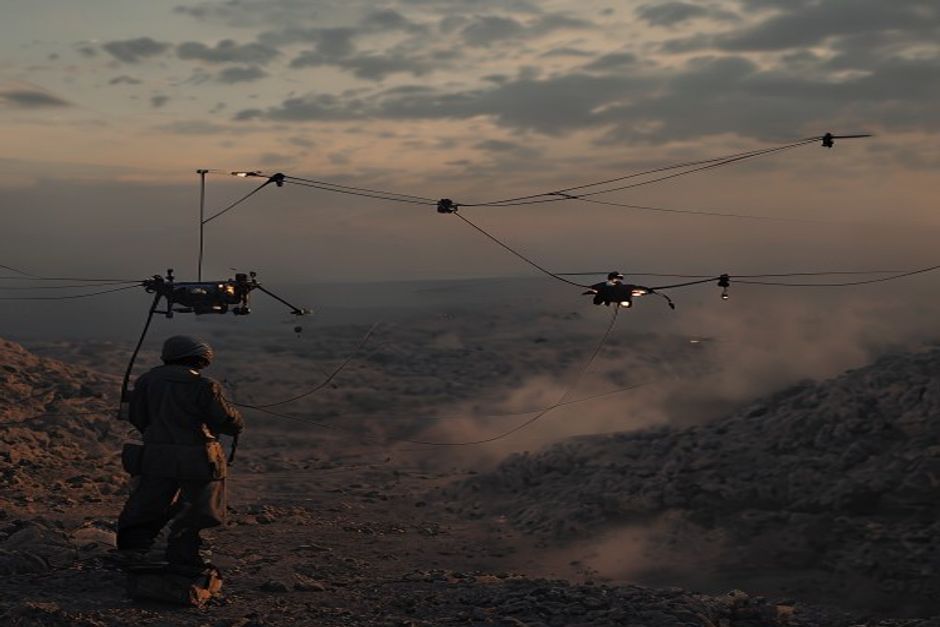
In the escalating conflict along the Israel-Lebanon border, Hezbollah appears to be employing a unique and highly effective drone strategy. Unlike the ubiquitous wireless unmanned aerial vehicles (UAVs) that have become a staple in modern warfare, Hezbollah's drones are tethered to their operators via fiber optic cables. This unconventional approach, while seemingly limiting in range, offers significant advantages in terms of signal stability, security, and potentially payload capacity, making them a potent new tool against Israeli forces.
The Advantage of the Tether
Traditional drones rely on radio frequencies for communication and control, making them susceptible to jamming, spoofing, and interception. The fiber optic cable, however, provides a direct, high-bandwidth, and incredibly secure link between the operator and the drone. This eliminates the risk of signal disruption, ensuring uninterrupted command and control even in heavily contested electronic warfare environments. This reliability is crucial for precise targeting and sustained surveillance operations.
Cost-Effectiveness and Simplicity
The report highlights that these drones are not sophisticated, high-tech military hardware but rather cheap and lightweight commercial or modified consumer-grade devices. The innovation lies not in the drone itself, but in the method of control. By foregoing complex wireless systems and opting for a physical tether, Hezbollah can deploy these assets at a fraction of the cost of conventional military drones. This allows for mass deployment and strategic saturation, overwhelming enemy defenses through sheer numbers and persistent presence.
Implications for Future Conflict
The effectiveness of Hezbollah's wired drones presents a novel challenge for military strategists. It demonstrates how asymmetric warfare can leverage readily available technology and creative operational tactics to counter technologically superior adversaries. The ability to maintain stable, secure communication over a considerable distance, combined with low cost and ease of deployment, makes this approach a potentially game-changing development in low-intensity conflicts and unconventional warfare scenarios. As the situation in southern Lebanon continues to unfold, the impact of these wired drones will undoubtedly be closely monitored by military analysts worldwide.
इज़राइल-लेबनान सीमा पर बढ़ते संघर्ष में, हिजबुल्लाह एक अद्वितीय और अत्यधिक प्रभावी ड्रोन रणनीति का उपयोग करता हुआ प्रतीत होता है। आधुनिक युद्धों में एक आम बात बन चुके सर्वव्यापी वायरलेस मानव रहित हवाई वाहनों (यूएवी) के विपरीत, हिजबुल्लाह के ड्रोन फाइबर ऑप्टिक केबल के माध्यम से अपने ऑपरेटरों से जुड़े हुए हैं। यह अपरंपरागत दृष्टिकोण, सीमा में सीमित होने के बावजूद, सिग्नल स्थिरता, सुरक्षा और संभावित पेलोड क्षमता के मामले में महत्वपूर्ण लाभ प्रदान करता है, जिससे वे इजरायली बलों के खिलाफ एक शक्तिशाली नया उपकरण बन जाते हैं।
टाई (धागे) का लाभ
पारंपरिक ड्रोन संचार और नियंत्रण के लिए रेडियो फ्रीक्वेंसी पर निर्भर करते हैं, जिससे वे जैमिंग, स्पूफिंग और इंटरसेप्शन के प्रति संवेदनशील हो जाते हैं। हालांकि, फाइबर ऑप्टिक केबल ऑपरेटर और ड्रोन के बीच एक सीधा, उच्च-बैंडविड्थ और अविश्वसनीय रूप से सुरक्षित लिंक प्रदान करता है। यह सिग्नल व्यवधान के जोखिम को समाप्त करता है, भारी बचाव वाले इलेक्ट्रॉनिक युद्ध वातावरण में भी निर्बाध कमांड और नियंत्रण सुनिश्चित करता है। सटीक लक्ष्यीकरण और निरंतर निगरानी अभियानों के लिए यह विश्वसनीयता महत्वपूर्ण है।
लागत-प्रभावशीलता और सरलता
रिपोर्ट इस बात पर प्रकाश डालती है कि ये ड्रोन परिष्कृत, उच्च-तकनीकी सैन्य हार्डवेयर नहीं हैं, बल्कि सस्ते और हल्के वाणिज्यिक या संशोधित उपभोक्ता-ग्रेड उपकरण हैं। नवाचार ड्रोन में ही नहीं, बल्कि नियंत्रण के तरीके में है। जटिल वायरलेस सिस्टम को छोड़ देने और एक भौतिक टाई का विकल्प चुनने से, हिजबुल्लाह पारंपरिक सैन्य ड्रोन की लागत के एक अंश पर इन संपत्तियों को तैनात कर सकता है। यह बड़े पैमाने पर तैनाती और रणनीतिक संतृप्ति की अनुमति देता है, जो अपने दम पर दुश्मन की सुरक्षा को बढ़ाता है।
भविष्य के संघर्ष के लिए निहितार्थ
हिजबुल्लाह के वायर्ड ड्रोन की प्रभावशीलता सैन्य रणनीतिकारों के लिए एक नया चुनौती पेश करती है। यह दर्शाता है कि कैसे असममित युद्ध तकनीकी रूप से श्रेष्ठ विरोधियों का मुकाबला करने के लिए आसानी से उपलब्ध तकनीक और रचनात्मक परिचालन रणनीति का लाभ उठा सकता है। काफी दूरी पर स्थिर, सुरक्षित संचार बनाए रखने की क्षमता, कम लागत और तैनाती में आसानी के साथ मिलकर, इस दृष्टिकोण को कम तीव्रता वाले संघर्षों और अपरंपरागत युद्ध परिदृश्यों में एक संभावित गेम-चेंजर विकास बनाती है। जैसे-जैसे दक्षिणी लेबनान में स्थिति सामने आती जा रही है, इन वायर्ड ड्रोन के प्रभाव पर निश्चित रूप से दुनिया भर के सैन्य विश्लेषकों द्वारा बारीकी से नजर रखी जाएगी।
इस्त्रायल-लेबनॉन सीमेवरील वाढत्या संघर्षात, हिजबुल्लाह एक अद्वितीय आणि अत्यंत प्रभावी ड्रोन रणनीती वापरत असल्याचे दिसून येते. आधुनिक युद्धात सामान्य असलेल्या वायरलेस मानवरहित हवाई वाहनांच्या (UAVs) विपरीत, हिजबुल्लाहचे ड्रोन फायबर ऑप्टिक केबलद्वारे त्यांच्या ऑपरेटरशी जोडलेले आहेत. हे अपारंपरिक तंत्रज्ञान, जरी मर्यादित श्रेणीचे असले तरी, सिग्नल स्थिरता, सुरक्षितता आणि संभाव्य पेलोड क्षमतेच्या बाबतीत महत्त्वपूर्ण फायदे देते, ज्यामुळे ते इस्रायली सैन्याविरुद्ध एक शक्तिशाली नवीन साधन बनतात.
टाय (केबल) चा फायदा
पारंपारिक ड्रोन संपर्क आणि नियंत्रणासाठी रेडिओ फ्रिक्वेन्सीवर अवलंबून असतात, ज्यामुळे ते जॅमिंग, स्पूफिंग आणि इंटरसेप्शनसाठी असुरक्षित ठरतात. मात्र, फायबर ऑप्टिक केबल ऑपरेटर आणि ड्रोनमध्ये थेट, उच्च-बँडविड्थ आणि अत्यंत सुरक्षित कनेक्शन प्रदान करते. यामुळे सिग्नलमध्ये व्यत्यय येण्याचा धोका नाहीसा होतो, ज्यामुळे जड इलेक्ट्रॉनिक युद्ध वातावरणातही अखंड कमांड आणि नियंत्रण सुनिश्चित होते. अचूक लक्ष्यीकरण आणि सातत्यपूर्ण टेहळणी मोहिमांसाठी ही विश्वासार्हता अत्यंत महत्त्वाची आहे.
किफायतशीर आणि सोपे तंत्रज्ञान
अहवालात नमूद केले आहे की हे ड्रोन अत्याधुनिक, उच्च-तंत्रज्ञान असलेले लष्करी हार्डवेअर नाहीत, तर स्वस्त आणि हलके व्यावसायिक किंवा सुधारित ग्राहक-ग्रेड उपकरणे आहेत. नवनिर्मिती ड्रोनमध्ये नसून, नियंत्रणाच्या पद्धतीत आहे. जटिल वायरलेस प्रणाली टाळून भौतिक केबलचा पर्याय निवडल्यामुळे, हिजबुल्लाह पारंपरिक लष्करी ड्रोनच्या तुलनेत खूपच कमी खर्चात या मालमत्ता तैनात करू शकते. यामुळे मोठ्या प्रमाणावर वापर आणि रणनीतिक संतृप्ती शक्य होते, ज्यामुळे संख्येच्या आणि सतत उपस्थितीच्या जोरावर शत्रूच्या बचावाला भेदता येते.
भविष्यातील संघर्षासाठी परिणाम
हिजबुल्लाहच्या वायर्ड ड्रोनची परिणामकारकता लष्करी रणनीतीज्ञांसाठी एक नवीन आव्हान उभे करते. हे दर्शवते की असममित युद्ध तंत्रज्ञानाने श्रेष्ठ प्रतिस्पर्धकांचा सामना करण्यासाठी सहज उपलब्ध तंत्रज्ञान आणि सर्जनशील कार्यान्वयन डावपेचांचा कसा उपयोग करू शकते. लक्षणीय अंतरावर स्थिर, सुरक्षित संपर्क राखण्याची क्षमता, कमी खर्च आणि तैनात करण्याची सुलभता यामुळे हा दृष्टिकोन कमी-तीव्रतेच्या संघर्षांमध्ये आणि अपारंपरिक युद्ध परिस्थितीत एक संभाव्य गेम-चेंजर ठरू शकतो. दक्षिण लेबनॉनमधील परिस्थिती जसजशी उलगडत जाईल, तसतसे या वायर्ड ड्रोनच्या परिणामांवर जगभरातील लष्करी विश्लेषकांकडून बारकाईने लक्ष ठेवले जाईल.
ইসরায়েল-লেবানন সীমান্তে ক্রমবর্ধমান সংঘাতে, হিজবুল্লাহ একটি অনন্য এবং অত্যন্ত কার্যকর ড্রোন কৌশল ব্যবহার করছে বলে মনে হচ্ছে। আধুনিক যুদ্ধে প্রচলিত ওয়্যারলেস আনম্যানড এরিয়াল ভেহিকল (UAV) এর বিপরীতে, হিজবুল্লাহর ড্রোনগুলি ফাইবার অপটিক কেবলের মাধ্যমে তাদের অপারেটরের সাথে সংযুক্ত থাকে। এই অপ্রচলিত পদ্ধতি, পরিসীমাতে সীমাবদ্ধ হলেও, সিগন্যাল স্থায়িত্ব, নিরাপত্তা এবং সম্ভাব্য পেলোড ক্ষমতার দিক থেকে উল্লেখযোগ্য সুবিধা প্রদান করে, যা তাদের ইসরায়েলি বাহিনীর বিরুদ্ধে একটি শক্তিশালী নতুন হাতিয়ার করে তুলেছে।
তারের সুবিধা
ঐতিহ্যবাহী ড্রোনগুলি যোগাযোগ এবং নিয়ন্ত্রণের জন্য রেডিও ফ্রিকোয়েন্সির উপর নির্ভর করে, যা তাদের জ্যামিং, স্পুফিং এবং ইন্টারসেপশনের জন্য ঝুঁকিপূর্ণ করে তোলে। তবে, ফাইবার অপটিক কেবল অপারেটর এবং ড্রোনের মধ্যে একটি সরাসরি, উচ্চ-ব্যান্ডউইথ এবং অবিশ্বাস্যভাবে নিরাপদ সংযোগ সরবরাহ করে। এটি সিগন্যাল ব্যাহত হওয়ার ঝুঁকি দূর করে, ভারী ইলেকট্রনিক যুদ্ধ পরিবেশে নিরবচ্ছিন্ন কমান্ড এবং নিয়ন্ত্রণ নিশ্চিত করে। সুনির্দিষ্ট লক্ষ্য নির্ধারণ এবং অবিরাম নজরদারি অভিযানের জন্য এই নির্ভরযোগ্যতা অত্যন্ত গুরুত্বপূর্ণ।
সাশ্রয়ী এবং সরলতা
প্রতিবেদনে উল্লেখ করা হয়েছে যে এই ড্রোনগুলি অত্যাধুনিক, উচ্চ-প্রযুক্তিগত সামরিক হার্ডওয়্যার নয়, বরং সস্তা এবং হালকা বাণিজ্যিক বা সংশোধিত ভোক্তা-গ্রেডের ডিভাইস। উদ্ভাবনটি ড্রোনে নয়, বরং নিয়ন্ত্রণের পদ্ধতিতে নিহিত। জটিল ওয়্যারলেস সিস্টেম ত্যাগ করে এবং একটি ফিজিক্যাল কেবল বেছে নেওয়ার মাধ্যমে, হিজবুল্লাহ প্রচলিত সামরিক ড্রোনের খরচের একটি ভগ্নাংশে এই সম্পদগুলি মোতায়েন করতে পারে। এটি ব্যাপক মোতায়েন এবং কৌশলগত স্যাচুরেশনের অনুমতি দেয়, কেবল সংখ্যা এবং অবিরাম উপস্থিতির মাধ্যমে শত্রুর প্রতিরক্ষা ব্যবস্থাকে অভিভূত করে।
ভবিষ্যৎ সংঘাতের জন্য প্রভাব
হিজবুল্লাহর তারযুক্ত ড্রোনের কার্যকারিতা সামরিক কৌশলবিদদের জন্য একটি অভিনব চ্যালেঞ্জ তৈরি করেছে। এটি দেখায় কিভাবে অপ্রতিসম যুদ্ধ প্রযুক্তিগতভাবে উন্নত প্রতিপক্ষের বিরুদ্ধে লড়াই করার জন্য সহজলভ্য প্রযুক্তি এবং সৃজনশীল অপারেশনাল কৌশলের ব্যবহার করতে পারে। উল্লেখযোগ্য দূরত্বে স্থিতিশীল, নিরাপদ যোগাযোগ বজায় রাখার ক্ষমতা, কম খরচ এবং স্থাপনার সহজলভ্যতার সাথে মিলিত হয়ে এই পদ্ধতিটিকে স্বল্প-তীব্রতার সংঘাত এবং অপ্রচলিত যুদ্ধের পরিস্থিতিতে একটি সম্ভাব্য গেম-চेंजर করে তুলেছে। দক্ষিণ লেবাননের পরিস্থিতি যেমন উন্মোচিত হচ্ছে, তেমনি বিশ্বজুড়ে সামরিক বিশ্লেষকরা এই তারযুক্ত ড্রোনগুলির প্রভাব ঘনিষ্ঠভাবে পর্যবেক্ষণ করবেন।
இஸ்ரேல்-லெபனான் எல்லையில் அதிகரித்து வரும் மோதலில், ஹிஸ்புல்லா ஒரு தனித்துவமான மற்றும் மிகவும் பயனுள்ள ட்ரோன் உத்தியை பயன்படுத்துவதாகத் தெரிகிறது. நவீன போர்களில் ஒரு பொதுவான அம்சமாக மாறியுள்ள வயர்லெஸ் ஆளில்லா வான்வழி வாகனங்களுக்கு (UAVs) மாறாக, ஹிஸ்புல்லாவின் ட்ரோன்கள் ஃபைபர் ஆப்டிக் கேபிள் மூலம் அவற்றின் ஆபரேட்டர்களுடன் இணைக்கப்பட்டுள்ளன. இந்த வழக்கத்திற்கு மாறான அணுகுமுறை, வரம்பில் கட்டுப்படுத்தப்பட்டதாகத் தோன்றினாலும், சிக்னல் ஸ்திரத்தன்மை, பாதுகாப்பு மற்றும் சாத்தியமான பேலோட் திறன் ஆகியவற்றின் அடிப்படையில் குறிப்பிடத்தக்க நன்மைகளை வழங்குகிறது, இது இஸ்ரேலிய படைகளுக்கு எதிராக ஒரு சக்திவாய்ந்த புதிய கருவியாக அமைகிறது.
கம்பியின் நன்மை
பாரம்பரிய ட்ரோன்கள் தொடர்பு மற்றும் கட்டுப்பாட்டிற்கு ரேடியோ அலைவரிசைகளை நம்பியுள்ளன, இது அவற்றை ஜாம்மிங், ஸ்பூஃபிங் மற்றும் இடைமறிப்புக்கு ஆளாக்குகிறது. இருப்பினும், ஃபைபர் ஆப்டிக் கேபிள் ஆபரேட்டர் மற்றும் ட்ரோனுக்கு இடையே நேரடி, உயர்-அலைவரிசை மற்றும் நம்பமுடியாத அளவிற்கு பாதுகாப்பான இணைப்பை வழங்குகிறது. இது சிக்னல் குறுக்கீட்டின் அபாயத்தை நீக்குகிறது, கடுமையான மின்னணு போர் சூழல்களிலும் தடையில்லா கட்டளை மற்றும் கட்டுப்பாட்டை உறுதி செய்கிறது. துல்லியமான இலக்கு நிர்ணயம் மற்றும் தொடர்ச்சியான கண்காணிப்பு நடவடிக்கைகளுக்கு இந்த நம்பகத்தன்மை முக்கியமானது.
செலவு-செயல்திறன் மற்றும் எளிமை
இந்த ட்ரோன்கள் அதிநவீன, உயர்-தொழில்நுட்ப இராணுவ உபகரணங்கள் அல்ல, மாறாக மலிவான மற்றும் இலகுரக வணிக அல்லது மாற்றியமைக்கப்பட்ட நுகர்வோர்-தர சாதனங்கள் என்று அறிக்கை எடுத்துக்காட்டுகிறது. புதுமை ட்ரோனில் இல்லை, ஆனால் கட்டுப்பாட்டு முறையில் உள்ளது. சிக்கலான வயர்லெஸ் அமைப்புகளைத் தவிர்த்து, ஒரு இயற்பியல் கம்பியைத் தேர்ந்தெடுப்பதன் மூலம், ஹிஸ்புல்லா வழக்கமான இராணுவ ட்ரோன்களின் செலவில் ஒரு பகுதியிலேயே இந்த சொத்துக்களைப் பயன்படுத்த முடியும். இது பெரிய அளவிலான பயன்பாடு மற்றும் மூலோபாய செறிவுக்கு அனுமதிக்கிறது, அவற்றின் எண்ணிக்கை மற்றும் தொடர்ச்சியான இருப்பு மூலம் எதிரிகளின் பாதுகாப்பை overwhelms செய்கிறது.
எதிர்கால மோதலுக்கான தாக்கங்கள்
ஹிஸ்புல்லாவின் கம்பியிடப்பட்ட ட்ரோன்களின் செயல்திறன் இராணுவ வியூகவாதிகளுக்கு ஒரு புதுமையான சவாலை முன்வைக்கிறது. தொழில்நுட்ப ரீதியாக உயர்ந்த எதிரிகளை எதிர்கொள்ள, சமச்சீரற்ற போர் எவ்வாறு எளிதில் கிடைக்கக்கூடிய தொழில்நுட்பம் மற்றும் ஆக்கப்பூர்வமான செயல்பாட்டு உத்திகளைப் பயன்படுத்த முடியும் என்பதைக் காட்டுகிறது. குறிப்பிடத்தக்க தூரத்தில் நிலையான, பாதுகாப்பான தகவல்தொடர்புகளைப் பராமரிக்கும் திறன், குறைந்த செலவு மற்றும் வரிசைப்படுத்துதலின் எளிமை ஆகியவற்றுடன் இணைந்து, இந்த அணுகுமுறையை குறைந்த-தீவிர மோதல்கள் மற்றும் வழக்கத்திற்கு மாறான போர் சூழ்நிலைகளில் ஒரு சாத்தியமான விளையாட்டு-மாற்றி செய்கிறது. தெற்கு லெபனானில் நிலைமை வெளிவரும்போது, இந்த கம்பியிடப்பட்ட ட்ரோன்களின் தாக்கம் உலகெங்கிலும் உள்ள இராணுவ ஆய்வாளர்களால் உன்னிப்பாகக் கவனிக்கப்படும் என்பதில் சந்தேகமில்லை.
ఇజ్రాయెల్-లెబనాన్ సరిహద్దులో పెరుగుతున్న సంఘర్షణలో, హిజ్బుల్లా ఒక ప్రత్యేకమైన మరియు అత్యంత ప్రభావవంతమైన డ్రోన్ వ్యూహాన్ని ఉపయోగిస్తున్నట్లు కనిపిస్తోంది. ఆధునిక యుద్ధాలలో సర్వసాధారణమైన వైర్లెస్ మానవరహిత వైమానిక వాహనాలకు (UAVలు) భిన్నంగా, హిజ్బుల్లా డ్రోన్లు ఫైబర్ ఆప్టిక్ కేబుల్ ద్వారా వాటి ఆపరేటర్లతో అనుసంధానించబడి ఉంటాయి. ఈ అసాధారణ విధానం, పరిధిలో పరిమితంగా అనిపించినప్పటికీ, సిగ్నల్ స్థిరత్వం, భద్రత మరియు సంభావ్య పేలోడ్ సామర్థ్యం పరంగా ముఖ్యమైన ప్రయోజనాలను అందిస్తుంది, ఇది ఇజ్రాయెల్ దళాలకు వ్యతిరేకంగా శక్తివంతమైన కొత్త సాధనంగా మారుతుంది.
కేబుల్ యొక్క ప్రయోజనం
సాంప్రదాయ డ్రోన్లు కమ్యూనికేషన్ మరియు నియంత్రణ కోసం రేడియో ఫ్రీక్వెన్సీలపై ఆధారపడతాయి, ఇది వాటిని జామింగ్, స్ఫూఫింగ్ మరియు ఇంటర్సెప్షన్కు గురి చేస్తుంది. అయితే, ఫైబర్ ఆప్టిక్ కేబుల్ ఆపరేటర్ మరియు డ్రోన్ మధ్య ప్రత్యక్ష, అధిక-బ్యాండ్విడ్త్ మరియు నమ్మశక్యం కాని సురక్షితమైన లింక్ను అందిస్తుంది. ఇది సిగ్నల్ అంతరాయం యొక్క ప్రమాదాన్ని తొలగిస్తుంది, భారీగా రక్షించబడిన ఎలక్ట్రానిక్ వార్ఫేర్ వాతావరణాలలో కూడా అంతరాయం లేని కమాండ్ మరియు నియంత్రణను నిర్ధారిస్తుంది. ఖచ్చితమైన లక్ష్య నిర్ధారణ మరియు నిరంతర నిఘా కార్యకలాపాలకు ఈ విశ్వసనీయత కీలకం.
ఖర్చు-ప్రభావం మరియు సరళత
ఈ డ్రోన్లు అత్యాధునిక, అధిక-సాంకేతిక సైనిక హార్డ్వేర్ కాదని, చౌకైన మరియు తేలికైన వాణిజ్య లేదా సవరించిన వినియోగదారు-స్థాయి పరికరాలు అని నివేదిక హైలైట్ చేస్తుంది. ఆవిష్కరణ డ్రోన్లోనే లేదు, కానీ నియంత్రణ పద్ధతిలో ఉంది. సంక్లిష్టమైన వైర్లెస్ వ్యవస్థలను వదిలివేసి, భౌతిక కేబుల్ను ఎంచుకోవడం ద్వారా, హిజ్బుల్లా సాంప్రదాయ సైనిక డ్రోన్ల ఖర్చులో కొంత భాగానికి ఈ ఆస్తులను మోహరించగలదు. ఇది పెద్ద ఎత్తున విస్తరణ మరియు వ్యూహాత్మక సంతృప్తానికి అనుమతిస్తుంది, వాటి సంఖ్య మరియు నిరంతర ఉనికి ద్వారా శత్రు రక్షణలను అధిగమిస్తుంది.
భవిష్యత్తు సంఘర్షణకు పర్యవసానాలు
హిజ్బుల్లా యొక్క వైర్డ్ డ్రోన్ల ప్రభావం సైనిక వ్యూహకర్తలకు ఒక నూతన సవాలును అందిస్తుంది. అసమాన యుద్ధం సాంకేతికంగా ఉన్నతమైన ప్రత్యర్థులను ఎదుర్కోవడానికి సులభంగా లభించే సాంకేతికత మరియు సృజనాత్మక కార్యాచరణ వ్యూహాలను ఎలా ఉపయోగించుకోగలదో ఇది చూపుతుంది. గణనీయమైన దూరంలో స్థిరమైన, సురక్షితమైన కమ్యూనికేషన్ను నిర్వహించగల సామర్థ్యం, తక్కువ ఖర్చు మరియు విస్తరణ సౌలభ్యంతో కలిసి, ఈ విధానాన్ని తక్కువ-తీవ్రత సంఘర్షణలు మరియు అసాధారణ యుద్ధ పరిస్థితులలో సంభావ్య గేమ్-చేంజర్గా చేస్తుంది. దక్షిణ లెబనాన్లో పరిస్థితి వెలుగులోకి వస్తున్నందున, ఈ వైర్డ్ డ్రోన్ల ప్రభావం ప్రపంచవ్యాప్తంగా ఉన్న సైనిక విశ్లేషకులచే నిశితంగా పరిశీలించబడుతుంది అనడంలో సందేహం లేదు.
ઈઝરાયેલ-લેબનોન સરહદ પર વધતા સંઘર્ષમાં, હિઝબુલ્લા એક અનોખી અને અત્યંત અસરકારક ડ્રોન વ્યૂહરચના અપનાવી રહ્યું છે. આધુનિક યુદ્ધમાં સામાન્ય બનેલા વાયરલેસ માનવરહિત હવાઈ વાહનો (UAVs) થી વિપરીત, હિઝબુલ્લાના ડ્રોન ફાઇબર ઓપ્ટિક કેબલ દ્વારા તેમના ઓપરેટર સાથે જોડાયેલા છે. આ અપારંપરિક અભિગમ, જોકે શ્રેણીમાં મર્યાદિત લાગે છે, સિગ્નલ સ્થિરતા, સુરક્ષા અને સંભવિત પેલોડ ક્ષમતાના સંદર્ભમાં નોંધપાત્ર ફાયદા પ્રદાન કરે છે, જે તેમને ઇઝરાયેલી દળો સામે એક શક્તિશાળી નવું સાધન બનાવે છે.
કેબલનો ફાયદો
પરંપરાગત ડ્રોન સંચાર અને નિયંત્રણ માટે રેડિયો ફ્રીક્વન્સી પર આધાર રાખે છે, જે તેમને જામિંગ, સ્પૂફિંગ અને ઇન્ટરસેપ્શન માટે સંવેદનશીલ બનાવે છે. જોકે, ફાઇબર ઓપ્ટિક કેબલ ઓપરેટર અને ડ્રોન વચ્ચે સીધું, ઉચ્ચ-બેન્ડવિડ્થ અને અત્યંત સુરક્ષિત કનેક્શન પ્રદાન કરે છે. આ સિગ્નલ વિક્ષેપના જોખમને દૂર કરે છે, ભારે ઇલેક્ટ્રોનિક યુદ્ધ વાતાવરણમાં પણ અવિરત કમાન્ડ અને નિયંત્રણ સુનિશ્ચિત કરે છે. સચોટ લક્ષ્યાંકન અને સતત નિરીક્ષણ કામગીરી માટે આ વિશ્વસનીયતા નિર્ણાયક છે.
ખર્ચ-અસરકારકતા અને સરળતા
અહેવાલ મુજબ, આ ડ્રોન અત્યાધુનિક, ઉચ્ચ-તકનીકી લશ્કરી હાર્ડવેર નથી, પરંતુ સસ્તા અને હલકા વ્યાપારી અથવા સુધારેલા ગ્રાહક-સ્તરના ઉપકરણો છે. નવીનતા ડ્રોનમાં નથી, પરંતુ નિયંત્રણની પદ્ધતિમાં છે. જટિલ વાયરલેસ સિસ્ટમ્સને છોડી દેવા અને ભૌતિક કેબલનો વિકલ્પ પસંદ કરીને, હિઝબુલ્લા પરંપરાગત લશ્કરી ડ્રોનના ખર્ચના એક નાના ભાગમાં આ સંપત્તિઓ જમાવી શકે છે. આ મોટા પાયે જમાવટ અને વ્યૂહાત્મક સંતૃપ્તિને મંજૂરી આપે છે, ફક્ત સંખ્યા અને સતત હાજરી દ્વારા દુશ્મનની સંરક્ષણને overwhelmed કરે છે.
ભવિષ્યના સંઘર્ષ માટે અસરો
હિઝબુલ્લાના વાયર્ડ ડ્રોનની અસરકારકતા લશ્કરી વ્યૂહરચનાકારો માટે એક નવીન પડકાર રજૂ કરે છે. તે દર્શાવે છે કે કેવી રીતે અસમપ્રમાણ યુદ્ધ તકનીકી રીતે શ્રેષ્ઠ પ્રતિસ્પર્ધીઓનો સામનો કરવા માટે સરળતાથી ઉપલબ્ધ તકનીક અને સર્જનાત્મક કાર્યાત્મક યુક્તિઓનો લાભ લઈ શકે છે. નોંધપાત્ર અંતરે સ્થિર, સુરક્ષિત સંચાર જાળવવાની ક્ષમતા, ઓછો ખર્ચ અને જમાવટની સરળતા સાથે મળીને, આ અભિગમને ઓછી-તીવ્રતાવાળા સંઘર્ષો અને અપારંપરિક યુદ્ધ પરિસ્થિતિઓમાં સંભવિત ગેમ-ચેન્જર બનાવે છે. જેમ જેમ દક્ષિણ લેબનોનમાં પરિસ્થિતિ વિકસિત થશે, તેમ તેમ આ વાયર્ડ ડ્રોનની અસર વૈશ્વિક લશ્કરી વિશ્લેષકો દ્વારા ચોક્કસપણે નજીકથી જોવામાં આવશે.
ਇਜ਼ਰਾਈਲ-ਲੇਬਨਾਨ ਸਰਹੱਦ 'ਤੇ ਵਧਦੇ ਸੰਘਰਸ਼ ਵਿੱਚ, ਹਿਜ਼ਬੁੱਲਾ ਇੱਕ ਵਿਲੱਖਣ ਅਤੇ ਬਹੁਤ ਪ੍ਰਭਾਵਸ਼ਾਲੀ ਡਰੋਨ ਰਣਨੀਤੀ ਦੀ ਵਰਤੋਂ ਕਰ ਰਿਹਾ ਹੈ। ਆਧੁਨਿਕ ਯੁੱਧ ਵਿੱਚ ਆਮ ਬਣੇ ਬੇਤਾਰ (wireless) ਅਣ-ਮਨੁੱਖੀ ਹਵਾਈ ਵਾਹਨਾਂ (UAVs) ਦੇ ਉਲਟ, ਹਿਜ਼ਬੁੱਲਾ ਦੇ ਡਰੋਨ ਫਾਈਬਰ ਆਪਟਿਕ ਕੇਬਲ ਰਾਹੀਂ ਆਪਣੇ ਸੰਚਾਲਕਾਂ ਨਾਲ ਜੁੜੇ ਹੋਏ ਹਨ। ਇਹ ਅਸੰਪ੍ਰਦਾਇਕ ਪਹੁੰਚ, ਹਾਲਾਂਕਿ ਸੀਮਤ ਪਹੁੰਚ ਵਾਲਾ ਲੱਗ ਸਕਦਾ ਹੈ, ਸਿਗਨਲ ਸਥਿਰਤਾ, ਸੁਰੱਖਿਆ ਅਤੇ ਸੰਭਾਵੀ ਪੇਲੋਡ ਸਮਰੱਥਾ ਦੇ ਮਾਮਲੇ ਵਿੱਚ ਮਹੱਤਵਪੂਰਨ ਲਾਭ ਪ੍ਰਦਾਨ ਕਰਦਾ ਹੈ, ਜਿਸ ਨਾਲ ਇਹ ਇਜ਼ਰਾਈਲੀ ਫੌਜਾਂ ਦੇ ਵਿਰੁੱਧ ਇੱਕ ਸ਼ਕਤੀਸ਼ਾਲੀ ਨਵਾਂ ਸਾਧਨ ਬਣ ਜਾਂਦਾ ਹੈ।
ਕੇਬਲ ਦਾ ਫਾਇਦਾ
ਪਰੰਪਰਾਗਤ ਡਰੋਨ ਸੰਚਾਰ ਅਤੇ ਨਿਯੰਤਰਣ ਲਈ ਰੇਡੀਓ ਫ੍ਰੀਕੁਐਂਸੀ 'ਤੇ ਨਿਰਭਰ ਕਰਦੇ ਹਨ, ਜਿਸ ਨਾਲ ਉਹ ਜੈਮਿੰਗ, ਸਪੂਫਿੰਗ ਅਤੇ ਇੰਟਰਸੈਪਸ਼ਨ ਲਈ ਸੰਵੇਦਨਸ਼ੀਲ ਹੋ ਜਾਂਦੇ ਹਨ। ਹਾਲਾਂਕਿ, ਫਾਈਬਰ ਆਪਟਿਕ ਕੇਬਲ ਸੰਚਾਲਕ ਅਤੇ ਡਰੋਨ ਵਿਚਕਾਰ ਇੱਕ ਸਿੱਧਾ, ਉੱਚ-ਬੈਂਡਵਿਡਥ ਅਤੇ ਅਵਿਸ਼ਵਾਸ਼ਯੋਗ ਤੌਰ 'ਤੇ ਸੁਰੱਖਿਅਤ ਲਿੰਕ ਪ੍ਰਦਾਨ ਕਰਦਾ ਹੈ। ਇਹ ਸਿਗਨਲ ਵਿੱਚ ਰੁਕਾਵਟ ਦੇ ਜੋਖਮ ਨੂੰ ਖਤਮ ਕਰਦਾ ਹੈ, ਭਾਰੀ ਇਲੈਕਟ੍ਰਾਨਿਕ ਯੁੱਧ ਵਾਤਾਵਰਣ ਵਿੱਚ ਵੀ ਨਿਰਵਿਘਨ ਕਮਾਂਡ ਅਤੇ ਨਿਯੰਤਰਣ ਯਕੀਨੀ ਬਣਾਉਂਦਾ ਹੈ। ਸਹੀ ਨਿਸ਼ਾਨਾ ਲਗਾਉਣ ਅਤੇ ਨਿਰੰਤਰ ਨਿਗਰਾਨੀ ਕਾਰਜਾਂ ਲਈ ਇਹ ਭਰੋਸੇਯੋਗਤਾ ਮਹੱਤਵਪੂਰਨ ਹੈ।
ਲਾਗਤ-ਪ੍ਰਭਾਵਸ਼ੀਲਤਾ ਅਤੇ ਸਰਲਤਾ
ਰਿਪੋਰਟ ਦੱਸਦੀ ਹੈ ਕਿ ਇਹ ਡਰੋਨ ਵਧੀਆ, ਉੱਚ-ਤਕਨੀਕੀ ਫੌਜੀ ਹਾਰਡਵੇਅਰ ਨਹੀਂ ਹਨ, ਬਲਕਿ ਸਸਤੇ ਅਤੇ ਹਲਕੇ ਵਪਾਰਕ ਜਾਂ ਸੋਧੇ ਹੋਏ ਖਪਤਕਾਰ-ਗਰੇਡ ਯੰਤਰ ਹਨ। ਨਵੀਨਤਾ ਡਰੋਨ ਵਿੱਚ ਨਹੀਂ, ਸਗੋਂ ਨਿਯੰਤਰਣ ਦੇ ਢੰਗ ਵਿੱਚ ਹੈ। ਜਟਿਲ ਬੇਤਾਰ ਪ੍ਰਣਾਲੀਆਂ ਨੂੰ ਛੱਡ ਕੇ ਅਤੇ ਭੌਤਿਕ ਕੇਬਲ ਦੀ ਚੋਣ ਕਰਕੇ, ਹਿਜ਼ਬੁੱਲਾ ਪਰੰਪਰਾਗਤ ਫੌਜੀ ਡਰੋਨਾਂ ਦੀ ਲਾਗਤ ਦੇ ਇੱਕ ਹਿੱਸੇ 'ਤੇ ਇਹਨਾਂ ਸੰਪਤੀਆਂ ਨੂੰ ਤਾਇਨਾਤ ਕਰ ਸਕਦਾ ਹੈ। ਇਹ ਵੱਡੇ ਪੱਧਰ 'ਤੇ ਤਾਇਨਾਤੀ ਅਤੇ ਰਣਨੀਤਕ ਸੰਤ੍ਰਿਪਤਾ ਦੀ ਆਗਿਆ ਦਿੰਦਾ ਹੈ, ਕੇਵਲ ਸੰਖਿਆ ਅਤੇ ਨਿਰੰਤਰ ਮੌਜੂਦਗੀ ਰਾਹੀਂ ਦੁਸ਼ਮਣ ਦੇ ਬਚਾਅ ਨੂੰ ਹਰਾਉਂਦਾ ਹੈ।
ਭਵਿੱਖ ਦੇ ਸੰਘਰਸ਼ ਲਈ ਪ੍ਰਭਾਵ
ਹਿਜ਼ਬੁੱਲਾ ਦੇ ਵਾਇਰਡ ਡਰੋਨਾਂ ਦੀ ਪ੍ਰਭਾਵਸ਼ੀਲਤਾ ਫੌਜੀ ਰਣਨੀਤੀਕਾਰਾਂ ਲਈ ਇੱਕ ਨਵੀਨ ਚੁਣੌਤੀ ਪੇਸ਼ ਕਰਦੀ ਹੈ। ਇਹ ਦਰਸਾਉਂਦਾ ਹੈ ਕਿ ਅਸਮਿਤ ਯੁੱਧ ਤਕਨੀਕੀ ਤੌਰ 'ਤੇ ਉੱਤਮ ਵਿਰੋਧੀਆਂ ਦਾ ਸਾਹਮਣਾ ਕਰਨ ਲਈ ਆਸਾਨੀ ਨਾਲ ਉਪਲਬਧ ਤਕਨਾਲੋਜੀ ਅਤੇ ਰਚਨਾਤਮਕ ਕਾਰਜਕਾਰੀ ਰਣਨੀਤੀਆਂ ਦਾ ਕਿਵੇਂ ਲਾਭ ਉਠਾ ਸਕਦਾ ਹੈ। ਮਹੱਤਵਪੂਰਨ ਦੂਰੀ 'ਤੇ ਸਥਿਰ, ਸੁਰੱਖਿਅਤ ਸੰਚਾਰ ਬਣਾਈ ਰੱਖਣ ਦੀ ਸਮਰੱਥਾ, ਘੱਟ ਲਾਗਤ ਅਤੇ ਤਾਇਨਾਤੀ ਦੀ ਸੌਖ ਨਾਲ ਮਿਲ ਕੇ, ਇਸ ਪਹੁੰਚ ਨੂੰ ਘੱਟ-ਤੀਬਰਤਾ ਵਾਲੇ ਸੰਘਰਸ਼ਾਂ ਅਤੇ ਅਸੰਪ੍ਰਦਾਇਕ ਯੁੱਧ ਸਥਿਤੀਆਂ ਵਿੱਚ ਇੱਕ ਸੰਭਾਵੀ ਖੇਡ-ਬਦਲਣ ਵਾਲਾ ਬਣਾਉਂਦਾ ਹੈ। ਜਿਵੇਂ ਕਿ ਦੱਖਣੀ ਲੇਬਨਾਨ ਵਿੱਚ ਸਥਿਤੀ ਖੁੱਲ੍ਹਦੀ ਹੈ, ਇਹਨਾਂ ਵਾਇਰਡ ਡਰੋਨਾਂ ਦੇ ਪ੍ਰਭਾਵ 'ਤੇ ਯਕੀਨਨ ਦੁਨੀਆ ਭਰ ਦੇ ਫੌਜੀ ਵਿਸ਼ਲੇਸ਼ਕਾਂ ਦੁਆਰਾ ਨੇੜਿਓਂ ਨਜ਼ਰ ਰੱਖੀ ਜਾਵੇਗੀ।

💬 Comments