Breaking News
ताज़ा खबर
Amateur Stargazers Turn Planetary Defenders: How Smart Telescopes Are Revolutionizing Earth's Safety
शौकिया खगोलशास्त्री बने ग्रह रक्षक: स्मार्ट टेलीस्कोप कैसे बदल रहे हैं पृथ्वी की सुरक्षा को
By AI News Desk
🕐 05 April 2026, 03:46 PM
🕐 05 April 2026, 15:46
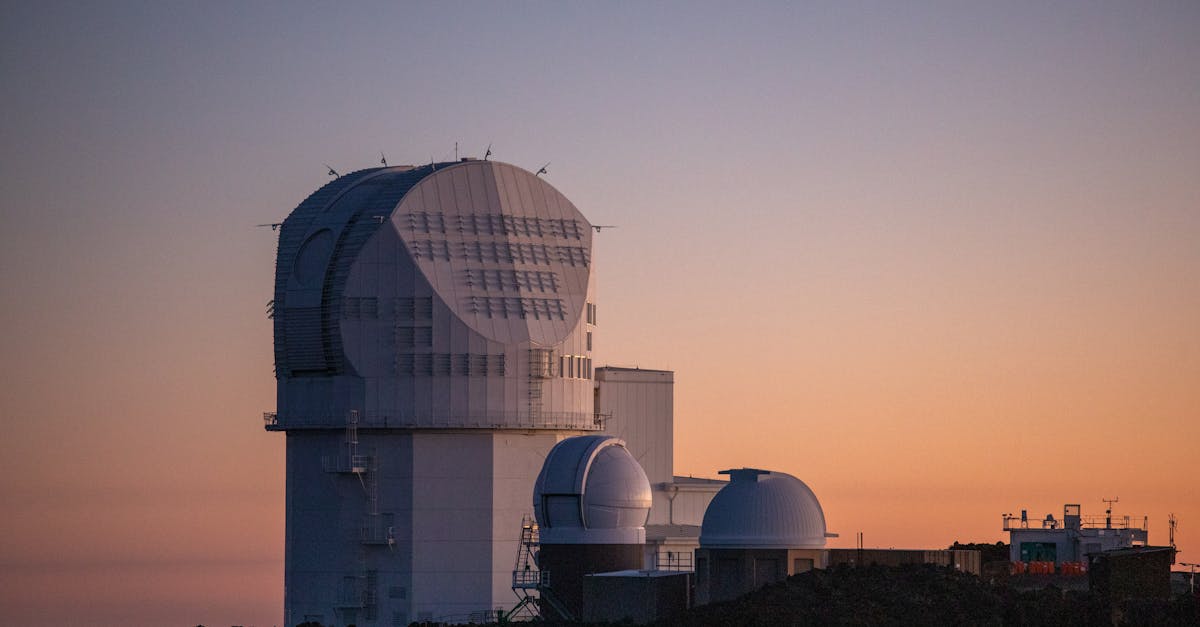
In an age where technological advancements are democratizing various fields, even the critical mission of planetary defense is seeing an extraordinary transformation. The co-founder of Unistellar, a company at the forefront of this innovation, recently shared with Space.com how citizen scientists are leveraging smart telescopes to actively participate in safeguarding our planet from potential cosmic threats. This initiative is not just about observing the night sky; it's about empowering individuals to become crucial data contributors in a global effort.
The Dawn of Accessible Astronomy
For decades, advanced astronomical observation was largely the domain of professional observatories and highly specialized researchers. However, the advent of smart telescopes, pioneered by companies like Unistellar, has dramatically lowered the barrier to entry. These instruments combine powerful optics with sophisticated computing and user-friendly interfaces, making it possible for amateur astronomers, or 'citizen scientists,' to capture high-quality astronomical data from their backyards. Unistellar's technology simplifies complex tasks like object identification and tracking, allowing users to focus on the observation itself rather than intricate technical setups.
Citizen Scientists on the Front Lines of Planetary Defense
Planetary defense primarily involves detecting, tracking, and characterizing Near-Earth Objects (NEOs) such as asteroids and comets that could pose a collision threat to Earth. Traditionally, this was a resource-intensive endeavor. Now, the Unistellar co-founder highlights how a vast network of citizen scientists, equipped with their smart telescopes, are making significant contributions. These individuals contribute by:
- Tracking Asteroids: Regularly observing known asteroids to refine their orbital paths, providing more accurate predictions of their future positions.
- Discovering Transients: Identifying new or previously unobserved celestial events, including potentially new asteroids or supernovae.
- Collecting Photometric Data: Gathering crucial data on an asteroid's brightness and light curve, which can reveal details about its size, shape, and rotation.
The collective observations from thousands of citizen scientists provide a massive distributed network, augmenting the capabilities of professional observatories and filling critical gaps in data coverage. This collaborative model significantly enhances our ability to monitor the vast expanse of space for potential threats.
A Collaborative Future for Earth's Safety
The involvement of citizen scientists in planetary defense represents a paradigm shift. It transforms astronomy from a niche pursuit into a global participatory effort. The data collected by these enthusiasts is often fed into professional databases, like those maintained by NASA's Planetary Defense Coordination Office, where it undergoes further analysis by experts. This synergy between amateur passion and professional expertise creates a robust defense mechanism, proving that anyone with curiosity and the right tools can contribute to something as monumental as protecting our home planet. As technology continues to evolve, the role of citizen scientists in this critical mission is only set to grow, promising a more comprehensive and vigilant watch over Earth's cosmic neighborhood.
ऐसे युग में जब तकनीकी प्रगति विभिन्न क्षेत्रों का लोकतंत्रीकरण कर रही है, तो ग्रह रक्षा का महत्वपूर्ण मिशन भी एक असाधारण परिवर्तन देख रहा है। इस नवाचार में सबसे आगे रहने वाली कंपनी यूनीस्टेलर (Unistellar) के सह-संस्थापक ने हाल ही में Space.com को बताया कि कैसे नागरिक वैज्ञानिक स्मार्ट टेलीस्कोप का लाभ उठाकर हमारे ग्रह को संभावित ब्रह्मांडीय खतरों से बचाने में सक्रिय रूप से भाग ले रहे हैं। यह पहल केवल रात के आकाश का अवलोकन करने के बारे में नहीं है; यह व्यक्तियों को एक वैश्विक प्रयास में महत्वपूर्ण डेटा योगदानकर्ता बनने के लिए सशक्त बनाने के बारे में है।
सुलभ खगोल विज्ञान का उदय
दशकों तक, उन्नत खगोलीय अवलोकन बड़े पैमाने पर पेशेवर वेधशालाओं और अत्यधिक विशिष्ट शोधकर्ताओं का क्षेत्र था। हालांकि, यूनीस्टेलर जैसी कंपनियों द्वारा अग्रणी स्मार्ट टेलीस्कोप के आगमन ने प्रवेश की बाधा को नाटकीय रूप से कम कर दिया है। ये उपकरण शक्तिशाली ऑप्टिक्स को परिष्कृत कंप्यूटिंग और उपयोगकर्ता के अनुकूल इंटरफेस के साथ जोड़ते हैं, जिससे शौकिया खगोलविदों, या 'नागरिक वैज्ञानिकों' के लिए अपने घरों से उच्च-गुणवत्ता वाले खगोलीय डेटा को कैप्चर करना संभव हो जाता है। यूनीस्टेलर की तकनीक वस्तु पहचान और ट्रैकिंग जैसे जटिल कार्यों को सरल बनाती है, जिससे उपयोगकर्ता जटिल तकनीकी सेटअप के बजाय स्वयं अवलोकन पर ध्यान केंद्रित कर सकते हैं।
ग्रह रक्षा की अग्रिम पंक्ति में नागरिक वैज्ञानिक
ग्रह रक्षा में मुख्य रूप से पृथ्वी के निकट की वस्तुओं (NEOs) जैसे क्षुद्रग्रहों और धूमकेतुओं का पता लगाना, ट्रैक करना और उनकी विशेषताओं का वर्णन करना शामिल है जो पृथ्वी के लिए टकराव का खतरा पैदा कर सकते हैं। परंपरागत रूप से, यह एक संसाधन-गहन प्रयास था। अब, यूनीस्टेलर के सह-संस्थापक ने बताया कि कैसे नागरिक वैज्ञानिकों का एक विशाल नेटवर्क, अपने स्मार्ट टेलीस्कोप से लैस होकर, महत्वपूर्ण योगदान दे रहा है। ये व्यक्ति निम्न प्रकार से योगदान करते हैं:
- क्षुद्रग्रहों को ट्रैक करना: उनके कक्षीय मार्गों को परिष्कृत करने के लिए ज्ञात क्षुद्रग्रहों का नियमित रूप से अवलोकन करना, उनकी भविष्य की स्थिति की अधिक सटीक भविष्यवाणियां प्रदान करना।
- क्षणिक घटनाओं की खोज: नई या पहले कभी नहीं देखी गई खगोलीय घटनाओं की पहचान करना, जिसमें संभावित रूप से नए क्षुद्रग्रह या सुपरनोवा शामिल हैं।
- फोटोमेट्रिक डेटा एकत्र करना: एक क्षुद्रग्रह की चमक और प्रकाश वक्र पर महत्वपूर्ण डेटा एकत्र करना, जो उसके आकार, आकृति और घूर्णन के बारे में विवरण प्रकट कर सकता है।
हजारों नागरिक वैज्ञानिकों से सामूहिक अवलोकन एक विशाल वितरित नेटवर्क प्रदान करते हैं, पेशेवर वेधशालाओं की क्षमताओं को बढ़ाते हैं और डेटा कवरेज में महत्वपूर्ण अंतराल को भरते हैं। यह सहयोगात्मक मॉडल संभावित खतरों के लिए अंतरिक्ष के विशाल विस्तार की निगरानी करने की हमारी क्षमता को काफी बढ़ाता है।
पृथ्वी की सुरक्षा के लिए एक सहयोगात्मक भविष्य
ग्रह रक्षा में नागरिक वैज्ञानिकों की भागीदारी एक प्रतिमान बदलाव का प्रतिनिधित्व करती है। यह खगोल विज्ञान को एक विशिष्ट खोज से एक वैश्विक सहभागी प्रयास में बदल देता है। इन उत्साही लोगों द्वारा एकत्र किया गया डेटा अक्सर पेशेवर डेटाबेस में फीड किया जाता है, जैसे कि नासा के ग्रह रक्षा समन्वय कार्यालय द्वारा बनाए रखा गया है, जहां विशेषज्ञों द्वारा इसका आगे विश्लेषण किया जाता है। शौकिया जुनून और पेशेवर विशेषज्ञता के बीच यह तालमेल एक मजबूत रक्षा तंत्र बनाता है, यह साबित करता है कि जिज्ञासा और सही उपकरण वाला कोई भी व्यक्ति हमारे गृह ग्रह की रक्षा जैसे स्मारकीय कार्य में योगदान कर सकता है। जैसे-जैसे प्रौद्योगिकी का विकास जारी रहेगा, इस महत्वपूर्ण मिशन में नागरिक वैज्ञानिकों की भूमिका केवल बढ़ने वाली है, जो पृथ्वी के ब्रह्मांडीय पड़ोस पर अधिक व्यापक और सतर्क निगरानी का वादा करती है।
