Breaking News
ताज़ा खबर
By AI News Desk
🕐 05 April 2026, 03:19 AM
🕐 05 April 2026, 03:19
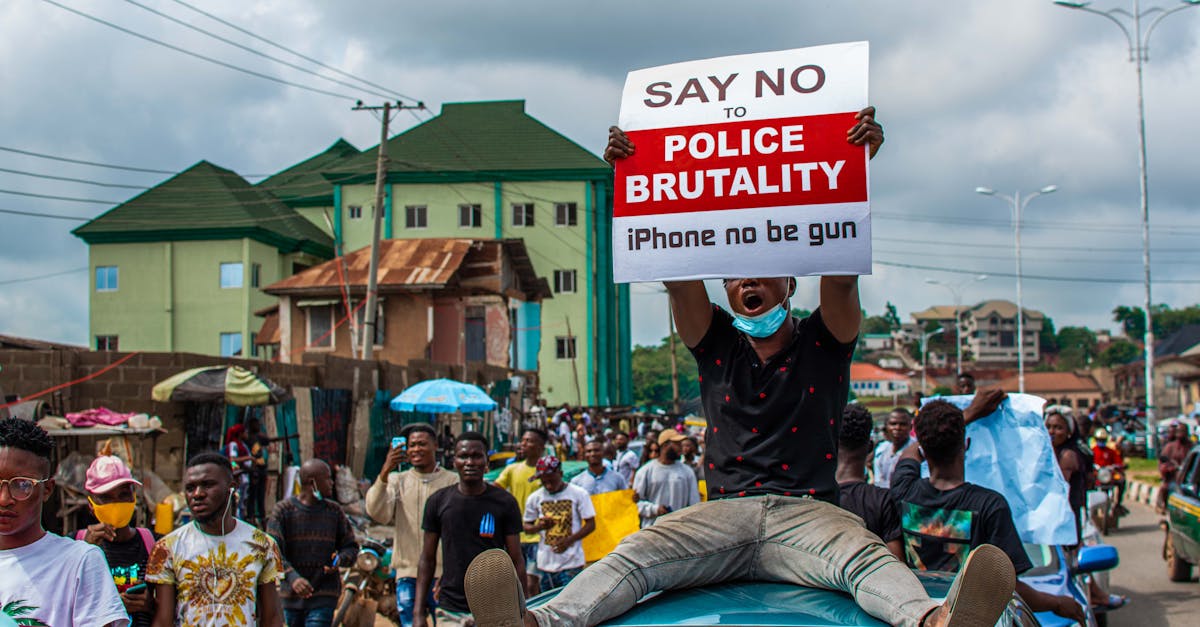
The recent escalation of hostilities between the US, Israel, and Iran has sent shockwaves across the globe, with Pakistan emerging as a particularly vulnerable nation facing severe economic fallout. The immediate ripple effects of this conflict, particularly the disruption of the Strait of Hormuz—a crucial chokepoint for global energy supplies—have plunged Pakistan into a deepening crisis. Heavily reliant on energy imports from the Gulf region, Pakistan has found itself in an unenviable position, leading its government to increase fuel prices twice within a single month. This drastic measure has ignited widespread public outrage, triggering mass protests across the country as citizens grapple with the soaring cost of living and accuse the government of unfairly passing on the burden.
Pakistan's Unique Vulnerability
Economists and analysts are keen to understand why Pakistan appears more susceptible to the current geopolitical and economic turmoil compared to other nations. According to Kaiser Bengali, an economist and former head of the Policy Reform Unit for the Balochistan Chief Minister, Pakistan's structural economic weaknesses and its high dependence on imported energy make it extremely fragile. Any disruption in global supply chains or spikes in international oil prices directly impact its domestic economy, which already struggles with high inflation and a precarious balance of payments.
Michael Kugelman, Senior Fellow for South Asia at the Atlantic Council, emphasizes the country's limited fiscal space. "Pakistan's government has very little room to absorb external shocks. It's often compelled to resort to measures like fuel price hikes to manage its budget deficit, even if it means stoking public anger," Kugelman notes. This lack of resilience is further exacerbated by an existing debt crisis and a struggling industrial sector.
The Human Cost of Geopolitics
The decision to raise fuel prices has not just hit the pockets of ordinary Pakistanis; it has fueled a significant wave of social unrest. Protests have erupted in major cities, reflecting the widespread frustration and anger among the populace. Ali Salman, Founder and CEO of the Policy Research Institute of Market Economy, points out that while the global conflict is an external trigger, the government's handling of the crisis and its communication with the public are critical. "People feel that they are bearing the brunt of decisions made far away, with little support from their own leadership," Salman explains. The protests underscore a growing distrust in government policies and a desperate plea for economic relief. The crisis serves as a stark reminder of how interconnected global events can have profound and immediate consequences on nations with delicate economic structures, pushing them closer to the brink of instability. As the conflict in the Middle East continues, Pakistan's challenges are likely to intensify, demanding urgent and effective policy responses to avert a deeper societal crisis.
अमेरिका, इजरायल और ईरान के बीच हाल ही में शुरू हुई शत्रुता ने दुनिया भर में झटके भेजे हैं, जिसमें पाकिस्तान एक विशेष रूप से कमजोर राष्ट्र के रूप में उभरा है, जिसे गंभीर आर्थिक गिरावट का सामना करना पड़ रहा है। इस संघर्ष के तत्काल दूरगामी प्रभाव, विशेष रूप से स्ट्रेट ऑफ हॉर्मुज – वैश्विक ऊर्जा आपूर्ति के लिए एक महत्वपूर्ण चोकपॉइंट – के व्यवधान ने पाकिस्तान को एक गहरे संकट में धकेल दिया है। खाड़ी क्षेत्र से ऊर्जा आयात पर अत्यधिक निर्भर होने के कारण, पाकिस्तान ने खुद को एक असहनीय स्थिति में पाया है, जिससे उसकी सरकार को एक महीने के भीतर दो बार ईंधन की कीमतें बढ़ानी पड़ी हैं। इस कठोर उपाय ने व्यापक जन आक्रोश को जन्म दिया है, जिससे पूरे देश में बड़े पैमाने पर विरोध प्रदर्शन शुरू हो गए हैं क्योंकि नागरिक बढ़ती महंगाई से जूझ रहे हैं और सरकार पर उच्च लागत का बोझ अनुचित तरीके से आम जनता पर डालने का आरोप लगा रहे हैं।
पाकिस्तान की अनूठी संवेदनशीलता
अर्थशास्त्री और विश्लेषक यह समझने के लिए उत्सुक हैं कि पाकिस्तान अन्य देशों की तुलना में मौजूदा भू-राजनीतिक और आर्थिक उथल-पुथल के प्रति अधिक संवेदनशील क्यों दिख रहा है। बलूचिस्तान के मुख्यमंत्री की नीति सुधार इकाई के पूर्व प्रमुख और अर्थशास्त्री कैसर बंगाली के अनुसार, पाकिस्तान की संरचनात्मक आर्थिक कमजोरियां और आयातित ऊर्जा पर उसकी उच्च निर्भरता इसे बेहद नाजुक बनाती है। वैश्विक आपूर्ति श्रृंखलाओं में कोई भी व्यवधान या अंतरराष्ट्रीय तेल की कीमतों में वृद्धि सीधे उसकी घरेलू अर्थव्यवस्था को प्रभावित करती है, जो पहले से ही उच्च मुद्रास्फीति और एक अनिश्चित भुगतान संतुलन से जूझ रही है।
अटलांटिक काउंसिल में दक्षिण एशिया के लिए वरिष्ठ फेलो माइकल कुगेलमैन ने देश के सीमित राजकोषीय दायरे पर जोर दिया। कुगेलमैन कहते हैं, "पाकिस्तान की सरकार के पास बाहरी झटकों को अवशोषित करने के लिए बहुत कम जगह है। इसे अक्सर अपने बजट घाटे का प्रबंधन करने के लिए ईंधन मूल्य वृद्धि जैसे उपायों का सहारा लेने के लिए मजबूर किया जाता है, भले ही इसका मतलब सार्वजनिक क्रोध को भड़काना हो।" यह लचीलेपन की कमी एक मौजूदा ऋण संकट और एक संघर्षरत औद्योगिक क्षेत्र से और बढ़ जाती है।
भू-राजनीति की मानवीय कीमत
ईंधन की कीमतें बढ़ाने के फैसले ने सिर्फ आम पाकिस्तानियों की जेब पर ही नहीं मारा है; इसने सामाजिक अशांति की एक महत्वपूर्ण लहर को बढ़ावा दिया है। प्रमुख शहरों में विरोध प्रदर्शन हुए हैं, जो आम जनता के बीच व्यापक निराशा और क्रोध को दर्शाते हैं। पॉलिसी रिसर्च इंस्टीट्यूट ऑफ मार्केट इकोनॉमी के संस्थापक और सीईओ अली सलमान बताते हैं कि जबकि वैश्विक संघर्ष एक बाहरी ट्रिगर है, सरकार का संकट से निपटना और जनता के साथ उसका संचार महत्वपूर्ण है। सलमान बताते हैं, "लोगों को लगता है कि वे दूर लिए गए फैसलों का खामियाजा भुगत रहे हैं, जिसमें उनके अपने नेतृत्व से बहुत कम समर्थन मिल रहा है।" विरोध प्रदर्शन सरकारी नीतियों में बढ़ते अविश्वास और आर्थिक राहत के लिए एक हताश याचिका को रेखांकित करते हैं। यह संकट इस बात की स्पष्ट याद दिलाता है कि कैसे परस्पर जुड़े वैश्विक आयोजनों का नाजुक आर्थिक संरचनाओं वाले राष्ट्रों पर गहरा और तत्काल परिणाम हो सकता है, उन्हें अस्थिरता के कगार पर धकेल सकता है। जैसे-जैसे मध्य पूर्व में संघर्ष जारी है, पाकिस्तान की चुनौतियां तेज होने की संभावना है, जिससे एक गहरे सामाजिक संकट को टालने के लिए तत्काल और प्रभावी नीतिगत प्रतिक्रियाओं की आवश्यकता है।
