Breaking News
ताज़ा खबर
ताजी बातमी
সর্বশেষ সংবাদ
சமீபத்திய செய்தி
తాజా వార్త
તાજા સમાચાર
ਤਾਜ਼ਾ ਖ਼ਬਰ
GPS Reveals India's Hidden Crustal Movements, Sparks New Earthquake Insights
जीपीएस से सामने आए भारत के भूगर्भीय रहस्य, भूकंप की नई जानकारी
जीपीएसने उघड केले भारताचे भूगर्भीय रहस्य, भूकंपाबद्दल नवीन माहिती
জি.পি.এস. উন্মোচন করল ভারতের ভূত্বকের গোপনীয়তা, ভূমিকম্পের নতুন অন্তর্দৃষ্টি
இந்தியாவின் புவி மேலோட்டு ரகசியங்களை ஜி.பி.எஸ். வெளிப்படுத்துகிறது, நிலநடுக்கம் பற்றிய புதிய தகவல்கள்
జీపీఎస్ ద్వారా బయటపడిన భారతదేశ భూపటల రహస్యాలు, భూకంపాలపై కొత్త అంతర్దృష్టులు
જીપીએસ દ્વારા ભારતના ભૂપૃષ્ઠના રહસ્યો ઉજાગર, ભૂકંપ વિશે નવી સમજ
ਜੀਪੀਐਸ ਨੇ ਖੋਲ੍ਹੇ ਭਾਰਤ ਦੇ ਭੂ-ਪਰਤ ਦੇ ਭੇਦ, ਭੁਚਾਲਾਂ ਬਾਰੇ ਨਵੀਆਂ ਸਮਝਾਂ
By AI News Desk
🕐 17 May 2026, 05:42 PM
🔬 Science
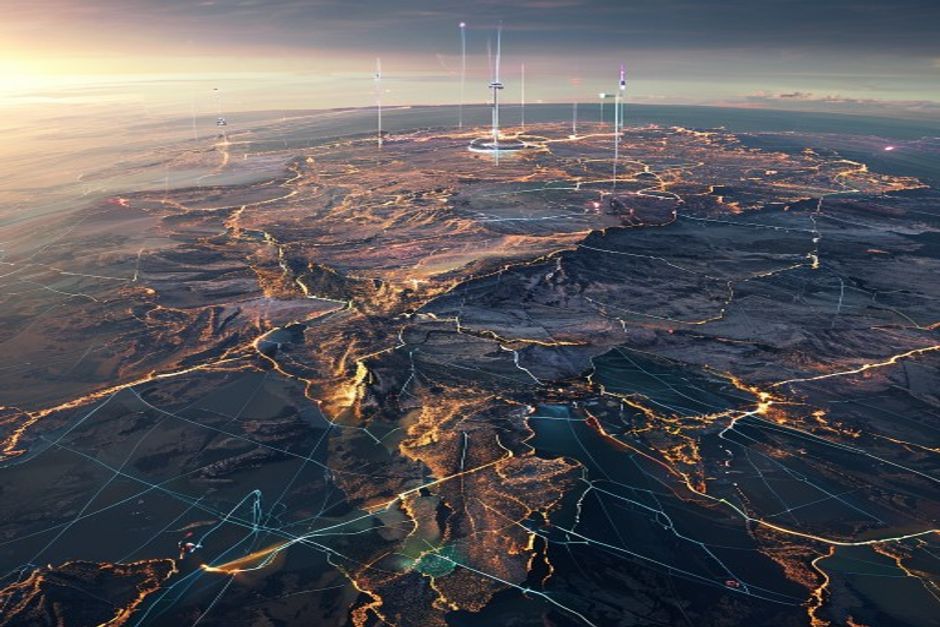
In a groundbreaking revelation, scientists utilizing high-precision Global Positioning System (GPS) observations have uncovered distinct and intricate crustal movement patterns deep within the Indian tectonic plate. This unprecedented insight is poised to revolutionize our understanding of seismic activity in one of the world's most geologically dynamic regions. The findings suggest that long-term stresses stemming from the colossal India–Eurasia collision, an event that has been shaping the Himalayas for millions of years, may significantly influence earthquake occurrences far inside the Indian plate itself.
Unraveling India's Tectonic Dance
For decades, the India–Eurasia collision zone, responsible for the majestic rise of the Himalayas, has been a focal point for geological research. However, understanding the internal dynamics of the Indian plate away from this boundary has remained a complex challenge. High-precision GPS data has now provided a clear picture, mapping subtle yet critical shifts in the Earth's crust. These minute movements, measured over extended periods, paint a vivid portrait of how the Indian subcontinent is deforming under immense pressure. Researchers can now identify specific zones where strain is accumulating, offering clues to potential future seismic events.
New Insights into Earthquake Risks
The implications of these findings are profound, particularly for seismic hazard assessment across India. By observing the nuanced ways the crust is moving, scientists are gaining a clearer perspective on how the forces generated by the India–Eurasia collision are distributed and manifest as stress within the plate. This internal stress can trigger earthquakes far from the primary plate boundary, in areas traditionally considered less active. Understanding these distinct movement patterns is crucial for refining earthquake models and developing more accurate predictions, ultimately enhancing preparedness and safety for millions living in earthquake-prone regions. This research marks a significant step forward in deciphering Earth's complex geological processes and mitigating their impact.
एक अभूतपूर्व खुलासे में, वैज्ञानिकों ने उच्च-सटीकता वाले ग्लोबल पोजिशनिंग सिस्टम (जीपीएस) प्रेक्षणों का उपयोग करते हुए भारतीय टेक्टोनिक प्लेट के भीतर अलग-अलग और जटिल भूगर्भीय गति पैटर्न का अनावरण किया है। यह अभूतपूर्व जानकारी दुनिया के सबसे भूवैज्ञानिक रूप से गतिशील क्षेत्रों में से एक में भूकंपीय गतिविधि की हमारी समझ में क्रांति लाने के लिए तैयार है। निष्कर्ष बताते हैं कि विशाल भारत-यूरेशिया टकराव से उत्पन्न दीर्घकालिक तनाव, एक ऐसी घटना जिसने लाखों वर्षों से हिमालय को आकार दिया है, भारतीय प्लेट के अंदर दूर तक भूकंप की घटनाओं को महत्वपूर्ण रूप से प्रभावित कर सकता है।
भारत के टेक्टोनिक नृत्य को सुलझाना
दशकों से, भारत-यूरेशिया टकराव क्षेत्र, जो हिमालय के शानदार उत्थान के लिए जिम्मेदार है, भूवैज्ञानिक अनुसंधान का एक केंद्र बिंदु रहा है। हालांकि, इस सीमा से दूर भारतीय प्लेट की आंतरिक गतिशीलता को समझना एक जटिल चुनौती बनी हुई थी। उच्च-सटीकता वाले जीपीएस डेटा ने अब एक स्पष्ट तस्वीर प्रदान की है, जो पृथ्वी की पपड़ी में सूक्ष्म लेकिन महत्वपूर्ण बदलावों का मानचित्रण कर रहा है। विस्तारित अवधियों में मापी गई ये मिनट की गतिविधियाँ, यह दर्शाती हैं कि भारतीय उपमहाद्वीप भारी दबाव में कैसे विकृत हो रहा है। शोधकर्ता अब उन विशिष्ट क्षेत्रों की पहचान कर सकते हैं जहाँ तनाव जमा हो रहा है, जो संभावित भविष्य की भूकंपीय घटनाओं के बारे में सुराग प्रदान करते हैं।
भूकंप के जोखिमों में नई अंतर्दृष्टि
इन निष्कर्षों के निहितार्थ, विशेष रूप से पूरे भारत में भूकंपीय खतरे के आकलन के लिए, गहरे हैं। यह देखकर कि पपड़ी सूक्ष्म तरीकों से कैसे आगे बढ़ रही है, वैज्ञानिक इस बात पर एक स्पष्ट दृष्टिकोण प्राप्त कर रहे हैं कि भारत-यूरेशिया टकराव से उत्पन्न बल प्लेट के भीतर तनाव के रूप में कैसे वितरित और प्रकट होते हैं। यह आंतरिक तनाव प्राथमिक प्लेट सीमा से दूर, उन क्षेत्रों में भूकंप को ट्रिगर कर सकता है जिन्हें पारंपरिक रूप से कम सक्रिय माना जाता है। इन अलग-अलग गति पैटर्न को समझना भूकंप मॉडल को परिष्कृत करने और अधिक सटीक भविष्यवाणियां विकसित करने के लिए महत्वपूर्ण है, अंततः भूकंप-प्रवण क्षेत्रों में रहने वाले लाखों लोगों के लिए तैयारी और सुरक्षा को बढ़ाना। यह शोध पृथ्वी की जटिल भूवैज्ञानिक प्रक्रियाओं को समझने और उनके प्रभाव को कम करने में एक महत्वपूर्ण कदम है।
एका महत्त्वपूर्ण संशोधनामध्ये, वैज्ञानिकांनी उच्च-परिशुद्धता ग्लोबल पोझिशनिंग सिस्टम (जीपीएस) निरीक्षणांचा वापर करून भारतीय टेक्टॉनिक प्लेटच्या आत स्पष्ट आणि गुंतागुंतीच्या भूभागीय हालचालींचे नमुने शोधले आहेत. ही अभूतपूर्व अंतर्दृष्टी जगातील सर्वात भूगर्भीय दृष्ट्या सक्रिय प्रदेशांपैकी एकामध्ये भूकंपाच्या क्रियाकलापांची आपली समज क्रांती घडवून आणण्यास सज्ज आहे. निष्कर्षांनुसार असे सूचित होते की, भारत-युरेशियाच्या प्रचंड टक्करीमुळे निर्माण झालेले दीर्घकाळचे ताण (ज्या घटनेने लाखो वर्षांपासून हिमालयाला आकार दिला आहे), भारतीय प्लेटच्या आत दूरवर भूकंपांच्या घटनांवर लक्षणीय परिणाम करू शकतात.
भारताच्या टेक्टॉनिक नृत्याचा उलगडा
दशकांपासून, भारत-युरेशिया टक्कर क्षेत्र, जे हिमालयाच्या भव्य निर्मितीसाठी जबाबदार आहे, भूगर्भीय संशोधनाचे केंद्रबिंदू राहिले आहे. तथापि, या सीमेपासून दूर भारतीय प्लेटच्या अंतर्गत गतिशीलतेची समज अजूनही एक जटिल आव्हान होते. उच्च-परिशुद्धता जीपीएस डेटाने आता एक स्पष्ट चित्र प्रदान केले आहे, पृथ्वीच्या कवचातील सूक्ष्म परंतु महत्त्वपूर्ण बदलांचे मॅपिंग केले आहे. दीर्घ कालावधीत मोजल्या गेलेल्या या सूक्ष्म हालचाली, भारतीय उपखंड प्रचंड दबावाखाली कसा विद्रूप होत आहे याचे स्पष्ट चित्र देतात. संशोधक आता विशिष्ट क्षेत्रे ओळखू शकतात जिथे ताण जमा होत आहे, संभाव्य भविष्यातील भूकंपीय घटनांबद्दल सुगावा देत आहेत.
भूकंपाच्या धोक्याबद्दल नवीन अंतर्दृष्टी
या निष्कर्षांचे परिणाम, विशेषतः भारतभरातील भूकंपीय धोक्याच्या मूल्यांकनासाठी, खूप महत्त्वाचे आहेत. कवच ज्या सूक्ष्म मार्गांनी हलत आहे ते पाहून, वैज्ञानिक भारत-युरेशिया टक्करीमुळे निर्माण होणारे बल प्लेटमध्ये ताण म्हणून कसे वितरित होतात आणि प्रकट होतात यावर स्पष्ट दृष्टीकोन मिळवत आहेत. हा अंतर्गत ताण प्राथमिक प्लेट सीमेपासून दूर, पारंपारिकपणे कमी सक्रिय मानल्या गेलेल्या क्षेत्रांमध्ये भूकंप घडवून आणू शकतो. या भिन्न हालचालींच्या नमुन्यांना समजून घेणे, भूकंप मॉडेल्स सुधारण्यासाठी आणि अधिक अचूक अंदाज विकसित करण्यासाठी महत्त्वपूर्ण आहे, ज्यामुळे भूकंपप्रवण क्षेत्रांमध्ये राहणाऱ्या लाखो लोकांसाठी तयारी आणि सुरक्षितता वाढेल. हे संशोधन पृथ्वीच्या जटिल भूगर्भीय प्रक्रियांचे स्पष्टीकरण देण्यामध्ये आणि त्यांचा प्रभाव कमी करण्यामध्ये एक महत्त्वपूर्ण पाऊल आहे.
একটি যুগান্তকারী উন্মোচনে, বিজ্ঞানীরা উচ্চ-নির্ভুল গ্লোবাল পজিশনিং সিস্টেম (GPS) পর্যবেক্ষণের মাধ্যমে ভারতীয় টেকটোনিক প্লেটের গভীরে স্বতন্ত্র এবং জটিল ভূত্বকের গতিবিধির ধরণ আবিষ্কার করেছেন। এই অভূতপূর্ব অন্তর্দৃষ্টি বিশ্বের সবচেয়ে ভূতাত্ত্বিকভাবে গতিশীল অঞ্চলগুলির মধ্যে একটিতে ভূমিকম্পের কার্যকলাপ সম্পর্কে আমাদের ধারণায় বিপ্লব ঘটাতে প্রস্তুত। গবেষণার ফলাফলগুলি sugiere করে যে ভারত-ইউরেশিয়া সংঘর্ষ থেকে উদ্ভূত দীর্ঘমেয়াদী চাপ, যা লক্ষ লক্ষ বছর ধরে হিমালয়কে রূপ দিয়েছে, তা ভারতীয় প্লেটের অভ্যন্তরে অনেক দূরে ভূমিকম্পের ঘটনাগুলিকে উল্লেখযোগ্যভাবে প্রভাবিত করতে পারে।
ভারতের টেকটোনিক নৃত্য উন্মোচন
কয়েক দশক ধরে, ভারত-ইউরেশিয়া সংঘর্ষ অঞ্চল, যা হিমালয়ের মহিমান্বিত উত্থানের জন্য দায়ী, ভূতাত্ত্বিক গবেষণার কেন্দ্রবিন্দু ছিল। তবে, এই সীমানা থেকে দূরে ভারতীয় প্লেটের অভ্যন্তরীণ গতিশীলতা বোঝা একটি জটিল চ্যালেঞ্জ ছিল। উচ্চ-নির্ভুল GPS ডেটা এখন একটি স্পষ্ট চিত্র দিয়েছে, পৃথিবীর ভূত্বকের সূক্ষ্ম কিন্তু গুরুত্বপূর্ণ পরিবর্তনগুলির মানচিত্র তৈরি করেছে। দীর্ঘ সময় ধরে পরিমাপ করা এই ক্ষুদ্র গতিবিধিগুলি, কীভাবে ভারতীয় উপমহাদেশ বিশাল চাপের মধ্যে বিকৃত হচ্ছে তার একটি উজ্জ্বল চিত্র তুলে ধরে। গবেষকরা এখন নির্দিষ্ট অঞ্চলগুলি চিহ্নিত করতে পারেন যেখানে চাপ জমা হচ্ছে, যা সম্ভাব্য ভবিষ্যতের ভূমিকম্পের ঘটনাগুলির সূত্র দিচ্ছে।
ভূমিকম্পের ঝুঁকির নতুন অন্তর্দৃষ্টি
এই ফলাফলগুলির প্রভাব সুদূরপ্রসারী, বিশেষ করে ভারত জুড়ে ভূমিকম্পের বিপদ মূল্যায়নের জন্য। ভূত্বক কীভাবে সূক্ষ্ম উপায়ে চলাচল করছে তা পর্যবেক্ষণ করে, বিজ্ঞানীরা ভারত-ইউরেশিয়া সংঘর্ষ দ্বারা উত্পন্ন শক্তি কীভাবে প্লেটের মধ্যে চাপ হিসাবে বিতরণ এবং প্রকাশ পায় সে সম্পর্কে একটি স্পষ্ট দৃষ্টিভঙ্গি অর্জন করছেন। এই অভ্যন্তরীণ চাপ প্রাথমিক প্লেট সীমানা থেকে অনেক দূরে, ঐতিহ্যগতভাবে কম সক্রিয় হিসাবে বিবেচিত অঞ্চলে ভূমিকম্পের সূত্রপাত করতে পারে। এই স্বতন্ত্র গতিবিধির ধরণগুলি বোঝা ভূমিকম্পের মডেলগুলিকে পরিমার্জন করতে এবং আরও নির্ভুল ভবিষ্যদ্বাণী তৈরি করতে অত্যন্ত গুরুত্বপূর্ণ, যা শেষ পর্যন্ত ভূমিকম্প-প্রবণ অঞ্চলে বসবাসকারী লক্ষ লক্ষ মানুষের জন্য প্রস্তুতি এবং সুরক্ষা বাড়াবে। এই গবেষণা পৃথিবীর জটিল ভূতাত্ত্বিক প্রক্রিয়াগুলি deciphering এবং তাদের প্রভাব প্রশমিত করার ক্ষেত্রে একটি গুরুত্বপূর্ণ পদক্ষেপ চিহ্নিত করে।
ஒரு குறிப்பிடத்தக்க கண்டுபிடிப்பில், உயர் துல்லியமான உலகளாவிய நிலைப்படுத்தல் அமைப்பு (GPS) அவதானிப்புகளைப் பயன்படுத்தி, இந்திய டெக்டானிக் தட்டின் ஆழத்தில் தனித்துவமான மற்றும் சிக்கலான புவி மேலோட்டு இயக்க முறைகளை விஞ்ஞானிகள் கண்டறிந்துள்ளனர். இந்த முன்னோடியில்லாத நுண்ணறிவு உலகின் மிகவும் புவியியல் ரீதியாக சுறுசுறுப்பான பகுதிகளில் ஒன்றில் நிலநடுக்க நடவடிக்கைகளைப் பற்றிய நமது புரிதலில் புரட்சியை ஏற்படுத்த உள்ளது. பல மில்லியன் ஆண்டுகளாக இமயமலையை வடிவமைத்து வரும் பிரமாண்டமான இந்திய-யூரேசிய மோதலால் ஏற்படும் நீண்டகால அழுத்தங்கள், இந்திய தட்டின் உள்ளே தொலைதூர நிலநடுக்க நிகழ்வுகளை கணிசமாக பாதிக்கலாம் என்று கண்டறிதல்கள் தெரிவிக்கின்றன.
இந்தியாவின் டெக்டானிக் நடனத்தை வெளிப்படுத்துதல்
பல தசாப்தங்களாக, இமயமலையின் அற்புதமான எழுச்சிக்கு காரணமான இந்திய-யூரேசிய மோதல் மண்டலம், புவியியல் ஆராய்ச்சியின் மைய புள்ளியாக இருந்து வருகிறது. இருப்பினும், இந்த எல்லைக்கு அப்பால் உள்ள இந்திய தட்டின் உள் இயக்கவியலைப் புரிந்துகொள்வது ஒரு சிக்கலான சவாலாகவே இருந்தது. உயர் துல்லியமான ஜி.பி.எஸ் தரவு இப்போது ஒரு தெளிவான படத்தைக் கொடுத்துள்ளது, பூமியின் மேலோட்டத்தில் உள்ள நுட்பமான ஆனால் முக்கியமான மாற்றங்களை வரைபடமாக்குகிறது. நீண்ட காலப்பகுதியில் அளவிடப்பட்ட இந்த சிறிய நகர்வுகள், இந்திய துணைக்கண்டம் எவ்வாறு immense அழுத்தத்தின் கீழ் சிதைந்து வருகிறது என்பதை ஒரு தெளிவான படமாக வரைகின்றன. ஆராய்ச்சியாளர்கள் இப்போது அழுத்தங்கள் குவியும் குறிப்பிட்ட மண்டலங்களை அடையாளம் காண முடியும், இது எதிர்கால நிலநடுக்க நிகழ்வுகளுக்கான தடயங்களை வழங்குகிறது.
நிலநடுக்க அபாயங்கள் பற்றிய புதிய நுண்ணறிவு
இந்த கண்டுபிடிப்புகளின் தாக்கங்கள், குறிப்பாக இந்தியா முழுவதும் நிலநடுக்க அபாய மதிப்பீட்டிற்கு, ஆழமானவை. மேலோடு எந்த நுட்பமான வழிகளில் நகர்கிறது என்பதை அவதானிப்பதன் மூலம், இந்திய-யூரேசிய மோதலால் உருவாகும் சக்திகள் தட்டுக்குள் அழுத்தமாக எவ்வாறு விநியோகிக்கப்பட்டு வெளிப்படுகின்றன என்பதைப் பற்றி விஞ்ஞானிகள் ஒரு தெளிவான கண்ணோட்டத்தைப் பெறுகின்றனர். இந்த உள் அழுத்தம் முதன்மை தட்டு எல்லையிலிருந்து வெகு தொலைவில், பாரம்பரியமாக குறைவாக சுறுசுறுப்பாகக் கருதப்படும் பகுதிகளில் நிலநடுக்கங்களைத் தூண்டலாம். இந்த தனித்துவமான இயக்க முறைகளைப் புரிந்துகொள்வது நிலநடுக்க மாதிரிகளை மேம்படுத்துவதற்கும், மேலும் துல்லியமான கணிப்புகளை உருவாக்குவதற்கும் மிக முக்கியமானது, இறுதியில் நிலநடுக்க அபாயம் உள்ள பகுதிகளில் வாழும் மில்லியன் கணக்கான மக்களுக்குத் தயார்நிலை மற்றும் பாதுகாப்பை மேம்படுத்துகிறது. இந்த ஆராய்ச்சி பூமியின் சிக்கலான புவியியல் செயல்முறைகளைத் தீர்ப்பதிலும், அவற்றின் தாக்கத்தைக் குறைப்பதிலும் ஒரு குறிப்பிடத்தக்க படியாகும்.
ఒక అద్భుతమైన ఆవిష్కరణలో, శాస్త్రవేత్తలు అధిక-ఖచ్చితత్వ గ్లోబల్ పొజిషనింగ్ సిస్టమ్ (జీపీఎస్) పరిశీలనలను ఉపయోగించి భారత టెక్టోనిక్ ప్లేట్ లోపల విలక్షణమైన మరియు సంక్లిష్టమైన భూపటల కదలిక నమూనాలను కనుగొన్నారు. ఈ అపూర్వమైన అంతర్దృష్టి ప్రపంచంలోని అత్యంత భౌగోళికంగా చురుకైన ప్రాంతాలలో ఒకటైన భూకంప కార్యకలాపాల గురించి మన అవగాహనలో విప్లవాత్మక మార్పులు తీసుకురానుంది. మిలియన్ల సంవత్సరాలుగా హిమాలయాలను ఆకృతి చేసిన భారీ భారత-యూరేసియా ఢీకొనడం నుండి ఉత్పన్నమయ్యే దీర్ఘకాలిక ఒత్తిళ్లు, భారత ప్లేట్ లోపల దూరంగా ఉన్న భూకంప సంఘటనలను గణనీయంగా ప్రభావితం చేయవచ్చని పరిశోధనలు సూచిస్తున్నాయి.
భారత టెక్టోనిక్ నృత్యాన్ని విప్పుతూ
దశాబ్దాలుగా, హిమాలయాల గొప్ప పెరుగుదలకు కారణమైన భారత-యూరేసియా ఢీకొనడం ప్రాంతం, భూవిజ్ఞాన పరిశోధనలకు కేంద్ర బిందువుగా ఉంది. అయితే, ఈ సరిహద్దుకు దూరంగా ఉన్న భారత ప్లేట్ యొక్క అంతర్గత డైనమిక్స్ను అర్థం చేసుకోవడం ఒక సంక్లిష్ట సవాలుగా మిగిలిపోయింది. అధిక-ఖచ్చితత్వ జీపీఎస్ డేటా ఇప్పుడు భూమి యొక్క పటలంలో సూక్ష్మమైన కానీ కీలకమైన మార్పులను మ్యాపింగ్ చేస్తూ స్పష్టమైన చిత్రాన్ని అందించింది. సుదీర్ఘ కాలాల పాటు కొలవబడిన ఈ నిమిషాల కదలికలు, భారీ ఒత్తిడిలో భారత ఉపఖండం ఎలా విరూపణ చెందుతోంది అనేదాని గురించి స్పష్టమైన చిత్రాన్ని చిత్రిస్తాయి. పరిశోధకులు ఇప్పుడు ఒత్తిడి పేరుకుపోతున్న నిర్దిష్ట మండలాలను గుర్తించగలరు, భవిష్యత్ భూకంప సంఘటనల గురించి ఆధారాలు అందిస్తున్నారు。
భూకంప ప్రమాదాలపై కొత్త అంతర్దృష్టులు
ఈ పరిశోధనల ప్రభావాలు, ముఖ్యంగా భారతదేశం అంతటా భూకంప ప్రమాద అంచనాకు, చాలా లోతైనవి. భూపటలం సూక్ష్మ పద్ధతుల్లో ఎలా కదులుతుందో గమనించడం ద్వారా, భారత-యూరేసియా ఢీకొనడం ద్వారా ఉత్పన్నమయ్యే శక్తులు ప్లేట్ లోపల ఒత్తిడిగా ఎలా పంపిణీ చేయబడతాయి మరియు వ్యక్తమవుతాయి అనే దానిపై శాస్త్రవేత్తలు స్పష్టమైన దృక్పథాన్ని పొందుతున్నారు. ఈ అంతర్గత ఒత్తిడి ప్రాథమిక ప్లేట్ సరిహద్దు నుండి దూరంగా, సాంప్రదాయకంగా తక్కువ చురుకుగా పరిగణించబడే ప్రాంతాలలో భూకంపాలను ప్రేరేపించగలదు. ఈ విలక్షణమైన కదలిక నమూనాలను అర్థం చేసుకోవడం భూకంప నమూనాలను మెరుగుపరచడానికి మరియు మరింత ఖచ్చితమైన అంచనాలను అభివృద్ధి చేయడానికి చాలా కీలకం, చివరికి భూకంపాలకు గురయ్యే ప్రాంతాలలో నివసించే లక్షలాది మందికి సంసిద్ధత మరియు భద్రతను పెంచుతుంది. భూమి యొక్క సంక్లిష్ట భౌగోళిక ప్రక్రియలను విడదీయడంలో మరియు వాటి ప్రభావాన్ని తగ్గించడంలో ఈ పరిశోధన ఒక ముఖ్యమైన ముందడుగు。
એક અસાધારણ ખુલાસામાં, વૈજ્ઞાનિકોએ ઉચ્ચ-ચોકસાઇવાળા ગ્લોબલ પોઝિશનિંગ સિસ્ટમ (જીપીએસ) અવલોકનોનો ઉપયોગ કરીને ભારતીય ટેકટોનિક પ્લેટની અંદર અલગ અને જટિલ ભૂપૃષ્ઠ ગતિ પેટર્ન શોધી કાઢ્યા છે. આ અભૂતપૂર્વ સમજ વિશ્વના સૌથી ભૌગોલિક રીતે ગતિશીલ પ્રદેશોમાંના એકમાં ધરતીકંપની પ્રવૃત્તિ વિશેની આપણી સમજણમાં ક્રાંતિ લાવવા માટે તૈયાર છે. તારણો સૂચવે છે કે વિશાળ ભારત-યુરેશિયા અથડામણથી ઉદ્ભવતા લાંબા ગાળાના દબાણ, એક એવી ઘટના જે લાખો વર્ષોથી હિમાલયને આકાર આપી રહી છે, તે ભારતીય પ્લેટની અંદર દૂર સુધી ધરતીકંપની ઘટનાઓને નોંધપાત્ર રીતે પ્રભાવિત કરી શકે છે.
ભારતના ટેકટોનિક નૃત્યને ઉકેલવું
દાયકાઓથી, ભારત-યુરેશિયા અથડામણ ક્ષેત્ર, જે હિમાલયના ભવ્ય ઉદય માટે જવાબદાર છે, ભૂસ્તરશાસ્ત્રીય સંશોધનનું કેન્દ્રબિંદુ રહ્યું છે. જોકે, આ સીમાથી દૂર ભારતીય પ્લેટની આંતરિક ગતિશીલતાને સમજવું એક જટિલ પડકાર રહ્યું છે. ઉચ્ચ-ચોકસાઇવાળા જીપીએસ ડેટાએ હવે એક સ્પષ્ટ ચિત્ર પ્રદાન કર્યું છે, જે પૃથ્વીના પોપડામાં સૂક્ષ્મ છતાં નિર્ણાયક ફેરફારોનું મેપિંગ કરી રહ્યું છે. વિસ્તૃત સમયગાળા દરમિયાન માપવામાં આવેલી આ નાની ગતિવિધિઓ, ભારતીય ઉપખંડ કેવી રીતે પ્રચંડ દબાણ હેઠળ વિકૃત થઈ રહ્યું છે તેનું આબેહૂબ ચિત્ર રજૂ કરે છે. સંશોધકો હવે ચોક્કસ ઝોન ઓળખી શકે છે જ્યાં તાણ એકઠું થઈ રહ્યું છે, જે સંભવિત ભાવિ ધરતીકંપની ઘટનાઓ વિશે સંકેતો આપે છે.
ભૂકંપના જોખમોમાં નવી આંતરદૃષ્ટિ
આ તારણોના અસરો, ખાસ કરીને સમગ્ર ભારતમાં ધરતીકંપના જોખમ મૂલ્યાંકન માટે, ઊંડા છે. પોપડો જે સૂક્ષ્મ રીતે આગળ વધી રહ્યો છે તેનું નિરીક્ષણ કરીને, વૈજ્ઞાનિકો ભારત-યુરેશિયા અથડામણ દ્વારા ઉત્પન્ન થતી શક્તિઓ પ્લેટની અંદર તાણ તરીકે કેવી રીતે વિતરિત અને પ્રગટ થાય છે તે વિશે સ્પષ્ટ દૃષ્ટિકોણ મેળવી રહ્યા છે. આ આંતરિક તાણ પ્રાથમિક પ્લેટ સીમાથી દૂર, પરંપરાગત રીતે ઓછા સક્રિય માનવામાં આવતા વિસ્તારોમાં ધરતીકંપોને ટ્રિગર કરી શકે છે. આ અલગ ગતિ પેટર્નને સમજવું ધરતીકંપના મોડેલ્સને સુધારવા અને વધુ સચોટ આગાહીઓ વિકસાવવા માટે નિર્ણાયક છે, આખરે ધરતીકંપ સંભવિત પ્રદેશોમાં રહેતા લાખો લોકો માટે તૈયારી અને સલામતી વધારશે. આ સંશોધન પૃથ્વીની જટિલ ભૂસ્તરશાસ્ત્રીય પ્રક્રિયાઓને સમજવા અને તેમની અસર ઘટાડવામાં એક મહત્વપૂર્ણ પગલું છે.
ਇੱਕ ਮਹੱਤਵਪੂਰਨ ਖੁਲਾਸੇ ਵਿੱਚ, ਵਿਗਿਆਨੀਆਂ ਨੇ ਉੱਚ-ਸ਼ੁੱਧਤਾ ਵਾਲੇ ਗਲੋਬਲ ਪੋਜ਼ੀਸ਼ਨਿੰਗ ਸਿਸਟਮ (ਜੀਪੀਐਸ) ਨਿਰੀਖਣਾਂ ਦੀ ਵਰਤੋਂ ਕਰਦਿਆਂ ਭਾਰਤੀ ਟੈਕਟੋਨਿਕ ਪਲੇਟ ਦੇ ਅੰਦਰ ਵੱਖਰੇ ਅਤੇ ਗੁੰਝਲਦਾਰ ਭੂ-ਪਰਤ ਦੇ ਅੰਦੋਲਨ ਦੇ ਨਮੂਨੇ ਖੋਜੇ ਹਨ। ਇਹ ਬੇਮਿਸਾਲ ਸਮਝ ਵਿਸ਼ਵ ਦੇ ਸਭ ਤੋਂ ਭੂ-ਵਿਗਿਆਨਕ ਤੌਰ 'ਤੇ ਗਤੀਸ਼ੀਲ ਖੇਤਰਾਂ ਵਿੱਚੋਂ ਇੱਕ ਵਿੱਚ ਭੁਚਾਲ ਦੀ ਗਤੀਵਿਧੀ ਬਾਰੇ ਸਾਡੀ ਸਮਝ ਵਿੱਚ ਕ੍ਰਾਂਤੀ ਲਿਆਉਣ ਲਈ ਤਿਆਰ ਹੈ। ਖੋਜਾਂ ਤੋਂ ਪਤਾ ਚੱਲਦਾ ਹੈ ਕਿ ਵਿਸ਼ਾਲ ਭਾਰਤ-ਯੂਰੇਸ਼ੀਆ ਟਕਰਾਅ ਤੋਂ ਪੈਦਾ ਹੋਏ ਲੰਬੇ ਸਮੇਂ ਦੇ ਤਣਾਅ, ਇੱਕ ਅਜਿਹੀ ਘਟਨਾ ਜਿਸ ਨੇ ਲੱਖਾਂ ਸਾਲਾਂ ਤੋਂ ਹਿਮਾਲਿਆ ਨੂੰ ਆਕਾਰ ਦਿੱਤਾ ਹੈ, ਭਾਰਤੀ ਪਲੇਟ ਦੇ ਅੰਦਰ ਦੂਰ ਤੱਕ ਭੁਚਾਲਾਂ ਦੀਆਂ ਘਟਨਾਵਾਂ ਨੂੰ ਮਹੱਤਵਪੂਰਨ ਤੌਰ 'ਤੇ ਪ੍ਰਭਾਵਿਤ ਕਰ ਸਕਦੇ ਹਨ।
ਭਾਰਤ ਦੇ ਟੈਕਟੋਨਿਕ ਨਾਚ ਨੂੰ ਸੁਲਝਾਉਣਾ
ਦਹਾਕਿਆਂ ਤੋਂ, ਭਾਰਤ-ਯੂਰੇਸ਼ੀਆ ਟਕਰਾਅ ਜ਼ੋਨ, ਜੋ ਹਿਮਾਲਿਆ ਦੇ ਸ਼ਾਨਦਾਰ ਉਭਾਰ ਲਈ ਜ਼ਿੰਮੇਵਾਰ ਹੈ, ਭੂ-ਵਿਗਿਆਨਕ ਖੋਜ ਦਾ ਇੱਕ ਕੇਂਦਰ ਬਿੰਦੂ ਰਿਹਾ ਹੈ। ਹਾਲਾਂਕਿ, ਇਸ ਸੀਮਾ ਤੋਂ ਦੂਰ ਭਾਰਤੀ ਪਲੇਟ ਦੀਆਂ ਅੰਦਰੂਨੀ ਗਤੀਸ਼ੀਲਤਾ ਨੂੰ ਸਮਝਣਾ ਇੱਕ ਗੁੰਝਲਦਾਰ ਚੁਣੌਤੀ ਬਣੀ ਹੋਈ ਸੀ। ਉੱਚ-ਸ਼ੁੱਧਤਾ ਵਾਲੇ ਜੀਪੀਐਸ ਡੇਟਾ ਨੇ ਹੁਣ ਇੱਕ ਸਪੱਸ਼ਟ ਤਸਵੀਰ ਪ੍ਰਦਾਨ ਕੀਤੀ ਹੈ, ਜੋ ਧਰਤੀ ਦੀ ਪਰਤ ਵਿੱਚ ਸੂਖਮ ਪਰ ਨਾਜ਼ੁਕ ਤਬਦੀਲੀਆਂ ਦਾ ਨਕਸ਼ਾ ਬਣਾ ਰਿਹਾ ਹੈ। ਲੰਬੇ ਸਮੇਂ ਤੋਂ ਮਾਪੀਆਂ ਗਈਆਂ ਇਹ ਛੋਟੀਆਂ ਗਤੀਵਿਧੀਆਂ, ਇਹ ਦਰਸਾਉਂਦੀਆਂ ਹਨ ਕਿ ਭਾਰਤੀ ਉਪ-ਮਹਾਂਦੀਪ ਬੇਅੰਤ ਦਬਾਅ ਹੇਠ ਕਿਵੇਂ ਵਿਗੜ ਰਿਹਾ ਹੈ। ਖੋਜਕਰਤਾ ਹੁਣ ਖਾਸ ਜ਼ੋਨਾਂ ਦੀ ਪਛਾਣ ਕਰ ਸਕਦੇ ਹਨ ਜਿੱਥੇ ਤਣਾਅ ਇਕੱਠਾ ਹੋ ਰਿਹਾ ਹੈ, ਭਵਿੱਖ ਦੀਆਂ ਸੰਭਾਵਿਤ ਭੂਚਾਲ ਦੀਆਂ ਘਟਨਾਵਾਂ ਬਾਰੇ ਸੁਰਾਗ ਪੇਸ਼ ਕਰਦੇ ਹਨ।
ਭੁਚਾਲ ਦੇ ਜੋਖਮਾਂ ਬਾਰੇ ਨਵੀਆਂ ਸਮਝਾਂ
ਇਨ੍ਹਾਂ ਖੋਜਾਂ ਦੇ ਪ੍ਰਭਾਵ, ਖਾਸ ਤੌਰ 'ਤੇ ਭਾਰਤ ਭਰ ਵਿੱਚ ਭੂਚਾਲ ਦੇ ਖਤਰੇ ਦੇ ਮੁਲਾਂਕਣ ਲਈ, ਬਹੁਤ ਡੂੰਘੇ ਹਨ। ਇਹ ਵੇਖ ਕੇ ਕਿ ਪਰਤ ਕਿਸ ਤਰ੍ਹਾਂ ਸੂਖਮ ਤਰੀਕਿਆਂ ਨਾਲ ਅੱਗੇ ਵਧ ਰਹੀ ਹੈ, ਵਿਗਿਆਨੀ ਇਸ ਗੱਲ 'ਤੇ ਸਪੱਸ਼ਟ ਦ੍ਰਿਸ਼ਟੀਕੋਣ ਪ੍ਰਾਪਤ ਕਰ ਰਹੇ ਹਨ ਕਿ ਭਾਰਤ-ਯੂਰੇਸ਼ੀਆ ਟਕਰਾਅ ਦੁਆਰਾ ਪੈਦਾ ਹੋਈਆਂ ਸ਼ਕਤੀਆਂ ਪਲੇਟ ਦੇ ਅੰਦਰ ਤਣਾਅ ਦੇ ਰੂਪ ਵਿੱਚ ਕਿਵੇਂ ਵੰਡੀਆਂ ਜਾਂਦੀਆਂ ਹਨ ਅਤੇ ਪ੍ਰਗਟ ਹੁੰਦੀਆਂ ਹਨ। ਇਹ ਅੰਦਰੂਨੀ ਤਣਾਅ ਪ੍ਰਾਇਮਰੀ ਪਲੇਟ ਸੀਮਾ ਤੋਂ ਦੂਰ, ਉਹਨਾਂ ਖੇਤਰਾਂ ਵਿੱਚ ਭੁਚਾਲਾਂ ਨੂੰ ਚਾਲੂ ਕਰ ਸਕਦਾ ਹੈ ਜਿਨ੍ਹਾਂ ਨੂੰ ਰਵਾਇਤੀ ਤੌਰ 'ਤੇ ਘੱਟ ਸਰਗਰਮ ਮੰਨਿਆ ਜਾਂਦਾ ਹੈ। ਇਹਨਾਂ ਵੱਖੋ-ਵੱਖਰੇ ਅੰਦੋਲਨ ਦੇ ਨਮੂਨਿਆਂ ਨੂੰ ਸਮਝਣਾ ਭੂਚਾਲ ਦੇ ਮਾਡਲਾਂ ਨੂੰ ਸੁਧਾਰਨ ਅਤੇ ਵਧੇਰੇ ਸਹੀ ਭਵਿੱਖਬਾਣੀਆਂ ਵਿਕਸਤ ਕਰਨ ਲਈ ਮਹੱਤਵਪੂਰਨ ਹੈ, ਅੰਤ ਵਿੱਚ ਭੁਚਾਲ-ਪ੍ਰਭਾਵਿਤ ਖੇਤਰਾਂ ਵਿੱਚ ਰਹਿਣ ਵਾਲੇ ਲੱਖਾਂ ਲੋਕਾਂ ਲਈ ਤਿਆਰੀ ਅਤੇ ਸੁਰੱਖਿਆ ਨੂੰ ਵਧਾਉਂਦਾ ਹੈ। ਇਹ ਖੋਜ ਧਰਤੀ ਦੀਆਂ ਗੁੰਝਲਦਾਰ ਭੂ-ਵਿਗਿਆਨਕ ਪ੍ਰਕਿਰਿਆਵਾਂ ਨੂੰ ਸਮਝਣ ਅਤੇ ਉਹਨਾਂ ਦੇ ਪ੍ਰਭਾਵ ਨੂੰ ਘਟਾਉਣ ਵਿੱਚ ਇੱਕ ਮਹੱਤਵਪੂਰਨ ਕਦਮ ਹੈ।

💬 Comments