Breaking News
ताज़ा खबर
ताजी बातमी
সর্বশেষ সংবাদ
சமீபத்திய செய்தி
తాజా వార్త
તાજા સમાચાર
ਤਾਜ਼ਾ ਖ਼ਬਰ
US Constitution's War Powers Tussle Amid Iran Tensions
ईरान तनाव के बीच अमेरिकी युद्ध शक्तियों पर संवैधानिक बहस
इराण तणावाच्या पार्श्वभूमीवर अमेरिकेच्या युद्ध अधिकारांवर घटनात्मक वाद
ইরান উত্তেজনার মধ্যে মার্কিন যুদ্ধ ক্ষমতার সাংবিধানিক বিতর্ক
ஈரான் பதற்றங்களுக்கு மத்தியில் அமெரிக்க போர் அதிகாரங்கள் குறித்த அரசியலமைப்பு சர்ச்சை
ఇరాన్ ఉద్రిక్తతల నేపథ్యంలో అమెరికా యుద్ధ అధికారాలపై రాజ్యాంగపరమైన చర్చ
ઈરાન તણાવ વચ્ચે યુએસ યુદ્ધ શક્તિઓ પર બંધારણીય ચર્ચા
ਈਰਾਨ ਤਣਾਅ ਦਰਮਿਆਨ ਅਮਰੀਕੀ ਜੰਗ ਸ਼ਕਤੀਆਂ 'ਤੇ ਸੰਵਿਧਾਨਕ ਬਹਿਸ
By AI News Desk
🕐 23 April 2026, 08:58 AM
🌍 World
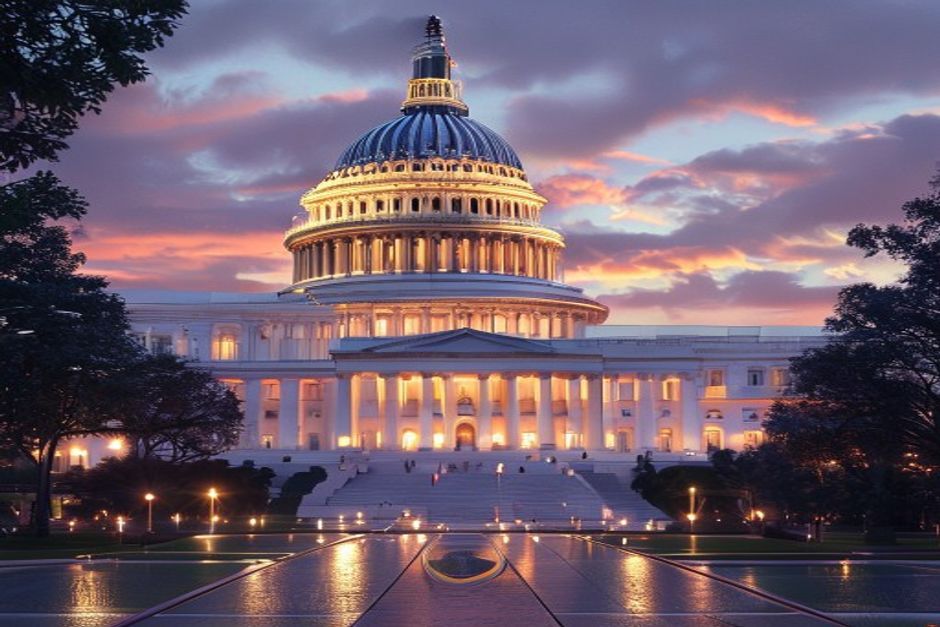
As the United States navigates heightened tensions with Iran, a fundamental constitutional debate regarding war powers is taking center stage. The U.S. Constitution meticulously divides the authority to wage war between Congress and the White House, a division that is being tested under current geopolitical pressures.
Congress Holds the Sole Power to Declare War
Historically, only Congress possesses the explicit power to declare war, a prerogative last formally exercised in 1942. However, presidents, vested with the commander-in-chief authority under Article II of the Constitution, have frequently initiated military actions. These actions are often justified by citing urgent national defense needs, bypassing the formal declaration of war by lawmakers.
The 1973 War Powers Resolution was enacted to address this imbalance. It mandates that the President notify Congress within 48 hours of introducing U.S. armed forces into hostilities. Furthermore, the resolution imposes a 60-day limit on military engagements without congressional authorization, which can be extended by an additional 30 days. This framework means that the President must seek further congressional authorization for sustained military action beyond a certain timeframe.
The current situation has fueled partisan disagreements. Democrats argue that the administration is circumventing the necessary congressional authorization for military engagement, thereby undermining legislative oversight. Conversely, Republicans contend that the President's actions are in line with existing laws and constitutional authorities, particularly concerning rapid defense responses.
This ongoing debate underscores the complex interplay between executive power and legislative checks and balances in the realm of foreign policy and military action. The constitutional framework, designed to prevent unchecked military adventurism, continues to be a subject of interpretation and political contention, especially in times of international conflict. Al Jazeera’s Phil Lavelle reports from Washington on this critical constitutional question.
ईरान के साथ बढ़ते तनाव के बीच, अमेरिका में युद्ध शक्तियों को लेकर एक महत्वपूर्ण संवैधानिक बहस छिड़ गई है। अमेरिकी संविधान कांग्रेस और व्हाइट हाउस के बीच युद्ध की शक्ति का स्पष्ट विभाजन करता है, जो वर्तमान भू-राजनीतिक परिस्थितियों में परखा जा रहा है।
कांग्रेस के पास युद्ध घोषित करने की एकमात्र शक्ति
ऐतिहासिक रूप से, युद्ध घोषित करने का अधिकार केवल कांग्रेस के पास है, जिसका अंतिम औपचारिक उपयोग 1942 में हुआ था। हालांकि, राष्ट्रपति, अनुच्छेद II के तहत कमांडर-इन-चीफ के अधिकार का उपयोग करते हुए, अक्सर सैन्य कार्रवाइयां शुरू करते रहे हैं। इन्हें अक्सर तत्काल राष्ट्रीय रक्षा आवश्यकताओं का हवाला देकर उचित ठहराया जाता है, जिससे कांग्रेस द्वारा औपचारिक युद्ध घोषणा की प्रक्रिया को दरकिनार किया जाता है।
इस असंतुलन को संबोधित करने के लिए 1973 का युद्ध शक्तियां संकल्प (War Powers Resolution) अधिनियमित किया गया था। यह अनिवार्य करता है कि राष्ट्रपति अमेरिकी सशस्त्र बलों को शत्रुता में शामिल करने के 48 घंटों के भीतर कांग्रेस को सूचित करें। इसके अलावा, यह संकल्प कांग्रेस के प्राधिकरण के बिना सैन्य प्रतिबद्धताओं की 60-दिवसीय सीमा लगाता है, जिसे अतिरिक्त 30 दिनों तक बढ़ाया जा सकता है। इस ढांचे का मतलब है कि कांग्रेस को कार्रवाई करने या सैन्य कार्रवाई जारी रखने के लिए अधिकृत करने हेतु 1 मई तक का समय था।
वर्तमान स्थिति ने पक्षपातपूर्ण असहमति को हवा दी है। डेमोक्रेट्स का तर्क है कि प्रशासन सैन्य जुड़ाव के लिए आवश्यक कांग्रेस की मंजूरी को दरकिनार कर रहा है, जिससे विधायी निरीक्षण को कमजोर किया जा रहा है। इसके विपरीत, रिपब्लिकन का दावा है कि राष्ट्रपति की कार्रवाइयां मौजूदा कानूनों और संवैधानिक अधिकारों के अनुरूप हैं, विशेष रूप से तीव्र रक्षा प्रतिक्रियाओं के संबंध में।
यह चल रही बहस विदेश नीति और सैन्य कार्रवाई के क्षेत्र में कार्यकारी शक्ति और विधायी जांच और संतुलन के बीच जटिल अंतःक्रिया को रेखांकित करती है। यह संवैधानिक ढांचा, जिसे अनियंत्रित सैन्य रोमांच को रोकने के लिए डिज़ाइन किया गया है, अंतरराष्ट्रीय संघर्ष के समय में व्याख्या और राजनीतिक विवाद का विषय बना हुआ है। अल जज़ीरा के फिल लैवेल वाशिंगटन से इस महत्वपूर्ण संवैधानिक प्रश्न पर रिपोर्ट कर रहे हैं।
इराणसोबतच्या वाढत्या तणावाच्या पार्श्वभूमीवर, अमेरिकेत युद्ध अधिकारांबाबत एक महत्त्वपूर्ण घटनात्मक चर्चा सुरू झाली आहे. अमेरिकेचे संविधान काँग्रेस आणि व्हाईट हाऊस यांच्यात युद्धाचे अधिकार स्पष्टपणे विभागते, ज्याची सद्य भू-राजकीय परिस्थितीत कसोटी लागत आहे.
युद्ध घोषित करण्याचा अधिकार केवळ काँग्रेसला
ऐतिहासिकदृष्ट्या, युद्ध घोषित करण्याचा अधिकार केवळ काँग्रेसला आहे, जो शेवटचा औपचारिकपणे १९४२ मध्ये वापरला गेला होता. तथापि, राष्ट्राध्यक्ष, अनुच्छेद II अंतर्गत सरसेनापती म्हणून, अनेकदा लष्करी कारवाई सुरू करतात. या कारवाया अनेकदा तातडीच्या राष्ट्रीय संरक्षण गरजांचा हवाला देऊन योग्य ठरवल्या जातात, ज्यामुळे विधिमंडळाद्वारे औपचारिक युद्ध घोषणा टाळली जाते.
या असंतुलनाला संबोधित करण्यासाठी १९७३ चा युद्ध शक्ती ठराव (War Powers Resolution) लागू करण्यात आला. यानुसार, राष्ट्राध्यक्षांनी अमेरिकेच्या सशस्त्र दलांना शत्रुत्वामध्ये गुंतवल्यास ४८ तासांच्या आत काँग्रेसला सूचित करणे बंधनकारक आहे. याव्यतिरिक्त, हा ठराव काँग्रेसच्या अधिकृततेशिवाय लष्करी सहभागाला ६० दिवसांची मर्यादा घालतो, जी अतिरिक्त ३० दिवसांसाठी वाढविली जाऊ शकते. या रचनेनुसार, काँग्रेसला कारवाई करण्यासाठी किंवा सुरू ठेवण्यासाठी अधिकृत करण्यासाठी १ मे पर्यंतची मुदत होती.
सध्याच्या परिस्थितीमुळे पक्षपाती मतभेद वाढले आहेत. डेमोक्रॅट्सचा युक्तिवाद आहे की प्रशासन लष्करी सहभागासाठी आवश्यक असलेल्या काँग्रेसच्या अधिकृततेला बगल देत आहे, ज्यामुळे विधायी निरीक्षणाचे उल्लंघन होत आहे. याउलट, रिपब्लिकन्सचा दावा आहे की राष्ट्राध्यक्षांच्या कृती विद्यमान कायदे आणि घटनात्मक अधिकारांशी सुसंगत आहेत, विशेषतः जलद संरक्षण प्रतिसादांच्या संदर्भात.
ही चालू असलेली चर्चा परराष्ट्र धोरण आणि लष्करी कारवाईच्या क्षेत्रात कार्यकारी शक्ती आणि विधिमंडळ तपासणी आणि संतुलन यांच्यातील गुंतागुंतीचे संबंध अधोरेखित करते. हे घटनात्मक स्वरूप, जे अनियंत्रित लष्करी साहसांना प्रतिबंध घालण्यासाठी तयार केले गेले आहे, ते आंतरराष्ट्रीय संघर्षाच्या काळातही व्याख्या आणि राजकीय वादाचा विषय बनले आहे. अल जझीराचे फिल लॅव्हेल वॉशिंग्टनमधून या महत्त्वपूर्ण घटनात्मक प्रश्नावर अहवाल देत आहेत.
ইরানের সাথে ক্রমবর্ধমান উত্তেজনার মধ্যে, মার্কিন যুক্তরাষ্ট্রে যুদ্ধ ক্ষমতা নিয়ে একটি গুরুত্বপূর্ণ সাংবিধানিক বিতর্ক শুরু হয়েছে। মার্কিন সংবিধান কংগ্রেস এবং হোয়াইট হাউসের মধ্যে যুদ্ধের ক্ষমতাকে স্পষ্টভাবে বিভক্ত করে, যা বর্তমান ভূ-রাজনৈতিক পরিস্থিতিতে পরীক্ষিত হচ্ছে।
যুদ্ধ ঘোষণার ক্ষমতা কেবল কংগ্রেসের হাতে
ঐতিহাসিকভাবে, যুদ্ধ ঘোষণার ক্ষমতা কেবল কংগ্রেসের হাতেই রয়েছে, যা শেষবার ১৯৪২ সালে আনুষ্ঠানিকভাবে ব্যবহৃত হয়েছিল। তবে, রাষ্ট্রপতিরা, অনুচ্ছেদ II এর অধীনে সর্বাধিনায়ক হিসাবে, প্রায়শই সামরিক অভিযান শুরু করেছেন। এগুলিকে প্রায়শই জরুরি জাতীয় প্রতিরক্ষা প্রয়োজনের অজুহাতে বৈধতা দেওয়া হয়, যা আইনসভার আনুষ্ঠানিক যুদ্ধ ঘোষণার প্রক্রিয়াকে এড়িয়ে যায়।
এই ভারসাম্যহীনতা মোকাবেলার জন্য ১৯৭৩ সালের যুদ্ধ ক্ষমতা রেজোলিউশন (War Powers Resolution) প্রণয়ন করা হয়েছিল। এটি বাধ্যতামূলক করে যে রাষ্ট্রপতি মার্কিন সশস্ত্র বাহিনীকে কোনও সংঘর্ষে জড়িত করার ৪৮ ঘণ্টার মধ্যে কংগ্রেসকে অবহিত করবেন। এছাড়াও, এই রেজোলিউশন কংগ্রেসের অনুমোদন ছাড়াই সামরিক বাহিনীকে ৬০ দিনের জন্য সীমাবদ্ধ করে, যা অতিরিক্ত ৩০ দিনের জন্য বাড়ানো যেতে পারে। এই কাঠামো অনুযায়ী, রাষ্ট্রপতি ডোনাল্ড ট্রাম্পের জন্য ১লা মে পর্যন্ত কংগ্রেসকে পদক্ষেপ নেওয়ার বা যুদ্ধ চালিয়ে যাওয়ার অনুমোদন দেওয়ার জন্য সময় ছিল।
বর্তমান পরিস্থিতি দলীয় বিভেদকে উস্কে দিয়েছে। ডেমোক্র্যাটরা যুক্তি দিচ্ছেন যে প্রশাসন সামরিক জড়িত থাকার জন্য প্রয়োজনীয় কংগ্রেসনাল অনুমোদনকে উপেক্ষা করছে, যা আইনসভার তত্ত্বাবধানকে দুর্বল করছে। বিপরীতে, রিপাবলিকানরা দাবি করছেন যে রাষ্ট্রপতির পদক্ষেপগুলি বিদ্যমান আইন এবং সাংবিধানিক কর্তৃপক্ষের সাথে সঙ্গতিপূর্ণ, বিশেষত দ্রুত প্রতিরক্ষা প্রতিক্রিয়ার ক্ষেত্রে।
এই চলমান বিতর্ক পররাষ্ট্রনীতি এবং সামরিক পদক্ষেপের ক্ষেত্রে নির্বাহী ক্ষমতা এবং আইনসভার নিয়ন্ত্রণ ও ভারসাম্যের মধ্যে জটিল মিথস্ক্রিয়াকে তুলে ধরে। এই সাংবিধানিক কাঠামো, যা অনিয়ন্ত্রিত সামরিক উদ্যোগ রোধ করার জন্য ডিজাইন করা হয়েছে, তা আন্তর্জাতিক সংঘাতের সময়েও ব্যাখ্যা এবং রাজনৈতিক বিতর্কের বিষয় হয়ে দাঁড়িয়েছে। আল জাজিরার ফিল ল্যাভেল ওয়াশিংটন থেকে এই গুরুত্বপূর্ণ সাংবিধানিক প্রশ্নটি নিয়ে প্রতিবেদন করছেন।
ஈரானுடனான பதற்றங்கள் அதிகரித்து வரும் நிலையில், அமெரிக்காவில் போர் அதிகாரங்கள் குறித்து ஒரு முக்கிய அரசியலமைப்பு விவாதம் எழுந்துள்ளது. அமெரிக்க அரசியலமைப்பு, போர் அதிகாரங்களை காங்கிரஸ் மற்றும் வெள்ளை மாளிகைக்கிடையே தெளிவாகப் பிரிக்கிறது, இது தற்போதைய புவி-அரசியல் சூழ்நிலைகளில் சோதிக்கப்படுகிறது.
போர் அறிவிக்கும் அதிகாரம் காங்கிரஸுக்கு மட்டுமே
வரலாற்று ரீதியாக, போர் அறிவிக்கும் அதிகாரம் காங்கிரஸிற்கு மட்டுமே உண்டு, இது கடைசியாக 1942 இல் முறையாகப் பயன்படுத்தப்பட்டது. இருப்பினும், குடியரசுத் தலைவர்கள், சரத்து II இன் கீழ் ராணுவத் தளபதியாக, பெரும்பாலும் இராணுவ நடவடிக்கைகளைத் தொடங்கியுள்ளனர். இவை அவசர தேசிய பாதுகாப்புத் தேவைகளைக் கூறி நியாயப்படுத்தப்படுகின்றன, இதனால் சட்டமியற்றுபவர்களின் முறையான போர் அறிவிப்பு தவிர்க்கப்படுகிறது.
இந்த சமநிலையின்மையை நிவர்த்தி செய்ய 1973 ஆம் ஆண்டின் போர் அதிகாரத் தீர்மானம் (War Powers Resolution) இயற்றப்பட்டது. இது, அமெரிக்கப் படைகளை மோதல்களில் ஈடுபடுத்திய 48 மணி நேரத்திற்குள் அதிபர் காங்கிரஸுக்கு அறிவிக்க வேண்டும் என்று கட்டாயமாக்குகிறது. மேலும், இந்தத் தீர்மானம் காங்கிரஸின் அங்கீகாரம் இல்லாமல் இராணுவ ஈடுபாடுகளுக்கு 60 நாட்கள் வரம்பை விதிக்கிறது, இது மேலும் 30 நாட்களுக்கு நீட்டிக்கப்படலாம். இந்த கட்டமைப்பின்படி, அதிபர் டொனால்ட் டிரம்ப், காங்கிரஸ் நடவடிக்கை எடுக்க அல்லது போரைத் தொடர அங்கீகரிக்க மே 1 வரை கால அவகாசம் இருந்தது.
தற்போதைய நிலை கட்சிப் பாகுபாடுகளைத் தூண்டியுள்ளது. ஜனநாயகக் கட்சியினர், நிர்வாகம் இராணுவ ஈடுபாட்டிற்குத் தேவையான காங்கிரஸின் அங்கீகாரத்தைத் தவிர்ப்பதாக வாதிடுகின்றனர், இதனால் சட்டமன்ற மேற்பார்வை பலவீனமடைகிறது. இதற்கு மாறாக, குடியரசுக் கட்சியினர், அதிபரின் நடவடிக்கைகள் தற்போதைய சட்டங்கள் மற்றும் அரசியலமைப்பு அதிகாரங்களுடன், குறிப்பாக விரைவான பாதுகாப்புப் பதில்களின் அடிப்படையில் ஒத்துப்போவதாகக் கூறுகின்றனர்.
இந்தத் தொடர்ச்சியான விவாதம், வெளியுறவுக் கொள்கை மற்றும் இராணுவ நடவடிக்கைகளின் துறையில் நிர்வாக அதிகாரத்திற்கும் சட்டமன்றக் கட்டுப்பாடு மற்றும் சமநிலைக்கும் இடையிலான சிக்கலான தொடர்புகளை எடுத்துக்காட்டுகிறது. கட்டுப்பாடற்ற இராணுவ சாகசங்களைத் தடுக்க வடிவமைக்கப்பட்ட இந்த அரசியலமைப்பு கட்டமைப்பு, சர்வதேச மோதல்களின் காலங்களிலும் விளக்கம் மற்றும் அரசியல் சர்ச்சைக்குரியதாகவே உள்ளது. அல் ஜஸீராவின் பில் லாவெல் வாஷிங்டனில் இருந்து இந்த முக்கியமான அரசியலமைப்பு கேள்வி குறித்து தெரிவிக்கிறார்.
ఇరాన్తో పెరుగుతున్న ఉద్రిక్తతల నేపథ్యంలో, అమెరికాలో యుద్ధ అధికారాలపై ఒక ముఖ్యమైన రాజ్యాంగపరమైన చర్చ జరుగుతోంది. అమెరికా రాజ్యాంగం, యుద్ధ అధికారాలను కాంగ్రెస్ మరియు వైట్ హౌస్ మధ్య స్పష్టంగా విభజిస్తుంది, ఇది ప్రస్తుత భౌగోళిక-రాజకీయ పరిస్థితులలో పరీక్షించబడుతోంది.
యుద్ధాన్ని ప్రకటించే అధికారం కాంగ్రెస్కు మాత్రమే
చారిత్రాత్మకంగా, యుద్ధాన్ని ప్రకటించే అధికారం కాంగ్రెస్కు మాత్రమే ఉంది, ఇది చివరిసారిగా 1942 లో అధికారికంగా ఉపయోగించబడింది. అయినప్పటికీ, అధ్యక్షులు, ఆర్టికల్ II క్రింద కమాండర్-ఇన్-చీఫ్గా, తరచుగా సైనిక చర్యలను ప్రారంభించారు. ఇవి తరచుగా తక్షణ జాతీయ రక్షణ అవసరాలను పేర్కొంటూ సమర్థించబడతాయి, దీనివల్ల చట్టసభలచే అధికారిక యుద్ధ ప్రకటనను దాటవేస్తారు.
ఈ అసమతుల్యతను పరిష్కరించడానికి 1973 నాటి యుద్ధ అధికారాల తీర్మానం (War Powers Resolution) ఆమోదించబడింది. దీని ప్రకారం, అమెరికా సాయుధ దళాలను సంఘర్షణలలోకి ప్రవేశపెట్టిన 48 గంటల్లోగా అధ్యక్షుడు కాంగ్రెస్కు తెలియజేయడం తప్పనిసరి. అంతేకాకుండా, ఈ తీర్మానం కాంగ్రెస్ అధికారం లేకుండా సైనిక జోక్యాలకు 60 రోజుల పరిమితిని విధిస్తుంది, దీనిని అదనంగా 30 రోజులు పొడిగించవచ్చు. ఈ నిబంధన ప్రకారం, అధ్యక్షుడు డొనాల్డ్ ట్రంప్, కాంగ్రెస్ చర్య తీసుకోవడానికి లేదా యుద్ధాన్ని కొనసాగించడానికి అధికారం ఇవ్వడానికి మే 1 వరకు సమయం ఉండేది.
ప్రస్తుత పరిస్థితి పక్షపాత విభేదాలకు దారితీసింది. డెమోక్రటిక్ పార్టీ సభ్యులు, పరిపాలన సైనిక జోక్యానికి అవసరమైన కాంగ్రెస్ అధికారాన్ని దాటవేస్తుందని వాదిస్తున్నారు, దీనివల్ల శాసనసభ పర్యవేక్షణ బలహీనపడుతుంది. దీనికి విరుద్ధంగా, రిపబ్లికన్లు, ముఖ్యంగా వేగవంతమైన రక్షణ ప్రతిస్పందనల విషయంలో, అధ్యక్షుడి చర్యలు ప్రస్తుత చట్టాలు మరియు రాజ్యాంగ అధికారాలకు అనుగుణంగా ఉన్నాయని వాదిస్తున్నారు.
ఈ కొనసాగుతున్న చర్చ విదేశాంగ విధానం మరియు సైనిక చర్యల రంగంలో కార్యనిర్వాహక శక్తికి మరియు శాసనసభల నియంత్రణ మరియు సమతుల్యతకు మధ్య ఉన్న సంక్లిష్ట పరస్పర చర్యను తెలియజేస్తుంది. నియంత్రణ లేని సైనిక సాహసాలను నిరోధించడానికి రూపొందించబడిన ఈ రాజ్యాంగ చట్రం, అంతర్జాతీయ సంఘర్షణల కాలంలో కూడా వ్యాఖ్యానం మరియు రాజకీయ వివాదానికి సంబంధించిన అంశంగా మిగిలిపోయింది. అల్ జజీరాకు చెందిన ఫిల్ లవెల్ వాషింగ్టన్ నుండి ఈ కీలకమైన రాజ్యాంగపరమైన ప్రశ్నపై నివేదిస్తున్నారు.
ઈરાન સાથેના તણાવ વચ્ચે, યુ.એસ.માં યુદ્ધ શક્તિઓ અંગે એક મહત્વપૂર્ણ બંધારણીય ચર્ચા ચાલી રહી છે. યુ.એસ.નું બંધારણ, યુદ્ધની શક્તિઓને કોંગ્રેસ અને વ્હાઇટ હાઉસ વચ્ચે સ્પષ્ટપણે વિભાજિત કરે છે, જે વર્તમાન ભૌગોલિક-રાજકીય પરિસ્થિતિઓમાં ચકાસાઈ રહી છે.
યુદ્ધ જાહેર કરવાની સત્તા માત્ર કોંગ્રેસ પાસે
ઐતિહાસિક રીતે, યુદ્ધ જાહેર કરવાની સત્તા માત્ર કોંગ્રેસ પાસે છે, જે છેલ્લે 1942 માં ઔપચારિક રીતે ઉપયોગમાં લેવાઈ હતી. જોકે, રાષ્ટ્રપતિઓ, આર્ટિકલ II હેઠળ કમાન્ડર-ઇન-ચીફ તરીકે, ઘણીવાર લશ્કરી કાર્યવાહી શરૂ કરે છે. આ તાત્કાલિક રાષ્ટ્રીય સંરક્ષણ જરૂરિયાતોને ટાંકીને યોગ્ય ઠેરવવામાં આવે છે, આમ કાયદા ઘડનારાઓ દ્વારા ઔપચારિક યુદ્ધ ઘોષણાને ટાળી દેવામાં આવે છે.
આ અસંતુલનને પહોંચી વળવા માટે 1973 નો વોર પાવર્સ રિઝોલ્યુશન (War Powers Resolution) પસાર કરવામાં આવ્યો હતો. તે ફરજિયાત બનાવે છે કે રાષ્ટ્રપતિ અમેરિકી સશસ્ત્ર દળોને દુશ્મનાવટમાં સામેલ કર્યાના 48 કલાકની અંદર કોંગ્રેસને સૂચિત કરે. આ ઉપરાંત, આ રિઝોલ્યુશન કોંગ્રેસની અધિકૃતતા વિના લશ્કરી પ્રતિબદ્ધતાઓ પર 60-દિવસની મર્યાદા લાદે છે, જેને વધારાના 30 દિવસ સુધી લંબાવી શકાય છે. આ માળખા મુજબ, રાષ્ટ્રપતિ ડોનાલ્ડ ટ્રમ્પ પાસે 1 મે સુધીનો સમય હતો જ્યારે કોંગ્રેસે કાર્યવાહી કરી શકે અથવા યુદ્ધ ચાલુ રાખવાની મંજૂરી આપી શકે.
વર્તમાન પરિસ્થિતિને કારણે પક્ષપાતી મતભેદો વધ્યા છે. ડેમોક્રેટ્સ દલીલ કરે છે કે વહીવટીતંત્ર લશ્કરી જોડાણ માટે જરૂરી કોંગ્રેશનલ અધિકૃતતાને ટાળી રહ્યું છે, જેનાથી ધારાસભ્ય દેખરેખ નબળી પડી રહી છે. તેનાથી વિપરીત, રિપબ્લિકન દાવો કરે છે કે રાષ્ટ્રપતિની કાર્યવાહીઓ હાલના કાયદાઓ અને બંધારણીય અધિકારો સાથે સુસંગત છે, ખાસ કરીને ઝડપી સંરક્ષણ પ્રતિભાવોના સંદર્ભમાં.
આ ચાલુ ચર્ચા વિદેશ નીતિ અને લશ્કરી કાર્યવાહીના ક્ષેત્રમાં કાર્યકારી સત્તા અને ધારાસભ્ય નિયંત્રણ અને સંતુલન વચ્ચેના જટિલ આંતરપ્રક્રિયાને પ્રકાશિત કરે છે. આ બંધારણીય માળખું, જે અનિયંત્રિત લશ્કરી સાહસોને રોકવા માટે રચાયેલ છે, તે આંતરરાષ્ટ્રીય સંઘર્ષના સમયમાં પણ અર્થઘટન અને રાજકીય વિવાદનો વિષય બની રહ્યું છે. અલ જઝીરાના ફિલ લેવેલ વોશિંગ્ટનથી આ મહત્વપૂર્ણ બંધારણીય પ્રશ્ન પર અહેવાલ આપી રહ્યા છે.
ਈਰਾਨ ਨਾਲ ਵਧ ਰਹੇ ਤਣਾਅ ਦਰਮਿਆਨ, ਅਮਰੀਕਾ ਵਿੱਚ ਜੰਗ ਸ਼ਕਤੀਆਂ ਬਾਰੇ ਇੱਕ ਮਹੱਤਵਪੂਰਨ ਸੰਵਿਧਾਨਕ ਬਹਿਸ ਛਿੜ ਗਈ ਹੈ। ਅਮਰੀਕੀ ਸੰਵਿਧਾਨ, ਯੁੱਧ ਦੀਆਂ ਸ਼ਕਤੀਆਂ ਨੂੰ ਕਾਂਗਰਸ ਅਤੇ ਵ੍ਹਾਈਟ ਹਾਊਸ ਦਰਮਿਆਨ ਸਪਸ਼ਟ ਤੌਰ 'ਤੇ ਵੰਡਦਾ ਹੈ, ਜਿਸਦੀ ਮੌਜੂਦਾ ਭੂ-ਰਾਜਨੀਤਿਕ ਸਥਿਤੀਆਂ ਵਿੱਚ ਪਰਖ ਹੋ ਰਹੀ ਹੈ।
ਯੁੱਧ ਘੋਸ਼ਿਤ ਕਰਨ ਦਾ ਅਧਿਕਾਰ ਸਿਰਫ਼ ਕਾਂਗਰਸ ਕੋਲ
ਇਤਿਹਾਸਕ ਤੌਰ 'ਤੇ, ਯੁੱਧ ਘੋਸ਼ਿਤ ਕਰਨ ਦਾ ਅਧਿਕਾਰ ਸਿਰਫ਼ ਕਾਂਗਰਸ ਕੋਲ ਹੈ, ਜੋ ਆਖ਼ਰੀ ਵਾਰ 1942 ਵਿੱਚ ਰਸਮੀ ਤੌਰ 'ਤੇ ਵਰਤਿਆ ਗਿਆ ਸੀ। ਹਾਲਾਂਕਿ, ਰਾਸ਼ਟਰਪਤੀ, ਆਰਟੀਕਲ II ਦੇ ਤਹਿਤ ਕਮਾਂਡਰ-ਇਨ-ਚੀਫ਼ ਵਜੋਂ, ਅਕਸਰ ਫੌਜੀ ਕਾਰਵਾਈਆਂ ਸ਼ੁਰੂ ਕਰਦੇ ਰਹੇ ਹਨ। ਇਹਨਾਂ ਨੂੰ ਅਕਸਰ ਤਤਕਾਲੀ ਰਾਸ਼ਟਰੀ ਰੱਖਿਆ ਲੋੜਾਂ ਦਾ ਹਵਾਲਾ ਦੇ ਕੇ ਜਾਇਜ਼ ਠਹਿਰਾਇਆ ਜਾਂਦਾ ਹੈ, ਜਿਸ ਨਾਲ ਕਾਨੂੰਨਸਾਜ਼ਾਂ ਦੁਆਰਾ ਰਸਮੀ ਯੁੱਧ ਘੋਸ਼ਣਾ ਨੂੰ ਟਾਲਿਆ ਜਾਂਦਾ ਹੈ।
ਇਸ ਅਸੰਤੁਲਨ ਨੂੰ ਦੂਰ ਕਰਨ ਲਈ 1973 ਦਾ ਵਾਰ ਪਾਵਰਜ਼ ਰੈਜ਼ੋਲਿਊਸ਼ਨ (War Powers Resolution) ਪਾਸ ਕੀਤਾ ਗਿਆ ਸੀ। ਇਹ ਲਾਜ਼ਮੀ ਕਰਦਾ ਹੈ ਕਿ ਰਾਸ਼ਟਰਪਤੀ ਅਮਰੀਕੀ ਹਥਿਆਰਬੰਦ ਸੈਨਿਕਾਂ ਨੂੰ ਦੁਸ਼ਮਣੀ ਵਿੱਚ ਸ਼ਾਮਲ ਕਰਨ ਦੇ 48 ਘੰਟਿਆਂ ਦੇ ਅੰਦਰ ਕਾਂਗਰਸ ਨੂੰ ਸੂਚਿਤ ਕਰਨ। ਇਸ ਤੋਂ ਇਲਾਵਾ, ਇਹ ਰੈਜ਼ੋਲਿਊਸ਼ਨ ਕਾਂਗਰਸ ਦੀ ਪ੍ਰਵਾਨਗੀ ਤੋਂ ਬਿਨਾਂ ਫੌਜੀ ਸ਼ਮੂਲੀਅਤਾਂ 'ਤੇ 60-ਦਿਨਾਂ ਦੀ ਸੀਮਾ ਲਗਾਉਂਦਾ ਹੈ, ਜਿਸਨੂੰ ਵਾਧੂ 30 ਦਿਨਾਂ ਤੱਕ ਵਧਾਇਆ ਜਾ ਸਕਦਾ ਹੈ। ਇਸ ਢਾਂਚੇ ਦੇ ਅਨੁਸਾਰ, ਰਾਸ਼ਟਰਪਤੀ ਡੋਨਾਲਡ ਟਰੰਪ ਕੋਲ 1 ਮਈ ਤੱਕ ਦਾ ਸਮਾਂ ਸੀ ਜਦੋਂ ਕਾਂਗਰਸ ਕਾਰਵਾਈ ਕਰ ਸਕਦੀ ਸੀ ਜਾਂ ਜੰਗ ਜਾਰੀ ਰੱਖਣ ਦੀ ਇਜਾਜ਼ਤ ਦੇ ਸਕਦੀ ਸੀ।
ਮੌਜੂਦਾ ਸਥਿਤੀ ਨੇ ਪੱਖਪਾਤੀ ਮਤਭੇਦਾਂ ਨੂੰ ਭੜਕਾਇਆ ਹੈ। ਡੈਮੋਕਰੈਟਸ ਦਲੀਲ ਦਿੰਦੇ ਹਨ ਕਿ ਪ੍ਰਸ਼ਾਸਨ ਫੌਜੀ ਸ਼ਮੂਲੀਅਤ ਲਈ ਲੋੜੀਂਦੀ ਕਾਂਗਰਸ ਦੀ ਪ੍ਰਵਾਨਗੀ ਨੂੰ ਟਾਲ ਰਿਹਾ ਹੈ, ਜਿਸ ਨਾਲ ਵਿਧਾਨਕ ਨਿਗਰਾਨੀ ਕਮਜ਼ੋਰ ਹੋ ਰਹੀ ਹੈ। ਇਸ ਦੇ ਉਲਟ, ਰਿਪਬਲਿਕਨ ਦਾਅਵਾ ਕਰਦੇ ਹਨ ਕਿ ਰਾਸ਼ਟਰਪਤੀ ਦੀਆਂ ਕਾਰਵਾਈਆਂ ਮੌਜੂਦਾ ਕਾਨੂੰਨਾਂ ਅਤੇ ਸੰਵਿਧਾਨਕ ਅਧਿਕਾਰਾਂ ਦੇ ਅਨੁਸਾਰ ਹਨ, ਖਾਸ ਤੌਰ 'ਤੇ ਤੇਜ਼ ਰੱਖਿਆ ਪ੍ਰਤੀਕ੍ਰਿਆਵਾਂ ਦੇ ਸੰਦਰਭ ਵਿੱਚ।
ਇਹ ਚੱਲ ਰਹੀ ਬਹਿਸ ਵਿਦੇਸ਼ ਨੀਤੀ ਅਤੇ ਫੌਜੀ ਕਾਰਵਾਈ ਦੇ ਖੇਤਰ ਵਿੱਚ ਕਾਰਜਕਾਰੀ ਸ਼ਕਤੀ ਅਤੇ ਵਿਧਾਨਕ ਨਿਯੰਤਰਣ ਅਤੇ ਸੰਤੁਲਨ ਵਿਚਕਾਰ ਗੁੰਝਲਦਾਰ ਪਰਸਪਰ ਪ੍ਰਭਾਵ ਨੂੰ ਉਜਾਗਰ ਕਰਦੀ ਹੈ। ਇਹ ਸੰਵਿਧਾਨਕ ਢਾਂਚਾ, ਜੋ ਕਿ ਅਨਿਯੰਤਰਿਤ ਫੌਜੀ ਸਾਹਸ ਨੂੰ ਰੋਕਣ ਲਈ ਤਿਆਰ ਕੀਤਾ ਗਿਆ ਹੈ, ਅੰਤਰਰਾਸ਼ਟਰੀ ਸੰਘਰਸ਼ਾਂ ਦੇ ਸਮੇਂ ਵਿੱਚ ਵੀ ਵਿਆਖਿਆ ਅਤੇ ਰਾਜਨੀਤਿਕ ਵਿਵਾਦ ਦਾ ਵਿਸ਼ਾ ਬਣਿਆ ਹੋਇਆ ਹੈ। ਅਲ ਜਜ਼ੀਰਾ ਦੇ ਫਿਲ ਲੇਵਲ ਵਾਸ਼ਿੰਗਟਨ ਤੋਂ ਇਸ ਮਹੱਤਵਪੂਰਨ ਸੰਵਿਧਾਨਕ ਸਵਾਲ 'ਤੇ ਰਿਪੋਰਟ ਕਰ ਰਹੇ ਹਨ।

💬 Comments