Breaking News
ताज़ा खबर
ताजी बातमी
সর্বশেষ সংবাদ
சமீபத்திய செய்தி
తాజా వార్త
તાજા સમાચાર
ਤਾਜ਼ਾ ਖ਼ਬਰ
Iran's Hormuz Power Play: Could Gulf Pressure Push US Back to Negotiations?
ईरान की होर्मुज चाल: क्या अमेरिकी वार्ता लौटेगी?
इराणचा होर्मुज डाव: अमेरिकेला वाटाघाटीसाठी परत भाग पाडेल?
ইরানের হরমুজ চাল: মার্কিন আলোচনায় ফিরবে কি?
ஈரானின் ஹோர்முஸ் சூழ்ச்சி: அமெரிக்கா பேச்சுவார்த்தைக்கு திரும்புமா?
ఇరాన్ హార్మోజ్ వ్యూహం: US చర్చలకు తిరిగి వస్తుందా?
ઈરાનનું હોર્મુઝ ચાલ: શું યુએસ વાટાઘાટો પર પાછા ફરશે?
ਇਰਾਨ ਦਾ ਹਾਰਮੂਜ਼ ਚਾਲ: ਕੀ ਅਮਰੀਕਾ ਗੱਲਬਾਤ 'ਤੇ ਵਾਪਸ ਆਵੇਗਾ?
By AI News Desk
🕐 16 July 2026, 04:48 PM
🌍 World
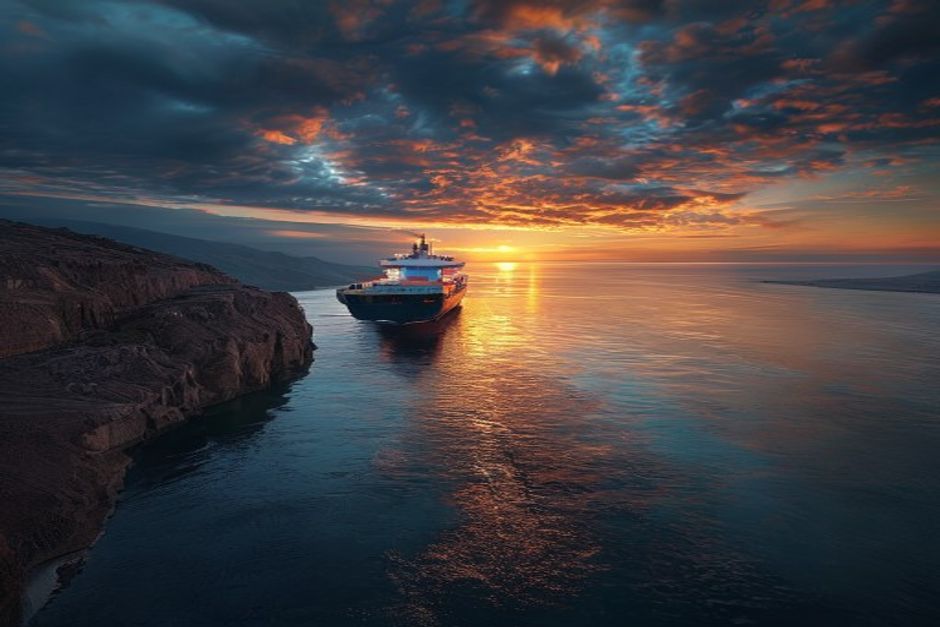
In a significant geopolitical analysis, Professor Cyrus Schayegh of the Geneva Graduate Institute suggests that Iran's strategic leverage over the Strait of Hormuz, combined with mounting pressure from Gulf states, could compellingly steer the United States back towards renewed negotiations. The Strait of Hormuz, a vital chokepoint for global oil trade, represents a critical area where Iran holds considerable influence.
The Hormuz Factor
Professor Schayegh, speaking to Al Jazeera, highlighted that Iran's ability to potentially disrupt shipping in the Strait is a powerful card it can play. This capability, coupled with the unified stance of several Gulf nations seeking de-escalation and stability, creates a complex diplomatic landscape. The article suggests that the US, facing potential regional instability and economic repercussions stemming from any Hormuz blockade, might find a negotiated settlement more appealing than continued confrontation.
Shifting US Policy?
The analysis implies a potential shift in US foreign policy calculus. While specific details of the pressure from Gulf states were not elaborated upon, the underlying message points to a concerted diplomatic effort by regional actors to prevent further escalation. This could involve assurances of security, economic cooperation, or even joint initiatives to ensure freedom of navigation, contingent on diplomatic progress with Iran. The piece hints that figures like JD Vance have previously spoken about seeking diplomatic solutions, which could align with this pressure. The ultimate goal, according to the analysis, is to avoid a direct conflict and find a path back to the negotiating table, potentially revisiting aspects of past deals or memoranda of understanding.
The situation remains fluid, with international observers closely monitoring any developments. The professor’s insights suggest that the strategic importance of the Strait of Hormuz cannot be underestimated in shaping international diplomacy and potentially forcing a return to dialogue, even in the face of heightened tensions.
जिनेवा ग्रेजुएट इंस्टीट्यूट के अंतर्राष्ट्रीय इतिहास और राजनीति के प्रोफेसर सायरस शयेघ ने अल जज़ीरा को बताया है कि जलडमरूमध्य होर्मुज पर ईरान का प्रभाव और खाड़ी राज्यों का दबाव अमेरिका को वार्ता की ओर वापस धकेल सकता है। जलडमरूमध्य होर्मुज, वैश्विक तेल व्यापार के लिए एक महत्वपूर्ण कड़ी है, यह एक महत्वपूर्ण क्षेत्र का प्रतिनिधित्व करता है जहां ईरान का महत्वपूर्ण प्रभाव है।
होर्मुज का प्रभाव
प्रोफेसर शयेघ ने अल जज़ीरा से बात करते हुए इस बात पर प्रकाश डाला कि जलडमरूमध्य में शिपिंग को संभावित रूप से बाधित करने की ईरान की क्षमता एक शक्तिशाली कार्ड है जिसे वह खेल सकता है। यह क्षमता, कई खाड़ी देशों के वि-वृद्धि और स्थिरता की तलाश वाले एकीकृत रुख के साथ मिलकर, एक जटिल कूटनीतिक परिदृश्य बनाती है। लेख का सुझाव है कि अमेरिका, होर्मुज नाकाबंदी से उत्पन्न संभावित क्षेत्रीय अस्थिरता और आर्थिक परिणामों का सामना करते हुए, निरंतर टकराव की तुलना में एक बातचीत समाधान अधिक आकर्षक पा सकता है।
अमेरिकी नीति में बदलाव?
विश्लेषण अमेरिकी विदेश नीति के कैलकुलस में एक संभावित बदलाव का अर्थ है। जबकि खाड़ी राज्यों के दबाव के विशिष्ट विवरणों पर विस्तार से नहीं बताया गया था, अंतर्निहित संदेश क्षेत्रीय अभिनेताओं द्वारा आगे बढ़ने से रोकने के लिए एक संयुक्त कूटनीतिक प्रयास की ओर इशारा करता है। इसमें सुरक्षा के आश्वासन, आर्थिक सहयोग, या यहां तक कि ईरान के साथ कूटनीतिक प्रगति पर निर्भर नेविगेशन की स्वतंत्रता सुनिश्चित करने के लिए संयुक्त पहल शामिल हो सकती है। यह लेख इशारा करता है कि जेडी वेंस जैसे शख्सियतों ने पहले राजनयिक समाधान की मांग के बारे में बात की है, जो इस दबाव के साथ संरेखित हो सकता है। विश्लेषण के अनुसार, अंतिम लक्ष्य प्रत्यक्ष संघर्ष से बचना और बातचीत की मेज पर लौटने का रास्ता खोजना है, संभावित रूप से पिछले सौदों या समझ के ज्ञापनों के पहलुओं पर फिर से विचार करना है।
स्थिति तरल बनी हुई है, और अंतरराष्ट्रीय पर्यवेक्षक किसी भी विकास की बारीकी से निगरानी कर रहे हैं। प्रोफेसर की अंतर्दृष्टि से पता चलता है कि जलडमरूमध्य होर्मुज के रणनीतिक महत्व को अंतरराष्ट्रीय कूटनीति को आकार देने और संभावित रूप से बढ़े हुए तनावों के बावजूद संवाद की वापसी को मजबूर करने में कम करके नहीं आंका जा सकता है।
जिनेवा ग्रेजुएट इन्स्टिट्यूटचे आंतरराष्ट्रीय इतिहास आणि राजकारणचे प्राध्यापक सायरस शयेघ यांनी अल जजीरा सांगितले आहे की, होर्मुजच्या सामुद्रधुनीवर इराणचे सामरिक वर्चस्व आणि आखाती राष्ट्रांचा दबाव अमेरिकेला पुन्हा वाटाघाटीकडे ढकलण्याची शक्यता आहे. होर्मुजची सामुद्रधुनी, जागतिक तेल व्यापारासाठी एक महत्त्वपूर्ण मार्ग आहे, आणि इराण जिथे लक्षणीय प्रभाव ठेवते असे एक गंभीर क्षेत्र आहे.
होर्मुजचा घटक
प्राध्यापक शयेघ यांनी अल जजीराशी बोलताना यावर भर दिला की, होर्मुज सामुद्रधुनीतील सागरी वाहतूक संभाव्यतः विस्कळीत करण्याची इराणची क्षमता हा एक शक्तिशाली पैलू आहे. या क्षमतेसह, अनेक आखाती देशांचे शांतता आणि स्थिरता वाढवण्यासाठी असलेले एकीकृत भूमिका, एक जटिल राजनैतिक परिस्थिती निर्माण करते. लेखाचा असा अंदाज आहे की, होर्मुज नाकेबंदीमुळे उद्भवणाऱ्या संभाव्य प्रादेशिक अस्थिरता आणि आर्थिक परिणामांना सामोरे जात असताना, अमेरिकेला सततच्या संघर्षाऐवजी वाटाघाटीने तोडगा काढणे अधिक आकर्षक वाटू शकते.
अमेरिकेच्या धोरणात बदल?
विश्लेषण हे अमेरिकेच्या परराष्ट्र धोरणाच्या गणनेत संभाव्य बदल सूचित करते. आखाती राष्ट्रांच्या दबावाचे विशिष्ट तपशील न मांडले गेले असले तरी, मूळ संदेश हा प्रादेशिक घटकांकडून तणाव वाढण्यापासून रोखण्यासाठी एक एकत्रित राजनैतिक प्रयत्नाकडे निर्देश करतो. यामध्ये सुरक्षेची हमी, आर्थिक सहकार्य किंवा इराणसोबत राजनैतिक प्रगतीवर अवलंबून असलेल्या नौकानयन स्वातंत्र्याची खात्री करण्यासाठी संयुक्त उपक्रम यांचा समावेश असू शकतो. हा लेख सूचित करतो की जेडी वान्स सारख्या व्यक्तींनी यापूर्वी राजनैतिक उपायांचा शोध घेण्याबद्दल बोलले आहे, जे या दबावाशी जुळू शकते. या विश्लेषणाaccordingly, अंतिम ध्येय थेट संघर्ष टाळणे आणि वाटाघाटीच्या टेबलावर परत जाण्याचा मार्ग शोधणे आहे, शक्यतो मागील सौदे किंवा सामंजस्य करारांच्या पैलूंवर पुन्हा विचार करणे.
परिस्थिती अजूनही अस्थिर आहे आणि आंतरराष्ट्रीय निरीक्षक कोणत्याही घडामोडींवर बारकाईने लक्ष ठेवून आहेत. प्राध्यापकांच्या अंतर्दृष्टीनुसार, होर्मुज सामुद्रधुनीचे सामरिक महत्त्व आंतरराष्ट्रीय राजकारण आकारण्यात आणि वाढत्या तणावामध्येही संवादाची परतफेड भाग पाडण्यात कमी लेखता येणार नाही.
জেনেভা গ্র্যাজুয়েট ইনস্টিটিউটের আন্তর্জাতিক ইতিহাস ও রাজনীতির অধ্যাপক সাইরাস শায়েঘ আল জাজিরাকে বলেছেন যে, হরমুজ প্রণালীর উপর ইরানের কৌশলগত সুবিধা এবং উপসাগরীয় দেশগুলোর চাপ যুক্তরাষ্ট্রকে আলোচনার টেবিলে ফিরিয়ে আনতে পারে। হরমুজ প্রণালী বিশ্বব্যাপী তেল বাণিজ্যের একটি অত্যাবশ্যকীয় জলপথ, এবং এটি একটি গুরুত্বপূর্ণ অঞ্চল যেখানে ইরানের উল্লেখযোগ্য প্রভাব রয়েছে।
হরমুজ ফ্যাক্টর
অধ্যাপক শায়েঘ আল জাজিরাকে বলেন, হরমুজ প্রণালীতে জাহাজ চলাচল ব্যাহত করার ইরানের ক্ষমতা একটি শক্তিশালী তাস যা তারা ব্যবহার করতে পারে। এই ক্ষমতা, আঞ্চলিক স্থিতিশীলতা এবং উত্তেজনা হ্রাস করতে ইচ্ছুক বেশ কয়েকটি উপসাগরীয় দেশের একত্রিত অবস্থানের সাথে মিলে, একটি জটিল কূটনৈতিক পরিস্থিতি তৈরি করে। এই নিবন্ধে ইঙ্গিত দেওয়া হয়েছে যে, হরমুজ অবরোধের ফলে সম্ভাব্য আঞ্চলিক অস্থিতিশীলতা এবং অর্থনৈতিক প্রভাবের মুখোমুখি হয়ে, যুক্তরাষ্ট্র চলমান সংঘাতের চেয়ে আলোচনার মাধ্যমে সমাধান খুঁজে বের করতে বেশি আগ্রহী হতে পারে।
আমেরিকার নীতিতে পরিবর্তন?
এই বিশ্লেষণটি মার্কিন পররাষ্ট্রনীতিতে একটি সম্ভাব্য পরিবর্তনের ইঙ্গিত দেয়। যদিও উপসাগরীয় দেশগুলোর চাপের নির্দিষ্ট বিবরণ বিস্তারিতভাবে জানানো হয়নি, তবে অন্তর্নিহিত বার্তাটি উত্তেজনা বৃদ্ধি রোধে আঞ্চলিক অভিনেতাদের দ্বারা একটি সমন্বিত কূটনৈতিক প্রচেষ্টার দিকে নির্দেশ করে। এর মধ্যে ইরানের সাথে কূটনৈতিক অগ্রগতির উপর নির্ভর করে নিরাপত্তার আশ্বাস, অর্থনৈতিক সহযোগিতা বা এমনকি নৌ চলাচলের স্বাধীনতা নিশ্চিত করার জন্য যৌথ উদ্যোগ অন্তর্ভুক্ত থাকতে পারে। নিবন্ধটি ইঙ্গিত দেয় যে জেডি ভান্সের মতো ব্যক্তিত্বরা পূর্বে কূটনৈতিক সমাধানের সন্ধান সম্পর্কে কথা বলেছেন, যা এই চাপের সাথে সামঞ্জস্যপূর্ণ হতে পারে। বিশ্লেষণ অনুসারে, চূড়ান্ত লক্ষ্য হল একটি প্রত্যক্ষ সংঘাত এড়ানো এবং আলোচনার টেবিলে ফিরে যাওয়ার পথ খুঁজে বের করা, সম্ভবত অতীতের চুক্তি বা সমঝোতার বিষয়গুলি পুনর্বিবেচনা করা।
পরিস্থিতি এখনও পরিবর্তনশীল, এবং আন্তর্জাতিক পর্যবেক্ষকরা যে কোনও উন্নয়নের উপর নিবিড়ভাবে নজর রাখছেন। অধ্যাপকের অন্তর্দৃষ্টি ইঙ্গিত দেয় যে হরমুজ প্রণালীর কৌশলগত গুরুত্ব আন্তর্জাতিক কূটনীতিকে রূপ দেওয়ার ক্ষেত্রে এবং বর্ধিত উত্তেজনা সত্ত্বেও সম্ভাব্যভাবে সংলাপের প্রত্যাবর্তনকে বাধ্য করার ক্ষেত্রে কম করে দেখা যায় না।
ஜெனீவா கிராஜுவேட் இன்ஸ்டிடியூட்டின் சர்வதேச வரலாறு மற்றும் அரசியல் பேராசிரியர் சையரஸ் ஷயேக், அல் ஜசீராவிடம் கூறுகையில், ஹோர்முஸ் ஜலசந்தியில் ஈரானின் மூலோபாய செல்வாக்கு மற்றும் வளைகுடா நாடுகளின் அழுத்தம் அமெரிக்காவை மீண்டும் பேச்சுவார்த்தைக்குத் திரும்பத் தூண்டக்கூடும். ஹோர்முஸ் ஜலசந்தி, உலகளாவிய எண்ணெய் வர்த்தகத்திற்கான ஒரு முக்கியப் பாதையாகும், இது ஈரான் கணிசமான செல்வாக்கைக் கொண்டிருக்கும் ஒரு முக்கியமான பகுதியாகும்.
ஹோர்முஸ் காரணி
பேராசிரியர் ஷயேக் அல் ஜசீராவிடம் பேசுகையில், ஹோர்முஸ் ஜலசந்தியில் கப்பல் போக்குவரத்தை சீர்குலைக்கும் ஈரானின் திறன் ஒரு சக்திவாய்ந்த காரணி என்பதை எடுத்துரைத்தார். இந்த திறன், பிராந்திய ஸ்திரத்தன்மை மற்றும் பதட்டங்களைத் தணிக்க விரும்பும் பல வளைகுடா நாடுகளின் ஒருங்கிணைந்த நிலைப்பாட்டுடன் இணைந்து, ஒரு சிக்கலான இராஜதந்திர சூழலை உருவாக்குகிறது. ஹோர்முஸ் முற்றுகையிலிருந்து எழும் சாத்தியமான பிராந்திய உறுதியற்ற தன்மை மற்றும் பொருளாதார விளைவுகளை எதிர்கொள்ளும் அமெரிக்கா, தொடர்ச்சியான மோதல்களை விட பேச்சுவார்த்தை மூலம் தீர்வு காண்பதை மிகவும் கவர்ச்சிகரமானதாகக் காணலாம் என்று கட்டுரை சுட்டிக்காட்டுகிறது.
அமெரிக்க கொள்கையில் மாற்றம்?
இந்த பகுப்பாய்வு அமெரிக்க வெளியுறவுக் கொள்கையின் கணக்கீட்டில் ஒரு சாத்தியமான மாற்றத்தைக் குறிக்கிறது. வளைகுடா நாடுகளின் அழுத்தத்தின் குறிப்பிட்ட விவரங்கள் விரிவாகக் கூறப்படவில்லை என்றாலும், அடிப்படைச் செய்தி என்னவென்றால், பிராந்திய நடிகர்கள் பதற்றங்கள் மேலும் அதிகரிப்பதைத் தடுக்க ஒருங்கிணைந்த இராஜதந்திர முயற்சியில் ஈடுபட்டுள்ளனர். இதில் ஈரானுடன் இராஜதந்திர முன்னேற்றத்தைப் பொறுத்து பாதுகாப்பு உத்தரவாதங்கள், பொருளாதார ஒத்துழைப்பு அல்லது வழிசெலுத்தல் சுதந்திரத்தை உறுதி செய்வதற்கான கூட்டு முயற்சிகள் ஆகியவை அடங்கும். JD Vance போன்ற புள்ளிவிவரங்கள் இதற்கு முன்னர் இராஜதந்திர தீர்வுகளைத் தேடுவது பற்றி பேசியுள்ளன, இது இந்த அழுத்தத்துடன் ஒத்துப்போகக்கூடும் என்று கட்டுரை சுட்டிக்காட்டுகிறது. பகுப்பாய்வின்படி, இறுதி இலக்கு ஒரு நேரடி மோதலைத் தவிர்ப்பதும், பேச்சுவார்த்தை மேசைக்குத் திரும்புவதற்கான வழியைக் கண்டறிவதும் ஆகும், இது கடந்தகால ஒப்பந்தங்கள் அல்லது புரிதல் ஒப்பந்தங்களின் அம்சங்களை மீண்டும் பரிசீலிக்கக்கூடும்.
நிலைமை இன்னும் மாறக்கூடியதாக உள்ளது, சர்வதேச பார்வையாளர்கள் எந்தவொரு முன்னேற்றத்தையும் உன்னிப்பாகக் கண்காணித்து வருகின்றனர். ஹோர்முஸ் ஜலசந்தியின் மூலோபாய முக்கியத்துவம் சர்வதேச இராஜதந்திரத்தை வடிவமைப்பதிலும், அதிகரித்த பதட்டங்களுக்கு மத்தியிலும் பேச்சுவார்த்தைக்கு திரும்புவதைத் தூண்டுவதிலும் குறைத்து மதிப்பிட முடியாது என்பதை பேராசிரியரின் நுண்ணறிவு காட்டுகிறது.
జనీవా గ్రాడ్యుయేట్ ఇన్స్టిట్యూట్ యొక్క అంతర్జాతీయ చరిత్ర మరియు రాజకీయాల ప్రొఫెసర్ సైరస్ షాయేగ్, అల్ జజీరాకు మాట్లాడుతూ, హార్మోజ్ జలసంధిపై ఇరాన్ యొక్క వ్యూహాత్మక ఆధిక్యత మరియు గల్ఫ్ దేశాల ఒత్తిడి అమెరికాను చర్చలకు తిరిగి వచ్చేలా చేయగలదని తెలిపారు. హార్మోజ్ జలసంధి, ప్రపంచ చమురు వాణిజ్యానికి కీలకమైన మార్గం, ఇది ఇరాన్ గణనీయమైన ప్రభావాన్ని కలిగి ఉన్న ఒక ముఖ్యమైన ప్రాంతం.
హార్మోజ్ కారకం
ప్రొఫెసర్ షాయేగ్ అల్ జజీరాతో మాట్లాడుతూ, హార్మోజ్ జలసంధిలో నౌకాయానాన్ని దెబ్బతీసే ఇరాన్ సామర్థ్యం ఒక శక్తివంతమైన కార్డు అని నొక్కి చెప్పారు. ఈ సామర్థ్యం, అనేక గల్ఫ్ దేశాల స్థిరత్వం మరియు ఉద్రిక్తతలను తగ్గించే ఏకీకృత వైఖరితో కలిసి, ఒక సంక్లిష్టమైన దౌత్యపరమైన వాతావరణాన్ని సృష్టిస్తుంది. ఈ వ్యాసం ప్రకారం, హార్మోజ్ దిగ్బంధనం నుండి తలెత్తే సంభావ్య ప్రాంతీయ అస్థిరత మరియు ఆర్థిక పరిణామాలను ఎదుర్కొంటున్న అమెరికా, కొనసాగుతున్న సంఘర్షణ కంటే చర్చల ద్వారా పరిష్కారాన్ని మరింత ఆకర్షణీయంగా కనుగొనవచ్చు.
US విధానంలో మార్పు?
ఈ విశ్లేషణ US విదేశాంగ విధానం యొక్క గణనలో ఒక సంభావ్య మార్పును సూచిస్తుంది. గల్ఫ్ దేశాల ఒత్తిడి యొక్క నిర్దిష్ట వివరాలు విస్తృతంగా పేర్కొనబడనప్పటికీ, అంతర్లీన సందేశం ఏమిటంటే, ప్రాంతీయ నటులు ఉద్రిక్తతలను మరింత పెంచకుండా నిరోధించడానికి సమన్వయంతో కూడిన దౌత్య ప్రయత్నం చేస్తున్నారు. ఇందులో ఇరాన్తో దౌత్యపరమైన పురోగతిపై ఆధారపడి భద్రతా హామీలు, ఆర్థిక సహకారం లేదా నావిగేషన్ స్వేచ్ఛను నిర్ధారించడానికి ఉమ్మడి కార్యక్రమాలు ఉంటాయి. JD Vance వంటి వ్యక్తులు గతంలో దౌత్యపరమైన పరిష్కారాల కోసం వెతకడం గురించి మాట్లాడినట్లు ఈ వ్యాసం సూచిస్తుంది, ఇది ఈ ఒత్తిడితో సరిపోతుంది. విశ్లేషణ ప్రకారం, తుది లక్ష్యం ప్రత్యక్ష సంఘర్షణను నివారించడం మరియు చర్చల బల్ల వద్దకు తిరిగి వెళ్ళడానికి మార్గాన్ని కనుగొనడం, బహుశా గత ఒప్పందాలు లేదా అవగాహన మెమోరాండంల అంశాలను పునఃపరిశీలించడం.
పరిస్థితి ఇంకా అస్థిరంగా ఉంది, అంతర్జాతీయ పరిశీలకులు ఏ పరిణామాలనైనా నిశితంగా గమనిస్తున్నారు. హార్మోజ్ జలసంధి యొక్క వ్యూహాత్మక ప్రాముఖ్యత అంతర్జాతీయ దౌత్యానికి రూపాన్ని ఇవ్వడంలో మరియు పెరుగుతున్న ఉద్రిక్తతల మధ్య సంభాషణను తిరిగి తీసుకురావడంలో తక్కువ అంచనా వేయలేదని ప్రొఫెసర్ యొక్క అంతర్దృష్టులు చూపుతాయి.
જિનીવા ગ્રેજ્યુએટ ઇન્સ્ટિટ્યૂટના ઇન્ટરનેશનલ હિસ્ટ્રી એન્ડ પોલિટિક્સના પ્રોફેસર સાયરસ શેઘે અલ જઝીરાને જણાવ્યું છે કે, હોર્મુઝની સામુદ્રધુની પર ઈરાનનું વ્યૂહાત્મક લિવરેજ અને ગલ્ફ રાજ્યો તરફથી દબાણ યુએસને ફરીથી વાટાઘાટો પર પાછા ફરવા દબાણ કરી શકે છે. હોર્મુઝની સામુદ્રધુની, વૈશ્વિક તેલ વેપાર માટે એક મહત્વપૂર્ણ ચેકપોઇન્ટ છે, તે એક નિર્ણાયક ક્ષેત્ર છે જ્યાં ઈરાન નોંધપાત્ર પ્રભાવ ધરાવે છે.
હોર્મુઝ પરિબળ
પ્રોફેસર શેઘે અલ જઝીરા સાથે વાત કરતા જણાવ્યું હતું કે, હોર્મુઝની સામુદ્રધુનીમાં શિપિંગને સંભવિતપણે વિક્ષેપિત કરવાની ઈરાનની ક્ષમતા એક શક્તિશાળી કાર્ડ છે જેનો તે ઉપયોગ કરી શકે છે. આ ક્ષમતા, કેટલાક ગલ્ફ દેશોના સ્થિરીકરણ અને તણાવ ઘટાડવાની એકીકૃત સ્થિતિ સાથે મળીને, એક જટિલ રાજદ્વારી પરિદ્રશ્ય બનાવે છે. લેખ સૂચવે છે કે યુએસ, હોર્મુઝ નાકાબંધીથી ઉદ્ભવતા સંભવિત પ્રાદેશિક અસ્થિરતા અને આર્થિક પરિણામોનો સામનો કરી રહ્યું છે, સતત સંઘર્ષ કરતાં વાટાઘાટો દ્વારા સમાધાનને વધુ આકર્ષક શોધી શકે છે.
યુએસ નીતિમાં ફેરફાર?
આ વિશ્લેષણ યુએસ વિદેશ નીતિના ગણતરીમાં સંભવિત ફેરફાર સૂચવે છે. જ્યારે ગલ્ફ રાજ્યોના દબાણની ચોક્કસ વિગતો વિસ્તૃત રીતે જણાવવામાં આવી નથી, ત્યારે અંતર્ગત સંદેશ પ્રાદેશિક અભિનેતાઓ દ્વારા તણાવ વધુ વધતો અટકાવવા માટે એક સંકલિત રાજદ્વારી પ્રયાસ તરફ નિર્દેશ કરે છે. આમાં ઈરાન સાથે રાજદ્વારી પ્રગતિ પર આધાર રાખીને સુરક્ષાની ખાતરીઓ, આર્થિક સહયોગ અથવા નેવિગેશનની સ્વતંત્રતા સુનિશ્ચિત કરવા માટે સંયુક્ત પહેલનો સમાવેશ થઈ શકે છે. લેખ સૂચવે છે કે JD Vance જેવા વ્યક્તિઓએ અગાઉ રાજદ્વારી ઉકેલો શોધવા વિશે વાત કરી છે, જે આ દબાણ સાથે સુસંગત હોઈ શકે છે. વિશ્લેષણ મુજબ, અંતિમ ધ્યેય સીધા સંઘર્ષને ટાળવાનો અને વાટાઘાટોની ટેબલ પર પાછા ફરવાનો માર્ગ શોધવાનો છે, સંભવતઃ ભૂતકાળના સોદા અથવા સમજૂતીના મેમોરેન્ડમના પાસાઓ પર પુનર્વિચાર કરવો.
પરિસ્થિતિ હજુ પણ પ્રવાહી છે, અને આંતરરાષ્ટ્રીય નિરીક્ષકો કોઈપણ વિકાસ પર નજીકથી નજર રાખી રહ્યા છે. પ્રોફેસરની આંતરદૃષ્ટિ સૂચવે છે કે હોર્મુઝની સામુદ્રધુનીનું વ્યૂહાત્મક મહત્વ આંતરરાષ્ટ્રીય રાજદ્વારીને આકાર આપવામાં અને સંભવતઃ વધતા તણાવ વચ્ચે સંવાદની પુનઃપ્રાપ્તિને ફરજ પાડવામાં ઓછો આંકી શકાતો નથી.
ਜੇਨੇਵਾ ਗ੍ਰੈਜੂਏਟ ਇੰਸਟੀਚਿਊਟ ਦੇ ਅੰਤਰਰਾਸ਼ਟਰੀ ਇਤਿਹਾਸ ਅਤੇ ਰਾਜਨੀਤੀ ਦੇ ਪ੍ਰੋਫੈਸਰ ਸਾਈਰਸ ਸ਼ਾਏਘ ਨੇ ਅਲ ਜਜ਼ੀਰਾ ਨੂੰ ਦੱਸਿਆ ਹੈ ਕਿ, ਹਾਰਮੂਜ਼ ਦੀ ਖਾੜੀ 'ਤੇ ਈਰਾਨ ਦੀ ਰਣਨੀਤਕ ਪકડ ਅਤੇ ਖਾੜੀ ਦੇਸ਼ਾਂ ਦਾ ਦਬਾਅ ਅਮਰੀਕਾ ਨੂੰ ਗੱਲਬਾਤ 'ਤੇ ਵਾਪਸ ਆਉਣ ਲਈ ਮਜਬੂਰ ਕਰ ਸਕਦਾ ਹੈ। ਹਾਰਮੂਜ਼ ਦੀ ਖਾੜੀ, ਵਿਸ਼ਵ ਤੇਲ ਵਪਾਰ ਲਈ ਇੱਕ ਮਹੱਤਵਪੂਰਨ ਜਲ-ਡਮਰੂਮੱਧ ਹੈ, ਇਹ ਇੱਕ ਮਹੱਤਵਪੂਰਨ ਖੇਤਰ ਹੈ ਜਿੱਥੇ ਈਰਾਨ ਦਾ ਕਾਫ਼ੀ ਪ੍ਰਭਾਵ ਹੈ।
ਹਾਰਮੂਜ਼ ਦਾ ਕਾਰਕ
ਪ੍ਰੋਫੈਸਰ ਸ਼ਾਏਘ ਨੇ ਅਲ ਜਜ਼ੀਰਾ ਨਾਲ ਗੱਲਬਾਤ ਕਰਦਿਆਂ ਇਸ ਗੱਲ 'ਤੇ ਜ਼ੋਰ ਦਿੱਤਾ ਕਿ ਹਾਰਮੂਜ਼ ਦੀ ਖਾੜੀ ਵਿੱਚ ਜਹਾਜ਼ਾਂ ਦੀ ਆਵਾਜਾਈ ਨੂੰ ਸੰਭਾਵੀ ਤੌਰ 'ਤੇ ਵਿਘਨ ਪਾਉਣ ਦੀ ਈਰਾਨ ਦੀ ਸਮਰੱਥਾ ਇੱਕ ਸ਼ਕਤੀਸ਼ਾਲੀ ਕਾਰਡ ਹੈ ਜੋ ਉਹ ਵਰਤ ਸਕਦਾ ਹੈ। ਇਹ ਸਮਰੱਥਾ, ਖੇਤਰੀ ਸਥਿਰਤਾ ਅਤੇ ਤਣਾਅ ਘਟਾਉਣ ਦੀ ਇੱਛਾ ਰੱਖਣ ਵਾਲੇ ਕਈ ਖਾੜੀ ਦੇਸ਼ਾਂ ਦੀ ਏਕਤਾ ਵਾਲੀ ਸਥਿਤੀ ਨਾਲ ਮਿਲ ਕੇ, ਇੱਕ ਗੁੰਝਲਦਾਰ ਕੂਟਨੀਤਕ ਦ੍ਰਿਸ਼ ਬਣਾਉਂਦੀ ਹੈ। ਲੇਖ ਸੁਝਾਅ ਦਿੰਦਾ ਹੈ ਕਿ ਅਮਰੀਕਾ, ਹਾਰਮੂਜ਼ ਦੀ ਨਾਕਾਬੰਦੀ ਤੋਂ ਪੈਦਾ ਹੋਣ ਵਾਲੀ ਸੰਭਾਵੀ ਖੇਤਰੀ ਅਸਥਿਰਤਾ ਅਤੇ ਆਰਥਿਕ ਨਤੀਜਿਆਂ ਦਾ ਸਾਹਮਣਾ ਕਰ ਰਿਹਾ ਹੈ, ਨਿਰੰਤਰ ਸੰਘਰਸ਼ ਦੀ ਬਜਾਏ ਗੱਲਬਾਤ ਦੁਆਰਾ ਹੱਲ ਨੂੰ ਵਧੇਰੇ ਆਕਰਸ਼ਕ ਪਾ ਸਕਦਾ ਹੈ।
ਅਮਰੀਕੀ ਨੀਤੀ ਵਿੱਚ ਬਦਲਾਅ?
ਇਹ ਵਿਸ਼ਲੇਸ਼ਣ ਅਮਰੀਕੀ ਵਿਦੇਸ਼ ਨੀਤੀ ਦੀ ਗਣਨਾ ਵਿੱਚ ਇੱਕ ਸੰਭਾਵੀ ਬਦਲਾਅ ਦਾ ਸੰਕੇਤ ਦਿੰਦਾ ਹੈ। ਹਾਲਾਂਕਿ ਖਾੜੀ ਦੇਸ਼ਾਂ ਦੇ ਦਬਾਅ ਦੇ ਖਾਸ ਵੇਰਵੇ ਵਿਸਥਾਰ ਵਿੱਚ ਨਹੀਂ ਦੱਸੇ ਗਏ ਹਨ, ਪਰ ਇਸ ਦਾ ਅੰਤਰੀਵ ਸੰਦੇਸ਼ ਖੇਤਰੀ ਅਦਾਕਾਰਾਂ ਦੁਆਰਾ ਤਣਾਅ ਨੂੰ ਹੋਰ ਵਧਾਉਣ ਤੋਂ ਰੋਕਣ ਲਈ ਇੱਕ ਸੰਗਠਿਤ ਕੂਟਨੀਤਕ ਯਤਨ ਵੱਲ ਇਸ਼ਾਰਾ ਕਰਦਾ ਹੈ। ਇਸ ਵਿੱਚ ਈਰਾਨ ਨਾਲ ਕੂਟਨੀਤਕ ਤਰੱਕੀ 'ਤੇ ਨਿਰਭਰ ਕਰਦਿਆਂ ਸੁਰੱਖਿਆ ਦੀ ਗਾਰੰਟੀ, ਆਰਥਿਕ ਸਹਿਯੋਗ, ਜਾਂ ਨੈਵੀਗੇਸ਼ਨ ਦੀ ਆਜ਼ਾਦੀ ਨੂੰ ਯਕੀਨੀ ਬਣਾਉਣ ਲਈ ਸਾਂਝੇ ਉਪਰਾਲੇ ਸ਼ਾਮਲ ਹੋ ਸਕਦੇ ਹਨ। ਇਹ ਲੇਖ ਸੁਝਾਅ ਦਿੰਦਾ ਹੈ ਕਿ ਜੇ.ਡੀ. ਵੈਨਸ ਵਰਗੇ ਵਿਅਕਤੀਆਂ ਨੇ ਪਹਿਲਾਂ ਵੀ ਕੂਟਨੀਤਕ ਹੱਲਾਂ ਦੀ ਤਲਾਸ਼ ਬਾਰੇ ਗੱਲ ਕੀਤੀ ਹੈ, ਜੋ ਇਸ ਦਬਾਅ ਨਾਲ ਮੇਲ ਖਾਂਦਾ ਹੋ ਸਕਦਾ ਹੈ। ਵਿਸ਼ਲੇਸ਼ਣ ਅਨੁਸਾਰ, ਅੰਤਿਮ ਟੀਚਾ ਇੱਕ ਸਿੱਧਾ ਸੰਘਰਸ਼ ਤੋਂ ਬਚਣਾ ਅਤੇ ਗੱਲਬਾਤ ਦੀ ਮੇਜ਼ 'ਤੇ ਵਾਪਸ ਆਉਣ ਦਾ ਰਾਹ ਲੱਭਣਾ ਹੈ, ਸੰਭਵ ਤੌਰ 'ਤੇ ਪਿਛਲੇ ਸੌਦਿਆਂ ਜਾਂ ਸਮਝੌਤਿਆਂ ਦੇ ਪਹਿਲੂਆਂ 'ਤੇ ਮੁੜ ਵਿਚਾਰ ਕਰਨਾ।
ਸਥਿਤੀ ਅਜੇ ਵੀ ਅਸਥਿਰ ਹੈ, ਅਤੇ ਅੰਤਰਰਾਸ਼ਟਰੀ ਨਿਗਰਾਨ ਕਿਸੇ ਵੀ ਵਿਕਾਸ 'ਤੇ ਨੇੜਤਾ ਨਾਲ ਨਜ਼ਰ ਰੱਖ ਰਹੇ ਹਨ। ਪ੍ਰੋਫੈਸਰ ਦੀ ਸੂਝ-ਬੂਝ ਦਰਸਾਉਂਦੀ ਹੈ ਕਿ ਹਾਰਮੂਜ਼ ਦੀ ਖਾੜੀ ਦੀ ਰਣਨੀਤਕ ਮਹੱਤਤਾ ਨੂੰ ਅੰਤਰਰਾਸ਼ਟਰੀ ਕੂਟਨੀਤੀ ਨੂੰ ਆਕਾਰ ਦੇਣ ਅਤੇ ਸੰਭਵ ਤੌਰ 'ਤੇ ਵਧਦੇ ਤਣਾਅ ਦੇ ਬਾਵਜੂਦ ਗੱਲਬਾਤ ਦੀ ਵਾਪਸੀ ਨੂੰ ਮਜਬੂਰ ਕਰਨ ਵਿੱਚ ਘੱਟ ਨਹੀਂ ਸਮਝਿਆ ਜਾ ਸਕਦਾ।

💬 Comments