Breaking News
ताज़ा खबर
ताजी बातमी
সর্বশেষ সংবাদ
சமீபத்திய செய்தி
తాజా వార్త
તાજા સમાચાર
ਤਾਜ਼ਾ ਖ਼ਬਰ
Iran Closes Strategic Strait of Hormuz Citing US Port Blockade
ईरान ने अमेरिकी नाकेबंदी के कारण होर्मुज जलडमरूमध्य को फिर से बंद किया
अमेरिकी नाकेबंदीमुळे इराणने होर्मुझची सामुद्रधुनी पुन्हा बंद केली
মার্কিন অবরোধের জেরে হরমুজ প্রণালী আবারও বন্ধ করল ইরান
அமெரிக்க முற்றுகையால் ஹார்முஸ் நீரிணையை மீண்டும் மூடிய ஈரான்
అమెరికా దిగ్బంధనం కారణంగా హార్ముజ్ జలసంధిని మళ్లీ మూసివేసిన ఇరాన్
અમેરિકી નાકાબંધીને કારણે ઈરાને હોર્મુઝની સામુદ્રધુની ફરી બંધ કરી
ਅਮਰੀਕੀ ਨਾਕਾਬੰਦੀ ਕਾਰਨ ਈਰਾਨ ਨੇ ਹਾਰਮੂਜ਼ ਜਲਡਮਰੂਮੱਧ ਨੂੰ ਫਿਰ ਬੰਦ ਕੀਤਾ
By AI News Desk
🕐 18 April 2026, 04:44 PM
🌍 World
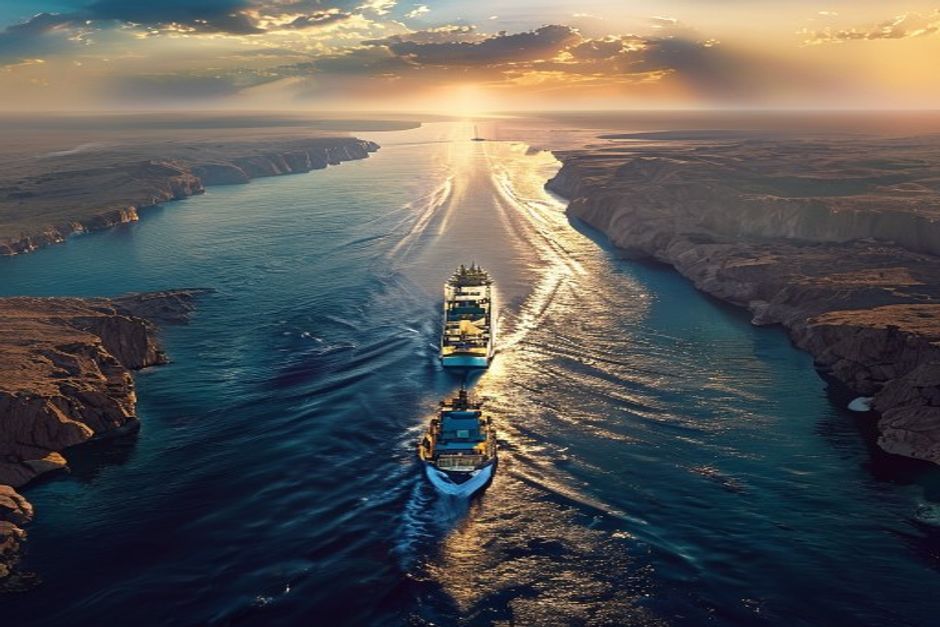
Iran has announced the closure of the Strait of Hormuz once again, citing the United States' persistent blockade of Iranian ports as the primary reason for this drastic measure. This move escalates an already tense geopolitical situation in a critical global maritime choke point. Al Jazeera's Tohid Asadi has provided detailed insights into Iran's official statements and the underlying motivations behind this significant declaration. The decision comes amidst continuous pressure from Washington, aimed at curtailing Iran's oil exports and economic activities, which Tehran views as a direct infringement on its sovereignty and economic stability.
Strategic Importance of the Strait of Hormuz
The Strait of Hormuz is a narrow waterway connecting the Persian Gulf with the Arabian Sea and the Gulf of Oman. It is arguably the world's most important oil transit choke point, through which roughly one-fifth of the world's total oil consumption, and a significant portion of liquefied natural gas (LNG), passes daily. Its closure, even temporarily, has immediate and profound implications for global energy markets, shipping, and international trade. Past threats or actions related to the strait have invariably led to spikes in oil prices and heightened diplomatic efforts. Iran has historically viewed its ability to control or disrupt passage through the strait as a strategic leverage point against external pressures.
Global Ramifications and Escalating Tensions
The re-closure of the Strait of Hormuz will undoubtedly send shockwaves across international markets, potentially driving up crude oil prices and disrupting supply chains globally. For nations heavily reliant on oil imports, particularly in Asia and Europe, this development poses a significant economic threat. Militarily, the strait's closure represents a direct challenge to international shipping rights and could invite a robust response from naval powers committed to ensuring freedom of navigation. The US Fifth Fleet, headquartered in Bahrain, operates extensively in the region, and any sustained disruption would inevitably lead to increased military presence and potential confrontations.
This latest declaration from Tehran underscores the deep-seated friction between Iran and the US. While Iran portrays its action as a defensive response to economic warfare, the international community often views such moves as destabilizing. The situation demands urgent diplomatic engagement to de-escalate tensions and ensure the continued flow of global energy resources. The world watches anxiously as this critical geopolitical saga unfolds, with potential consequences reverberating far beyond the Middle East.
ईरान ने एक बार फिर होर्मुज जलडमरूमध्य को बंद करने की घोषणा की है, जिसमें ईरानी बंदरगाहों की अमेरिकी नाकेबंदी को इस कठोर उपाय का प्राथमिक कारण बताया गया है। यह कदम एक महत्वपूर्ण वैश्विक समुद्री मार्ग पर पहले से ही तनावपूर्ण भू-राजनीतिक स्थिति को और बढ़ा देता है। अल जज़ीरा के तोहिद असादी ने ईरान के आधिकारिक बयानों और इस महत्वपूर्ण घोषणा के पीछे की मूल प्रेरणाओं के बारे में विस्तृत जानकारी प्रदान की है। यह निर्णय वाशिंगटन के लगातार दबाव के बीच आया है, जिसका उद्देश्य ईरान के तेल निर्यात और आर्थिक गतिविधियों को कम करना है, जिसे तेहरान अपनी संप्रभुता और आर्थिक स्थिरता का सीधा उल्लंघन मानता है।
होर्मुज जलडमरूमध्य का रणनीतिक महत्व
होर्मुज जलडमरूमध्य फारस की खाड़ी को अरब सागर और ओमान की खाड़ी से जोड़ने वाला एक संकरा जलमार्ग है। यह संभवतः दुनिया का सबसे महत्वपूर्ण तेल पारगमन चोक बिंदु है, जिसके माध्यम से दुनिया की कुल तेल खपत का लगभग पांचवां हिस्सा, और तरलीकृत प्राकृतिक गैस (एलएनजी) का एक महत्वपूर्ण हिस्सा, प्रतिदिन गुजरता है। इसका बंद होना, भले ही अस्थायी रूप से हो, वैश्विक ऊर्जा बाजारों, शिपिंग और अंतर्राष्ट्रीय व्यापार के लिए तत्काल और गहरा प्रभाव डालता है। अतीत में जलडमरूमध्य से संबंधित खतरों या कार्रवाइयों से हमेशा तेल की कीमतों में वृद्धि हुई है और राजनयिक प्रयासों में तेजी आई है। ईरान ने ऐतिहासिक रूप से जलडमरूमध्य के माध्यम से मार्ग को नियंत्रित या बाधित करने की अपनी क्षमता को बाहरी दबावों के खिलाफ एक रणनीतिक लाभ बिंदु के रूप में देखा है।
वैश्विक प्रभाव और बढ़ते तनाव
होर्मुज जलडमरूमध्य का फिर से बंद होना निस्संदेह अंतरराष्ट्रीय बाजारों में झटके भेजेगा, जिससे कच्चे तेल की कीमतें बढ़ सकती हैं और वैश्विक स्तर पर आपूर्ति श्रृंखला बाधित हो सकती है। तेल आयात पर भारी निर्भर राष्ट्रों, विशेष रूप से एशिया और यूरोप में, के लिए यह विकास एक महत्वपूर्ण आर्थिक खतरा पैदा करता है। सैन्य रूप से, जलडमरूमध्य का बंद होना अंतर्राष्ट्रीय शिपिंग अधिकारों के लिए एक सीधी चुनौती का प्रतिनिधित्व करता है और नौसैनिक शक्तियों से मजबूत प्रतिक्रिया को आमंत्रित कर सकता है जो नौवहन की स्वतंत्रता सुनिश्चित करने के लिए प्रतिबद्ध हैं। बहरीन में मुख्यालय वाला अमेरिकी पांचवां बेड़ा, इस क्षेत्र में बड़े पैमाने पर संचालित होता है, और किसी भी लगातार व्यवधान से अनिवार्य रूप से सैन्य उपस्थिति में वृद्धि और संभावित टकराव होंगे।
तेहरान की यह नवीनतम घोषणा ईरान और अमेरिका के बीच गहरे तनाव को रेखांकित करती है। जबकि ईरान अपनी कार्रवाई को आर्थिक युद्ध के खिलाफ एक रक्षात्मक प्रतिक्रिया के रूप में चित्रित करता है, अंतर्राष्ट्रीय समुदाय अक्सर ऐसे कदमों को अस्थिर करने वाला मानता है। स्थिति को तनाव कम करने और वैश्विक ऊर्जा संसाधनों के निरंतर प्रवाह को सुनिश्चित करने के लिए तत्काल राजनयिक जुड़ाव की आवश्यकता है। दुनिया बेसब्री से देख रही है कि यह महत्वपूर्ण भू-राजनीतिक गाथा कैसे सामने आती है, जिसके संभावित परिणाम मध्य पूर्व से कहीं आगे तक फैल रहे हैं।
इराणने होर्मुझची सामुद्रधुनी पुन्हा एकदा बंद करण्याची घोषणा केली आहे, ज्याचे कारण अमेरिकेने इराणच्या बंदरांवर सुरू ठेवलेली नाकेबंदी हे असल्याचे म्हटले आहे. या निर्णयामुळे जागतिक स्तरावरील एका महत्त्वाच्या समुद्री मार्गावरील आधीच तणावपूर्ण भू-राजकीय परिस्थिती आणखी वाढली आहे. अल जझीराचे तोहिद असादी यांनी इराणच्या अधिकृत निवेदनांची आणि या महत्त्वपूर्ण घोषणेमागील प्रेरणांची सविस्तर माहिती दिली आहे. हा निर्णय वॉशिंग्टनच्या सततच्या दबावाखाली घेण्यात आला आहे, ज्याचा उद्देश इराणच्या तेल निर्यातीला आणि आर्थिक गतिविधींना आळा घालणे आहे. इराणला हे कृत्य त्याच्या सार्वभौमत्वाचे आणि आर्थिक स्थैर्याचे थेट उल्लंघन वाटते.
होर्मुझ सामुद्रधुनीचे सामरिक महत्त्व
होर्मुझची सामुद्रधुनी ही पर्शियन आखात, अरबी समुद्र आणि ओमानच्या आखाताला जोडणारी एक अरुंद जलवाहतूक मार्ग आहे. हा जगातील सर्वात महत्त्वाचा तेल वाहतूक मार्ग मानला जातो, ज्यातून जगाच्या एकूण तेल वापराच्या सुमारे एक-पंचमांश हिस्सा आणि मोठ्या प्रमाणात द्रवीकृत नैसर्गिक वायू (LNG) दररोज जातो. याचे बंद होणे, अगदी तात्पुरते जरी असले तरी, जागतिक ऊर्जा बाजारपेठा, शिपिंग आणि आंतरराष्ट्रीय व्यापारावर त्वरित आणि गंभीर परिणाम करते. भूतकाळात या सामुद्रधुनीशी संबंधित धोक्यांमुळे किंवा कारवाईमुळे तेलाच्या किमतीत वाढ झाली होती आणि मुत्सद्दी प्रयत्नांना वेग आला होता. इराणने ऐतिहासिकदृष्ट्या या सामुद्रधुनीतील वाहतूक नियंत्रित करण्याची किंवा विस्कळीत करण्याची आपली क्षमता बाह्य दबावांविरुद्ध एक सामरिक महत्त्वाचा मुद्दा मानली आहे.
जागतिक परिणाम आणि वाढता तणाव
होर्मुझ सामुद्रधुनीचे पुन्हा बंद होणे निश्चितपणे आंतरराष्ट्रीय बाजारात धक्का देईल, ज्यामुळे कच्च्या तेलाच्या किमती वाढू शकतात आणि जागतिक स्तरावर पुरवठा साखळी विस्कळीत होऊ शकते. तेल आयातीवर मोठ्या प्रमाणावर अवलंबून असलेल्या राष्ट्रांसाठी, विशेषतः आशिया आणि युरोपमध्ये, ही घडामोड एक मोठा आर्थिक धोका निर्माण करते. लष्करीदृष्ट्या, सामुद्रधुनीचे बंद होणे हे आंतरराष्ट्रीय शिपिंग हक्कांना थेट आव्हान आहे आणि यामुळे नौकानयनाच्या स्वातंत्र्याची खात्री देण्यासाठी वचनबद्ध असलेल्या नौदल शक्तींकडून जोरदार प्रतिसादाची शक्यता आहे. बहरीनमध्ये मुख्यालय असलेला यूएस फिफ्थ फ्लीट (अमेरिकेचा पाचवा तांडा) या प्रदेशात मोठ्या प्रमाणावर कार्यरत आहे आणि कोणताही दीर्घकाळ चाललेला व्यत्यय निश्चितपणे लष्करी उपस्थिती आणि संभाव्य संघर्षांना वाढवेल.
तेहरानकडून आलेली ही ताजी घोषणा इराण आणि अमेरिका यांच्यातील खोलवर रुजलेले मतभेद अधोरेखित करते. इराण आपल्या कृतीला आर्थिक युद्धाविरुद्धचा एक बचावात्मक प्रतिसाद म्हणून चित्रित करत असला तरी, आंतरराष्ट्रीय समुदाय अशा पावलांना अनेकदा अस्थिर करणारे मानतो. तणाव कमी करण्यासाठी आणि जागतिक ऊर्जा संसाधनांचा सतत प्रवाह सुनिश्चित करण्यासाठी तातडीच्या मुत्सद्दी हस्तक्षेपाची या परिस्थितीत आवश्यकता आहे. मध्य पूर्वेच्या पलीकडेही याचे संभाव्य परिणाम पसरू शकतात, त्यामुळे संपूर्ण जग या महत्त्वपूर्ण भू-राजकीय घडामोडीकडे चिंतेने पाहत आहे.
মার্কিন যুক্তরাষ্ট্রের ইরানি বন্দরগুলির উপর অব্যাহত অবরোধের কারণে ইরান আবারও হরমুজ প্রণালী বন্ধ করার ঘোষণা দিয়েছে। এই পদক্ষেপ একটি গুরুত্বপূর্ণ বৈশ্বিক সামুদ্রিক পথে আগে থেকেই উত্তেজনাপূর্ণ ভূ-রাজনৈতিক পরিস্থিতিকে আরও বাড়িয়ে তুলেছে। আল জাজিরার তোহিদ আসাদি ইরানের সরকারি বিবৃতি এবং এই গুরুত্বপূর্ণ ঘোষণার পেছনের মূল উদ্দেশ্য সম্পর্কে বিস্তারিত তথ্য দিয়েছেন। এই সিদ্ধান্ত ওয়াশিংটনের ক্রমাগত চাপের মধ্যে এসেছে, যার লক্ষ্য ইরানের তেল রপ্তানি এবং অর্থনৈতিক কার্যক্রম নিয়ন্ত্রণ করা। তেহরান এটিকে তার সার্বভৌমত্ব এবং অর্থনৈতিক স্থিতিশীলতার উপর সরাসরি হস্তক্ষেপ বলে মনে করে।
হরমুজ প্রণালীর কৌশলগত গুরুত্ব
হরমুজ প্রণালী হলো পারস্য উপসাগরকে আরব সাগর এবং ওমান উপসাগরের সাথে সংযোগকারী একটি সংকীর্ণ জলপথ। এটি সম্ভবত বিশ্বের সবচেয়ে গুরুত্বপূর্ণ তেল ট্রানজিট চোক পয়েন্ট, যার মধ্য দিয়ে বিশ্বের মোট তেল ব্যবহারের প্রায় এক-পঞ্চমাংশ, এবং তরলীকৃত প্রাকৃতিক গ্যাস (LNG) এর একটি উল্লেখযোগ্য অংশ প্রতিদিন যাতায়াত করে। এর বন্ধ হওয়া, এমনকি সাময়িকভাবেও, বিশ্বব্যাপী জ্বালানি বাজার, শিপিং এবং আন্তর্জাতিক বাণিজ্যের উপর তাৎক্ষণিক এবং গভীর প্রভাব ফেলে। অতীতে এই প্রণালী সম্পর্কিত হুমকি বা পদক্ষেপগুলো সবসময় তেলের দাম বাড়িয়েছে এবং কূটনৈতিক প্রচেষ্টা তীব্র করেছে। ইরান ঐতিহাসিকভাবে বাইরের চাপের বিরুদ্ধে একটি কৌশলগত সুবিধা হিসাবে প্রণালীর মধ্য দিয়ে চলাচল নিয়ন্ত্রণ বা ব্যাহত করার ক্ষমতাকে দেখেছে।
বৈশ্বিক পরিণতি এবং ক্রমবর্ধমান উত্তেজনা
হরমুজ প্রণালী পুনরায় বন্ধ হয়ে গেলে নিঃসন্দেহে আন্তর্জাতিক বাজারে অস্থিরতা দেখা দেবে, যা অপরিশোধিত তেলের দাম বাড়াতে পারে এবং বিশ্বব্যাপী সরবরাহ শৃঙ্খল ব্যাহত করতে পারে। তেল আমদানির উপর ব্যাপকভাবে নির্ভরশীল দেশগুলির জন্য, বিশেষ করে এশিয়া এবং ইউরোপে, এই উন্নয়ন একটি উল্লেখযোগ্য অর্থনৈতিক হুমকি তৈরি করে। সামরিকভাবে, প্রণালী বন্ধ হওয়া আন্তর্জাতিক শিপিং অধিকারের প্রতি একটি সরাসরি চ্যালেঞ্জ এবং নৌচলাচলের স্বাধীনতা নিশ্চিত করতে প্রতিশ্রুতিবদ্ধ নৌবাহিনীর কাছ থেকে একটি শক্তিশালী প্রতিক্রিয়া ডেকে আনতে পারে। বাহরাইনে সদর দফতর অবস্থিত মার্কিন পঞ্চম নৌবহর (US Fifth Fleet) এই অঞ্চলে ব্যাপকভাবে সক্রিয়, এবং যেকোনো দীর্ঘস্থায়ী ব্যাঘাত অনিবার্যভাবে সামরিক উপস্থিতি বৃদ্ধি এবং সম্ভাব্য সংঘাতের দিকে পরিচালিত করবে।
তেহরানের এই সর্বশেষ ঘোষণা ইরান ও যুক্তরাষ্ট্রের মধ্যে গভীর rooted ঘর্ষণকে তুলে ধরে। যেখানে ইরান তার পদক্ষেপকে অর্থনৈতিক যুদ্ধের বিরুদ্ধে একটি প্রতিরক্ষামূলক প্রতিক্রিয়া হিসাবে চিত্রিত করে, সেখানে আন্তর্জাতিক সম্প্রদায় প্রায়শই এই ধরনের পদক্ষেপকে অস্থায়ী বলে মনে করে। পরিস্থিতিকে উত্তেজনা কমানো এবং বিশ্বব্যাপী জ্বালানি সম্পদের অবিচ্ছিন্ন প্রবাহ নিশ্চিত করার জন্য জরুরি কূটনৈতিক অংশগ্রহণের প্রয়োজন। মধ্যপ্রাচ্যের বাইরেও সম্ভাব্য পরিণতি সহ এই গুরুত্বপূর্ণ ভূ-রাজনৈতিক ঘটনাটি উন্মোচিত হওয়ার সাথে সাথে বিশ্ব উদ্বিগ্নভাবে পর্যবেক্ষণ করছে।
அமெரிக்காவின் தொடர்ச்சியான ஈரானிய துறைமுகங்களின் முற்றுகையே முதன்மைக் காரணம் எனக் கூறி, ஹார்முஸ் நீரிணையை மீண்டும் மூடுவதாக ஈரான் அறிவித்துள்ளது. இந்த நடவடிக்கை, ஒரு முக்கியமான உலகளாவிய கடல்வழிப் பாதையில் ஏற்கனவே பதட்டமான புவிசார் அரசியல் சூழ்நிலையை மேலும் அதிகரிக்கிறது. அல் ஜசீராவின் தோஹித் அசாடி, ஈரானின் அதிகாரப்பூர்வ அறிக்கைகள் மற்றும் இந்த முக்கியமான அறிவிப்பின் பின்னணியில் உள்ள அடிப்படை உந்துதல்கள் பற்றிய விரிவான தகவல்களை வழங்கியுள்ளார். வாஷிங்டனின் தொடர்ச்சியான அழுத்தத்தின் மத்தியில் இந்த முடிவு வந்துள்ளது, இதன் நோக்கம் ஈரானின் எண்ணெய் ஏற்றுமதி மற்றும் பொருளாதார நடவடிக்கைகளைக் கட்டுப்படுத்துவதாகும், இதை தெஹ்ரான் அதன் இறையாண்மை மற்றும் பொருளாதார ஸ்திரத்தன்மைக்கு நேரடியான மீறலாகக் கருதுகிறது.
ஹார்முஸ் நீரிணையின் மூலோபாய முக்கியத்துவம்
ஹார்முஸ் நீரிணை என்பது பாரசீக வளைகுடாவை அரபிக்கடல் மற்றும் ஓமன் வளைகுடாவோடு இணைக்கும் ஒரு குறுகிய நீர்வழியாகும். இது உலகின் மிக முக்கியமான எண்ணெய் போக்குவரத்துக்குரிய மையப் புள்ளியாகும், இதன் வழியாக உலகின் மொத்த எண்ணெய் நுகர்வில் சுமார் ஐந்தில் ஒரு பங்கும், குறிப்பிடத்தக்க அளவு திரவமாக்கப்பட்ட இயற்கை எரிவாயுவும் (LNG) தினமும் கடந்து செல்கின்றன. இது மூடப்படுவது, தற்காலிகமாக இருந்தாலும் கூட, உலகளாவிய எரிசக்தி சந்தைகள், கப்பல் போக்குவரத்து மற்றும் சர்வதேச வர்த்தகத்திற்கு உடனடி மற்றும் ஆழமான விளைவுகளை ஏற்படுத்துகிறது. கடந்த காலத்தில் நீரிணை தொடர்பான அச்சுறுத்தல்கள் அல்லது நடவடிக்கைகள் எண்ணெய் விலையில் அதிகரிப்பு மற்றும் இராஜதந்திர முயற்சிகளைத் தீவிரப்படுத்த வழிவகுத்தன. வெளியுறவு அழுத்தங்களுக்கு எதிராக நீரிணை வழியாக போக்குவரத்தை கட்டுப்படுத்தும் அல்லது சீர்குலைக்கும் தனது திறனை ஈரான் ஒரு மூலோபாய செல்வாக்காக வரலாற்று ரீதியாகக் கருதியுள்ளது.
உலகளாவிய விளைவுகளும் அதிகரிக்கும் பதட்டங்களும்
ஹார்முஸ் நீரிணையை மீண்டும் மூடுவது சர்வதேச சந்தைகளில் அதிர்ச்சியை ஏற்படுத்தும், கச்சா எண்ணெய் விலைகளை உயர்த்தும் மற்றும் உலகளாவிய விநியோக சங்கிலிகளை சீர்குலைக்கும். எண்ணெய் இறக்குமதியை பெரிதும் நம்பியுள்ள நாடுகளுக்கு, குறிப்பாக ஆசியா மற்றும் ஐரோப்பாவில், இந்த வளர்ச்சி ஒரு குறிப்பிடத்தக்க பொருளாதார அச்சுறுத்தலாக அமைகிறது. இராணுவ ரீதியாக, நீரிணை மூடப்படுவது சர்வதேச கப்பல் போக்குவரத்து உரிமைகளுக்கு நேரடியான சவாலாகும், மேலும் கடற்பயண சுதந்திரத்தை உறுதிப்படுத்த உறுதிபூண்டுள்ள கடற்படை சக்திகளிடமிருந்து ஒரு வலுவான பதிலைத் தூண்டக்கூடும். பஹ்ரைனில் தலைமையிடமாகக் கொண்ட அமெரிக்காவின் ஐந்தாவது கடற்படை, இப்பகுதியில் விரிவாக செயல்படுகிறது, மேலும் எந்தவொரு தொடர்ச்சியான இடையூறும் தவிர்க்க முடியாமல் இராணுவ இருப்பை அதிகரிக்கும் மற்றும் சாத்தியமான மோதல்களுக்கு வழிவகுக்கும்.
தெஹ்ரானின் இந்த சமீபத்திய அறிவிப்பு ஈரான் மற்றும் அமெரிக்கா இடையேயான ஆழமான மோதலை அடிக்கோடிட்டுக் காட்டுகிறது. ஈரான் தனது நடவடிக்கையை பொருளாதாரப் போருக்கு எதிரான ஒரு தற்காப்புப் பிரதிபலிப்பாகச் சித்தரித்தாலும், சர்வதேச சமூகம் இத்தகைய நடவடிக்கைகளை பெரும்பாலும் ஸ்திரத்தன்மையைக் குலைப்பதாகவே கருதுகிறது. பதட்டங்களைக் குறைக்கவும், உலகளாவிய எரிசக்தி வளங்களின் தொடர்ச்சியான ஓட்டத்தை உறுதிப்படுத்தவும் உடனடி இராஜதந்திர ஈடுபாடு இந்த சூழ்நிலையில் அவசியமாகிறது. மத்திய கிழக்கிற்கு அப்பாற்பட்ட சாத்தியமான விளைவுகளுடன் இந்த முக்கியமான புவிசார் அரசியல் சாகசம் எவ்வாறு வெளிவருகிறது என்பதை உலகம் கவலையுடன் கண்காணித்து வருகிறது.
అమెరికా ఇరాన్ ఓడరేవులను నిరంతరం దిగ్బంధం చేస్తున్నందున, హార్ముజ్ జలసంధిని మళ్లీ మూసివేస్తున్నట్లు ఇరాన్ ప్రకటించింది. ఈ చర్య, ఒక కీలకమైన ప్రపంచ సముద్ర మార్గంలో ఇప్పటికే ఉద్రిక్తంగా ఉన్న భౌగోళిక రాజకీయ పరిస్థితిని మరింత పెంచుతుంది. అల్ జజీరాకు చెందిన తోహిద్ అసది, ఇరాన్ అధికారిక ప్రకటనలు మరియు ఈ ముఖ్యమైన ప్రకటన వెనుక ఉన్న అంతర్లీన ఉద్దేశ్యాల గురించి వివరణాత్మక వివరాలను అందించారు. ఈ నిర్ణయం వాషింగ్టన్ యొక్క నిరంతర ఒత్తిడి మధ్య వచ్చింది, దీని లక్ష్యం ఇరాన్ చమురు ఎగుమతులు మరియు ఆర్థిక కార్యకలాపాలను అరికట్టడం, దీనిని టెహ్రాన్ తన సార్వభౌమాధికారం మరియు ఆర్థిక స్థిరత్వానికి ప్రత్యక్ష ఉల్లంఘనగా భావిస్తుంది.
హార్ముజ్ జలసంధి యొక్క వ్యూహాత్మక ప్రాముఖ్యత
హార్ముజ్ జలసంధి అనేది పర్షియన్ గల్ఫ్ను అరేబియా సముద్రం మరియు ఒమన్ గల్ఫ్తో కలిపే ఒక సన్నని జలమార్గం. ఇది బహుశా ప్రపంచంలోనే అత్యంత ముఖ్యమైన చమురు రవాణా చోక్ పాయింట్, దీని ద్వారా ప్రపంచ మొత్తం చమురు వినియోగంలో సుమారు ఐదవ వంతు, మరియు గణనీయమైన మొత్తంలో ద్రవీకృత సహజ వాయువు (LNG) ప్రతిరోజూ ప్రయాణిస్తుంది. ఇది మూసివేయబడటం, తాత్కాలికంగా ఉన్నప్పటికీ, ప్రపంచ ఇంధన మార్కెట్లు, షిప్పింగ్ మరియు అంతర్జాతీయ వాణిజ్యంపై తక్షణ మరియు తీవ్రమైన ప్రభావాలను చూపుతుంది. గతంలో జలసంధికి సంబంధించిన బెదిరింపులు లేదా చర్యలు ఎప్పుడూ చమురు ధరల పెరుగుదలకు మరియు దౌత్య ప్రయత్నాలను పెంచడానికి దారితీశాయి. బాహ్య ఒత్తిళ్లకు వ్యతిరేకంగా జలసంధి గుండా ప్రయాణాన్ని నియంత్రించే లేదా అంతరాయం కలిగించే తన సామర్థ్యాన్ని ఇరాన్ చారిత్రక కాలం నుండి ఒక వ్యూహాత్మక ఉత్ప్రేరకంగా చూసింది.
ప్రపంచవ్యాప్త పరిణామాలు మరియు పెరుగుతున్న ఉద్రిక్తతలు
హార్ముజ్ జలసంధిని తిరిగి మూసివేయడం నిస్సందేహంగా అంతర్జాతీయ మార్కెట్లలో ప్రకంపనలు సృష్టిస్తుంది, ముడి చమురు ధరలను పెంచుతుంది మరియు ప్రపంచవ్యాప్తంగా సరఫరా గొలుసులను దెబ్బతీస్తుంది. చమురు దిగుమతులపై ఎక్కువగా ఆధారపడిన దేశాలకు, ముఖ్యంగా ఆసియా మరియు ఐరోపాలో, ఈ అభివృద్ధి గణనీయమైన ఆర్థిక ముప్పును కలిగిస్తుంది. సైనికంగా, జలసంధి మూసివేయడం అంతర్జాతీయ షిప్పింగ్ హక్కులకు ప్రత్యక్ష సవాలును సూచిస్తుంది మరియు నావిగేషన్ స్వేచ్ఛను నిర్ధారించడానికి కట్టుబడి ఉన్న నౌకాదళ శక్తుల నుండి బలమైన ప్రతిస్పందనను ఆహ్వానించవచ్చు. బహ్రెయిన్లో ప్రధాన కార్యాలయం కలిగిన US ఐదవ విమానాల సముదాయం, ఈ ప్రాంతంలో విస్తృతంగా పనిచేస్తుంది మరియు ఏదైనా నిరంతర అంతరాయం అనివార్యంగా సైనిక ఉనికిని మరియు సంభావ్య ఘర్షణలను పెంచుతుంది.
టెహ్రాన్ నుండి వచ్చిన ఈ తాజా ప్రకటన ఇరాన్ మరియు US మధ్య లోతైన ఘర్షణను నొక్కి చెబుతుంది. ఇరాన్ తన చర్యను ఆర్థిక యుద్ధానికి వ్యతిరేకంగా రక్షణాత్మక ప్రతిస్పందనగా చిత్రీకరిస్తున్నప్పటికీ, అంతర్జాతీయ సమాజం అటువంటి చర్యలను తరచుగా అస్థిరపరిచేవిగా భావిస్తుంది. ఉద్రిక్తతలను తగ్గించడానికి మరియు ప్రపంచ ఇంధన వనరుల నిరంతర ప్రవాహాన్ని నిర్ధారించడానికి తక్షణ దౌత్యపరమైన నిశ్చితార్థం ఈ పరిస్థితికి అవసరం. మధ్యప్రాచ్యానికి మించిన సాధ్యమైన పరిణామాలతో ఈ కీలకమైన భౌగోళిక రాజకీయ గాథ ఎలా ఆవిష్కృతమవుతుందో ప్రపంచం ఆందోళనతో చూస్తోంది.
ઈરાને ફરી એકવાર હોર્મુઝની સામુદ્રધુની બંધ કરવાની જાહેરાત કરી છે, જેમાં ઈરાની બંદરો પર યુએસના સતત નાકાબંધીને આ આકરા પગલાનું પ્રાથમિક કારણ ગણાવ્યું છે. આ પગલું એક નિર્ણાયક વૈશ્વિક દરિયાઈ માર્ગ પર પહેલાથી જ તંગ ભૌગોલિક રાજકીય પરિસ્થિતિને વધુ તીવ્ર બનાવે છે. અલ જઝીરાના તોહિદ અસાદીએ ઈરાનના સત્તાવાર નિવેદનો અને આ મહત્વપૂર્ણ ઘોષણા પાછળના મૂળભૂત હેતુઓ વિશે વિગતવાર માહિતી આપી છે. આ નિર્ણય વોશિંગ્ટનના સતત દબાણ વચ્ચે આવ્યો છે, જેનો ઉદ્દેશ્ય ઈરાનના તેલની નિકાસ અને આર્થિક પ્રવૃત્તિઓને મર્યાદિત કરવાનો છે, જેને તેહરાન તેની સાર્વભૌમત્વ અને આર્થિક સ્થિરતાનું સીધું ઉલ્લંઘન માને છે.
હોર્મુઝની સામુદ્રધુનીનું વ્યૂહાત્મક મહત્વ
હોર્મુઝની સામુદ્રધુની એ ફારસના અખાતને અરબી સમુદ્ર અને ઓમાનના અખાત સાથે જોડતો એક સાંકડો જળમાર્ગ છે. તે કદાચ વિશ્વનો સૌથી મહત્વપૂર્ણ તેલ પરિવહનનો ગળુ દબાવવાનો બિંદુ છે, જેના દ્વારા વિશ્વના કુલ તેલ વપરાશનો આશરે પાંચમો ભાગ, અને પ્રવાહીકૃત કુદરતી ગેસ (LNG) નો નોંધપાત્ર હિસ્સો દરરોજ પસાર થાય છે. તેનું બંધ થવું, ભલે અસ્થાયી રૂપે હોય, વૈશ્વિક ઉર્જા બજારો, શિપિંગ અને આંતરરાષ્ટ્રીય વેપાર માટે તાત્કાલિક અને ગહન અસરો ધરાવે છે. ભૂતકાળમાં સામુદ્રધુની સંબંધિત ધમકીઓ અથવા કાર્યવાહીથી હંમેશા તેલના ભાવમાં વધારો થયો છે અને રાજદ્વારી પ્રયાસો વધ્યા છે. ઈરાને ઐતિહાસિક રીતે સામુદ્રધુની દ્વારા માર્ગને નિયંત્રિત અથવા વિક્ષેપિત કરવાની તેની ક્ષમતાને બાહ્ય દબાણો સામે વ્યૂહાત્મક લાભના મુદ્દા તરીકે જોયું છે.
વૈશ્વિક પરિણામો અને વધતા તણાવ
હોર્મુઝની સામુદ્રધુનીનું ફરીથી બંધ થવું નિઃશંકપણે આંતરરાષ્ટ્રીય બજારોમાં આંચકા મોકલશે, સંભવિતપણે ક્રૂડ ઓઇલના ભાવમાં વધારો કરશે અને વૈશ્વિક સ્તરે સપ્લાય ચેઇનને વિક્ષેપિત કરશે. તેલની આયાત પર ભારે નિર્ભર રાષ્ટ્રો માટે, ખાસ કરીને એશિયા અને યુરોપમાં, આ વિકાસ એક નોંધપાત્ર આર્થિક ખતરો ઉભો કરે છે. લશ્કરી રીતે, સામુદ્રધુનીનું બંધ થવું એ આંતરરાષ્ટ્રીય શિપિંગ અધિકારો માટે સીધો પડકાર છે અને નેવિગેશનની સ્વતંત્રતા સુનિશ્ચિત કરવા માટે પ્રતિબદ્ધ નૌકા શક્તિઓ તરફથી મજબૂત પ્રતિસાદને આમંત્રિત કરી શકે છે. બહેરીનમાં મુખ્ય મથક ધરાવતું યુએસ ફિફ્થ ફ્લીટ આ પ્રદેશમાં વ્યાપકપણે કાર્યરત છે, અને કોઈપણ સતત વિક્ષેપ અનિવાર્યપણે લશ્કરી હાજરી અને સંભવિત અથડામણોમાં વધારો કરશે.
તેહરાન તરફથી આ નવીનતમ ઘોષણા ઈરાન અને યુએસ વચ્ચેના ઊંડા મૂળના ઘર્ષણને રેખાંકિત કરે છે. જ્યારે ઈરાન તેની કાર્યવાહીને આર્થિક યુદ્ધ સામે રક્ષણાત્મક પ્રતિભાવ તરીકે દર્શાવે છે, ત્યારે આંતરરાષ્ટ્રીય સમુદાય ઘણીવાર આવા પગલાંને અસ્થિર કરનારા માને છે. તણાવ ઘટાડવા અને વૈશ્વિક ઉર્જા સંસાધનોનો સતત પ્રવાહ સુનિશ્ચિત કરવા માટે તાત્કાલિક રાજદ્વારી સંડોવણીની આ પરિસ્થિતિમાં જરૂર છે. વિશ્વ ચિંતિત છે કે આ નિર્ણાયક ભૌગોલિક રાજકીય ગાથા કેવી રીતે પ્રગટ થાય છે, જેના સંભવિત પરિણામો મધ્ય પૂર્વથી પણ આગળ વધે છે.
ਈਰਾਨ ਨੇ ਇੱਕ ਵਾਰ ਫਿਰ ਅਮਰੀਕਾ ਦੁਆਰਾ ਈਰਾਨੀ ਬੰਦਰਗਾਹਾਂ ਦੀ ਲਗਾਤਾਰ ਨਾਕਾਬੰਦੀ ਕਾਰਨ ਹਾਰਮੂਜ਼ ਜਲਡਮਰੂਮੱਧ ਨੂੰ ਬੰਦ ਕਰਨ ਦਾ ਐਲਾਨ ਕੀਤਾ ਹੈ। ਇਹ ਕਦਮ ਇੱਕ ਮਹੱਤਵਪੂਰਨ ਵਿਸ਼ਵਵਿਆਪੀ ਸਮੁੰਦਰੀ ਚੌਕੀ 'ਤੇ ਪਹਿਲਾਂ ਤੋਂ ਹੀ ਤਣਾਅਪੂਰਨ ਭੂ-ਰਾਜਨੀਤਿਕ ਸਥਿਤੀ ਨੂੰ ਹੋਰ ਵਧਾਉਂਦਾ ਹੈ। ਅਲ ਜਜ਼ੀਰਾ ਦੇ ਤੋਹਿਦ ਅਸਾਦੀ ਨੇ ਈਰਾਨ ਦੇ ਅਧਿਕਾਰਤ ਬਿਆਨਾਂ ਅਤੇ ਇਸ ਮਹੱਤਵਪੂਰਨ ਘੋਸ਼ਣਾ ਦੇ ਪਿੱਛੇ ਦੀਆਂ ਬੁਨਿਆਦੀ ਪ੍ਰੇਰਣਾਵਾਂ ਬਾਰੇ ਵਿਸਥਾਰਪੂਰਵਕ ਜਾਣਕਾਰੀ ਪ੍ਰਦਾਨ ਕੀਤੀ ਹੈ। ਇਹ ਫੈਸਲਾ ਵਾਸ਼ਿੰਗਟਨ ਦੇ ਲਗਾਤਾਰ ਦਬਾਅ ਦੇ ਵਿਚਕਾਰ ਆਇਆ ਹੈ, ਜਿਸਦਾ ਉਦੇਸ਼ ਈਰਾਨ ਦੇ ਤੇਲ ਨਿਰਯਾਤ ਅਤੇ ਆਰਥਿਕ ਗਤੀਵਿਧੀਆਂ ਨੂੰ ਘਟਾਉਣਾ ਹੈ, ਜਿਸਨੂੰ ਤਹਿਰਾਨ ਆਪਣੀ ਪ੍ਰਭੂਸੱਤਾ ਅਤੇ ਆਰਥਿਕ ਸਥਿਰਤਾ ਦੀ ਸਿੱਧੀ ਉਲੰਘਣਾ ਮੰਨਦਾ ਹੈ।
ਹਾਰਮੂਜ਼ ਜਲਡਮਰੂਮੱਧ ਦੀ ਰਣਨੀਤਕ ਮਹੱਤਤਾ
ਹਾਰਮੂਜ਼ ਜਲਡਮਰੂਮੱਧ ਫਾਰਸ ਦੀ ਖਾੜੀ ਨੂੰ ਅਰਬ ਸਾਗਰ ਅਤੇ ਓਮਾਨ ਦੀ ਖਾੜੀ ਨਾਲ ਜੋੜਨ ਵਾਲਾ ਇੱਕ ਤੰਗ ਜਲਮਾਰਗ ਹੈ। ਇਹ ਸ਼ਾਇਦ ਦੁਨੀਆ ਦਾ ਸਭ ਤੋਂ ਮਹੱਤਵਪੂਰਨ ਤੇਲ ਆਵਾਜਾਈ ਚੌਕ ਪੁਆਇੰਟ ਹੈ, ਜਿਸ ਰਾਹੀਂ ਦੁਨੀਆ ਦੀ ਕੁੱਲ ਤੇਲ ਦੀ ਖਪਤ ਦਾ ਲਗਭਗ ਪੰਜਵਾਂ ਹਿੱਸਾ, ਅਤੇ ਤਰਲ ਕੁਦਰਤੀ ਗੈਸ (LNG) ਦਾ ਇੱਕ ਮਹੱਤਵਪੂਰਨ ਹਿੱਸਾ, ਰੋਜ਼ਾਨਾ ਲੰਘਦਾ ਹੈ। ਇਸਦਾ ਬੰਦ ਹੋਣਾ, ਭਾਵੇਂ ਅਸਥਾਈ ਤੌਰ 'ਤੇ ਹੋਵੇ, ਵਿਸ਼ਵ ਊਰਜਾ ਬਾਜ਼ਾਰਾਂ, ਸ਼ਿਪਿੰਗ ਅਤੇ ਅੰਤਰਰਾਸ਼ਟਰੀ ਵਪਾਰ ਲਈ ਤੁਰੰਤ ਅਤੇ ਡੂੰਘੇ ਪ੍ਰਭਾਵ ਪਾਉਂਦਾ ਹੈ। ਅਤੀਤ ਵਿੱਚ ਜਲਡਮਰੂਮੱਧ ਨਾਲ ਸਬੰਧਤ ਧਮਕੀਆਂ ਜਾਂ ਕਾਰਵਾਈਆਂ ਨੇ ਹਮੇਸ਼ਾ ਤੇਲ ਦੀਆਂ ਕੀਮਤਾਂ ਵਿੱਚ ਵਾਧਾ ਕੀਤਾ ਹੈ ਅਤੇ ਕੂਟਨੀਤਕ ਯਤਨਾਂ ਨੂੰ ਤੇਜ਼ ਕੀਤਾ ਹੈ। ਈਰਾਨ ਨੇ ਇਤਿਹਾਸਕ ਤੌਰ 'ਤੇ ਜਲਡਮਰੂਮੱਧ ਰਾਹੀਂ ਲੰਘਣ ਨੂੰ ਨਿਯੰਤਰਿਤ ਕਰਨ ਜਾਂ ਵਿਘਨ ਪਾਉਣ ਦੀ ਆਪਣੀ ਸਮਰੱਥਾ ਨੂੰ ਬਾਹਰੀ ਦਬਾਵਾਂ ਦੇ ਵਿਰੁੱਧ ਇੱਕ ਰਣਨੀਤਕ ਲਾਭ ਵਾਲਾ ਬਿੰਦੂ ਮੰਨਿਆ ਹੈ।
ਵਿਸ਼ਵਵਿਆਪੀ ਨਤੀਜੇ ਅਤੇ ਵਧਦਾ ਤਣਾਅ
ਹਾਰਮੂਜ਼ ਜਲਡਮਰੂਮੱਧ ਦਾ ਦੁਬਾਰਾ ਬੰਦ ਹੋਣਾ ਨਿਸ਼ਚਤ ਤੌਰ 'ਤੇ ਅੰਤਰਰਾਸ਼ਟਰੀ ਬਾਜ਼ਾਰਾਂ ਵਿੱਚ ਹਲਚਲ ਮਚਾਏਗਾ, ਜਿਸ ਨਾਲ ਕੱਚੇ ਤੇਲ ਦੀਆਂ ਕੀਮਤਾਂ ਵਧ ਸਕਦੀਆਂ ਹਨ ਅਤੇ ਵਿਸ਼ਵਵਿਆਪੀ ਸਪਲਾਈ ਚੇਨ ਵਿੱਚ ਵਿਘਨ ਪੈ ਸਕਦਾ ਹੈ। ਤੇਲ ਦਰਾਮਦ 'ਤੇ ਬਹੁਤ ਜ਼ਿਆਦਾ ਨਿਰਭਰ ਦੇਸ਼ਾਂ ਲਈ, ਖਾਸ ਕਰਕੇ ਏਸ਼ੀਆ ਅਤੇ ਯੂਰਪ ਵਿੱਚ, ਇਹ ਵਿਕਾਸ ਇੱਕ ਮਹੱਤਵਪੂਰਨ ਆਰਥਿਕ ਖਤਰਾ ਪੈਦਾ ਕਰਦਾ ਹੈ। ਫੌਜੀ ਤੌਰ 'ਤੇ, ਜਲਡਮਰੂਮੱਧ ਦਾ ਬੰਦ ਹੋਣਾ ਅੰਤਰਰਾਸ਼ਟਰੀ ਸ਼ਿਪਿੰਗ ਅਧਿਕਾਰਾਂ ਲਈ ਇੱਕ ਸਿੱਧੀ ਚੁਣੌਤੀ ਹੈ ਅਤੇ ਸਮੁੰਦਰੀ ਆਵਾਜਾਈ ਦੀ ਆਜ਼ਾਦੀ ਨੂੰ ਯਕੀਨੀ ਬਣਾਉਣ ਲਈ ਵਚਨਬੱਧ ਜਲ ਸੈਨਾ ਸ਼ਕਤੀਆਂ ਤੋਂ ਇੱਕ ਮਜ਼ਬੂਤ ਜਵਾਬ ਨੂੰ ਸੱਦਾ ਦੇ ਸਕਦਾ ਹੈ। ਬਹਿਰੀਨ ਵਿੱਚ ਮੁੱਖ ਦਫ਼ਤਰ ਵਾਲਾ ਅਮਰੀਕੀ ਪੰਜਵਾਂ ਫਲੀਟ, ਇਸ ਖੇਤਰ ਵਿੱਚ ਵੱਡੇ ਪੱਧਰ 'ਤੇ ਕੰਮ ਕਰਦਾ ਹੈ, ਅਤੇ ਕੋਈ ਵੀ ਲਗਾਤਾਰ ਵਿਘਨ ਅਟੱਲ ਤੌਰ 'ਤੇ ਫੌਜੀ ਮੌਜੂਦਗੀ ਅਤੇ ਸੰਭਾਵੀ ਟਕਰਾਵਾਂ ਨੂੰ ਵਧਾਏਗਾ।
ਤਹਿਰਾਨ ਵੱਲੋਂ ਇਹ ਤਾਜ਼ਾ ਘੋਸ਼ਣਾ ਈਰਾਨ ਅਤੇ ਅਮਰੀਕਾ ਦਰਮਿਆਨ ਡੂੰਘੇ ਟਕਰਾਅ ਨੂੰ ਦਰਸਾਉਂਦੀ ਹੈ। ਜਦੋਂ ਕਿ ਈਰਾਨ ਆਪਣੀ ਕਾਰਵਾਈ ਨੂੰ ਆਰਥਿਕ ਯੁੱਧ ਦੇ ਵਿਰੁੱਧ ਇੱਕ ਰੱਖਿਆਤਮਕ ਪ੍ਰਤੀਕਿਰਿਆ ਵਜੋਂ ਦਰਸਾਉਂਦਾ ਹੈ, ਅੰਤਰਰਾਸ਼ਟਰੀ ਭਾਈਚਾਰਾ ਅਕਸਰ ਅਜਿਹੇ ਕਦਮਾਂ ਨੂੰ ਅਸਥਿਰ ਕਰਨ ਵਾਲੇ ਮੰਨਦਾ ਹੈ। ਤਣਾਅ ਘਟਾਉਣ ਅਤੇ ਵਿਸ਼ਵਵਿਆਪੀ ਊਰਜਾ ਸਰੋਤਾਂ ਦੇ ਨਿਰੰਤਰ ਪ੍ਰਵਾਹ ਨੂੰ ਯਕੀਨੀ ਬਣਾਉਣ ਲਈ ਤੁਰੰਤ ਕੂਟਨੀਤਕ ਸ਼ਮੂਲੀਅਤ ਦੀ ਇਸ ਸਥਿਤੀ ਵਿੱਚ ਲੋੜ ਹੈ। ਵਿਸ਼ਵ ਚਿੰਤਾ ਨਾਲ ਦੇਖ ਰਿਹਾ ਹੈ ਕਿ ਇਹ ਨਾਜ਼ੁਕ ਭੂ-ਰਾਜਨੀਤਿਕ ਗਾਥਾ ਕਿਵੇਂ ਪ੍ਰਗਟ ਹੁੰਦੀ ਹੈ, ਜਿਸਦੇ ਸੰਭਾਵੀ ਨਤੀਜੇ ਮੱਧ ਪੂਰਬ ਤੋਂ ਵੀ ਅੱਗੇ ਫੈਲਦੇ ਹਨ।

💬 Comments