Breaking News
ताज़ा खबर
ताजी बातमी
সর্বশেষ সংবাদ
சமீபத்திய செய்தி
తాజా వార్త
તાજા સમાચાર
ਤਾਜ਼ਾ ਖ਼ਬਰ
Kenya: Small Macadamia Farmers Hit Hard by Export Restrictions
केन्या में मैकाडामिया निर्यात प्रतिबंध छोटे किसानों को कर रहा परेशान
केन्यातील मॅकाडामिया निर्यात बंदीमुळे लहान शेतकऱ्यांची कोंडी
কেনিয়ার ম্যাকাডামিয়া রপ্তানি নিষেধাজ্ঞা ক্ষুদ্র কৃষকদের কোণঠাসা করছে
கென்யாவின் மக்காடாமியா ஏற்றுமதித் தடை சிறு விவசாயிகளுக்குச் சுமையாகிறது
కెన్యాలో మకాడమియా ఎగుమతి నిషేధం చిన్న రైతులకు ఇబ్బంది కలిగిస్తోంది
કેન્યાનો મેકાડેમિયા નિકાસ પ્રતિબંધ નાના ખેડૂતોને દબાવી રહ્યો છે
ਕੀਨੀਆ ਦਾ ਮੈਕਾਡੇਮੀਆ ਨਿਰਯਾਤ ਪਾਬੰਦੀ ਛੋਟੇ ਕਿਸਾਨਾਂ ਨੂੰ ਪ੍ਰੇਸ਼ਾਨ ਕਰ ਰਿਹਾ ਹੈ
By AI News Desk
🕐 01 May 2026, 02:32 PM
🌍 World
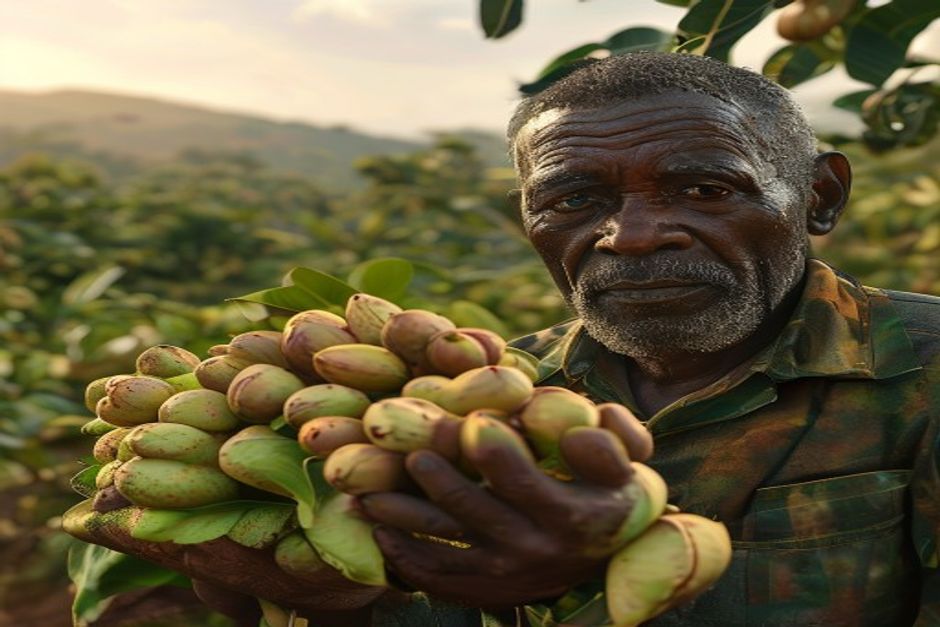
A contentious new policy in Kenya is raising alarms among small-scale macadamia farmers, who are now barred from directly exporting their produce. Critics argue this move disproportionately benefits larger agricultural enterprises, potentially allowing them to monopolize a lucrative trade that has become a lifeline for many rural families. The government's rationale behind the ban, which came into effect recently, is to streamline the value chain and ensure quality control. However, for farmers like John Mwaura, who transitioned from struggling coffee cultivation to macadamia in search of a brighter future, this regulation feels like a betrayal.
Mwaura, a farmer from Murang'a County, shared his ordeal. "Coffee farming was no longer viable for me. Prices were low, and the returns barely covered my costs," he explained. "Macadamia offered hope. It's less labor-intensive, and the demand globally seemed strong. I invested my savings, converted my land, and painstakingly nurtured these trees." His story is echoed by thousands across central Kenya, where macadamia nuts have emerged as a promising cash crop, offering an escape from the decades-long slump in coffee production.
The Export Barrier and Its Impact
The new directive means that small farmers must now sell their unprocessed nuts to licensed processors, who are primarily larger corporations or exporters. This creates an additional layer of middlemen and potentially reduces the farm-gate prices, eroding the already thin profit margins for smallholders. "We worked hard to meet international standards, hoping to directly access markets and fetch better prices. Now, we're at the mercy of the processors," Mwaura lamented, highlighting fears of exploitation and unfair pricing.
Economists and agricultural experts warn that such policies could stifle rural economic growth and deepen inequalities. While quality control and value addition are laudable goals, they argue that policies should also empower small farmers rather than creating barriers. Calls are growing for the Kenyan government to reconsider the ban or implement alternative measures that support small-scale growers, perhaps through farmer cooperatives or direct government-supported export schemes. The future of Kenya's burgeoning macadamia industry, and the livelihoods of thousands of small farmers, now hang in the balance.
केन्या में एक विवादास्पद नई नीति छोटे पैमाने के मैकाडामिया किसानों के बीच चिंता पैदा कर रही है, जिन्हें अब अपने उत्पादों का सीधे निर्यात करने से रोक दिया गया है। आलोचकों का तर्क है कि यह कदम बड़े कृषि उद्यमों को असम्मानजनक रूप से लाभ पहुंचाता है, जिससे उन्हें एक आकर्षक व्यापार पर एकाधिकार करने की अनुमति मिल सकती है जो कई ग्रामीण परिवारों के लिए जीवन रेखा बन गया है। इस प्रतिबंध के पीछे सरकार का तर्क, जो हाल ही में लागू हुआ, मूल्य श्रृंखला को सुव्यवस्थित करना और गुणवत्ता नियंत्रण सुनिश्चित करना है। हालांकि, जॉन मौरुआ जैसे किसानों के लिए, जिन्होंने बेहतर भविष्य की तलाश में संघर्षरत कॉफी की खेती से मैकाडामिया की खेती की ओर रुख किया था, यह विनियमन एक विश्वासघात जैसा लगता है।
मौरुआ, जो मुरंगा काउंटी के एक किसान हैं, ने अपनी आपबीती साझा की। उन्होंने बताया, "कॉफी की खेती अब मेरे लिए व्यवहार्य नहीं थी। कीमतें कम थीं, और कमाई से मुश्किल से लागत पूरी हो पाती थी। मैकाडामिया ने उम्मीद जगाई। यह कम श्रम-गहन है, और विश्व स्तर पर मांग मजबूत लग रही थी। मैंने अपनी बचत का निवेश किया, अपनी जमीन बदली, और इन पेड़ों को बड़ी मेहनत से पाला।" उनकी कहानी मध्य केन्या के हजारों किसानों द्वारा दोहराई जाती है, जहाँ मैकाडामिया नट्स एक आशाजनक नकदी फसल के रूप में उभरे हैं, जो कॉफी उत्पादन में दशकों के मंदी से मुक्ति प्रदान करते हैं।
निर्यात बाधा और इसका प्रभाव
नए निर्देश का मतलब है कि छोटे किसानों को अब अपने बिना प्रसंस्कृत नट्स लाइसेंस प्राप्त प्रोसेसरों को बेचने होंगे, जो मुख्य रूप से बड़ी कंपनियाँ या निर्यातक हैं। यह बिचौलियों की एक अतिरिक्त परत बनाता है और संभावित रूप से खेत-स्तर की कीमतों को कम करता है, जिससे छोटे किसानों के पहले से ही कम लाभ मार्जिन और कम हो जाते हैं। मौरुआ ने शिकायत की, "हमने अंतरराष्ट्रीय मानकों को पूरा करने के लिए कड़ी मेहनत की, सीधे बाजारों तक पहुंचने और बेहतर कीमतें प्राप्त करने की उम्मीद की। अब, हम प्रोसेसरों की दया पर हैं," उन्होंने शोषण और अनुचित मूल्य निर्धारण के डर को उजागर किया।
अर्थशास्त्री और कृषि विशेषज्ञ चेतावनी देते हैं कि ऐसी नीतियां ग्रामीण आर्थिक विकास को बाधित कर सकती हैं और असमानताओं को गहरा कर सकती हैं। जबकि गुणवत्ता नियंत्रण और मूल्य संवर्धन सराहनीय लक्ष्य हैं, उनका तर्क है कि नीतियों को छोटे किसानों को सशक्त बनाना चाहिए न कि बाधाएं पैदा करनी चाहिए। केन्याई सरकार से प्रतिबंध पर पुनर्विचार करने या छोटे पैमाने के उत्पादकों का समर्थन करने के लिए वैकल्पिक उपाय लागू करने की मांग बढ़ रही है, शायद किसान सहकारी समितियों या सीधे सरकार-समर्थित निर्यात योजनाओं के माध्यम से। केन्या के बढ़ते मैकाडामिया उद्योग का भविष्य, और हजारों छोटे किसानों की आजीविका, अब अधर में है।
केन्यातील एका वादग्रस्त नवीन धोरणामुळे लहान प्रमाणातील मॅकाडामिया उत्पादक शेतकऱ्यांमध्ये चिंता वाढली आहे. आता त्यांना त्यांची उत्पादने थेट निर्यात करण्यास प्रतिबंध घालण्यात आला आहे. टीकाकारांचे म्हणणे आहे की, या कृतीमुळे मोठ्या कृषी उद्योगांना असमान फायदा होईल आणि त्यांना या फायदेशीर व्यापारावर मक्तेदारी करण्याची संधी मिळेल, जो अनेक ग्रामीण कुटुंबांसाठी जीवनवाहिनी बनला आहे. अलीकडेच लागू झालेल्या या बंदीमागे सरकारचा तर्क मूल्य साखळी सुव्यवस्थित करणे आणि गुणवत्ता नियंत्रण सुनिश्चित करणे हा आहे. मात्र, जॉन मौरुआंसारख्या शेतकऱ्यांसाठी, ज्यांनी चांगल्या भविष्याच्या शोधात संघर्ष करणाऱ्या कॉफी शेतीतून मॅकाडामिया लागवडीकडे वाटचाल केली होती, ही नियमन त्यांना विश्वासघात वाटत आहे.
मुरंगा काउंटीतील शेतकरी मौरुआ यांनी आपली व्यथा मांडली. त्यांनी स्पष्ट केले, "कॉफीची शेती माझ्यासाठी आता व्यवहार्य नव्हती. दर कमी होते आणि उत्पन्नातून खर्चही भागत नव्हता. मॅकाडामियाने आशेचा किरण दाखवला. ते कमी श्रम-केंद्रित आहे आणि जागतिक स्तरावर मागणी मजबूत दिसत होती. मी माझ्या बचतीची गुंतवणूक केली, माझी जमीन बदलली आणि मोठ्या मेहनतीने ही झाडे जोपासली." त्यांची कथा मध्य केन्यातील हजारो शेतकरी पुन्हा सांगत आहेत, जिथे मॅकाडामिया नट्स एक आशादायक नगदी पीक म्हणून उदयास आले आहेत, ज्यामुळे कॉफी उत्पादनातील अनेक दशकांच्या मंदीतून सुटका मिळाली आहे.
निर्यात अडथळा आणि त्याचे परिणाम
नवीन निर्देशानुसार, लहान शेतकऱ्यांना आता त्यांची न प्रक्रिया केलेली मॅकाडामिया नट्स परवानाधारक प्रोसेसर्सना विकावी लागतील, जे प्रामुख्याने मोठ्या कंपन्या किंवा निर्यातदार आहेत. यामुळे मध्यस्थांचा एक अतिरिक्त स्तर तयार होतो आणि संभाव्यतः शेतकरी-दारावरील किमती कमी होतात, ज्यामुळे लहान शेतकऱ्यांचा आधीच कमी असलेला नफ्याचा मार्जिन आणखी कमी होतो. मौरुआ यांनी खेद व्यक्त केला, "आम्ही आंतरराष्ट्रीय मानके पूर्ण करण्यासाठी कठोर परिश्रम केले, थेट बाजारपेठेत प्रवेश करून चांगल्या किमती मिळवण्याची आशा होती. आता आम्ही प्रोसेसर्सच्या दयेवर आहोत," त्यांनी शोषण आणि अन्यायकारक किमतींबद्दलच्या भीतीला उजाळा दिला.
अर्थशास्त्रज्ञ आणि कृषी तज्ञ चेतावणी देतात की, अशी धोरणे ग्रामीण आर्थिक विकासाला खीळ घालू शकतात आणि असमानता वाढवू शकतात. गुणवत्ता नियंत्रण आणि मूल्यवर्धन हे प्रशंसनीय ध्येय असले तरी, त्यांचे म्हणणे आहे की धोरणांनी लहान शेतकऱ्यांना अडथळे निर्माण करण्याऐवजी सक्षम केले पाहिजे. केन्याई सरकारने बंदीवर पुनर्विचार करावा किंवा लहान-प्रमाणातील उत्पादकांना पाठिंबा देण्यासाठी पर्यायी उपाययोजना कराव्यात, कदाचित शेतकरी सहकारी संस्था किंवा थेट सरकार-समर्थित निर्यात योजनांद्वारे, अशी मागणी वाढत आहे. केन्याच्या वाढत्या मॅकाडामिया उद्योगाचे आणि हजारो लहान शेतकऱ्यांच्या उपजीविकेचे भविष्य आता धोक्यात आले आहे.
কেনিয়ায় একটি বিতর্কিত নতুন নীতি ক্ষুদ্র মাপের ম্যাকাডামিয়া কৃষকদের মধ্যে উদ্বেগ বাড়াচ্ছে, যাদের এখন সরাসরি তাদের পণ্য রপ্তানি করতে নিষেধ করা হয়েছে। সমালোচকরা বলছেন যে এই পদক্ষেপ বৃহৎ কৃষি উদ্যোগগুলিকে অসমভাবে লাভবান করবে, যা তাদের একটি লাভজনক বাণিজ্যে একচেটিয়া অধিকার অর্জন করতে সাহায্য করবে, যা অনেক গ্রামীণ পরিবারের জন্য জীবনরেখা হয়ে উঠেছে। এই নিষেধাজ্ঞার পিছনে সরকারের যুক্তি, যা সম্প্রতি কার্যকর হয়েছে, তা হল মূল্য শৃঙ্খলকে সুবিন্যস্ত করা এবং গুণমান নিয়ন্ত্রণ নিশ্চিত করা। তবে, জন মওরাউর মতো কৃষকদের জন্য, যারা উন্নত ভবিষ্যতের সন্ধানে ধুঁকতে থাকা কফি চাষ থেকে ম্যাকাডামিয়া চাষে চলে এসেছিলেন, এই নিয়মকানুন বিশ্বাসঘাতকতার মতো মনে হচ্ছে।
মুরাঙ্গা কাউন্টির একজন কৃষক মওরাউ তার দুর্দশার কথা শেয়ার করেছেন। তিনি ব্যাখ্যা করেছেন, "কফি চাষ আমার জন্য আর লাভজনক ছিল না। দাম কম ছিল এবং খরচও মেটানো কঠিন ছিল। ম্যাকাডামিয়া আশা জাগিয়েছিল। এটি কম শ্রম-নির্ভর, এবং বিশ্বব্যাপী চাহিদা শক্তিশালী বলে মনে হয়েছিল। আমি আমার সঞ্চয় বিনিয়োগ করেছি, আমার জমি পরিবর্তন করেছি এবং অত্যন্ত পরিশ্রমের সাথে এই গাছগুলি লালনপালন করেছি।" তার গল্প মধ্য কেনিয়ার হাজার হাজার কৃষকের মুখে মুখে, যেখানে ম্যাকাডামিয়া বাদাম একটি প্রতিশ্রুতিশীল অর্থকরী ফসল হিসাবে আবির্ভূত হয়েছে, যা কফি উৎপাদনে কয়েক দশকের মন্দা থেকে মুক্তির পথ দেখাচ্ছে।
রপ্তানি বাধা এবং এর প্রভাব
নতুন নির্দেশনার অর্থ হল ক্ষুদ্র কৃষকদের এখন তাদের অপরিশোধিত বাদাম লাইসেন্সপ্রাপ্ত প্রসেসরদের কাছে বিক্রি করতে হবে, যারা মূলত বড় কর্পোরেশন বা রপ্তানিকারক। এটি মধ্যস্বত্বভোগীদের একটি অতিরিক্ত স্তর তৈরি করে এবং সম্ভাব্যভাবে খামার-স্তরের দাম কমিয়ে দেয়, যা ক্ষুদ্র চাষীদের জন্য ইতিমধ্যেই পাতলা লাভের মার্জিনকে আরও হ্রাস করে। মওরাউ আক্ষেপ করে বলেন, "আমরা আন্তর্জাতিক মান পূরণ করতে কঠোর পরিশ্রম করেছি, সরাসরি বাজার অ্যাক্সেস করতে এবং আরও ভালো দাম পেতে আশা করেছিলাম। এখন, আমরা প্রসেসরদের দয়ার উপর নির্ভর করছি," তিনি শোষণ এবং অন্যায্য মূল্য নির্ধারণের আশঙ্কা তুলে ধরেন।
অর্থনীতিবিদ এবং কৃষি বিশেষজ্ঞরা সতর্ক করেছেন যে এই ধরনের নীতি গ্রামীণ অর্থনৈতিক প্রবৃদ্ধি ব্যাহত করতে পারে এবং বৈষম্য বাড়াতে পারে। যদিও গুণমান নিয়ন্ত্রণ এবং মূল্য সংযোজন প্রশংসনীয় লক্ষ্য, তারা যুক্তি দেন যে নীতিগুলি ছোট কৃষকদের জন্য বাধা তৈরি করার পরিবর্তে তাদের ক্ষমতায়ন করা উচিত। কেনিয়ার সরকারকে এই নিষেধাজ্ঞার পুনর্বিবেচনা করার বা ক্ষুদ্র-মাপের চাষীদের সমর্থন করার জন্য বিকল্প ব্যবস্থা বাস্তবায়ন করার আহ্বান বাড়ছে, সম্ভবত কৃষক সমবায় বা সরাসরি সরকার-সমর্থিত রপ্তানি প্রকল্পের মাধ্যমে। কেনিয়ার উদীয়মান ম্যাকাডামিয়া শিল্পের ভবিষ্যৎ এবং হাজার হাজার ক্ষুদ্র কৃষকের জীবিকা এখন অনিশ্চয়তার মুখে।
கென்யாவில் ஒரு சர்ச்சைக்குரிய புதிய கொள்கை, சிறிய அளவிலான மக்காடாமியா விவசாயிகளிடையே கவலையை எழுப்பியுள்ளது. இவர்களை இனிமேல் தங்கள் தயாரிப்புகளை நேரடியாக ஏற்றுமதி செய்ய தடை விதிக்கப்பட்டுள்ளது. இந்த நடவடிக்கை பெரிய விவசாய நிறுவனங்களுக்கு அநியாயமான லாபத்தை அளிக்கும் என்றும், பல கிராமப்புற குடும்பங்களுக்கு வாழ்வாதாரமாக இருக்கும் ஒரு இலாபகரமான வர்த்தகத்தை அவர்கள் ஏகபோகமாக்க வழிவகுக்கும் என்றும் விமர்சகர்கள் வாதிடுகின்றனர். சமீபத்தில் நடைமுறைக்கு வந்த இந்த தடையின் பின்னணியில் உள்ள அரசாங்கத்தின் நோக்கம், மதிப்புச் சங்கிலியை ஒழுங்குபடுத்துவது மற்றும் தரக் கட்டுப்பாட்டை உறுதிப்படுத்துவது ஆகும். இருப்பினும், ஜான் மௌரா போன்ற விவசாயிகளுக்கு, சிறந்த வாய்ப்புகளைத் தேடி சிரமப்படும் காபி சாகுபடியிலிருந்து மக்காடாமியா சாகுபடிக்கு மாறியவர்களுக்கு, இந்த ஒழுங்குமுறை ஒரு துரோகமாகத் தெரிகிறது.
முராங்கா கவுண்டியைச் சேர்ந்த விவசாயி மௌரா தனது சோகக் கதையைப் பகிர்ந்து கொண்டார். "காபி விவசாயம் எனக்கு லாபகரமானதாக இல்லை. விலைகள் குறைவாக இருந்தன, வருமானம் என் செலவுகளை ஈடுசெய்யவில்லை," என்று அவர் விளக்கினார். "மக்காடாமியா நம்பிக்கை அளித்தது. இது குறைவான உழைப்பு தேவைப்படுவது, மேலும் உலகளவில் தேவை வலுவாகத் தோன்றியது. நான் என் சேமிப்பை முதலீடு செய்தேன், என் நிலத்தை மாற்றினேன், இந்த மரங்களை மிகவும் கவனமாகப் பராமரித்தேன்." அவரது கதை மத்திய கென்யாவில் ஆயிரக்கணக்கானவர்களால் எதிரொலிக்கப்படுகிறது, அங்கு மக்காடாமியா கொட்டைகள் ஒரு நம்பிக்கைக்குரிய பணப் பயிராக உருவெடுத்துள்ளன, காபி உற்பத்தியில் பல தசாப்தங்களாக இருந்த மந்தநிலையிலிருந்து வெளியேற ஒரு வழியை வழங்குகின்றன.
ஏற்றுமதித் தடை மற்றும் அதன் தாக்கம்
புதிய வழிகாட்டுதல் என்றால், சிறிய விவசாயிகள் இனி தங்கள் பதப்படுத்தப்படாத கொட்டைகளை உரிமம் பெற்ற ப்ராசசர்களுக்கு விற்க வேண்டும், அவர்கள் முக்கியமாக பெரிய நிறுவனங்கள் அல்லது ஏற்றுமதியாளர்கள் ஆவர். இது இடைத்தரகர்களின் ஒரு கூடுதல் அடுக்கை உருவாக்குகிறது மற்றும் பண்ணை-நிலை விலைகளைக் குறைக்க வாய்ப்புள்ளது, இது சிறு விவசாயிகளின் ஏற்கனவே மெல்லிய லாப வரம்புகளைக் குறைக்கிறது. "சர்வதேச தரங்களை பூர்த்தி செய்ய நாங்கள் கடுமையாக உழைத்தோம், நேரடியாக சந்தைகளை அணுகி சிறந்த விலைகளைப் பெற நம்பினோம். இப்போது, நாங்கள் ப்ராசசர்களின் கருணையில் இருக்கிறோம்," என்று மௌரா புலம்பினார், சுரண்டல் மற்றும் நியாயமற்ற விலை நிர்ணயம் குறித்த அச்சங்களை வெளிப்படுத்தினார்.
பொருளாதார வல்லுநர்கள் மற்றும் விவசாய நிபுணர்கள் இத்தகைய கொள்கைகள் கிராமப்புற பொருளாதார வளர்ச்சியைத் தடுக்கலாம் மற்றும் சமத்துவமின்மையை ஆழப்படுத்தலாம் என்று எச்சரிக்கின்றனர். தரக் கட்டுப்பாடு மற்றும் மதிப்பு கூட்டல் ஆகியவை பாராட்டத்தக்க இலக்குகளாக இருந்தாலும், கொள்கைகள் சிறு விவசாயிகளுக்கு தடைகளை உருவாக்குவதை விட அவர்களுக்கு அதிகாரம் அளிக்க வேண்டும் என்று அவர்கள் வாதிடுகின்றனர். கென்ய அரசாங்கம் தடையை மறுபரிசீலனை செய்ய அல்லது சிறு விவசாயிகளுக்கு ஆதரவளிக்க மாற்று நடவடிக்கைகளை செயல்படுத்த வேண்டும், ஒருவேளை விவசாயிகள் கூட்டுறவுகள் அல்லது நேரடியாக அரசு ஆதரவு பெற்ற ஏற்றுமதி திட்டங்கள் மூலம், என்ற கோரிக்கைகள் அதிகரித்து வருகின்றன. கென்யாவின் வளர்ந்து வரும் மக்காடாமியா தொழிலின் எதிர்காலமும், ஆயிரக்கணக்கான சிறு விவசாயிகளின் வாழ்வாதாரமும் இப்போது கேள்விக்குறியாக உள்ளது.
కెన్యాలో వివాదాస్పదమైన కొత్త విధానం చిన్న తరహా మకాడమియా రైతుల మధ్య ఆందోళనలను రేకెత్తిస్తోంది, వారికి ఇప్పుడు తమ ఉత్పత్తులను నేరుగా ఎగుమతి చేయడానికి నిషేధం విధించబడింది. ఈ చర్య పెద్ద వ్యవసాయ సంస్థలకు అసమానంగా ప్రయోజనం చేకూరుస్తుందని, అనేక గ్రామీణ కుటుంబాలకు జీవనాధారంగా ఉన్న లాభదాయకమైన వాణిజ్యాన్ని గుత్తాధిపత్యం చేయడానికి వారికి వీలు కల్పిస్తుందని విమర్శకులు వాదిస్తున్నారు. ఇటీవల అమల్లోకి వచ్చిన ఈ నిషేధం వెనుక ప్రభుత్వ తర్కం, విలువ గొలుసును క్రమబద్ధీకరించడం మరియు నాణ్యత నియంత్రణను నిర్ధారించడం. అయితే, మెరుగైన భవిష్యత్తు కోసం కష్టపడుతున్న కాఫీ సాగు నుండి మకాడమియా సాగుకు మారిన జాన్ మౌరా వంటి రైతులకు, ఈ నియంత్రణ ద్రోహంలా అనిపిస్తుంది.
మురంగ కౌంటీకి చెందిన రైతు మౌరా తన కష్టాలను పంచుకున్నారు. "నాకు కాఫీ సాగు ఇక లాభదాయకం కాదు. ధరలు తక్కువగా ఉండేవి, మరియు రాబడి నా ఖర్చులను కవర్ చేయలేదు," అని ఆయన వివరించారు. "మకాడమియా ఆశను కలిగించింది. ఇది తక్కువ శ్రమతో కూడుకున్నది, మరియు ప్రపంచవ్యాప్తంగా డిమాండ్ బలంగా ఉన్నట్లు అనిపించింది. నేను నా పొదుపును పెట్టుబడిగా పెట్టాను, నా భూమిని మార్చాను మరియు ఈ చెట్లను ఎంతో శ్రద్ధగా పెంచాను." ఆయన కథ మధ్య కెన్యాలోని వేలాది మంది రైతులు కూడా చెబుతున్నారు, అక్కడ మకాడమియా గింజలు ఆశాజనకమైన వాణిజ్య పంటగా ఉద్భవించాయి, దశాబ్దాలుగా కాఫీ ఉత్పత్తిలో ఉన్న మందగమనం నుండి బయటపడటానికి ఒక మార్గాన్ని అందిస్తున్నాయి.
ఎగుమతి అవరోధం మరియు దాని ప్రభావం
కొత్త ఆదేశం అంటే చిన్న రైతులు ఇప్పుడు తమ ప్రాసెస్ చేయని గింజలను లైసెన్స్ పొందిన ప్రాసెసర్లకు విక్రయించాలి, వారు ప్రధానంగా పెద్ద కార్పొరేషన్లు లేదా ఎగుమతిదారులు. ఇది మధ్యవర్తుల అదనపు పొరను సృష్టిస్తుంది మరియు సాగుదారుల వద్ద ధరలను తగ్గించే అవకాశం ఉంది, తద్వారా చిన్న రైతుల ఇప్పటికే తక్కువ లాభాలను మరింత తగ్గిస్తుంది. "అంతర్జాతీయ ప్రమాణాలను అందుకోవడానికి మేము కష్టపడ్డాము, నేరుగా మార్కెట్లను చేరుకోవడానికి మరియు మంచి ధరలను పొందడానికి ఆశించాము. ఇప్పుడు, మేము ప్రాసెసర్ల దయపై ఆధారపడి ఉన్నాము," అని మౌరా విలపించారు, దోపిడీ మరియు అన్యాయమైన ధరల భయాలను హైలైట్ చేశారు।
అటువంటి విధానాలు గ్రామీణ ఆర్థిక వృద్ధిని అడ్డుకోవచ్చు మరియు అసమానతలను పెంచుతాయని ఆర్థికవేత్తలు మరియు వ్యవసాయ నిపుణులు హెచ్చరిస్తున్నారు. నాణ్యత నియంత్రణ మరియు విలువ జోడింపు ప్రశంసనీయమైన లక్ష్యాలు అయినప్పటికీ, విధానాలు చిన్న రైతులకు అడ్డంకులు సృష్టించకుండా వారికి సాధికారత కల్పించాలని వారు వాదిస్తున్నారు. కెన్యా ప్రభుత్వం ఈ నిషేధాన్ని పునరాలోచించాలని లేదా చిన్న తరహా ఉత్పత్తిదారులకు మద్దతు ఇవ్వడానికి ప్రత్యామ్నాయ చర్యలను అమలు చేయాలని డిమాండ్లు పెరుగుతున్నాయి, బహుశా రైతుల సహకార సంఘాలు లేదా నేరుగా ప్రభుత్వం మద్దతు ఇచ్చే ఎగుమతి పథకాల ద్వారా. కెన్యా యొక్క అభివృద్ధి చెందుతున్న మకాడమియా పరిశ్రమ యొక్క భవిష్యత్తు మరియు వేలాది చిన్న రైతుల జీవనోపాధి ఇప్పుడు ప్రమాదంలో ఉన్నాయి.
કેન્યામાં એક વિવાદાસ્પદ નવી નીતિ નાના પાયાના મેકાડેમિયા ખેડૂતોમાં ચિંતા જગાવી રહી છે, જેમને હવે તેમના ઉત્પાદનોની સીધી નિકાસ કરવા પર પ્રતિબંધ મૂકવામાં આવ્યો છે. વિવેચકો દલીલ કરે છે કે આ પગલું મોટા કૃષિ ઉદ્યોગોને અપ્રમાણસર લાભ આપે છે, સંભવતઃ તેમને એક નફાકારક વેપાર પર ઇજારો જમાવવા દે છે જે ઘણા ગ્રામીણ પરિવારો માટે જીવનરેખા બની ગયો છે. તાજેતરમાં અમલમાં આવેલા આ પ્રતિબંધ પાછળ સરકારનો તર્ક મૂલ્ય શૃંખલાને સુવ્યવસ્થિત કરવાનો અને ગુણવત્તા નિયંત્રણ સુનિશ્ચિત કરવાનો છે. જોકે, જોન મૌરા જેવા ખેડૂતો માટે, જેમણે ઉજ્જવળ ભવિષ્યની શોધમાં સંઘર્ષ કરતી કોફીની ખેતીમાંથી મેકાડેમિયાની ખેતી તરફ સંક્રમણ કર્યું હતું, આ નિયમન વિશ્વાસઘાત જેવું લાગે છે.
મુરંગા કાઉન્ટીના ખેડૂત મૌરાએ તેમની કઠોર પરિસ્થિતિ શેર કરી. તેમણે સમજાવ્યું, "કોફીની ખેતી મારા માટે હવે સધ્ધર ન હતી. ભાવ ઓછા હતા, અને વળતર મારા ખર્ચને ભાગ્યે જ આવરી લેતું હતું. મેકાડેમિયાએ આશા આપી. તે ઓછી શ્રમ-સઘન છે, અને વૈશ્વિક સ્તરે માંગ મજબૂત લાગતી હતી. મેં મારી બચતનું રોકાણ કર્યું, મારી જમીન બદલી, અને આ વૃક્ષોને ખૂબ જ કાળજીપૂર્વક ઉછેર્યા." તેમની વાર્તા મધ્ય કેન્યાના હજારો લોકો દ્વારા પુનરાવર્તિત થાય છે, જ્યાં મેકાડેમિયા નટ્સ એક આશાસ્પદ રોકડ પાક તરીકે ઉભરી આવ્યા છે, જે કોફી ઉત્પાદનમાં દાયકાઓથી ચાલી રહેલી મંદીમાંથી છુટકારો આપે છે.
નિકાસ અવરોધ અને તેની અસર
નવી નિર્દેશનો અર્થ એ છે કે નાના ખેડૂતોએ હવે તેમના બિનપ્રક્રિયા કરેલા નટ્સ લાઇસન્સ પ્રાપ્ત પ્રોસેસરોને વેચવા પડશે, જે મુખ્યત્વે મોટી કોર્પોરેશનો અથવા નિકાસકારો છે. આનાથી મધ્યસ્થીઓનો એક વધારાનો સ્તર બને છે અને સંભવિતપણે ખેતર-સ્તરે ભાવ ઘટાડે છે, જે નાના ખેડૂતોના પહેલેથી જ પાતળા નફાના માર્જિનને ઘટાડે છે. મૌરાએ શોક વ્યક્ત કર્યો, "અમે આંતરરાષ્ટ્રીય ધોરણોને પૂર્ણ કરવા માટે સખત મહેનત કરી, સીધા બજારોમાં પ્રવેશ કરીને સારા ભાવ મેળવવાની આશા રાખી. હવે, અમે પ્રોસેસરોની દયા પર છીએ," તેમણે શોષણ અને અયોગ્ય ભાવ નિર્ધારણના ભયને પ્રકાશિત કર્યો.
અર્થશાસ્ત્રીઓ અને કૃષિ નિષ્ણાતો ચેતવણી આપે છે કે આવી નીતિઓ ગ્રામીણ આર્થિક વૃદ્ધિને અવરોધે છે અને અસમાનતાને વધુ ઊંડી બનાવી શકે છે. જ્યારે ગુણવત્તા નિયંત્રણ અને મૂલ્યવર્ધન પ્રશંસનીય લક્ષ્યો છે, ત્યારે તેઓ દલીલ કરે છે કે નીતિઓએ નાના ખેડૂતો માટે અવરોધો ઊભા કરવાને બદલે તેમને સશક્ત બનાવવા જોઈએ. કેન્યા સરકારે પ્રતિબંધ પર પુનર્વિચાર કરવા અથવા નાના પાયાના ઉત્પાદકોને ટેકો આપવા માટે વૈકલ્પિક પગલાં અમલમાં મૂકવાની માંગ વધી રહી છે, કદાચ ખેડૂત સહકારી સંસ્થાઓ અથવા સીધા સરકાર-સમર્થિત નિકાસ યોજનાઓ દ્વારા. કેન્યાના વિકસતા મેકાડેમિયા ઉદ્યોગનું ભવિષ્ય અને હજારો નાના ખેડૂતોની આજીવિકા હવે સંતુલનમાં લટકી રહી છે.
ਕੀਨੀਆ ਵਿੱਚ ਇੱਕ ਵਿਵਾਦਗ੍ਰਸਤ ਨਵੀਂ ਨੀਤੀ ਛੋਟੇ ਪੈਮਾਨੇ ਦੇ ਮੈਕਾਡੇਮੀਆ ਕਿਸਾਨਾਂ ਵਿੱਚ ਚਿੰਤਾ ਪੈਦਾ ਕਰ ਰਹੀ ਹੈ, ਜਿਨ੍ਹਾਂ ਨੂੰ ਹੁਣ ਆਪਣੇ ਉਤਪਾਦਾਂ ਦਾ ਸਿੱਧਾ ਨਿਰਯਾਤ ਕਰਨ ਤੋਂ ਰੋਕ ਦਿੱਤਾ ਗਿਆ ਹੈ। ਆਲੋਚਕਾਂ ਦਾ ਤਰਕ ਹੈ ਕਿ ਇਹ ਕਦਮ ਵੱਡੇ ਖੇਤੀ ਉਦਮਾਂ ਨੂੰ ਅਸਮਾਨ ਤੌਰ 'ਤੇ ਲਾਭ ਪਹੁੰਚਾਉਂਦਾ ਹੈ, ਸੰਭਾਵਤ ਤੌਰ 'ਤੇ ਉਨ੍ਹਾਂ ਨੂੰ ਇੱਕ ਲਾਭਦਾਇਕ ਵਪਾਰ 'ਤੇ ਏਕਾਧਿਕਾਰ ਕਰਨ ਦੀ ਇਜਾਜ਼ਤ ਦਿੰਦਾ ਹੈ ਜੋ ਕਈ ਪੇਂਡੂ ਪਰਿਵਾਰਾਂ ਲਈ ਜੀਵਨ ਰੇਖਾ ਬਣ ਗਿਆ ਹੈ। ਇਸ ਪਾਬੰਦੀ ਦੇ ਪਿੱਛੇ ਸਰਕਾਰ ਦਾ ਤਰਕ, ਜੋ ਹਾਲ ਹੀ ਵਿੱਚ ਲਾਗੂ ਹੋਇਆ ਹੈ, ਮੁੱਲ ਲੜੀ ਨੂੰ ਸੁਚਾਰੂ ਬਣਾਉਣਾ ਅਤੇ ਗੁਣਵੱਤਾ ਨਿਯੰਤਰਣ ਨੂੰ ਯਕੀਨੀ ਬਣਾਉਣਾ ਹੈ। ਹਾਲਾਂਕਿ, ਜੌਹਨ ਮਵਾਉਰਾ ਵਰਗੇ ਕਿਸਾਨਾਂ ਲਈ, ਜਿਨ੍ਹਾਂ ਨੇ ਬਿਹਤਰ ਭਵਿੱਖ ਦੀ ਤਲਾਸ਼ ਵਿੱਚ ਸੰਘਰਸ਼ਸ਼ੀਲ ਕੌਫੀ ਦੀ ਖੇਤੀ ਤੋਂ ਮੈਕਾਡੇਮੀਆ ਦੀ ਕਾਸ਼ਤ ਵੱਲ ਤਬਦੀਲੀ ਕੀਤੀ ਸੀ, ਇਹ ਨਿਯਮ ਇੱਕ ਧੋਖੇ ਵਾਂਗ ਜਾਪਦਾ ਹੈ।
ਮੁਰੰਗਾ ਕਾਉਂਟੀ ਦੇ ਇੱਕ ਕਿਸਾਨ ਮਵਾਉਰਾ ਨੇ ਆਪਣੀ ਬੀਤੀ ਕਹਾਣੀ ਸਾਂਝੀ ਕੀਤੀ। ਉਸਨੇ ਦੱਸਿਆ, "ਕੌਫੀ ਦੀ ਖੇਤੀ ਮੇਰੇ ਲਈ ਹੁਣ ਲਾਭਕਾਰੀ ਨਹੀਂ ਸੀ। ਕੀਮਤਾਂ ਘੱਟ ਸਨ, ਅਤੇ ਕਮਾਈ ਮੇਰੇ ਖਰਚਿਆਂ ਨੂੰ ਮੁਸ਼ਕਿਲ ਨਾਲ ਪੂਰਾ ਕਰਦੀ ਸੀ।" ਉਸਨੇ ਕਿਹਾ, "ਮੈਕਾਡੇਮੀਆ ਨੇ ਉਮੀਦ ਦਿੱਤੀ। ਇਹ ਘੱਟ ਮਿਹਨਤ ਵਾਲੀ ਹੈ, ਅਤੇ ਵਿਸ਼ਵ ਪੱਧਰ 'ਤੇ ਮੰਗ ਮਜ਼ਬੂਤ ਲੱਗ ਰਹੀ ਸੀ। ਮੈਂ ਆਪਣੀ ਬਚਤ ਦਾ ਨਿਵੇਸ਼ ਕੀਤਾ, ਆਪਣੀ ਜ਼ਮੀਨ ਬਦਲੀ, ਅਤੇ ਬੜੀ ਮਿਹਨਤ ਨਾਲ ਇਨ੍ਹਾਂ ਰੁੱਖਾਂ ਨੂੰ ਪਾਲਿਆ।" ਉਸਦੀ ਕਹਾਣੀ ਮੱਧ ਕੀਨੀਆ ਦੇ ਹਜ਼ਾਰਾਂ ਲੋਕਾਂ ਦੁਆਰਾ ਦੁਹਰਾਈ ਜਾਂਦੀ ਹੈ, ਜਿੱਥੇ ਮੈਕਾਡੇਮੀਆ ਗਿਰੀਦਾਰ ਇੱਕ ਵਾਅਦਾ ਕਰਨ ਵਾਲੀ ਨਕਦ ਫਸਲ ਵਜੋਂ ਉੱਭਰੇ ਹਨ, ਜੋ ਕੌਫੀ ਉਤਪਾਦਨ ਵਿੱਚ ਦਹਾਕਿਆਂ ਤੋਂ ਚੱਲ ਰਹੀ ਮੰਦੀ ਤੋਂ ਬਚਣ ਦਾ ਰਸਤਾ ਪ੍ਰਦਾਨ ਕਰਦੇ ਹਨ।
ਨਿਰਯਾਤ ਰੁਕਾਵਟ ਅਤੇ ਇਸਦਾ ਪ੍ਰਭਾਵ
ਨਵੀਂ ਹਿਦਾਇਤ ਦਾ ਮਤਲਬ ਹੈ ਕਿ ਛੋਟੇ ਕਿਸਾਨਾਂ ਨੂੰ ਹੁਣ ਆਪਣੇ ਬਿਨਾਂ ਪ੍ਰੋਸੈਸ ਕੀਤੇ ਗਿਰੀਦਾਰ ਲਾਇਸੰਸਸ਼ੁਦਾ ਪ੍ਰੋਸੈਸਰਾਂ ਨੂੰ ਵੇਚਣੇ ਪੈਣਗੇ, ਜੋ ਮੁੱਖ ਤੌਰ 'ਤੇ ਵੱਡੀਆਂ ਕਾਰਪੋਰੇਸ਼ਨਾਂ ਜਾਂ ਨਿਰਯਾਤਕ ਹਨ। ਇਹ ਵਿਚੋਲਿਆਂ ਦੀ ਇੱਕ ਵਾਧੂ ਪਰਤ ਬਣਾਉਂਦਾ ਹੈ ਅਤੇ ਸੰਭਾਵਤ ਤੌਰ 'ਤੇ ਫਾਰਮ-ਗੇਟ ਦੀਆਂ ਕੀਮਤਾਂ ਨੂੰ ਘਟਾਉਂਦਾ ਹੈ, ਜਿਸ ਨਾਲ ਛੋਟੇ ਕਿਸਾਨਾਂ ਦੇ ਪਹਿਲਾਂ ਹੀ ਘੱਟ ਮੁਨਾਫ਼ੇ ਦੇ ਮਾਰਜਿਨ ਨੂੰ ਖਤਮ ਕਰਦਾ ਹੈ। ਮਵਾਉਰਾ ਨੇ ਦੁੱਖ ਪ੍ਰਗਟ ਕਰਦੇ ਹੋਏ ਕਿਹਾ, "ਅਸੀਂ ਅੰਤਰਰਾਸ਼ਟਰੀ ਮਾਪਦੰਡਾਂ ਨੂੰ ਪੂਰਾ ਕਰਨ ਲਈ ਸਖ਼ਤ ਮਿਹਨਤ ਕੀਤੀ, ਸਿੱਧੇ ਬਾਜ਼ਾਰਾਂ ਤੱਕ ਪਹੁੰਚਣ ਅਤੇ ਬਿਹਤਰ ਕੀਮਤਾਂ ਪ੍ਰਾਪਤ ਕਰਨ ਦੀ ਉਮੀਦ ਕੀਤੀ। ਹੁਣ, ਅਸੀਂ ਪ੍ਰੋਸੈਸਰਾਂ ਦੀ ਰਹਿਮ 'ਤੇ ਹਾਂ," ਉਸਨੇ ਸ਼ੋਸ਼ਣ ਅਤੇ ਅਣਉਚਿਤ ਕੀਮਤਾਂ ਦੇ ਡਰ ਨੂੰ ਉਜਾਗਰ ਕੀਤਾ।
ਅਰਥਸ਼ਾਸਤਰੀ ਅਤੇ ਖੇਤੀਬਾੜੀ ਮਾਹਰ ਚੇਤਾਵਨੀ ਦਿੰਦੇ ਹਨ ਕਿ ਅਜਿਹੀਆਂ ਨੀਤੀਆਂ ਪੇਂਡੂ ਆਰਥਿਕ ਵਿਕਾਸ ਨੂੰ ਰੋਕ ਸਕਦੀਆਂ ਹਨ ਅਤੇ ਅਸਮਾਨਤਾਵਾਂ ਨੂੰ ਡੂੰਘਾ ਕਰ ਸਕਦੀਆਂ ਹਨ। ਜਦੋਂ ਕਿ ਗੁਣਵੱਤਾ ਨਿਯੰਤਰਣ ਅਤੇ ਮੁੱਲ ਵਾਧਾ ਸ਼ਲਾਘਾਯੋਗ ਟੀਚੇ ਹਨ, ਉਹ ਤਰਕ ਦਿੰਦੇ ਹਨ ਕਿ ਨੀਤੀਆਂ ਨੂੰ ਛੋਟੇ ਕਿਸਾਨਾਂ ਲਈ ਰੁਕਾਵਟਾਂ ਪੈਦਾ ਕਰਨ ਦੀ ਬਜਾਏ ਉਨ੍ਹਾਂ ਨੂੰ ਸ਼ਕਤੀ ਪ੍ਰਦਾਨ ਕਰਨੀ ਚਾਹੀਦੀ ਹੈ। ਕੀਨੀਆ ਸਰਕਾਰ ਨੂੰ ਪਾਬੰਦੀ 'ਤੇ ਮੁੜ ਵਿਚਾਰ ਕਰਨ ਜਾਂ ਛੋਟੇ ਪੈਮਾਨੇ ਦੇ ਉਤਪਾਦਕਾਂ ਦਾ ਸਮਰਥਨ ਕਰਨ ਲਈ ਵਿਕਲਪਕ ਉਪਾਅ ਲਾਗੂ ਕਰਨ ਦੀਆਂ ਮੰਗਾਂ ਵਧ ਰਹੀਆਂ ਹਨ, ਸ਼ਾਇਦ ਕਿਸਾਨ ਸਹਿਕਾਰੀ ਸੰਸਥਾਵਾਂ ਜਾਂ ਸਿੱਧੇ ਸਰਕਾਰ ਦੁਆਰਾ ਸਮਰਥਿਤ ਨਿਰਯਾਤ ਸਕੀਮਾਂ ਰਾਹੀਂ। ਕੀਨੀਆ ਦੇ ਵਧ ਰਹੇ ਮੈਕਾਡੇਮੀਆ ਉਦਯੋਗ ਦਾ ਭਵਿੱਖ, ਅਤੇ ਹਜ਼ਾਰਾਂ ਛੋਟੇ ਕਿਸਾਨਾਂ ਦੀ ਰੋਜ਼ੀ-ਰੋਟੀ, ਹੁਣ ਅਸੰਤੁਲਨ ਵਿੱਚ ਲਟਕ ਰਹੀ ਹੈ।

💬 Comments