Breaking News
ताज़ा खबर
ताजी बातमी
সর্বশেষ সংবাদ
சமீபத்திய செய்தி
తాజా వార్త
તાજા સમાચાર
ਤਾਜ਼ਾ ਖ਼ਬਰ
Fuel Crisis Deepens: Governments Grapple with Shortages and Potential Unrest
ईंधन की कमी गहरा रही है: सरकारें कमी और संभावित अशांति से जूझ रही हैं
इंधन संकट गडद: सरकार तुटवडा आणि संभाव्य अशांततेने त्रस्त
জ্বালানি সংকট ঘনীভূত: সরকার ঘাটতি ও সম্ভাব্য অস্থিরতার মোকাবিলা করছে
எரிபொருள் தட்டுப்பாடு தீவிரமடைகிறது: அரசாங்கம் பற்றாக்குறை மற்றும் சாத்தியமான அமைதியின்மையை சமாளிக்கிறது
ఇంధన కొరత తీవ్రమవుతోంది: కొరత మరియు సంభావ్య అశాంతిని ప్రభుత్వం ఎదుర్కొంటోంది
ઇંધણની અછત ઊંડી બને છે: સરકાર અછત અને સંભવિત અશાંતિનો સામનો કરી રહી છે
ਤੇਲ ਸੰਕਟ ਡੂੰਘਾ ਹੋ ਰਿਹਾ ਹੈ: ਸਰਕਾਰ ਘਾਟ ਅਤੇ ਸੰਭਵ ਅਸ਼ਾਂਤੀ ਨਾਲ ਜੂਝ ਰਹੀ ਹੈ
By AI News Desk
🕐 30 August 2026, 02:47 PM
💹 Finance
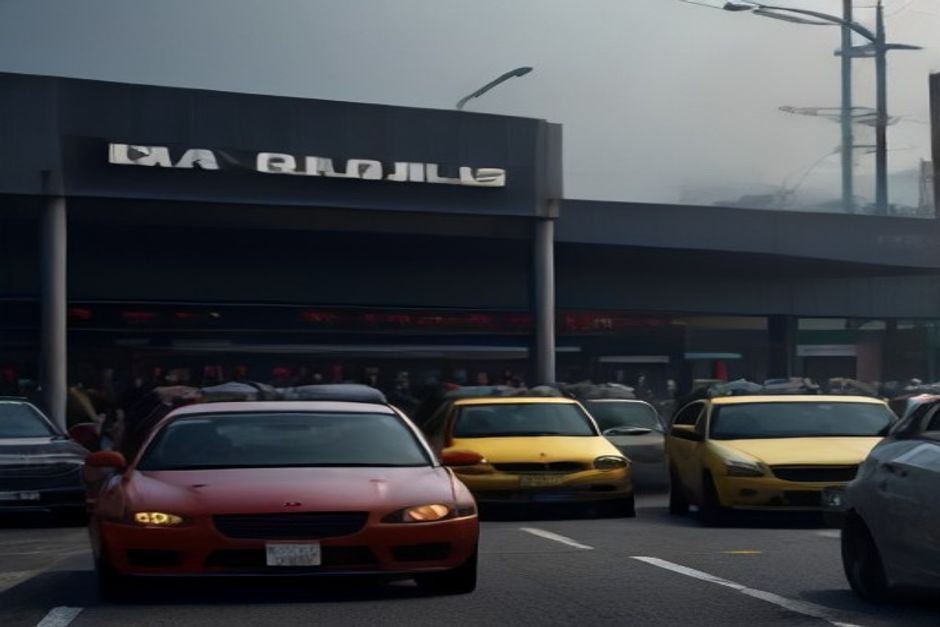
Governments worldwide are facing a growing dilemma as fuel supplies dwindle and prices at the pump threaten to surge. The delicate balancing act involves ensuring adequate fuel availability while simultaneously trying to avoid public backlash over escalating costs. This precarious situation is fueled by a complex mix of geopolitical tensions, supply chain disruptions, and increased global demand.
Economic Strain
The immediate impact is felt by consumers, who face higher transportation costs, affecting everything from daily commutes to the prices of goods and services. Businesses, especially those heavily reliant on logistics and transportation, are absorbing increased operational expenses, which could translate into higher consumer prices or reduced profit margins. For many economies, fuel is a critical component, and its scarcity or exorbitant cost can trigger wider economic instability.
Social Unrest Fears
Beyond the economic ramifications, the specter of social unrest looms large. Historically, significant fuel price hikes have been catalysts for public protests and demonstrations. Governments are acutely aware that a perception of inaction or unfair pricing could ignite widespread dissatisfaction, leading to demands for subsidies, price caps, or even more drastic policy interventions. This pressure forces policymakers to consider unpopular measures to cushion the blow for the public, potentially straining national budgets further.
Policy Challenges
Navigating this crisis requires a multi-pronged approach. Governments are exploring options such as securing alternative fuel sources, negotiating with energy-producing nations, and implementing energy conservation measures. However, these solutions often come with their own set of challenges, including long-term investment needs, diplomatic hurdles, and the political will to enforce potentially unpopular conservation mandates. The current shortfall underscores the urgent need for a global transition towards more sustainable and diversified energy portfolios to mitigate future vulnerabilities.
दुनिया भर की सरकारें घटते ईंधन भंडार और पंप की कीमतों में वृद्धि की आशंका के बीच एक बढ़ती दुविधा का सामना कर रही हैं। इस नाजुक संतुलन में पर्याप्त ईंधन उपलब्धता सुनिश्चित करने के साथ-साथ बढ़ती लागतों पर सार्वजनिक नाराजगी से बचने का प्रयास भी शामिल है। यह अनिश्चित स्थिति भू-राजनीतिक तनावों, आपूर्ति श्रृंखला में व्यवधानों और वैश्विक मांग में वृद्धि के जटिल मिश्रण से प्रेरित है।
आर्थिक दबाव
तत्काल प्रभाव उपभोक्ताओं पर पड़ता है, जिन्हें उच्च परिवहन लागत का सामना करना पड़ता है, जो दैनिक आवागमन से लेकर वस्तुओं और सेवाओं की कीमतों तक सब कुछ प्रभावित करता है। व्यवसाय, विशेष रूप से लॉजिस्टिक्स और परिवहन पर बहुत अधिक निर्भर रहने वाले, बढ़े हुए परिचालन व्यय को वहन कर रहे हैं, जो उच्च उपभोक्ता कीमतों या कम लाभ मार्जिन में बदल सकता है। कई अर्थव्यवस्थाओं के लिए, ईंधन एक महत्वपूर्ण घटक है, और इसकी कमी या अत्यधिक लागत व्यापक आर्थिक अस्थिरता को ट्रिगर कर सकती है।
सामाजिक अशांति का डर
आर्थिक परिणामों से परे, सामाजिक अशांति का खतरा मंडरा रहा है। ऐतिहासिक रूप से, ईंधन की कीमतों में महत्वपूर्ण वृद्धि सार्वजनिक विरोध प्रदर्शनों और जलूसों के उत्प्रेरक रही है। सरकारें इस बात से अच्छी तरह वाकिफ हैं कि निष्क्रियता या अनुचित मूल्य निर्धारण की धारणा व्यापक असंतोष को प्रज्वलित कर सकती है, जिससे सब्सिडी, मूल्य सीमा, या और भी अधिक कठोर नीतिगत हस्तक्षेपों की मांग हो सकती है। यह दबाव नीति निर्माताओं को जनता के लिए झटका को कम करने के लिए अलोकप्रिय उपायों पर विचार करने के लिए मजबूर करता है, जो राष्ट्रीय बजट पर और भी अधिक दबाव डाल सकता है।
नीतिगत चुनौतियां
इस संकट से निपटने के लिए एक बहु-आयामी दृष्टिकोण की आवश्यकता है। सरकारें वैकल्पिक ईंधन स्रोतों को सुरक्षित करने, ऊर्जा उत्पादक देशों के साथ बातचीत करने और ऊर्जा संरक्षण उपायों को लागू करने जैसे विकल्पों की खोज कर रही हैं। हालांकि, इन समाधानों में अक्सर अपनी चुनौतियां होती हैं, जिनमें दीर्घकालिक निवेश की आवश्यकताएं, कूटनीतिक बाधाएं और संभावित रूप से अलोकप्रिय संरक्षण जनादेश को लागू करने की राजनीतिक इच्छाशक्ति शामिल है। वर्तमान कमी भविष्य की कमजोरियों को कम करने के लिए अधिक टिकाऊ और विविध ऊर्जा पोर्टफोलियो की ओर एक वैश्विक संक्रमण की तत्काल आवश्यकता को रेखांकित करती है।
जगभरातील सरकारं इंधनाच्या पुरवठ्यातील घट आणि पंपावर किंमती वाढण्याच्या शक्यतेमुळे एका वाढत्या कोंडीचा सामना करत आहेत. या नाजूक परिस्थितीत, पुरेशा इंधन उपलब्धतेची खात्री करण्यासोबतच वाढत्या खर्चावर होणाऱ्या जनक्षोभाला टाळण्याचा प्रयत्न करणे समाविष्ट आहे. भू-राजकीय तणाव, पुरवठा साखळीतील व्यत्यय आणि वाढती जागतिक मागणी या गुंतागुंतीच्या मिश्रणामुळे ही अस्थिर परिस्थिती निर्माण झाली आहे.
आर्थिक ताण
याचा तात्काळ परिणाम ग्राहकांवर होत आहे, ज्यांना वाढलेल्या वाहतूक खर्चाचा सामना करावा लागत आहे. याचा परिणाम दैनंदिन प्रवास ते वस्तू आणि सेवांच्या किंमतींपर्यंत सर्व गोष्टींवर होत आहे. व्यवसाय, विशेषतः लॉजिस्टिक्स आणि वाहतुकीवर मोठ्या प्रमाणावर अवलंबून असलेले, वाढलेल्या कार्यान्वयन खर्चाचे ओझे उचलत आहेत, जे ग्राहकांच्या वाढलेल्या किंमती किंवा कमी नफ्यात रूपांतरित होऊ शकते. अनेक अर्थव्यवस्थांसाठी, इंधन हा एक महत्त्वपूर्ण घटक आहे आणि त्याची कमतरता किंवा अत्यंत महाग किंमत व्यापक आर्थिक अस्थिरतेला कारणीभूत ठरू शकते.
सामाजिक अशांततेची भीती
आर्थिक परिणामांच्या पलीकडे, सामाजिक अशांततेची भीती देखील आहे. ऐतिहासिकदृष्ट्या, इंधनाच्या किंमतींमध्ये झालेली मोठी वाढ ही सार्वजनिक निषेध आणि निदर्शनांचे कारण ठरली आहे. सरकारला याची पूर्ण जाणीव आहे की निष्क्रियता किंवा अन्यायकारक किंमतींच्या आकलनामुळे व्यापक असंतोष निर्माण होऊ शकतो, ज्यामुळे सबसिडी, किंमत नियंत्रण किंवा अधिक कठोर धोरणात्मक हस्तक्षेपाची मागणी होऊ शकते. या दबावामुळे धोरणकर्त्यांना जनतेवरील भार कमी करण्यासाठी अलोकप्रिय उपाययोजनांचा विचार करण्यास भाग पाडले जात आहे, ज्यामुळे राष्ट्रीय बजेटवर आणखी ताण येऊ शकतो.
धोरणात्मक आव्हाने
या संकटातून मार्ग काढण्यासाठी बहुआयामी दृष्टिकोन आवश्यक आहे. सरकार पर्यायी इंधन स्रोत सुरक्षित करणे, ऊर्जा-उत्पादक राष्ट्रांशी वाटाघाटी करणे आणि ऊर्जा संवर्धन उपायांची अंमलबजावणी करणे यासारख्या पर्यायांचा शोध घेत आहेत. तथापि, या उपायांमध्ये दीर्घकालीन गुंतवणुकीची गरज, राजनैतिक अडथळे आणि संभाव्यतः अलोकप्रिय संवर्धन निर्देशांची अंमलबजावणी करण्याची राजकीय इच्छाशक्ती यासारखी स्वतःची आव्हाने आहेत. सध्याची तुटपुंजी उपलब्धता भविष्यातील असुरक्षितता कमी करण्यासाठी अधिक टिकाऊ आणि वैविध्यपूर्ण ऊर्जा पोर्टफोलिओकडे जागतिक संक्रमणाची तातडीची गरज अधोरेखित करते.
বিশ্বজুড়ে সরকারগুলি জ্বালানির সরবরাহ হ্রাস এবং পাম্পে দাম বৃদ্ধির আশঙ্কার মধ্যে একটি ক্রমবর্ধমান দ্বিধার সম্মুখীন হচ্ছে। এই সূক্ষ্ম ভারসাম্যের মধ্যে পর্যাপ্ত জ্বালানি প্রাপ্যতা নিশ্চিত করার পাশাপাশি ক্রমবর্ধমান খরচ নিয়ে জনসাধারণের অসন্তোষ এড়ানোর চেষ্টা করা অন্তর্ভুক্ত। ভূ-রাজনৈতিক উত্তেজনা, সরবরাহ শৃঙ্খলের বাধা এবং বিশ্বব্যাপী চাহিদা বৃদ্ধির এক জটিল মিশ্রণ এই নাজুক পরিস্থিতিকে চালিত করছে।
অর্থনৈতিক চাপ
এর তাৎক্ষণিক প্রভাব ভোক্তাদের উপর পড়ছে, যাদের পরিবহন খরচ বেশি হচ্ছে, যা প্রতিদিনের যাতায়াত থেকে শুরু করে পণ্য ও পরিষেবার দাম পর্যন্ত সবকিছুকে প্রভাবিত করছে। ব্যবসা প্রতিষ্ঠানগুলি, বিশেষ করে যারা লজিস্টিকস এবং পরিবহনের উপর ব্যাপকভাবে নির্ভরশীল, তারা বর্ধিত পরিচালন ব্যয় বহন করছে, যা উচ্চ ভোক্তা মূল্য বা কম লাভের মার্জিনে পরিণত হতে পারে। অনেক অর্থনীতির জন্য, জ্বালানি একটি গুরুত্বপূর্ণ উপাদান, এবং এর অভাব বা অত্যধিক খরচ ব্যাপক অর্থনৈতিক অস্থিরতা সৃষ্টি করতে পারে।
সামাজিক অস্থিরতার আশঙ্কা
অর্থনৈতিক পরিণতির বাইরে, সামাজিক অস্থিরতার আশঙ্কাও রয়েছে। ঐতিহাসিকভাবে, জ্বালানির দামে উল্লেখযোগ্য বৃদ্ধি জনসাধারণের বিক্ষোভ এবং প্রতিবাদের অনুঘটক হয়েছে। সরকারগুলি ভালভাবে অবগত যে নিষ্ক্রিয়তা বা অন্যায্য মূল্যের ধারণা ব্যাপক অসন্তোষ সৃষ্টি করতে পারে, যার ফলে ভর্তুকি, মূল্যসীমা বা আরও কঠোর নীতিগত হস্তক্ষেপের দাবি উঠতে পারে। এই চাপ নীতি নির্ধারকদের জনসাধারণের জন্য আঘাত কমানোর জন্য অজনপ্রিয় ব্যবস্থা বিবেচনা করতে বাধ্য করছে, যা জাতীয় বাজেটকে আরও বাড়িয়ে তুলতে পারে।
নীতি নির্ধারণী চ্যালেঞ্জ
এই সংকট মোকাবেলা করার জন্য একটি বহুমুখী পদ্ধতির প্রয়োজন। সরকারগুলি বিকল্প জ্বালানি উৎস সুরক্ষিত করা, জ্বালানি উৎপাদনকারী দেশগুলির সাথে আলোচনা করা এবং জ্বালানি সংরক্ষণ ব্যবস্থার বাস্তবায়ন সহ বিভিন্ন বিকল্প অন্বেষণ করছে। যাইহোক, এই সমাধানগুলির প্রায়শই তাদের নিজস্ব চ্যালেঞ্জ থাকে, যার মধ্যে দীর্ঘমেয়াদী বিনিয়োগের প্রয়োজনীয়তা, কূটনৈতিক বাধা এবং সম্ভাব্য অজনপ্রিয় সংরক্ষণ নীতি প্রয়োগ করার রাজনৈতিক ইচ্ছা অন্তর্ভুক্ত। বর্তমান ঘাটতি ভবিষ্যতের দুর্বলতাগুলি হ্রাস করার জন্য আরও টেকসই এবং বৈচিত্র্যময় জ্বালানি পোর্টফোলিওতে একটি বিশ্বব্যাপী উত্তরণের জরুরি প্রয়োজনীয়তাকে জোরদার করে।
உலகெங்கிலும் உள்ள அரசாங்கங்கள் எரிபொருள் விநியோகம் குறைவதாலும், பெட்ரோல் பங்குகளில் விலைகள் உயரும் என்ற அச்சத்தாலும் ஒரு வளர்ந்து வரும் சிக்கலை எதிர்கொள்கின்றன. இந்த நுட்பமான சமநிலைப்படுத்துதலில் போதுமான எரிபொருள் கிடைப்பதை உறுதி செய்வதும், அதே நேரத்தில் அதிகரித்து வரும் செலவுகள் குறித்து பொதுமக்களின் எதிர்ப்பைத் தவிர்ப்பதும் அடங்கும். புவிசார் அரசியல் பதட்டங்கள், விநியோகச் சங்கிலி இடையூறுகள் மற்றும் உலகளாவிய தேவை அதிகரிப்பு ஆகியவற்றின் சிக்கலான கலவையால் இந்த நிச்சயமற்ற நிலைமை தூண்டப்படுகிறது.
பொருளாதார அழுத்தம்
இதன் உடனடி தாக்கம் நுகர்வோர் மீது ஏற்படுகிறது, அவர்கள் அதிக போக்குவரத்து செலவுகளை எதிர்கொள்கின்றனர், இது அன்றாட பயணங்கள் முதல் பொருட்கள் மற்றும் சேவைகளின் விலைகள் வரை அனைத்தையும் பாதிக்கிறது. குறிப்பாக தளவாடங்கள் மற்றும் போக்குவரத்தை அதிகம் நம்பியிருக்கும் வணிகங்கள், அதிகரித்த இயக்க செலவுகளை ஈடுகட்டுகின்றன, இது நுகர்வோர் விலைகள் உயருவதற்கோ அல்லது இலாப வரம்புகள் குறைவதற்கோ வழிவகுக்கும். பல பொருளாதாரங்களுக்கு, எரிபொருள் ஒரு முக்கிய அங்கமாகும், மேலும் அதன் பற்றாக்குறை அல்லது மிக அதிக விலை பரந்த பொருளாதார உறுதியற்ற தன்மையை தூண்டக்கூடும்.
சமூக அமைதியின்மை அச்சங்கள்
பொருளாதார தாக்கங்களுக்கு அப்பால், சமூக அமைதியின்மையின் அச்சமும் உள்ளது. வரலாற்று ரீதியாக, எரிபொருள் விலைகளில் குறிப்பிடத்தக்க உயர்வுகள் பொது போராட்டங்கள் மற்றும் ஆர்ப்பாட்டங்களுக்கு வினையூக்கிகளாக இருந்துள்ளன. அரசாங்கங்கள் செயலற்ற தன்மை அல்லது நியாயமற்ற விலைகளின் கருத்து பரவலான அதிருப்தியைத் தூண்டும் என்பதை நன்கு அறிந்திருக்கின்றன, இது மானியங்கள், விலை வரம்புகள் அல்லது இன்னும் கடுமையான கொள்கை தலையீடுகளுக்கு வழிவகுக்கும். இந்த அழுத்தம், பொதுமக்களுக்கு ஏற்படும் பாதிப்பைக் குறைக்க, அரசாங்கங்களை விரும்பத்தகாத நடவடிக்கைகளைக் கருத்தில் கொள்ள கட்டாயப்படுத்துகிறது, இது தேசிய வரவு செலவுத் திட்டங்களை மேலும் சீர்குலைக்கக்கூடும்.
கொள்கை சவால்கள்
இந்த நெருக்கடியை சமாளிக்க ஒரு பலமுனை அணுகுமுறை தேவைப்படுகிறது. அரசாங்கங்கள் மாற்று எரிபொருள் ஆதாரங்களைப் பாதுகாத்தல், எரிபொருள் உற்பத்தி செய்யும் நாடுகளுடன் பேச்சுவார்த்தை நடத்துதல் மற்றும் எரிசக்தி பாதுகாப்பு நடவடிக்கைகளை செயல்படுத்துதல் போன்ற விருப்பங்களை ஆராய்ந்து வருகின்றன. இருப்பினும், இந்த தீர்வுகளில் நீண்டகால முதலீட்டுத் தேவைகள், இராஜதந்திர தடைகள் மற்றும் சாத்தியமான விரும்பத்தகாத பாதுகாப்பு ஆணைகளை அமல்படுத்துவதற்கான அரசியல் விருப்பம் உள்ளிட்ட அவற்றின் சொந்த சவால்கள் உள்ளன. தற்போதைய பற்றாக்குறை, எதிர்கால பாதிப்புகளைக் குறைக்க மேலும் நிலையான மற்றும் பல்வகைப்பட்ட எரிசக்தி போர்ட்ஃபோலியோக்களில் ஒரு உலகளாவிய மாற்றத்தின் அவசரத் தேவையை அடிக்கோடிட்டுக் காட்டுகிறது.
ప్రపంచవ్యాప్తంగా ప్రభుత్వాలు ఇంధన సరఫరాల కొరత మరియు ధరల పెరుగుదలల వల్ల తీవ్ర సందిగ్ధతను ఎదుర్కొంటున్నాయి. ఈ సున్నితమైన సంతులనం, తగిన ఇంధన లభ్యతను నిర్ధారించడం మరియు అదే సమయంలో పెరుగుతున్న ధరలపై ప్రజా వ్యతిరేకతను నివారించడం వంటివి కలిగి ఉంటుంది. భౌగోళిక రాజకీయ ఉద్రిక్తతలు, సరఫరా గొలుసు అంతరాయాలు మరియు పెరిగిన ప్రపంచ డిమాండ్ యొక్క సంక్లిష్ట మిశ్రమం ఈ అస్థిర పరిస్థితికి దారితీస్తోంది.
ఆర్థిక ఒత్తిడి
దీని తక్షణ ప్రభావం వినియోగదారులపై పడుతుంది, వారు అధిక రవాణా ఖర్చులను ఎదుర్కొంటున్నారు, ఇది రోజువారీ ప్రయాణాల నుండి వస్తువులు మరియు సేవల ధరల వరకు ప్రతిదానినీ ప్రభావితం చేస్తుంది. ముఖ్యంగా లాజిస్టిక్స్ మరియు రవాణాపై ఎక్కువగా ఆధారపడే వ్యాపారాలు, పెరిగిన నిర్వహణ ఖర్చులను భరిస్తున్నాయి, ఇది అధిక వినియోగదారు ధరలు లేదా తక్కువ లాభ మార్జిన్లకు దారితీయవచ్చు. అనేక ఆర్థిక వ్యవస్థలకు, ఇంధనం ఒక కీలకమైన భాగం, మరియు దాని కొరత లేదా అధిక ధర విస్తృత ఆర్థిక అస్థిరతను ప్రేరేపించగలదు.
సామాజిక అశాంతి భయాలు
ఆర్థిక పరిణామాలకు అతీతంగా, సామాజిక అశాంతి యొక్క భయం కూడా ఉంది. చారిత్రాత్మకంగా, ఇంధన ధరలలో గణనీయమైన పెరుగుదల ప్రజా నిరసనలు మరియు ప్రదర్శనలకు ఉత్ప్రేరకాలుగా ఉన్నాయి. ప్రభుత్వాలు, నిష్క్రియత లేదా అన్యాయమైన ధరల భావన విస్తృత అసంతృప్తిని రేకెత్తించగలదని బాగా తెలుసు, ఇది సబ్సిడీలు, ధర పరిమితులు లేదా మరింత కఠినమైన విధాన జోక్యాలకు దారితీయవచ్చు. ఈ ఒత్తిడి, ప్రజా వ్యతిరేకతను తగ్గించడానికి ప్రభుత్వాలను ఆమోదయోగ్యం కాని చర్యలను పరిగణనలోకి తీసుకునేలా చేస్తుంది, ఇది జాతీయ బడ్జెట్లపై మరింత భారం మోపవచ్చు.
విధానపరమైన సవాళ్లు
ఈ సంక్షోభాన్ని నావిగేట్ చేయడానికి బహుముఖ విధానం అవసరం. ప్రభుత్వాలు ప్రత్యామ్నాయ ఇంధన వనరులను సురక్షితం చేయడం, ఇంధన-ఉత్పత్తి చేసే దేశాలతో చర్చలు జరపడం మరియు ఇంధన పరిరక్షణ చర్యలను అమలు చేయడం వంటి ఎంపికలను అన్వేషిస్తున్నాయి. అయినప్పటికీ, ఈ పరిష్కారాలు తరచుగా దీర్ఘకాలిక పెట్టుబడి అవసరాలు, దౌత్యపరమైన అడ్డంకులు మరియు సంభావ్యంగా ఆమోదయోగ్యం కాని పరిరక్షణ ఆదేశాలను అమలు చేయడానికి రాజకీయ సంకల్పం వంటి వాటి స్వంత సవాళ్లను కలిగి ఉంటాయి. ప్రస్తుత కొరత, భవిష్యత్ బలహీనతలను తగ్గించడానికి మరింత స్థిరమైన మరియు విభిన్నమైన ఇంధన పోర్ట్ఫోలియోల వైపు ప్రపంచ పరివర్తన యొక్క ఆవశ్యకతను నొక్కి చెబుతుంది.
વિશ્વભરની સરકારો ઇંધણ પુરવઠામાં ઘટાડો અને પંપ પર ભાવ વધારાની સંભાવનાને કારણે વધતી જતી મૂંઝવણનો સામનો કરી રહી છે. આ નાજુક સંતુલનમાં પર્યાપ્ત ઇંધણ ઉપલબ્ધતા સુનિશ્ચિત કરવી અને તે જ સમયે વધતા ખર્ચ પર જાહેર નારાજગીને ટાળવાનો પ્રયાસ શામેલ છે. ભૌગોલિક રાજકીય તણાવ, સપ્લાય ચેઇનમાં વિક્ષેપ અને વધેલી વૈશ્વિક માંગના જટિલ મિશ્રણને કારણે આ અસ્થિર પરિસ્થિતિ ઊભી થઈ છે.
આર્થિક તણાવ
તેની તાત્કાલિક અસર ગ્રાહકો પર પડે છે, જેઓ ઊંચા પરિવહન ખર્ચનો સામનો કરી રહ્યા છે, જે દૈનિક મુસાફરીથી લઈને માલસામાન અને સેવાઓના ભાવ સુધી બધું જ અસર કરે છે. વ્યવસાયો, ખાસ કરીને લોજિસ્ટિક્સ અને પરિવહન પર ભારે નિર્ભર, વધેલા સંચાલન ખર્ચને સહન કરી રહ્યા છે, જે ઊંચા ગ્રાહક ભાવ અથવા ઓછા નફાના માર્જિનમાં પરિણમી શકે છે. ઘણી અર્થવ્યવસ્થાઓ માટે, ઇંધણ એક નિર્ણાયક ઘટક છે, અને તેની અછત અથવા અતિશય કિંમત વ્યાપક આર્થિક અસ્થિરતાને ઉત્તેજીત કરી શકે છે.
સામાજિક અશાંતિનો ભય
આર્થિક પરિણામોથી આગળ, સામાજિક અશાંતિનો ભય પણ છે. ઐતિહાસિક રીતે, ઇંધણના ભાવમાં નોંધપાત્ર વધારો જાહેર વિરોધ અને પ્રદર્શનો માટે ઉત્પ્રેરક બન્યો છે. સરકારો સારી રીતે જાણે છે કે નિષ્ક્રિયતા અથવા અન્યાયી ભાવોની ધારણા વ્યાપક અસંતોષને પ્રજ્વલિત કરી શકે છે, જેના કારણે સબસિડી, ભાવ મર્યાદા અથવા વધુ કડક નીતિગત હસ્તક્ષેપોની માંગ થઈ શકે છે. આ દબાણ નીતિ નિર્માતાઓને જનતા પર અસર ઓછી કરવા માટે અપ્રિય પગલાં ધ્યાનમાં લેવા દબાણ કરે છે, જે રાષ્ટ્રીય બજેટ પર વધુ બોજ લાવી શકે છે.
નીતિગત પડકારો
આ સંકટનો સામનો કરવા માટે બહુ-પરિમાણીય અભિગમની જરૂર છે. સરકારો વૈકલ્પિક ઇંધણ સ્ત્રોતોને સુરક્ષિત કરવા, ઊર્જા ઉત્પાદક દેશો સાથે વાટાઘાટો કરવા અને ઊર્જા સંરક્ષણ પગલાંનો અમલ કરવા જેવા વિકલ્પો શોધી રહી છે. જો કે, આ ઉકેલોમાં ઘણીવાર લાંબા ગાળાના રોકાણની જરૂરિયાતો, રાજદ્વારી અવરોધો અને સંભવિતપણે અપ્રિય સંરક્ષણ આદેશો લાગુ કરવાની રાજકીય ઇચ્છાશક્તિ જેવા પોતાના પડકારો હોય છે. વર્તમાન અછત ભવિષ્યની નબળાઈઓને ઘટાડવા માટે વધુ ટકાઉ અને વૈવિધ્યસભર ઇંધણ પોર્ટફોલિયો તરફ વૈશ્વિક સંક્રમણની તાત્કાલિક જરૂરિયાત પર ભાર મૂકે છે.
ਦੁਨੀਆ ਭਰ ਦੀਆਂ ਸਰਕਾਰਾਂ ਤੇਲ ਦੀ ਸਪਲਾਈ ਵਿੱਚ ਗਿਰਾਵਟ ਅਤੇ ਪੰਪਾਂ 'ਤੇ ਕੀਮਤਾਂ ਵਧਣ ਦੇ ਡਰ ਕਾਰਨ ਇੱਕ ਵਧਦੀ ਦੁਬਿਧਾ ਦਾ ਸਾਹਮਣਾ ਕਰ ਰਹੀਆਂ ਹਨ। ਇਸ ਨਾਜ਼ੁਕ ਸੰਤੁਲਨ ਵਿੱਚ ਕਾਫ਼ੀ ਤੇਲ ਦੀ ਉਪਲਬਧਤਾ ਨੂੰ ਯਕੀਨੀ ਬਣਾਉਣਾ ਅਤੇ ਉਸੇ ਸਮੇਂ ਵਧਦੀਆਂ ਕੀਮਤਾਂ 'ਤੇ ਜਨਤਕ ਨਾਰਾਜ਼ਗੀ ਤੋਂ ਬਚਣ ਦੀ ਕੋਸ਼ਿਸ਼ ਸ਼ਾਮਲ ਹੈ। ਇਹ ਅਸਥਿਰ ਸਥਿਤੀ ਭੂ-ਰਾਜਨੀਤਿਕ ਤਣਾਅ, ਸਪਲਾਈ ਚੇਨ ਵਿੱਚ ਰੁਕਾਵਟਾਂ ਅਤੇ ਵਧਦੀ ਵਿਸ਼ਵਵਿਆਪੀ ਮੰਗ ਦੇ ਗੁੰਝਲਦਾਰ ਮਿਸ਼ਰਣ ਦੁਆਰਾ ਚਲਾਈ ਜਾ ਰਹੀ ਹੈ।
ਆਰਥਿਕ ਦਬਾਅ
ਇਸਦਾ ਤੁਰੰਤ ਅਸਰ ਖਪਤਕਾਰਾਂ 'ਤੇ ਪੈਂਦਾ ਹੈ, ਜੋ ਕਿ ਵੱਧੇ ਹੋਏ ਆਵਾਜਾਈ ਖਰਚਿਆਂ ਦਾ ਸਾਹਮਣਾ ਕਰ ਰਹੇ ਹਨ, ਜੋ ਰੋਜ਼ਾਨਾ ਯਾਤਰਾ ਤੋਂ ਲੈ ਕੇ ਵਸਤੂਆਂ ਅਤੇ ਸੇਵਾਵਾਂ ਦੀਆਂ ਕੀਮਤਾਂ ਤੱਕ ਸਭ ਕੁਝ ਪ੍ਰਭਾਵਿਤ ਕਰਦਾ ਹੈ। ਕਾਰੋਬਾਰ, ਖਾਸ ਕਰਕੇ ਜੋ ਲੌਜਿਸਟਿਕਸ ਅਤੇ ਆਵਾਜਾਈ 'ਤੇ ਬਹੁਤ ਜ਼ਿਆਦਾ ਨਿਰਭਰ ਹਨ, ਵਧੇ ਹੋਏ ਸੰਚਾਲਨ ਖਰਚਿਆਂ ਨੂੰ ਸਹਿਣ ਕਰ ਰਹੇ ਹਨ, ਜੋ ਕਿ ਉੱਚ ਖਪਤਕਾਰ ਕੀਮਤਾਂ ਜਾਂ ਘੱਟ ਮੁਨਾਫੇ ਦੇ ਮਾਰਜਿਨ ਵਿੱਚ ਬਦਲ ਸਕਦਾ ਹੈ। ਬਹੁਤ ਸਾਰੀਆਂ ਆਰਥਿਕਤਾਵਾਂ ਲਈ, ਤੇਲ ਇੱਕ ਮਹੱਤਵਪੂਰਨ ਹਿੱਸਾ ਹੈ, ਅਤੇ ਇਸਦੀ ਘਾਟ ਜਾਂ ਬਹੁਤ ਜ਼ਿਆਦਾ ਕੀਮਤ ਵਿਆਪਕ ਆਰਥਿਕ ਅਸਥਿਰਤਾ ਨੂੰ ਵਧਾ ਸਕਦੀ ਹੈ।
ਸਮਾਜਿਕ ਅਸ਼ਾਂਤੀ ਦੇ ਡਰ
ਆਰਥਿਕ ਨਤੀਜਿਆਂ ਤੋਂ ਪਰੇ, ਸਮਾਜਿਕ ਅਸ਼ਾਂਤੀ ਦਾ ਡਰ ਵੀ ਹੈ। ਇਤਿਹਾਸਕ ਤੌਰ 'ਤੇ, ਤੇਲ ਦੀਆਂ ਕੀਮਤਾਂ ਵਿੱਚ ਮਹੱਤਵਪੂਰਨ ਵਾਧਾ ਜਨਤਕ ਵਿਰੋਧ ਪ੍ਰਦਰਸ਼ਨਾਂ ਅਤੇ ਰੈਲੀਆਂ ਲਈ ਉਤਪ੍ਰੇਰਕ ਰਿਹਾ ਹੈ। ਸਰਕਾਰਾਂ ਚੰਗੀ ਤਰ੍ਹਾਂ ਜਾਣਦੀਆਂ ਹਨ ਕਿ ਨਿਸ਼ਕਿਰਿਆਤਾ ਜਾਂ ਅਨਿਆਂਈ ਕੀਮਤਾਂ ਦੀ ਧਾਰਨਾ ਵਿਆਪਕ ਅਸੰਤੋਸ਼ ਨੂੰ ਭੜਕਾ ਸਕਦੀ ਹੈ, ਜਿਸ ਨਾਲ ਸਬਸਿਡੀਆਂ, ਕੀਮਤ ਸੀਮਾਵਾਂ, ਜਾਂ ਹੋਰ ਸਖ਼ਤ ਨੀਤੀਗਤ ਦਖਲਅੰਦਾਜ਼ੀ ਦੀ ਮੰਗ ਹੋ ਸਕਦੀ ਹੈ। ਇਹ ਦਬਾਅ ਨੀਤੀ ਨਿਰਮਾਤਾਵਾਂ ਨੂੰ ਜਨਤਾ ਲਈ ਝਟਕੇ ਨੂੰ ਘੱਟ ਕਰਨ ਲਈ ਅਣ-ਲੋਕਪ੍ਰਿਯ ਉਪਾਅ 'ਤੇ ਵਿਚਾਰ ਕਰਨ ਲਈ ਮਜਬੂਰ ਕਰਦਾ ਹੈ, ਜੋ ਰਾਸ਼ਟਰੀ ਬਜਟ 'ਤੇ ਹੋਰ ਬੋਝ ਪਾ ਸਕਦਾ ਹੈ।
ਨੀਤੀ ਚੁਣੌਤੀਆਂ
ਇਸ ਸੰਕਟ ਨੂੰ ਹੱਲ ਕਰਨ ਲਈ ਇੱਕ ਬਹੁ-ਪੱਖੀ ਪਹੁੰਚ ਦੀ ਲੋੜ ਹੈ। ਸਰਕਾਰਾਂ ਬਦਲਵੇਂ ਤੇਲ ਸਰੋਤਾਂ ਨੂੰ ਸੁਰੱਖਿਅਤ ਕਰਨ, ਤੇਲ-ਉਤਪਾਦਕ ਦੇਸ਼ਾਂ ਨਾਲ ਗੱਲਬਾਤ ਕਰਨ ਅਤੇ ਊਰਜਾ ਸੰਭਾਲ ਉਪਾਵਾਂ ਨੂੰ ਲਾਗੂ ਕਰਨ ਵਰਗੇ ਵਿਕਲਪਾਂ ਦੀ ਪੜਚੋਲ ਕਰ ਰਹੀਆਂ ਹਨ। ਹਾਲਾਂਕਿ, ਇਹਨਾਂ ਹੱਲਾਂ ਵਿੱਚ ਅਕਸਰ ਲੰਬੇ ਸਮੇਂ ਦੇ ਨਿਵੇਸ਼ ਦੀਆਂ ਜ਼ਰੂਰਤਾਂ, ਕੂਟਨੀਤਕ ਰੁਕਾਵਟਾਂ ਅਤੇ ਸੰਭਵ ਤੌਰ 'ਤੇ ਅਣ-ਲੋਕਪ੍ਰਿਯ ਸੰਭਾਲ ਆਦੇਸ਼ਾਂ ਨੂੰ ਲਾਗੂ ਕਰਨ ਦੀ ਰਾਜਨੀਤਿਕ ਇੱਛਾ ਸ਼ਕਤੀ ਵਰਗੀਆਂ ਆਪਣੀਆਂ ਚੁਣੌਤੀਆਂ ਹੁੰਦੀਆਂ ਹਨ। ਮੌਜੂਦਾ ਘਾਟ ਭਵਿੱਖ ਦੀਆਂ ਕਮਜ਼ੋਰੀਆਂ ਨੂੰ ਘਟਾਉਣ ਲਈ ਵਧੇਰੇ ਟਿਕਾਊ ਅਤੇ ਵਿਭਿੰਨ ਊਰਜਾ ਪੋਰਟਫੋਲੀਓ ਵੱਲ ਇੱਕ ਵਿਸ਼ਵਵਿਆਪੀ ਤਬਦੀਲੀ ਦੀ ਤੁਰੰਤ ਲੋੜ 'ਤੇ ਜ਼ੋਰ ਦਿੰਦੀ ਹੈ।

💬 Comments