Breaking News
ताज़ा खबर
Press Freedom Under Siege: Rights Groups Warn of Crackdown in Sahel Military Regimes
साहेल सैन्य शासनों में प्रेस स्वतंत्रता पर खतरा: अधिकार समूह कर रहे हैं चेतावनी
By AI News Desk
🕐 05 April 2026, 06:54 PM
🕐 05 April 2026, 18:54
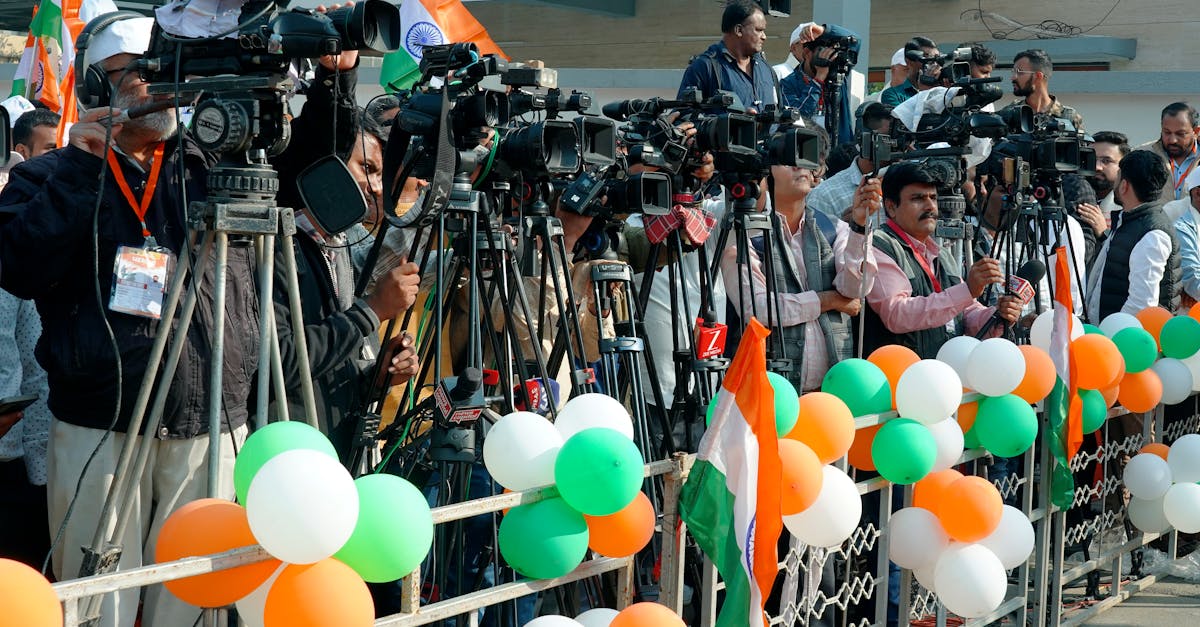
Rights groups are sounding a dire alarm over the rapidly deteriorating state of media freedom across several Sahel countries, a region increasingly characterized by political instability and military takeovers. In recent years, nations like Mali and Niger have witnessed military coups, bringing new regimes to power that critics say are systematically eroding democratic institutions and stifling independent voices.
The core of the concern lies in the methods employed by these junta leaders to silence dissent. They are reportedly leveraging a dual strategy: invoking national security concerns and weaponizing cybercrime laws. These broad and often vaguely worded legislations are being used as instruments to prosecute journalists, critics, and anyone perceived as a threat to the ruling military authorities. The result is a climate of fear and self-censorship, where reporters think twice before publishing critical stories, and the public is denied access to diverse perspectives.
Journalist Conviction Sparks Outrage
A recent incident in Mali has particularly intensified these warnings. Reporters Without Borders (RSF), a prominent international organization advocating for press freedom, has vehemently condemned the sentencing of a Malian journalist. The journalist was convicted last week on charges of insulting the military leader of neighboring Niger, a ruling that RSF has described as a "major blow" to press freedom within Mali itself. This conviction underscores a dangerous trend where cross-border reporting and commentary, even on issues concerning regional stability, are being criminalized, effectively shrinking the space for pan-African discourse.
Al Jazeera’s Imogen Kimber, reporting on the ground, has highlighted how these tactics are not isolated incidents but part of a broader pattern observed across the Sahel. The military regimes, often operating under the guise of restoring order or combating terrorism, are systematically dismantling the legal frameworks that protect journalists and media outlets. This includes arbitrary arrests, prolonged detentions without trial, and the closure of media houses that do not align with the official narrative. The weaponization of "cybercrime" laws is particularly insidious, as it allows authorities to target online speech, making it harder for journalists to operate in the digital sphere, which is often the last bastion of independent reporting.
The international community is increasingly concerned that without a free and independent press, accountability for human rights abuses and mismanagement will vanish. The ability of citizens to make informed decisions about their leadership and governance is severely curtailed, paving the way for further authoritarianism. Rights groups are calling for international bodies and democratic nations to exert pressure on these Sahelian regimes to respect fundamental freedoms, particularly press freedom, which is a cornerstone of any functioning democracy. The fate of independent journalism in the Sahel hangs in a precarious balance, with profound implications for human rights and stability in the region.
अधिकार समूह साहेल देशों में मीडिया स्वतंत्रता की तेजी से बिगड़ती स्थिति को लेकर गंभीर चेतावनी दे रहे हैं। यह क्षेत्र राजनीतिक अस्थिरता और सैन्य तख्तापलट से तेजी से प्रभावित हो रहा है। हाल के वर्षों में, माली और नाइजर जैसे देशों में सैन्य तख्तापलट हुए हैं, जिससे नई शासन व्यवस्थाएं सत्ता में आई हैं, जिनके बारे में आलोचकों का कहना है कि वे लोकतांत्रिक संस्थानों को व्यवस्थित रूप से कमजोर कर रही हैं और स्वतंत्र आवाजों को दबा रही हैं।
चिंता का मुख्य कारण इन जुंटा नेताओं द्वारा असहमति को चुप कराने के लिए अपनाई गई विधियाँ हैं। वे कथित तौर पर दोहरी रणनीति अपना रहे हैं: राष्ट्रीय सुरक्षा चिंताओं का हवाला देना और साइबर अपराध कानूनों का दुरुपयोग करना। इन व्यापक और अक्सर अस्पष्ट रूप से तैयार किए गए कानूनों का उपयोग पत्रकारों, आलोचकों और सैन्य अधिकारियों के लिए खतरा माने जाने वाले किसी भी व्यक्ति पर मुकदमा चलाने के लिए किया जा रहा है। इसका परिणाम डर और आत्म-सेंसरशिप का माहौल है, जहां पत्रकार महत्वपूर्ण कहानियों को प्रकाशित करने से पहले दो बार सोचते हैं, और जनता को विभिन्न दृष्टिकोणों तक पहुंच से वंचित किया जाता है।
पत्रकार की सजा ने जगाया आक्रोश
माली में हाल की एक घटना ने इन चेतावनियों को विशेष रूप से तेज कर दिया है। प्रेस स्वतंत्रता की वकालत करने वाले एक प्रमुख अंतरराष्ट्रीय संगठन, रिपोर्टर्स विदाउट बॉर्डर्स (RSF) ने एक माली पत्रकार को दी गई सजा की कड़ी निंदा की है। पत्रकार को पिछले सप्ताह पड़ोसी नाइजर के सैन्य नेता का अपमान करने के आरोप में दोषी ठहराया गया था, जिसे RSF ने माली के भीतर प्रेस स्वतंत्रता के लिए एक "बड़ा झटका" बताया है। यह सजा एक खतरनाक प्रवृत्ति को रेखांकित करती है जहां सीमा पार रिपोर्टिंग और टिप्पणी, यहां तक कि क्षेत्रीय स्थिरता से संबंधित मुद्दों पर भी, आपराधिक बनाया जा रहा है, जिससे पैन-अफ्रीकी विमर्श के लिए जगह प्रभावी रूप से सिकुड़ रही है।
अल जज़ीरा की इमोजेन किम्बर ने, मौके से रिपोर्टिंग करते हुए, इस बात पर प्रकाश डाला है कि ये रणनीति अकेले की घटनाएं नहीं हैं बल्कि साहेल भर में देखी गई एक व्यापक पैटर्न का हिस्सा हैं। सैन्य शासन, अक्सर व्यवस्था बहाल करने या आतंकवाद का मुकाबला करने के बहाने, पत्रकारों और मीडिया आउटलेट्स की रक्षा करने वाले कानूनी ढांचों को व्यवस्थित रूप से नष्ट कर रहे हैं। इसमें मनमानी गिरफ्तारियां, बिना मुकदमे के लंबे समय तक हिरासत में रखना और उन मीडिया घरानों को बंद करना शामिल है जो आधिकारिक कहानी के अनुरूप नहीं हैं। "साइबर अपराध" कानूनों का दुरुपयोग विशेष रूप से कपटपूर्ण है, क्योंकि यह अधिकारियों को ऑनलाइन भाषण को लक्षित करने की अनुमति देता है, जिससे पत्रकारों के लिए डिजिटल क्षेत्र में काम करना मुश्किल हो जाता है, जो अक्सर स्वतंत्र रिपोर्टिंग का आखिरी गढ़ होता है।
अंतर्राष्ट्रीय समुदाय तेजी से चिंतित है कि एक स्वतंत्र और निष्पक्ष प्रेस के बिना, मानवाधिकारों के हनन और कुप्रबंधन के लिए जवाबदेही समाप्त हो जाएगी। नागरिकों की अपने नेतृत्व और शासन के बारे में सूचित निर्णय लेने की क्षमता गंभीर रूप से बाधित होती है, जिससे आगे तानाशाही का मार्ग प्रशस्त होता है। अधिकार समूह अंतर्राष्ट्रीय निकायों और लोकतांत्रिक राष्ट्रों से इन साहेलियन शासनों पर मौलिक स्वतंत्रताओं, विशेष रूप से प्रेस स्वतंत्रता का सम्मान करने के लिए दबाव डालने का आह्वान कर रहे हैं, जो किसी भी कार्यशील लोकतंत्र की आधारशिला है। साहेल में स्वतंत्र पत्रकारिता का भाग्य एक अनिश्चित संतुलन में लटका हुआ है, जिसके क्षेत्र में मानवाधिकारों और स्थिरता के लिए गहरे निहितार्थ हैं।
