Breaking News
ताज़ा खबर
Massive Saharan Dust Plume Engulfs Canary Islands, Triggers Health and Travel Alerts
कैनरी द्वीप समूह में विशाल सहारा धूल का गुबार, स्वास्थ्य और यात्रा अलर्ट जारी
By AI News Desk
🕐 03 April 2026, 08:57 PM
🕐 03 April 2026, 20:57
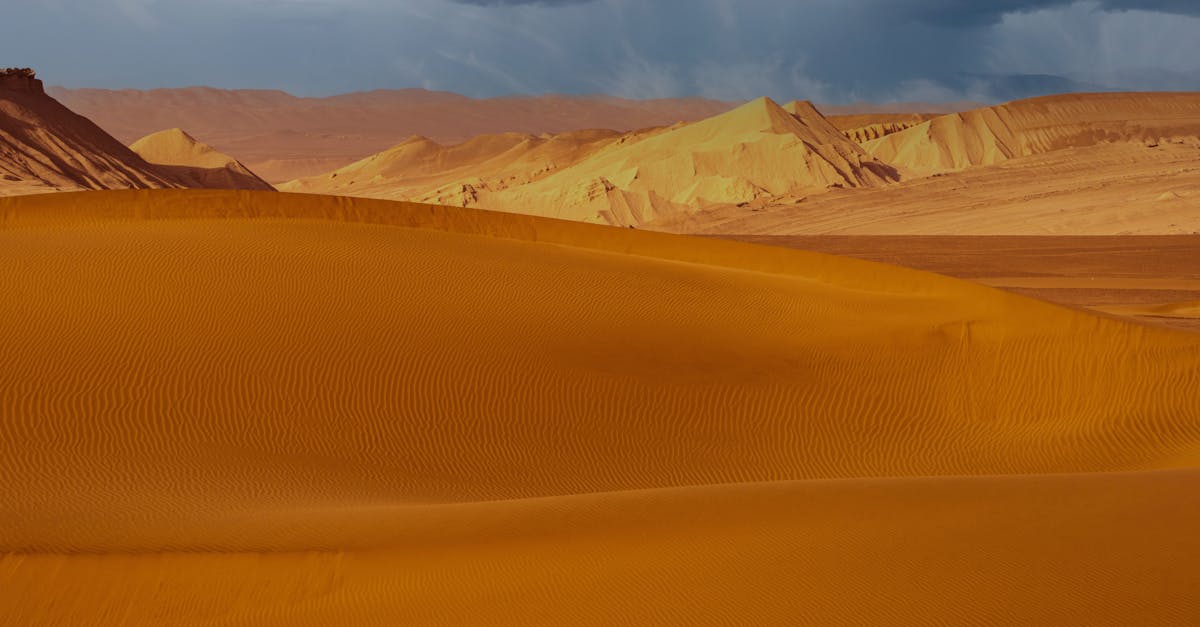
In a dramatic and visually striking display of nature's power, strong winds in March 2026 unleashed a colossal plume of Saharan dust, sweeping it across vast stretches of northwestern Africa and casting a thick, orange haze over the popular Canary Islands. The sheer volume of airborne particles drastically reduced visibility across the archipelago, transforming the normally clear blue skies into a murky, ochre-tinted landscape. Local authorities swiftly responded by issuing immediate health and travel alerts, advising residents and tourists alike to take stringent precautions.
Understanding the 'Calima' Phenomenon and Its Impact
This recurrent weather pattern, locally known as "Calima," is a formidable atmospheric phenomenon where strong southeasterly winds — often associated with high-pressure systems over the Sahara Desert — lift immense quantities of fine sand and dust particles high into the atmosphere. These particles can then travel thousands of kilometers, affecting regions far from their origin. While the Canary Islands, situated just off the coast of Morocco, are accustomed to such events, the intensity and widespread nature of the March 2026 incident were particularly notable, with some areas reporting visibility of less than 200 meters for extended periods.
The dense dust cloud brought with it a host of significant challenges and disruptions. Air quality plummeted to hazardous levels, raising serious concerns for individuals with respiratory conditions such as asthma, bronchitis, and allergies. Health officials strongly recommended staying indoors, keeping windows and doors tightly closed, and wearing protective FFP2 masks when venturing outside. Beyond the direct health risks, the severely diminished visibility led to widespread disruptions in travel infrastructure. Flights to and from several Canary Islands airports, including Gran Canaria and Tenerife, experienced extensive delays and cancellations, stranding thousands of passengers and dealing a considerable blow to the region's vital tourism industry. Maritime traffic was also significantly affected, with ferries operating at reduced speeds or facing temporary suspensions due to safety concerns.
Local meteorologists had been meticulously tracking the dust plume's trajectory for several days, enabling them to issue timely warnings that allowed for some level of preparation among the populace and local businesses. Despite these efforts, the sheer volume of dust served as a stark and powerful reminder of the Sahara Desert's immense influence on regional weather patterns. Environmental experts further highlighted the broader ecological implications of such intense events, including potential impacts on delicate marine ecosystems and agricultural sectors, as fine dust particles can settle on both land and sea, altering soil composition, water quality, and potentially affecting crop yields. As the powerful winds gradually subsided over the subsequent days, the islands slowly began to emerge from their temporary ochre shroud, leaving behind a pervasive layer of fine dust and a renewed emphasis on robust future preparedness strategies for these increasingly frequent and intense natural occurrences.
मार्च 2026 में प्रकृति की शक्ति के एक नाटकीय और नेत्रहीन प्रभावशाली प्रदर्शन में, तेज हवाओं ने सहारा रेगिस्तान की धूल का एक विशाल गुबार उड़ाया, जिसने इसे उत्तर-पश्चिमी अफ्रीका के बड़े हिस्से में फैला दिया और लोकप्रिय कैनरी द्वीप समूह पर एक मोटी, नारंगी धुंध बिछा दी। हवा में मौजूद कणों की भारी मात्रा ने पूरे द्वीपसमूह में दृश्यता को नाटकीय रूप से कम कर दिया, जिससे सामान्य रूप से साफ नीला आकाश एक धुंधले, गेरू के रंग के परिदृश्य में बदल गया। स्थानीय अधिकारियों ने तुरंत स्वास्थ्य और यात्रा अलर्ट जारी कर जवाब दिया, जिसमें निवासियों और पर्यटकों दोनों को सख्त सावधानी बरतने की सलाह दी गई।
'कलिमा' घटना और उसका प्रभाव समझना
यह बार-बार होने वाली मौसम की घटना, जिसे स्थानीय रूप से "कलिमा" के नाम से जाना जाता है, एक दुर्जेय वायुमंडलीय घटना है जहाँ तेज दक्षिण-पूर्वी हवाएँ — अक्सर सहारा रेगिस्तान के ऊपर उच्च दबाव प्रणालियों से जुड़ी होती हैं — रेत और धूल के महीन कणों की भारी मात्रा को वायुमंडल में ऊपर उठाती हैं। ये कण तब हजारों किलोमीटर तक यात्रा कर सकते हैं, जिससे उनके मूल स्थान से दूर के क्षेत्र प्रभावित होते हैं। जबकि मोरक्को के तट से दूर स्थित कैनरी द्वीप समूह ऐसी घटनाओं के आदी हैं, मार्च 2026 की घटना की तीव्रता और व्यापकता विशेष रूप से उल्लेखनीय थी, कुछ क्षेत्रों में विस्तारित अवधि के लिए 200 मीटर से कम दृश्यता दर्ज की गई थी।
घने धूल के बादल अपने साथ कई महत्वपूर्ण चुनौतियाँ और व्यवधान लाए। वायु गुणवत्ता खतरनाक स्तर तक गिर गई, जिससे अस्थमा, ब्रोंकाइटिस और एलर्जी जैसी श्वसन संबंधी समस्याओं वाले व्यक्तियों के लिए गंभीर चिंताएँ बढ़ गईं। स्वास्थ्य अधिकारियों ने घर के अंदर रहने, खिड़कियों और दरवाजों को कसकर बंद रखने और बाहर निकलते समय सुरक्षात्मक FFP2 मास्क पहनने की जोरदार सलाह दी। सीधे स्वास्थ्य जोखिमों के अलावा, गंभीर रूप से घटी हुई दृश्यता के कारण यात्रा के बुनियादी ढांचे में व्यापक व्यवधान आया। ग्रैन कैनरिया और टेनेरिफ सहित कई कैनरी द्वीप हवाई अड्डों से आने और जाने वाली उड़ानें बड़े पैमाने पर देरी और रद्द होने का अनुभव कर रही थीं, जिससे हजारों यात्री फंसे हुए थे और क्षेत्र के महत्वपूर्ण पर्यटन उद्योग को काफी झटका लगा। सुरक्षा चिंताओं के कारण नौवहन यातायात भी काफी प्रभावित हुआ, जिसमें नौकाएँ कम गति पर चल रही थीं या अस्थायी निलंबन का सामना कर रही थीं।
स्थानीय मौसम विज्ञानियों ने कई दिनों से धूल के गुबार के प्रक्षेपवक्र की सावधानीपूर्वक निगरानी की थी, जिससे उन्हें समय पर चेतावनी जारी करने में मदद मिली जिसने आबादी और स्थानीय व्यवसायों के बीच कुछ हद तक तैयारी की अनुमति दी। इसके बावजूद, धूल की भारी मात्रा ने क्षेत्रीय मौसम पैटर्न पर सहारा रेगिस्तान के immense प्रभाव की एक कड़ी और शक्तिशाली याद दिला दी। पर्यावरण विशेषज्ञों ने ऐसी तीव्र घटनाओं के व्यापक पारिस्थितिक प्रभावों पर भी प्रकाश डाला, जिसमें नाजुक समुद्री पारिस्थितिक तंत्र और कृषि क्षेत्रों पर संभावित प्रभाव शामिल हैं, क्योंकि धूल के महीन कण भूमि और समुद्र दोनों पर बस सकते हैं, मिट्टी की संरचना, पानी की गुणवत्ता को बदल सकते हैं और संभावित रूप से फसल की पैदावार को प्रभावित कर सकते हैं। जैसे-जैसे आने वाले दिनों में शक्तिशाली हवाएँ धीरे-धीरे कम हुईं, द्वीप धीरे-धीरे अपने अस्थायी गेरू रंग के आवरण से बाहर निकलने लगे, जिससे धूल की एक सर्वव्यापी परत और इन तेजी से लगातार और तीव्र प्राकृतिक घटनाओं के लिए मजबूत भविष्य की तैयारी रणनीतियों पर एक नया जोर दिया गया।
