Breaking News
ताज़ा खबर
ताजी बातमी
সর্বশেষ সংবাদ
சமீபத்திய செய்தி
తాజా వార్త
તાજા સમાચાર
ਤਾਜ਼ਾ ਖ਼ਬਰ
India's 'Miracle Tree' Neem Facing Devastating Dieback Disease Threat
भारत का 'चमत्कारिक पेड़' नीम गंभीर डाईबैक रोग के खतरे में, विशेषज्ञ चिंतित
भारताचे 'चमत्कारिक वृक्ष' कडू लिंब डाईबॅक रोगाच्या धोक्यात, तज्ञ चिंतित
ভারতের 'অলৌকিক গাছ' নিম মারাত্মক ডাইব্যাক রোগের হুমকিতে, বিশেষজ্ঞরা উদ্বিগ্ন
இந்தியாவின் 'அதிசய மரம்' வேம்பு, டைபேக் நோயால் அச்சுறுத்தல்: நிபுணர்கள் கவலை
భారతదేశపు 'అద్భుత వృక్షం' వేప చెట్లకు డైబ్యాక్ వ్యాధి ముప్పు, నిపుణులు ఆందోళన
ભારતના 'ચમત્કારિક વૃક્ષ' લીમડા પર ડાઈબેક રોગનો ખતરો, નિષ્ણાતો ચિંતિત
ਭਾਰਤ ਦਾ 'ਚਮਤਕਾਰੀ ਰੁੱਖ' ਨਿੰਮ ਭਿਆਨਕ ਡਾਈਬੈਕ ਰੋਗ ਦੇ ਖਤਰੇ ਵਿੱਚ, ਮਾਹਿਰ ਚਿੰਤਤ
By AI News Desk
🕐 10 May 2026, 05:24 PM
🏥 Health
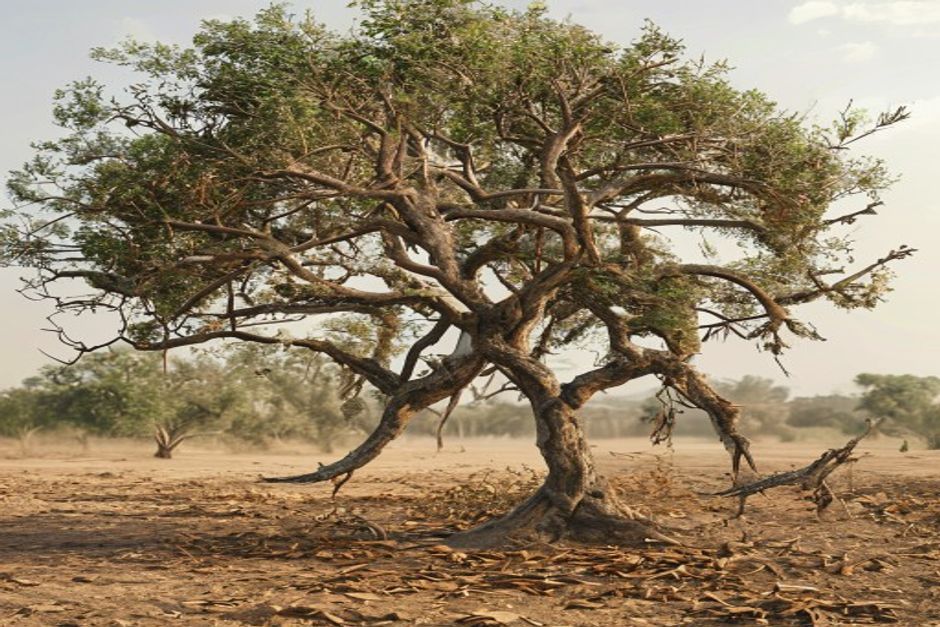
India's beloved neem tree, revered for centuries for its medicinal properties and ecological benefits, is now under severe threat from a devastating dieback disease. Dr. YSRHU Vice-Chancellor K Dhanumjaya Rao has raised an alarm, attributing the widespread death of neem trees to a dual attack: the fungus Phomopsis Azadirachtae and the notorious Tea Mosquito Bug.
The dieback disease manifests as branches turning brown and drying up, eventually leading to the death of the entire tree. This alarming trend is not just an environmental concern but also poses a significant cultural and economic challenge for India, where neem is deeply embedded in traditional medicine, agriculture, and daily life. From pesticides to skincare, and as a natural air purifier, the neem tree's contributions are immeasurable.
Understanding the Threat
According to Dr. Rao, the fungus Phomopsis Azadirachtae is the primary pathogen responsible for the dieback. It thrives in humid conditions, often spreading rapidly after monsoon seasons. The Tea Mosquito Bug (Helopeltis antonii), on the other hand, acts as a vector and also causes direct damage by sucking sap from young shoots and leaves, creating wounds that make trees more susceptible to fungal infections. This synergistic attack makes the disease particularly virulent and difficult to control.
Experts are urging immediate action, including systematic surveys to identify affected areas, research into resistant neem varieties, and the development of effective biological and chemical control measures. Farmers and arborists are advised to prune infected branches promptly and dispose of them safely to prevent further spread. The application of fungicides and insecticides, where appropriate, can also play a crucial role, though sustainable and eco-friendly methods are preferred.
The loss of neem trees could have far-reaching consequences, impacting local ecosystems, traditional health practices, and the livelihoods of many. This crisis underscores the urgent need for concerted efforts from agricultural scientists, environmentalists, and government bodies to protect this invaluable natural resource before it's too late. The fight to save the neem tree is a fight to preserve a vital part of India's natural heritage.
भारत का प्रिय नीम का पेड़, जिसे सदियों से औषधीय गुणों और पर्यावरणीय लाभों के लिए पूजा जाता रहा है, अब डाईबैक नामक एक विनाशकारी बीमारी के गंभीर खतरे में है। डॉ. वाई.एस.आर. बागवानी विश्वविद्यालय के कुलपति के. धनुमजय राव ने चिंता व्यक्त की है, नीम के पेड़ों की व्यापक मृत्यु का कारण फंगस 'फोमोप्सिस अजादिरक्टे' (Phomopsis Azadirachtae) और कुख्यात चाय मच्छर कीट (Tea Mosquito Bug) के दोहरे हमले को बताया है।
डाईबैक रोग में पेड़ों की शाखाएं भूरी होकर सूखने लगती हैं, और अंततः पूरे पेड़ की मृत्यु हो जाती है। यह चिंताजनक प्रवृत्ति न केवल एक पर्यावरणीय चिंता है, बल्कि भारत के लिए एक महत्वपूर्ण सांस्कृतिक और आर्थिक चुनौती भी पेश करती है, जहां नीम पारंपरिक चिकित्सा, कृषि और दैनिक जीवन में गहराई से जुड़ा हुआ है। कीटनाशकों से लेकर त्वचा की देखभाल तक, और एक प्राकृतिक वायु शोधक के रूप में, नीम के पेड़ का योगदान अतुलनीय है।
खतरे को समझना
डॉ. राव के अनुसार, फंगस फोमोप्सिस अजादिरक्टे डाईबैक के लिए जिम्मेदार प्राथमिक रोगजनक है। यह आर्द्र परिस्थितियों में पनपता है, अक्सर मानसून के मौसम के बाद तेजी से फैलता है। दूसरी ओर, चाय मच्छर कीट (हेलोपेल्टिस एंटोनी - Helopeltis antonii) एक वाहक के रूप में कार्य करता है और युवा टहनियों और पत्तियों से रस चूसकर सीधा नुकसान भी पहुंचाता है, जिससे ऐसे घाव बन जाते हैं जो पेड़ों को फंगल संक्रमण के प्रति अधिक संवेदनशील बनाते हैं। यह सहक्रियात्मक हमला इस बीमारी को विशेष रूप से दुर्जेय और नियंत्रित करने में कठिन बनाता है।
विशेषज्ञ तत्काल कार्रवाई का आग्रह कर रहे हैं, जिसमें प्रभावित क्षेत्रों की पहचान करने के लिए व्यवस्थित सर्वेक्षण, प्रतिरोधी नीम किस्मों पर शोध और प्रभावी जैविक और रासायनिक नियंत्रण उपायों का विकास शामिल है। किसानों और वृक्षारोपकों को सलाह दी जाती है कि वे संक्रमित शाखाओं को तुरंत काट दें और उन्हें आगे फैलने से रोकने के लिए सुरक्षित रूप से निपटाएं। जहां उचित हो, कवकनाशी और कीटनाशकों का प्रयोग भी महत्वपूर्ण भूमिका निभा सकता है, हालांकि स्थायी और पर्यावरण-अनुकूल तरीकों को प्राथमिकता दी जाती है।
नीम के पेड़ों के नुकसान से दूरगामी परिणाम हो सकते हैं, जिससे स्थानीय पारिस्थितिक तंत्र, पारंपरिक स्वास्थ्य प्रथाएं और कई लोगों की आजीविका प्रभावित होगी। यह संकट कृषि वैज्ञानिकों, पर्यावरणविदों और सरकारी निकायों से इस अमूल्य प्राकृतिक संसाधन की रक्षा के लिए ठोस प्रयासों की तत्काल आवश्यकता पर जोर देता है, इससे पहले कि बहुत देर हो जाए। नीम के पेड़ को बचाने की लड़ाई भारत की प्राकृतिक विरासत के एक महत्वपूर्ण हिस्से को संरक्षित करने की लड़ाई है।
भारताचे लाडके कडू लिंब (नीम) वृक्ष, जे शतकानुशतके त्याच्या औषधी गुणधर्मांसाठी आणि पर्यावरणीय फायद्यांसाठी पूजले जात आहे, ते आता 'डाईबॅक' नावाच्या विनाशकारी रोगाच्या गंभीर धोक्यात आहे. डॉ. वाय.एस.आर. बागवानी विद्यापीठाचे कुलगुरू के. धनूमजय राव यांनी धोक्याची घंटा वाजवली आहे. त्यांच्या मते, कडू लिंबाच्या मोठ्या प्रमाणावर होणाऱ्या मृत्यूचे कारण 'फोमोप्सीस अजादिरक्टे' (Phomopsis Azadirachtae) नावाचा बुरशी आणि कुप्रसिद्ध 'टी मॉस्किटो बग' (Tea Mosquito Bug) या दोन्हींचा एकत्रित हल्ला आहे.
डाईबॅक रोगात झाडांच्या फांद्या तपकिरी होऊन सुकायला लागतात आणि शेवटी संपूर्ण झाड मरते. ही चिंताजनक प्रवृत्ती केवळ एक पर्यावरणीय चिंता नाही, तर भारतासाठी एक महत्त्वपूर्ण सांस्कृतिक आणि आर्थिक आव्हान देखील आहे. भारतात कडू लिंब पारंपरिक औषध, शेती आणि दैनंदिन जीवनात खोलवर रुजलेले आहे. कीटकनाशकांपासून ते त्वचेच्या काळजीपर्यंत आणि नैसर्गिक वायू शुद्धीकरणापर्यंत, कडू लिंबाचे योगदान अमूल्य आहे.
धोका समजून घेणे
डॉ. राव यांच्या मते, फोमोप्सीस अजादिरक्टे ही बुरशी डाईबॅकसाठी प्राथमिक रोगजनक आहे. ती दमट परिस्थितीत वाढते, अनेकदा पावसाळ्यानंतर वेगाने पसरते. दुसरीकडे, टी मॉस्किटो बग (हेलोपेल्टिस अँटोनी - Helopeltis antonii) एक वाहक म्हणून कार्य करतो आणि तरुण कोंब आणि पानांमधून रस शोषून थेट नुकसान देखील करतो. यामुळे झाडांवर जखमा होतात, ज्यामुळे ती बुरशीजन्य संसर्गास अधिक संवेदनशील बनतात. हा एकत्रित हल्ला रोगाला विशेषतः गंभीर आणि नियंत्रित करणे कठीण बनवतो.
तज्ञांनी तातडीने कार्यवाही करण्याचे आवाहन केले आहे, ज्यात बाधित क्षेत्रांची ओळख पटवण्यासाठी पद्धतशीर सर्वेक्षण, रोगप्रतिकारक कडू लिंबाच्या वाणांवर संशोधन आणि प्रभावी जैविक व रासायनिक नियंत्रण उपायांचा विकास यांचा समावेश आहे. शेतकरी आणि वृक्षारोपकांना संक्रमित फांद्या ताबडतोब छाटून त्यांची सुरक्षितपणे विल्हेवाट लावण्याचा सल्ला दिला जातो जेणेकरून पुढील प्रसार रोखता येईल. जिथे योग्य असेल तिथे बुरशीनाशके आणि कीटकनाशकांचा वापर देखील महत्त्वपूर्ण भूमिका बजावू शकतो, तथापि, शाश्वत आणि पर्यावरणास अनुकूल पद्धतींना प्राधान्य दिले जाते.
कडू लिंबाच्या झाडांच्या नुकसानीचे दूरगामी परिणाम होऊ शकतात, ज्यामुळे स्थानिक परिसंस्था, पारंपरिक आरोग्य पद्धती आणि अनेकांच्या उपजीविकेवर परिणाम होईल. हे संकट कृषि शास्त्रज्ञ, पर्यावरणवादी आणि सरकारी संस्थांकडून या अमूल्य नैसर्गिक संसाधनाचे संरक्षण करण्यासाठी त्वरित आणि एकत्रित प्रयत्नांची गरज अधोरेखित करते, याआधी की खूप उशीर होईल. कडू लिंबाचे झाड वाचवण्याची ही लढाई भारताच्या नैसर्गिक वारशाचा एक महत्त्वपूर्ण भाग जपण्याची लढाई आहे।
ভারতের প্রিয় নিম গাছ, যা শতাব্দী ধরে তার ঔষধি গুণাবলী এবং পরিবেশগত সুবিধার জন্য পূজিত হয়ে আসছে, এখন 'ডাইব্যাক' নামক এক ধ্বংসাত্মক রোগের গুরুতর হুমকির মুখে। ড. ওয়াই.এস.আর. উদ্যানবিদ্যা বিশ্ববিদ্যালয়ের উপাচার্য কে. ধনুঞ্জয় রাও উদ্বেগ প্রকাশ করেছেন। তিনি নিম গাছের ব্যাপক মৃত্যুর কারণ হিসেবে 'ফোমোসিস আজাদিরচটে' (Phomopsis Azadirachtae) নামক ছত্রাক এবং কুখ্যাত 'টি মশা পোকা' (Tea Mosquito Bug) উভয়ের সম্মিলিত আক্রমণকে দায়ী করেছেন।
ডাইব্যাক রোগে গাছের ডালপালা বাদামী হয়ে শুকিয়ে যায় এবং অবশেষে পুরো গাছটি মারা যায়। এই উদ্বেগজনক প্রবণতা শুধুমাত্র একটি পরিবেশগত উদ্বেগ নয়, বরং ভারতের জন্য একটি গুরুত্বপূর্ণ সাংস্কৃতিক এবং অর্থনৈতিক চ্যালেঞ্জও তৈরি করে, যেখানে নিম ঐতিহ্যবাহী ঔষধ, কৃষি এবং দৈনন্দিন জীবনে গভীরভাবে জড়িত। কীটনাশক থেকে ত্বকের যত্ন পর্যন্ত, এবং একটি প্রাকৃতিক বায়ু পরিশোধক হিসেবে, নিম গাছের অবদান অপরিমেয়।
হুমকি বোঝা
ড. রাও-এর মতে, ফোমোসিস আজাদিরচটে ছত্রাক ডাইব্যাক রোগের প্রধান কারণ। এটি আর্দ্র পরিস্থিতিতে বেড়ে ওঠে, প্রায়শই বর্ষা মৌসুমে দ্রুত ছড়িয়ে পড়ে। অন্যদিকে, টি মশা পোকা (হেলোপেল্টিস অ্যান্টনি - Helopeltis antonii) একটি বাহক হিসেবে কাজ করে এবং তরুণ অঙ্কুর ও পাতা থেকে রস চুষে সরাসরি ক্ষতিও করে, যা গাছে ক্ষত তৈরি করে এবং তাদের ছত্রাক সংক্রমণের প্রতি আরও সংবেদনশীল করে তোলে। এই সম্মিলিত আক্রমণ রোগটিকে বিশেষভাবে মারাত্মক এবং নিয়ন্ত্রণ করা কঠিন করে তোলে।
বিশেষজ্ঞরা অবিলম্বে পদক্ষেপ নেওয়ার আহ্বান জানাচ্ছেন, যার মধ্যে প্রভাবিত অঞ্চলগুলি সনাক্ত করার জন্য পদ্ধতিগত জরিপ, প্রতিরোধী নিম প্রজাতির উপর গবেষণা এবং কার্যকর জৈব ও রাসায়নিক নিয়ন্ত্রণ ব্যবস্থার বিকাশ অন্তর্ভুক্ত। কৃষক এবং বৃক্ষরোপণকারীদের অবিলম্বে সংক্রামিত ডালপালা ছাঁটাই করে নিরাপদে নিষ্পত্তি করার পরামর্শ দেওয়া হয় যাতে আরও বিস্তার রোধ করা যায়। যেখানে উপযুক্ত, সেখানে ছত্রাকনাশক এবং কীটনাশকের ব্যবহারও গুরুত্বপূর্ণ ভূমিকা পালন করতে পারে, তবে টেকসই এবং পরিবেশ-বান্ধব পদ্ধতিকে অগ্রাধিকার দেওয়া হয়।
নিম গাছের ক্ষতির সুদূরপ্রসারী পরিণতি হতে পারে, যা স্থানীয় বাস্তুতন্ত্র, ঐতিহ্যবাহী স্বাস্থ্য অনুশীলন এবং অনেকের জীবিকাকে প্রভাবিত করবে। এই সংকট কৃষি বিজ্ঞানী, পরিবেশবাদী এবং সরকারি সংস্থাগুলির কাছ থেকে এই অমূল্য প্রাকৃতিক সম্পদ রক্ষা করার জন্য দ্রুত এবং সমন্বিত প্রচেষ্টার জরুরি প্রয়োজনকে তুলে ধরে, এর আগে যে খুব দেরি হয়ে যাবে। নিম গাছ বাঁচানোর এই যুদ্ধ ভারতের প্রাকৃতিক ঐতিহ্যের একটি গুরুত্বপূর্ণ অংশ সংরক্ষণের যুদ্ধ।
நூற்றாண்டுகளாக அதன் மருத்துவ குணங்கள் மற்றும் சுற்றுச்சூழல் நலன்களுக்காகப் போற்றப்படும் இந்தியாவின் அன்பான வேப்ப மரம், தற்போது 'டைபேக்' (Dieback) எனப்படும் ஒரு பேரழிவு நோயின் கடுமையான அச்சுறுத்தலுக்கு உள்ளாகியுள்ளது. டாக்டர். ஒய்.எஸ்.ஆர். தோட்டக்கலை பல்கலைக்கழக துணைவேந்தர் கே. தனுமஞ்சயா ராவ் எச்சரிக்கை விடுத்துள்ளார். வேப்ப மரங்கள் பரவலாக இறப்பதற்கு 'ஃபோமோப்சிஸ் அசாடிரக்டே' (Phomopsis Azadirachtae) என்ற பூஞ்சை மற்றும் 'டீ கொசு பூச்சி' (Tea Mosquito Bug) ஆகியவற்றின் இரட்டை தாக்குதலே காரணம் என்று அவர் குறிப்பிட்டுள்ளார்.
டைபேக் நோய் காரணமாக மரங்களின் கிளைகள் பழுப்பு நிறமாக மாறி உலர்ந்து போகின்றன, இறுதியில் முழு மரமும் இறந்துவிடுகிறது. இந்த ஆபத்தான போக்கு ஒரு சுற்றுச்சூழல் கவலை மட்டுமல்ல, இந்தியாவுக்கு ஒரு குறிப்பிடத்தக்க கலாச்சார மற்றும் பொருளாதார சவாலாகவும் உள்ளது. இந்தியாவில் வேம்பு பாரம்பரிய மருத்துவம், விவசாயம் மற்றும் அன்றாட வாழ்க்கையில் ஆழமாகப் பதிந்துள்ளது. பூச்சிக்கொல்லிகள் முதல் தோல் பராமரிப்பு வரை, மற்றும் ஒரு இயற்கை காற்று சுத்திகரிப்பான் வரை, வேப்ப மரத்தின் பங்களிப்புகள் அளப்பரியவை.
அச்சுறுத்தலைப் புரிந்துகொள்வோம்
டாக்டர். ராவின் கூற்றுப்படி, ஃபோமோப்சிஸ் அசாடிரக்டே பூஞ்சையே டைபேக் நோய்க்கான முதன்மை நோய்க்கிருமியாகும். இது ஈரப்பதமான சூழ்நிலையில் செழித்து வளர்கிறது, பெரும்பாலும் பருவமழைக்குப் பிறகு வேகமாகப் பரவுகிறது. மறுபுறம், டீ கொசு பூச்சி (ஹெலோபெல்டிஸ் ஆன்டோனி - Helopeltis antonii) ஒரு கடத்தியாக செயல்படுகிறது மற்றும் இளம் தளிர்கள் மற்றும் இலைகளில் இருந்து சாற்றை உறிஞ்சி நேரடியாக சேதத்தையும் ஏற்படுத்துகிறது. இது மரங்களில் காயங்களை உருவாக்கி, பூஞ்சை தொற்றுகளுக்கு அவற்றை மேலும் எளிதில் பாதிக்கப்படக்கூடியதாக மாற்றுகிறது. இந்த ஒருங்கிணைந்த தாக்குதல் நோயை குறிப்பாக கடுமையானதாகவும், கட்டுப்படுத்துவதற்குக் கடினமானதாகவும் ஆக்குகிறது.
பாதிக்கப்பட்ட பகுதிகளை அடையாளம் காண முறையான ஆய்வுகள், எதிர்ப்பு சக்தி கொண்ட வேம்பு வகைகளில் ஆராய்ச்சி மற்றும் பயனுள்ள உயிரியல் மற்றும் இரசாயன கட்டுப்பாட்டு நடவடிக்கைகளை உருவாக்குதல் உள்ளிட்ட உடனடி நடவடிக்கைகளை நிபுணர்கள் வலியுறுத்தி வருகின்றனர். விவசாயிகள் மற்றும் மரம் வளர்ப்பவர்களுக்கு பாதிக்கப்பட்ட கிளைகளை உடனடியாக வெட்டி அகற்றி, மேலும் பரவாமல் தடுக்க பாதுகாப்பாக அப்புறப்படுத்த அறிவுறுத்தப்படுகிறது. பொருத்தமான இடங்களில், பூஞ்சைக்கொல்லிகள் மற்றும் பூச்சிக்கொல்லிகளின் பயன்பாடும் முக்கிய பங்கை வகிக்கும், இருப்பினும் நிலையான மற்றும் சுற்றுச்சூழலுக்கு உகந்த முறைகளுக்கு முன்னுரிமை அளிக்கப்படுகிறது.
வேப்ப மரங்களின் இழப்பு உள்ளூர் சுற்றுச்சூழல் அமைப்புகள், பாரம்பரிய சுகாதார நடைமுறைகள் மற்றும் பலரின் வாழ்வாதாரங்களை பாதிக்கும் வகையில் தொலைநோக்கு விளைவுகளை ஏற்படுத்தக்கூடும். இந்த நெருக்கடி, இந்த விலைமதிப்பற்ற இயற்கை வளத்தைப் பாதுகாக்க விவசாய விஞ்ஞானிகள், சுற்றுச்சூழல் ஆர்வலர்கள் மற்றும் அரசு அமைப்புகளிடமிருந்து ஒருங்கிணைந்த முயற்சிகளின் அவசரத் தேவையை அடிக்கோடிட்டுக் காட்டுகிறது, நேரம் கடந்து போகுமுன். வேப்ப மரத்தைக் காப்பாற்றுவதற்கான இந்தப் போராட்டம், இந்தியாவின் இயற்கை பாரம்பரியத்தின் ஒரு முக்கிய பகுதியைப் பாதுகாப்பதற்கான போராட்டமாகும்.
శతాబ్దాలుగా దాని ఔషధ గుణాలు మరియు పర్యావరణ ప్రయోజనాల కోసం పూజించబడుతున్న భారతదేశపు ప్రియమైన వేప చెట్టు, ఇప్పుడు 'డైబ్యాక్' (Dieback) అనే వినాశకరమైన వ్యాధి నుండి తీవ్ర ముప్పును ఎదుర్కొంటోంది. డా. వై.ఎస్.ఆర్. హార్టికల్చరల్ యూనివర్సిటీ వైస్-ఛాన్సలర్ కె. ధనుంజయ రావు అప్రమత్తం చేశారు. వేప చెట్ల భారీ మరణాలకు 'ఫోమోప్సిస్ అజాడిరక్టే' (Phomopsis Azadirachtae) అనే శిలీంధ్రం మరియు కుప్రసిద్ధ 'టీ దోమ పురుగు' (Tea Mosquito Bug) రెండింటి దాడే కారణమని ఆయన పేర్కొన్నారు.
డైబ్యాక్ వ్యాధి వల్ల చెట్ల కొమ్మలు గోధుమ రంగులోకి మారి ఎండిపోతాయి, చివరికి మొత్తం చెట్టే చనిపోతుంది. ఈ ఆందోళనకరమైన ధోరణి పర్యావరణ ఆందోళన మాత్రమే కాదు, భారతదేశానికి ఒక ముఖ్యమైన సాంస్కృతిక మరియు ఆర్థిక సవాలును కూడా కలిగిస్తుంది, ఇక్కడ వేప సాంప్రదాయ వైద్యం, వ్యవసాయం మరియు రోజువారీ జీవితంలో లోతుగా పాతుకుపోయింది. పురుగుమందుల నుండి చర్మ సంరక్షణ వరకు, మరియు సహజ గాలి శుద్ధిగా, వేప చెట్టు యొక్క సహకారం కొలవలేనిది.
ముప్పును అర్థం చేసుకోవడం
డా. రావు ప్రకారం, ఫోమోప్సిస్ అజాడిరక్టే అనే శిలీంధ్రం డైబ్యాక్ వ్యాధికి ప్రధాన రోగకారకం. ఇది తేమతో కూడిన పరిస్థితులలో వృద్ధి చెందుతుంది, తరచుగా రుతుపవనాల తర్వాత వేగంగా వ్యాపిస్తుంది. మరోవైపు, టీ దోమ పురుగు (హెలోపెల్టిస్ ఆంటోనీ - Helopeltis antonii) ఒక వాహకంగా పనిచేస్తుంది మరియు లేత చిగుళ్ళు మరియు ఆకుల నుండి రసం పీల్చి ప్రత్యక్ష నష్టాన్ని కూడా కలిగిస్తుంది, దీనివల్ల చెట్లపై గాయాలు ఏర్పడి, అవి శిలీంధ్ర సంక్రమణలకు మరింత సున్నితంగా మారతాయి. ఈ సినర్జిస్టిక్ దాడి ఈ వ్యాధిని ప్రత్యేకంగా తీవ్రమైనదిగా మరియు నియంత్రించడం కష్టతరం చేస్తుంది.
ప్రభావిత ప్రాంతాలను గుర్తించడానికి క్రమబద్ధమైన సర్వేలు, నిరోధక వేప రకాలపై పరిశోధన మరియు సమర్థవంతమైన జీవ మరియు రసాయన నియంత్రణ చర్యల అభివృద్ధి వంటి తక్షణ చర్యలను నిపుణులు కోరుతున్నారు. రైతులు మరియు అటవీ అధికారులు ప్రభావిత కొమ్మలను వెంటనే కత్తిరించి, అవి మరింత వ్యాపించకుండా సురక్షితంగా పారవేయాలని సూచించారు. అవసరమైన చోట, శిలీంధ్రనాశకాలు మరియు పురుగుమందుల వాడకం కూడా కీలక పాత్ర పోషిస్తుంది, అయినప్పటికీ స్థిరమైన మరియు పర్యావరణ అనుకూల పద్ధతులకు ప్రాధాన్యత ఇవ్వబడుతుంది。
వేప చెట్ల నష్టం స్థానిక పర్యావరణ వ్యవస్థలు, సాంప్రదాయ ఆరోగ్య పద్ధతులు మరియు అనేకమంది జీవనోపాధిని ప్రభావితం చేసే సుదూర పరిణామాలను కలిగి ఉంటుంది. ఈ సంక్షోభం వ్యవసాయ శాస్త్రవేత్తలు, పర్యావరణవేత్తలు మరియు ప్రభుత్వ సంస్థల నుండి ఈ అమూల్యమైన సహజ వనరును పరిరక్షించడానికి సమన్వయ ప్రయత్నాల ఆవశ్యకతను నొక్కి చెబుతుంది, చాలా ఆలస్యం కాకముందే. వేప చెట్టును రక్షించే ఈ పోరాటం భారతదేశ సహజ వారసత్వంలో ఒక ముఖ్యమైన భాగాన్ని పరిరక్షించే పోరాటం.
ભારતનું પ્રિય લીમડાનું વૃક્ષ, જે સદીઓથી તેના ઔષધીય ગુણધર્મો અને પર્યાવરણીય ફાયદાઓ માટે પૂજનીય છે, તે હવે 'ડાઈબેક' (Dieback) નામના વિનાશકારી રોગના ગંભીર ખતરા હેઠળ છે. ડો. વાય.એસ.આર. બાગાયત યુનિવર્સિટીના કુલપતિ કે. ધનુમંજય રાવે એલાર્મ વગાડ્યું છે. લીમડાના વૃક્ષોના વ્યાપક મૃત્યુનું કારણ 'ફોમોપ્સિસ અઝાદીરાક્ટે' (Phomopsis Azadirachtae) નામની ફૂગ અને કુખ્યાત 'ટી મોસ્કીટો બગ' (Tea Mosquito Bug) ના બેવડા હુમલાને આભારી છે.
ડાઈબેક રોગમાં વૃક્ષોની ડાળીઓ ભૂરા રંગની થઈને સુકાઈ જાય છે, અને અંતે આખું વૃક્ષ મૃત્યુ પામે છે. આ ચિંતાજનક વલણ માત્ર પર્યાવરણીય ચિંતા જ નથી, પરંતુ ભારત માટે એક મહત્વપૂર્ણ સાંસ્કૃતિક અને આર્થિક પડકાર પણ ઊભું કરે છે, જ્યાં લીમડો પરંપરાગત દવા, કૃષિ અને દૈનિક જીવનમાં ઊંડે સુધી સંકળાયેલો છે. જંતુનાશકોથી લઈને ત્વચાની સંભાળ સુધી, અને કુદરતી હવા શુદ્ધિકારક તરીકે, લીમડાના વૃક્ષનું યોગદાન અમૂલ્ય છે.
ખતરાને સમજવો
ડો. રાવના મતે, ફોમોપ્સિસ અઝાદીરાક્ટે ફૂગ ડાઈબેક માટે પ્રાથમિક રોગકારક છે. તે ભેજવાળી પરિસ્થિતિઓમાં વિકાસ પામે છે, ઘણીવાર ચોમાસાની ઋતુ પછી ઝડપથી ફેલાય છે. બીજી તરફ, ટી મોસ્કીટો બગ (હેલોપેલ્ટિસ એન્ટોની - Helopeltis antonii) એક વાહક તરીકે કાર્ય કરે છે અને યુવાન કળીઓ અને પાંદડાઓમાંથી રસ ચૂસીને સીધું નુકસાન પણ પહોંચાડે છે, જેનાથી વૃક્ષો પર ઘા થાય છે જે તેમને ફૂગના ચેપ માટે વધુ સંવેદનશીલ બનાવે છે. આ સહયોગી હુમલો રોગને ખાસ કરીને ગંભીર અને નિયંત્રિત કરવામાં મુશ્કેલ બનાવે છે.
નિષ્ણાતો તાત્કાલિક કાર્યવાહી કરવા વિનંતી કરી રહ્યા છે, જેમાં અસરગ્રસ્ત વિસ્તારોને ઓળખવા માટે વ્યવસ્થિત સર્વેક્ષણો, પ્રતિરોધક લીમડાની જાતો પર સંશોધન અને અસરકારક જૈવિક અને રાસાયણિક નિયંત્રણ પગલાંનો વિકાસ શામેલ છે. ખેડૂતો અને વૃક્ષારોપણ કરનારાઓને સલાહ આપવામાં આવે છે કે તેઓ ચેપગ્રસ્ત શાખાઓને તરત જ કાપી નાખે અને તેને વધુ ફેલાવાને રોકવા માટે સુરક્ષિત રીતે નિકાલ કરે. જ્યાં યોગ્ય હોય ત્યાં, ફૂગનાશકો અને જંતુનાશકોનો ઉપયોગ પણ મહત્વપૂર્ણ ભૂમિકા ભજવી શકે છે, જોકે ટકાઉ અને પર્યાવરણ-મૈત્રીપૂર્ણ પદ્ધતિઓને પ્રાધાન્ય આપવામાં આવે છે.
લીમડાના વૃક્ષોના નુકસાનના દૂરગામી પરિણામો આવી શકે છે, જે સ્થાનિક ઇકોસિસ્ટમ, પરંપરાગત આરોગ્ય પ્રથાઓ અને ઘણા લોકોની આજીવિકાને અસર કરશે. આ કટોકટી કૃષિ વૈજ્ઞાનિકો, પર્યાવરણવિદો અને સરકારી સંસ્થાઓ તરફથી આ અમૂલ્ય કુદરતી સંસાધનના રક્ષણ માટે સંયુક્ત પ્રયાસોની તાત્કાલિક જરૂરિયાત પર ભાર મૂકે છે, તે પહેલાં ખૂબ મોડું થઈ જાય. લીમડાના વૃક્ષને બચાવવાની આ લડાઈ ભારતના કુદરતી વારસાના એક મહત્વપૂર્ણ ભાગને બચાવવાની લડાઈ છે.
ਭਾਰਤ ਦਾ ਪਿਆਰਾ ਨਿੰਮ ਦਾ ਰੁੱਖ, ਜਿਸ ਨੂੰ ਸਦੀਆਂ ਤੋਂ ਇਸਦੇ ਚਿਕਿਤਸਕ ਗੁਣਾਂ ਅਤੇ ਵਾਤਾਵਰਨ ਦੇ ਲਾਭਾਂ ਲਈ ਪੂਜਿਆ ਜਾਂਦਾ ਰਿਹਾ ਹੈ, ਹੁਣ 'ਡਾਈਬੈਕ' (Dieback) ਨਾਮਕ ਇੱਕ ਵਿਨਾਸ਼ਕਾਰੀ ਬਿਮਾਰੀ ਦੇ ਗੰਭੀਰ ਖਤਰੇ ਵਿੱਚ ਹੈ। ਡਾ. ਵਾਈ.ਐਸ.ਆਰ. ਬਾਗਬਾਨੀ ਯੂਨੀਵਰਸਿਟੀ ਦੇ ਵਾਈਸ-ਚਾਂਸਲਰ ਕੇ. ਧਨੁਮੰਜੈ ਰਾਓ ਨੇ ਚੇਤਾਵਨੀ ਦਿੱਤੀ ਹੈ। ਉਨ੍ਹਾਂ ਨੇ ਨਿੰਮ ਦੇ ਰੁੱਖਾਂ ਦੀ ਵਿਆਪਕ ਮੌਤ ਦਾ ਕਾਰਨ 'ਫੋਮੋਪਸਿਸ ਅਜ਼ਾਦਿਰੈਕਟੇ' (Phomopsis Azadirachtae) ਨਾਮਕ ਫੰਗਸ ਅਤੇ ਬਦਨਾਮ 'ਟੀ ਮੱਛਰ ਬੱਗ' (Tea Mosquito Bug) ਦੇ ਦੋਹਰੇ ਹਮਲੇ ਨੂੰ ਦੱਸਿਆ ਹੈ।
ਡਾਈਬੈਕ ਰੋਗ ਵਿੱਚ ਰੁੱਖਾਂ ਦੀਆਂ ਟਾਹਣੀਆਂ ਭੂਰੀਆਂ ਹੋ ਕੇ ਸੁੱਕ ਜਾਂਦੀਆਂ ਹਨ, ਅਤੇ ਅੰਤ ਵਿੱਚ ਪੂਰਾ ਰੁੱਖ ਮਰ ਜਾਂਦਾ ਹੈ। ਇਹ ਚਿੰਤਾਜਨਕ ਰੁਝਾਨ ਸਿਰਫ਼ ਇੱਕ ਵਾਤਾਵਰਨ ਸੰਬੰਧੀ ਚਿੰਤਾ ਹੀ ਨਹੀਂ, ਬਲਕਿ ਭਾਰਤ ਲਈ ਇੱਕ ਮਹੱਤਵਪੂਰਨ ਸੱਭਿਆਚਾਰਕ ਅਤੇ ਆਰਥਿਕ ਚੁਣੌਤੀ ਵੀ ਪੇਸ਼ ਕਰਦਾ ਹੈ, ਜਿੱਥੇ ਨਿੰਮ ਰਵਾਇਤੀ ਦਵਾਈ, ਖੇਤੀਬਾੜੀ ਅਤੇ ਰੋਜ਼ਾਨਾ ਜੀਵਨ ਵਿੱਚ ਡੂੰਘਾਈ ਨਾਲ ਜੁੜਿਆ ਹੋਇਆ ਹੈ। ਕੀਟਨਾਸ਼ਕਾਂ ਤੋਂ ਲੈ ਕੇ ਚਮੜੀ ਦੀ ਦੇਖਭਾਲ ਤੱਕ, ਅਤੇ ਇੱਕ ਕੁਦਰਤੀ ਹਵਾ ਸ਼ੁੱਧ ਕਰਨ ਵਾਲੇ ਵਜੋਂ, ਨਿੰਮ ਦੇ ਰੁੱਖ ਦਾ ਯੋਗਦਾਨ ਅਥਾਹ ਹੈ।
ਖਤਰੇ ਨੂੰ ਸਮਝਣਾ
ਡਾ. ਰਾਓ ਦੇ ਅਨੁਸਾਰ, ਫੰਗਸ ਫੋਮੋਪਸਿਸ ਅਜ਼ਾਦਿਰੈਕਟੇ ਡਾਈਬੈਕ ਲਈ ਪ੍ਰਾਇਮਰੀ ਪੈਥੋਜਨ ਹੈ। ਇਹ ਨਮੀ ਵਾਲੀਆਂ ਸਥਿਤੀਆਂ ਵਿੱਚ ਵਧਦਾ-ਫੁੱਲਦਾ ਹੈ, ਅਕਸਰ ਮੌਨਸੂਨ ਤੋਂ ਬਾਅਦ ਤੇਜ਼ੀ ਨਾਲ ਫੈਲਦਾ ਹੈ। ਦੂਜੇ ਪਾਸੇ, ਟੀ ਮੱਛਰ ਬੱਗ (ਹੇਲੋਪੇਲਟਿਸ ਐਂਟੋਨੀ - Helopeltis antonii) ਇੱਕ ਵੈਕਟਰ ਵਜੋਂ ਕੰਮ ਕਰਦਾ ਹੈ ਅਤੇ ਨਵੇਂ ਨਿਕਲਦੇ ਅੰਕੁਰਾਂ ਅਤੇ ਪੱਤਿਆਂ ਤੋਂ ਰਸ ਚੂਸ ਕੇ ਸਿੱਧਾ ਨੁਕਸਾਨ ਵੀ ਪਹੁੰਚਾਉਂਦਾ ਹੈ, ਜਿਸ ਨਾਲ ਰੁੱਖਾਂ 'ਤੇ ਜ਼ਖ਼ਮ ਹੋ ਜਾਂਦੇ ਹਨ ਜੋ ਉਨ੍ਹਾਂ ਨੂੰ ਫੰਗਲ ਇਨਫੈਕਸ਼ਨਾਂ ਪ੍ਰਤੀ ਵਧੇਰੇ ਸੰਵੇਦਨਸ਼ੀਲ ਬਣਾਉਂਦੇ ਹਨ। ਇਹ ਸਹਿਯੋਗੀ ਹਮਲਾ ਇਸ ਬਿਮਾਰੀ ਨੂੰ ਖਾਸ ਤੌਰ 'ਤੇ ਘਾਤਕ ਅਤੇ ਨਿਯੰਤਰਣ ਕਰਨਾ ਮੁਸ਼ਕਲ ਬਣਾਉਂਦਾ ਹੈ।
ਮਾਹਿਰ ਤੁਰੰਤ ਕਾਰਵਾਈ ਕਰਨ ਦੀ ਅਪੀਲ ਕਰ ਰਹੇ ਹਨ, ਜਿਸ ਵਿੱਚ ਪ੍ਰਭਾਵਿਤ ਖੇਤਰਾਂ ਦੀ ਪਛਾਣ ਕਰਨ ਲਈ ਯੋਜਨਾਬੱਧ ਸਰਵੇਖਣ, ਰੋਧਕ ਨਿੰਮ ਦੀਆਂ ਕਿਸਮਾਂ 'ਤੇ ਖੋਜ ਅਤੇ ਪ੍ਰਭਾਵਸ਼ਾਲੀ ਜੈਵਿਕ ਅਤੇ ਰਸਾਇਣਕ ਨਿਯੰਤਰਣ ਉਪਾਵਾਂ ਦਾ ਵਿਕਾਸ ਸ਼ਾਮਲ ਹੈ। ਕਿਸਾਨਾਂ ਅਤੇ ਰੁੱਖ ਲਗਾਉਣ ਵਾਲਿਆਂ ਨੂੰ ਸਲਾਹ ਦਿੱਤੀ ਜਾਂਦੀ ਹੈ ਕਿ ਉਹ ਸੰਕਰਮਿਤ ਟਾਹਣੀਆਂ ਨੂੰ ਤੁਰੰਤ ਛਾਂਗਣ ਅਤੇ ਉਨ੍ਹਾਂ ਨੂੰ ਹੋਰ ਫੈਲਣ ਤੋਂ ਰੋਕਣ ਲਈ ਸੁਰੱਖਿਅਤ ਢੰਗ ਨਾਲ ਨਿਪਟਾਉਣ। ਜਿੱਥੇ ਢੁਕਵਾਂ ਹੋਵੇ, ਉੱਥੇ ਫੰਗਸਨਾਸ਼ਕਾਂ ਅਤੇ ਕੀਟਨਾਸ਼ਕਾਂ ਦੀ ਵਰਤੋਂ ਵੀ ਮਹੱਤਵਪੂਰਨ ਭੂਮਿਕਾ ਨਿਭਾ ਸਕਦੀ ਹੈ, ਹਾਲਾਂਕਿ ਟਿਕਾਊ ਅਤੇ ਵਾਤਾਵਰਨ-ਅਨੁਕੂਲ ਤਰੀਕਿਆਂ ਨੂੰ ਤਰਜੀਹ ਦਿੱਤੀ ਜਾਂਦੀ ਹੈ।
ਨਿੰਮ ਦੇ ਰੁੱਖਾਂ ਦੇ ਨੁਕਸਾਨ ਦੇ ਦੂਰਗਾਮੀ ਨਤੀਜੇ ਹੋ ਸਕਦੇ ਹਨ, ਜਿਸ ਨਾਲ ਸਥਾਨਕ ਵਾਤਾਵਰਣ ਪ੍ਰਣਾਲੀਆਂ, ਰਵਾਇਤੀ ਸਿਹਤ ਅਭਿਆਸਾਂ ਅਤੇ ਬਹੁਤ ਸਾਰੇ ਲੋਕਾਂ ਦੀ ਰੋਜ਼ੀ-ਰੋਟੀ ਪ੍ਰਭਾਵਿਤ ਹੋਵੇਗੀ। ਇਹ ਸੰਕਟ ਖੇਤੀ ਵਿਗਿਆਨੀਆਂ, ਵਾਤਾਵਰਣ ਪ੍ਰੇਮੀਆਂ ਅਤੇ ਸਰਕਾਰੀ ਸੰਸਥਾਵਾਂ ਤੋਂ ਇਸ ਅਨਮੋਲ ਕੁਦਰਤੀ ਸਰੋਤ ਦੀ ਰੱਖਿਆ ਲਈ ਠੋਸ ਯਤਨਾਂ ਦੀ ਤੁਰੰਤ ਲੋੜ 'ਤੇ ਜ਼ੋਰ ਦਿੰਦਾ ਹੈ, ਇਸ ਤੋਂ ਪਹਿਲਾਂ ਕਿ ਬਹੁਤ ਦੇਰ ਹੋ ਜਾਵੇ। ਨਿੰਮ ਦੇ ਰੁੱਖ ਨੂੰ ਬਚਾਉਣ ਦੀ ਇਹ ਲੜਾਈ ਭਾਰਤ ਦੀ ਕੁਦਰਤੀ ਵਿਰਾਸਤ ਦੇ ਇੱਕ ਮਹੱਤਵਪੂਰਨ ਹਿੱਸੇ ਨੂੰ ਸੁਰੱਖਿਅਤ ਰੱਖਣ ਦੀ ਲੜਾਈ ਹੈ।

💬 Comments