Breaking News
ताज़ा खबर
ताजी बातमी
সর্বশেষ সংবাদ
சமீபத்திய செய்தி
తాజా వార్త
તાજા સમાચાર
ਤਾਜ਼ਾ ਖ਼ਬਰ
Palestinian Historian Sami Abou Shahadeh: Nakba is an 'Ongoing Process' Since 1948
फिलिस्तीनी इतिहासकार सामी अबू शाहदेह: नकबा 1948 से एक 'जारी प्रक्रिया' है
पॅलेस्टिनी इतिहासकार सामी अबू शाहदेह: 'नक्बा' 1948 पासून 'एक निरंतर प्रक्रिया'
ফিলিস্তিনি ঐতিহাসিক সামি আবু শাহাদেহ: ১৯৪৮ সাল থেকে নাকবা একটি 'চলমান প্রক্রিয়া'
பாலஸ்தீனிய வரலாற்றாளர் சாமி அபு ஷாஹாதே: நக்பா என்பது 1948 முதல் 'தொடர்ச்சியான செயல்முறை'
పాలస్తీనా చరిత్రకారుడు సామి అబౌ షహదేహ్: నక్బా 1948 నుండి 'నిరంతర ప్రక్రియ'
પેલેસ્ટાઈનના ઇતિહાસકાર સામી અબુ શાહદેહ: નકબા 1948 થી 'એક સતત પ્રક્રિયા' છે
ਫਲਸਤੀਨੀ ਇਤਿਹਾਸਕਾਰ ਸਾਮੀ ਅਬੂ ਸ਼ਾਹਦੇਹ: ਨਕਬਾ 1948 ਤੋਂ ਇੱਕ 'ਲਗਾਤਾਰ ਪ੍ਰਕਿਰਿਆ' ਹੈ
By AI News Desk
🕐 13 May 2026, 04:17 PM
🌍 World
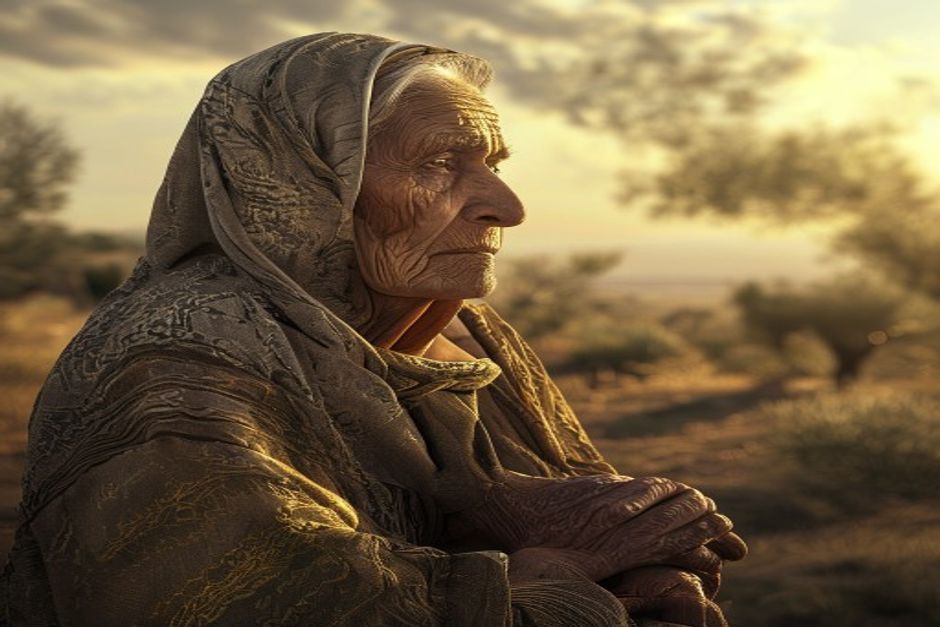
Palestinian historian Sami Abou Shahadeh recently told Al Jazeera that the Nakba, often associated with the 1948 displacement of Palestinians, is not a singular historical event but rather a continuous, unfolding tragedy. Shahadeh described the Nakba as an "ongoing process of war, displacement, and denial" that has afflicted Palestinians from 1948 right up to the present day.
The term 'Nakba,' meaning 'catastrophe' in Arabic, traditionally refers to the mass expulsion and displacement of around 700,000 to 1 million Palestinians from their homes during the 1948 Arab-Israeli War, leading to the creation of the State of Israel. This foundational event has profoundly shaped Palestinian identity and memory, marking the beginning of their statelessness and diaspora.
However, Shahadeh's assertion reframes this historical understanding, arguing that the conditions and consequences of the Nakba have never truly ceased. He highlights the continuous nature of the struggle, pointing to ongoing land confiscations, forced evictions, siege conditions in places like Gaza, and the systematic denial of Palestinian rights and self-determination in the Occupied West Bank. This perspective suggests that the suffering and dispossession are not relics of the past but persistent realities.
His statement resonates with many Palestinians who experience daily what they describe as an extension of the 1948 catastrophe. From the blockades in Gaza to the expansion of settlements in the West Bank, and the displacement of communities, the parallels to historical injustices are stark. Critics of Israeli policy often echo Shahadeh's sentiment, viewing contemporary events as part of a larger, systemic effort to control Palestinian land and demographics.
This reinterpretation of the Nakba as a continuous process underscores the deep-seated historical trauma and the ongoing human rights concerns in the region. It calls for a deeper understanding of the Palestinian narrative, emphasizing that for millions, the 'catastrophe' is not confined to history books but is a lived, evolving experience of displacement and the fight for recognition and justice. The global community is increasingly urged to acknowledge this ongoing historical context when addressing the complexities of the Israeli-Palestinian conflict.
फिलिस्तीनी इतिहासकार सामी अबू शाहदेह ने हाल ही में अल जज़ीरा को बताया कि नकबा, जिसे अक्सर 1948 में फिलिस्तीनियों के विस्थापन से जोड़ा जाता है, एक अकेली ऐतिहासिक घटना नहीं है, बल्कि एक सतत, जारी त्रासदी है। शाहदेह ने नकबा को "युद्ध, विस्थापन और इनकार की एक जारी प्रक्रिया" के रूप में वर्णित किया है, जिसने 1948 से लेकर आज तक फिलिस्तीनियों को प्रभावित किया है।
'नकबा' शब्द, जिसका अरबी में अर्थ 'आपदा' है, पारंपरिक रूप से 1948 के अरब-इजरायल युद्ध के दौरान लगभग 700,000 से 1 मिलियन फिलिस्तीनियों के उनके घरों से बड़े पैमाने पर निष्कासन और विस्थापन को संदर्भित करता है, जिसके कारण इज़राइल राज्य का निर्माण हुआ। इस मूलभूत घटना ने फिलिस्तीनी पहचान और स्मृति को गहराई से आकार दिया है, उनकी राज्यहीनता और फैलाव की शुरुआत को चिह्नित किया है।
हालांकि, शाहदेह का यह दावा इस ऐतिहासिक समझ को फिर से परिभाषित करता है, यह तर्क देते हुए कि नकबा की स्थितियां और परिणाम कभी समाप्त नहीं हुए हैं। वह संघर्ष की निरंतर प्रकृति पर प्रकाश डालते हैं, जिसमें लगातार भूमि अधिग्रहण, जबरन बेदखली, गाजा जैसे स्थानों में घेराबंदी की स्थिति, और कब्जे वाले वेस्ट बैंक में फिलिस्तीनी अधिकारों और आत्मनिर्णय से व्यवस्थित इनकार शामिल हैं। यह परिप्रेक्ष्य बताता है कि पीड़ा और बेदखली अतीत के अवशेष नहीं हैं, बल्कि लगातार बनी रहने वाली वास्तविकताएं हैं।
उनका बयान कई फिलिस्तीनियों के साथ मेल खाता है जो दैनिक रूप से उस अनुभव को जीते हैं जिसे वे 1948 की आपदा का विस्तार बताते हैं। गाजा में नाकाबंदी से लेकर वेस्ट बैंक में बस्तियों के विस्तार और समुदायों के विस्थापन तक, ऐतिहासिक अन्याय के समानांतर स्पष्ट हैं। इजरायली नीति के आलोचक अक्सर शाहदेह की भावना को प्रतिध्वनित करते हैं, समकालीन घटनाओं को फिलिस्तीनी भूमि और जनसांख्यिकी को नियंत्रित करने के एक बड़े, व्यवस्थित प्रयास के हिस्से के रूप में देखते हैं।
नकबा की इस पुनर्व्याख्या को एक सतत प्रक्रिया के रूप में देखना इस क्षेत्र में गहरे बैठे ऐतिहासिक आघात और चल रही मानवाधिकार चिंताओं को रेखांकित करता है। यह फिलिस्तीनी आख्यान की गहरी समझ का आह्वान करता है, इस बात पर जोर देता है कि लाखों लोगों के लिए, 'आपदा' इतिहास की किताबों तक ही सीमित नहीं है, बल्कि विस्थापन और मान्यता तथा न्याय के लिए संघर्ष का एक जीवित, विकसित अनुभव है। इज़राइली-फिलिस्तीनी संघर्ष की जटिलताओं को संबोधित करते समय वैश्विक समुदाय से इस चल रहे ऐतिहासिक संदर्भ को स्वीकार करने का आग्रह किया जा रहा है।
पॅलेस्टिनी इतिहासकार सामी अबू शाहदेह यांनी अलीकडेच अल जझीराला सांगितले की, 'नक्बा', जो सहसा 1948 मधील पॅलेस्टिनींच्या विस्थापनाशी संबंधित आहे, ही एकच ऐतिहासिक घटना नसून एक सतत, उलगडणारी शोकांतिका आहे. शाहदेह यांनी 'नक्बा'ला "युद्ध, विस्थापन आणि नकाराची एक निरंतर प्रक्रिया" असे वर्णन केले आहे, ज्यामुळे 1948 पासून आजपर्यंत पॅलेस्टिनींना त्रास होत आहे.
अरबीमध्ये 'नक्बा' म्हणजे 'आपदा'. पारंपारिकपणे, हा शब्द 1948 च्या अरब-इस्रायल युद्धादरम्यान सुमारे 700,000 ते 1 दशलक्ष पॅलेस्टिनींना त्यांच्या घरातून मोठ्या प्रमाणावर हाकलून लावणे आणि विस्थापित करणे या घटनेला सूचित करतो, ज्यामुळे इस्रायल राज्याची निर्मिती झाली. या मूलभूत घटनेने पॅलेस्टिनी ओळख आणि स्मृतीला सखोल आकार दिला आहे, ज्यामुळे त्यांची राज्यहीनता आणि विखुरलेपणाची सुरुवात झाली.
मात्र, शाहदेह यांचा दावा या ऐतिहासिक समजाला पुन्हा परिभाषित करतो, असे प्रतिपादन करतो की नक्बाच्या अटी आणि परिणाम कधीच थांबले नाहीत. ते संघर्षाच्या निरंतर स्वरूपावर प्रकाश टाकतात, ज्यात जमिनीचे सतत अधिग्रहण, जबरदस्तीने बेदखल करणे, गाझासारख्या ठिकाणी वेढा घालणे आणि कब्जा केलेल्या वेस्ट बँक प्रदेशात पॅलेस्टिनींच्या हक्कांचा आणि आत्मनिर्णयाचा पद्धतशीरपणे नकार यांचा समावेश आहे. हा दृष्टिकोन सूचित करतो की दुःख आणि विस्थापन हे केवळ भूतकाळातील अवशेष नाहीत तर सतत अस्तित्वात असलेल्या वास्तविकता आहेत.
त्यांचे विधान अनेक पॅलेस्टिनींना पटते, जे दररोज 1948 च्या आपत्तीचा विस्तार म्हणून ज्याला ते अनुभवतात ते जगतात. गाझामधील नाकेबंदीपासून ते वेस्ट बँकमधील वस्त्यांच्या विस्तारापर्यंत आणि समुदायांच्या विस्थापनापर्यंत, ऐतिहासिक अन्यायांची समानता स्पष्ट आहे. इस्रायली धोरणाचे समीक्षक अनेकदा शाहदेह यांच्या मताला दुजोरा देतात, समकालीन घटनांना पॅलेस्टिनी जमीन आणि लोकसंख्या नियंत्रणात आणण्याच्या मोठ्या, पद्धतशीर प्रयत्नाचा भाग मानतात.
नक्बाची एक निरंतर प्रक्रिया म्हणून ही पुनर्व्याख्या या प्रदेशातील खोलवर रुजलेल्या ऐतिहासिक आघातावर आणि चालू असलेल्या मानवाधिकार चिंतांवर जोर देते. हे पॅलेस्टिनी कथनाची सखोल समज घेण्याचे आवाहन करते, हे अधोरेखित करते की लाखो लोकांसाठी, 'आपत्ती' केवळ इतिहासाच्या पुस्तकांपुरती मर्यादित नाही तर विस्थापन आणि मान्यता व न्यायासाठीच्या संघर्षाचा एक जिवंत, विकसित अनुभव आहे. इस्रायली-पॅलेस्टिनी संघर्षाच्या गुंतागुंतांना सामोरे जाताना या चालू असलेल्या ऐतिहासिक संदर्भाला ओळखण्यासाठी जागतिक समुदायाला वाढत्या प्रमाणात आवाहन केले जात आहे।
ফিলিস্তিনি ঐতিহাসিক সামি আবু শাহাদেহ সম্প্রতি আল জাজিরাকে বলেছেন যে নাকবা, যা প্রায়শই ফিলিস্তিনিদের ১৯৪৮ সালের স্থানচ্যুতির সাথে জড়িত, এটি একটি একক ঐতিহাসিক ঘটনা নয় বরং একটি ধারাবাহিক, উন্মোচিত ট্র্যাজেডি। শাহাদেহ নাকবাকে "যুদ্ধ, স্থানচ্যুতি এবং অস্বীকারের একটি চলমান প্রক্রিয়া" হিসাবে বর্ণনা করেছেন যা ১৯৪৮ সাল থেকে আজ পর্যন্ত ফিলিস্তিনিদের প্রভাবিত করেছে।
'নাকবা' শব্দটি, যার আরবিতে অর্থ 'বিপর্যয়', ঐতিহ্যগতভাবে ১৯৪৮ সালের আরব-ইসরায়েল যুদ্ধের সময় প্রায় ৭০০,০০০ থেকে ১ মিলিয়ন ফিলিস্তিনিদের তাদের বাড়িঘর থেকে গণ-বিতা এবং স্থানচ্যুতিকে বোঝায়, যার ফলে ইসরায়েল রাষ্ট্রের সৃষ্টি হয়েছিল। এই মৌলিক ঘটনাটি ফিলিস্তিনি পরিচয় এবং স্মৃতিকে গভীরভাবে রূপ দিয়েছে, তাদের রাষ্ট্রহীনতা এবং প্রবাস জীবনের সূচনা চিহ্নিত করেছে।
তবে, শাহাদেহর দাবি এই ঐতিহাসিক বোঝাপড়াকে নতুনভাবে সংজ্ঞায়িত করে, এই যুক্তি দিয়ে যে নাকবার পরিস্থিতি এবং পরিণতি কখনও সত্যিকার অর্থে বন্ধ হয়নি। তিনি সংগ্রামের ধারাবাহিক প্রকৃতির উপর জোর দেন, যেখানে ভূমি দখল, জোরপূর্বক উচ্ছেদ, গাজার মতো জায়গায় অবরোধের পরিস্থিতি এবং দখলকৃত পশ্চিম তীরে ফিলিস্তিনিদের অধিকার ও আত্মনিয়ন্ত্রণের পদ্ধতিগত অস্বীকার অন্তর্ভুক্ত রয়েছে। এই দৃষ্টিভঙ্গি থেকে বোঝা যায় যে দুঃখ এবং বঞ্চনা অতীতের অবশেষ নয়, বরং ক্রমাগত বিদ্যমান বাস্তবতা।
তার এই বক্তব্য অনেক ফিলিস্তিনিদের সাথে প্রতিধ্বনিত হয়, যারা প্রতিদিন ১৯৪৮ সালের বিপর্যয়ের একটি সম্প্রসারণ হিসাবে যা অনুভব করেন তা নিয়ে বাঁচেন। গাজার অবরোধ থেকে শুরু করে পশ্চিম তীরের বসতিগুলির সম্প্রসারণ এবং সম্প্রদায়ের স্থানচ্যুতি পর্যন্ত, ঐতিহাসিক অন্যায়গুলির সমান্তরালগুলি স্পষ্ট। ইসরায়েলি নীতির সমালোচকরা প্রায়শই শাহাদেহর অনুভূতিকে সমর্থন করেন, সমসাময়িক ঘটনাগুলিকে ফিলিস্তিনি ভূমি এবং জনতত্ত্ব নিয়ন্ত্রণ করার একটি বৃহত্তর, পদ্ধতিগত প্রচেষ্টার অংশ হিসাবে দেখেন।
নাকবাকে একটি চলমান প্রক্রিয়া হিসাবে এই নতুন ব্যাখ্যাটি এই অঞ্চলে গভীর-মূল ঐতিহাসিক ট্রমা এবং চলমান মানবাধিকার উদ্বেগগুলিকে তুলে ধরে। এটি ফিলিস্তিনি আখ্যানের গভীরতর উপলব্ধির আহ্বান জানায়, এই জোর দিয়ে যে লক্ষ লক্ষ মানুষের জন্য, 'বিপর্যয়' কেবল ইতিহাসের বইগুলিতে সীমাবদ্ধ নয় বরং স্থানচ্যুতি এবং স্বীকৃতি ও ন্যায়বিচারের জন্য সংগ্রামের একটি জীবন্ত, বিকশিত অভিজ্ঞতা। ইসরায়েল-ফিলিস্তিনি সংঘাতের জটিলতাগুলি মোকাবেলা করার সময় এই চলমান ঐতিহাসিক প্রেক্ষাপটকে স্বীকার করার জন্য বিশ্ব সম্প্রদায়কে ক্রমবর্ধমানভাবে আহ্বান জানানো হচ্ছে।
பாலஸ்தீனிய வரலாற்றாளர் சாமி அபு ஷாஹாதே சமீபத்தில் அல் ஜசீராவிற்கு அளித்த பேட்டியில், பொதுவாக 1948 இல் பாலஸ்தீனியர்கள் இடம்பெயர்ந்ததுடன் தொடர்புடைய நக்பா, ஒரு தனிப்பட்ட வரலாற்று நிகழ்வு அல்ல, மாறாக ஒரு தொடர்ச்சியான, வெளிப்படும் துயரம் என்று கூறினார். 1948 ஆம் ஆண்டு முதல் இன்று வரை பாலஸ்தீனியர்களை பாதித்துள்ள "போர், இடம்பெயர்வு மற்றும் மறுப்பு ஆகியவற்றின் தொடர்ச்சியான செயல்முறை" என்று ஷாஹாதே நக்பாவை விவரித்தார்.
அரபு மொழியில் 'நக்பா' என்றால் 'பேரழிவு' என்று பொருள். பாரம்பரியமாக, இது 1948 அரபு-இஸ்ரேலியப் போரின்போது சுமார் 700,000 முதல் 1 மில்லியன் பாலஸ்தீனியர்கள் தங்கள் வீடுகளில் இருந்து பெருமளவில் வெளியேற்றப்பட்டதையும் இடம்பெயர்ந்ததையும் குறிக்கிறது, இது இஸ்ரேல் மாநிலம் உருவாவதற்கு வழிவகுத்தது. இந்த அடிப்படை நிகழ்வு பாலஸ்தீனிய அடையாளத்தையும் நினைவையும் ஆழமாக வடிவமைத்துள்ளது, அவர்களின் நாடற்ற தன்மை மற்றும் புலம்பெயர் வாழ்வின் தொடக்கத்தைக் குறிக்கிறது.
இருப்பினும், ஷாஹாதேவின் வலியுறுத்தல் இந்த வரலாற்றுப் புரிதலை மறுவடிவமைக்கிறது, நக்பாவின் நிலைமைகள் மற்றும் விளைவுகள் ஒருபோதும் உண்மையில் முடிவடையவில்லை என்று வாதிடுகிறது. தொடர்ச்சியான நில அபகரிப்புகள், கட்டாய வெளியேற்றங்கள், காசா போன்ற இடங்களில் முற்றுகை நிலைமைகள் மற்றும் ஆக்கிரமிக்கப்பட்ட மேற்குக் கரையில் பாலஸ்தீனியர்களின் உரிமைகள் மற்றும் சுயநிர்ணயம் மீதான திட்டமிட்ட மறுப்பு ஆகியவற்றை அவர் எடுத்துக்காட்டுகிறார். இந்த கண்ணோட்டம் துன்பமும் வறிய நிலையும் கடந்த காலத்தின் எச்சங்கள் அல்ல, மாறாக தொடர்ச்சியான யதார்த்தங்கள் என்று கூறுகிறது.
அவரது கூற்று பல பாலஸ்தீனியர்களுடன் ஒத்துப்போகிறது, அவர்கள் தினமும் 1948 பேரழிவின் நீட்டிப்பாக தாங்கள் அனுபவிப்பதை வாழ்கிறார்கள். காசாவில் உள்ள முற்றுகைகளில் இருந்து மேற்குக் கரையில் குடியேற்றங்களின் விரிவாக்கம் மற்றும் சமூகங்களின் இடம்பெயர்வு வரை, வரலாற்று அநீதிகளுக்கு இணையாக இருப்பவை தெளிவாக உள்ளன. இஸ்ரேலிய கொள்கையின் விமர்சகர்கள் பெரும்பாலும் ஷாஹாதேவின் உணர்வை எதிரொலிக்கிறார்கள், சமகால நிகழ்வுகளை பாலஸ்தீனிய நிலம் மற்றும் மக்கள்தொகையை கட்டுப்படுத்துவதற்கான ஒரு பெரிய, முறையான முயற்சியின் ஒரு பகுதியாகப் பார்க்கிறார்கள்.
நக்பாவை ஒரு தொடர்ச்சியான செயல்முறையாக மறுவிளக்கம் செய்வது, இப்பகுதியில் ஆழமாகப் பதிந்த வரலாற்று அதிர்ச்சி மற்றும் தொடர்ச்சியான மனித உரிமை கவலைகளை அடிக்கோடிட்டுக் காட்டுகிறது. இது பாலஸ்தீனிய வரலாற்றின் ஆழமான புரிதலுக்கான அழைப்பை விடுக்கிறது, மில்லியன் கணக்கானவர்களுக்கு, 'பேரழிவு' வரலாற்று புத்தகங்களுக்குள் மட்டும் மட்டுப்படுத்தப்படவில்லை, மாறாக இடம்பெயர்வு மற்றும் அங்கீகாரம் மற்றும் நீதிக்கான போராட்டத்தின் ஒரு வாழும், வளர்ந்து வரும் அனுபவம் என்பதை வலியுறுத்துகிறது. இஸ்ரேல்-பாலஸ்தீனிய மோதலின் சிக்கல்களைப் பற்றி பேசும்போது இந்த தொடர்ச்சியான வரலாற்று சூழலை அங்கீகரிக்க உலக சமூகம் பெருகிய முறையில் வலியுறுத்தப்படுகிறது.
పాలస్తీనా చరిత్రకారుడు సామి అబౌ షహదేహ్ ఇటీవల అల్ జజీరాకు ఇచ్చిన ఇంటర్వ్యూలో నక్బా, తరచుగా 1948లో పాలస్తీనియన్ల స్థానభ్రంశంతో ముడిపడి ఉన్నప్పటికీ, అది ఒకే చారిత్రక సంఘటన కాదని, బదులుగా ఒక నిరంతర, కొనసాగుతున్న విషాదం అని పేర్కొన్నారు. షహదేహ్ నక్బాను "యుద్ధం, స్థానభ్రంశం మరియు తిరస్కరణ యొక్క నిరంతర ప్రక్రియ"గా అభివర్ణించారు, ఇది 1948 నుండి నేటి వరకు పాలస్తీనియన్లను పీడిస్తోంది.
అరబిక్లో 'నక్బా' అంటే 'విపత్తు'. సాంప్రదాయకంగా, ఈ పదం 1948 అరబ్-ఇజ్రాయెల్ యుద్ధం సమయంలో సుమారు 700,000 నుండి 1 మిలియన్ పాలస్తీనియన్లను వారి ఇళ్ల నుండి పెద్ద ఎత్తున బహిష్కరించడం మరియు స్థానభ్రంశం చేయడాన్ని సూచిస్తుంది, ఇది ఇజ్రాయెల్ రాష్ట్ర స్థాపనకు దారితీసింది. ఈ ప్రాథమిక సంఘటన పాలస్తీనియన్ గుర్తింపు మరియు స్మృతిని తీవ్రంగా ప్రభావితం చేసింది, వారి నిరాశ్రయుల స్థితి మరియు ప్రవాసం యొక్క ప్రారంభాన్ని సూచిస్తుంది.
అయితే, షహదేహ్ యొక్క వాదన ఈ చారిత్రక అవగాహనను తిరిగి రూపొందిస్తుంది, నక్బా యొక్క పరిస్థితులు మరియు పర్యవసానాలు నిజంగా ఎప్పుడూ ఆగలేదని వాదిస్తుంది. అతను నిరంతర భూ ఆక్రమణలు, బలవంతపు తొలగింపులు, గాజా వంటి ప్రాంతాలలో ముట్టడి పరిస్థితులు మరియు ఆక్రమిత వెస్ట్ బ్యాంక్లో పాలస్తీనియన్ల హక్కులు మరియు ఆత్మనిర్ణయాన్ని పద్ధతి ప్రకారం నిరాకరించడం వంటి వాటిని హైలైట్ చేస్తాడు. ఈ దృక్పథం ప్రకారం, బాధలు మరియు ఆస్తుల నష్టం గత అవశేషాలు కావు, బదులుగా నిరంతరం ఉండే వాస్తవాలు.
ఆయన ప్రకటన అనేక మంది పాలస్తీనియన్లతో ప్రతిధ్వనిస్తుంది, వీరు ప్రతిరోజూ 1948 నాటి విపత్తు యొక్క పొడిగింపుగా తాము అనుభవించే వాటితో జీవిస్తున్నారు. గాజాలోని దిగ్బంధనాల నుండి వెస్ట్ బ్యాంక్లో స్థావరాల విస్తరణ మరియు సంఘాల స్థానభ్రంశం వరకు, చారిత్రక అన్యాయాలకు సమాంతరాలు స్పష్టంగా ఉన్నాయి. ఇజ్రాయెల్ విధానానికి విమర్శకులు తరచుగా షహదేహ్ యొక్క భావనను ప్రతిధ్వనిస్తారు, సమకాలీన సంఘటనలను పాలస్తీనియన్ భూమి మరియు జనాభాను నియంత్రించడానికి ఒక పెద్ద, వ్యవస్థాగత ప్రయత్నంలో భాగంగా చూస్తారు।
నక్బాను నిరంతర ప్రక్రియగా ఈ పునర్వ్యాఖ్యానం ఈ ప్రాంతంలో లోతుగా పాతుకుపోయిన చారిత్రక గాయం మరియు కొనసాగుతున్న మానవ హక్కుల ఆందోళనలను నొక్కి చెబుతుంది. ఇది పాలస్తీనా కథనం గురించి లోతైన అవగాహన కోసం పిలుపునిస్తుంది, లక్షలాది మందికి, 'విపత్తు' చరిత్ర పుస్తకాలకు మాత్రమే పరిమితం కాదని, స్థానభ్రంశం మరియు గుర్తింపు మరియు న్యాయం కోసం పోరాటం యొక్క జీవన, అభివృద్ధి చెందుతున్న అనుభవం అని నొక్కి చెబుతుంది. ఇజ్రాయెల్-పాలస్తీనా సంఘర్షణ యొక్క సంక్లిష్టతలను పరిష్కరించేటప్పుడు ఈ కొనసాగుతున్న చారిత్రక సందర్భాన్ని గుర్తించాలని ప్రపంచ సమాజం ఎక్కువగా కోరుతోంది.
પેલેસ્ટાઈનના ઇતિહાસકાર સામી અબુ શાહદેહે તાજેતરમાં અલ જઝીરાને જણાવ્યું હતું કે નકબા, જે મોટે ભાગે 1948 માં પેલેસ્ટાઈનવાસીઓના વિસ્થાપન સાથે સંકળાયેલી છે, તે એક એકલી ઐતિહાસિક ઘટના નથી પરંતુ એક સતત, ઉભરતી કરૂણાંતિકા છે. શાહદેહે નકબાને "યુદ્ધ, વિસ્થાપન અને ઇનકારની એક સતત પ્રક્રિયા" તરીકે વર્ણવી હતી જેણે 1948 થી આજ દિન સુધી પેલેસ્ટાઈનવાસીઓને અસર કરી છે.
અરબીમાં 'નકબા' નો અર્થ 'આપત્તિ' થાય છે. પરંપરાગત રીતે, આ શબ્દ 1948 ના આરબ-ઇઝરાયેલ યુદ્ધ દરમિયાન લગભગ 700,000 થી 1 મિલિયન પેલેસ્ટાઈનવાસીઓને તેમના ઘરોમાંથી મોટા પાયે હાંકી કાઢવા અને વિસ્થાપિત કરવાનો ઉલ્લેખ કરે છે, જેના કારણે ઇઝરાયેલ રાજ્યની રચના થઈ. આ મૂળભૂત ઘટનાએ પેલેસ્ટાઈનની ઓળખ અને સ્મૃતિને ઊંડો આકાર આપ્યો છે, જે તેમની રાજ્યવિહીનતા અને પ્રવાસી જીવનની શરૂઆત દર્શાવે છે.
જોકે, શાહદેહનો દાવો આ ઐતિહાસિક સમજણને ફરીથી ઘડે છે, એવી દલીલ કરે છે કે નકબાની પરિસ્થિતિઓ અને પરિણામો ક્યારેય સાચા અર્થમાં સમાપ્ત થયા નથી. તેઓ સંઘર્ષના સતત સ્વભાવ પર પ્રકાશ પાડે છે, જેમાં જમીનની સતત જપ્તી, બળજબરીથી ખાલી કરાવવું, ગાઝા જેવા સ્થળોએ ઘેરાબંધીની સ્થિતિ અને કબજા હેઠળના વેસ્ટ બેંકમાં પેલેસ્ટાઈનવાસીઓના અધિકારો અને આત્મનિર્ણયનો વ્યવસ્થિત ઇનકાર શામેલ છે. આ દૃષ્ટિકોણ સૂચવે છે કે દુઃખ અને વિસ્થાપન ભૂતકાળના અવશેષો નથી પરંતુ સતત ચાલુ રહેલી વાસ્તવિકતાઓ છે.
તેમનું નિવેદન ઘણા પેલેસ્ટાઈનવાસીઓ સાથે પડઘાય છે જેઓ દરરોજ 1948 ની આપત્તિના વિસ્તરણ તરીકે જે અનુભવે છે તે જીવે છે. ગાઝામાં નાકાબંધીથી લઈને વેસ્ટ બેંકમાં વસાહતોના વિસ્તરણ અને સમુદાયોના વિસ્થાપન સુધી, ઐતિહાસિક અન્યાયની સમાનતા સ્પષ્ટ છે. ઇઝરાયેલી નીતિના વિવેચકો ઘણીવાર શાહદેહની ભાવનાને ટેકો આપે છે, સમકાલીન ઘટનાઓને પેલેસ્ટાઈનની જમીન અને વસ્તીવિષયકને નિયંત્રિત કરવાના એક મોટા, વ્યવસ્થિત પ્રયાસના ભાગ રૂપે જુએ છે.
નકબાને એક સતત પ્રક્રિયા તરીકે આ પુનરાવર્તન આ પ્રદેશમાં ઊંડાણપૂર્વકના ઐતિહાસિક આઘાત અને ચાલુ માનવ અધિકારની ચિંતાઓને રેખાંકિત કરે છે. તે પેલેસ્ટાઈનના કથાની ઊંડી સમજણ માટે હાકલ કરે છે, ભારપૂર્વક જણાવે છે કે લાખો લોકો માટે, 'આપત્તિ' ફક્ત ઇતિહાસના પુસ્તકો પૂરતી મર્યાદિત નથી પરંતુ વિસ્થાપન અને માન્યતા અને ન્યાય માટેના સંઘર્ષનો એક જીવંત, વિકસતો અનુભવ છે. ઇઝરાયેલ-પેલેસ્ટાઈન સંઘર્ષની જટિલતાઓને સંબોધિત કરતી વખતે આ ચાલુ ઐતિહાસિક સંદર્ભને સ્વીકારવા માટે વૈશ્વિક સમુદાયને સતત વિનંતી કરવામાં આવી રહી છે.
ਫਲਸਤੀਨੀ ਇਤਿਹਾਸਕਾਰ ਸਾਮੀ ਅਬੂ ਸ਼ਾਹਦੇਹ ਨੇ ਹਾਲ ਹੀ ਵਿੱਚ ਅਲ ਜਜ਼ੀਰਾ ਨੂੰ ਦੱਸਿਆ ਕਿ ਨਕਬਾ, ਜਿਸਨੂੰ ਅਕਸਰ 1948 ਵਿੱਚ ਫਲਸਤੀਨੀਆਂ ਦੇ ਵਿਸਥਾਪਨ ਨਾਲ ਜੋੜਿਆ ਜਾਂਦਾ ਹੈ, ਇੱਕ ਇਕੱਲੀ ਇਤਿਹਾਸਕ ਘਟਨਾ ਨਹੀਂ ਬਲਕਿ ਇੱਕ ਨਿਰੰਤਰ, ਪ੍ਰਗਟ ਹੋ ਰਹੀ ਤ੍ਰਾਸਦੀ ਹੈ। ਸ਼ਾਹਦੇਹ ਨੇ ਨਕਬਾ ਨੂੰ "ਯੁੱਧ, ਵਿਸਥਾਪਨ ਅਤੇ ਇਨਕਾਰ ਦੀ ਇੱਕ ਲਗਾਤਾਰ ਪ੍ਰਕਿਰਿਆ" ਵਜੋਂ ਦਰਸਾਇਆ ਹੈ ਜਿਸਨੇ 1948 ਤੋਂ ਅੱਜ ਤੱਕ ਫਲਸਤੀਨੀਆਂ ਨੂੰ ਪ੍ਰਭਾਵਿਤ ਕੀਤਾ ਹੈ।
'ਨਕਬਾ' ਸ਼ਬਦ, ਜਿਸਦਾ ਅਰਬੀ ਵਿੱਚ ਅਰਥ 'ਤਬਾਹੀ' ਹੈ, ਰਵਾਇਤੀ ਤੌਰ 'ਤੇ 1948 ਦੇ ਅਰਬ-ਇਜ਼ਰਾਈਲ ਯੁੱਧ ਦੌਰਾਨ ਲਗਭਗ 700,000 ਤੋਂ 1 ਮਿਲੀਅਨ ਫਲਸਤੀਨੀਆਂ ਨੂੰ ਉਨ੍ਹਾਂ ਦੇ ਘਰਾਂ ਤੋਂ ਵੱਡੇ ਪੱਧਰ 'ਤੇ ਕੱਢਣ ਅਤੇ ਵਿਸਥਾਪਨ ਦਾ ਹਵਾਲਾ ਦਿੰਦਾ ਹੈ, ਜਿਸ ਨਾਲ ਇਜ਼ਰਾਈਲ ਰਾਜ ਦੀ ਸਥਾਪਨਾ ਹੋਈ। ਇਸ ਬੁਨਿਆਦੀ ਘਟਨਾ ਨੇ ਫਲਸਤੀਨੀ ਪਛਾਣ ਅਤੇ ਯਾਦ ਨੂੰ ਡੂੰਘਾਈ ਨਾਲ ਆਕਾਰ ਦਿੱਤਾ ਹੈ, ਉਨ੍ਹਾਂ ਦੀ ਰਾਜ ਰਹਿਤਤਾ ਅਤੇ ਪ੍ਰਵਾਸ ਦੀ ਸ਼ੁਰੂਆਤ ਨੂੰ ਦਰਸਾਉਂਦਾ ਹੈ।
ਹਾਲਾਂਕਿ, ਸ਼ਾਹਦੇਹ ਦਾ ਦਾਅਵਾ ਇਸ ਇਤਿਹਾਸਕ ਸਮਝ ਨੂੰ ਮੁੜ ਸਥਾਪਿਤ ਕਰਦਾ ਹੈ, ਇਹ ਦਲੀਲ ਦਿੰਦਾ ਹੈ ਕਿ ਨਕਬਾ ਦੀਆਂ ਸਥਿਤੀਆਂ ਅਤੇ ਨਤੀਜੇ ਕਦੇ ਵੀ ਸੱਚਮੁੱਚ ਖਤਮ ਨਹੀਂ ਹੋਏ। ਉਹ ਸੰਘਰਸ਼ ਦੀ ਨਿਰੰਤਰ ਪ੍ਰਕਿਰਤੀ 'ਤੇ ਜ਼ੋਰ ਦਿੰਦਾ ਹੈ, ਜਿਸ ਵਿੱਚ ਲਗਾਤਾਰ ਜ਼ਮੀਨ ਜ਼ਬਤ ਕਰਨਾ, ਜ਼ਬਰਦਸਤੀ ਬੇਦਖਲੀ, ਗਾਜ਼ਾ ਵਰਗੀਆਂ ਥਾਵਾਂ 'ਤੇ ਘੇਰਾਬੰਦੀ ਦੀਆਂ ਸਥਿਤੀਆਂ, ਅਤੇ ਕਬਜ਼ੇ ਵਾਲੇ ਪੱਛਮੀ ਕੰਢੇ ਵਿੱਚ ਫਲਸਤੀਨੀ ਅਧਿਕਾਰਾਂ ਅਤੇ ਸਵੈ-ਨਿਰਣੇ ਤੋਂ ਯੋਜਨਾਬੱਧ ਇਨਕਾਰ ਸ਼ਾਮਲ ਹੈ। ਇਹ ਦ੍ਰਿਸ਼ਟੀਕੋਣ ਸੁਝਾਉਂਦਾ ਹੈ ਕਿ ਦੁੱਖ ਅਤੇ ਬੇਦਖਲੀ ਅਤੀਤ ਦੇ ਅਵਸ਼ੇਸ਼ ਨਹੀਂ ਬਲਕਿ ਲਗਾਤਾਰ ਮੌਜੂਦ ਹਕੀਕਤਾਂ ਹਨ।
ਉਸਦਾ ਬਿਆਨ ਬਹੁਤ ਸਾਰੇ ਫਲਸਤੀਨੀਆਂ ਨਾਲ ਗੂੰਜਦਾ ਹੈ ਜੋ ਰੋਜ਼ਾਨਾ ਉਸ ਅਨੁਭਵ ਨੂੰ ਜਿਉਂਦੇ ਹਨ ਜਿਸਨੂੰ ਉਹ 1948 ਦੀ ਤਬਾਹੀ ਦਾ ਵਿਸਥਾਰ ਦੱਸਦੇ ਹਨ। ਗਾਜ਼ਾ ਵਿੱਚ ਨਾਕਾਬੰਦੀ ਤੋਂ ਲੈ ਕੇ ਪੱਛਮੀ ਕੰਢੇ ਵਿੱਚ ਬਸਤੀਆਂ ਦੇ ਵਿਸਥਾਪਨ ਅਤੇ ਭਾਈਚਾਰਿਆਂ ਦੇ ਵਿਸਥਾਪਨ ਤੱਕ, ਇਤਿਹਾਸਕ ਬੇਇਨਸਾਫੀ ਦੇ ਸਮਾਂਤਰ ਸਪੱਸ਼ਟ ਹਨ। ਇਜ਼ਰਾਈਲੀ ਨੀਤੀ ਦੇ ਆਲੋਚਕ ਅਕਸਰ ਸ਼ਾਹਦੇਹ ਦੀ ਭਾਵਨਾ ਨੂੰ ਦੁਹਰਾਉਂਦੇ ਹਨ, ਸਮਕਾਲੀ ਘਟਨਾਵਾਂ ਨੂੰ ਫਲਸਤੀਨੀ ਜ਼ਮੀਨ ਅਤੇ ਜਨਸੰਖਿਆ ਨੂੰ ਨਿਯੰਤਰਿਤ ਕਰਨ ਦੇ ਇੱਕ ਵੱਡੇ, ਪ੍ਰਣਾਲੀਗਤ ਯਤਨ ਦੇ ਹਿੱਸੇ ਵਜੋਂ ਦੇਖਦੇ ਹਨ।
ਨਕਬਾ ਦੀ ਇਸ ਨਿਰੰਤਰ ਪ੍ਰਕਿਰਿਆ ਵਜੋਂ ਮੁੜ ਵਿਆਖਿਆ ਇਸ ਖੇਤਰ ਵਿੱਚ ਡੂੰਘੇ ਬੈਠੇ ਇਤਿਹਾਸਕ ਸਦਮੇ ਅਤੇ ਚੱਲ ਰਹੀਆਂ ਮਨੁੱਖੀ ਅਧਿਕਾਰਾਂ ਦੀਆਂ ਚਿੰਤਾਵਾਂ ਨੂੰ ਰੇਖਾਂਕਿਤ ਕਰਦੀ ਹੈ। ਇਹ ਫਲਸਤੀਨੀ ਬਿਰਤਾਂਤ ਦੀ ਡੂੰਘੀ ਸਮਝ ਲਈ ਸੱਦਾ ਦਿੰਦਾ ਹੈ, ਇਸ ਗੱਲ 'ਤੇ ਜ਼ੋਰ ਦਿੰਦਾ ਹੈ ਕਿ ਲੱਖਾਂ ਲੋਕਾਂ ਲਈ, 'ਤਬਾਹੀ' ਸਿਰਫ ਇਤਿਹਾਸ ਦੀਆਂ ਕਿਤਾਬਾਂ ਤੱਕ ਸੀਮਤ ਨਹੀਂ ਹੈ ਬਲਕਿ ਵਿਸਥਾਪਨ ਅਤੇ ਮਾਨਤਾ ਅਤੇ ਨਿਆਂ ਲਈ ਸੰਘਰਸ਼ ਦਾ ਇੱਕ ਜੀਵਤ, ਵਿਕਸਤ ਅਨੁਭਵ ਹੈ। ਇਜ਼ਰਾਈਲੀ-ਫਲਸਤੀਨੀ ਸੰਘਰਸ਼ ਦੀਆਂ ਗੁੰਝਲਾਂ ਨੂੰ ਹੱਲ ਕਰਦੇ ਸਮੇਂ ਇਸ ਚੱਲ ਰਹੇ ਇਤਿਹਾਸਕ ਸੰਦਰਭ ਨੂੰ ਸਵੀਕਾਰ ਕਰਨ ਲਈ ਵਿਸ਼ਵ ਭਾਈਚਾਰੇ ਨੂੰ ਵਧਦੀ ਅਪੀਲ ਕੀਤੀ ਜਾ ਰਹੀ ਹੈ।

💬 Comments