Breaking News
ताज़ा खबर
ताजी बातमी
সর্বশেষ সংবাদ
சமீபத்திய செய்தி
తాజా వార్త
તાજા સમાચાર
ਤਾਜ਼ਾ ਖ਼ਬਰ
NASA's Transformed 737 Aircraft Preps for Lunar Gravity Missions on Earth
नासा का परिवर्तित 737 विमान पृथ्वी पर चंद्र गुरुत्वाकर्षण मिशन के लिए तैयार
नासाचे रूपांतरित 737 विमान पृथ्वीवर चंद्र गुरुत्वाकर्षण मोहिमांसाठी सज्ज
নাসার রূপান্তরিত 737 বিমান পৃথিবীতেই চন্দ্রের মাধ্যাকর্ষণ শক্তির মিশনের জন্য প্রস্তুত
பூமியில் சந்திர ஈர்ப்பு விசைக்கான பணிகளுக்கு நாசாவின் மாற்றியமைக்கப்பட்ட 737 விமானம் தயாராகிறது
చంద్ర గురుత్వాకర్షణ మిషన్ల కోసం నాసా యొక్క రూపాంతరం చెందిన 737 విమానం భూమిపై సిద్ధమవుతోంది
નાસાનું રૂપાંતરિત 737 વિમાન પૃથ્વી પર ચંદ્ર ગુરુત્વાકર્ષણ મિશન માટે તૈયાર
ਨਾਸਾ ਦਾ ਬਦਲਿਆ ਹੋਇਆ 737 ਜਹਾਜ਼ ਧਰਤੀ 'ਤੇ ਚੰਦਰ ਗਰੈਵਿਟੀ ਮਿਸ਼ਨਾਂ ਲਈ ਤਿਆਰ
By AI News Desk
🕐 14 August 2026, 01:33 AM
🛸 Space
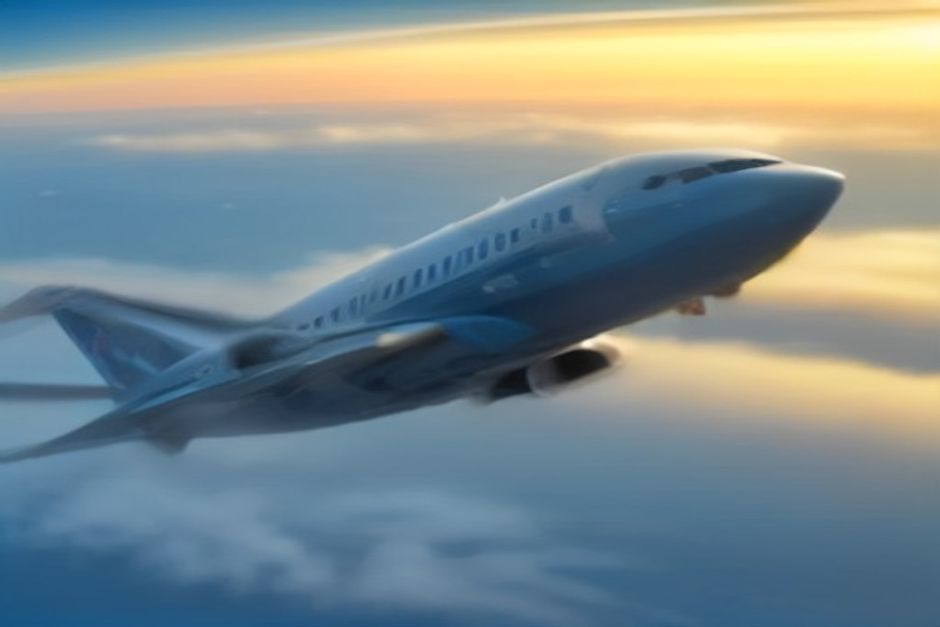
NASA is taking a giant leap towards future lunar exploration right here on Earth, as its newly acquired Boeing 737 aircraft undergoes significant modifications to become a dedicated reduced-gravity test bed. This week, the aircraft received its fresh coat of NASA-themed paint in Oklahoma, marking a key milestone in its transformation into a vital asset for simulating extraterrestrial environments.
Acquired from the United States Air Force in June, the 737 is now under the ownership of NASA’s Armstrong Flight Research Center in Edwards, California. This isn't just any plane; it’s being engineered to perform unique "parabolic flights" that will momentarily expose researchers and equipment to conditions mimicking lunar gravity. These flights involve a series of dramatic ascents and descents, creating brief, exhilarating periods of weightlessness and hypogravity – an experience often referred to as the "vomit comet," though NASA prefers "Weightless Wonder."
Bringing the Moon to Earth for Research and Training
The primary mission of this specialized 737 is to facilitate critical research and development for NASA’s ambitious Artemis program, which aims to return humans to the Moon. By simulating lunar gravity, scientists can validate new technologies, test advanced equipment, and refine operational procedures in an environment akin to what astronauts will face on the Moon’s surface. This includes evaluating everything from new spacesuit designs and surface locomotion techniques to tools for lunar construction and resource utilization.
Beyond equipment testing, these parabolic flights will also serve as invaluable training grounds for astronauts. Experiencing reduced gravity, even for short durations, helps astronauts adapt to the unique challenges of working in space environments and prepares them for the physical demands of lunar missions. The 737's larger cabin capacity, compared to previous reduced-gravity aircraft, promises more space and flexibility for experiments, allowing NASA to accelerate its development timelines for lunar missions. The modifications, including the structural reinforcement and installation of specialized instrumentation, are progressing rapidly, bringing NASA closer to making lunar exploration a more tangible reality.
नासा अपने नए अधिग्रहीत बोइंग 737 विमान के साथ पृथ्वी पर ही भविष्य के चंद्र अन्वेषण की दिशा में एक बड़ी छलांग लगा रहा है, क्योंकि यह एक समर्पित कम-गुरुत्वाकर्षण परीक्षण बिस्तर के रूप में उपयोग के लिए महत्वपूर्ण संशोधनों से गुजर रहा है। इस सप्ताह, विमान को ओक्लाहोमा में नासा-थीम वाले पेंट का एक नया कोट मिला, जो अलौकिक वातावरण का अनुकरण करने के लिए एक महत्वपूर्ण संपत्ति में इसके परिवर्तन में एक प्रमुख मील का पत्थर है।
जून में संयुक्त राज्य वायु सेना से अधिग्रहित किया गया, 737 अब कैलिफोर्निया के एडवर्ड्स में नासा के आर्मस्ट्रांग उड़ान अनुसंधान केंद्र के स्वामित्व में है। यह सिर्फ कोई विमान नहीं है; इसे अद्वितीय "परवलयिक उड़ानें" करने के लिए इंजीनियर किया जा रहा है जो शोधकर्ताओं और उपकरणों को क्षण भर के लिए चंद्र गुरुत्वाकर्षण जैसी स्थितियों में उजागर करेगा। इन उड़ानों में नाटकीय चढ़ाई और उतरने की एक श्रृंखला शामिल है, जिससे भारहीनता और हाइपोग्रैविटी की संक्षिप्त, उत्साहजनक अवधि बनती है - एक अनुभव जिसे अक्सर "उल्टी धूमकेतु" के रूप में संदर्भित किया जाता है, हालांकि नासा "भारहीन चमत्कार" पसंद करता है।
अनुसंधान और प्रशिक्षण के लिए चंद्रमा को पृथ्वी पर लाना
इस विशेष 737 का प्राथमिक मिशन नासा के महत्वाकांक्षी आर्टेमिस कार्यक्रम के लिए महत्वपूर्ण अनुसंधान और विकास को सुविधाजनक बनाना है, जिसका उद्देश्य मनुष्यों को चंद्रमा पर वापस लाना है। चंद्र गुरुत्वाकर्षण का अनुकरण करके, वैज्ञानिक नई तकनीकों को मान्य कर सकते हैं, उन्नत उपकरणों का परीक्षण कर सकते हैं, और चंद्र सतह पर अंतरिक्ष यात्रियों को जिन परिस्थितियों का सामना करना पड़ेगा, उनके समान वातावरण में परिचालन प्रक्रियाओं को परिष्कृत कर सकते हैं। इसमें नए स्पेससूट डिज़ाइनों और सतह पर चलने की तकनीकों से लेकर चंद्र निर्माण और संसाधन उपयोग के लिए उपकरणों तक सब कुछ का मूल्यांकन शामिल है।
उपकरण परीक्षण के अलावा, ये परवलयिक उड़ानें अंतरिक्ष यात्रियों के लिए अमूल्य प्रशिक्षण स्थल के रूप में भी काम करेंगी। कम गुरुत्वाकर्षण का अनुभव करना, भले ही कम अवधि के लिए हो, अंतरिक्ष यात्रियों को अंतरिक्ष वातावरण में काम करने की अनूठी चुनौतियों के अनुकूल होने में मदद करता है और उन्हें चंद्र मिशनों की शारीरिक मांगों के लिए तैयार करता है। 737 की बड़ी केबिन क्षमता, पिछले कम-गुरुत्वाकर्षण विमानों की तुलना में, प्रयोगों के लिए अधिक जगह और लचीलापन का वादा करती है, जिससे नासा चंद्र मिशनों के लिए अपनी विकास समय-सीमा को तेज कर सकता है। संरचनात्मक सुदृढीकरण और विशेष उपकरण की स्थापना सहित संशोधन तेजी से आगे बढ़ रहे हैं, जिससे नासा चंद्र अन्वेषण को अधिक ठोस वास्तविकता बनाने के करीब आ रहा है।
नासा आपल्या नुकत्याच अधिग्रहित केलेल्या बोइंग 737 विमानासह पृथ्वीवरच भविष्यातील चंद्राच्या शोधाच्या दिशेने एक मोठी झेप घेत आहे, कारण ते समर्पित कमी-गुरुत्वाकर्षण चाचणी बेड म्हणून वापरण्यासाठी महत्त्वपूर्ण बदलांमधून जात आहे. या आठवड्यात, या विमानाला ओक्लाहोमामध्ये नासा-थीम असलेल्या रंगाचा नवीन कोट मिळाला, जो बाह्य वातावरणाचे अनुकरण करण्यासाठी महत्त्वपूर्ण मालमत्तेत त्याच्या परिवर्तनाचा एक महत्त्वाचा टप्पा आहे.
जूनमध्ये युनायटेड स्टेट्स एअर फोर्सकडून अधिग्रहित केलेले, 737 आता कॅलिफोर्नियातील एडवर्ड्स येथील नासाच्या आर्मस्ट्राँग फ्लाइट रिसर्च सेंटरच्या मालकीचे आहे. हे केवळ कोणतेही विमान नाही; ते अद्वितीय "पॅराबोलिक उड्डाणे" करण्यासाठी तयार केले जात आहे, जे संशोधकांना आणि उपकरणांना चंद्राच्या गुरुत्वाकर्षणासारख्या परिस्थितीमध्ये क्षणभर उघड करेल. या उड्डाणांमध्ये नाटकीय चढ-उतार असतात, ज्यामुळे क्षणार्धासाठी वजनहीनता आणि हायपोग्रॅव्हिटीचे रोमांचक अनुभव मिळतात – या अनुभवाला अनेकदा "वॉमिट कॉमेट" असे संबोधले जाते, जरी नासा "वेटलेस वंडर" पसंत करते.
संशोधन आणि प्रशिक्षणासाठी चंद्राला पृथ्वीवर आणणे
या विशेष 737 चे प्राथमिक ध्येय नासाच्या महत्त्वाकांक्षी आर्टेमिस कार्यक्रमासाठी महत्त्वपूर्ण संशोधन आणि विकास सुलभ करणे आहे, ज्याचा उद्देश मानवांना चंद्रावर परत आणणे आहे. चंद्राच्या गुरुत्वाकर्षणाचे अनुकरण करून, शास्त्रज्ञ नवीन तंत्रज्ञानाची पडताळणी करू शकतात, प्रगत उपकरणांची चाचणी करू शकतात आणि चंद्र पृष्ठभागावर अंतराळवीरांना ज्या परिस्थितींचा सामना करावा लागेल, त्याच वातावरणात कार्यप्रणाली सुधारू शकतात. यामध्ये नवीन स्पेससूट डिझाइन आणि पृष्ठभागावरील हालचालींच्या तंत्रापासून ते चंद्र बांधकाम आणि संसाधन वापरासाठी साधनांपर्यंत सर्व काही समाविष्ट आहे.
उपकरण चाचणी व्यतिरिक्त, ही पॅराबोलिक उड्डाणे अंतराळवीरांसाठी अमूल्य प्रशिक्षण मैदान म्हणून देखील काम करतील. कमी गुरुत्वाकर्षणाचा अनुभव घेणे, अगदी कमी कालावधीसाठी असले तरी, अंतराळवीरांना अंतराळ वातावरणात काम करण्याच्या अद्वितीय आव्हानांशी जुळवून घेण्यास मदत करते आणि त्यांना चंद्र मोहिमांच्या शारीरिक मागणीसाठी तयार करते. 737 ची मागील कमी-गुरुत्वाकर्षण विमानांच्या तुलनेत मोठी केबिन क्षमता, प्रयोगांसाठी अधिक जागा आणि लवचिकता देते, ज्यामुळे नासा चंद्र मोहिमांसाठी त्याच्या विकासाची वेळ वेगाने पुढे नेऊ शकेल. संरचनेचे बळकटीकरण आणि विशेष उपकरणांची स्थापना यासह सुधारणा वेगाने होत आहेत, ज्यामुळे नासा चंद्राच्या शोधाला अधिक मूर्त स्वरूप देण्याच्या जवळ येत आहे.
নাসা তার নতুন অর্জিত বোয়িং 737 বিমানটির সাথে পৃথিবীতেই ভবিষ্যতের চন্দ্র অনুসন্ধানের দিকে একটি বিশাল পদক্ষেপ নিচ্ছে, কারণ এটি একটি নিবেদিত কম-মাধ্যাকর্ষণ পরীক্ষামূলক বিছানা হিসাবে ব্যবহারের জন্য উল্লেখযোগ্য পরিবর্তনের মধ্য দিয়ে যাচ্ছে। এই সপ্তাহে, বিমানটি ওকলাহোমাতে তার নাসার-थीমযুক্ত রঙের একটি নতুন স্তর পেয়েছে, যা মহাজাগতিক পরিবেশের অনুকরণ করার জন্য একটি গুরুত্বপূর্ণ সম্পদে এর রূপান্তরের একটি মূল মাইলফলক চিহ্নিত করে।
জুন মাসে মার্কিন বিমান বাহিনী থেকে অর্জিত, 737 এখন ক্যালিফোর্নিয়ার এডওয়ার্ডসে নাসার আর্মস্ট্রং ফ্লাইট রিসার্চ সেন্টারের মালিকানাধীন। এটি কেবল কোনো বিমান নয়; এটি অনন্য "প্যারাবোলিক ফ্লাইট" করার জন্য তৈরি করা হচ্ছে যা গবেষক এবং সরঞ্জামগুলিকে ক্ষণিকের জন্য চন্দ্রের মাধ্যাকর্ষণ অনুরূপ পরিস্থিতিতে উন্মুক্ত করবে। এই ফ্লাইটগুলিতে নাটকীয় আরোহণ এবং অবতরণের একটি সিরিজ জড়িত থাকে, যা স্বল্প সময়ের জন্য ওজনহীনতা এবং হাইপোগ্রাভিটির আনন্দদায়ক সময় তৈরি করে – এমন অভিজ্ঞতাকে প্রায়শই "ভমিট কমেট" হিসাবে উল্লেখ করা হয়, যদিও নাসা "ওয়েটলেস ওয়ান্ডার" পছন্দ করে।
গবেষণা এবং প্রশিক্ষণের জন্য চাঁদকে পৃথিবীতে আনা
এই বিশেষ 737-এর প্রাথমিক মিশন হল নাসার উচ্চাভিলাষী আর্টেমিস প্রোগ্রামের জন্য গুরুত্বপূর্ণ গবেষণা ও উন্নয়ন সহজতর করা, যার লক্ষ্য মানুষকে চাঁদে ফিরিয়ে আনা। চন্দ্রের মাধ্যাকর্ষণ অনুকরণ করে, বিজ্ঞানীরা নতুন প্রযুক্তির বৈধতা দিতে পারেন, উন্নত সরঞ্জামের পরীক্ষা করতে পারেন এবং চন্দ্র পৃষ্ঠে নভোচারীরা যে পরিস্থিতির মুখোমুখি হবেন তার অনুরূপ পরিবেশে অপারেশনাল পদ্ধতিগুলি পরিমার্জন করতে পারেন। এর মধ্যে নতুন স্পেসস্যুট ডিজাইন এবং পৃষ্ঠের চলাচলের কৌশল থেকে শুরু করে চন্দ্র নির্মাণ ও সম্পদ ব্যবহারের সরঞ্জাম পর্যন্ত সবকিছুর মূল্যায়ন অন্তর্ভুক্ত।
সরঞ্জাম পরীক্ষার বাইরেও, এই প্যারাবোলিক ফ্লাইটগুলি নভোচারীদের জন্য অমূল্য প্রশিক্ষণের মাঠ হিসাবেও কাজ করবে। কম মাধ্যাকর্ষণ অনুভব করা, এমনকি স্বল্প সময়ের জন্যও, নভোচারীদের মহাকাশ পরিবেশে কাজ করার অনন্য চ্যালেঞ্জগুলির সাথে খাপ খাইয়ে নিতে সহায়তা করে এবং তাদের চন্দ্র মিশনের শারীরিক চাহিদার জন্য প্রস্তুত করে। পূর্ববর্তী কম-মাধ্যাকর্ষণ বিমানের তুলনায় 737-এর বড় কেবিন ক্ষমতা, পরীক্ষা-নিরীক্ষার জন্য আরও স্থান এবং নমনীয়তার প্রতিশ্রুতি দেয়, যা নাসাকে চন্দ্র মিশনের জন্য তার উন্নয়নের সময়সীমা ত্বরান্বিত করতে দেয়। কাঠামোগত শক্তিবৃদ্ধি এবং বিশেষ যন্ত্রপাতির স্থাপন সহ পরিবর্তনগুলি দ্রুত অগ্রসর হচ্ছে, যা নাসাকে চন্দ্র অনুসন্ধানকে আরও বাস্তবসম্মত বাস্তবে পরিণত করার কাছাকাছি নিয়ে আসছে।
நாசா தனது புதிதாகப் பெறப்பட்ட போயிங் 737 விமானத்துடன் பூமியிலேயே எதிர்கால நிலவு ஆய்வை நோக்கி ஒரு பெரிய பாய்ச்சலை மேற்கொண்டு வருகிறது, ஏனெனில் இது ஒரு பிரத்யேக குறைக்கப்பட்ட ஈர்ப்பு சோதனை படுக்கையாகப் பயன்படுத்தப்படுவதற்கு குறிப்பிடத்தக்க மாற்றங்களுக்கு உட்படுகிறது. இந்த வாரம், ஓக்லஹோமாவில் இந்த விமானத்திற்கு நாசாவின் கருப்பொருள் கொண்ட புதிய வண்ணம் பூசப்பட்டது, இது பூமிக்கு அப்பாற்பட்ட சூழல்களை உருவகப்படுத்துவதற்கான ஒரு முக்கிய சொத்தாக அதன் மாற்றத்தில் ஒரு முக்கிய மைல்கல்லைக் குறிக்கிறது.
ஜூன் மாதத்தில் அமெரிக்க விமானப்படையிடமிருந்து பெறப்பட்ட, 737 தற்போது கலிபோர்னியாவின் எட்வர்ட்ஸில் உள்ள நாசாவின் ஆம்ஸ்ட்ராங் விமான ஆராய்ச்சி மையத்தின் உரிமையில் உள்ளது. இது வெறும் விமானம் அல்ல; இது தனித்துவமான "பராபோலிக் விமானங்களை" செய்ய வடிவமைக்கப்பட்டு வருகிறது, இது ஆராய்ச்சியாளர்களுக்கும் உபகரணங்களுக்கும் சந்திர ஈர்ப்பு விசையைப் போன்ற சூழ்நிலைகளை ஒரு கணத்தில் வெளிப்படுத்தும். இந்த விமானங்கள் தொடர்ச்சியான வியத்தகு ஏற்ற இறக்கங்களை உள்ளடக்கியது, இதனால் சுருக்கமான, உற்சாகமான எடை இல்லாத மற்றும் ஹைபோகிராவிட்டி காலங்கள் உருவாகின்றன - இந்த அனுபவம் பெரும்பாலும் "வாந்தி வால்மீன்" என்று குறிப்பிடப்படுகிறது, இருப்பினும் நாசா "எடையற்ற அற்புதம்" என்பதை விரும்புகிறது.
ஆராய்ச்சி மற்றும் பயிற்சிக்காக சந்திரனை பூமிக்கு கொண்டு வருதல்
இந்த சிறப்பு வாய்ந்த 737 இன் முதன்மை நோக்கம், மனிதர்களை நிலவுக்குத் திரும்பக் கொண்டு செல்லும் நோக்கில் நாசாவின் லட்சிய ஆர்ட்டெமிஸ் திட்டத்திற்கான முக்கியமான ஆராய்ச்சி மற்றும் மேம்பாட்டை எளிதாக்குவதாகும். சந்திர ஈர்ப்பு விசையை உருவகப்படுத்துவதன் மூலம், விஞ்ஞானிகள் புதிய தொழில்நுட்பங்களைச் சரிபார்க்கலாம், மேம்பட்ட உபகரணங்களை சோதிக்கலாம் மற்றும் விண்வெளி வீரர்கள் நிலவின் மேற்பரப்பில் எதிர்கொள்ளும் சூழலுக்கு ஒத்த சூழலில் செயல்பாட்டு நடைமுறைகளைச் செம்மைப்படுத்தலாம். இதில் புதிய விண்வெளி உடை வடிவமைப்புகள் மற்றும் மேற்பரப்பு நகர்வு நுட்பங்கள் முதல் நிலவு கட்டுமானம் மற்றும் வளப் பயன்பாட்டிற்கான கருவிகள் வரை அனைத்தையும் மதிப்பீடு செய்வது அடங்கும்.
உபகரணச் சோதனைக்கு அப்பால், இந்த பராபோலிக் விமானங்கள் விண்வெளி வீரர்களுக்கு விலைமதிப்பற்ற பயிற்சித் தளங்களாகவும் செயல்படும். குறைக்கப்பட்ட ஈர்ப்பு விசையை அனுபவிப்பது, குறுகிய காலத்திற்கு இருந்தாலும், விண்வெளி வீரர்கள் விண்வெளி சூழல்களில் வேலை செய்யும் தனித்துவமான சவால்களுக்கு ஏற்ப மாற உதவுகிறது மற்றும் நிலவுப் பயணங்களின் உடல் தேவைகளுக்கு அவர்களைத் தயார்படுத்துகிறது. முந்தைய குறைக்கப்பட்ட ஈர்ப்பு விமானங்களுடன் ஒப்பிடும்போது 737 இன் பெரிய கேபின் திறன், பரிசோதனைகளுக்கு அதிக இடத்தையும் நெகிழ்வுத்தன்மையையும் உறுதியளிக்கிறது, இது நிலவுப் பயணங்களுக்கான அதன் வளர்ச்சி காலக்கெடுவை விரைவுபடுத்த நாசாவை அனுமதிக்கிறது. கட்டமைப்பு வலுவூட்டல் மற்றும் சிறப்பு கருவிகளை நிறுவுதல் உள்ளிட்ட மாற்றங்கள் வேகமாக முன்னேறி வருகின்றன, இது நிலவு ஆய்வை ஒரு உறுதியான யதார்த்தமாக்குவதற்கு நாசாவை நெருங்குகிறது.
నాసా తన కొత్తగా పొందిన బోయింగ్ 737 విమానంతో భూమిపైనే భవిష్యత్ చంద్ర అన్వేషణ దిశగా ఒక పెద్ద అడుగు వేస్తోంది, ఎందుకంటే ఇది అంకితమైన తక్కువ గురుత్వాకర్షణ పరీక్షా పడకగా ఉపయోగం కోసం గణనీయమైన మార్పులకు గురవుతోంది. ఈ వారం, ఈ విమానానికి ఓక్లహోమాలో నాసా-నేపథ్య పెయింట్ యొక్క కొత్త కోటు లభించింది, ఇది గ్రహాంతర వాతావరణాలను అనుకరించడానికి ఒక ముఖ్యమైన ఆస్తిగా దాని పరివర్తనలో కీలక మైలురాయిని సూచిస్తుంది.
జూన్లో యునైటెడ్ స్టేట్స్ వైమానిక దళం నుండి కొనుగోలు చేయబడిన, 737 ఇప్పుడు కాలిఫోర్నియాలోని ఎడ్వర్డ్స్లోని నాసా యొక్క ఆర్మ్స్ట్రాంగ్ ఫ్లైట్ రీసెర్చ్ సెంటర్ యాజమాన్యంలో ఉంది. ఇది కేవలం ఏదో ఒక విమానం కాదు; పరిశోధకులు మరియు పరికరాలను చంద్ర గురుత్వాకర్షణను పోలి ఉండే పరిస్థితులకు క్షణికంగా బహిర్గతం చేసే ప్రత్యేకమైన "పారాబోలిక్ విమానాలు" నిర్వహించడానికి ఇది ఇంజనీరింగ్ చేయబడుతోంది. ఈ విమానాలు నాటకీయ ఆరోహణలు మరియు అవరోహణల శ్రేణిని కలిగి ఉంటాయి, ఇది బరువులేని మరియు హైపోగ్రావిటీ యొక్క సంక్షిప్త, ఉత్తేజకరమైన కాలాలను సృష్టిస్తుంది - ఈ అనుభవాన్ని తరచుగా "వామిట్ కామెట్" అని పిలుస్తారు, అయినప్పటికీ నాసా "వెయిట్లెస్ వండర్"ని ఇష్టపడుతుంది.
పరిశోధన మరియు శిక్షణ కోసం చంద్రుడిని భూమికి తీసుకురావడం
ఈ ప్రత్యేక 737 యొక్క ప్రాథమిక లక్ష్యం నాసా యొక్క ప్రతిష్టాత్మక ఆర్టెమిస్ కార్యక్రమం కోసం కీలక పరిశోధన మరియు అభివృద్ధిని సులభతరం చేయడం, ఇది మానవులను చంద్రుడికి తిరిగి తీసుకురావడానికి ఉద్దేశించబడింది. చంద్ర గురుత్వాకర్షణను అనుకరించడం ద్వారా, శాస్త్రవేత్తలు కొత్త సాంకేతికతలను ధృవీకరించగలరు, అధునాతన పరికరాలను పరీక్షించగలరు మరియు వ్యోమగాములు చంద్రుడి ఉపరితలంపై ఎదుర్కొనే పరిస్థితులకు సమానమైన వాతావరణంలో కార్యకలాపాల విధానాలను మెరుగుపరచగలరు. ఇందులో కొత్త స్పేస్సూట్ డిజైన్లు మరియు ఉపరితల లోకోమోషన్ పద్ధతుల నుండి చంద్ర నిర్మాణం మరియు వనరుల వినియోగం కోసం సాధనాల వరకు ప్రతిదీ మూల్యాంకనం చేయడం జరుగుతుంది.
పరికరాల పరీక్షకు మించి, ఈ పారాబోలిక్ విమానాలు వ్యోమగాములకు అమూల్యమైన శిక్షణా మైదానాలుగా కూడా పనిచేస్తాయి. తక్కువ గురుత్వాకర్షణను అనుభవించడం, తక్కువ వ్యవధిలోనైనా, వ్యోమగాములు అంతరిక్ష వాతావరణాలలో పనిచేసే ప్రత్యేక సవాళ్లకు అనుగుణంగా మారడానికి సహాయపడుతుంది మరియు చంద్ర మిషన్ల యొక్క శారీరక డిమాండ్లకు వారిని సిద్ధం చేస్తుంది. మునుపటి తక్కువ గురుత్వాకర్షణ విమానాలతో పోలిస్తే 737 యొక్క పెద్ద క్యాబిన్ సామర్థ్యం, ప్రయోగాలకు ఎక్కువ స్థలం మరియు వశ్యతను వాగ్దానం చేస్తుంది, ఇది చంద్ర మిషన్ల కోసం దాని అభివృద్ధి కాలపరిమితులను వేగవంతం చేయడానికి నాసాను అనుమతిస్తుంది. నిర్మాణ బలోపేతం మరియు ప్రత్యేక పరికరాల సంస్థాపనతో సహా మార్పులు వేగంగా పురోగమిస్తున్నాయి, ఇది చంద్ర అన్వేషణను మరింత స్పష్టమైన వాస్తవంగా మార్చడానికి నాసాను దగ్గర చేస్తోంది।
નાસા તેના નવા હસ્તગત બોઇંગ 737 વિમાન સાથે પૃથ્વી પર જ ભવિષ્યના ચંદ્ર સંશોધન તરફ એક મોટો કૂદકો લગાવી રહ્યું છે, કારણ કે તે સમર્પિત ઘટાડેલા ગુરુત્વાકર્ષણ પરીક્ષણ બેડ તરીકે ઉપયોગ માટે નોંધપાત્ર ફેરફારોમાંથી પસાર થઈ રહ્યું છે. આ અઠવાડિયે, વિમાનને ઓક્લાહોમામાં નાસા-થીમવાળા પેઇન્ટનો નવો કોટ મળ્યો, જે બાહ્ય વાતાવરણનું અનુકરણ કરવા માટે એક મહત્વપૂર્ણ સંપત્તિમાં તેના પરિવર્તનમાં એક મુખ્ય સીમાચિહ્નરૂપ છે.
જૂનમાં યુનાઇટેડ સ્ટેટ્સ એરફોર્સ પાસેથી હસ્તગત કરાયેલ, 737 હવે કેલિફોર્નિયાના એડવર્ડ્સમાં નાસાના આર્મસ્ટ્રોંગ ફ્લાઇટ રિસર્ચ સેન્ટરની માલિકીનું છે. આ ફક્ત કોઈ વિમાન નથી; તેને અનન્ય "પેરાબોલિક ફ્લાઇટ્સ" કરવા માટે એન્જિનિયર્ડ કરવામાં આવી રહ્યું છે જે સંશોધકો અને ઉપકરણોને ક્ષણભર માટે ચંદ્ર ગુરુત્વાકર્ષણ જેવી પરિસ્થિતિઓમાં ખુલ્લા પાડશે. આ ફ્લાઇટ્સમાં નાટકીય ચઢાણ અને ઉતરાણની શ્રેણીનો સમાવેશ થાય છે, જે વજનહીનતા અને હાઈપોગ્રેવિટીના સંક્ષિપ્ત, ઉત્સાહપૂર્ણ સમયગાળા બનાવે છે – એક અનુભવ જેને ઘણીવાર "વોમિટ કોમેટ" તરીકે ઓળખવામાં આવે છે, જોકે નાસા "વેઇટલેસ વન્ડર" પસંદ કરે છે.
સંશોધન અને તાલીમ માટે ચંદ્રને પૃથ્વી પર લાવવું
આ વિશિષ્ટ 737 નું પ્રાથમિક મિશન નાસાના મહત્વાકાંક્ષી આર્ટેમિસ કાર્યક્રમ માટે મહત્વપૂર્ણ સંશોધન અને વિકાસને સુવિધા આપવાનું છે, જેનો ઉદ્દેશ્ય મનુષ્યોને ચંદ્ર પર પાછા લાવવાનો છે. ચંદ્ર ગુરુત્વાકર્ષણનું અનુકરણ કરીને, વૈજ્ઞાનિકો નવી તકનીકોને માન્ય કરી શકે છે, અદ્યતન ઉપકરણોનું પરીક્ષણ કરી શકે છે અને ચંદ્ર સપાટી પર અવકાશયાત્રીઓનો સામનો કરવો પડશે તેવા વાતાવરણમાં ઓપરેશનલ પ્રક્રિયાઓને સુધારી શકે છે. આમાં નવા સ્પેસસૂટ ડિઝાઇન અને સપાટી પર ચાલવાની તકનીકોથી લઈને ચંદ્ર નિર્માણ અને સંસાધન ઉપયોગ માટેના સાધનો સુધીના તમામ મૂલ્યાંકનોનો સમાવેશ થાય છે.
ઉપકરણ પરીક્ષણ ઉપરાંત, આ પેરાબોલિક ફ્લાઇટ્સ અવકાશયાત્રીઓ માટે અમૂલ્ય તાલીમ સ્થળો તરીકે પણ સેવા આપશે. ઘટાડેલા ગુરુત્વાકર્ષણનો અનુભવ કરવો, ભલે ટૂંકા ગાળા માટે હોય, અવકાશયાત્રીઓને અવકાશ વાતાવરણમાં કામ કરવાના અનન્ય પડકારોને અનુકૂલિત કરવામાં મદદ કરે છે અને તેમને ચંદ્ર મિશનની શારીરિક માંગણીઓ માટે તૈયાર કરે છે. 737 ની મોટી કેબિન ક્ષમતા, અગાઉના ઘટાડેલા ગુરુત્વાકર્ષણ વિમાનોની તુલનામાં, પ્રયોગો માટે વધુ જગ્યા અને લવચીકતાનું વચન આપે છે, જે નાસાને ચંદ્ર મિશન માટે તેની વિકાસ સમયરેખાને વેગ આપવા દે છે. માળખાકીય મજબૂતીકરણ અને વિશિષ્ટ ઇન્સ્ટ્રુમેન્ટેશનની સ્થાપના સહિતના ફેરફારો ઝડપથી આગળ વધી રહ્યા છે, જે નાસાને ચંદ્ર સંશોધનને વધુ મૂર્ત વાસ્તવિકતા બનાવવાની નજીક લાવી રહ્યું છે।
ਨਾਸਾ ਆਪਣੇ ਨਵੇਂ ਹਾਸਲ ਕੀਤੇ ਬੋਇੰਗ 737 ਜਹਾਜ਼ ਨਾਲ ਧਰਤੀ 'ਤੇ ਹੀ ਭਵਿੱਖ ਦੇ ਚੰਦਰਮਾ ਦੀ ਖੋਜ ਵੱਲ ਇੱਕ ਵੱਡਾ ਕਦਮ ਚੁੱਕ ਰਿਹਾ ਹੈ, ਕਿਉਂਕਿ ਇਹ ਘੱਟ-ਗਰੈਵਿਟੀ ਟੈਸਟ ਬੈੱਡ ਵਜੋਂ ਵਰਤਣ ਲਈ ਮਹੱਤਵਪੂਰਨ ਸੋਧਾਂ ਵਿੱਚੋਂ ਲੰਘ ਰਿਹਾ ਹੈ। ਇਸ ਹਫ਼ਤੇ, ਜਹਾਜ਼ ਨੂੰ ਓਕਲਾਹੋਮਾ ਵਿੱਚ ਨਾਸਾ-ਥੀਮ ਵਾਲੇ ਪੇਂਟ ਦਾ ਇੱਕ ਨਵਾਂ ਕੋਟ ਮਿਲਿਆ, ਜੋ ਬਾਹਰੀ ਵਾਤਾਵਰਣ ਦੀ ਨਕਲ ਕਰਨ ਲਈ ਇੱਕ ਮਹੱਤਵਪੂਰਨ ਸੰਪਤੀ ਵਿੱਚ ਇਸਦੀ ਤਬਦੀਲੀ ਵਿੱਚ ਇੱਕ ਮੁੱਖ ਮੀਲ ਪੱਥਰ ਹੈ।
ਜੂਨ ਵਿੱਚ ਸੰਯੁਕਤ ਰਾਜ ਏਅਰ ਫੋਰਸ ਤੋਂ ਪ੍ਰਾਪਤ ਕੀਤਾ ਗਿਆ, 737 ਹੁਣ ਕੈਲੀਫੋਰਨੀਆ ਦੇ ਐਡਵਰਡਜ਼ ਵਿੱਚ ਨਾਸਾ ਦੇ ਆਰਮਸਟ੍ਰਾਂਗ ਫਲਾਈਟ ਰਿਸਰਚ ਸੈਂਟਰ ਦੀ ਮਲਕੀਅਤ ਹੇਠ ਹੈ। ਇਹ ਸਿਰਫ਼ ਕੋਈ ਜਹਾਜ਼ ਨਹੀਂ ਹੈ; ਇਸਨੂੰ ਵਿਲੱਖਣ "ਪੈਰਾਬੋਲਿਕ ਉਡਾਣਾਂ" ਕਰਨ ਲਈ ਤਿਆਰ ਕੀਤਾ ਜਾ ਰਿਹਾ ਹੈ ਜੋ ਖੋਜਕਰਤਾਵਾਂ ਅਤੇ ਸਾਜ਼ੋ-ਸਾਮਾਨ ਨੂੰ ਚੰਦਰ ਗਰੈਵਿਟੀ ਵਰਗੀਆਂ ਸਥਿਤੀਆਂ ਵਿੱਚ ਪਲ ਭਰ ਲਈ ਬੇਨਕਾਬ ਕਰੇਗਾ। ਇਹਨਾਂ ਉਡਾਣਾਂ ਵਿੱਚ ਨਾਟਕੀ ਚੜ੍ਹਾਈਆਂ ਅਤੇ ਉਤਰਾਈਆਂ ਦੀ ਇੱਕ ਲੜੀ ਸ਼ਾਮਲ ਹੁੰਦੀ ਹੈ, ਜਿਸ ਨਾਲ ਭਾਰਹੀਣਤਾ ਅਤੇ ਹਾਈਪੋਗਰੈਵਿਟੀ ਦੇ ਸੰਖੇਪ, ਰੋਮਾਂਚਕ ਦੌਰ ਬਣਦੇ ਹਨ – ਇੱਕ ਅਨੁਭਵ ਜਿਸਨੂੰ ਅਕਸਰ "ਉਲਟੀ ਧੂਮਕੇਤੂ" ਵਜੋਂ ਜਾਣਿਆ ਜਾਂਦਾ ਹੈ, ਹਾਲਾਂਕਿ ਨਾਸਾ "ਭਾਰਹੀਣ ਅਜੂਬਾ" ਨੂੰ ਤਰਜੀਹ ਦਿੰਦਾ ਹੈ।
ਖੋਜ ਅਤੇ ਸਿਖਲਾਈ ਲਈ ਚੰਦਰਮਾ ਨੂੰ ਧਰਤੀ 'ਤੇ ਲਿਆਉਣਾ
ਇਸ ਵਿਸ਼ੇਸ਼ 737 ਦਾ ਪ੍ਰਾਇਮਰੀ ਮਿਸ਼ਨ ਨਾਸਾ ਦੇ ਅਭਿਲਾਸ਼ੀ ਆਰਟੇਮਿਸ ਪ੍ਰੋਗਰਾਮ ਲਈ ਮਹੱਤਵਪੂਰਨ ਖੋਜ ਅਤੇ ਵਿਕਾਸ ਦੀ ਸਹੂਲਤ ਦੇਣਾ ਹੈ, ਜਿਸਦਾ ਉਦੇਸ਼ ਮਨੁੱਖਾਂ ਨੂੰ ਚੰਦਰਮਾ 'ਤੇ ਵਾਪਸ ਲਿਆਉਣਾ ਹੈ। ਚੰਦਰ ਗਰੈਵਿਟੀ ਦੀ ਨਕਲ ਕਰਕੇ, ਵਿਗਿਆਨੀ ਨਵੀਆਂ ਤਕਨਾਲੋਜੀਆਂ ਨੂੰ ਪ੍ਰਮਾਣਿਤ ਕਰ ਸਕਦੇ ਹਨ, ਉੱਨਤ ਉਪਕਰਣਾਂ ਦੀ ਜਾਂਚ ਕਰ ਸਕਦੇ ਹਨ, ਅਤੇ ਚੰਦਰਮਾ ਦੀ ਸਤਹ 'ਤੇ ਪੁਲਾੜ ਯਾਤਰੀਆਂ ਨੂੰ ਜਿਹੜੀਆਂ ਸਥਿਤੀਆਂ ਦਾ ਸਾਹਮਣਾ ਕਰਨਾ ਪਵੇਗਾ, ਉਸੇ ਤਰ੍ਹਾਂ ਦੇ ਵਾਤਾਵਰਣ ਵਿੱਚ ਸੰਚਾਲਨ ਪ੍ਰਕਿਰਿਆਵਾਂ ਨੂੰ ਸੁਧਾਰ ਸਕਦੇ ਹਨ। ਇਸ ਵਿੱਚ ਨਵੇਂ ਸਪੇਸਸੂਟ ਡਿਜ਼ਾਈਨ ਅਤੇ ਸਤਹ 'ਤੇ ਚੱਲਣ ਦੀਆਂ ਤਕਨੀਕਾਂ ਤੋਂ ਲੈ ਕੇ ਚੰਦਰਮਾ ਦੇ ਨਿਰਮਾਣ ਅਤੇ ਸਰੋਤਾਂ ਦੀ ਵਰਤੋਂ ਲਈ ਸੰਦਾਂ ਤੱਕ ਸਭ ਕੁਝ ਦਾ ਮੁਲਾਂਕਣ ਕਰਨਾ ਸ਼ਾਮਲ ਹੈ।
ਸਾਜ਼ੋ-ਸਾਮਾਨ ਦੀ ਜਾਂਚ ਤੋਂ ਇਲਾਵਾ, ਇਹ ਪੈਰਾਬੋਲਿਕ ਉਡਾਣਾਂ ਪੁਲਾੜ ਯਾਤਰੀਆਂ ਲਈ ਅਨਮੋਲ ਸਿਖਲਾਈ ਦੇ ਮੈਦਾਨ ਵਜੋਂ ਵੀ ਕੰਮ ਕਰਨਗੀਆਂ। ਘੱਟ ਗਰੈਵਿਟੀ ਦਾ ਅਨੁਭਵ ਕਰਨਾ, ਭਾਵੇਂ ਥੋੜ੍ਹੇ ਸਮੇਂ ਲਈ ਹੀ ਹੋਵੇ, ਪੁਲਾੜ ਯਾਤਰੀਆਂ ਨੂੰ ਪੁਲਾੜ ਵਾਤਾਵਰਣ ਵਿੱਚ ਕੰਮ ਕਰਨ ਦੀਆਂ ਵਿਲੱਖਣ ਚੁਣੌਤੀਆਂ ਦੇ ਅਨੁਕੂਲ ਹੋਣ ਵਿੱਚ ਮਦਦ ਕਰਦਾ ਹੈ ਅਤੇ ਉਨ੍ਹਾਂ ਨੂੰ ਚੰਦਰਮਾ ਮਿਸ਼ਨਾਂ ਦੀਆਂ ਸਰੀਰਕ ਮੰਗਾਂ ਲਈ ਤਿਆਰ ਕਰਦਾ ਹੈ। ਪਿਛਲੇ ਘੱਟ-ਗਰੈਵਿਟੀ ਵਾਲੇ ਜਹਾਜ਼ਾਂ ਦੇ ਮੁਕਾਬਲੇ 737 ਦੀ ਵੱਡੀ ਕੈਬਿਨ ਸਮਰੱਥਾ, ਪ੍ਰਯੋਗਾਂ ਲਈ ਵਧੇਰੇ ਜਗ੍ਹਾ ਅਤੇ ਲਚਕਤਾ ਦਾ ਵਾਅਦਾ ਕਰਦੀ ਹੈ, ਜਿਸ ਨਾਲ ਨਾਸਾ ਚੰਦਰਮਾ ਮਿਸ਼ਨਾਂ ਲਈ ਆਪਣੀਆਂ ਵਿਕਾਸ ਸਮਾਂ-ਸੀਮਾਵਾਂ ਨੂੰ ਤੇਜ਼ ਕਰ ਸਕਦਾ ਹੈ। ਢਾਂਚਾਗਤ ਮਜ਼ਬੂਤੀਕਰਨ ਅਤੇ ਵਿਸ਼ੇਸ਼ ਯੰਤਰਾਂ ਦੀ ਸਥਾਪਨਾ ਸਮੇਤ ਸੋਧਾਂ ਤੇਜ਼ੀ ਨਾਲ ਅੱਗੇ ਵਧ ਰਹੀਆਂ ਹਨ, ਜੋ ਨਾਸਾ ਨੂੰ ਚੰਦਰਮਾ ਦੀ ਖੋਜ ਨੂੰ ਹੋਰ ਠੋਸ ਹਕੀਕਤ ਬਣਾਉਣ ਦੇ ਨੇੜੇ ਲਿਆ ਰਹੀਆਂ ਹਨ।

💬 Comments