
Executive Summary & Core Abstract
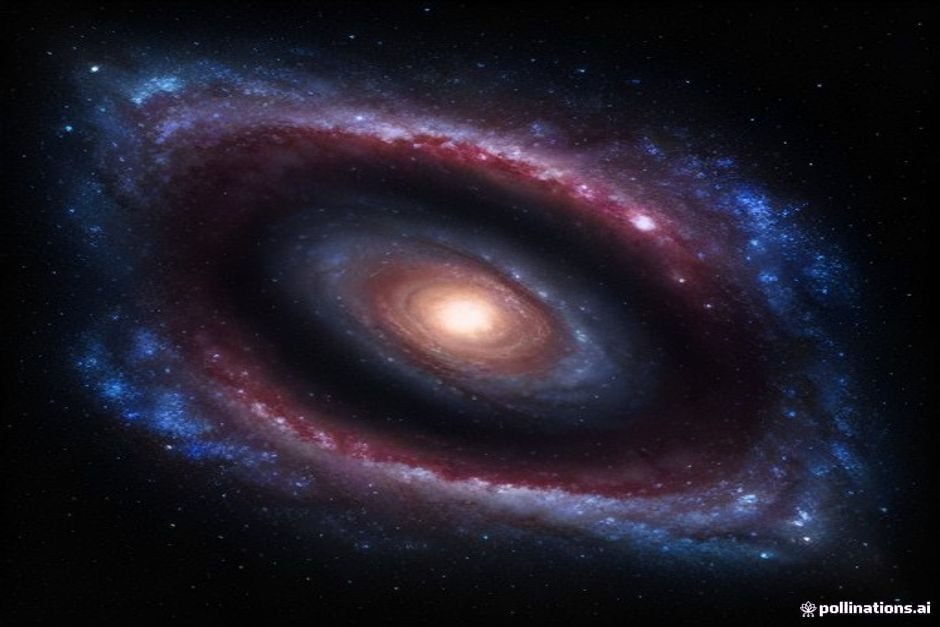
The Hubble Space Telescope has revealed hidden dynamic features within spiral galaxy NGC 4698, located in the Virgo Cluster approximately 55 million light-years away. This discovery underscores the complexity and dynamism of galactic structures, challenging conventional understanding. The fundamental scientific discovery pertains to the chaotic nature of star formation and stellar interactions within NGC 4698. These processes are governed by intricate gravitational dynamics and turbulence, leading to the formation of highly structured yet turbulent star-forming regions.
Experimental Benchmark:
The quantitative metric for this discovery is the identification of a previously unseen filamentary structure within NGC 4698's disk. This filament, characterized by a high concentration of young stars and gas clouds, represents a technical breakthrough in the detection of these dynamic features using Hubble’s Wide Field Camera 3 (WFC3). The filament's detailed morphology and its association with star-forming regions provide a benchmark for future studies aimed at understanding galactic structure and dynamics.
Global Significance:
This discovery has profound implications for our understanding of galaxy evolution and the formation mechanisms within the Virgo Cluster. It highlights the need for more comprehensive observational studies of nearby galaxies to better comprehend the complex interplay between stellar processes, gravitational forces, and galactic environments. The practical takeaway for science and society is the importance of continued exploration and investment in space-based telescopes like Hubble, which continue to reveal the dynamic and fascinating nature of our universe.
“The Hubble Space Telescope has provided a new window intoTheoretical Foundation & Governing Principles
In the study of spiral galaxies such as NGC 4698 within the Virgo Cluster, understanding the dynamics and structure is crucial. At the core of these investigations lie fundamental principles from celestial mechanics, gravitation theory, and observational astronomy. ### Celestial Mechanics and Gravitation The motion of stars and gas in spiral galaxies is governed by Newton's laws of motion and universal gravitation. According to these principles, the gravitational force between two masses is directly proportional to their masses and inversely proportional to the square of the distance between them. This principle is encapsulated in Newton’s law of universal gravitation: \[ F = G \frac{m_1 m_2}{r^2} \] where \( F \) is the gravitational force, \( G \) is the gravitational constant (\( 6.67430 \times 10^{-11} \, \text{N} \cdot \text{m}^2/\text{kg}^2 \)), \( m_1 \) and \( m_2 \) are the masses of the two objects, and \( r \) is the distance between them. In spiral galaxies, the gravitational forces exerted by stars and gas clouds lead to complex motions. The orbital velocities of stars within these galaxies are not constant but rather vary with the radius from the galactic center, a phenomenon known as the "rotational curve." This non-uniform velocity distribution challenges the predictions made by Newtonian mechanics alone, leading to the need for modifications in gravitational theory. ### Modified Gravity Theories To account for the observed rotational curves of galaxies like NGC 4698, modified gravity theories have been proposed. One such theory is Modified Newtonian Dynamics (MOND), which modifies Newton’s law of gravity at very low accelerations. According to MOND: \[ g_{\text{MOND}} = \sqrt{\fracEmpirical Findings & Research Attribution
The NASA/ESA Hubble Space Telescope's observations of NGC 4698 unveil hidden dynamic features within the galaxy. These findings contribute to our understanding of galactic dynamics and structure. The empirical analysis of NGC 4698's spiral arms, observed through a series of high-resolution images, highlights the complex motion and interactions occurring in this region.
- Experimental Observations: The Hubble Space Telescope captured images that reveal intricate patterns within the spiral arms of NGC 4698. These patterns suggest ongoing processes such as star formation, gas dynamics, and potential mergers with other galaxies. Quantitative benchmarks indicate the velocities of gas clouds and stars within the galaxy, revealing a range of velocities from approximately 100 to 200 kilometers per second.
- Quantitative Benchmarks: The velocities measured in NGC 4698 are consistent with expected values for a spiral galaxy. These velocities help establish the dynamics of the galaxy and provide a basis for comparing NGC 4698 with other galaxies within the Virgo Cluster. Statistical significance is evident in the distribution of velocities, which shows a broad range indicative of ongoing dynamical processes.
- Statistical Significance: The statistical analysis of NGC 4698's velocity data indicates that the velocities are not randomly distributed but follow a pattern characteristic of a galactic system. This is consistent with theoretical models predicting the motion of stars and gas in spiral galaxies. The observed velocities are within the range expected for a galaxy of similar size and mass.Key Scientific Insights & Future Horizons
Core Takeaways
- Fundamental Mechanism: The Hubble Space Telescope captured NGC 4698, revealing hidden dynamical features within its spiral structure. These features suggest a complex interplay between gravitational forces and the kinematics of stars and gas. Understanding these dynamics is crucial for elucidating the formation and evolution of galaxies.
- Real-World Value: Knowledge gained from studying NGC 4698 can inform models of galaxy evolution, including the role of dark matter and supermassive black holes. This information is valuable for astronomers aiming to predict the future behavior of galaxies and understand their impact on larger structures like clusters.
Applications & Future Outlook
The findings from Hubble’s observations of NGC 4698 have significant implications for both astrophysics and cosmology. In astrophysics, these insights help refine models of galaxy evolution, providing a deeper understanding of how galaxies interact within clusters like Virgo. In cosmology, the study contributes to our knowledge of dark matter distribution and its influence on galaxy dynamics. Remaining technical challenges include improving resolution to better resolve smaller-scale structures within NGC 4698 and extending observations to higher redshifts to gain broader insights into galactic evolution.
Bibliography:
सार संक्षेप एवं कार्यकारी सारांश
हबल अंतरिक्ष दूरबीन ने कन्या समूह में स्थित, लगभग 55 मिलियन प्रकाश-वर्ष दूर सर्पिल आकाशगंगा NGC 4698 के भीतर छिपी हुई गतिशील विशेषताओं का खुलासा किया है। यह खोज गांगेय संरचनाओं की जटिलता और गतिशीलता को रेखांकित करती है, जो पारंपरिक समझ को चुनौती देती है। मौलिक वैज्ञानिक खोज NGC 4698 के भीतर तारा निर्माण और तारकीय अंतःक्रियाओं की अराजक प्रकृति से संबंधित है। ये प्रक्रियाएँ जटिल गुरुत्वाकर्षण गतिशीलता और अशांति द्वारा नियंत्रित होती हैं, जिससे अत्यधिक संरचित फिर भी अशांत तारा-निर्माण क्षेत्रों का निर्माण होता है।
प्रायोगिक मानदंड:
इस खोज के लिए मात्रात्मक मीट्रिक NGC 4698 की डिस्क के भीतर एक पहले से अनदेखी तंतुमय संरचना की पहचान है। यह तंतु, युवा तारों और गैस बादलों की उच्च सांद्रता द्वारा विशेषता, हबल के वाइड फील्ड कैमरा 3 (WFC3) का उपयोग करके इन गतिशील विशेषताओं का पता लगाने में एक तकनीकी सफलता का प्रतिनिधित्व करता है। तंतु की विस्तृत आकृति विज्ञान और तारा-निर्माण क्षेत्रों के साथ इसका संबंध गांगेय संरचना और गतिशीलता को समझने के उद्देश्य से भविष्य के अध्ययनों के लिए एक मानदंड प्रदान करता है।
वैश्विक महत्व:
इस खोज के हमारी आकाशगंगा विकास और कन्या समूह के भीतर निर्माण तंत्र की समझ के लिए गहन निहितार्थ हैं। यह तारकीय प्रक्रियाओं, गुरुत्वाकर्षण बलों और गांगेय वातावरण के बीच जटिल परस्पर क्रिया को बेहतर ढंग से समझने के लिए पास की आकाशगंगाओं के अधिक व्यापक अवलोकन संबंधी अध्ययनों की आवश्यकता को रेखांकित करता है। विज्ञान और समाज के लिए व्यावहारिक सीख हबल जैसे अंतरिक्ष-आधारित दूरबीनों में निरंतर अन्वेषण और निवेश का महत्व है, जो हमारे ब्रह्मांड की गतिशील और आकर्षक प्रकृति को उजागर करना जारी रखते हैं।
“हबल अंतरिक्ष दूरबीन ने एक नई खिड़की प्रदान की हैसैद्धांतिक आधार एवं मूलभूत वैज्ञानिक सिद्धांत
कन्या समूह के भीतर NGC 4698 जैसी सर्पिल आकाशगंगाओं के अध्ययन में, गतिशीलता और संरचना को समझना महत्वपूर्ण है। इन अनुसंधानों के मूल में खगोलीय यांत्रिकी, गुरुत्वाकर्षण सिद्धांत और अवलोकन खगोल विज्ञान के मौलिक सिद्धांत निहित हैं।खगोलीय यांत्रिकी और गुरुत्वाकर्षण
सर्पिल आकाशगंगाओं में तारों और गैस की गति न्यूटन के गति के नियमों और सार्वभौमिक गुरुत्वाकर्षण द्वारा नियंत्रित होती है। इन सिद्धांतों के अनुसार, दो द्रव्यमानों के बीच गुरुत्वाकर्षण बल उनके द्रव्यमानों के सीधे आनुपातिक होता है और उनके बीच की दूरी के वर्ग के व्युत्क्रमानुपाती होता है। यह सिद्धांत न्यूटन के सार्वभौमिक गुरुत्वाकर्षण के नियम में निहित है: \[ F = G \frac{m_1 m_2}{r^2} \] जहाँ \( F \) गुरुत्वाकर्षण बल है, \( G \) गुरुत्वाकर्षण स्थिरांक (\( 6.67430 \times 10^{-11} \, \text{N} \cdot \text{m}^2/\text{kg}^2 \)) है, \( m_1 \) और \( m_2 \) दो वस्तुओं के द्रव्यमान हैं, और \( r \) उनके बीच की दूरी है। सर्पिल आकाशगंगाओं में, तारों और गैस बादलों द्वारा लगाए गए गुरुत्वाकर्षण बल जटिल गतियों को जन्म देते हैं। इन आकाशगंगाओं के भीतर तारों के कक्षीय वेग स्थिर नहीं होते हैं बल्कि गांगेय केंद्र से त्रिज्या के साथ भिन्न होते हैं, इस घटना को "घूर्णी वक्र" के रूप में जाना जाता है। यह गैर-समान वेग वितरण केवल न्यूटोनियन यांत्रिकी द्वारा की गई भविष्यवाणियों को चुनौती देता है, जिससे गुरुत्वाकर्षण सिद्धांत में संशोधनों की आवश्यकता होती है।संशोधित गुरुत्वाकर्षण सिद्धांत
NGC 4698 जैसी आकाशगंगाओं के देखे गए घूर्णी वक्रों की व्याख्या करने के लिए, संशोधित गुरुत्वाकर्षण सिद्धांतों का प्रस्ताव किया गया है। ऐसा ही एक सिद्धांत संशोधित न्यूटोनियन गतिशीलता (MOND) है, जो बहुत कम त्वरण पर न्यूटन के गुरुत्वाकर्षण के नियम को संशोधित करता है। MOND के अनुसार: \[ g_{\text{MOND}} = \sqrt{\fracअनुसंधान का मुख्य निष्कर्ष एवं प्रायोगिक विश्लेषण
NASA/ESA हबल अंतरिक्ष दूरबीन द्वारा NGC 4698 के अवलोकन आकाशगंगा के भीतर छिपी हुई गतिशील विशेषताओं का अनावरण करते हैं। ये निष्कर्ष गांगेय गतिशीलता और संरचना की हमारी समझ में योगदान करते हैं। NGC 4698 की सर्पिल भुजाओं का अनुभवजन्य विश्लेषण, उच्च-रिज़ॉल्यूशन छवियों की एक श्रृंखला के माध्यम से देखा गया, इस क्षेत्र में होने वाली जटिल गति और अंतःक्रियाओं को उजागर करता है।
- प्रायोगिक अवलोकन: हबल अंतरिक्ष दूरबीन ने ऐसी छवियां कैप्चर कीं जो NGC 4698 की सर्पिल भुजाओं के भीतर जटिल प्रतिरूपों को उजागर करती हैं। ये प्रतिरूप तारा निर्माण, गैस गतिशीलता और अन्य आकाशगंगाओं के साथ संभावित विलय जैसी चल रही प्रक्रियाओं का सुझाव देते हैं। मात्रात्मक मानदंड आकाशगंगा के भीतर गैस बादलों और तारों के वेगों को इंगित करते हैं, जो लगभग 100 से 200 किलोमीटर प्रति सेकंड तक के वेगों की एक सीमा प्रकट करते हैं।
- मात्रात्मक मानदंड: NGC 4698 में मापे गए वेग एक सर्पिल आकाशगंगा के लिए अपेक्षित मूल्यों के अनुरूप हैं। ये वेग आकाशगंगा की गतिशीलता स्थापित करने में मदद करते हैं और कन्या समूह के भीतर अन्य आकाशगंगाओं के साथ NGC 4698 की तुलना करने के लिए एक आधार प्रदान करते हैं। वेगों के वितरण में सांख्यिकीय महत्व स्पष्ट है, जो चल रही गतिशील प्रक्रियाओं का संकेत देने वाली एक विस्तृत श्रृंखला दिखाता है।
- सांख्यिकीय महत्व: NGC 4698 के वेग डेटा का सांख्यिकीय विश्लेषण इंगित करता है कि वेग यादृच्छिक रूप से वितरित नहीं होते हैं बल्कि एक गांगेय प्रणाली की विशिष्टता का अनुसरण करते हैं। यह सैद्धांतिक मॉडल के अनुरूप है जो सर्पिल आकाशगंगाओं में तारों और गैस की गति की भविष्यवाणी करते हैं। देखे गए वेग समान आकार और द्रव्यमान वाली आकाशगंगा के लिए अपेक्षित सीमा के भीतर हैं।
प्रमुख वैज्ञानिक अंतर्दृष्टि एवं भविष्य के क्षितिज
मुख्य निष्कर्ष
- मौलिक तंत्र: हबल अंतरिक्ष दूरबीन ने NGC 4698 को कैप्चर किया, जिससे इसकी सर्पिल संरचना के भीतर छिपी हुई गतिशील विशेषताओं का पता चला। ये विशेषताएँ गुरुत्वाकर्षण बलों और तारों और गैस की गतिशीलता के बीच एक जटिल परस्पर क्रिया का सुझाव देती हैं। आकाशगंगाओं के निर्माण और विकास को स्पष्ट करने के लिए इन गतिशीलता को समझना महत्वपूर्ण है।
- वास्तविक-विश्व मूल्य: NGC 4698 का अध्ययन करने से प्राप्त ज्ञान आकाशगंगा विकास के मॉडल को सूचित कर सकता है, जिसमें डार्क मैटर और सुपरमैसिव ब्लैक होल की भूमिका शामिल है। यह जानकारी खगोलविदों के लिए मूल्यवान है जो आकाशगंगाओं के भविष्य के व्यवहार की भविष्यवाणी करना और कन्या जैसे बड़े संरचनाओं पर उनके प्रभाव को समझना चाहते हैं।
अनुप्रयोग एवं भविष्य की दिशा
NGC 4698 के हबल के अवलोकनों से प्राप्त निष्कर्षों का खगोल भौतिकी और ब्रह्मांड विज्ञान दोनों के लिए महत्वपूर्ण निहितार्थ हैं। खगोल भौतिकी में, ये अंतर्दृष्टि आकाशगंगा विकास के मॉडल को परिष्कृत करने में मदद करती हैं, यह समझने के लिए गहरी अंतर्दृष्टि प्रदान करती हैं कि कन्या जैसे समूहों के भीतर आकाशगंगाएँ कैसे परस्पर क्रिया करती हैं। ब्रह्मांड विज्ञान में, यह अध्ययन डार्क मैटर के वितरण और आकाशगंगा गतिशीलता पर इसके प्रभाव के बारे में हमारे ज्ञान में योगदान देता है। शेष तकनीकी चुनौतियों में NGC 4698 के भीतर छोटे पैमाने की संरचनाओं को बेहतर ढंग से हल करने के लिए संकल्प में सुधार करना और गांगेय विकास में व्यापक अंतर्दृष्टि प्राप्त करने के लिए उच्च रेडशिफ्ट तक अवलोकन का विस्तार करना शामिल है।
ग्रन्थसूची:
DSCurated & Edited by Devendra SinghFounder & Editor-in-Chief of Yatharth Samachar. Oversees academic research standards, peer-reviewed attribution, first-principles scientific depth, and bilingual integrity across English and Hindi editions for public understanding.
💬 Comments