Breaking News
ताज़ा खबर
ताजी बातमी
সর্বশেষ সংবাদ
சமீபத்திய செய்தி
తాజా వార్త
તાજા સમાચાર
ਤਾਜ਼ਾ ਖ਼ਬਰ
Oil Prices Surge as Middle East Tensions Escalate Following US Strikes
मध्य पूर्व में बढ़ते तनाव के बीच तेल की कीमतों में उछाल
मध्य पूर्वेतील तणाव वाढल्याने तेलाच्या किमतीत वाढ
মধ্যপ্রাচ্যে উত্তেজনা বৃদ্ধির ফলে তেলের দামে উল্লম্ফন
மத்திய கிழக்கில் பதற்றம் அதிகரிப்பால் எண்ணெய் விலை உயர்வு
మధ్యప్రాచ్యంలో ఉద్రిక్తతల నేపథ్యంలో చమురు ధరల పెరుగుదల
મધ્ય પૂર્વમાં તણાવ વધતાં તેલના ભાવમાં ઉછાળો
ਮੱਧ ਪੂਰਬ ਵਿੱਚ ਤਣਾਅ ਵਧਣ ਕਾਰਨ ਤੇਲ ਦੀਆਂ ਕੀਮਤਾਂ ਵਿੱਚ ਉਛਾਲ
By AI News Desk
🕐 09 July 2026, 02:22 PM
💹 Finance
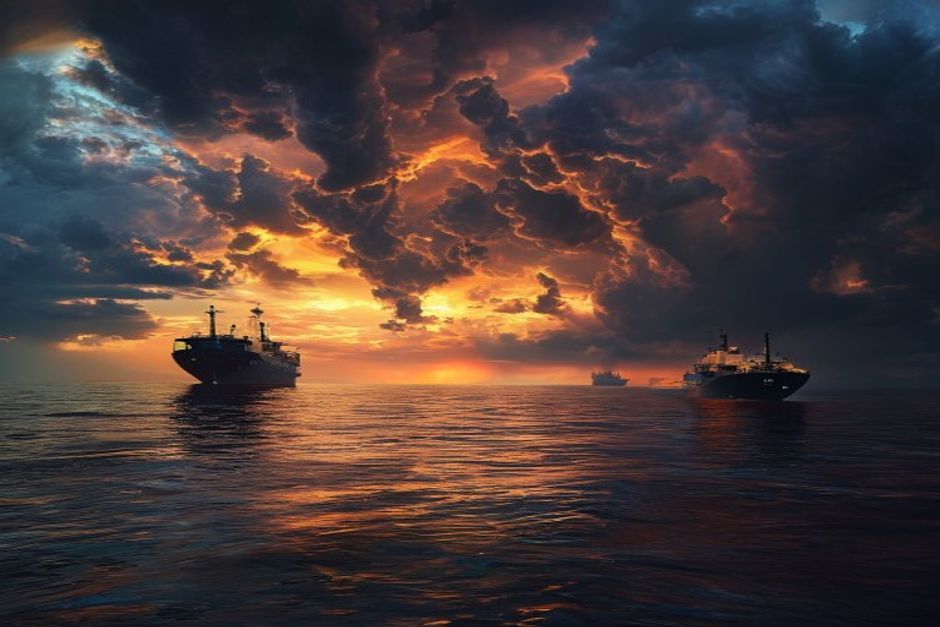
Global oil markets experienced significant volatility as traders grappled with the escalating geopolitical tensions in the Middle East. Following a second consecutive day of targeted strikes by US forces against Iran, concerns over the stability of crude oil supplies from the region have intensified. Vessel-tracking data released on Thursday indicated a noticeable decrease in maritime traffic transiting through the vital Strait of Hormuz, a critical chokepoint for global oil shipments.
Market Reacts to Geopolitical Uncertainty
The Strait of Hormuz, strategically positioned between the Persian Gulf and the Gulf of Oman, handles a substantial portion of the world's seaborne oil trade. Any disruption in this waterway can have immediate and far-reaching consequences for global energy prices. Traders are closely monitoring the situation, assessing the potential impact of the recent military actions on oil production and export capabilities in Iran and its neighboring countries. The uncertainty surrounding future supply routes and potential retaliatory measures is fueling cautious sentiment across the market.
Analysts suggest that while current global oil inventories remain relatively robust, prolonged instability in the Middle East could lead to significant price hikes. The Organization of the Petroleum Exporting Countries (OPEC) and its allies, including Russia, are expected to carefully consider the developing situation as they deliberate on future production quotas. Market participants are anticipating increased demand for alternative supply sources and a potential shift in trading patterns as the geopolitical landscape remains fluid.
Bloomberg's Stephen Stapczynski reported on the market's reaction, highlighting the delicate balance between supply, demand, and geopolitical risk. The coming days will be crucial in determining the sustained impact on oil prices and the broader energy sector. Investors are advised to stay informed about developments in the region and their potential economic ramifications.
मध्य पूर्व में भू-राजनीतिक तनाव बढ़ने के बीच वैश्विक तेल बाजारों में काफी उतार-चढ़ाव देखा गया। ईरान के खिलाफ अमेरिकी बलों द्वारा लगातार दूसरे दिन लक्षित हमलों के बाद, क्षेत्र से कच्चे तेल की आपूर्ति की स्थिरता को लेकर चिंताएं बढ़ गई हैं। गुरुवार को जारी जहाज-ट्रैकिंग डेटा ने महत्वपूर्ण होर्मुज जलडमरूमध्य से गुजरने वाले समुद्री यातायात में उल्लेखनीय कमी का संकेत दिया, जो वैश्विक तेल शिपमेंट के लिए एक महत्वपूर्ण बिंदु है।
बाजार भू-राजनीतिक अनिश्चितता पर प्रतिक्रिया करता है
फारस की खाड़ी और ओमान की खाड़ी के बीच रणनीतिक रूप से स्थित होर्मुज जलडमरूमध्य, दुनिया के समुद्री तेल व्यापार का एक बड़ा हिस्सा संभालता है। इस जलमार्ग में कोई भी व्यवधान वैश्विक ऊर्जा कीमतों पर तत्काल और दूरगामी प्रभाव डाल सकता है। व्यापारी इस स्थिति की बारीकी से निगरानी कर रहे हैं, ईरान और उसके पड़ोसी देशों में तेल उत्पादन और निर्यात क्षमताओं पर हालिया सैन्य कार्रवाई के संभावित प्रभाव का आकलन कर रहे हैं। भविष्य के आपूर्ति मार्गों और संभावित जवाबी उपायों के आसपास की अनिश्चितता बाजार में सतर्क भावना को बढ़ावा दे रही है।
विश्लेषकों का सुझाव है कि हालांकि वैश्विक तेल भंडार वर्तमान में अपेक्षाकृत मजबूत बने हुए हैं, मध्य पूर्व में लंबे समय तक अस्थिरता से कीमतों में उल्लेखनीय वृद्धि हो सकती है। तेल निर्यातक देशों का संगठन (ओपेक) और रूस सहित उसके सहयोगी, भविष्य के उत्पादन कोटा पर विचार-विमर्श करते समय विकसित हो रही स्थिति पर सावधानीपूर्वक विचार करने की उम्मीद है। बाजार प्रतिभागी वैकल्पिक आपूर्ति स्रोतों की मांग में वृद्धि और भू-राजनीतिक परिदृश्य के तरल बने रहने के कारण व्यापारिक पैटर्न में बदलाव की उम्मीद कर रहे हैं।
ब्लूमबर्ग के स्टीफन स्टापचिंस्की ने बाजार की प्रतिक्रिया पर रिपोर्ट दी, जिसमें आपूर्ति, मांग और भू-राजनीतिक जोखिम के बीच नाजुक संतुलन पर प्रकाश डाला गया। आने वाले दिन तेल की कीमतों और व्यापक ऊर्जा क्षेत्र पर निरंतर प्रभाव निर्धारित करने में महत्वपूर्ण होंगे। निवेशकों को क्षेत्र में विकास और उनके संभावित आर्थिक परिणामों के बारे में सूचित रहने की सलाह दी जाती है।
मध्य पूर्वेतील भू-राजकीय तणाव वाढल्याने जागतिक तेल बाजारात लक्षणीय अस्थिरता दिसून आली. अमेरिकेने इराणवर सलग दुसऱ्या दिवशी केलेल्या हल्ल्यानंतर, या प्रदेशातून कच्च्या तेलाच्या पुरवठ्याच्या स्थिरतेबद्दल चिंता वाढली आहे. गुरुवारी जारी केलेल्या जहाज-ट्रॅकिंग डेटानुसार, होर्मुज सामुद्रधुनीतून होणारी वाहतूक लक्षणीयरीत्या कमी झाली आहे, जी जागतिक तेल शिपमेंटसाठी एक महत्त्वाची जलवाहतूक मार्ग आहे.
बाजारपेठ भू-राजकीय अनिश्चिततेवर प्रतिक्रिया देत आहे
फारस आखात आणि ओमान आखात यांच्यामध्ये धोरणात्मकदृष्ट्या स्थित असलेली होर्मुज सामुद्रधुनी, जगाच्या सागरी तेल व्यापाराचा एक मोठा भाग हाताळते. या जलमार्गात कोणताही व्यत्यय आल्यास जागतिक ऊर्जा किमतींवर तात्काळ आणि दूरगामी परिणाम होऊ शकतात. व्यापारी या परिस्थितीवर बारकाईने लक्ष ठेवून आहेत आणि अलीकडील लष्करी कारवाईचा इराण आणि शेजारील देशांमधील तेल उत्पादन आणि निर्यात क्षमतेवर होणाऱ्या संभाव्य परिणामांचे मूल्यांकन करत आहेत. भविष्यातील पुरवठा मार्ग आणि संभाव्य प्रतिशोधांबद्दलची अनिश्चितता बाजारात सावध भावनांना प्रोत्साहन देत आहे.
विश्लेषकांच्या मते, जरी सध्या जागतिक तेल साठे तुलनेने मजबूत असले तरी, मध्य पूर्वेतील दीर्घकाळ चालणाऱ्या अस्थिरतेमुळे किमतींमध्ये लक्षणीय वाढ होऊ शकते. तेल उत्पादक आणि निर्यातदार देश (ओपेक) आणि रशियासह त्यांचे सहयोगी, भविष्यातील उत्पादन कोटा निश्चित करताना या विकसित होत असलेल्या परिस्थितीचा काळजीपूर्वक विचार करतील अशी अपेक्षा आहे. बाजार सहभागी पर्यायी पुरवठा स्रोतांची मागणी वाढण्याची आणि भू-राजकीय परिस्थिती बदलत राहिल्याने व्यापार पद्धतींमध्ये बदल होण्याची शक्यता आहे.
ब्लूमबर्गचे स्टीफन स्टापचिंस्की यांनी बाजाराच्या प्रतिक्रियेवर अहवाल दिला, ज्यात पुरवठा, मागणी आणि भू-राजकीय जोखीम यांच्यातील नाजूक संतुलनावर प्रकाश टाकला आहे. येणारे दिवस तेलाच्या किमतींवर आणि व्यापक ऊर्जा क्षेत्रावर होणारा सततचा परिणाम निश्चित करण्यासाठी महत्त्वपूर्ण ठरतील. गुंतवणूकदारांना या प्रदेशातील घडामोडी आणि त्यांचे संभाव्य आर्थिक परिणाम यावर माहिती ठेवण्याचा सल्ला दिला जातो.
মধ্যপ্রাচ্যে ভূ-রাজনৈতিক উত্তেজনা বৃদ্ধির ফলে বিশ্বব্যাপী তেলের বাজারে উল্লেখযোগ্য অস্থিরতা দেখা দিয়েছে। ইরানের বিরুদ্ধে মার্কিন বাহিনীর দ্বিতীয় দিনের হামলার পর, এই অঞ্চল থেকে অপরিশোধিত তেলের সরবরাহ স্থিতিশীলতা নিয়ে উদ্বেগ বেড়েছে। বৃহস্পতিবার প্রকাশিত জাহাজ-ট্র্যাকিং ডেটা অনুসারে, গুরুত্বপূর্ণ হরমুজ প্রণালী দিয়ে বাণিজ্যিক জাহাজের চলাচল উল্লেখযোগ্যভাবে হ্রাস পেয়েছে, যা বিশ্বব্যাপী তেল পরিবহনের জন্য একটি গুরুত্বপূর্ণ পথ।
বাজার ভূ-রাজনৈতিক অনিশ্চয়তার প্রতি সাড়া দিচ্ছে
পারস্য উপসাগর এবং ওমান উপসাগরের মধ্যে কৌশলগতভাবে অবস্থিত হরমুজ প্রণালী বিশ্বের সামুদ্রিক তেল বাণিজ্যের একটি বড় অংশ পরিচালনা করে। এই জলপথে যেকোনো বাধা বিশ্বব্যাপী জ্বালানির দামে তাৎক্ষণিক এবং সুদূরপ্রসারী প্রভাব ফেলতে পারে। ব্যবসায়ীরা পরিস্থিতি নিবিড়ভাবে পর্যবেক্ষণ করছেন এবং ইরান ও তার প্রতিবেশী দেশগুলির তেল উৎপাদন ও রপ্তানি ক্ষমতার উপর সাম্প্রতিক সামরিক পদক্ষেপের সম্ভাব্য প্রভাব মূল্যায়ন করছেন। ভবিষ্যতের সরবরাহ পথ এবং সম্ভাব্য প্রতিশোধমূলক ব্যবস্থা সম্পর্কিত অনিশ্চয়তা বাজারে একটি সতর্ক মনোভাব তৈরি করছে।
বিশ্লেষকরা মনে করছেন যে, যদিও বর্তমানে বিশ্বব্যাপী তেলের মজুত তুলনামূলকভাবে শক্তিশালী রয়েছে, মধ্যপ্রাচ্যের দীর্ঘস্থায়ী অস্থিরতা দামের উল্লেখযোগ্য বৃদ্ধি ঘটাতে পারে। তেল রপ্তানিকারক দেশগুলির সংগঠন (ওপেক) এবং রাশিয়াসহ তার মিত্ররা, ভবিষ্যতের উৎপাদন কোটা নিয়ে আলোচনা করার সময় এই বিকাশমান পরিস্থিতি সাবধানে বিবেচনা করবে বলে আশা করা হচ্ছে। বাজার অংশগ্রহণকারীরা বিকল্প সরবরাহ উৎসের চাহিদা বৃদ্ধি এবং ভূ-রাজনৈতিক পরিস্থিতি পরিবর্তনশীল থাকার কারণে বাণিজ্য পদ্ধতির পরিবর্তনের প্রত্যাশা করছে।
ব্লুমবার্গের স্টিফেন স্ট্যাপচিনস্কি বাজারের প্রতিক্রিয়ার উপর একটি প্রতিবেদন প্রকাশ করেছেন, যেখানে সরবরাহ, চাহিদা এবং ভূ-রাজনৈতিক ঝুঁকির মধ্যে সূক্ষ্ম ভারসাম্যের উপর জোর দেওয়া হয়েছে। আগামী দিনগুলো তেলের দাম এবং বৃহত্তর জ্বালানি খাতের উপর ধারাবাহিক প্রভাব নির্ধারণে গুরুত্বপূর্ণ হবে। বিনিয়োগকারীদের এই অঞ্চলের ঘটনাপ্রবাহ এবং তাদের সম্ভাব্য অর্থনৈতিক পরিণতি সম্পর্কে অবগত থাকার পরামর্শ দেওয়া হচ্ছে।
மத்திய கிழக்கில் புவிசார் அரசியல் பதற்றங்கள் அதிகரித்துள்ளதால், உலகளாவிய எண்ணெய் சந்தையில் குறிப்பிடத்தக்க ஏற்ற இறக்கம் காணப்பட்டது. ஈரான் மீது அமெரிக்கப் படைகள் அடுத்தடுத்து இரண்டாவது நாளாக நடத்திய தாக்குதல்களைத் தொடர்ந்து, இப்பகுதியிலிருந்து கச்சா எண்ணெய் விநியோகத்தின் ஸ்திரத்தன்மை குறித்த கவலைகள் அதிகரித்துள்ளன. வியாழக்கிழமை வெளியிடப்பட்ட கப்பல் கண்காணிப்புத் தரவுகள், உலகளாவிய எண்ணெய் கப்பல் போக்குவரத்திற்கு ஒரு முக்கியப் பாதையான ஹோர்முஸ் ஜலசந்தியில் கப்பல் போக்குவரத்து கணிசமாகக் குறைந்ததைக் காட்டியது.
சந்தை புவிசார் அரசியல் நிச்சயமற்ற தன்மைக்கு பதிலளிக்கிறது
பாரசீக வளைகுடா மற்றும் ஓமான் வளைகுடாவிற்கு இடையில் மூலோபாய ரீதியாக அமைந்துள்ள ஹோர்முஸ் ஜலசந்தி, உலகின் கடல்வழி எண்ணெய் வர்த்தகத்தின் பெரும்பகுதியைக் கையாள்கிறது. இந்த जलमार्गத்தில் ஏற்படும் எந்தவொரு இடையூறும் உலகளாவிய எரிசக்தி விலைகளில் உடனடி மற்றும் பரந்த தாக்கத்தை ஏற்படுத்தும். வர்த்தகர்கள் நிலைமையை உன்னிப்பாகக் கண்காணித்து வருகின்றனர், மேலும் ஈரான் மற்றும் அதன் அண்டை நாடுகளின் எண்ணெய் உற்பத்தி மற்றும் ஏற்றுமதி திறன்களில் சமீபத்திய இராணுவ நடவடிக்கைகளின் சாத்தியமான தாக்கத்தை மதிப்பிடுகின்றனர். எதிர்கால விநியோக வழிகள் மற்றும் சாத்தியமான பதிலடி நடவடிக்கைகள் தொடர்பான நிச்சயமற்ற தன்மை சந்தையில் எச்சரிக்கை உணர்வைத் தூண்டுகிறது.
தற்போதைய உலகளாவிய எண்ணெய் கையிருப்பு ஒப்பீட்டளவில் வலுவாக இருந்தாலும், மத்திய கிழக்கில் நீண்டகால ஸ்திரமின்மை விலைகளில் குறிப்பிடத்தக்க உயர்வுக்கு வழிவகுக்கும் என்று ஆய்வாளர்கள் கூறுகின்றனர். பெட்ரோலியம் ஏற்றுமதி செய்யும் நாடுகளின் அமைப்பு (OPEC) மற்றும் ரஷ்யா உள்ளிட்ட அதன் நட்பு நாடுகள், எதிர்கால உற்பத்தி ஒதுக்கீடுகள் குறித்து விவாதிக்கும்போது தற்போதைய சூழ்நிலையை கவனமாக பரிசீலிக்கும் என்று எதிர்பார்க்கப்படுகிறது. மாற்று விநியோக ஆதாரங்களுக்கான தேவை அதிகரிப்பு மற்றும் புவிசார் அரசியல் நிலப்பரப்பு மாறும் நிலையில் வர்த்தக முறைகளில் மாற்றம் ஏற்படக்கூடும் என சந்தை பங்கேற்பாளர்கள் எதிர்பார்க்கின்றனர்.
பிளூம்பெர்க்கின் ஸ்டீபன் ஸ்டாபசின்ஸ்கி, சந்தையின் எதிர்வினை குறித்து அறிக்கையளித்துள்ளார், மேலும் வழங்கல், தேவை மற்றும் புவிசார் அரசியல் இடர் ஆகியவற்றிற்கு இடையிலான மென்மையான சமநிலையை எடுத்துக்காட்டுகிறார். வரும் நாட்கள் எண்ணெய் விலைகள் மற்றும் பரந்த எரிசக்தித் துறையில் தொடர்ச்சியான தாக்கத்தை நிர்ணயிப்பதில் முக்கியமானதாக இருக்கும். முதலீட்டாளர்கள் இப்பகுதியில் ஏற்படும் முன்னேற்றங்கள் மற்றும் அவற்றின் சாத்தியமான பொருளாதார விளைவுகள் குறித்து தொடர்ந்து அறிந்திருக்க அறிவுறுத்தப்படுகிறார்கள்.
మధ్యప్రాచ్యంలో భౌగోళిక రాజకీయ ఉద్రిక్తతలు పెరగడంతో ప్రపంచ చమురు మార్కెట్లలో గణనీయమైన అస్థిరత చోటుచేసుకుంది. ఇరాన్పై అమెరికా దళాలు వరుసగా రెండవ రోజు దాడులు నిర్వహించిన నేపథ్యంలో, ఈ ప్రాంతం నుండి ముడి చమురు సరఫరా స్థిరత్వంపై ఆందోళనలు పెరిగాయి. గురువారం విడుదలైన వెస్సెల్-ట్రాకింగ్ డేటా, ప్రపంచ చమురు రవాణాకు కీలకమైన హార్ముజ్ జలసంధిలో నౌకాయానం గణనీయంగా తగ్గిందని సూచించింది.
భౌగోళిక రాజకీయ అనిశ్చితికి మార్కెట్ స్పందన
పర్షియన్ గల్ఫ్ మరియు గల్ఫ్ ఆఫ్ ఒమన్ మధ్య వ్యూహాత్మకంగా ఉన్న హార్ముజ్ జలసంధి, ప్రపంచ సముద్ర వాణిజ్య చమురులో గణనీయమైన భాగాన్ని నిర్వహిస్తుంది. ఈ జలమార్గంలో ఏదైనా అంతరాయం ప్రపంచ ఇంధన ధరలపై తక్షణ మరియు విస్తృత ప్రభావాలను చూపుతుంది. వ్యాపారులు పరిస్థితిని నిశితంగా పరిశీలిస్తున్నారు, మరియు ఇరాన్ మరియు దాని పొరుగు దేశాల చమురు ఉత్పత్తి మరియు ఎగుమతి సామర్థ్యాలపై ఇటీవలి సైనిక చర్యల సంభావ్య ప్రభావాన్ని అంచనా వేస్తున్నారు. భవిష్యత్ సరఫరా మార్గాలు మరియు సంభావ్య ప్రతిస్పందన చర్యల చుట్టూ ఉన్న అనిశ్చితి మార్కెట్లో అప్రమత్తతను పెంచుతోంది.
ప్రస్తుతం ప్రపంచ చమురు నిల్వలు సాపేక్షంగా బలంగా ఉన్నప్పటికీ, మధ్యప్రాచ్యంలో దీర్ఘకాలిక అస్థిరత ధరలలో గణనీయమైన పెరుగుదలకు దారితీస్తుందని విశ్లేషకులు సూచిస్తున్నారు. పెట్రోలియం ఎగుమతిదారుల సంస్థ (OPEC) మరియు రష్యాతో సహా దాని మిత్రదేశాలు, భవిష్యత్ ఉత్పత్తి కోటాలపై చర్చలు జరిపేటప్పుడు అభివృద్ధి చెందుతున్న పరిస్థితిని జాగ్రత్తగా పరిగణనలోకి తీసుకుంటాయని భావిస్తున్నారు. ప్రత్యామ్నాయ సరఫరా వనరులకు డిమాండ్ పెరగడం మరియు భౌగోళిక రాజకీయ దృశ్యం మారుతున్నందున వాణిజ్య విధానాలలో మార్పులు చోటుచేసుకుంటాయని మార్కెట్ పాల్గొనేవారు ఆశిస్తున్నారు.
బ్లూమ్బెర్గ్ యొక్క స్టీఫెన్ స్టాప్చిన్స్కీ మార్కెట్ ప్రతిస్పందనపై నివేదించారు, సరఫరా, డిమాండ్ మరియు భౌగోళిక రాజకీయ నష్టాల మధ్య సున్నితమైన సమతుల్యతను హైలైట్ చేశారు. రాబోయే రోజులు చమురు ధరలపై మరియు విస్తృత ఇంధన రంగంపై నిరంతర ప్రభావాన్ని నిర్ధారించడంలో కీలకమవుతాయి. పెట్టుబడిదారులు ఈ ప్రాంతంలో జరుగుతున్న పరిణామాలు మరియు వాటి సంభావ్య ఆర్థిక చిక్కులపై సమాచారం తెలుసుకోవాలని సూచించబడింది.
મધ્ય પૂર્વમાં ભૌગોલિક રાજકીય તણાવ વધતાં વૈશ્વિક તેલ બજારોમાં નોંધપાત્ર અસ્થિરતા જોવા મળી છે. ઈરાન પર અમેરિકી દળો દ્વારા સતત બીજા દિવસે લક્ષિત હુમલાઓ બાદ, આ પ્રદેશમાંથી ક્રૂડ ઓઇલના પુરવઠાની સ્થિરતા અંગે ચિંતાઓ વધી છે. ગુરુવારે જાહેર થયેલા વેસલ-ટ્રેકિંગ ડેટાએ હોર્મુઝની સામુદ્રધુનીમાંથી પસાર થતા જહાજોની અવરજવરમાં નોંધપાત્ર ઘટાડો સૂચવ્યો છે, જે વૈશ્વિક તેલ શિપમેન્ટ માટે એક મહત્વપૂર્ણ માર્ગ છે.
બજાર ભૌગોલિક રાજકીય અનિશ્ચિતતા પર પ્રતિક્રિયા આપે છે
ફારસી અખાત અને ઓમાનના અખાત વચ્ચે વ્યૂહાત્મક રીતે સ્થિત હોર્મુઝની સામુદ્રધુની, વિશ્વના દરિયાઈ તેલ વેપારનો મોટો હિસ્સો સંભાળે છે. આ જળમાર્ગમાં કોઈપણ વિક્ષેપ વૈશ્વિક ઊર્જાના ભાવો પર તાત્કાલિક અને દૂરગામી અસરો કરી શકે છે. વેપારીઓ પરિસ્થિતિ પર નજીકથી નજર રાખી રહ્યા છે, અને ઈરાન તથા તેના પડોશી દેશોમાં તેલ ઉત્પાદન અને નિકાસ ક્ષમતાઓ પર તાજેતરની લશ્કરી કાર્યવાહીની સંભવિત અસરનું મૂલ્યાંકન કરી રહ્યા છે. ભવિષ્યના પુરવઠા માર્ગો અને સંભવિત પ્રતિશોધ પગલાંઓ અંગેની અનિશ્ચિતતા બજારમાં સાવચેતીભર્યું વલણ ઉભું કરી રહી છે.
વિશ્લેષકો સૂચવે છે કે, જોકે હાલમાં વૈશ્વિક તેલ ભંડાર પ્રમાણમાં મજબૂત છે, મધ્ય પૂર્વમાં લાંબા સમય સુધી અસ્થિરતા ભાવોમાં નોંધપાત્ર વધારો કરી શકે છે. ઓઇલ એક્સપોર્ટિંગ કન્ટ્રીઝ (OPEC) અને રશિયા સહિત તેના સાથી દેશો, ભવિષ્યના ઉત્પાદન ક્વોટા અંગે વિચાર-વિમર્શ કરતી વખતે વિકસતી પરિસ્થિતિને સાવચેતીપૂર્વક ધ્યાનમાં લેશે તેવી અપેક્ષા છે. બજાર સહભાગીઓ વૈકલ્પિક પુરવઠા સ્ત્રોતોની વધતી માંગ અને ભૌગોલિક રાજકીય પરિદ્રશ્ય બદલાતું રહેતાં વેપાર પદ્ધતિઓમાં ફેરફારની અપેક્ષા રાખી રહ્યા છે.
બ્લૂમબર્ગના સ્ટીફન સ્ટેપચિન્સ્કીએ બજારની પ્રતિક્રિયા પર અહેવાલ આપ્યો છે, જેમાં પુરવઠા, માંગ અને ભૌગોલિક રાજકીય જોખમ વચ્ચેના નાજુક સંતુલન પર પ્રકાશ પાડવામાં આવ્યો છે. આગામી દિવસો તેલના ભાવ અને વ્યાપક ઊર્જા ક્ષેત્ર પર સતત અસર નક્કી કરવામાં મહત્વપૂર્ણ રહેશે. રોકાણકારોને આ પ્રદેશમાં થતી ઘટનાઓ અને તેમના સંભવિત આર્થિક પરિણામો વિશે માહિતગાર રહેવાની સલાહ આપવામાં આવે છે.
ਮੱਧ ਪੂਰਬ ਵਿੱਚ ਭੂ-ਸਿਆਸੀ ਤਣਾਅ ਵਧਣ ਕਾਰਨ ਵਿਸ਼ਵ ਤੇਲ ਬਾਜ਼ਾਰਾਂ ਵਿੱਚ ਕਾਫ਼ੀ ਅਸਥਿਰਤਾ ਦੇਖੀ ਗਈ। ਈਰਾਨ ਵਿਰੁੱਧ ਅਮਰੀਕੀ ਫ਼ੌਜਾਂ ਦੁਆਰਾ ਲਗਾਤਾਰ ਦੂਜੇ ਦਿਨ ਨਿਸ਼ਾਨਾ ਹਮਲਿਆਂ ਤੋਂ ਬਾਅਦ, ਇਸ ਖੇਤਰ ਤੋਂ ਕੱਚੇ ਤੇਲ ਦੀ ਸਪਲਾਈ ਦੀ ਸਥਿਰਤਾ ਬਾਰੇ ਚਿੰਤਾਵਾਂ ਵਧ ਗਈਆਂ ਹਨ। ਵੀਰਵਾਰ ਨੂੰ ਜਾਰੀ ਕੀਤੇ ਗਏ ਜਹਾਜ਼-ਟਰੈਕਿੰਗ ਡੇਟਾ ਨੇ ਹਾਰਮੂਜ਼ ਦੀ ਖਾੜੀ ਵਿੱਚੋਂ ਲੰਘਣ ਵਾਲੇ ਸਮੁੰਦਰੀ ਆਵਾਜਾਈ ਵਿੱਚ ਮਹੱਤਵਪੂਰਨ ਕਮੀ ਦਾ ਸੰਕੇਤ ਦਿੱਤਾ ਹੈ, ਜੋ ਕਿ ਵਿਸ਼ਵ ਤੇਲ ਸ਼ਿਪਿੰਗ ਲਈ ਇੱਕ ਮਹੱਤਵਪੂਰਨ ਮਾਰਗ ਹੈ।
ਬਾਜ਼ਾਰ ਭੂ-ਸਿਆਸੀ ਅਨਿਸ਼ਚਿਤਤਾ 'ਤੇ ਪ੍ਰਤੀਕਿਰਿਆ ਕਰਦਾ ਹੈ
ਫ਼ਾਰਸ ਦੀ ਖਾੜੀ ਅਤੇ ਓਮਾਨ ਦੀ ਖਾੜੀ ਦੇ ਵਿਚਕਾਰ ਰਣਨੀਤਕ ਤੌਰ 'ਤੇ ਸਥਿਤ ਹਾਰਮੂਜ਼ ਦੀ ਖਾੜੀ, ਵਿਸ਼ਵ ਦੇ ਸਮੁੰਦਰੀ ਤੇਲ ਵਪਾਰ ਦਾ ਇੱਕ ਵੱਡਾ ਹਿੱਸਾ ਸੰਭਾਲਦੀ ਹੈ। ਇਸ ਜਲਮਾਰਗ ਵਿੱਚ ਕੋਈ ਵੀ ਵਿਘਨ ਵਿਸ਼ਵ ਊਰਜਾ ਕੀਮਤਾਂ 'ਤੇ ਤੁਰੰਤ ਅਤੇ ਦੂਰਗਾਮੀ ਪ੍ਰਭਾਵ ਪਾ ਸਕਦਾ ਹੈ। ਵਪਾਰੀ ਸਥਿਤੀ 'ਤੇ ਨੇੜੀਓਂ ਨਜ਼ਰ ਰੱਖ ਰਹੇ ਹਨ, ਅਤੇ ਈਰਾਨ ਅਤੇ ਇਸਦੇ ਗੁਆਂਢੀ ਦੇਸ਼ਾਂ ਦੀ ਤੇਲ ਉਤਪਾਦਨ ਅਤੇ ਨਿਰਯਾਤ ਸਮਰੱਥਾਵਾਂ 'ਤੇ ਹਾਲ ਹੀ ਦੇ ਫੌਜੀ ਕਾਰਵਾਈਆਂ ਦੇ ਸੰਭਾਵੀ ਪ੍ਰਭਾਵ ਦਾ ਮੁਲਾਂਕਣ ਕਰ ਰਹੇ ਹਨ। ਭਵਿੱਖ ਦੇ ਸਪਲਾਈ ਰੂਟਾਂ ਅਤੇ ਸੰਭਾਵੀ ਜਵਾਬੀ ਕਾਰਵਾਈਆਂ ਬਾਰੇ ਅਨਿਸ਼ਚਿਤਤਾ ਬਾਜ਼ਾਰ ਵਿੱਚ ਸਾਵਧਾਨੀ ਦੀ ਭਾਵਨਾ ਨੂੰ ਵਧਾ ਰਹੀ ਹੈ।
ਵਿਸ਼ਲੇਸ਼ਕ ਸੁਝਾਅ ਦਿੰਦੇ ਹਨ ਕਿ, ਭਾਵੇਂ ਮੌਜੂਦਾ ਵਿਸ਼ਵ ਤੇਲ ਭੰਡਾਰ ਤੁਲਨਾਤਮਕ ਤੌਰ 'ਤੇ ਮਜ਼ਬੂਤ ਬਣੇ ਹੋਏ ਹਨ, ਮੱਧ ਪੂਰਬ ਵਿੱਚ ਲੰਬੇ ਸਮੇਂ ਦੀ ਅਸਥਿਰਤਾ ਕਾਰਨ ਕੀਮਤਾਂ ਵਿੱਚ ਮਹੱਤਵਪੂਰਨ ਵਾਧਾ ਹੋ ਸਕਦਾ ਹੈ। ਆਇਲ ਐਕਸਪੋਰਟਿੰਗ ਕੰਟਰੀਜ਼ (OPEC) ਅਤੇ ਰੂਸ ਸਮੇਤ ਇਸਦੇ ਸਹਿਯੋਗੀ, ਭਵਿੱਖ ਦੇ ਉਤਪਾਦਨ ਕੋਟਿਆਂ 'ਤੇ ਵਿਚਾਰ-ਵਟਾਂਦਰਾ ਕਰਦੇ ਸਮੇਂ ਵਿਕਸਤ ਹੋ ਰਹੀ ਸਥਿਤੀ 'ਤੇ ਧਿਆਨ ਨਾਲ ਵਿਚਾਰ ਕਰਨ ਦੀ ਉਮੀਦ ਹੈ। ਬਾਜ਼ਾਰ ਭਾਗੀਦਾਰ ਬਦਲਵੇਂ ਸਪਲਾਈ ਸਰੋਤਾਂ ਦੀ ਮੰਗ ਵਿੱਚ ਵਾਧਾ ਅਤੇ ਭੂ-ਸਿਆਸੀ ਦ੍ਰਿਸ਼ ਦੇ ਬਦਲਦੇ ਰਹਿਣ ਕਾਰਨ ਵਪਾਰਕ ਪੈਟਰਨ ਵਿੱਚ ਬਦਲਾਅ ਦੀ ਉਮੀਦ ਕਰ ਰਹੇ ਹਨ।
ਬਲੂਮਬਰਗ ਦੇ ਸਟੀਫਨ ਸਟੈਪਚਿਨਸਕੀ ਨੇ ਬਾਜ਼ਾਰ ਦੀ ਪ੍ਰਤੀਕਿਰਿਆ 'ਤੇ ਰਿਪੋਰਟ ਕੀਤੀ ਹੈ, ਜਿਸ ਵਿੱਚ ਸਪਲਾਈ, ਮੰਗ ਅਤੇ ਭੂ-ਸਿਆਸੀ ਜੋਖਮ ਵਿਚਕਾਰ ਸੰਵੇਦਨਸ਼ੀਲ ਸੰਤੁਲਨ 'ਤੇ ਜ਼ੋਰ ਦਿੱਤਾ ਗਿਆ ਹੈ। ਆਉਣ ਵਾਲੇ ਦਿਨ ਤੇਲ ਦੀਆਂ ਕੀਮਤਾਂ ਅਤੇ ਵਿਆਪਕ ਊਰਜਾ ਸੈਕਟਰ 'ਤੇ ਨਿਰੰਤਰ ਪ੍ਰਭਾਵ ਨੂੰ ਨਿਰਧਾਰਤ ਕਰਨ ਵਿੱਚ ਮਹੱਤਵਪੂਰਨ ਹੋਣਗੇ। ਨਿਵੇਸ਼ਕਾਂ ਨੂੰ ਇਸ ਖੇਤਰ ਵਿੱਚ ਹੋਣ ਵਾਲੀਆਂ ਘਟਨਾਵਾਂ ਅਤੇ ਉਨ੍ਹਾਂ ਦੇ ਸੰਭਾਵੀ ਆਰਥਿਕ ਨਤੀਜਿਆਂ ਬਾਰੇ ਸੂਚਿਤ ਰਹਿਣ ਦੀ ਸਲਾਹ ਦਿੱਤੀ ਜਾਂਦੀ ਹੈ।

💬 Comments