Breaking News
ताज़ा खबर
ताजी बातमी
সর্বশেষ সংবাদ
சமீபத்திய செய்தி
తాజా వార్త
તાજા સમાચાર
ਤਾਜ਼ਾ ਖ਼ਬਰ
Ret. Gen. Simon Mayall: Hormuz Stand-Down is a Hugely Complex Military Operation
रिटायर्ड जनरल मेयॉल: होर्मुज जलडमरूमध्य से सेना हटाना एक अत्यंत जटिल सैन्य अभियान
निवृत्त जनरल मेयॉल: होर्मुज जलडमरूमध्यातून माघार घेणे हे अत्यंत गुंतागुंतीचे लष्करी अभियान
অবসরপ্রাপ্ত জেনারেল মেঅল: হরমুজ প্রণালীতে সেনা প্রত্যাহার একটি অত্যন্ত জটিল সামরিক অভিযান
ஓய்வுபெற்ற ஜெனரல் மேயால்: ஹோர்முஸ் ஜலசந்தி பின்வாங்கல் என்பது மிகவும் சிக்கலான இராணுவ நடவடிக்கை
రిటైర్డ్ జనరల్ మేయాల్: హార్ముజ్ జలసంధి నుండి సైన్యాన్ని ఉపసంహరించుకోవడం చాలా క్లిష్టమైన సైనిక ఆపరేషన్
નિવૃત્ત જનરલ મેયૉલ: હોર્મુઝ સ્ટ્રેટમાંથી સૈનિકોને પાછા ખેંચવા એ અત્યંત જટિલ લશ્કરી ઓપરેશન
ਸੇਵਾਮੁਕਤ ਜਨਰਲ ਮੇਅਲ: ਹਾਰਮੂਜ਼ ਦੀ ਖਾੜੀ ਤੋਂ ਫੌਜਾਂ ਦੀ ਵਾਪਸੀ ਇੱਕ ਬਹੁਤ ਹੀ ਗੁੰਝਲਦਾਰ ਫੌਜੀ ਕਾਰਵਾਈ
By AI News Desk
🕐 06 May 2026, 06:04 PM
🌍 World
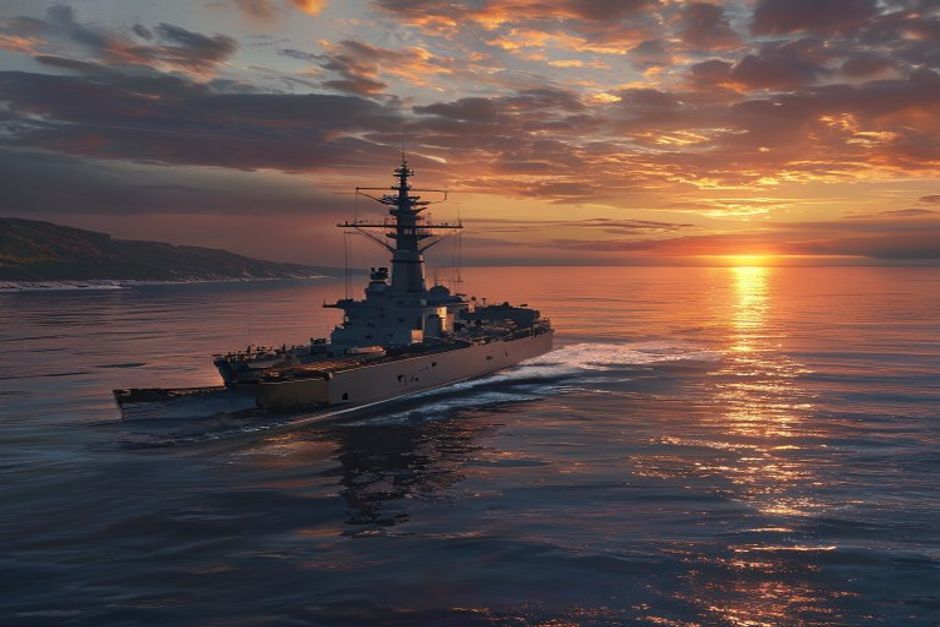
Retired British Army General Simon Mayall has described any potential stand-down in the Strait of Hormuz, as detailed in a reported new memorandum of understanding between Tehran and Washington, as a "hugely complex" military operation. Mayall, a former Middle East adviser to the UK Ministry of Defence, emphasized the intricate nature of withdrawing forces from such a crowded and tense waterway.
Iranian Advantage in Hormuz
Mayall highlighted that Iran holds a significant advantage due to its position in situ. "The Iranians have the advantage of being the force in situ. They have the northern side of the Strait of Hormuz, and they’ve obviously got depth," he told Al Jazeera. This geographical advantage allows for a more ingrained presence and potentially quicker response capabilities.
US Military Build-up and Drawdown Challenges
In contrast, the United States has assembled a "vast armada" in the region, comprising three carrier groups, two Marine Expeditionary Units, and the 82nd Airborne division, among other assets. This significant build-up presents a considerable challenge when considering a phased drawdown. "Even a phased drawdown requires care," Mayall warned. He outlined initial steps such as lifting any blockade, while maintaining forces in the vicinity.
The process would inevitably involve crucial logistical steps. "The first thing we do, obviously, is lift the blockade. Still keep your forces there, but sooner or later, you’ve got to start rotating crews and ships. You’ve got to resupply them," he explained. This indicates that a de-escalation, even if agreed upon, would not translate to an immediate or simple withdrawal of military assets. The complexities involve not just the physical movement of ships and personnel but also the maintenance of readiness and logistical chains during the transition period. The strategic implications of such a move would be far-reaching, impacting regional stability and international maritime security.
सेवानिवृत्त ब्रिटिश सेना जनरल साइमन मेयॉल ने तेहरान और वाशिंगटन के बीच एक कथित नए समझौता ज्ञापन में विस्तृत होर्मुज जलडमरूमध्य में किसी भी संभावित स्टैंड-डाउन को एक "अत्यंत जटिल" सैन्य अभियान बताया है। रक्षा मंत्रालय (यूके) के मध्य पूर्व के पूर्व सलाहकार मेयॉल ने इस तरह के भीड़भाड़ वाले और तनावपूर्ण जलमार्ग से सेना को वापस बुलाने की जटिल प्रकृति पर जोर दिया।
होर्मुज में ईरान का लाभ
मेयॉल ने इस बात पर प्रकाश डाला कि ईरान अपनी स्थिति के कारण एक महत्वपूर्ण लाभ रखता है। उन्होंने अल जज़ीरा को बताया, "ईरानियों के पास अपनी स्थिति में होने का लाभ है। उनके पास होर्मुज जलडमरूमध्य का उत्तरी किनारा है, और उनके पास स्पष्ट रूप से गहराई है।" यह भौगोलिक लाभ अधिक एकीकृत उपस्थिति और संभावित रूप से त्वरित प्रतिक्रिया क्षमताओं की अनुमति देता है।
अमेरिकी सैन्य जमावड़ा और वापसी की चुनौतियाँ
इसके विपरीत, संयुक्त राज्य अमेरिका ने इस क्षेत्र में "विशाल बेड़ा" इकट्ठा किया है, जिसमें तीन वाहक समूह, दो मरीन एक्सपेडिशनरी यूनिट, और 82वीं एयरबोर्न डिवीजन, अन्य संपत्तियों के अलावा शामिल हैं। यह महत्वपूर्ण जमावड़ा चरणबद्ध वापसी पर विचार करते समय एक बड़ी चुनौती प्रस्तुत करता है। मेयॉल ने चेतावनी दी, "चरणबद्ध वापसी के लिए भी सावधानी की आवश्यकता है।" उन्होंने किसी भी नाकाबंदी को उठाने जैसे प्रारंभिक कदमों की रूपरेखा तैयार की, जबकि आसपास के क्षेत्र में सेना को बनाए रखा।
इस प्रक्रिया में अनिवार्य रूप से महत्वपूर्ण लॉजिस्टिक कदम शामिल होंगे। उन्होंने समझाया, "पहली चीज जो हम करते हैं, वह स्पष्ट रूप से नाकाबंदी उठाना है। अभी भी अपनी सेनाओं को वहां रखें, लेकिन जल्द या बाद में, आपको चालक दल और जहाजों को घुमाना शुरू करना होगा। आपको उन्हें फिर से आपूर्ति करनी होगी।" यह इंगित करता है कि डी-एस्केलेशन, भले ही सहमत हो, सैन्य संपत्तियों की तत्काल या सरल वापसी में तब्दीل नहीं होगा। जटिलताओं में न केवल जहाजों और कर्मियों की भौतिक आवाजाही शामिल है, बल्कि संक्रमण अवधि के दौरान तत्परता और लॉजिस्टिक श्रृंखलाओं का रखरखाव भी शामिल है। इस तरह के कदम के रणनीतिक प्रभाव दूरगामी होंगे, जो क्षेत्रीय स्थिरता और अंतरराष्ट्रीय समुद्री सुरक्षा को प्रभावित करेंगे।
निवृत्त ब्रिटिश आर्मी जनरल सायमन मेयॉल यांनी तेहरान आणि वॉशिंग्टन यांच्यातील कथित नवीन सामंजस्य करारानुसार होर्मुज जलडमरूमध्यात संभाव्य माघार (stand-down) घेणे हे एक "अत्यंत गुंतागुंतीचे" लष्करी अभियान असल्याचे म्हटले आहे. यूकेच्या संरक्षण मंत्रालयाचे माजी मध्य पूर्व सल्लागार मेयॉल यांनी अशा गर्दीच्या आणि तणावपूर्ण जलमार्गातून सैन्याची माघार घेण्याच्या प्रक्रियेच्या गुंतागुंतीवर भर दिला.
होर्मुजमध्ये इराणी सैन्याचा फायदा
मेयॉल यांनी अधोरेखित केले की इराणला सद्यस्थितीमुळे (in situ) महत्त्वपूर्ण फायदा आहे. त्यांनी अल जझीरा यांना सांगितले, "इराणी सैन्याला तेथे उपस्थित राहण्याचा फायदा आहे. त्यांच्याकडे होर्मुज जलडमरूमध्यात उत्तरेकडील बाजू आहे आणि त्यांच्याकडे स्पष्टपणे खोली (depth) आहे." या भौगोलिक फायद्यामुळे अधिक एकसंध उपस्थिती आणि संभाव्यतः जलद प्रतिसाद क्षमता मिळू शकते.
अमेरिकेची लष्करी जमवाजमव आणि माघारीचे आव्हान
याउलट, युनायटेड स्टेट्सने या प्रदेशात "विशाल नौदल संच" (vast armada) जमवले आहे, ज्यात तीन वाहक गट (carrier groups), दोन मरीन एक्सपेडिशनरी युनिट्स (MEUs) आणि 82वी एअरबोर्न डिव्हिजन (82nd Airborne) यांसारख्या इतर मालमत्तांचा समावेश आहे. हे महत्त्वपूर्ण जमवाजमव टप्प्याटप्प्याने माघार घेण्याचा विचार करताना एक मोठी आव्हान निर्माण करते. मेयॉल यांनी चेतावणी दिली, "टप्प्याटप्प्याने माघार घेण्यासाठीही काळजी घेणे आवश्यक आहे." त्यांनी कोणतीही नाकेबंदी उठवणे यासारख्या प्राथमिक चरणांची रूपरेषा सांगितली, तर आसपासच्या परिसरात सैन्य कायम ठेवले जाईल.
या प्रक्रियेमध्ये अनिवार्यपणे महत्त्वाचे लॉजिस्टिक टप्पे समाविष्ट असतील. त्यांनी स्पष्ट केले, "पहिली गोष्ट जी आपण करू, ती म्हणजे नाकेबंदी उठवणे. तरीही आपले सैन्य तिथे ठेवा, पण लवकरच, तुम्हाला जहाजांचे क्रू आणि जहाजे फिरवावी लागतील. तुम्हाला त्यांची पुन्हा पुरवठा करावा लागेल." हे दर्शवते की जरी डी-एस्केलेशनवर सहमती झाली तरी, लष्करी मालमत्तेची तात्काळ किंवा सोपी माघार होणार नाही. गुंतागुंतीमध्ये केवळ जहाजे आणि कर्मचाऱ्यांची भौतिक हालचालच नाही, तर संक्रमण कालावधीत सज्जता आणि लॉजिस्टिक साखळ्यांची देखभाल देखील समाविष्ट आहे. अशा पावलांचे सामरिक परिणाम दूरगामी असतील, जे प्रादेशिक स्थिरता आणि आंतरराष्ट्रीय सागरी सुरक्षेवर परिणाम करतील.
অবসরপ্রাপ্ত ব্রিটিশ আর্মি জেনারেল সাইমন মেঅল বলেছেন যে তেহরান এবং ওয়াশিংটনের মধ্যে একটি কথিত নতুন সমঝোতা স্মারকে উল্লিখিত হরমুজ প্রণালীতে যেকোনও সম্ভাব্য সেনা প্রত্যাহারের (stand-down) প্রক্রিয়া একটি "অত্যন্ত জটিল" সামরিক অভিযান হবে। প্রতিরক্ষা মন্ত্রকের (ইউকে) প্রাক্তন মধ্যপ্রাচ্য বিষয়ক উপদেষ্টা মেঅল এই ধরনের একটি জনবহুল এবং উত্তেজনাপূর্ণ জলপথে বাহিনীকে প্রত্যাহার করার পদ্ধতির জটিলতার উপর জোর দিয়েছেন।
হরমুজে ইরানের সুবিধা
মেঅল জোর দিয়ে বলেছেন যে ইরান সেখানে উপস্থিত থাকা বাহিনী হিসাবে একটি উল্লেখযোগ্য সুবিধা ভোগ করে। তিনি আল জাজিরাকে বলেন, "হরমুজ প্রণালীর উত্তরাংশে ইরানের দখল রয়েছে এবং তাদের ভূখণ্ডের গভীরতাও বেশি।" এই ভৌগলিক সুবিধা আরও একীভূত উপস্থিতি এবং সম্ভাব্য দ্রুত প্রতিক্রিয়া ক্ষমতা সক্ষম করে।
মার্কিন যুক্তরাষ্ট্রের সামরিক প্রস্তুতি এবং প্রত্যাহারের চ্যালেঞ্জ
বিপরীতে, মার্কিন যুক্তরাষ্ট্র এই অঞ্চলে "বিশাল নৌবহর" (vast armada) জড়ো করেছে, যার মধ্যে তিনটি এয়ারক্রাফট ক্যারিয়ার গ্রুপ, দুটি মেরিন এক্সপিডিশনারি ইউনিট (MEU), এবং 82nd এয়ারবোর্ন ডিভিশন সহ অন্যান্য সম্পদ রয়েছে। এই উল্লেখযোগ্য সমাবেশটি একটি পর্যায়ক্রমিক প্রত্যাহারের কথা বিবেচনা করার সময় একটি বড় চ্যালেঞ্জ তৈরি করে। মেঅল সতর্ক করেছেন, "এমনকি একটি পর্যায়ক্রমিক প্রত্যাহারের জন্যও সতর্কতা অবলম্বন করা প্রয়োজন।" তিনি কোনও অবরোধ তুলে নেওয়ার মতো প্রাথমিক পদক্ষেপগুলি রূপরেখা দিয়েছেন, তবে আশেপাশে বাহিনী বজায় রাখার কথা বলেছেন।
এই প্রক্রিয়ায় অনিবার্যভাবে গুরুত্বপূর্ণ লজিস্টিক পদক্ষেপগুলি অন্তর্ভুক্ত থাকবে। তিনি ব্যাখ্যা করেছেন, "প্রথমত, আমরা অবশ্যই অবরোধ তুলে নেব। তখনও আমাদের বাহিনী সেখানে থাকবে, কিন্তু শীঘ্রই বা পরে, আমাদের ক্রু এবং জাহাজগুলি ঘোরানো শুরু করতে হবে। আমাদের তাদের পুনরায় সরবরাহ করতে হবে।" এটি ইঙ্গিত দেয় যে উত্তেজনা প্রশমনের কোনও চুক্তি হলেও, সামরিক সম্পদগুলির তাৎক্ষণিক বা সহজ প্রত্যাহার হবে না। জটিলতার মধ্যে কেবল জাহাজ এবং কর্মীদের শারীরিক চলাচলই নয়, ট্রানজিশন পিরিয়ডে প্রস্তুতি এবং লজিস্টিক চেইন বজায় রাখাও অন্তর্ভুক্ত। এই ধরনের পদক্ষেপের কৌশলগত প্রভাব সুদূরপ্রসারী হবে, যা আঞ্চলিক স্থিতিশীলতা এবং আন্তর্জাতিক সামুদ্রিক নিরাপত্তাকে প্রভাবিত করবে।
ஓய்வு பெற்ற பிரிட்டிஷ் ராணுவ ஜெனரல் சைமன் மேயால், ஈரான் மற்றும் வாஷிங்டன் இடையே ஒரு புதிய புரிந்துணர்வு ஒப்பந்தத்தில் குறிப்பிடப்பட்டுள்ள ஹோர்முஸ் ஜலசந்தியில் எந்தவொரு சாத்தியமான பின்வாங்கல் (stand-down) நடவடிக்கையும் ஒரு "மிகவும் சிக்கலான" இராணுவ நடவடிக்கையாக இருக்கும் என்று கூறியுள்ளார். இங்கிலாந்து பாதுகாப்பு அமைச்சகத்தின் முன்னாள் மத்திய கிழக்கு ஆலோசகரான மேயால், இத்தகைய நெரிசலான மற்றும் பதட்டமான நீர்வழியில் இருந்து படைகளை திரும்பப் பெறுவதற்கான செயல்முறையின் சிக்கலான தன்மையை வலியுறுத்தினார்.
ஹோர்முஸில் ஈரானின் ஆதிக்கம்
மேயால், ஈரான் அதன் தற்போதைய இருப்பின் காரணமாக குறிப்பிடத்தக்க நன்மையைக் கொண்டுள்ளது என்பதை சுட்டிக்காட்டினார். அவர் அல் ஜசீராவிடம் கூறுகையில், "ஹோர்முஸ் ஜலசந்தியின் வடக்கு பகுதியில் ஈரான் படைகள் உள்ளன, மேலும் அவர்களுக்கு நிச்சயமாக ஆழம் (depth) உள்ளது." இந்த புவியியல் நன்மை, ஒருங்கிணைந்த இருப்பு மற்றும் விரைவான எதிர்வினை திறன்களை அனுமதிக்கிறது.
அமெரிக்க இராணுவ குவிப்பு மற்றும் பின்வாங்கலின் சவால்கள்
இதற்கு மாறாக, அமெரிக்கா இந்தப் பிராந்தியத்தில் "பரந்த கடற்படையை" (vast armada) குவித்துள்ளது. இதில் மூன்று விமானம் தாங்கி கப்பல் குழுக்கள், இரண்டு கடற்படை சிறப்புப் படைப் பிரிவுகள் (Marine Expeditionary Units), மற்றும் 82வது வான்வழிப் படை (82nd Airborne Division) உள்ளிட்டவை அடங்கும். இந்த குறிப்பிடத்தக்க குவிப்பு, படிப்படியாக படைகளை திரும்பப் பெறுவதைக் கருத்தில் கொள்ளும்போது ஒரு பெரிய சவாலை அளிக்கிறது. மேயால் எச்சரித்தார், "படிப்படியான பின்வாங்கலுக்குக் கூட கவனம் தேவை." அவர் எந்தவொரு முற்றுகையையும் நீக்குவது போன்ற ஆரம்ப நடவடிக்கைகளை கோடிட்டுக் காட்டினார், அதே நேரத்தில் சுற்றியுள்ள பகுதிகளில் படைகளை பராமரித்தார்.
இந்த செயல்பாட்டில் தவிர்க்க முடியாமல் முக்கியமான தளவாடப் படிகள் அடங்கும். அவர் விளக்கினார், "நாம் முதலில் செய்வது, நிச்சயமாக, முற்றுகையை நீக்குவது. படைகளை அங்கேயே வைத்திருங்கள், ஆனால் விரைவில் அல்லது தாமதமாக, நீங்கள் கப்பல் குழுக்கள் மற்றும் கப்பல்களை சுழலத் தொடங்க வேண்டும். நீங்கள் அவர்களுக்கு மீண்டும் விநியோகிக்க வேண்டும்." இது, பதற்றம் தணிப்பு ஒப்புக்கொள்ளப்பட்டாலும், இராணுவ சொத்துக்களின் உடனடி அல்லது எளிதான திரும்பப் பெறுதல் இருக்காது என்பதைக் குறிக்கிறது. இந்த சிக்கல்களில் கப்பல்கள் மற்றும் பணியாளர்களின் உடல் ரீதியான இயக்கம் மட்டுமல்லாமல், மாற்ற காலத்தில் தயார்நிலை மற்றும் தளவாட சங்கிலிகளைப் பராமரிப்பதும் அடங்கும். இத்தகைய நடவடிக்கையின் மூலோபாய தாக்கங்கள் தொலைநோக்குடையதாக இருக்கும், இது பிராந்திய ஸ்திரத்தன்மை மற்றும் சர்வதேச கடல்சார் பாதுகாப்பைப் பாதிக்கும்.
బ్రిటీష్ ఆర్మీ రిటైర్డ్ జనరల్ సైమన్ మేయాల్, టెహ్రాన్ మరియు వాషింగ్టన్ మధ్య నివేదించబడిన కొత్త అవగాహన ఒప్పందంలో పేర్కొన్నట్లుగా, హార్ముజ్ జలసంధిలో ఏదైనా సంభావ్య సైనిక ఉపసంహరణ (stand-down) అనేది "చాలా క్లిష్టమైన" సైనిక ఆపరేషన్ అని అభివర్ణించారు. యూకే రక్షణ మంత్రిత్వ శాఖ యొక్క మాజీ మధ్యప్రాచ్య సలహాదారు అయిన మేయాల్, ఇటువంటి రద్దీగా ఉండే మరియు ఉద్రిక్తమైన జలమార్గం నుండి దళాలను ఉపసంహరించే ప్రక్రియ యొక్క సంక్లిష్టతను నొక్కి చెప్పారు.
హార్ముజ్లో ఇరాన్ యొక్క ప్రయోజనం
ఇరాన్ అక్కడి ప్రదేశం (in situ) కారణంగా గణనీయమైన ప్రయోజనాన్ని కలిగి ఉందని మేయాల్ ఎత్తి చూపారు. ఆయన அல் ஜசீராకు మాట్లాడుతూ, "హార్ముజ్ జలసంధి యొక్క ఉత్తర భాగంలో ఇరాన్ సైన్యం ఉంది, మరియు వారికి స్పష్టంగా లోతు (depth) ఉంది" అని తెలిపారు. ఈ భౌగోళిక ప్రయోజనం మరింత ఏకీకృత ఉనికిని మరియు సంభావ్యంగా వేగవంతమైన ప్రతిస్పందన సామర్థ్యాలను అనుమతిస్తుంది.
అమెరికా సైనిక సమీకరణ మరియు ఉపసంహరణ సవాళ్లు
దీనికి విరుద్ధంగా, యునైటెడ్ స్టేట్స్ ఈ ప్రాంతంలో "విశాలమైన నౌకాదళాన్ని" (vast armada) సమీకరించింది, ఇందులో మూడు క్యారియర్ గ్రూపులు, రెండు మెరైన్ ఎక్స్పెడిషనరీ యూనిట్లు, మరియు 82వ ఎయిర్బోర్న్ డివిజన్ వంటి ఇతర ఆస్తులు ఉన్నాయి. ఈ ముఖ్యమైన సమీకరణ, దశలవారీ ఉపసంహరణను పరిగణనలోకి తీసుకున్నప్పుడు ఒక పెద్ద సవాలును అందిస్తుంది. "దశలవారీ ఉపసంహరణకు కూడా జాగ్రత్త అవసరం" అని మేయాల్ హెచ్చరించారు. ఆయన ఏదైనా దిగ్బంధనాన్ని ఎత్తివేయడం వంటి ప్రాథమిక దశలను వివరించారు, అదే సమయంలో పరిసర ప్రాంతాలలో దళాలను కొనసాగించారు.
ఈ ప్రక్రియలో తప్పనిసరిగా కీలకమైన లాజిస్టికల్ దశలు ఉంటాయి. ఆయన ఇలా వివరించారు, "మనం ముందుగా చేసేది, స్పష్టంగా, దిగ్బంధనాన్ని ఎత్తివేయడం. ఇప్పటికీ మీ దళాలను అక్కడే ఉంచండి, కానీ త్వరలో లేదా తరువాత, మీరు సిబ్బంది మరియు ఓడలను తిప్పడం ప్రారంభించాలి. మీరు వారికి తిరిగి సరఫరా చేయాలి." ఇది, ఉద్రిక్తత తగ్గించినప్పటికీ, సైనిక ఆస్తుల తక్షణ లేదా సులభమైన ఉపసంహరణ ఉండదని సూచిస్తుంది. ఈ సంక్లిష్టతలలో ఓడలు మరియు సిబ్బంది యొక్క భౌతిక కదలిక మాత్రమే కాకుండా, పరివర్తన కాలంలో సంసిద్ధత మరియు లాజిస్టికల్ గొలుసుల నిర్వహణ కూడా ఉంటాయి. అటువంటి చర్య యొక్క వ్యూహాత్మక ప్రభావాలు దూరగామిగా ఉంటాయి, ఇది ప్రాంతీయ స్థిరత్వం మరియు అంతర్జాతీయ సముద్ర భద్రతను ప్రభావితం చేస్తుంది.
નિવૃત્ત બ્રિટિશ આર્મી જનરલ સિમોન મેયૉલે કહ્યું છે કે તેહરાન અને વોશિંગ્ટન વચ્ચે એક અહેવાલ મુજબના નવા સમજૂતી કરારમાં હોર્મુઝ સ્ટ્રેટમાં કોઈપણ સંભવિત લશ્કરી પીછેહઠ (stand-down) એ "અત્યંત જટિલ" લશ્કરી ઓપરેશન હશે. યુકેના સંરક્ષણ મંત્રાલયના ભૂતપૂર્વ મધ્ય પૂર્વ સલાહકાર મેયૉલે આવા ગીચ અને તંગ જળમાર્ગમાંથી દળોને પાછા ખેંચવાની પ્રક્રિયાની જટિલતા પર ભાર મૂક્યો.
હોર્મુઝમાં ઈરાની ફાયદો
મેયૉલે ભારપૂર્વક જણાવ્યું કે ઈરાન તેની 'ઇન સિચ્યુ' (in situ) સ્થિતિને કારણે નોંધપાત્ર ફાયદો ધરાવે છે. તેમણે અલ જઝીરાને જણાવ્યું, "ઈરાનીઓ પાસે હોર્મુઝ સ્ટ્રેટની ઉત્તરી બાજુ છે, અને તેમની પાસે સ્પષ્ટપણે ઊંડાણ (depth) છે." આ ભૌગોલિક લાભ વધુ સંકલિત હાજરી અને સંભવિત રીતે ઝડપી પ્રતિભાવ ક્ષમતાઓને મંજૂરી આપે છે.
યુએસ લશ્કરી જમાવટ અને પીછેહઠના પડકારો
તેનાથી વિપરીત, યુનાઇટેડ સ્ટેટ્સની આ પ્રદેશમાં "વિશાળ નૌકાદળ" (vast armada) જમાવ્યું છે, જેમાં ત્રણ એરક્રાફ્ટ કેરિયર જૂથો, બે મરીન એક્સપેડિશનરી યુનિટ્સ, અને 82મી એરબોર્ન ડિવિઝન જેવી અન્ય સંપત્તિઓનો સમાવેશ થાય છે. આ નોંધપાત્ર જમાવટ, તબક્કાવાર પીછેહઠનો વિચાર કરતી વખતે એક મોટો પડકાર ઉભો કરે છે. મેયૉલે ચેતવણી આપી, "તબક્કાવાર પીછેહઠ માટે પણ કાળજી લેવી જરૂરી છે." તેમણે કોઈપણ નાકાબંધી ઉઠાવવા જેવા પ્રારંભિક પગલાંઓની રૂપરેખા આપી, જ્યારે આસપાસ દળો જાળવી રાખવાની વાત કરી.
આ પ્રક્રિયામાં અનિવાર્યપણે મહત્વપૂર્ણ લોજિસ્ટિકલ પગલાં શામેલ હશે. તેમણે સમજાવ્યું, "પહેલી વસ્તુ જે આપણે કરીશું, તે સ્પષ્ટપણે નાકાબંધી ઉઠાવવી. હજુ પણ તમારા દળો ત્યાં રાખો, પરંતુ જલદી અથવા મોડેથી, તમારે ક્રૂ અને જહાજોને ફેરવવાનું શરૂ કરવું પડશે. તમારે તેમને ફરીથી પુરવઠો કરવો પડશે." આ સૂચવે છે કે ભલે તણાવ ઓછો કરવા પર સંમતિ થાય, તો પણ લશ્કરી સંપત્તિઓની તાત્કાલિક અથવા સરળ પીછેહઠ થશે નહીં. આ જટિલતાઓમાં ફક્ત જહાજો અને કર્મચારીઓની ભૌતિક હિલચાલ જ નહીં, પરંતુ સંક્રમણ સમયગાળા દરમિયાન સજ્જતા અને લોજિસ્ટિકલ શૃંખલાઓની જાળવણી પણ શામેલ છે. આવા પગલાના વ્યૂહાત્મક અસરો દૂરગામી હશે, જે પ્રાદેશિક સ્થિરતા અને આંતરરાષ્ટ્રીય દરિયાઈ સુરક્ષાને અસર કરશે.
ਬਰਤਾਨਵੀ ਫੌਜ ਦੇ ਸੇਵਾਮੁਕਤ ਜਨਰਲ ਸਾਈਮਨ ਮੇਅਲ ਨੇ ਕਿਹਾ ਹੈ ਕਿ ਤਹਿਰਾਨ ਅਤੇ ਵਾਸ਼ਿੰਗਟਨ ਵਿਚਕਾਰ ਇੱਕ ਨਵੇਂ ਸਮਝੌਤੇ ਦੇ ਤਹਿਤ ਹਾਰਮੂਜ਼ ਦੀ ਖਾੜੀ ਵਿੱਚ ਕਿਸੇ ਵੀ ਸੰਭਾਵੀ ਫੌਜਾਂ ਦੀ ਵਾਪਸੀ (stand-down) ਇੱਕ "ਬਹੁਤ ਹੀ ਗੁੰਝਲਦਾਰ" ਫੌਜੀ ਕਾਰਵਾਈ ਹੋਵੇਗੀ। ਯੂਕੇ ਦੇ ਰੱਖਿਆ ਮੰਤਰਾਲੇ ਦੇ ਮੱਧ ਪੂਰਬ ਦੇ ਸਾਬਕਾ ਸਲਾਹਕਾਰ ਮੇਅਲ ਨੇ ਇਸ ਤਰ੍ਹਾਂ ਦੇ ਭੀੜ-ਭੜੱਕੇ ਅਤੇ ਤਣਾਅਪੂਰਨ ਜਲਮਾਰਗ ਤੋਂ ਫੌਜਾਂ ਨੂੰ ਵਾਪਸ ਬੁਲਾਉਣ ਦੀ ਪ੍ਰਕਿਰਿਆ ਦੀ ਗੁੰਝਲਤਾ 'ਤੇ ਜ਼ੋਰ ਦਿੱਤਾ।
ਹਾਰਮੂਜ਼ ਵਿੱਚ ਇਰਾਨ ਦਾ ਫਾਇਦਾ
ਮੇਅਲ ਨੇ ਇਸ ਗੱਲ 'ਤੇ ਜ਼ੋਰ ਦਿੱਤਾ ਕਿ ਇਰਾਨ ਕੋਲ ਇਸ ਜਗ੍ਹਾ 'ਤੇ ਮੌਜੂਦ ਹੋਣ ਕਾਰਨ ਇੱਕ ਮਹੱਤਵਪੂਰਨ ਫਾਇਦਾ ਹੈ। ਉਨ੍ਹਾਂ ਨੇ ਅਲ ਜਜ਼ੀਰਾ ਨੂੰ ਕਿਹਾ, "ਇਰਾਨੀਆਂ ਕੋਲ ਹਾਰਮੂਜ਼ ਦੀ ਖਾੜੀ ਦਾ ਉੱਤਰੀ ਪਾਸਾ ਹੈ, ਅਤੇ ਉਨ੍ਹਾਂ ਕੋਲ ਸਪੱਸ਼ਟ ਤੌਰ 'ਤੇ ਡੂੰਘਾਈ (depth) ਹੈ।" ਇਹ ਭੂਗੋਲਿਕ ਫਾਇਦਾ ਵਧੇਰੇ ਏਕੀਕ੍ਰਿਤ ਮੌਜੂਦਗੀ ਅਤੇ ਸੰਭਵ ਤੌਰ 'ਤੇ ਤੇਜ਼ ਪ੍ਰਤੀਕਿਰਿਆ ਸਮਰੱਥਾਵਾਂ ਦੀ ਆਗਿਆ ਦਿੰਦਾ ਹੈ।
ਅਮਰੀਕੀ ਫੌਜੀ ਇਕੱਠੀ ਅਤੇ ਵਾਪਸੀ ਦੀਆਂ ਚੁਣੌਤੀਆਂ
ਇਸ ਦੇ ਉਲਟ, ਸੰਯੁਕਤ ਰਾਜ ਅਮਰੀਕਾ ਨੇ ਇਸ ਖੇਤਰ ਵਿੱਚ "ਵਿਸ਼ਾਲ ਬੇੜਾ" (vast armada) ਇਕੱਠਾ ਕੀਤਾ ਹੈ, ਜਿਸ ਵਿੱਚ ਤਿੰਨ ਏਅਰਕ੍ਰਾਫਟ ਕੈਰੀਅਰ ਗਰੁੱਪ, ਦੋ ਮਰੀਨ ਐਕਸਪੀਡਿਸ਼ਨਰੀ ਯੂਨਿਟ, ਅਤੇ 82ਵੀਂ ਏਅਰਬੋਰਨ ਡਿਵੀਜ਼ਨ ਵਰਗੀਆਂ ਹੋਰ ਜਾਇਦਾਦਾਂ ਸ਼ਾਮਲ ਹਨ। ਇਹ ਮਹੱਤਵਪੂਰਨ ਇਕੱਠੀ ਹੋਈ ਫੌਜ, ਪੜਾਅਵਾਰ ਵਾਪਸੀ 'ਤੇ ਵਿਚਾਰ ਕਰਦੇ ਸਮੇਂ ਇੱਕ ਵੱਡੀ ਚੁਣੌਤੀ ਪੇਸ਼ ਕਰਦੀ ਹੈ। ਮੇਅਲ ਨੇ ਚੇਤਾਵਨੀ ਦਿੱਤੀ, "ਪੜਾਅਵਾਰ ਵਾਪਸੀ ਲਈ ਵੀ ਸਾਵਧਾਨੀ ਦੀ ਲੋੜ ਹੈ।" ਉਨ੍ਹਾਂ ਨੇ ਕਿਸੇ ਵੀ ਨਾਕਾਬੰਦੀ ਨੂੰ ਚੁੱਕਣ ਵਰਗੇ ਸ਼ੁਰੂਆਤੀ ਕਦਮਾਂ ਦੀ ਰੂਪਰੇਖਾ ਦਿੱਤੀ, ਜਦੋਂ ਕਿ ਆਸ-ਪਾਸ ਫੌਜਾਂ ਨੂੰ ਬਰਕਰਾਰ ਰੱਖਿਆ ਗਿਆ।
ਇਸ ਪ੍ਰਕਿਰਿਆ ਵਿੱਚ ਲਾਜ਼ਮੀ ਤੌਰ 'ਤੇ ਮਹੱਤਵਪੂਰਨ ਲੌਜਿਸਟਿਕ ਕਦਮ ਸ਼ਾਮਲ ਹੋਣਗੇ। ਉਨ੍ਹਾਂ ਨੇ ਸਮਝਾਇਆ, "ਸਭ ਤੋਂ ਪਹਿਲਾਂ, ਅਸੀਂ ਬੇਸ਼ੱਕ, ਨਾਕਾਬੰਦੀ ਚੁੱਕਾਂਗੇ। ਅਜੇ ਵੀ ਆਪਣੀਆਂ ਫੌਜਾਂ ਨੂੰ ਉੱਥੇ ਰੱਖੋ, ਪਰ ਜਲਦੀ ਜਾਂ ਬਾਅਦ, ਤੁਹਾਨੂੰ ਕਰੂ ਅਤੇ ਜਹਾਜ਼ਾਂ ਨੂੰ ਰੋਟੇਟ ਕਰਨਾ ਸ਼ੁਰੂ ਕਰਨਾ ਪਵੇਗਾ। ਤੁਹਾਨੂੰ ਉਨ੍ਹਾਂ ਨੂੰ ਦੁਬਾਰਾ ਸਪਲਾਈ ਕਰਨਾ ਪਵੇਗਾ।" ਇਹ ਦਰਸਾਉਂਦਾ ਹੈ ਕਿ ਭਾਵੇਂ ਤਣਾਅ ਘਟਾਉਣ 'ਤੇ ਸਹਿਮਤੀ ਹੋ ਜਾਂਦੀ ਹੈ, ਫਿਰ ਵੀ ਫੌਜੀ ਜਾਇਦਾਦਾਂ ਦੀ ਤੁਰੰਤ ਜਾਂ ਆਸਾਨ ਵਾਪਸੀ ਨਹੀਂ ਹੋਵੇਗੀ। ਇਸ ਗੁੰਝਲਤਾ ਵਿੱਚ ਨਾ ਸਿਰਫ਼ ਜਹਾਜ਼ਾਂ ਅਤੇ ਕਰਮਚਾਰੀਆਂ ਦੀ ਭੌਤਿਕ ਹਿਲਜੁਲ ਸ਼ਾਮਲ ਹੈ, ਬਲਕਿ ਤਬਦੀਲੀ ਦੇ ਦੌਰਾਨ ਤਿਆਰੀ ਅਤੇ ਲੌਜਿਸਟਿਕ ਚੇਨ ਦੀ ਬਰਕਰਾਰੀ ਵੀ ਸ਼ਾਮਲ ਹੈ। ਅਜਿਹੇ ਕਦਮ ਦੇ ਰਣਨੀਤਕ ਪ੍ਰਭਾਵ ਦੂਰਗਾਮੀ ਹੋਣਗੇ, ਜੋ ਖੇਤਰੀ ਸਥਿਰਤਾ ਅਤੇ ਅੰਤਰਰਾਸ਼ਟਰੀ ਸਮੁੰਦਰੀ ਸੁਰੱਖਿਆ ਨੂੰ ਪ੍ਰਭਾਵਤ ਕਰਨਗੇ।

💬 Comments