Breaking News
ताज़ा खबर
ताजी बातमी
সর্বশেষ সংবাদ
சமீபத்திய செய்தி
తాజా వార్త
તાજા સમાચાર
ਤਾਜ਼ਾ ਖ਼ਬਰ
Rohingya Refugees in Cox’s Bazar Struggle Amid Deadly Monsoon Torrents
রোহিঙ্গা রেজিজিটারি বকি চুইসবাজেশ্র মন্থনযুদ্ধের কৌশলে নিহত 17
Rohingya Refugees in Cox’s Bazar Struggle Amid Deadly Monsoon Torrents
Rohingya Refugees in Cox’s Bazar Struggle Amid Deadly Monsoon Torrents
Rohingya Refugees in Cox’s Bazar Struggle Amid Deadly Monsoon Torrents
Rohingya Refugees in Cox’s Bazar Struggle Amid Deadly Monsoon Torrents
Rohingya Refugees in Cox’s Bazar Struggle Amid Deadly Monsoon Torrents
Rohingya Refugees in Cox’s Bazar Struggle Amid Deadly Monsoon Torrents
By AI News Desk
🕐 16 July 2026, 12:02 PM
🌍 World
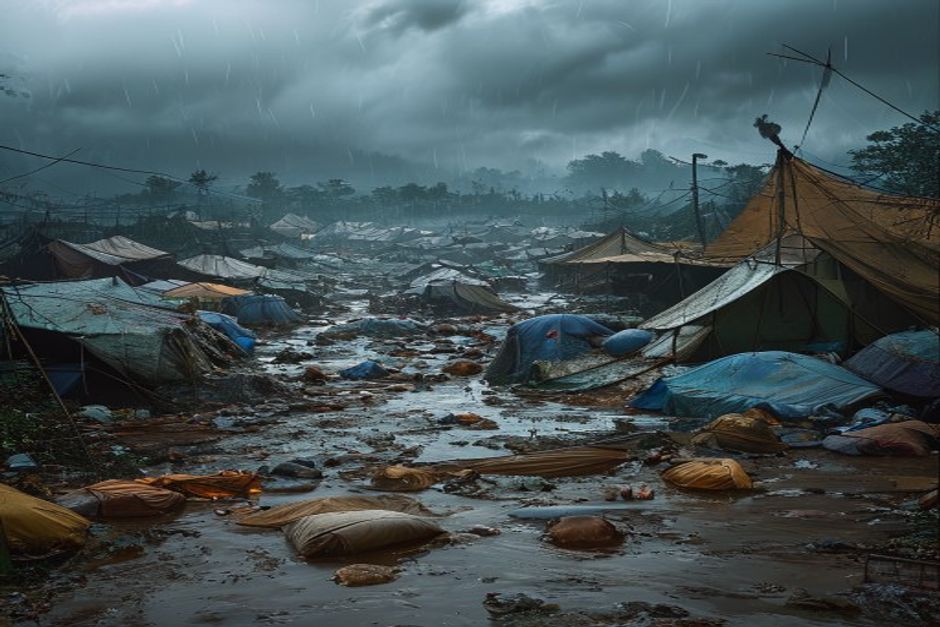
Nearly a decade after fleeing Myanmar, Rohingya refugees in Cox’s Bazar, Bangladesh are facing an alarming new threat: extreme weather. Severe monsoon rains have unleashed catastrophic landslides and floods that have claimed at least 17 lives. Aid agencies warn that the overcrowded refugee camps and inadequate infrastructure leave these vulnerable communities increasingly susceptible to natural disasters.
The situation in Cox’s Bazar, one of the world's largest refugee settlements, has been exacerbated by years of conflict and displacement. As the monsoon season intensifies, authorities are struggling to provide adequate relief and evacuate those at risk. With no permanent shelter and limited access to emergency services, thousands remain stranded in makeshift shelters.
Aid Agencies Sound Alarm
UNICEF, Médecins Sans Frontières (MSF), and other humanitarian organizations have sounded the alarm. They are working round-the-clock to support survivors, distribute relief supplies, and provide medical assistance. However, their efforts face significant challenges due to logistical constraints and resource scarcity.
The overcrowding in refugee camps has made evacuating affected areas nearly impossible. Many families live in small huts or tents without proper drainage systems, increasing the risk of landslides and flooding. The poor infrastructure further compounds this vulnerability by failing to provide effective flood protection measures.
Immediate Action Needed
International aid workers emphasize that immediate action is crucial. They urge authorities to prioritize evacuation plans for high-risk areas and improve disaster preparedness strategies. This includes constructing safer shelters, enhancing drainage systems, and providing early warning systems to alert residents of impending disasters.
In the long term, sustainable solutions are needed to address the root causes of this humanitarian crisis. Improved infrastructure, better governance, and support for local economies would help reduce the community’s reliance on emergency aid while fostering resilience against future natural disasters.
Nearly a decade after fleeing Myanmar, Rohingya refugees in Cox’s Bazar, Bangladesh are facing an alarming new threat: extreme weather. Severe monsoon rains have unleashed catastrophic landslides and floods that have claimed at least 17 lives. Aid agencies warn that the overcrowded refugee camps and inadequate infrastructure leave these vulnerable communities increasingly susceptible to natural disasters.
The situation in Cox’s Bazar, one of the world's largest refugee settlements, has been exacerbated by years of conflict and displacement. As the monsoon season intensifies, authorities are struggling to provide adequate relief and evacuate those at risk. With no permanent shelter and limited access to emergency services, thousands remain stranded in makeshift shelters.
Aid Agencies Sound Alarm
UNICEF, Médecins Sans Frontières (MSF), and other humanitarian organizations have sounded the alarm. They are working round-the-clock to support survivors, distribute relief supplies, and provide medical assistance. However, their efforts face significant challenges due to logistical constraints and resource scarcity.
The overcrowding in refugee camps has made evacuating affected areas nearly impossible. Many families live in small huts or tents without proper drainage systems, increasing the risk of landslides and flooding. The poor infrastructure further compounds this vulnerability by failing to provide effective flood protection measures.
Immediate Action Needed
International aid workers emphasize that immediate action is crucial. They urge authorities to prioritize evacuation plans for high-risk areas and improve disaster preparedness strategies. This includes constructing safer shelters, enhancing drainage systems, and providing early warning systems to alert residents of impending disasters.
In the long term, sustainable solutions are needed to address the root causes of this humanitarian crisis. Improved infrastructure, better governance, and support for local economies would help reduce the community’s reliance on emergency aid while fostering resilience against future natural disasters.
Nearly a decade after fleeing Myanmar, Rohingya refugees in Cox’s Bazar, Bangladesh are facing an alarming new threat: extreme weather. Severe monsoon rains have unleashed catastrophic landslides and floods that have claimed at least 17 lives. Aid agencies warn that the overcrowded refugee camps and inadequate infrastructure leave these vulnerable communities increasingly susceptible to natural disasters.
The situation in Cox’s Bazar, one of the world's largest refugee settlements, has been exacerbated by years of conflict and displacement. As the monsoon season intensifies, authorities are struggling to provide adequate relief and evacuate those at risk. With no permanent shelter and limited access to emergency services, thousands remain stranded in makeshift shelters.
Aid Agencies Sound Alarm
UNICEF, Médecins Sans Frontières (MSF), and other humanitarian organizations have sounded the alarm. They are working round-the-clock to support survivors, distribute relief supplies, and provide medical assistance. However, their efforts face significant challenges due to logistical constraints and resource scarcity.
The overcrowding in refugee camps has made evacuating affected areas nearly impossible. Many families live in small huts or tents without proper drainage systems, increasing the risk of landslides and flooding. The poor infrastructure further compounds this vulnerability by failing to provide effective flood protection measures.
Immediate Action Needed
International aid workers emphasize that immediate action is crucial. They urge authorities to prioritize evacuation plans for high-risk areas and improve disaster preparedness strategies. This includes constructing safer shelters, enhancing drainage systems, and providing early warning systems to alert residents of impending disasters.
In the long term, sustainable solutions are needed to address the root causes of this humanitarian crisis. Improved infrastructure, better governance, and support for local economies would help reduce the community’s reliance on emergency aid while fostering resilience against future natural disasters.
Nearly a decade after fleeing Myanmar, Rohingya refugees in Cox’s Bazar, Bangladesh are facing an alarming new threat: extreme weather. Severe monsoon rains have unleashed catastrophic landslides and floods that have claimed at least 17 lives. Aid agencies warn that the overcrowded refugee camps and inadequate infrastructure leave these vulnerable communities increasingly susceptible to natural disasters.
The situation in Cox’s Bazar, one of the world's largest refugee settlements, has been exacerbated by years of conflict and displacement. As the monsoon season intensifies, authorities are struggling to provide adequate relief and evacuate those at risk. With no permanent shelter and limited access to emergency services, thousands remain stranded in makeshift shelters.
Aid Agencies Sound Alarm
UNICEF, Médecins Sans Frontières (MSF), and other humanitarian organizations have sounded the alarm. They are working round-the-clock to support survivors, distribute relief supplies, and provide medical assistance. However, their efforts face significant challenges due to logistical constraints and resource scarcity.
The overcrowding in refugee camps has made evacuating affected areas nearly impossible. Many families live in small huts or tents without proper drainage systems, increasing the risk of landslides and flooding. The poor infrastructure further compounds this vulnerability by failing to provide effective flood protection measures.
Immediate Action Needed
International aid workers emphasize that immediate action is crucial. They urge authorities to prioritize evacuation plans for high-risk areas and improve disaster preparedness strategies. This includes constructing safer shelters, enhancing drainage systems, and providing early warning systems to alert residents of impending disasters.
In the long term, sustainable solutions are needed to address the root causes of this humanitarian crisis. Improved infrastructure, better governance, and support for local economies would help reduce the community’s reliance on emergency aid while fostering resilience against future natural disasters.
Nearly a decade after fleeing Myanmar, Rohingya refugees in Cox’s Bazar, Bangladesh are facing an alarming new threat: extreme weather. Severe monsoon rains have unleashed catastrophic landslides and floods that have claimed at least 17 lives. Aid agencies warn that the overcrowded refugee camps and inadequate infrastructure leave these vulnerable communities increasingly susceptible to natural disasters.
The situation in Cox’s Bazar, one of the world's largest refugee settlements, has been exacerbated by years of conflict and displacement. As the monsoon season intensifies, authorities are struggling to provide adequate relief and evacuate those at risk. With no permanent shelter and limited access to emergency services, thousands remain stranded in makeshift shelters.
Aid Agencies Sound Alarm
UNICEF, Médecins Sans Frontières (MSF), and other humanitarian organizations have sounded the alarm. They are working round-the-clock to support survivors, distribute relief supplies, and provide medical assistance. However, their efforts face significant challenges due to logistical constraints and resource scarcity.
The overcrowding in refugee camps has made evacuating affected areas nearly impossible. Many families live in small huts or tents without proper drainage systems, increasing the risk of landslides and flooding. The poor infrastructure further compounds this vulnerability by failing to provide effective flood protection measures.
Immediate Action Needed
International aid workers emphasize that immediate action is crucial. They urge authorities to prioritize evacuation plans for high-risk areas and improve disaster preparedness strategies. This includes constructing safer shelters, enhancing drainage systems, and providing early warning systems to alert residents of impending disasters.
In the long term, sustainable solutions are needed to address the root causes of this humanitarian crisis. Improved infrastructure, better governance, and support for local economies would help reduce the community’s reliance on emergency aid while fostering resilience against future natural disasters.
Nearly a decade after fleeing Myanmar, Rohingya refugees in Cox’s Bazar, Bangladesh are facing an alarming new threat: extreme weather. Severe monsoon rains have unleashed catastrophic landslides and floods that have claimed at least 17 lives. Aid agencies warn that the overcrowded refugee camps and inadequate infrastructure leave these vulnerable communities increasingly susceptible to natural disasters.
The situation in Cox’s Bazar, one of the world's largest refugee settlements, has been exacerbated by years of conflict and displacement. As the monsoon season intensifies, authorities are struggling to provide adequate relief and evacuate those at risk. With no permanent shelter and limited access to emergency services, thousands remain stranded in makeshift shelters.
Aid Agencies Sound Alarm
UNICEF, Médecins Sans Frontières (MSF), and other humanitarian organizations have sounded the alarm. They are working round-the-clock to support survivors, distribute relief supplies, and provide medical assistance. However, their efforts face significant challenges due to logistical constraints and resource scarcity.
The overcrowding in refugee camps has made evacuating affected areas nearly impossible. Many families live in small huts or tents without proper drainage systems, increasing the risk of landslides and flooding. The poor infrastructure further compounds this vulnerability by failing to provide effective flood protection measures.
Immediate Action Needed
International aid workers emphasize that immediate action is crucial. They urge authorities to prioritize evacuation plans for high-risk areas and improve disaster preparedness strategies. This includes constructing safer shelters, enhancing drainage systems, and providing early warning systems to alert residents of impending disasters.
In the long term, sustainable solutions are needed to address the root causes of this humanitarian crisis. Improved infrastructure, better governance, and support for local economies would help reduce the community’s reliance on emergency aid while fostering resilience against future natural disasters.
Nearly a decade after fleeing Myanmar, Rohingya refugees in Cox’s Bazar, Bangladesh are facing an alarming new threat: extreme weather. Severe monsoon rains have unleashed catastrophic landslides and floods that have claimed at least 17 lives. Aid agencies warn that the overcrowded refugee camps and inadequate infrastructure leave these vulnerable communities increasingly susceptible to natural disasters.
The situation in Cox’s Bazar, one of the world's largest refugee settlements, has been exacerbated by years of conflict and displacement. As the monsoon season intensifies, authorities are struggling to provide adequate relief and evacuate those at risk. With no permanent shelter and limited access to emergency services, thousands remain stranded in makeshift shelters.
Aid Agencies Sound Alarm
UNICEF, Médecins Sans Frontières (MSF), and other humanitarian organizations have sounded the alarm. They are working round-the-clock to support survivors, distribute relief supplies, and provide medical assistance. However, their efforts face significant challenges due to logistical constraints and resource scarcity.
The overcrowding in refugee camps has made evacuating affected areas nearly impossible. Many families live in small huts or tents without proper drainage systems, increasing the risk of landslides and flooding. The poor infrastructure further compounds this vulnerability by failing to provide effective flood protection measures.
Immediate Action Needed
International aid workers emphasize that immediate action is crucial. They urge authorities to prioritize evacuation plans for high-risk areas and improve disaster preparedness strategies. This includes constructing safer shelters, enhancing drainage systems, and providing early warning systems to alert residents of impending disasters.
In the long term, sustainable solutions are needed to address the root causes of this humanitarian crisis. Improved infrastructure, better governance, and support for local economies would help reduce the community’s reliance on emergency aid while fostering resilience against future natural disasters.
Nearly a decade after fleeing Myanmar, Rohingya refugees in Cox’s Bazar, Bangladesh are facing an alarming new threat: extreme weather. Severe monsoon rains have unleashed catastrophic landslides and floods that have claimed at least 17 lives. Aid agencies warn that the overcrowded refugee camps and inadequate infrastructure leave these vulnerable communities increasingly susceptible to natural disasters.
The situation in Cox’s Bazar, one of the world's largest refugee settlements, has been exacerbated by years of conflict and displacement. As the monsoon season intensifies, authorities are struggling to provide adequate relief and evacuate those at risk. With no permanent shelter and limited access to emergency services, thousands remain stranded in makeshift shelters.
Aid Agencies Sound Alarm
UNICEF, Médecins Sans Frontières (MSF), and other humanitarian organizations have sounded the alarm. They are working round-the-clock to support survivors, distribute relief supplies, and provide medical assistance. However, their efforts face significant challenges due to logistical constraints and resource scarcity.
The overcrowding in refugee camps has made evacuating affected areas nearly impossible. Many families live in small huts or tents without proper drainage systems, increasing the risk of landslides and flooding. The poor infrastructure further compounds this vulnerability by failing to provide effective flood protection measures.
Immediate Action Needed
International aid workers emphasize that immediate action is crucial. They urge authorities to prioritize evacuation plans for high-risk areas and improve disaster preparedness strategies. This includes constructing safer shelters, enhancing drainage systems, and providing early warning systems to alert residents of impending disasters.
In the long term, sustainable solutions are needed to address the root causes of this humanitarian crisis. Improved infrastructure, better governance, and support for local economies would help reduce the community’s reliance on emergency aid while fostering resilience against future natural disasters.

💬 Comments