Breaking News
ताज़ा खबर
ताजी बातमी
সর্বশেষ সংবাদ
சமீபத்திய செய்தி
తాజా వార్త
તાજા સમાચાર
ਤਾਜ਼ਾ ਖ਼ਬਰ
Kimchi Crisis: South Korea's National Dish Faces Import Challenge
किमची संकट: दक्षिण कोरिया के राष्ट्रीय व्यंजन पर आयात का खतरा
किमची संकट: दक्षिण कोरियाच्या राष्ट्रीय पदार्थावर आयातीचे सावट
किमচি সংকট: দক্ষিণ কোরিয়ার জাতীয় খাবারের উপর আমদানির চাপ
கிம்ச்சி நெருக்கடி: தென்கொரியாவின் தேசிய உணவு இறக்குமதி சவாலை எதிர்கொள்கிறது
కింఛి సంక్షోభం: దక్షిణ కొరియా జాతీయ వంటకం దిగుమతి సవాలును ఎదుర్కొంటోంది
किमची संकट: દક્ષિણ કોરિયાની રાષ્ટ્રીય વાનગી આયાત પડકારનો સામનો કરી રહી છે
ਕਿਮਚੀ ਸੰਕਟ: ਦੱਖਣੀ ਕੋਰੀਆ ਦਾ ਰਾਸ਼ਟਰੀ ਪਕਵਾਨ ਦਰਾਮਦ ਦੀ ਚੁਣੌਤੀ ਦਾ ਸਾਹਮਣਾ ਕਰ ਰਿਹਾ ਹੈ
By AI News Desk
🕐 11 May 2026, 01:05 PM
🌍 World
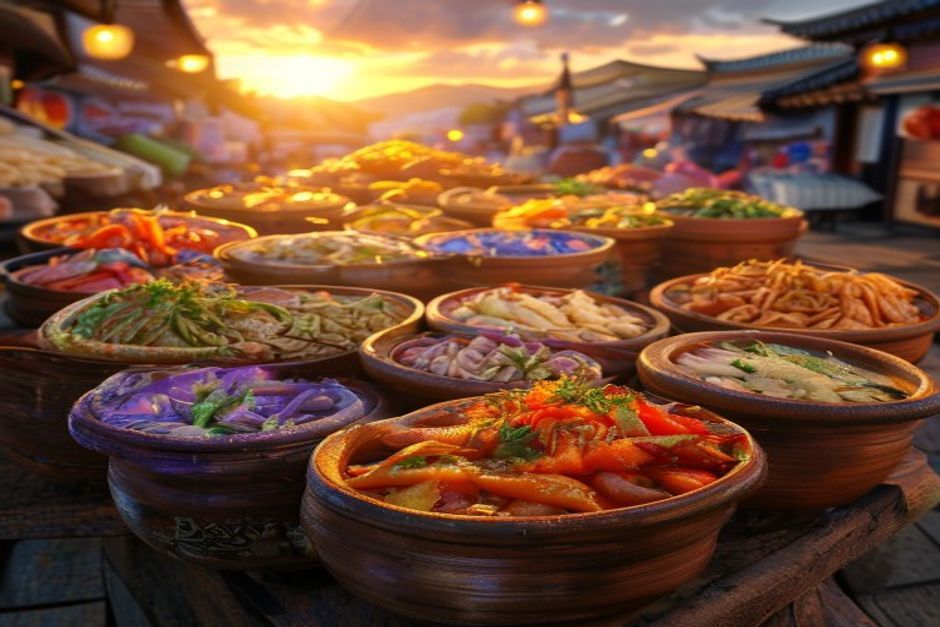
South Korea's beloved national dish, Kimchi, a staple fermented vegetable, is facing an unprecedented challenge that threatens its iconic status. For the first time in recent history, the country is importing more Kimchi than it exports, a worrying trend for local farmers and culinary heritage enthusiasts.
A Taste of Tradition Under Pressure
Kimchi, more than just a side dish, is deeply interwoven with Korean identity and cuisine. Its distinctive spicy, tangy flavor is a hallmark of meals across the nation. However, a confluence of factors, including rising production costs for domestic farmers and increasingly favorable pricing from international competitors, is shifting the landscape.
Reports from Seoul indicate a growing preference among restaurants for cheaper, Chinese-made Kimchi. This economic pressure is making it difficult for South Korean farmers to compete, potentially impacting the agricultural sector and the availability of locally produced Kimchi.
External Factors and Future Concerns
While the primary driver appears to be economic, other factors may also be at play. Climate change impacts on vegetable harvests, affecting the cost of key ingredients like napa cabbage, could be contributing to the rising costs of domestic Kimchi production. Furthermore, sophisticated, large-scale production facilities in countries like China can often achieve lower per-unit costs.
Al Jazeera's Barnaby Lo has been reporting from Seoul, highlighting the concerns of those within the industry. The shift towards imported Kimchi raises questions about maintaining food sovereignty, preserving traditional culinary methods, and supporting the livelihoods of Korean farmers. The long-term implications for Korean food culture, a significant draw for tourism and cultural exchange, are also a point of concern. As South Korea grapples with this Kimchi conundrum, the future of its most famous culinary export hangs in the balance, prompting discussions about protective measures and sustainable agricultural practices.
दक्षिण कोरिया का प्रिय राष्ट्रीय व्यंजन, किमची, एक महत्वपूर्ण किण्वित सब्जी, एक अभूतपूर्व चुनौती का सामना कर रहा है जो इसके प्रतिष्ठित दर्जे को खतरे में डाल सकती है। हाल के इतिहास में पहली बार, देश निर्यात की तुलना में अधिक किमची का आयात कर रहा है, जो स्थानीय किसानों और पाक विरासत के प्रति उत्साही लोगों के लिए एक चिंताजनक प्रवृत्ति है।
परंपरा का स्वाद दबाव में
किमची, सिर्फ एक साइड डिश से कहीं अधिक, कोरियाई पहचान और व्यंजन के साथ गहराई से जुड़ा हुआ है। इसका विशिष्ट मसालेदार, तीखा स्वाद पूरे राष्ट्र में भोजन की पहचान है। हालांकि, कारकों के एक संगम, जिसमें घरेलू किसानों के लिए उत्पादन लागत में वृद्धि और अंतरराष्ट्रीय प्रतिस्पर्धियों से अनुकूल मूल्य निर्धारण शामिल है, परिदृश्य को बदल रहा है।
सियोल से मिली रिपोर्टों से पता चलता है कि रेस्तरां सस्ते, चीनी-निर्मित किमची के लिए बढ़ती प्राथमिकता दिखा रहे हैं। यह आर्थिक दबाव दक्षिण कोरियाई किसानों के लिए प्रतिस्पर्धा करना मुश्किल बना रहा है, जो संभावित रूप से कृषि क्षेत्र और स्थानीय रूप से उत्पादित किमची की उपलब्धता को प्रभावित कर सकता है।
बाहरी कारक और भविष्य की चिंताएं
जबकि प्राथमिक चालक आर्थिक प्रतीत होता है, अन्य कारक भी भूमिका निभा सकते हैं। सब्जी की फसलों पर जलवायु परिवर्तन का प्रभाव, जैसे कि नापा गोभी की लागत को प्रभावित करना, घरेलू किमची उत्पादन की बढ़ती लागतों में योगदान कर सकता है। इसके अतिरिक्त, चीन जैसे देशों में परिष्कृत, बड़े पैमाने पर उत्पादन सुविधाएं अक्सर कम प्रति-यूनिट लागत प्राप्त कर सकती हैं।
अल जज़ीरा के बर्नाबी लो सियोल से इस मुद्दे पर रिपोर्टिंग कर रहे हैं, उद्योग के भीतर के लोगों की चिंताओं को उजागर कर रहे हैं। आयातित किमची की ओर बदलाव खाद्य संप्रभुता बनाए रखने, पारंपरिक पाक विधियों को संरक्षित करने और कोरियाई किसानों की आजीविका का समर्थन करने के बारे में सवाल उठाता है। कोरियाई खाद्य संस्कृति के लिए दीर्घकालिक निहितार्थ, जो पर्यटन और सांस्कृतिक आदान-प्रदान के लिए एक महत्वपूर्ण आकर्षण है, भी चिंता का विषय हैं। जैसे ही दक्षिण कोरिया इस किमची दुविधा से जूझ रहा है, उसके सबसे प्रसिद्ध पाक निर्यात का भविष्य अनिश्चित है, जिससे सुरक्षात्मक उपायों और स्थायी कृषि पद्धतियों पर चर्चाएं हो रही हैं।
दक्षिण कोरियाचा प्रिय राष्ट्रीय पदार्थ, किमची, एक महत्त्वपूर्ण आंबवलेली भाजी, एका अभूतपूर्व आव्हानाचा सामना करत आहे ज्यामुळे त्याचा प्रतिष्ठित दर्जा धोक्यात येऊ शकतो. अलीकडील इतिहासात प्रथमच, देश निर्यात करत असलेल्या किमचीपेक्षा जास्त किमची आयात करत आहे, ही स्थानिक शेतकरी आणि पाक वारसाप्रेमींसाठी चिंतेची बाब आहे.
परंपरेची चव दबावाखाली
किमची, केवळ एक साईड डिश नसून, कोरियन ओळख आणि पाककृतीमध्ये खोलवर रुजलेले आहे. त्याची वैशिष्ट्यपूर्ण मसालेदार, तिखट चव संपूर्ण देशातील जेवणांचे वैशिष्ट्य आहे. तथापि, घटकांचे मिश्रण, ज्यात स्थानिक शेतकऱ्यांसाठी उत्पादन खर्चात वाढ आणि आंतरराष्ट्रीय स्पर्धकांमुळे अनुकूल किमतींचा समावेश आहे, चित्र बदलत आहे.
सियोलमधील अहवालानुसार, रेस्टॉरंट्स स्वस्त, चिनी बनावटीच्या किमचीला अधिक प्राधान्य देत आहेत. या आर्थिक दबावामुळे दक्षिण कोरियन शेतकऱ्यांसाठी स्पर्धा करणे कठीण झाले आहे, ज्यामुळे कृषी क्षेत्रावर आणि स्थानिक पातळीवर उत्पादित किमचीच्या उपलब्धतेवर संभाव्य परिणाम होऊ शकतो.
बाह्य घटक आणि भविष्यातील चिंता
जरी मुख्य चालक आर्थिक दिसत असला तरी, इतर घटक देखील भूमिका बजावू शकतात. नापा कोबीसारख्या महत्त्वाच्या घटकांच्या खर्चावर परिणाम करणाऱ्या पिकांवर हवामान बदलाचा परिणाम, घरगुती किमची उत्पादनाच्या वाढत्या खर्चात भर घालू शकतो. याव्यतिरिक्त, चीनसारख्या देशांतील अत्याधुनिक, मोठ्या प्रमाणावरील उत्पादन सुविधा अनेकदा प्रति-युनिट कमी खर्च प्राप्त करू शकतात.
अल जजीराचे बर्नाबी लो सियोलमधून या विषयावर अहवाल देत आहेत, या उद्योगातील लोकांच्या चिंतांवर प्रकाश टाकत आहेत. आयात केलेल्या किमचीकडे वाढलेला कल अन्न सार्वभौमत्व राखणे, पारंपारिक पाक पद्धती जतन करणे आणि कोरियन शेतकऱ्यांच्या उपजीविकेला समर्थन देणे याबद्दल प्रश्न निर्माण करतो. कोरियन खाद्य संस्कृतीचे दीर्घकालीन परिणाम, जे पर्यटनासाठी आणि सांस्कृतिक देवाणघेवाणीसाठी एक महत्त्वपूर्ण आकर्षण आहे, ते देखील चिंतेचे कारण आहेत. दक्षिण कोरिया या किमची कोड्यातून मार्ग काढत असताना, त्याच्या सर्वात प्रसिद्ध पाक निर्यातीचे भविष्य अनिश्चित आहे, ज्यामुळे संरक्षक उपाय आणि शाश्वत कृषी पद्धतींवर चर्चा सुरू झाली आहे.
দক্ষিণ কোরিয়ার প্রিয় জাতীয় খাবার, কিমচি, একটি অপরিহার্য গাঁজানো সবজি, একটি অভূতপূর্ব চ্যালেঞ্জের সম্মুখীন হচ্ছে যা এর প্রতীকী মর্যাদাকে হুমকির মুখে ফেলতে পারে। সাম্প্রতিক ইতিহাসে প্রথমবারের মতো, দেশটি রপ্তানির চেয়ে বেশি কিমচি আমদানি করছে, যা স্থানীয় কৃষক এবং রন্ধন ঐতিহ্য প্রেমীদের জন্য একটি উদ্বেগজনক প্রবণতা।
ঐতিহ্যের স্বাদ চাপের মুখে
কিমচি, কেবল একটি সাইড ডিশের চেয়েও বেশি কিছু, এটি কোরিয়ান পরিচয় এবং রন্ধনশৈলীর সাথে গভীরভাবে জড়িত। এর স্বতন্ত্র মশলাদার, টক স্বাদ দেশজুড়ে খাবারের একটি বৈশিষ্ট্য। তবে, বিভিন্ন কারণ, যার মধ্যে স্থানীয় কৃষকদের উৎপাদন খরচ বৃদ্ধি এবং আন্তর্জাতিক প্রতিযোগীদের কাছ থেকে অনুকূল মূল্য অন্তর্ভুক্ত রয়েছে, পরিস্থিতি পরিবর্তন করছে।
সিওল থেকে প্রাপ্ত প্রতিবেদনগুলি রেস্তোরাঁগুলির মধ্যে সস্তা, চীনা-নির্মিত কিমচির ক্রমবর্ধমান পছন্দের ইঙ্গিত দেয়। এই অর্থনৈতিক চাপ দক্ষিণ কোরিয়ার কৃষকদের প্রতিযোগিতা করা কঠিন করে তুলছে, যা সম্ভাব্যভাবে কৃষি খাত এবং স্থানীয়ভাবে উৎপাদিত কিমচির প্রাপ্যতার উপর প্রভাব ফেলতে পারে।
বাহ্যিক কারণ এবং ভবিষ্যতের উদ্বেগ
যদিও প্রধান চালিকাশক্তি অর্থনৈতিক বলে মনে হচ্ছে, অন্যান্য কারণও ভূমিকা পালন করতে পারে। নাপা বাঁধাকপির মতো গুরুত্বপূর্ণ উপাদানগুলির খরচে প্রভাব ফেলে এমন ফসলের উপর জলবায়ু পরিবর্তনের প্রভাব, দেশীয় কিমচি উৎপাদনের ক্রমবর্ধমান খরচে অবদান রাখতে পারে। অতিরিক্তভাবে, চীনের মতো দেশগুলিতে অত্যাধুনিক, বৃহৎ-মাপের উৎপাদন সুবিধাগুলি প্রায়শই প্রতি-ইউনিট কম খরচ অর্জন করতে পারে।
আল জাজিরার বার্নাবি লো সিওল থেকে এই বিষয়টি নিয়ে প্রতিবেদন করছেন, শিল্পের মধ্যে থাকা ব্যক্তিদের উদ্বেগ তুলে ধরেছেন। আমদানিকৃত কিমচির দিকে এই পরিবর্তন খাদ্য সার্বভৌমত্ব বজায় রাখা, ঐতিহ্যবাহী রন্ধন পদ্ধতি সংরক্ষণ এবং কোরিয়ান কৃষকদের জীবিকা সহায়তার বিষয়ে প্রশ্ন উত্থাপন করে। কোরিয়ান খাদ্য সংস্কৃতির দীর্ঘমেয়াদী প্রভাব, যা পর্যটন এবং সাংস্কৃতিক বিনিময়ের জন্য একটি উল্লেখযোগ্য আকর্ষণ, তাও উদ্বেগের বিষয়। দক্ষিণ কোরিয়া যখন এই কিমচি সমস্যা মোকাবেলা করছে, তখন তার সবচেয়ে বিখ্যাত রন্ধন রপ্তানির ভবিষ্যৎ অনিশ্চিত, যা সুরক্ষা ব্যবস্থা এবং টেকসই কৃষি পদ্ধতির উপর আলোচনাকে উৎসাহিত করছে।
தென்கொரியாவின் பிரியமான தேசிய உணவான கிம்ச்சி, ஒரு முக்கியமான புளிக்கவைக்கப்பட்ட காய்கறி, அதன் அடையாள நிலைக்கு அச்சுறுத்தலாக இருக்கும் ஒரு முன்னோடியில்லாத சவாலை எதிர்கொள்கிறது. சமீபத்திய வரலாற்றில் முதன்முறையாக, நாடு ஏற்றுமதியை விட அதிக கிம்ச்சியை இறக்குமதி செய்கிறது, இது உள்ளூர் விவசாயிகள் மற்றும் சமையல் பாரம்பரிய ஆர்வலர்களுக்கு கவலை அளிக்கும் போக்கு.
பாரம்பரிய சுவை அழுத்தத்தின் கீழ்
கிம்ச்சி, ஒரு பக்க உணவை விட மேலானது, இது கொரிய அடையாளம் மற்றும் சமையல் பாணியுடன் ஆழமாக பின்னிப்பிணைந்துள்ளது. அதன் தனித்துவமான காரமான, புளிப்பு சுவை நாடு முழுவதும் உள்ள உணவுகளின் ஒரு அடையாளமாகும். இருப்பினும், உள்ளூர் விவசாயிகளுக்கான உற்பத்தி செலவுகள் அதிகரிப்பது மற்றும் சர்வதேச போட்டியாளர்களிடமிருந்து சாதகமான விலைகள் போன்ற காரணிகளின் கலவை நிலையை மாற்றுகிறது.
சியோலில் இருந்து வரும் அறிக்கைகள், உணவகங்கள் மலிவான, சீனாவில் தயாரிக்கப்பட்ட கிம்ச்சியை அதிகளவில் விரும்புவதைக் குறிக்கின்றன. இந்த பொருளாதார அழுத்தம் தென்கொரிய விவசாயிகளுக்கு போட்டியிடுவதை கடினமாக்குகிறது, இது சாத்தியமான வகையில் விவசாயத் துறை மற்றும் உள்ளூரில் தயாரிக்கப்பட்ட கிம்ச்சியின் கிடைப்பை பாதிக்கக்கூடும்.
வெளிப்புற காரணிகள் மற்றும் எதிர்கால கவலைகள்
முக்கிய உந்துதல் பொருளாதாரமாகத் தோன்றினாலும், பிற காரணிகளும் பங்கு வகிக்கலாம். நாபா முட்டைக்கோஸ் போன்ற முக்கிய பொருட்களின் செலவைப் பாதிக்கும் பயிர்கள் மீதான காலநிலை மாற்றத்தின் தாக்கங்கள், உள்நாட்டு கிம்ச்சி உற்பத்தியின் அதிகரித்து வரும் செலவுகளுக்கு பங்களிக்கக்கூடும். கூடுதலாக, சீனாவில் உள்ள அதிநவீன, பெரிய அளவிலான உற்பத்தி வசதிகள் பெரும்பாலும் ஒரு யூனிட்டிற்கான குறைந்த செலவை அடைய முடியும்.
அல் ஜசீரா செய்தியாளர் பர்னாபி லோ சியோலில் இருந்து இந்த விஷயம் குறித்து அறிக்கை செய்து வருகிறார், இந்தத் துறையில் உள்ளவர்களின் கவலைகளை முன்னிலைப்படுத்துகிறார். இறக்குமதி செய்யப்பட்ட கிம்ச்சியை நோக்கிய மாற்றம், உணவு இறையாண்மையை பராமரித்தல், பாரம்பரிய சமையல் முறைகளைப் பாதுகாத்தல் மற்றும் கொரிய விவசாயிகளின் வாழ்வாதாரத்தை ஆதரித்தல் போன்ற கேள்விகளை எழுப்புகிறது. கொரிய உணவுப் பண்பாட்டின் நீண்டகால தாக்கங்கள், இது சுற்றுலா மற்றும் கலாச்சார பரிமாற்றத்திற்கு ஒரு முக்கிய ஈர்ப்பாகும், இதுவும் கவலைக்குரியதாக உள்ளது. தென்கொரியா இந்த கிம்ச்சி புதிரை எதிர்கொள்ளும்போது, அதன் மிகவும் பிரபலமான சமையல் ஏற்றுமதியின் எதிர்காலம் நிச்சயமற்றதாக உள்ளது, இது பாதுகாப்பு நடவடிக்கைகள் மற்றும் நிலையான விவசாய நடைமுறைகள் குறித்த விவாதங்களைத் தூண்டுகிறது.
దక్షిణ కొరియా యొక్క ప్రియమైన జాతీయ వంటకం, కింఛి, ఒక ముఖ్యమైన పులియబెట్టిన కూరగాయ, దాని ప్రతిష్టాత్మక స్థితిని బెదిరించే అపూర్వమైన సవాలును ఎదుర్కొంటోంది. ఇటీవలి చరిత్రలో మొదటిసారిగా, దేశం ఎగుమతి చేసే దానికంటే ఎక్కువ కింఛిని దిగుమతి చేసుకుంటోంది, ఇది స్థానిక రైతులకు మరియు పాక వారసత్వ ఔత్సాహికులకు ఆందోళనకరమైన ధోరణి.
సంప్రదాయ రుచి ఒత్తిడిలో
కింఛి, కేవలం ఒక సైడ్ డిష్ కంటే ఎక్కువ, కొరియన్ గుర్తింపు మరియు వంటకాలతో లోతుగా ముడిపడి ఉంది. దాని ప్రత్యేకమైన కారమైన, పుల్లని రుచి దేశవ్యాప్తంగా భోజనాల యొక్క ఒక ముఖ్య లక్షణం. అయితే, స్థానిక రైతుల కోసం ఉత్పత్తి ఖర్చులు పెరగడం మరియు అంతర్జాతీయ పోటీదారుల నుండి అనుకూలమైన ధరలతో సహా, విభిన్న కారకాల కలయిక ఈ చిత్రాన్ని మారుస్తోంది.
సియోల్ నుండి నివేదికలు రెస్టారెంట్లు చౌకైన, చైనాలో తయారు చేసిన కింఛిని ఎక్కువగా ఇష్టపడుతున్నాయని సూచిస్తున్నాయి. ఈ ఆర్థిక ఒత్తిడి దక్షిణ కొరియా రైతులకు పోటీ పడటం కష్టతరం చేస్తోంది, ఇది వ్యవసాయ రంగాన్ని మరియు స్థానికంగా ఉత్పత్తి చేయబడిన కింఛి లభ్యతను ప్రభావితం చేసే అవకాశం ఉంది.
బాహ్య కారకాలు మరియు భవిష్యత్ ఆందోళనలు
ప్రధాన చోదక శక్తి ఆర్థికంగా కనిపిస్తున్నప్పటికీ, ఇతర కారకాలు కూడా పాత్ర పోషించవచ్చు. నాపా క్యాబేజీ వంటి ముఖ్యమైన పదార్ధాల ఖర్చును ప్రభావితం చేసే పంటలపై వాతావరణ మార్పుల ప్రభావాలు, దేశీయ కింఛి ఉత్పత్తి యొక్క పెరుగుతున్న ఖర్చులకు దోహదం చేయవచ్చు. అదనంగా, చైనా వంటి దేశాలలో అత్యాధునిక, పెద్ద-స్థాయి ఉత్పత్తి సౌకర్యాలు తరచుగా యూనిట్కు తక్కువ ఖర్చును సాధించగలవు.
అల్ జజీరాకు చెందిన బర్నాబీ లో, సియోల్ నుండి ఈ సమస్యపై నివేదిస్తున్నారు, ఈ పరిశ్రమలోని వారి ఆందోళనలను హైలైట్ చేస్తున్నారు. దిగుమతి చేసుకున్న కింఛి వైపు మారడం ఆహార సార్వభౌమాధికారాన్ని నిలబెట్టడం, సాంప్రదాయ వంట పద్ధతులను పరిరక్షించడం మరియు కొరియన్ రైతుల జీవనోపాధికి మద్దతు ఇవ్వడం వంటి ప్రశ్నలను లేవనెత్తుతుంది. కొరియన్ ఆహార సంస్కృతికి దీర్ఘకాలిక ప్రభావాలు, ఇది పర్యాటకం మరియు సాంస్కృతిక మార్పిడికి ఒక ముఖ్యమైన ఆకర్షణ, కూడా ఆందోళన కలిగించే అంశం. దక్షిణ కొరియా ఈ కింఛి సమస్యను ఎదుర్కొంటున్నప్పుడు, దాని అత్యంత ప్రసిద్ధ పాక ఎగుమతి భవిష్యత్తు అనిశ్చితంగా ఉంది, ఇది రక్షణాత్మక చర్యలు మరియు స్థిరమైన వ్యవసాయ పద్ధతులపై చర్చలను ప్రోత్సహిస్తుంది.
દક્ષિણ કોરિયાની પ્રિય રાષ્ટ્રીય વાનગી, કિમચી, એક મહત્વપૂર્ણ આથોવાળી શાકભાજી, એક અભૂતપૂર્વ પડકારનો સામનો કરી રહી છે જે તેની પ્રતિષ્ઠિત સ્થિતિને ધમકી આપી શકે છે. તાજેતરના ઇતિહાસમાં પ્રથમ વખત, દેશ નિકાસ કરતાં વધુ કિમચીની આયાત કરી રહ્યો છે, જે સ્થાનિક ખેડૂતો અને રાંધણ વારસાના ઉત્સાહીઓ માટે ચિંતાજનક પ્રવૃત્તિ છે.
પરંપરાનો સ્વાદ દબાણ હેઠળ
કિમચી, માત્ર એક સાઇડ ડિશ કરતાં વધુ, કોરિયન ઓળખ અને રાંધણકળા સાથે ઊંડાણપૂર્વક જોડાયેલું છે. તેનો વિશિષ્ટ મસાલેદાર, ખાટો સ્વાદ સમગ્ર રાષ્ટ્રમાં ભોજનની એક ઓળખ છે. જોકે, પરિબળોનું મિશ્રણ, જેમાં સ્થાનિક ખેડૂતો માટે ઉત્પાદન ખર્ચમાં વધારો અને આંતરરાષ્ટ્રીય સ્પર્ધકો પાસેથી અનુકૂળ ભાવનો સમાવેશ થાય છે, તે ચિત્ર બદલી રહ્યું છે.
સિઓલના અહેવાલો સૂચવે છે કે રેસ્ટોરન્ટ્સ સસ્તા, ચીની બનાવટના કિમચીને વધુને વધુ પસંદ કરી રહ્યા છે. આ આર્થિક દબાણ દક્ષિણ કોરિયન ખેડૂતો માટે સ્પર્ધા કરવાનું મુશ્કેલ બનાવી રહ્યું છે, જે સંભવિત રીતે કૃષિ ક્ષેત્ર અને સ્થાનિક રીતે ઉત્પાદિત કિમચીની ઉપલબ્ધતાને અસર કરી શકે છે.
બાહ્ય પરિબળો અને ભવિષ્યની ચિંતાઓ
જ્યારે મુખ્ય ચાલક આર્થિક લાગે છે, ત્યારે અન્ય પરિબળો પણ ભૂમિકા ભજવી શકે છે. નાપા કોબી જેવી મુખ્ય સામગ્રીઓના ખર્ચને અસર કરતા પાક પર આબોહવા પરિવર્તનની અસરો, ઘરેલું કિમચી ઉત્પાદનના વધતા ખર્ચમાં ફાળો આપી શકે છે. વધારામાં, ચીન જેવા દેશોમાં અત્યાધુનિક, મોટા પાયે ઉત્પાદન સુવિધાઓ ઘણીવાર પ્રતિ-એકમ ઓછો ખર્ચ પ્રાપ્ત કરી શકે છે.
અલ જઝીરાના બાર્નાબી લો, સિઓલથી આ મુદ્દા પર અહેવાલ આપી રહ્યા છે, ઉદ્યોગની અંદરના લોકોની ચિંતાઓને પ્રકાશિત કરી રહ્યા છે. આયાત કરેલા કિમચી તરફનો ઝોક ખોરાક સાર્વભૌમત્વ જાળવવા, પરંપરાગત રાંધણ પદ્ધતિઓને સાચવવા અને કોરિયન ખેડૂતોની આજીવિકાને ટેકો આપવા અંગેના પ્રશ્નો ઉભા કરે છે. કોરિયન ફૂડ કલ્ચર માટે લાંબા ગાળાની અસરો, જે પ્રવાસન અને સાંસ્કૃતિક આદાનપ્રદાન માટે એક મહત્વપૂર્ણ આકર્ષણ છે, તે પણ ચિંતાનો વિષય છે. જેમ જેમ દક્ષિણ કોરિયા આ કિમચી કોયડાનો સામનો કરે છે, ત્યારે તેની સૌથી પ્રખ્યાત રાંધણ નિકાસનું ભવિષ્ય અનિશ્ચિત છે, જે રક્ષણાત્મક પગલાં અને ટકાઉ કૃષિ પદ્ધતિઓ પર ચર્ચાઓને પ્રોત્સાહન આપે છે.
ਦੱਖਣੀ ਕੋਰੀਆ ਦਾ ਪਿਆਰਾ ਰਾਸ਼ਟਰੀ ਪਕਵਾਨ, ਕਿਮਚੀ, ਇੱਕ ਮਹੱਤਵਪੂਰਨ ਫਰਮੈਂਟੇਡ ਸਬਜ਼ੀ, ਇੱਕ ਅਣਦੇਖੀ ਚੁਣੌਤੀ ਦਾ ਸਾਹਮਣਾ ਕਰ ਰਿਹਾ ਹੈ ਜੋ ਇਸਦੀ ਪ੍ਰਤੀਕਾਤਮਕ ਸਥਿਤੀ ਨੂੰ ਖਤਰੇ ਵਿੱਚ ਪਾ ਸਕਦੀ ਹੈ। ਹਾਲ ਹੀ ਦੇ ਇਤਿਹਾਸ ਵਿੱਚ ਪਹਿਲੀ ਵਾਰ, ਦੇਸ਼ ਬਰਾਮਦ ਕੀਤੇ ਜਾਣ ਵਾਲੇ ਕਿਮਚੀ ਤੋਂ ਵੱਧ ਕਿਮਚੀ ਦਰਾਮਦ ਕਰ ਰਿਹਾ ਹੈ, ਜੋ ਸਥਾਨਕ ਕਿਸਾਨਾਂ ਅਤੇ ਰਸੋਈ ਵਿਰਾਸਤ ਦੇ ਉਤਸ਼ਾਹੀਆਂ ਲਈ ਇੱਕ ਚਿੰਤਾਜਨਕ ਰੁਝਾਨ ਹੈ।
ਪਰੰਪਰਾ ਦਾ ਸੁਆਦ ਦਬਾਅ ਹੇਠ
ਕਿਮਚੀ, ਸਿਰਫ਼ ਇੱਕ ਸਾਈਡ ਡਿਸ਼ ਤੋਂ ਵੱਧ, ਕੋਰੀਅਨ ਪਛਾਣ ਅਤੇ ਰਸੋਈ ਕਲਾ ਨਾਲ ਡੂੰਘਾਈ ਨਾਲ ਜੁੜਿਆ ਹੋਇਆ ਹੈ। ਇਸਦਾ ਵਿਲੱਖਣ ਮਸਾਲੇਦਾਰ, ਖੱਟਾ ਸੁਆਦ ਪੂਰੇ ਦੇਸ਼ ਵਿੱਚ ਖਾਣਿਆਂ ਦੀ ਇੱਕ ਵਿਸ਼ੇਸ਼ਤਾ ਹੈ। ਹਾਲਾਂਕਿ, ਕਾਰਕਾਂ ਦਾ ਸੁਮੇਲ, ਜਿਸ ਵਿੱਚ ਸਥਾਨਕ ਕਿਸਾਨਾਂ ਲਈ ਉਤਪਾਦਨ ਲਾਗਤਾਂ ਵਿੱਚ ਵਾਧਾ ਅਤੇ ਅੰਤਰਰਾਸ਼ਟਰੀ ਮੁਕਾਬਲੇਬਾਜ਼ਾਂ ਤੋਂ ਅਨੁਕੂਲ ਕੀਮਤਾਂ ਸ਼ਾਮਲ ਹਨ, ਇਸ ਤਸਵੀਰ ਨੂੰ ਬਦਲ ਰਿਹਾ ਹੈ।
ਸਿਓਲ ਤੋਂ ਮਿਲੀ ਰਿਪੋਰਟਾਂ ਇਹ ਸੰਕੇਤ ਦਿੰਦੀਆਂ ਹਨ ਕਿ ਰੈਸਟੋਰੈਂਟ ਸਸਤੇ, ਚੀਨ ਵਿੱਚ ਬਣੇ ਕਿਮਚੀ ਨੂੰ ਵੱਧ ਤਰਜੀਹ ਦੇ ਰਹੇ ਹਨ। ਇਸ ਆਰਥਿਕ ਦਬਾਅ ਕਾਰਨ ਦੱਖਣੀ ਕੋਰੀਆਈ ਕਿਸਾਨਾਂ ਲਈ ਮੁਕਾਬਲਾ ਕਰਨਾ ਮੁਸ਼ਕਲ ਹੋ ਰਿਹਾ ਹੈ, ਜੋ ਸੰਭਾਵੀ ਤੌਰ 'ਤੇ ਖੇਤੀਬਾੜੀ ਖੇਤਰ ਅਤੇ ਸਥਾਨਕ ਤੌਰ 'ਤੇ ਪੈਦਾ ਹੋਏ ਕਿਮਚੀ ਦੀ ਉਪਲਬਧਤਾ ਨੂੰ ਪ੍ਰਭਾਵਿਤ ਕਰ ਸਕਦਾ ਹੈ।
ਬਾਹਰੀ ਕਾਰਕ ਅਤੇ ਭਵਿੱਖ ਦੀਆਂ ਚਿੰਤਾਵਾਂ
ਹਾਲਾਂਕਿ ਮੁੱਖ ਚਾਲਕ ਆਰਥਿਕ ਲੱਗਦਾ ਹੈ, ਹੋਰ ਕਾਰਕ ਵੀ ਭੂਮਿਕਾ ਨਿਭਾ ਸਕਦੇ ਹਨ। ਨਾਪਾ ਗੋਭੀ ਵਰਗੀਆਂ ਮੁੱਖ ਸਮੱਗਰੀਆਂ ਦੀ ਲਾਗਤ ਨੂੰ ਪ੍ਰਭਾਵਿਤ ਕਰਨ ਵਾਲੀਆਂ ਫਸਲਾਂ 'ਤੇ ਜਲਵਾਯੂ ਪਰਿਵਰਤਨ ਦੇ ਪ੍ਰਭਾਵ, ਘਰੇਲੂ ਕਿਮਚੀ ਉਤਪਾਦਨ ਦੀਆਂ ਵੱਧ ਰਹੀਆਂ ਲਾਗਤਾਂ ਵਿੱਚ ਯੋਗਦਾਨ ਪਾ ਸਕਦੇ ਹਨ। ਇਸ ਤੋਂ ਇਲਾਵਾ, ਚੀਨ ਵਰਗੇ ਦੇਸ਼ਾਂ ਵਿੱਚ ਸੁਪਰ-ਆਧੁਨਿਕ, ਵੱਡੇ ਪੱਧਰ 'ਤੇ ਉਤਪਾਦਨ ਸੁਵਿਧਾਵਾਂ ਅਕਸਰ ਪ੍ਰਤੀ-ਯੂਨਿਟ ਘੱਟ ਲਾਗਤ ਪ੍ਰਾਪਤ ਕਰ ਸਕਦੀਆਂ ਹਨ।
ਅਲ ਜਜ਼ੀਰਾ ਦੇ ਬਾਰਨਾਬੀ ਲੋ, ਸਿਓਲ ਤੋਂ ਇਸ ਮੁੱਦੇ 'ਤੇ ਰਿਪੋਰਟਿੰਗ ਕਰ ਰਹੇ ਹਨ, ਇਸ ਖੇਤਰ ਦੇ ਲੋਕਾਂ ਦੀਆਂ ਚਿੰਤਾਵਾਂ ਨੂੰ ਉਜਾਗਰ ਕਰ ਰਹੇ ਹਨ। ਦਰਾਮਦ ਕੀਤੇ ਗਏ ਕਿਮਚੀ ਵੱਲ ਇਹ ਰੁਝਾਨ ਭੋਜਨ ਪ੍ਰਭੂਸੱਤਾ ਨੂੰ ਬਰਕਰਾਰ ਰੱਖਣ, ਰਵਾਇਤੀ ਰਸੋਈ ਪద్ధਤੀਆਂ ਨੂੰ ਸੁਰੱਖਿਅਤ ਰੱਖਣ ਅਤੇ ਕੋਰੀਆਈ ਕਿਸਾਨਾਂ ਦੀ ਰੋਜ਼ੀ-ਰੋਟੀ ਦਾ ਸਮਰਥਨ ਕਰਨ ਬਾਰੇ ਸਵਾਲ ਖੜ੍ਹੇ ਕਰਦਾ ਹੈ। ਕੋਰੀਆਈ ਭੋਜਨ ਸੱਭਿਆਚਾਰ ਦੇ ਲੰਬੇ ਸਮੇਂ ਦੇ ਪ੍ਰਭਾਵ, ਜੋ ਕਿ ਸੈਰ-ਸਪਾਟਾ ਅਤੇ ਸੱਭਿਆਚਾਰਕ ਆਦਾਨ-ਪ੍ਰਦਾਨ ਲਈ ਇੱਕ ਮਹੱਤਵਪੂਰਨ ਖਿੱਚ ਹੈ, ਵੀ ਚਿੰਤਾ ਦਾ ਵਿਸ਼ਾ ਹੈ। ਜਿਵੇਂ ਕਿ ਦੱਖਣੀ ਕੋਰੀਆ ਇਸ ਕਿਮਚੀ ਦੀ ਉਲਝਣ ਨਾਲ ਜੂਝ ਰਿਹਾ ਹੈ, ਉਸਦੇ ਸਭ ਤੋਂ ਮਸ਼ਹੂਰ ਰਸੋਈ ਬਰਾਮਦ ਦਾ ਭਵਿੱਖ ਅਨਿਸ਼ਚਿਤ ਹੈ, ਜੋ ਸੁਰੱਖਿਆ ਉਪਾਵਾਂ ਅਤੇ ਟਿਕਾਊ ਖੇਤੀਬਾੜੀ ਦੇ ਅਭਿਆਸਾਂ 'ਤੇ ਚਰਚਾਵਾਂ ਨੂੰ ਉਤਸ਼ਾਹਿਤ ਕਰਦਾ ਹੈ।

💬 Comments