Breaking News
ताज़ा खबर
James Webb Telescope Captures Breathtaking New Images of W51 Star-Forming Region
जेम्स वेब टेलीस्कोप ने W51 स्टार-फॉर्मिंग क्षेत्र की मनमोहक नई तस्वीरें खींचीं
By AI News Desk
🕐 07 April 2026, 04:13 AM
🕐 07 April 2026, 04:13
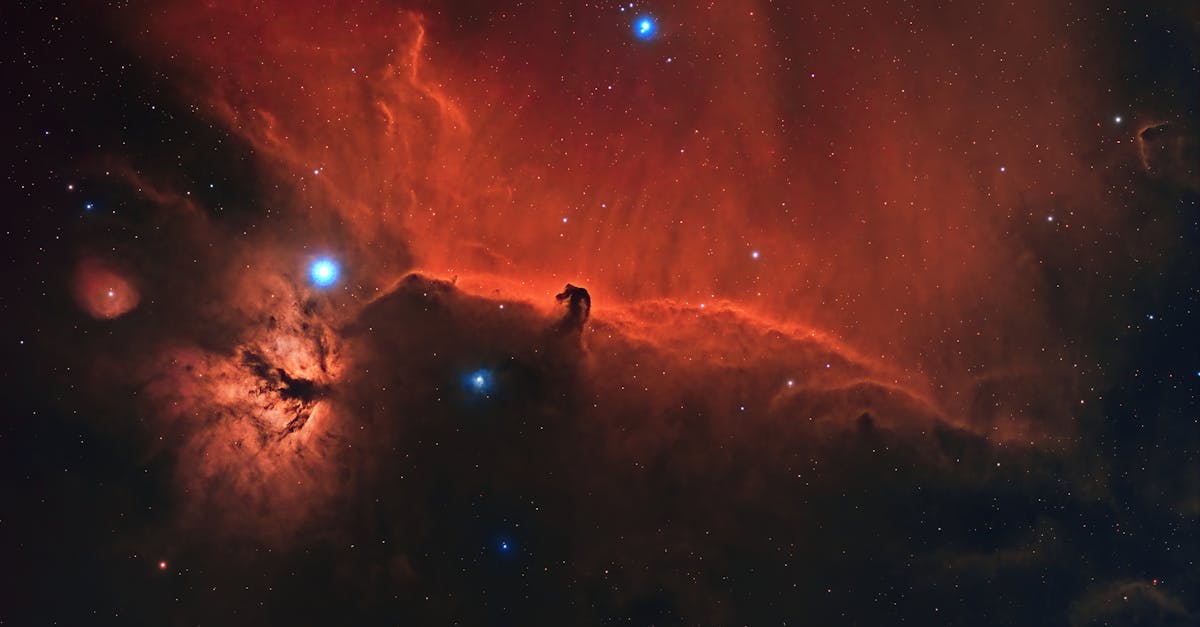
The cosmos continues to astound us with its sheer beauty and complexity, and at the forefront of this revelation is the mighty James Webb Space Telescope (JWST). Astronomers, harnessing the unparalleled capabilities of this advanced observatory, have turned its gaze towards W51, one of the most active and massive star-forming regions in our Milky Way galaxy. The result? A collection of stunning new images that promise to reshape our understanding of how stars are born and evolve within dense stellar nurseries.
Unveiling W51's Secrets with Infrared Vision
W51, located approximately 17,000 light-years away in the constellation Aquila, is a vast molecular cloud where new stars are continuously emerging from colossal clouds of gas and dust. Observing such regions with traditional optical telescopes has always been a challenge due to the thick veils of cosmic dust that obscure visible light. This is where JWST truly shines. Its primary instrument, the Near-Infrared Camera (NIRCam), and Mid-Infrared Instrument (MIRI) are specifically designed to peer through these dusty curtains, revealing hidden details that were previously invisible to humanity.
The new images released by the research team offer an unprecedented look into the heart of W51. They showcase intricate structures of glowing gas, dark dust lanes, and newly formed protostars that are still embedded within their birth cocoons. Scientists are particularly excited about the level of detail, which allows them to study the very earliest stages of star formation, including the powerful outflows from young stars that carve out cavities in the surrounding material and trigger subsequent generations of star birth.
A Deeper Understanding of Stellar Evolution
Investigating W51 with JWST is not merely about capturing beautiful pictures; it's about unlocking fundamental astrophysical processes. Researchers aim to understand the various mechanisms that drive star formation in such extreme environments. How do massive stars influence their surroundings? What role do stellar winds and radiation play in shaping these magnificent structures? By observing the interplay between nascent stars and their parent molecular clouds, astronomers can gain critical insights into the entire cycle of stellar evolution, from birth to the potential formation of planetary systems.
These breathtaking visuals serve as a testament to humanity's enduring quest to comprehend our place in the universe. Each new detail from W51 brings us closer to unraveling the mysteries of cosmic creation, reminding us of the dynamic and ever-changing nature of the galaxy we call home. The data collected from these observations will keep scientists busy for years, promising a wealth of discoveries and new theories about the universe's most dramatic stellar fireworks.
ब्रह्मांड अपनी असीम सुंदरता और जटिलता से हमें लगातार चकित कर रहा है, और इस रहस्योद्घाटन में सबसे आगे शक्तिशाली जेम्स वेब स्पेस टेलीस्कोप (JWST) है। खगोलविदों ने इस उन्नत वेधशाला की अद्वितीय क्षमताओं का उपयोग करते हुए, W51 की ओर अपनी दृष्टि केंद्रित की है, जो हमारी आकाशगंगा में सबसे सक्रिय और विशाल तारा-निर्माण क्षेत्रों में से एक है। इसका परिणाम? मनमोहक नई तस्वीरों का एक संग्रह जो इस बात को बदलने का वादा करता है कि हम सितारों के जन्म और घनी तारकीय नर्सरी में उनके विकास को कैसे समझते हैं।
इन्फ्रारेड विजन के साथ W51 के रहस्यों का अनावरण
W51, जो धनु तारामंडल में लगभग 17,000 प्रकाश-वर्ष दूर स्थित है, एक विशाल आणविक बादल है जहाँ गैस और धूल के विशाल बादलों से लगातार नए तारे निकल रहे हैं। पारंपरिक ऑप्टिकल दूरबीनों के साथ ऐसे क्षेत्रों का अवलोकन करना हमेशा एक चुनौती रहा है क्योंकि ब्रह्मांडीय धूल के मोटे आवरण दृश्य प्रकाश को अस्पष्ट कर देते हैं। यहीं पर JWST वास्तव में चमकता है। इसका प्राथमिक उपकरण, नियर-इन्फ्रारेड कैमरा (NIRCam), और मिड-इन्फ्रारेड इंस्ट्रूमेंट (MIRI) विशेष रूप से इन धूल भरे पर्दों को भेदने के लिए डिज़ाइन किए गए हैं, जो छिपे हुए विवरणों को प्रकट करते हैं जो पहले मानवता के लिए अदृश्य थे।
अनुसंधान दल द्वारा जारी नई छवियां W51 के केंद्र में एक अभूतपूर्व झलक प्रदान करती हैं। वे चमकती गैस, गहरे धूल के गलियारे और नवगठित प्रोटोस्टार की जटिल संरचनाओं को प्रदर्शित करते हैं जो अभी भी अपने जन्म के कोकून के भीतर अंतर्निहित हैं। वैज्ञानिक विवरण के स्तर को लेकर विशेष रूप से उत्साहित हैं, जो उन्हें तारा-निर्माण के शुरुआती चरणों का अध्ययन करने की अनुमति देता है, जिसमें युवा सितारों से शक्तिशाली बहिर्वाह भी शामिल हैं जो आसपास की सामग्री में गुहाएं बनाते हैं और तारा-जन्म की बाद की पीढ़ियों को ट्रिगर करते हैं।
तारकीय विकास की गहरी समझ
JWST के साथ W51 की जांच करना केवल सुंदर तस्वीरें खींचने के बारे में नहीं है; यह मौलिक खगोल भौतिकी प्रक्रियाओं को अनलॉक करने के बारे में है। शोधकर्ताओं का लक्ष्य ऐसे चरम वातावरण में तारा-निर्माण को चलाने वाले विभिन्न तंत्रों को समझना है। विशाल तारे अपने परिवेश को कैसे प्रभावित करते हैं? तारकीय हवाएं और विकिरण इन शानदार संरचनाओं को आकार देने में क्या भूमिका निभाते हैं? नवजात सितारों और उनके मूल आणविक बादलों के बीच की बातचीत का अवलोकन करके, खगोलविद तारकीय विकास के पूरे चक्र में महत्वपूर्ण अंतर्दृष्टि प्राप्त कर सकते हैं, जन्म से लेकर ग्रहों प्रणालियों के संभावित गठन तक।
ये लुभावनी दृश्य ब्रह्मांड में हमारी जगह को समझने की मानवता की चिरस्थायी खोज का प्रमाण हैं। W51 से प्रत्येक नया विवरण हमें ब्रह्मांडीय निर्माण के रहस्यों को सुलझाने के करीब लाता है, हमें उस गतिशील और कभी-बदलती आकाशगंगा की याद दिलाता है जिसे हम अपना घर कहते हैं। इन अवलोकनों से एकत्र किए गए डेटा वैज्ञानिकों को वर्षों तक व्यस्त रखेंगे, जिससे ब्रह्मांड के सबसे नाटकीय तारकीय आतिशबाजी के बारे में ढेर सारी खोजें और नए सिद्धांत सामने आएंगे।
