Breaking News
ताज़ा खबर
Corporate Bills Threaten Your Right to Repair: The Looming Battle for Consumer Freedom
कॉर्पोरेट बिल मरम्मत के आपके अधिकार पर खतरा: उपभोक्ता स्वतंत्रता की आसन्न लड़ाई
By AI News Desk
🕐 06 April 2026, 01:23 AM
🕐 06 April 2026, 01:23
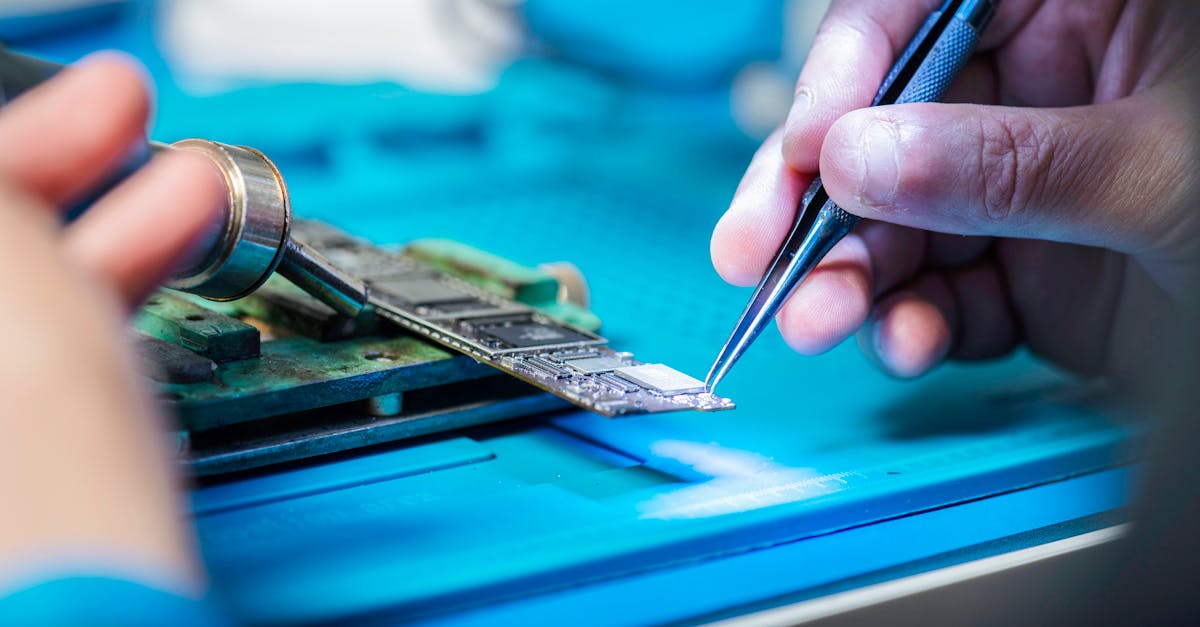
A burgeoning movement known as "Right to Repair" is gaining significant traction globally, challenging the established practices of major corporations that increasingly limit consumers' ability to fix and upgrade their own products. A recent state bill, though specific to one region, serves as a stark reminder and a troubling glimpse into the pervasive corporate strategies aimed at maintaining tight control over products long after they are sold. This trend, if left unchecked, has profound implications for consumer freedom, economic sustainability, and environmental responsibility.
The Erosion of Ownership: What "Right to Repair" Means
At its heart, the Right to Repair movement champions the idea that consumers should have the freedom and resources to repair their own purchased goods, or to have them repaired by an independent service provider of their choice. This includes access to original parts, diagnostic tools, and repair manuals. For decades, manufacturers have been gradually eroding this right, primarily in sectors like consumer electronics (smartphones, laptops), home appliances, vehicles, and even critical equipment like farm machinery.
The state bill mentioned in the news article exemplifies how corporations are actively influencing legislation to cement their control. Such bills often introduce clauses that make it difficult, if not impossible, for third-party repair shops to access proprietary software, specialized tools, or even genuine spare parts. This effectively forces consumers back to the manufacturer's authorized service centers, often at exorbitant costs and with long waiting periods. The argument from corporations typically centers around intellectual property rights, product safety, and maintaining quality standards. They claim that unauthorized repairs could compromise product integrity, pose safety risks, or lead to patent infringements.
Consumer Empowerment vs. Corporate Control
However, advocates for the Right to Repair argue that these corporate justifications often mask a more financially driven motive: planned obsolescence and a guaranteed revenue stream from repairs and replacements. When products are difficult or expensive to fix, consumers are more likely to buy new ones, fueling a cycle of consumption that benefits manufacturers but harms consumers and the environment. The inability to repair products independently leads to a massive amount of electronic waste (e-waste) annually, contributing to pollution and resource depletion.
Empowering consumers with the right to repair fosters competition in the repair market, driving down costs and improving service quality. It also supports small, local repair businesses, which are vital components of local economies. Furthermore, it extends the lifespan of products, reducing the frequency of new purchases and thereby lessening environmental impact. This isn't just about fixing a broken phone; it's about reclaiming ownership in an era where digital rights and physical product control are increasingly intertwined.
The battle for the Right to Repair is a critical front in safeguarding consumer sovereignty and promoting a more sustainable future. As more states and countries consider similar legislation, the outcome will significantly shape how we interact with the products we own for generations to come, determining whether we remain passive consumers or empowered owners.
हाल के दिनों में, "मरम्मत का अधिकार" (Right to Repair) नामक एक उभरता हुआ आंदोलन विश्व स्तर पर काफी लोकप्रियता हासिल कर रहा है। यह आंदोलन उन प्रमुख निगमों की स्थापित प्रथाओं को चुनौती दे रहा है जो अपने उत्पादों को बेचने के बाद भी उपभोक्ताओं की उन्हें ठीक करने और अपग्रेड करने की क्षमता को लगातार सीमित करते हैं। एक हालिया राज्य विधेयक, हालांकि एक विशिष्ट क्षेत्र से संबंधित है, यह एक कठोर अनुस्मारक और व्यापक कॉर्पोरेट रणनीतियों की एक परेशान करने वाली झलक प्रदान करता है जिसका उद्देश्य उत्पादों पर कड़ा नियंत्रण बनाए रखना है, उनके बेचे जाने के बहुत बाद भी। यदि इस प्रवृत्ति को अनियंत्रित छोड़ दिया जाता है, तो इसके उपभोक्ता स्वतंत्रता, आर्थिक स्थिरता और पर्यावरणीय जिम्मेदारी के लिए गहरे निहितार्थ होंगे।
स्वामित्व का क्षरण: "मरम्मत का अधिकार" का क्या अर्थ है?
"मरम्मत का अधिकार" आंदोलन का मूल विचार यह है कि उपभोक्ताओं को अपने खरीदे गए सामानों की मरम्मत करने या उन्हें अपनी पसंद के एक स्वतंत्र सेवा प्रदाता द्वारा मरम्मत करवाने की स्वतंत्रता और संसाधन होने चाहिए। इसमें मूल पुर्जे, डायग्नोस्टिक उपकरण और मरम्मत मैनुअल तक पहुंच शामिल है। दशकों से, निर्माता धीरे-धीरे इस अधिकार का हनन कर रहे हैं, मुख्य रूप से उपभोक्ता इलेक्ट्रॉनिक्स (स्मार्टफोन, लैपटॉप), घरेलू उपकरण, वाहन और यहां तक कि कृषि मशीनरी जैसे महत्वपूर्ण उपकरणों जैसे क्षेत्रों में।
समाचार लेख में उल्लिखित राज्य विधेयक यह दर्शाता है कि निगम अपने नियंत्रण को मजबूत करने के लिए कानून को सक्रिय रूप से कैसे प्रभावित कर रहे हैं। ऐसे विधेयक अक्सर ऐसे खंड पेश करते हैं जो तीसरे पक्ष की मरम्मत दुकानों के लिए मालिकाना सॉफ्टवेयर, विशेष उपकरणों या यहां तक कि वास्तविक स्पेयर पार्ट्स तक पहुंच बनाना मुश्किल, यदि असंभव नहीं, तो बनाते हैं। यह प्रभावी रूप से उपभोक्ताओं को निर्माता के अधिकृत सेवा केंद्रों पर वापस जाने के लिए मजबूर करता है, अक्सर अत्यधिक लागत पर और लंबी प्रतीक्षा अवधि के साथ। निगमों की ओर से तर्क आमतौर पर बौद्धिक संपदा अधिकारों, उत्पाद सुरक्षा और गुणवत्ता मानकों को बनाए रखने पर केंद्रित होते हैं। वे दावा करते हैं कि अनधिकृत मरम्मत उत्पाद की अखंडता से समझौता कर सकती है, सुरक्षा जोखिम पैदा कर सकती है या पेटेंट उल्लंघन का कारण बन सकती है।
उपभोक्ता सशक्तिकरण बनाम कॉर्पोरेट नियंत्रण
हालांकि, मरम्मत के अधिकार के पैरोकार तर्क देते हैं कि ये कॉर्पोरेट औचित्य अक्सर अधिक वित्तीय रूप से प्रेरित उद्देश्य को छिपाते हैं: योजनाबद्ध अप्रचलन और मरम्मत और प्रतिस्थापन से एक सुनिश्चित राजस्व धारा। जब उत्पादों की मरम्मत मुश्किल या महंगी होती है, तो उपभोक्ता नए खरीदने की अधिक संभावना रखते हैं, जिससे उपभोग का एक चक्र चलता है जो निर्माताओं को लाभ पहुंचाता है लेकिन उपभोक्ताओं और पर्यावरण को नुकसान पहुंचाता है। उत्पादों की स्वतंत्र रूप से मरम्मत करने में असमर्थता सालाना भारी मात्रा में इलेक्ट्रॉनिक कचरा (ई-कचरा) पैदा करती है, जो प्रदूषण और संसाधन की कमी में योगदान करती है।
उपभोक्ताओं को मरम्मत का अधिकार देकर मरम्मत बाजार में प्रतिस्पर्धा को बढ़ावा मिलता है, जिससे लागत कम होती है और सेवा की गुणवत्ता में सुधार होता है। यह छोटे, स्थानीय मरम्मत व्यवसायों का भी समर्थन करता है, जो स्थानीय अर्थव्यवस्थाओं के महत्वपूर्ण घटक हैं। इसके अलावा, यह उत्पादों की जीवनकाल को बढ़ाता है, नए खरीद की आवृत्ति को कम करता है और इस प्रकार पर्यावरणीय प्रभाव को कम करता है। यह केवल एक टूटे हुए फोन को ठीक करने के बारे में नहीं है; यह एक ऐसे युग में स्वामित्व को पुनः प्राप्त करने के बारे में है जहां डिजिटल अधिकार और भौतिक उत्पाद नियंत्रण तेजी से आपस में जुड़े हुए हैं।
मरम्मत के अधिकार की लड़ाई उपभोक्ता संप्रभुता की रक्षा करने और अधिक टिकाऊ भविष्य को बढ़ावा देने में एक महत्वपूर्ण मोर्चा है। जैसे-जैसे अधिक राज्य और देश इसी तरह के कानून पर विचार करते हैं, परिणाम यह निर्धारित करेगा कि हम आने वाली पीढ़ियों के लिए अपने स्वामित्व वाले उत्पादों के साथ कैसे बातचीत करते हैं, यह तय करेगा कि हम निष्क्रिय उपभोक्ता बने रहेंगे या सशक्त मालिक।
