Breaking News
ताज़ा खबर
By AI News Desk
🕐 04 April 2026, 09:21 PM
🕐 04 April 2026, 21:21
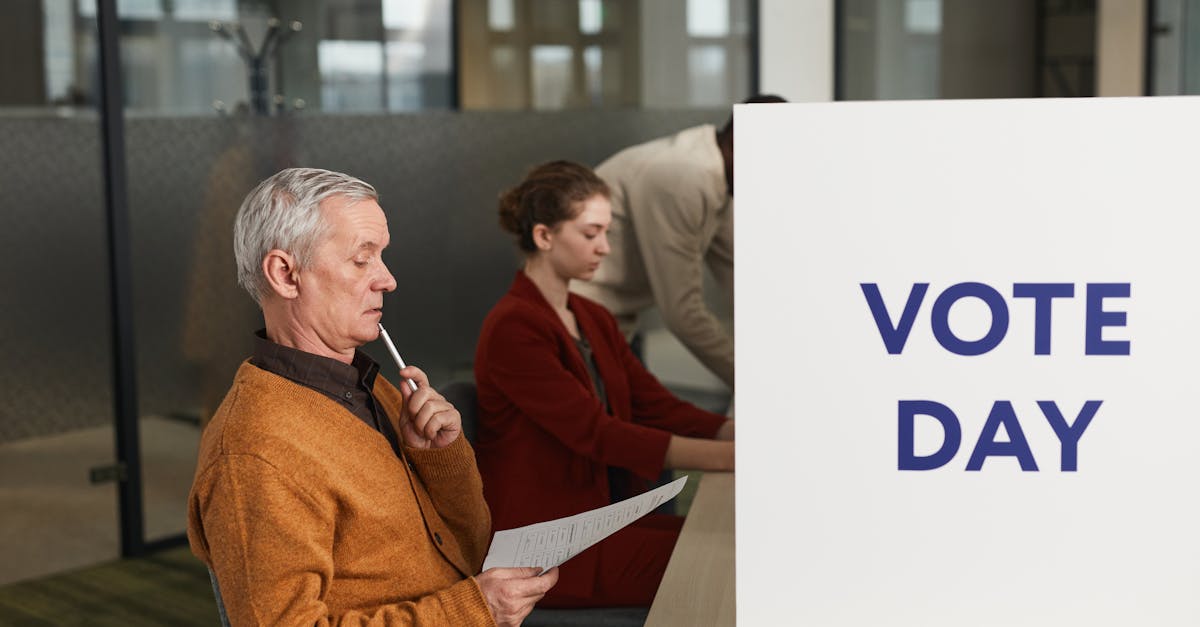
As India gears up for another momentous election cycle, a striking shift in political campaign strategies is becoming increasingly evident. Gone are the days when political rhetoric was strictly confined to traditional vote banks defined by caste or religion. Instead, a refreshing and arguably strategic pivot towards inclusivity is taking center stage, with leaders from across the political spectrum actively engaging with communities beyond their conventional strongholds.
Bridging Divides: A New Political Playbook
This evolving approach sees prominent political figures participating in a diverse array of religious ceremonies, from temple pujas to mosque prayers and church services. Beyond religious institutions, leaders are also making concerted efforts to visit community memorials and cultural sites significant to various caste groups and ethnic minorities. This move is a calculated attempt to break free from narrow sectarian appeals and project an image of a party that truly represents the nation's rich tapestry of faiths and traditions.
The primary driver behind this strategic realignment is the aspiration to consolidate a significant minority vote. In India's multi-layered electoral landscape, even a small shift in minority support can dramatically alter the outcome in tightly contested constituencies. By reaching out to all segments of the electorate – tribals, Dalits, various backward classes, and religious minorities – parties aim to broaden their appeal and build a more diverse coalition of voters. This not only mitigates the risk of alienating any particular group but also allows for the tapping into previously underserved or overlooked voter demographics.
The Quest for Universal Appeal
Furthermore, this strategy is about projecting a national identity that transcends divisive narratives. In an era where social cohesion is often tested, political campaigns that champion unity and respect for all cultures resonate more deeply with the aspirational younger generation and urban voters who increasingly value inclusive governance. Leaders are often seen donning traditional attire of different communities, sharing meals, and even speaking in local dialects, all designed to foster a sense of belonging and mutual respect.
While critics might view these gestures as purely opportunistic, designed solely to garner votes, proponents argue that they signify a maturing democracy where leaders are compelled to address the concerns of a wider demographic. Whether these efforts translate into genuine policy changes or merely remain symbolic remains to be seen. However, one thing is clear: the current election cycle is redefining how political power is sought and maintained, emphasizing a more composite and inclusive approach to winning the hearts and minds of India's incredibly diverse electorate. This evolution suggests a future where political success is increasingly tied to the ability to unite rather than divide.
जैसे-जैसे भारत एक और महत्वपूर्ण चुनाव चक्र के लिए तैयार हो रहा है, राजनीतिक अभियान रणनीतियों में एक जबरदस्त बदलाव तेजी से स्पष्ट हो रहा है। वे दिन गए जब राजनीतिक बयानबाजी सख्ती से जाति या धर्म द्वारा परिभाषित पारंपरिक वोट बैंकों तक सीमित थी। इसके बजाय, समावेशिता की दिशा में एक ताज़ा और यकीनन रणनीतिक बदलाव केंद्र स्तर पर आ रहा है, जिसमें राजनीतिक स्पेक्ट्रम के नेता अपने पारंपरिक गढ़ों से परे समुदायों के साथ सक्रिय रूप से जुड़ रहे हैं।
विभाजनों को पाटना: एक नई राजनीतिक रणनीति
यह विकसित दृष्टिकोण प्रमुख राजनीतिक हस्तियों को विभिन्न प्रकार के धार्मिक समारोहों में भाग लेते हुए देखता है, मंदिर पूजा से लेकर मस्जिद की नमाज और चर्च सेवाओं तक। धार्मिक संस्थानों से परे, नेता विभिन्न जाति समूहों और जातीय अल्पसंख्यकों के लिए महत्वपूर्ण सामुदायिक स्मारकों और सांस्कृतिक स्थलों का दौरा करने के लिए भी ठोस प्रयास कर रहे हैं। यह कदम संकीर्ण सांप्रदायिक अपीलों से मुक्त होने और एक ऐसी पार्टी की छवि पेश करने का एक परिकलित प्रयास है जो वास्तव में देश के विश्वासों और परंपराओं की समृद्ध टेपेस्ट्री का प्रतिनिधित्व करती है।
इस रणनीतिक पुनर्गठन के पीछे मुख्य चालक महत्वपूर्ण अल्पसंख्यक वोटों को मजबूत करने की आकांक्षा है। भारत के बहु-स्तरीय चुनावी परिदृश्य में, अल्पसंख्यक समर्थन में एक छोटा सा बदलाव भी कड़े मुकाबले वाली सीटों में परिणाम को नाटकीय रूप से बदल सकता है। सभी वर्गों के मतदाताओं – आदिवासियों, दलितों, विभिन्न पिछड़े वर्गों और धार्मिक अल्पसंख्यकों – तक पहुँचकर, पार्टियाँ अपनी अपील को व्यापक बनाना और मतदाताओं का एक अधिक विविध गठबंधन बनाना चाहती हैं। यह न केवल किसी विशेष समूह को अलग-थलग करने के जोखिम को कम करता है बल्कि पहले से उपेक्षित या अनदेखी की गई मतदाता जनसांख्यिकी का दोहन करने की भी अनुमति देता है।
सार्वभौमिक अपील की खोज
इसके अतिरिक्त, यह रणनीति एक ऐसी राष्ट्रीय पहचान पेश करने के बारे में है जो विभाजनकारी कथाओं से परे हो। ऐसे युग में जहाँ सामाजिक सामंजस्य अक्सर परखा जाता है, एकता और सभी संस्कृतियों के प्रति सम्मान का समर्थन करने वाले राजनीतिक अभियान महत्वाकांक्षी युवा पीढ़ी और शहरी मतदाताओं के साथ अधिक गहराई से जुड़ते हैं जो तेजी से समावेशी शासन को महत्व देते हैं। नेताओं को अक्सर विभिन्न समुदायों के पारंपरिक परिधान पहने हुए, भोजन साझा करते हुए और यहाँ तक कि स्थानीय बोलियों में बात करते हुए देखा जाता है, यह सब अपनेपन और आपसी सम्मान की भावना को बढ़ावा देने के लिए डिज़ाइन किया गया है।
जबकि आलोचक इन इशारों को पूरी तरह से अवसरवादी मान सकते हैं, केवल वोट हासिल करने के लिए डिज़ाइन किए गए हैं, समर्थक तर्क देते हैं कि वे एक परिपक्व लोकतंत्र का प्रतीक हैं जहाँ नेताओं को व्यापक जनसांख्यिकी की चिंताओं को दूर करने के लिए मजबूर किया जाता है। चाहे ये प्रयास वास्तविक नीतिगत परिवर्तनों में बदलें या केवल प्रतीकात्मक रहें, यह देखना बाकी है। हालांकि, एक बात स्पष्ट है: वर्तमान चुनाव चक्र यह परिभाषित कर रहा है कि राजनीतिक शक्ति कैसे मांगी और बनाए रखी जाती है, भारत के अविश्वसनीय रूप से विविध मतदाताओं के दिलों और दिमागों को जीतने के लिए एक अधिक समग्र और समावेशी दृष्टिकोण पर जोर दिया जा रहा है। यह विकास एक ऐसे भविष्य का सुझाव देता है जहां राजनीतिक सफलता तेजी से विभाजित करने के बजाय एकजुट करने की क्षमता से बंधी है।
