Breaking News
ताज़ा खबर
ताजी बातमी
সর্বশেষ সংবাদ
சமீபத்திய செய்தி
తాజా వార్త
તાજા સમાચાર
ਤਾਜ਼ਾ ਖ਼ਬਰ
The Gulf Dream Fades: India's Shifting Middle East Ties
खाड़ी का सपना धूमिल: मध्य पूर्व में भारत के बदलते रिश्ते
आखाती स्वप्न धूसर: मध्य पूर्वेकडील भारताचे बदलणारे संबंध
গ احتم Gulf Dream ম্লান: মধ্যপ্রাচ্যে ভারতের পরিবর্তনশীল সম্পর্ক
வளைகுடா கனவு மங்குகிறது: மத்திய கிழக்கில் இந்தியாவின் மாறும் உறவுகள்
గల్ఫ్ కలలు మసకబారుతున్నాయి: మధ్యప్రాచ్యంలో భారతదేశపు మారుతున్న సంబంధాలు
ખરતી ગલ્ફ ડ્રીમ: મધ્ય પૂર્વમાં ભારતના બદલાતા સંબંધો
ਖਾੜੀ ਦਾ ਸੁਪਨਾ ਧੁੰਦਲਾ: ਮੱਧ ਪੂਰਬ ਵਿੱਚ ਭਾਰਤ ਦੇ ਬਦਲਦੇ ਸਬੰਧ
By AI News Desk
🕐 02 June 2026, 01:05 PM
🌍 World
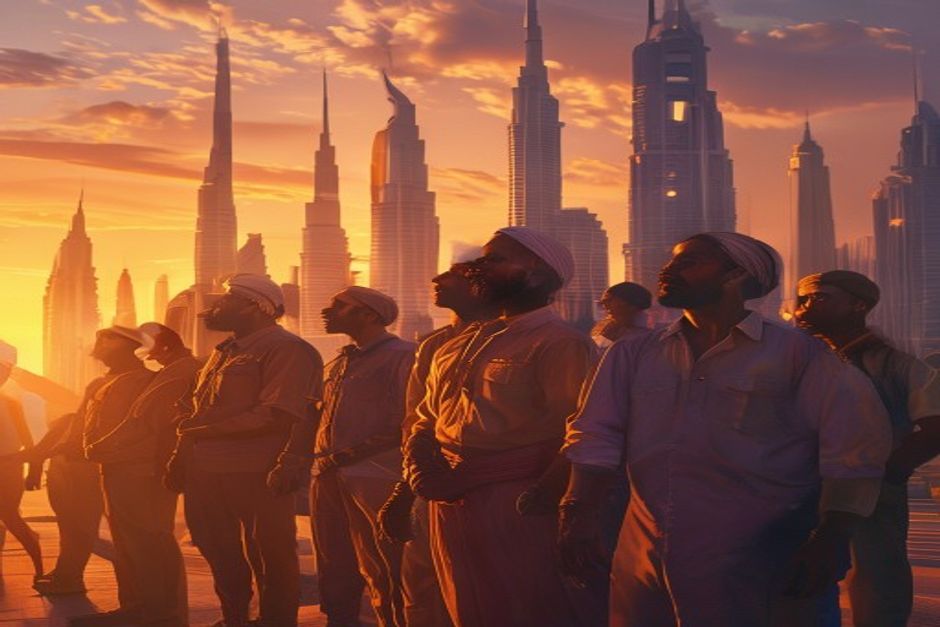
The allure of the Gulf states as a land of opportunity, the so-called 'Gulf dream', has long been a significant narrative for millions of Indians. For decades, countries like the UAE, Saudi Arabia, Qatar, and Oman have served as crucial destinations for Indian workers seeking better economic prospects, remittances, and a pathway to upward mobility. This migration has not only transformed individual lives and families but has also played a pivotal role in India's economy through substantial foreign exchange inflows.
A Changing Landscape
However, the unwavering certainty of this 'dream' is undergoing a perceptible shift. Several factors are contributing to this evolving dynamic. Firstly, the economic diversification initiatives within the Gulf Cooperation Council (GCC) countries, aimed at reducing reliance on oil revenues, are leading to a transformation of their labor markets. While this presents new opportunities in sectors like technology, tourism, and finance, it also means a potential reduction in demand for traditional blue-collar and semi-skilled labor, which has historically formed the backbone of Indian migration to the region.
Secondly, global economic headwinds, including fluctuating oil prices and the lingering effects of the pandemic, have impacted the Gulf economies, leading to increased competition for jobs and a more cautious approach to hiring. Furthermore, changing visa regulations, a greater emphasis on nationalization policies ('Emiratisation', 'Saudization'), and a growing trend of skilled professionals from other parts of the world also vie for positions previously dominated by Indian expatriates.
The Future of India-Gulf Relations
This doesn't imply that the Gulf will cease to matter for India. The strategic, economic, and cultural ties remain robust. Remittances, though perhaps not as uniformly guaranteed, will continue to be significant. India's energy security is intrinsically linked to the Gulf. However, the 'Gulf dream' as a singular, guaranteed pathway to prosperity is being re-evaluated. Indian workers and policymakers alike must adapt to this new reality, focusing on skill development that aligns with the evolving needs of the Gulf economies and exploring alternative destinations and economic opportunities.
खाड़ी देशों का अवसरों की भूमि के रूप में आकर्षण, जिसे 'खाड़ी का सपना' कहा जाता है, लंबे समय से लाखों भारतीयों के लिए एक महत्वपूर्ण आख्यान रहा है। दशकों से, संयुक्त अरब अमीरात, सऊदी अरब, कतर और ओमान जैसे देशों ने बेहतर आर्थिक संभावनाओं, प्रेषण और ऊपर की ओर गतिशीलता के मार्ग की तलाश करने वाले भारतीय श्रमिकों के लिए महत्वपूर्ण गंतव्यों के रूप में काम किया है। इस प्रवासन ने न केवल व्यक्तिगत जीवन और परिवारों को बदल दिया है, बल्कि महत्वपूर्ण विदेशी मुद्रा आवक के माध्यम से भारत की अर्थव्यवस्था में भी एक महत्वपूर्ण भूमिका निभाई है।
एक बदलता परिदृश्य
हालांकि, इस 'सपनों' की अटूट निश्चितता एक बोधगम्य बदलाव से गुजर रही है। कई कारक इस विकसित गतिशील में योगदान दे रहे हैं। सबसे पहले, खाड़ी सहयोग परिषद (जीसीसी) देशों के भीतर आर्थिक विविधीकरण पहल, जिसका उद्देश्य तेल राजस्व पर निर्भरता कम करना है, उनके श्रम बाजारों के परिवर्तन की ओर ले जा रही है। जबकि यह प्रौद्योगिकी, पर्यटन और वित्त जैसे क्षेत्रों में नए अवसर प्रस्तुत करता है, यह पारंपरिक ब्लू-कॉलर और अर्ध-कुशल श्रम की मांग में संभावित कमी का भी अर्थ है, जिसने ऐतिहासिक रूप से खाड़ी में भारतीय प्रवासन की रीढ़ का गठन किया है।
दूसरे, वैश्विक आर्थिक बाधाओं, जिसमें अस्थिर तेल की कीमतें और महामारी के स्थायी प्रभाव शामिल हैं, ने खाड़ी की अर्थव्यवस्थाओं को प्रभावित किया है, जिससे नौकरियों के लिए प्रतिस्पर्धा बढ़ी है और भर्ती के प्रति अधिक सतर्क दृष्टिकोण अपनाया गया है। इसके अलावा, बदलते वीजा नियम, राष्ट्रीयकरण नीतियों ('एमिराइजेशन', 'सऊदीकरण') पर अधिक जोर, और दुनिया के अन्य हिस्सों के कुशल पेशेवरों की बढ़ती प्रवृत्ति भी उन पदों के लिए प्रतिस्पर्धा करती है जिन पर पहले भारतीय प्रवासियों का दबदबा था।
भारत-खाड़ी संबंधों का भविष्य
इसका मतलब यह नहीं है कि खाड़ी भारत के लिए अप्रासंगिक हो जाएगी। रणनीतिक, आर्थिक और सांस्कृतिक संबंध मजबूत बने हुए हैं। प्रेषण, यद्यपि शायद उतना समान रूप से गारंटीकृत नहीं है, महत्वपूर्ण बना रहेगा। भारत की ऊर्जा सुरक्षा खाड़ी से अविभाज्य रूप से जुड़ी हुई है। हालांकि, समृद्धि के एक एकल, गारंटीकृत मार्ग के रूप में 'खाड़ी का सपना' का पुनर्मूल्यांकन किया जा रहा है। भारतीय श्रमिकों और नीति निर्माताओं दोनों को इस नई वास्तविकता के अनुकूल होना चाहिए, खाड़ी अर्थव्यवस्थाओं की विकसित होती जरूरतों के अनुरूप कौशल विकास पर ध्यान केंद्रित करना चाहिए और वैकल्पिक गंतव्यों और आर्थिक अवसरों की खोज करनी चाहिए।
आखाती देशांचे संधीची भूमी म्हणून असलेले आकर्षण, ज्याला 'आखाती स्वप्न' म्हणून ओळखले जाते, हे अनेक दशकांपासून लाखो भारतीयांसाठी एक महत्त्वाचे वास्तव राहिले आहे. युएई, सौदी अरेबिया, कतार आणि ओमान यांसारख्या देशांनी भारतीय कामगारांना चांगल्या आर्थिक संधी, परकीय चलन पाठवणे आणि सामाजिक-आर्थिक प्रगतीसाठी महत्त्वपूर्ण गंतव्यस्थान म्हणून सेवा दिली आहे. या स्थलांतराने केवळ वैयक्तिक जीवन आणि कुटुंबांमध्ये बदल घडवले नाहीत, तर महत्त्वपूर्ण परकीय चलन आवकद्वारे भारताच्या अर्थव्यवस्थेतही एक निर्णायक भूमिका बजावली आहे.
बदलते परिदृश्य
तथापि, या 'स्वप्ना'ची निर्विवाद निश्चितता हळूहळू बदलत आहे. अनेक घटक या विकसित होत असलेल्या गतिशीलतेस हातभार लावत आहेत. सर्वप्रथम, आखाती सहकार्य परिषद (जीसीसी) देशांमधील आर्थिक विविधीकरण उपक्रम, ज्याचा उद्देश तेल महसुलावरील अवलंबित्व कमी करणे आहे, त्यांच्या श्रम बाजारात परिवर्तन घडवत आहेत. यामुळे तंत्रज्ञान, पर्यटन आणि वित्त यांसारख्या क्षेत्रात नवीन संधी निर्माण होत असल्या तरी, पारंपरिक निळ्या-कॉलर आणि अर्ध-कुशल श्रमाची मागणी कमी होण्याची शक्यता आहे, जी ऐतिहासिकदृष्ट्या आखाती प्रदेशातील भारतीय स्थलांतराचा कणा राहिली आहे.
दुसरे म्हणजे, जागतिक आर्थिक आव्हाने, ज्यात अस्थिर तेल किमती आणि साथीच्या रोगांचे परिणाम समाविष्ट आहेत, त्यांनी आखाती अर्थव्यवस्थांवर परिणाम केला आहे. यामुळे नोकऱ्यांसाठी स्पर्धा वाढली आहे आणि नोकरभरतीबाबत अधिक सावध दृष्टिकोन स्वीकारला जात आहे. याव्यतिरिक्त, व्हिसा नियमांमधील बदल, राष्ट्रीयीकरण धोरणांवर (उदा. 'एमिराटायझेशन', 'सऊदीकरण') वाढलेला जोर आणि जगाच्या इतर भागांतील कुशल व्यावसायिकांचा वाढता कल यामुळे पूर्वी भारतीय निर्वासितांचे वर्चस्व असलेल्या पदांसाठी स्पर्धा वाढत आहे.
भारत-आखात संबंधांचे भविष्य
याचा अर्थ असा नाही की आखात प्रदेश भारतासाठी महत्त्वहीन होईल. धोरणात्मक, आर्थिक आणि सांस्कृतिक संबंध अजूनही मजबूत आहेत. परकीय चलन पाठवणे, कदाचित पूर्वीइतकेच निश्चित नसले तरी, महत्त्वपूर्ण राहील. भारताची ऊर्जा सुरक्षा ही आखात प्रदेशाशी अविभाज्यपणे जोडलेली आहे. तथापि, समृद्धीसाठी एक निश्चित मार्ग म्हणून 'आखाती स्वप्ना'चे पुनर्मूल्यांकन केले जात आहे. भारतीय कामगार आणि धोरणकर्ते दोघांनाही या नवीन वास्तवाशी जुळवून घेणे आवश्यक आहे, आखाती अर्थव्यवस्थांच्या बदलत्या गरजांशी जुळणारी कौशल्य विकास साधण्यावर लक्ष केंद्रित करणे आणि पर्यायी गंतव्ये व आर्थिक संधी शोधणे आवश्यक आहे.
গালফ রাষ্ট্রগুলির সম্ভাবনাময় ভূমি হিসাবে আকর্ষণ, যা 'গালফ স্বপ্ন' নামে পরিচিত, তা দীর্ঘকাল ধরে লক্ষ লক্ষ ভারতীয়দের জন্য একটি গুরুত্বপূর্ণ আখ্যান। কয়েক দশক ধরে, সংযুক্ত আরব আমিরাত, সৌদি আরব, কাতার এবং ওমানের মতো দেশগুলি উন্নত অর্থনৈতিক সম্ভাবনা, রেমিটেন্স এবং উর্ধ্বমুখী গতিশীলতার পথ খোঁজা ভারতীয় শ্রমিকদের জন্য গুরুত্বপূর্ণ গন্তব্য হিসাবে কাজ করেছে। এই অভিবাসন কেবল স্বতন্ত্র জীবন ও পরিবারকেই রূপান্তরিত করেনি, উল্লেখযোগ্য বৈদেশিক মুদ্রা আвающей মাধ্যমে ভারতের অর্থনীতিতেও এক গুরুত্বপূর্ণ ভূমিকা পালন করেছে।
পরিবর্তনশীল দৃশ্যপট
তবে, এই 'স্বপ্নের' অবিচল নিশ্চয়তা একটি দৃশ্যমান পরিবর্তনের মধ্য দিয়ে যাচ্ছে। বেশ কয়েকটি কারণ এই বিকশিত গতিশীলতায় অবদান রাখছে। প্রথমত, তেল রাজস্বের উপর নির্ভরতা হ্রাস করার লক্ষ্যে উপসাগরীয় সহযোগিতা পরিষদ (GCC) দেশগুলির অর্থনৈতিক বৈচিত্র্যকরণের উদ্যোগ তাদের শ্রম বাজারে রূপান্তর ঘটাচ্ছে। যদিও এটি প্রযুক্তি, পর্যটন এবং অর্থনীতির মতো খাতে নতুন সুযোগ তৈরি করছে, তবে এটি ঐতিহ্যবাহী শ্রমিক শ্রেণির এবং আধা-দক্ষ শ্রমিকের চাহিদায় সম্ভাব্য হ্রাসও বোঝায়, যা ঐতিহাসিকভাবে উপসাগরে ভারতীয় অভিবাসনের মেরুদণ্ড গঠন করেছে।
দ্বিতীয়ত, বিশ্বব্যাপী অর্থনৈতিক প্রতিকূলতা, যার মধ্যে তেলের দামের অস্থিরতা এবং মহামারীর দীর্ঘস্থায়ী প্রভাব অন্তর্ভুক্ত, গালফ অর্থনীতিকে প্রভাবিত করেছে, যার ফলে চাকরির জন্য প্রতিযোগিতা বেড়েছে এবং নিয়োগের ক্ষেত্রে আরও সতর্কতামূলক পদ্ধতি গ্রহণ করা হয়েছে। অধিকন্তু, ভিসার নিয়মের পরিবর্তন, জাতীয়করণ নীতিগুলির (যেমন 'এমিরাটিাইজেশন', 'সৌদিকরণ') উপর বৃহত্তর জোর এবং বিশ্বের অন্যান্য অংশ থেকে দক্ষ পেশাদারদের ক্রমবর্ধমান প্রবণতা পূর্বে ভারতীয় প্রবাসীদের দ্বারা প্রভাবিত পদগুলির জন্য প্রতিদ্বন্দ্বিতা করছে।
ভারত-গালফ সম্পর্কের ভবিষ্যৎ
এর মানে এই নয় যে গালফ ভারতের জন্য গুরুত্বহীন হয়ে পড়বে। কৌশলগত, অর্থনৈতিক এবং সাংস্কৃতিক সম্পর্ক দৃঢ় রয়েছে। রেমিটেন্স, যদিও সম্ভবত পূর্বের মতো অভিন্নভাবে নিশ্চিত নয়, তবুও তা তাৎপর্যপূর্ণ থাকবে। ভারতের জ্বালানি নিরাপত্তা উপসাগরের সাথে অবিচ্ছেদ্যভাবে জড়িত। তবে, সমৃদ্ধির একটি একক, নিশ্চিত পথ হিসাবে 'গালফ স্বপ্ন' পুনর্বিবেচনা করা হচ্ছে। ভারতীয় শ্রমিক এবং নীতিনির্ধারক উভয়কেই এই নতুন বাস্তবতার সাথে খাপ খাইয়ে নিতে হবে, উপসাগরীয় অর্থনীতির বিকশিত চাহিদাগুলির সাথে সঙ্গতিপূর্ণ দক্ষতা বিকাশের উপর দৃষ্টি নিবদ্ধ করতে হবে এবং বিকল্প গন্তব্য ও অর্থনৈতিক সুযোগগুলি অন্বেষণ করতে হবে।
வளைகுடா நாடுகளை வாய்ப்புகளின் பூமியாக ஈர்க்கும் கவர்ச்சி, 'வளைகுடா கனவு' என்று அழைக்கப்படுகிறது, இது நீண்ட காலமாக மில்லியன் கணக்கான இந்தியர்களுக்கு ஒரு முக்கிய கதையாக இருந்து வருகிறது. பல தசாப்தங்களாக, ஐக்கிய அரபு எமிரேட்ஸ், சவுதி அரேபியா, கத்தார் மற்றும் ஓமான் போன்ற நாடுகள் சிறந்த பொருளாதார வாய்ப்புகள், பணப் பரிமாற்றம் மற்றும் மேல்நோக்கிய இயக்கம் ஆகியவற்றைத் தேடும் இந்திய தொழிலாளர்களுக்கு முக்கியமான இடங்களாக இருந்து வருகின்றன. இந்த இடம்பெயர்வு தனிப்பட்ட வாழ்க்கையையும் குடும்பங்களையும் மாற்றியமைத்ததோடு மட்டுமல்லாமல், கணிசமான அந்நிய செலாவணி வரவுகள் மூலம் இந்தியாவின் பொருளாதாரத்திலும் முக்கிய பங்கு வகித்துள்ளது.
மாறும் நிலப்பரப்பு
இருப்பினும், இந்த 'கனவின்' அசைக்க முடியாத உறுதி ஒரு கவனிக்கத்தக்க மாற்றத்திற்கு உள்ளாகி வருகிறது. பல காரணிகள் இந்த வளர்ந்து வரும் இயக்கவியலுக்கு பங்களிக்கின்றன. முதலாவதாக, எண்ணெய் வருவாயில் தங்கியிருப்பதைக் குறைக்கும் நோக்கில் வளைகுடா ஒத்துழைப்பு கவுன்சில் (GCC) நாடுகளின் பொருளாதாரப் பல்வகைப்படுத்தல் முயற்சிகள் அவற்றின் தொழிலாளர் சந்தைகளை மாற்றியமைத்து வருகின்றன. இது தொழில்நுட்பம், சுற்றுலா மற்றும் நிதி போன்ற துறைகளில் புதிய வாய்ப்புகளை வழங்கினாலும், இது பாரம்பரிய நீல நிற காலர் மற்றும் பகுதி-திறமையான தொழிலாளர்களுக்கான தேவையைக் குறைக்கும் சாத்தியத்தையும் குறிக்கிறது, இது வரலாற்று ரீதியாக வளைகுடாவிற்கு இந்திய இடம்பெயர்வின் முதுகெலும்பாக இருந்துள்ளது.
இரண்டாவதாக, உலகளாவிய பொருளாதார சவால்கள், நிலையற்ற எண்ணெய் விலைகள் மற்றும் தொற்றுநோயின் நீண்டகால விளைவுகள் உட்பட, வளைகுடா பொருளாதாரங்களைப் பாதித்துள்ளன, இதனால் வேலைகளுக்கான போட்டி அதிகரித்து, பணியமர்த்தல் ஒரு எச்சரிக்கையான அணுகுமுறையைக் கொண்டுள்ளது. மேலும், மாறும் விசா விதிமுறைகள், தேசியமயமாக்கல் கொள்கைகளில் (எ.கா., 'எமிரேட்டிசேஷன்', 'சவுடிகரான்') அதிக கவனம் செலுத்துதல் மற்றும் உலகின் பிற பகுதிகளிலிருந்து திறமையான நிபுணர்களின் வளர்ந்து வரும் போக்கு ஆகியவை முன்பு இந்திய புலம்பெயர்ந்தோரால் ஆதிக்கம் செலுத்தப்பட்ட பதவிகளுக்காக போட்டியிடுகின்றன.
இந்தியா-வளைகுடா உறவுகளின் எதிர்காலம்
வளைகுடா பகுதி இந்தியாவிற்கு முக்கியமற்றதாகிவிடும் என்று இதன் அர்த்தமல்ல. மூலோபாய, பொருளாதார மற்றும் கலாச்சார உறவுகள் வலுவாகவே உள்ளன. பணப் பரிமாற்றங்கள், ஒருவேளை முன்பைப் போல சீராக உத்தரவாதம் அளிக்கப்படாவிட்டாலும், குறிப்பிடத்தக்கதாகவே இருக்கும். இந்தியாவின் எரிசக்தி பாதுகாப்பு வளைகுடாவோடு பிரிக்கமுடியாத வகையில் இணைக்கப்பட்டுள்ளது. இருப்பினும், செழிப்புக்கான ஒரே, உத்தரவாதமான பாதையாக 'வளைகுடா கனவு' மறுமதிப்பீடு செய்யப்பட்டு வருகிறது. இந்திய தொழிலாளர்கள் மற்றும் கொள்கை வகுப்பாளர்கள் இருவரும் இந்த புதிய யதார்த்தத்திற்கு ஏற்ப தங்களை மாற்றிக்கொள்ள வேண்டும், வளைகுடா பொருளாதாரங்களின் வளர்ந்து வரும் தேவைகளுடன் ஒத்துப்போகும் திறன் மேம்பாட்டில் கவனம் செலுத்த வேண்டும் மற்றும் மாற்று இடங்கள் மற்றும் பொருளாதார வாய்ப்புகளை ஆராய வேண்டும்.
అవకాశాల భూమిగా గల్ఫ్ దేశాల ఆకర్షణ, 'గల్ఫ్ కల'గా పిలువబడుతుంది, ఇది చాలా కాలంగా లక్షలాది మంది భారతీయులకు ఒక ముఖ్యమైన కథనం. దశాబ్దాలుగా, UAE, సౌదీ అరేబియా, ఖతార్ మరియు ఒమన్ వంటి దేశాలు మెరుగైన ఆర్థిక అవకాశాలు, నిధుల పంపకం (remittances) మరియు సామాజిక ఉన్నతి మార్గాలను అన్వేషించే భారతీయ కార్మికులకు కీలక గమ్యస్థానాలుగా ఉన్నాయి. ఈ వలసలు వ్యక్తిగత జీవితాలను, కుటుంబాలను మార్చడమే కాకుండా, గణనీయమైన విదేశీ మారకపు ఆదాయాల ద్వారా భారతదేశ ఆర్థిక వ్యవస్థలో కూడా కీలక పాత్ర పోషించాయి.
మారుతున్న దృశ్యం
అయితే, ఈ 'కల' యొక్క స్థిరమైన నిశ్చయత ఒక గుర్తించదగిన మార్పుకు లోనవుతోంది. అనేక కారణాలు ఈ అభివృద్ధి చెందుతున్న గతిశీలతకు దోహదం చేస్తున్నాయి. మొదటిది, చమురు ఆదాయంపై ఆధారపడటాన్ని తగ్గించడమే లక్ష్యంగా గల్ఫ్ సహకార మండలి (GCC) దేశాల ఆర్థిక వైవిధ్యీకరణ ప్రయత్నాలు వారి కార్మిక మార్కెట్లలో పరివర్తనను తెస్తున్నాయి. ఇది సాంకేతికత, పర్యాటకం మరియు ఆర్థిక రంగాలలో కొత్త అవకాశాలను అందిస్తున్నప్పటికీ, ఇది సాంప్రదాయ నీలి-కాలర్ మరియు పాక్షిక-నైపుణ్యం కలిగిన కార్మికుల డిమాండ్లో సంభావ్యతను తగ్గిస్తుంది, ఇది చారిత్రాత్మకంగా గల్ఫ్కు భారతీయ వలసల వెన్నెముకగా ఉంది.
రెండవది, అస్థిర చమురు ధరలు మరియు మహమ్మారి యొక్క దీర్ఘకాలిక ప్రభావాలతో సహా ప్రపంచ ఆర్థిక సవాళ్లు, గల్ఫ్ ఆర్థిక వ్యవస్థలను ప్రభావితం చేశాయి, దీనివల్ల ఉద్యోగాల కోసం పోటీ పెరిగింది మరియు నియామకాలపై మరింత జాగ్రత్తతో కూడిన విధానం ఏర్పడింది. అంతేకాకుండా, మారుతున్న వీసా నిబంధనలు, జాతీయీకరణ విధానాలపై (ఉదా., 'ఎమిరటైజేషన్', 'సౌదీకరణ') పెరిగిన ప్రాధాన్యత మరియు ప్రపంచంలోని ఇతర ప్రాంతాల నుండి నైపుణ్యం కలిగిన నిపుణుల పెరుగుతున్న ధోరణి గతంలో భారతీయ ప్రవాసులచే ఆధిపత్యం చెలాయించబడిన స్థానాల కోసం పోటీపడుతున్నాయి.
భారత-గల్ఫ్ సంబంధాల భవిష్యత్తు
గల్ఫ్ భారతదేశానికి ప్రాముఖ్యత లేనిదిగా మారిపోతుందని దీని అర్థం కాదు. వ్యూహాత్మక, ఆర్థిక మరియు సాంస్కృతిక సంబంధాలు బలంగానే ఉన్నాయి. నిధుల పంపకాలు, బహుశా అంతకు ముందు వలె ఏకరీతిగా హామీ ఇవ్వబడనప్పటికీ, గణనీయంగానే ఉంటాయి. భారతదేశ ఇంధన భద్రత గల్ఫ్తో విడదీయరాని విధంగా ముడిపడి ఉంది. అయితే, శ్రేయస్సుకు ఒకే, హామీ మార్గంగా 'గల్ఫ్ కల' పునరాలోచన చేయబడుతోంది. భారతీయ కార్మికులు మరియు విధాన రూపకర్తలు ఇద్దరూ ఈ కొత్త వాస్తవికతకు అనుగుణంగా మారాలి, గల్ఫ్ ఆర్థిక వ్యవస్థల అభివృద్ధి చెందుతున్న అవసరాలతో సమలేఖనం చేయబడిన నైపుణ్యాభివృద్ధిపై దృష్టి సారించాలి మరియు ప్రత్యామ్నాయ గమ్యస్థానాలు మరియు ఆర్థిక అవకాశాలను అన్వేషించాలి.
સુરક્ષિત પ્રદેશની ભૂમિ તરીકે ગલ્ફ રાજ્યોનું આકર્ષણ, 'ગલ્ફ ડ્રીમ' તરીકે ઓળખાય છે, તે લાખો ભારતીયો માટે લાંબા સમયથી એક મહત્વપૂર્ણ આખ્યાન રહ્યું છે. દાયકાઓથી, UAE, સાઉદી અરેબિયા, કતાર અને ઓમાન જેવા દેશોએ વધુ સારી આર્થિક તકો, રેમિટન્સ અને ઉપરની ગતિશીલતાનો માર્ગ શોધતા ભારતીય કામદારો માટે મહત્વપૂર્ણ સ્થળો તરીકે સેવા આપી છે. આ સ્થળાંતરે માત્ર વ્યક્તિગત જીવન અને પરિવારોને પરિવર્તિત કર્યા નથી, પરંતુ નોંધપાત્ર વિદેશી હૂંડિયામણ આવક દ્વારા ભારતના અર્થતંત્રમાં પણ નિર્ણાયક ભૂમિકા ભજવી છે.
બદલાતું લેન્ડસ્કેપ
જોકે, આ 'સ્વપ્ન'ની અડગ નિશ્ચિતતા એક સ્પષ્ટ પરિવર્તનમાંથી પસાર થઈ રહી છે. ઘણા પરિબળો આ વિકસતી ગતિશીલતામાં ફાળો આપી રહ્યા છે. પ્રથમ, ગલ્ફ કોઓપરેશન કાઉન્સિલ (GCC) દેશોની આર્થિક વૈવિધ્યકરણ પહેલ, જેનો હેતુ તેલ મહેસૂલ પરની નિર્ભરતા ઘટાડવાનો છે, તે તેમના શ્રમ બજારોમાં પરિવર્તન લાવી રહી છે. જ્યારે આ ટેકનોલોજી, પર્યટન અને ફાઇનાન્સ જેવા ક્ષેત્રોમાં નવી તકો રજૂ કરે છે, તે પરંપરાગત બ્લુ-કોલર અને અર્ધ-કુશળ શ્રમની માંગમાં સંભવિત ઘટાડો પણ સૂચવે છે, જે ઐતિહાસિક રીતે ગલ્ફમાં ભારતીય સ્થળાંતરનો આધારસ્તંભ રહ્યો છે.
બીજું, વૈશ્વિક આર્થિક મંદી, જેમાં અસ્થિર તેલના ભાવ અને રોગચાળાની lingering અસરો શામેલ છે, તેણે ગલ્ફ અર્થતંત્રોને અસર કરી છે, જેના કારણે નોકરીઓ માટે સ્પર્ધા વધી છે અને ભરતી માટે વધુ સાવચેતીભર્યો અભિગમ અપનાવવામાં આવ્યો છે. વધુમાં, બદલાતા વિઝા નિયમો, રાષ્ટ્રીયકરણ નીતિઓ ('એમિરાઇઝેશન', 'સૌદીકરણ') પર વધુ ભાર, અને વિશ્વના અન્ય ભાગોના કુશળ વ્યાવસાયિકોનો વધતો ટ્રેન્ડ અગાઉ ભારતીય പ്രവാസികളുടെ (immigrants) વર્ચસ્વ ધરાવતા પદો માટે સ્પર્ધા કરી રહ્યા છે.
ભારત-ગલ્ફ સંબંધોનું ભવિષ્ય
આનો અર્થ એ નથી કે ગલ્ફ ભારત માટે મહત્વહીન બની જશે. વ્યૂહાત્મક, આર્થિક અને સાંસ્કૃતિક સંબંધો મજબૂત રહે છે. રેમિટન્સ, કદાચ પહેલા જેટલું સમાનરૂપે ગેરંટીકૃત ન હોય, તેમ છતાં તે નોંધપાત્ર રહેશે. ભારતીય ઉર્જા સુરક્ષા ગલ્ફ સાથે અવિભાજય રીતે જોડાયેલી છે. જોકે, સમૃદ્ધિના એકલ, ગેરંટીકૃત માર્ગ તરીકે 'ગલ્ફ ડ્રીમ'નું પુનઃમૂલ્યાંકન કરવામાં આવી રહ્યું છે. ભારતીય કામદારો અને નીતિ નિર્માતાઓ બંનેએ આ નવી વાસ્તવિકતા સાથે અનુકૂલન સાધવું પડશે, ગલ્ફ અર્થતંત્રોની વિકસતી જરૂરિયાતો સાથે સંરેખિત કુશળતા વિકાસ પર ધ્યાન કેન્દ્રિત કરવું પડશે અને વૈકલ્પિક સ્થળો અને આર્થિક તકો શોધવી પડશે.
ਖਾੜੀ ਦੇਸ਼ਾਂ ਦਾ ਮੌਕਿਆਂ ਦੀ ਧਰਤੀ ਵਜੋਂ ਖਿੱਚ, ਜਿਸਨੂੰ 'ਖਾੜੀ ਸੁਪਨਾ' ਕਿਹਾ ਜਾਂਦਾ ਹੈ, ਲੰਬੇ ਸਮੇਂ ਤੋਂ ਲੱਖਾਂ ਭਾਰਤੀਆਂ ਲਈ ਇੱਕ ਮਹੱਤਵਪੂਰਨ ਬਿਰਤਾਂਤ ਰਿਹਾ ਹੈ। ਦਹਾਕਿਆਂ ਤੋਂ, ਸੰਯੁਕਤ ਅਰਬ ਅਮੀਰਾਤ, ਸਾਊਦੀ ਅਰਬ, ਕਤਰ ਅਤੇ ਓਮਾਨ ਵਰਗੇ ਦੇਸ਼ਾਂ ਨੇ ਬਿਹਤਰ ਆਰਥਿਕ ਸੰਭਾਵਨਾਵਾਂ, ਰੇਮਿਟੈਂਸ ਅਤੇ ਉੱਪਰ ਵੱਲ ਗਤੀਸ਼ੀਲਤਾ ਦੀ ਤਲਾਸ਼ ਕਰਨ ਵਾਲੇ ਭਾਰਤੀ ਮਜ਼ਦੂਰਾਂ ਲਈ ਮਹੱਤਵਪੂਰਨ ਮੰਜ਼ਿਲਾਂ ਵਜੋਂ ਕੰਮ ਕੀਤਾ ਹੈ। ਇਸ ਪ੍ਰਵਾਸ ਨੇ ਨਾ ਸਿਰਫ਼ ਵਿਅਕਤੀਗਤ ਜੀਵਨ ਅਤੇ ਪਰਿਵਾਰਾਂ ਨੂੰ ਬਦਲਿਆ ਹੈ, ਸਗੋਂ ਮਹੱਤਵਪੂਰਨ ਵਿਦੇਸ਼ੀ ਮੁਦਰਾ ਆਮਦਨ ਦੁਆਰਾ ਭਾਰਤ ਦੀ ਆਰਥਿਕਤਾ ਵਿੱਚ ਵੀ ਇੱਕ ਅਹਿਮ ਭੂਮਿਕਾ ਨਿਭਾਈ ਹੈ।
ਬਦਲਦਾ ਲੈਂਡਸਕੇਪ
ਹਾਲਾਂਕਿ, ਇਸ 'ਸੁਪਨੇ' ਦੀ ਅਟੱਲ ਨਿਸ਼ਚਤਤਾ ਇੱਕ ਧਿਆਨਯੋਗ ਤਬਦੀਲੀ ਵਿੱਚੋਂ ਲੰਘ ਰਹੀ ਹੈ। ਕਈ ਕਾਰਕ ਇਸ ਵਿਕਾਸਸ਼ੀਲ ਗਤੀਸ਼ੀਲਤਾ ਵਿੱਚ ਯੋਗਦਾਨ ਪਾ ਰਹੇ ਹਨ। ਪਹਿਲਾਂ, ਖਾੜੀ ਸਹਿਕਾਰਤਾ ਪ੍ਰੀਸ਼ਦ (GCC) ਦੇਸ਼ਾਂ ਦੀਆਂ ਆਰਥਿਕ ਵਿਭਿੰਨਤਾ ਪਹਿਲਕਦਮੀਆਂ, ਜਿਨ੍ਹਾਂ ਦਾ ਉਦੇਸ਼ ਤੇਲ ਦੇ ਮਾਲੀਏ 'ਤੇ ਨਿਰਭਰਤਾ ਘਟਾਉਣਾ ਹੈ, ਉਹਨਾਂ ਦੇ ਕਿਰਤ ਬਾਜ਼ਾਰਾਂ ਵਿੱਚ ਪਰਿਵਰਤਨ ਲਿਆ ਰਹੀਆਂ ਹਨ। ਜਦੋਂ ਕਿ ਇਹ ਤਕਨਾਲੋਜੀ, ਸੈਰ-ਸਪਾਟਾ ਅਤੇ ਵਿੱਤ ਵਰਗੇ ਖੇਤਰਾਂ ਵਿੱਚ ਨਵੀਆਂ ਸੰਭਾਵਨਾਵਾਂ ਪੇਸ਼ ਕਰਦਾ ਹੈ, ਇਹ ਰਵਾਇਤੀ ਨੀਲੇ-ਕਾਲਰ ਅਤੇ ਅਰਧ-ਕੁਸ਼ਲ ਮਜ਼ਦੂਰਾਂ ਦੀ ਮੰਗ ਵਿੱਚ ਸੰਭਾਵੀ ਕਮੀ ਦਾ ਵੀ ਸੰਕੇਤ ਦਿੰਦਾ ਹੈ, ਜੋ ਇਤਿਹਾਸਕ ਤੌਰ 'ਤੇ ਖਾੜੀ ਵਿੱਚ ਭਾਰਤੀ ਪ੍ਰਵਾਸ ਦੀ ਰੀੜ੍ਹ ਦੀ ਹੱਡੀ ਰਿਹਾ ਹੈ।
ਦੂਜਾ, ਵਿਸ਼ਵਵਿਆਪੀ ਆਰਥਿਕ ਚੁਣੌਤੀਆਂ, ਜਿਸ ਵਿੱਚ ਅਸਥਿਰ ਤੇਲ ਦੀਆਂ ਕੀਮਤਾਂ ਅਤੇ ਮਹਾਂਮਾਰੀ ਦੇ ਲੰਬੇ ਸਮੇਂ ਦੇ ਪ੍ਰਭਾਵ ਸ਼ਾਮਲ ਹਨ, ਨੇ ਖਾੜੀ ਦੀਆਂ ਆਰਥਿਕਤਾਵਾਂ ਨੂੰ ਪ੍ਰਭਾਵਿਤ ਕੀਤਾ ਹੈ, ਜਿਸ ਨਾਲ ਨੌਕਰੀਆਂ ਲਈ ਮੁਕਾਬਲਾ ਵਧਿਆ ਹੈ ਅਤੇ ਭਰਤੀ ਲਈ ਵਧੇਰੇ ਸਾਵਧਾਨ ਪਹੁੰਚ ਅਪਣਾਈ ਗਈ ਹੈ। ਇਸ ਤੋਂ ਇਲਾਵਾ, ਬਦਲਦੇ ਵੀਜ਼ਾ ਨਿਯਮ, ਰਾਸ਼ਟਰੀਕਰਨ ਨੀਤੀਆਂ ('ਐਮੀਰਾਟਾਈਜ਼ੇਸ਼ਨ', 'ਸਾਊਦੀਕਰਨ') 'ਤੇ ਵਧੇਰੇ ਜ਼ੋਰ, ਅਤੇ ਦੁਨੀਆ ਦੇ ਹੋਰ ਹਿੱਸਿਆਂ ਤੋਂ ਕੁਸ਼ਲ ਪੇਸ਼ੇਵਰਾਂ ਦਾ ਵਧਦਾ ਰੁਝਾਨ ਪਹਿਲਾਂ ਭਾਰਤੀ ਪ੍ਰਵਾਸੀਆਂ ਦੁਆਰਾ ਪ੍ਰਭਾਵਿਤ ਅਹੁਦਿਆਂ ਲਈ ਮੁਕਾਬਲਾ ਕਰ ਰਹੇ ਹਨ।
ਭਾਰਤ-ਖਾੜੀ ਸਬੰਧਾਂ ਦਾ ਭਵਿੱਖ
ਇਸਦਾ ਮਤਲਬ ਇਹ ਨਹੀਂ ਹੈ ਕਿ ਖਾੜੀ ਭਾਰਤ ਲਈ ਮਹੱਤਵਹੀਣ ਹੋ ਜਾਵੇਗੀ। ਰਣਨੀਤਕ, ਆਰਥਿਕ ਅਤੇ ਸੱਭਿਆਚਾਰਕ ਸਬੰਧ ਮਜ਼ਬੂਤ ਰਹਿਣਗੇ। ਰੇਮਿਟੈਂਸ, ਹਾਲਾਂਕਿ ਸ਼ਾਇਦ ਪਹਿਲਾਂ ਵਾਂਗ ਇਕਸਾਰ ਤੌਰ 'ਤੇ ਗਾਰੰਟੀਸ਼ੁਦਾ ਨਹੀਂ ਹੈ, ਫਿਰ ਵੀ ਮਹੱਤਵਪੂਰਨ ਰਹੇਗੀ। ਭਾਰਤ ਦੀ ਊਰਜਾ ਸੁਰੱਖਿਆ ਖਾੜੀ ਨਾਲ ਅਟੁੱਟ ਤੌਰ 'ਤੇ ਜੁੜੀ ਹੋਈ ਹੈ। ਹਾਲਾਂਕਿ, ਖੁਸ਼ਹਾਲੀ ਦੇ ਇੱਕਲੇ, ਗਾਰੰਟੀਸ਼ੁਦਾ ਮਾਰਗ ਵਜੋਂ 'ਖਾੜੀ ਸੁਪਨੇ' ਦਾ ਮੁੜ-ਮੁਲਾਂਕਣ ਕੀਤਾ ਜਾ ਰਿਹਾ ਹੈ। ਭਾਰਤੀ ਮਜ਼ਦੂਰਾਂ ਅਤੇ ਨੀਤੀ ਘਾੜਿਆਂ ਦੋਵਾਂ ਨੂੰ ਇਸ ਨਵੀਂ ਹਕੀਕਤ ਦੇ ਅਨੁਕੂਲ ਹੋਣਾ ਚਾਹੀਦਾ ਹੈ, ਖਾੜੀ ਦੀਆਂ ਆਰਥਿਕਤਾਵਾਂ ਦੀਆਂ ਵਿਕਾਸਸ਼ੀਲ ਜ਼ਰੂਰਤਾਂ ਨਾਲ ਮੇਲ ਖਾਂਦੀ ਹੁਨਰ ਵਿਕਾਸ 'ਤੇ ਧਿਆਨ ਕੇਂਦਰਿਤ ਕਰਨਾ ਚਾਹੀਦਾ ਹੈ ਅਤੇ ਬਦਲਵੇਂ ਮੰਜ਼ਿਲਾਂ ਅਤੇ ਆਰਥਿਕ ਮੌਕਿਆਂ ਦੀ ਪੜਚੋਲ ਕਰਨੀ ਚਾਹੀਦੀ ਹੈ।

💬 Comments