Breaking News
ताज़ा खबर
ताजी बातमी
সর্বশেষ সংবাদ
சமீபத்திய செய்தி
తాజా వార్త
તાજા સમાચાર
ਤਾਜ਼ਾ ਖ਼ਬਰ
Middle East Faces Paradox: Crude Oil Surplus but Refined Fuel Shortages Due to Shipping Woes
मध्य पूर्व में तेल का विरोधाभास: कच्चे तेल का अधिशेष, लेकिन शिपिंग चिंताओं के कारण परिष्कृत ईंधन की कमी
मध्य पूर्वेकडील तेल पेचप्रसंग: कच्चे तेल जास्त, पण शिपिंगमुळे इंधनाचा तुटवडा
মধ্যপ্রাচ্যের তেল সংকট: অপরিশোধিত তেলের প্রাচুর্য, কিন্তু শিপিং উদ্বেগের কারণে জ্বালানির ঘাটতি
மத்திய கிழக்கு எண்ணெய் குழப்பம்: கச்சா எண்ணெய் பெருக்கம், ஆனால் கப்பல் போக்குவரத்து கவலைகளால் எரிபொருள் பற்றாக்குறை
మధ్యప్రాచ్య చమురు సంక్షోభం: ముడి చమురు నిల్వలు పెరిగినా, రవాణా ఆందోళనలతో ఇంధన కొరత
મધ્ય પૂર્વ તેલનો દ્વિધા: ક્રૂડનો ભરાવો પરંતુ શિપિંગની ચિંતાઓને કારણે ઇંધણની અછત
ਮੱਧ ਪੂਰਬੀ ਤੇਲ ਦੀ ਦੁਬਿਧਾ: ਕੱਚੇ ਤੇਲ ਦੀ ਭਰਮਾਰ, ਪਰ ਸ਼ਿਪਿੰਗ ਦੀਆਂ ਚਿੰਤਾਵਾਂ ਕਾਰਨ ਬਾਲਣ ਦੀ ਘਾਟ
By AI News Desk
🕐 04 July 2026, 03:51 PM
💹 Finance
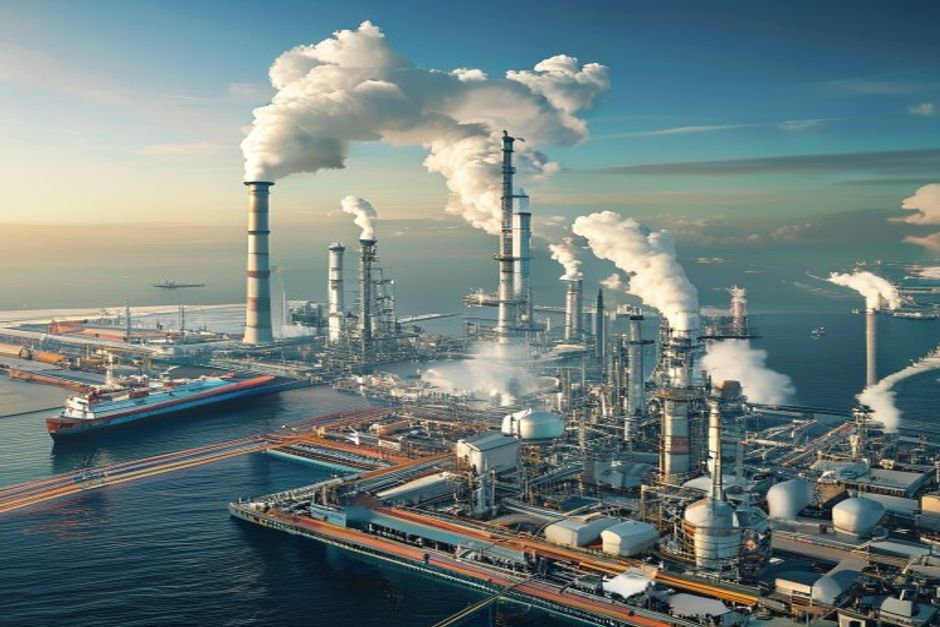
The global energy landscape is currently grappling with a stark paradox emanating from the Middle East. Despite a significant surplus of crude oil accumulated during the recent Persian Gulf conflict, a looming shortage of refined fuels like gasoline and diesel is creating market anxieties. This critical imbalance has been highlighted by Patrick Pouyanné, CEO of TotalEnergies SE, who underscored the desperation of Middle Eastern oil producers to offload their extensive crude stockpiles.
The core of the problem, according to Pouyanné, lies in persistent shipping worries. While there’s plenty of raw crude available, the movement of refined products is severely constrained. This situation stems from geopolitical tensions and security concerns in key maritime routes, particularly those transiting through the Persian Gulf and potentially extending to broader Red Sea shipping lanes. The reluctance or inability of shipping companies to ensure safe and timely delivery of refined fuels translates directly into restricted supplies, creating upward pressure on prices for consumers globally.
Global Implications of the Shipping Bottleneck
The inability to efficiently transport refined products has far-reaching consequences beyond the Middle East. Countries reliant on these imports face higher costs, potential fuel rationing, and a dampening effect on economic activities. For oil producers, the challenge is two-fold: not only do they struggle to find buyers for their crude, but they also witness their own refined product markets tighten due to external logistical barriers. This scenario presents a complex dilemma, forcing a re-evaluation of energy supply chain resilience.
The current situation underscores the fragility of global energy markets to geopolitical events and regional conflicts. While the world benefits from robust crude oil production, the crucial link in the supply chain – safe and reliable shipping – remains vulnerable. Addressing these concerns will require concerted international efforts to de-escalate tensions and secure vital transit routes, ensuring that the availability of crude translates into accessible and affordable refined fuels for industries and consumers worldwide.
वैश्विक ऊर्जा परिदृश्य वर्तमान में मध्य पूर्व से उत्पन्न एक तीखे विरोधाभास से जूझ रहा है। हाल ही में फारस की खाड़ी संघर्ष के दौरान जमा हुए कच्चे तेल के महत्वपूर्ण अधिशेष के बावजूद, गैसोलीन और डीजल जैसे परिष्कृत ईंधनों की कमी बाजार में चिंताएं पैदा कर रही है। इस महत्वपूर्ण असंतुलन को TotalEnergies SE के सीईओ पैट्रिक पौयान (Patrick Pouyanné) ने उजागर किया है, जिन्होंने मध्य पूर्वी तेल उत्पादकों की अपनी व्यापक कच्चे तेल के भंडार को बेचने की हताशा को रेखांकित किया।
पौयान के अनुसार, समस्या का मूल लगातार शिपिंग चिंताओं में निहित है। जबकि पर्याप्त कच्चा तेल उपलब्ध है, परिष्कृत उत्पादों की आवाजाही गंभीर रूप से बाधित है। यह स्थिति प्रमुख समुद्री मार्गों, विशेष रूप से फारस की खाड़ी से गुजरने वाले और संभावित रूप से व्यापक लाल सागर शिपिंग लेन तक फैले भू-राजनीतिक तनावों और सुरक्षा चिंताओं से उपजी है। शिपिंग कंपनियों की परिष्कृत ईंधन की सुरक्षित और समय पर डिलीवरी सुनिश्चित करने की अनिच्छा या अक्षमता सीधे तौर पर प्रतिबंधित आपूर्ति में बदल जाती है, जिससे विश्व स्तर पर उपभोक्ताओं के लिए कीमतों पर दबाव बढ़ता है।
शिपिंग बाधाओं के वैश्विक निहितार्थ
परिष्कृत उत्पादों को कुशलतापूर्वक परिवहन करने में असमर्थता के मध्य पूर्व से परे दूरगामी परिणाम हैं। इन आयातों पर निर्भर देशों को उच्च लागत, संभावित ईंधन राशनिंग और आर्थिक गतिविधियों पर नकारात्मक प्रभाव का सामना करना पड़ता है। तेल उत्पादकों के लिए चुनौती दोहरी है: वे न केवल अपने कच्चे तेल के लिए खरीदार खोजने के लिए संघर्ष करते हैं, बल्कि वे बाहरी रसद बाधाओं के कारण अपने स्वयं के परिष्कृत उत्पाद बाजारों को भी कसते हुए देखते हैं। यह परिदृश्य एक जटिल दुविधा प्रस्तुत करता है, जिससे ऊर्जा आपूर्ति श्रृंखला लचीलेपन का पुनर्मूल्यांकन करना पड़ता है।
वर्तमान स्थिति भू-राजनीतिक घटनाओं और क्षेत्रीय संघर्षों के प्रति वैश्विक ऊर्जा बाजारों की भेद्यता को रेखांकित करती है। जबकि दुनिया मजबूत कच्चे तेल उत्पादन से लाभान्वित होती है, आपूर्ति श्रृंखला में महत्वपूर्ण कड़ी - सुरक्षित और विश्वसनीय शिपिंग - कमजोर बनी हुई है। इन चिंताओं को दूर करने के लिए तनाव कम करने और महत्वपूर्ण पारगमन मार्गों को सुरक्षित करने के लिए ठोस अंतर्राष्ट्रीय प्रयासों की आवश्यकता होगी, यह सुनिश्चित करते हुए कि कच्चे तेल की उपलब्धता उद्योगों और दुनिया भर के उपभोक्ताओं के लिए सुलभ और किफायती परिष्कृत ईंधन में बदल जाए।
सध्या, जागतिक ऊर्जा क्षेत्र मध्य पूर्वेतून उद्भवलेल्या एका तीव्र विरोधाभासाशी झुंजत आहे. अलिकडच्या पर्शियन आखाती संघर्षामुळे मोठ्या प्रमाणात कच्चे तेल जमा झाले असले तरी, गॅसोलीन आणि डिझेलसारख्या शुद्ध इंधनाचा तुटवडा बाजारात चिंता निर्माण करत आहे. या गंभीर असंतुलनाकडे TotalEnergies SE चे सीईओ पॅट्रिक पौयान (Patrick Pouyanné) यांनी लक्ष वेधले असून, मध्य पूर्वेकडील तेल उत्पादक त्यांच्याकडे असलेल्या मोठ्या कच्च्या तेलाच्या साठ्याची विक्री करण्यासाठी किती हताश झाले आहेत, हे त्यांनी अधोरेखित केले.
पौयान यांच्या मते, या समस्येचे मूळ सततच्या शिपिंग चिंतेमध्ये आहे. जरी मोठ्या प्रमाणात कच्चे तेल उपलब्ध असले तरी, शुद्ध उत्पादनांची वाहतूक गंभीरपणे मर्यादित आहे. ही परिस्थिती भू-राजकीय तणाव आणि प्रमुख सागरी मार्गांमधील सुरक्षा चिंतेमुळे उद्भवली आहे, विशेषतः पर्शियन आखातातून जाणारे आणि संभाव्यतः विस्तृत लाल समुद्रातील शिपिंग मार्ग. शिपिंग कंपन्या शुद्ध इंधनाची सुरक्षित आणि वेळेवर वितरण सुनिश्चित करण्यास तयार नसणे किंवा अक्षम असणे यामुळे थेट पुरवठा मर्यादित होतो, ज्यामुळे जागतिक स्तरावर ग्राहकांसाठी किमतींवर दबाव वाढतो.
शिपिंग अडथळ्यांचे जागतिक परिणाम
शुद्ध उत्पादनांची कार्यक्षमतेने वाहतूक करण्यास असमर्थता मध्य पूर्वेबाहेरही दूरगामी परिणाम घडवून आणते. या आयातींवर अवलंबून असलेल्या देशांना जास्त खर्च, संभाव्य इंधन रेशनिंग आणि आर्थिक गतिविधींवर नकारात्मक परिणामांचा सामना करावा लागतो. तेल उत्पादकांसाठी, आव्हान दुहेरी आहे: त्यांना केवळ त्यांच्या कच्च्या तेलासाठी ग्राहक शोधण्यासाठी संघर्ष करावा लागतो असे नाही, तर बाह्य लॉजिस्टिकल अडथळ्यांमुळे त्यांच्या स्वतःच्या शुद्ध उत्पादन बाजारपेठाही कमी होताना दिसतात. ही परिस्थिती एक जटिल कोंडी निर्माण करते, ज्यामुळे ऊर्जा पुरवठा साखळीच्या लवचिकतेचे पुनर्मूल्यांकन करणे भाग पडते.
सध्याची परिस्थिती भू-राजकीय घटना आणि प्रादेशिक संघर्षांप्रति जागतिक ऊर्जा बाजारांची नाजूकता अधोरेखित करते. जगाला मजबूत कच्चे तेल उत्पादनाचा फायदा होत असला तरी, पुरवठा साखळीतील महत्त्वाचा दुवा – सुरक्षित आणि विश्वसनीय शिपिंग – असुरक्षित राहतो. या चिंता दूर करण्यासाठी तणाव कमी करण्यासाठी आणि महत्त्वाचे संक्रमण मार्ग सुरक्षित करण्यासाठी एकत्रित आंतरराष्ट्रीय प्रयत्नांची आवश्यकता असेल, जेणेकरून कच्च्या तेलाची उपलब्धता जगभरातील उद्योग आणि ग्राहकांसाठी सुलभ आणि परवडणाऱ्या शुद्ध इंधनात रूपांतरित होईल.
বর্তমানে, বৈশ্বিক জ্বালানি ল্যান্ডস্কেপ মধ্যপ্রাচ্য থেকে উদ্ভূত একটি তীব্র অসঙ্গতিতে ভুগছে। সাম্প্রতিক পারস্য উপসাগরীয় সংঘাতের সময় অপরিশোধিত তেলের উল্লেখযোগ্য উদ্বৃত্ত জমা হওয়া সত্ত্বেও, পেট্রোল এবং ডিজেলের মতো পরিশোধিত জ্বালানির সম্ভাব্য ঘাটতি বাজারে উদ্বেগ সৃষ্টি করছে। TotalEnergies SE-এর সিইও প্যাট্রিক পৌয়ান (Patrick Pouyanné) এই গুরুতর ভারসাম্যহীনতার উপর জোর দিয়েছেন, যেখানে তিনি মধ্যপ্রাচ্যের তেল উৎপাদনকারীদের তাদের বিশাল অপরিশোধিত তেলের মজুদ বিক্রি করার জন্য মরিয়া প্রচেষ্টার কথা তুলে ধরেছেন।
পৌয়ান-এর মতে, সমস্যার মূলে রয়েছে ক্রমাগত শিপিং উদ্বেগ। পর্যাপ্ত অপরিশোধিত তেল পাওয়া গেলেও, পরিশোধিত পণ্যের চলাচল গুরুতরভাবে সীমাবদ্ধ। এই পরিস্থিতি প্রধান সামুদ্রিক রুটগুলিতে ভূ-রাজনৈতিক উত্তেজনা এবং নিরাপত্তা উদ্বেগের কারণে উদ্ভূত হয়েছে, বিশেষ করে পারস্য উপসাগর দিয়ে অতিক্রমকারী এবং সম্ভাব্যভাবে বৃহত্তর লোহিত সাগরের শিপিং লেন পর্যন্ত প্রসারিত। শিপিং সংস্থাগুলির পরিশোধিত জ্বালানির নিরাপদ এবং সময়মতো সরবরাহ নিশ্চিত করার অনীহা বা অক্ষমতা সরাসরি সীমাবদ্ধ সরবরাহে রূপান্তরিত হয়, যা বিশ্বব্যাপী গ্রাহকদের জন্য দামের উপর ঊর্ধ্বমুখী চাপ সৃষ্টি করে।
শিপিং সংকটের বৈশ্বিক প্রভাব
পরিশোধিত পণ্য দক্ষতার সাথে পরিবহন করতে না পারার মধ্যপ্রাচ্যের বাইরেও সুদূরপ্রসারী পরিণতি রয়েছে। এই আমদানির উপর নির্ভরশীল দেশগুলি উচ্চ ব্যয়, সম্ভাব্য জ্বালানি রেশন এবং অর্থনৈতিক কার্যকলাপের উপর নেতিবাচক প্রভাবের সম্মুখীন হয়। তেল উৎপাদনকারীদের জন্য, চ্যালেঞ্জটি দ্বিগুণ: তারা কেবল তাদের অপরিশোধিত তেলের জন্য ক্রেতা খুঁজে পেতে সংগ্রাম করে না, বরং বাহ্যিক লজিস্টিক্যাল বাধাগুলির কারণে তাদের নিজস্ব পরিশোধিত পণ্যের বাজারগুলিও সংকীর্ণ হতে দেখে। এই পরিস্থিতি একটি জটিল দ্বিধা তৈরি করে, যা শক্তি সরবরাহ শৃঙ্খলের স্থিতিস্থাপকতা পুনর্মূল্যায়ন করতে বাধ্য করে।
বর্তমান পরিস্থিতি ভূ-রাজনৈতিক ঘটনা এবং আঞ্চলিক সংঘাতের প্রতি বৈশ্বিক জ্বালানি বাজারের ভঙ্গুরতা তুলে ধরে। যদিও বিশ্ব শক্তিশালী অপরিশোধিত তেল উৎপাদন থেকে উপকৃত হয়, সরবরাহ শৃঙ্খলের গুরুত্বপূর্ণ লিঙ্ক – নিরাপদ এবং নির্ভরযোগ্য শিপিং – ঝুঁকিপূর্ণ রয়ে গেছে। এই উদ্বেগগুলি মোকাবেলা করার জন্য উত্তেজনা কমানো এবং অত্যাবশ্যক ট্রানজিট রুটগুলি সুরক্ষিত করার জন্য সমন্বিত আন্তর্জাতিক প্রচেষ্টার প্রয়োজন হবে, যাতে অপরিশোধিত তেলের প্রাপ্যতা বিশ্বজুড়ে শিল্প এবং ভোক্তাদের জন্য সহজলভ্য এবং সাশ্রয়ী পরিশোধিত জ্বালানিতে রূপান্তরিত হয়।
மத்திய கிழக்கிலிருந்து உருவாகும் ஒரு கடுமையான முரண்பாட்டுடன் உலக எரிசக்தி நிலப்பரப்பு தற்போது போராடி வருகிறது. சமீபத்திய பாரசீக வளைகுடா மோதலின் போது திரட்டப்பட்ட கச்சா எண்ணெய் உபரி இருந்தபோதிலும், பெட்ரோல் மற்றும் டீசல் போன்ற சுத்திகரிக்கப்பட்ட எரிபொருட்களின் பற்றாக்குறை சந்தையில் கவலைகளை உருவாக்கி வருகிறது. இந்த முக்கியமான ஏற்றத்தாழ்வை TotalEnergies SE இன் தலைமை நிர்வாக அதிகாரி பேட்ரிக் பவுயன்னே (Patrick Pouyanné) சுட்டிக்காட்டியுள்ளார், மத்திய கிழக்கு எண்ணெய் உற்பத்தியாளர்கள் தங்கள் விரிவான கச்சா எண்ணெய் இருப்புகளை விற்றுத்தீர்க்கும் அவசரத்தை அவர் வலியுறுத்தினார்.
பவுயன்னேவின் கூற்றுப்படி, சிக்கலின் மையப்பகுதி தொடர்ந்து நீடிக்கும் கப்பல் போக்குவரத்து கவலைகளில் உள்ளது. ஏராளமான கச்சா எண்ணெய் கிடைத்தாலும், சுத்திகரிக்கப்பட்ட பொருட்களின் இயக்கம் கடுமையாகக் கட்டுப்படுத்தப்பட்டுள்ளது. இந்த நிலைமை புவிசார் அரசியல் பதட்டங்கள் மற்றும் முக்கிய கடல் வழிகளில், குறிப்பாக பாரசீக வளைகுடா வழியாகச் செல்லும் மற்றும் பரந்த செங்கடல் கப்பல் வழிகள் வரை நீட்டிக்கக்கூடிய பாதுகாப்பு கவலைகளிலிருந்து எழுகிறது. சுத்திகரிக்கப்பட்ட எரிபொருட்களை பாதுகாப்பான மற்றும் சரியான நேரத்தில் வழங்குவதை உறுதிசெய்ய கப்பல் நிறுவனங்களின் தயக்கம் அல்லது இயலாமை நேரடியாக விநியோகக் கட்டுப்பாடுகளுக்கு வழிவகுக்கிறது, இது உலகளவில் நுகர்வோருக்கான விலைகள் அதிகரிக்க அழுத்தத்தை உருவாக்குகிறது.
கப்பல் போக்குவரத்து தடங்கலின் உலகளாவிய விளைவுகள்
சுத்திகரிக்கப்பட்ட பொருட்களை திறமையாக கொண்டு செல்ல இயலாமை மத்திய கிழக்கிற்கு அப்பாலும் பரந்த விளைவுகளை ஏற்படுத்துகிறது. இந்த இறக்குமதிகளை நம்பியுள்ள நாடுகள் அதிக செலவுகள், சாத்தியமான எரிபொருள் ரேஷனிங் மற்றும் பொருளாதார நடவடிக்கைகளில் மந்தமான விளைவுகளை எதிர்கொள்கின்றன. எண்ணெய் உற்பத்தியாளர்களுக்கு, சவால் இரட்டிப்பு: தங்கள் கச்சா எண்ணெய்க்கு வாங்குபவர்களைக் கண்டுபிடிக்க போராடுவது மட்டுமல்லாமல், வெளிப்புற லாஜிஸ்டிக்ஸ் தடைகளால் தங்கள் சொந்த சுத்திகரிக்கப்பட்ட தயாரிப்பு சந்தைகளும் இறுக்கமடைவதைக் காண்கின்றன. இந்த நிலைமை ஒரு சிக்கலான இக்கட்டான நிலையை முன்வைக்கிறது, இது எரிசக்தி விநியோகச் சங்கிலியின் நெகிழ்ச்சித்தன்மையை மறுமதிப்பீடு செய்ய கட்டாயப்படுத்துகிறது.
தற்போதைய நிலைமை புவிசார் அரசியல் நிகழ்வுகள் மற்றும் பிராந்திய மோதல்களுக்கு உலகளாவிய எரிசக்தி சந்தைகளின் பலவீனத்தை அடிக்கோடிட்டுக் காட்டுகிறது. உலகம் வலுவான கச்சா எண்ணெய் உற்பத்தியிலிருந்து பயனடைந்தாலும், விநியோகச் சங்கிலியின் முக்கிய இணைப்பு - பாதுகாப்பான மற்றும் நம்பகமான கப்பல் போக்குவரத்து - பாதிக்கப்படக்கூடியதாகவே உள்ளது. இந்த கவலைகளை நிவர்த்தி செய்ய பதட்டங்களைத் தணிக்கவும், முக்கியமான போக்குவரத்து வழிகளைப் பாதுகாக்கவும் ஒருங்கிணைந்த சர்வதேச முயற்சிகள் தேவைப்படும், இது கச்சா எண்ணெய் கிடைப்பதை உலகளவில் தொழில்கள் மற்றும் நுகர்வோருக்கு அணுகக்கூடிய மற்றும் மலிவான சுத்திகரிக்கப்பட்ட எரிபொருளாக மாற்றுவதை உறுதி செய்யும்.
ప్రస్తుతం, ప్రపంచ ఇంధన రంగం మధ్యప్రాచ్యం నుండి తలెత్తిన ఒక విరుద్ధమైన పరిస్థితితో సతమతమవుతోంది. ఇటీవల పర్షియన్ గల్ఫ్ సంఘర్షణ సమయంలో గణనీయమైన ముడి చమురు నిల్వలు పేరుకుపోయినప్పటికీ, గ్యాసోలిన్ మరియు డీజిల్ వంటి శుద్ధి చేసిన ఇంధనాల కొరత మార్కెట్ ఆందోళనలను సృష్టిస్తోంది. TotalEnergies SE CEO ప్యాట్రిక్ పౌయాన్నే (Patrick Pouyanné) ఈ కీలకమైన అసమతుల్యతను హైలైట్ చేస్తూ, మధ్యప్రాచ్య చమురు ఉత్పత్తిదారులు తమ విస్తృత ముడి చమురు నిల్వలను విక్రయించడానికి ఎంతగా ఆరాటపడుతున్నారో నొక్కి చెప్పారు.
పౌయాన్నే ప్రకారం, సమస్యకు మూలం నిరంతర షిప్పింగ్ ఆందోళనలలో ఉంది. ముడి చమురు పుష్కలంగా అందుబాటులో ఉన్నప్పటికీ, శుద్ధి చేసిన ఉత్పత్తుల కదలిక తీవ్రంగా పరిమితం చేయబడింది. ఈ పరిస్థితి భౌగోళిక రాజకీయ ఉద్రిక్తతలు మరియు కీలకమైన సముద్ర మార్గాలలో, ముఖ్యంగా పర్షియన్ గల్ఫ్ గుండా వెళ్ళే మరియు బహుశా విస్తృత ఎర్ర సముద్ర షిప్పింగ్ మార్గాల వరకు విస్తరించే భద్రతా ఆందోళనల నుండి ఉత్పన్నమవుతుంది. శుద్ధి చేసిన ఇంధనాలను సురక్షితంగా మరియు సకాలంలో అందించడానికి షిప్పింగ్ కంపెనీల అయిష్టత లేదా అసమర్థత నేరుగా పరిమిత సరఫరాకు దారితీస్తుంది, ఇది ప్రపంచవ్యాప్తంగా వినియోగదారులకు ధరలపై ఒత్తిడిని పెంచుతుంది.
షిప్పింగ్ అడ్డంకుల ప్రపంచపరమైన పరిణామాలు
శుద్ధి చేసిన ఉత్పత్తులను సమర్థవంతంగా రవాణా చేయడంలో అసమర్థత మధ్యప్రాచ్యానికి మించిన సుదూర పరిణామాలను కలిగి ఉంది. ఈ దిగుమతులపై ఆధారపడిన దేశాలు అధిక ఖర్చులు, సంభావ్య ఇంధన రేషన్ మరియు ఆర్థిక కార్యకలాపాలపై ప్రతికూల ప్రభావాన్ని ఎదుర్కొంటాయి. చమురు ఉత్పత్తిదారులకు, సవాలు రెండు రెట్లు: వారు తమ ముడి చమురు కోసం కొనుగోలుదారులను కనుగొనడానికి కష్టపడటమే కాకుండా, బాహ్య లాజిస్టికల్ అడ్డంకుల కారణంగా వారి స్వంత శుద్ధి చేసిన ఉత్పత్తి మార్కెట్లు కూడా కుంచించుకుపోవడాన్ని చూస్తారు. ఈ దృశ్యం ఒక సంక్లిష్టమైన సందిగ్ధతను అందిస్తుంది, ఇది ఇంధన సరఫరా గొలుసు స్థితిస్థాపకతను తిరిగి అంచనా వేయడానికి బలవంతం చేస్తుంది.
ప్రస్తుత పరిస్థితి భౌగోళిక రాజకీయ సంఘటనలు మరియు ప్రాంతీయ సంఘర్షణలకు ప్రపంచ ఇంధన మార్కెట్ల దుర్బలత్వాన్ని నొక్కి చెబుతుంది. ప్రపంచం బలమైన ముడి చమురు ఉత్పత్తి నుండి ప్రయోజనం పొందుతున్నప్పటికీ, సరఫరా గొలుసులో కీలకమైన లింక్ - సురక్షితమైన మరియు నమ్మదగిన షిప్పింగ్ - హానికరంగానే ఉంది. ఈ ఆందోళనలను పరిష్కరించడానికి ఉద్రిక్తతలను తగ్గించడానికి మరియు కీలక రవాణా మార్గాలను సురక్షితం చేయడానికి సమన్వయ అంతర్జాతీయ ప్రయత్నాలు అవసరం, ఇది ముడి చమురు లభ్యత ప్రపంచవ్యాప్తంగా పరిశ్రమలు మరియు వినియోగదారులకు అందుబాటులో ఉండే మరియు సరసమైన శుద్ధి చేసిన ఇంధనంగా మారేలా చేస్తుంది.
વૈશ્વિક ઉર્જા લેન્ડસ્કેપ હાલમાં મધ્ય પૂર્વમાંથી ઉદ્ભવતા એક તીવ્ર વિરોધાભાસ સાથે ઝઝૂમી રહ્યું છે. તાજેતરના પર્સિયન ગલ્ફ સંઘર્ષ દરમિયાન ક્રૂડ ઓઇલનો નોંધપાત્ર સરપ્લસ જમા થયો હોવા છતાં, ગેસોલિન અને ડીઝલ જેવા શુદ્ધ ઇંધણની અછત બજારમાં ચિંતા પેદા કરી રહી છે. આ ગંભીર અસંતુલનને TotalEnergies SE ના CEO પેટ્રિક પૌયાને (Patrick Pouyanné) પ્રકાશિત કર્યું છે, જેમણે મધ્ય પૂર્વના તેલ ઉત્પાદકો તેમના વ્યાપક ક્રૂડ સ્ટોકને વેચવા માટે કેટલી તત્પરતા અનુભવી રહ્યા છે તે દર્શાવ્યું હતું.
પૌયાને અનુસાર, સમસ્યાનું મૂળ સતત શિપિંગની ચિંતાઓમાં રહેલું છે. જ્યારે પુષ્કળ કાચું ક્રૂડ ઉપલબ્ધ છે, ત્યારે શુદ્ધ ઉત્પાદનોની હેરફેર ગંભીરપણે મર્યાદિત છે. આ પરિસ્થિતિ ભૂ-રાજકીય તણાવ અને મુખ્ય દરિયાઈ માર્ગોમાં સુરક્ષાની ચિંતાઓથી ઉદ્ભવે છે, ખાસ કરીને પર્સિયન ગલ્ફમાંથી પસાર થતા અને સંભવિતપણે વ્યાપક લાલ સમુદ્રના શિપિંગ લેન સુધી વિસ્તરેલા માર્ગો. શિપિંગ કંપનીઓની શુદ્ધ ઇંધણની સલામત અને સમયસર ડિલિવરી સુનિશ્ચિત કરવાની અનિચ્છા અથવા અસમર્થતા સીધી રીતે પ્રતિબંધિત પુરવઠામાં પરિણમે છે, જેના કારણે વૈશ્વિક સ્તરે ગ્રાહકો માટે કિંમતો પર દબાણ વધે છે.
શિપિંગ અવરોધના વૈશ્વિક અસરો
શુદ્ધ ઉત્પાદનોને કાર્યક્ષમ રીતે પરિવહન કરવામાં અસમર્થતા મધ્ય પૂર્વની બહાર પણ દૂરગામી પરિણામો ધરાવે છે. આ આયાત પર નિર્ભર દેશોને ઊંચા ખર્ચ, સંભવિત ઇંધણ રેશનિંગ અને આર્થિક પ્રવૃત્તિઓ પર નકારાત્મક અસરનો સામનો કરવો પડે છે. તેલ ઉત્પાદકો માટે, પડકાર બેવડો છે: તેઓ ફક્ત તેમના ક્રૂડ માટે ખરીદદારો શોધવા માટે સંઘર્ષ કરતા નથી, પરંતુ તેઓ બાહ્ય લોજિસ્ટિકલ અવરોધોને કારણે તેમના પોતાના શુદ્ધ ઉત્પાદન બજારોને પણ કડક થતા જુએ છે. આ દૃશ્ય એક જટિલ દ્વિધા રજૂ કરે છે, જે ઉર્જા પુરવઠા શૃંખલાની સ્થિતિસ્થાપકતાનું પુનઃમૂલ્યાંકન કરવા દબાણ કરે છે.
વર્તમાન પરિસ્થિતિ ભૂ-રાજકીય ઘટનાઓ અને પ્રાદેશિક સંઘર્ષો પ્રત્યે વૈશ્વિક ઉર્જા બજારોની નબળાઈને રેખાંકિત કરે છે. જ્યારે વિશ્વ મજબૂત ક્રૂડ ઓઇલ ઉત્પાદનથી લાભ મેળવે છે, ત્યારે પુરવઠા શૃંખલામાં નિર્ણાયક કડી – સલામત અને વિશ્વસનીય શિપિંગ – સંવેદનશીલ રહે છે. આ ચિંતાઓને દૂર કરવા માટે તણાવ ઘટાડવા અને મહત્વપૂર્ણ પરિવહન માર્ગોને સુરક્ષિત કરવા માટે સંયુક્ત આંતરરાષ્ટ્રીય પ્રયાસોની જરૂર પડશે, તે સુનિશ્ચિત કરવું કે ક્રૂડની ઉપલબ્ધતા વિશ્વભરના ઉદ્યોગો અને ગ્રાહકો માટે સુલભ અને સસ્તું શુદ્ધ ઇંધણમાં રૂપાંતરિત થાય.
ਵਿਸ਼ਵ ਊਰਜਾ ਲੈਂਡਸਕੇਪ ਵਰਤਮਾਨ ਵਿੱਚ ਮੱਧ ਪੂਰਬ ਤੋਂ ਪੈਦਾ ਹੋਏ ਇੱਕ ਸਪੱਸ਼ਟ ਵਿਰੋਧਾਭਾਸ ਨਾਲ ਜੂਝ ਰਿਹਾ ਹੈ। ਹਾਲ ਹੀ ਵਿੱਚ ਫਾਰਸ ਦੀ ਖਾੜੀ ਸੰਘਰਸ਼ ਦੌਰਾਨ ਕੱਚੇ ਤੇਲ ਦਾ ਇੱਕ ਮਹੱਤਵਪੂਰਨ ਸਰਪਲੱਸ ਇਕੱਠਾ ਹੋਣ ਦੇ ਬਾਵਜੂਦ, ਗੈਸੋਲੀਨ ਅਤੇ ਡੀਜ਼ਲ ਵਰਗੇ ਸੁਧਰੇ ਹੋਏ ਈਂਧਨ ਦੀ ਸੰਭਾਵਿਤ ਘਾਟ ਬਾਜ਼ਾਰ ਵਿੱਚ ਚਿੰਤਾਵਾਂ ਪੈਦਾ ਕਰ ਰਹੀ ਹੈ। ਇਸ ਨਾਜ਼ੁਕ ਅਸੰਤੁਲਨ ਨੂੰ TotalEnergies SE ਦੇ ਸੀ.ਈ.ਓ. ਪੈਟ੍ਰਿਕ ਪੌਯਾਨੇ (Patrick Pouyanné) ਦੁਆਰਾ ਉਜਾਗਰ ਕੀਤਾ ਗਿਆ ਹੈ, ਜਿਨ੍ਹਾਂ ਨੇ ਮੱਧ ਪੂਰਬੀ ਤੇਲ ਉਤਪਾਦਕਾਂ ਦੀਆਂ ਕੱਚੇ ਤੇਲ ਦੇ ਵਿਆਪਕ ਭੰਡਾਰਾਂ ਨੂੰ ਵੇਚਣ ਦੀ ਬੇਤਾਬੀ ਨੂੰ ਰੇਖਾਂਕਿਤ ਕੀਤਾ ਹੈ।
ਪੌਯਾਨੇ ਦੇ ਅਨੁਸਾਰ, ਸਮੱਸਿਆ ਦਾ ਮੂਲ ਨਿਰੰਤਰ ਸ਼ਿਪਿੰਗ ਚਿੰਤਾਵਾਂ ਵਿੱਚ ਹੈ। ਜਿੱਥੇ ਕੱਚਾ ਤੇਲ ਬਹੁਤ ਜ਼ਿਆਦਾ ਉਪਲਬਧ ਹੈ, ਉੱਥੇ ਸੁਧਰੇ ਹੋਏ ਉਤਪਾਦਾਂ ਦੀ ਆਵਾਜਾਈ ਗੰਭੀਰ ਰੂਪ ਵਿੱਚ ਸੀਮਤ ਹੈ। ਇਹ ਸਥਿਤੀ ਮੁੱਖ ਸਮੁੰਦਰੀ ਰਸਤਿਆਂ ਵਿੱਚ ਭੂ-ਰਾਜਨੀਤਿਕ ਤਣਾਅ ਅਤੇ ਸੁਰੱਖਿਆ ਚਿੰਤਾਵਾਂ ਤੋਂ ਪੈਦਾ ਹੁੰਦੀ ਹੈ, ਖਾਸ ਕਰਕੇ ਫਾਰਸ ਦੀ ਖਾੜੀ ਵਿੱਚੋਂ ਲੰਘਣ ਵਾਲੇ ਅਤੇ ਸੰਭਾਵਤ ਤੌਰ 'ਤੇ ਵਿਆਪਕ ਲਾਲ ਸਾਗਰ ਸ਼ਿਪਿੰਗ ਲੇਨਾਂ ਤੱਕ ਫੈਲੇ ਹੋਏ ਰਸਤੇ। ਸ਼ਿਪਿੰਗ ਕੰਪਨੀਆਂ ਦੀਆਂ ਸੁਧਰੇ ਹੋਏ ਈਂਧਨ ਦੀ ਸੁਰੱਖਿਅਤ ਅਤੇ ਸਮੇਂ ਸਿਰ ਡਿਲੀਵਰੀ ਨੂੰ ਯਕੀਨੀ ਬਣਾਉਣ ਦੀ ਅਣਇੱਛਾ ਜਾਂ ਅਯੋਗਤਾ ਸਿੱਧੇ ਤੌਰ 'ਤੇ ਸੀਮਤ ਸਪਲਾਈ ਵਿੱਚ ਬਦਲ ਜਾਂਦੀ ਹੈ, ਜਿਸ ਨਾਲ ਵਿਸ਼ਵ ਪੱਧਰ 'ਤੇ ਖਪਤਕਾਰਾਂ ਲਈ ਕੀਮਤਾਂ 'ਤੇ ਉੱਪਰ ਵੱਲ ਦਬਾਅ ਵਧਦਾ ਹੈ।
ਸ਼ਿਪਿੰਗ ਰੁਕਾਵਟਾਂ ਦੇ ਗਲੋਬਲ ਪ੍ਰਭਾਵ
ਸੁਧਰੇ ਹੋਏ ਉਤਪਾਦਾਂ ਨੂੰ ਕੁਸ਼ਲਤਾ ਨਾਲ ਟ੍ਰਾਂਸਪੋਰਟ ਕਰਨ ਵਿੱਚ ਅਸਮਰੱਥਾ ਦੇ ਮੱਧ ਪੂਰਬ ਤੋਂ ਪਰੇ ਦੂਰਗਾਮੀ ਨਤੀਜੇ ਹਨ। ਇਹਨਾਂ ਆਯਾਤਾਂ 'ਤੇ ਨਿਰਭਰ ਦੇਸ਼ਾਂ ਨੂੰ ਉੱਚੀ ਲਾਗਤਾਂ, ਸੰਭਾਵਿਤ ਈਂਧਨ ਰਾਸ਼ਨਿੰਗ, ਅਤੇ ਆਰਥਿਕ ਗਤੀਵਿਧੀਆਂ 'ਤੇ ਨਕਾਰਾਤਮਕ ਪ੍ਰਭਾਵ ਦਾ ਸਾਹਮਣਾ ਕਰਨਾ ਪੈਂਦਾ ਹੈ। ਤੇਲ ਉਤਪਾਦਕਾਂ ਲਈ, ਚੁਣੌਤੀ ਦੋ-ਪੱਖੀ ਹੈ: ਨਾ ਸਿਰਫ ਉਹ ਆਪਣੇ ਕੱਚੇ ਤੇਲ ਲਈ ਖਰੀਦਦਾਰ ਲੱਭਣ ਲਈ ਸੰਘਰਸ਼ ਕਰਦੇ ਹਨ, ਬਲਕਿ ਉਹ ਬਾਹਰੀ ਲੌਜਿਸਟਿਕਲ ਰੁਕਾਵਟਾਂ ਕਾਰਨ ਆਪਣੇ ਖੁਦ ਦੇ ਸੁਧਰੇ ਹੋਏ ਉਤਪਾਦ ਬਾਜ਼ਾਰਾਂ ਨੂੰ ਵੀ ਤੰਗ ਹੁੰਦੇ ਦੇਖਦੇ ਹਨ। ਇਹ ਦ੍ਰਿਸ਼ ਇੱਕ ਗੁੰਝਲਦਾਰ ਦੁਬਿਧਾ ਪੇਸ਼ ਕਰਦਾ ਹੈ, ਜਿਸ ਨਾਲ ਊਰਜਾ ਸਪਲਾਈ ਚੇਨ ਲਚਕੀਲੇਪਨ ਦਾ ਮੁੜ ਮੁਲਾਂਕਣ ਕਰਨਾ ਪੈਂਦਾ ਹੈ।
ਮੌਜੂਦਾ ਸਥਿਤੀ ਭੂ-ਰਾਜਨੀਤਿਕ ਘਟਨਾਵਾਂ ਅਤੇ ਖੇਤਰੀ ਸੰਘਰਸ਼ਾਂ ਪ੍ਰਤੀ ਗਲੋਬਲ ਊਰਜਾ ਬਾਜ਼ਾਰਾਂ ਦੀ ਕਮਜ਼ੋਰੀ ਨੂੰ ਰੇਖਾਂਕਿਤ ਕਰਦੀ ਹੈ। ਜਦੋਂ ਕਿ ਵਿਸ਼ਵ ਮਜ਼ਬੂਤ ਕੱਚੇ ਤੇਲ ਦੇ ਉਤਪਾਦਨ ਤੋਂ ਲਾਭ ਪ੍ਰਾਪਤ ਕਰਦਾ ਹੈ, ਸਪਲਾਈ ਚੇਨ ਵਿੱਚ ਮਹੱਤਵਪੂਰਨ ਕੜੀ – ਸੁਰੱਖਿਅਤ ਅਤੇ ਭਰੋਸੇਮੰਦ ਸ਼ਿਪਿੰਗ – ਕਮਜ਼ੋਰ ਰਹਿੰਦੀ ਹੈ। ਇਹਨਾਂ ਚਿੰਤਾਵਾਂ ਨੂੰ ਹੱਲ ਕਰਨ ਲਈ ਤਣਾਅ ਘਟਾਉਣ ਅਤੇ ਮਹੱਤਵਪੂਰਨ ਆਵਾਜਾਈ ਰਸਤਿਆਂ ਨੂੰ ਸੁਰੱਖਿਅਤ ਕਰਨ ਲਈ ਸਹਿਮਤ ਅੰਤਰਰਾਸ਼ਟਰੀ ਯਤਨਾਂ ਦੀ ਲੋੜ ਹੋਵੇਗੀ, ਇਹ ਯਕੀਨੀ ਬਣਾਉਣਾ ਕਿ ਕੱਚੇ ਤੇਲ ਦੀ ਉਪਲਬਧਤਾ ਵਿਸ਼ਵ ਭਰ ਦੇ ਉਦਯੋਗਾਂ ਅਤੇ ਖਪਤਕਾਰਾਂ ਲਈ ਪਹੁੰਚਯੋਗ ਅਤੇ ਕਿਫਾਇਤੀ ਸੁਧਰੇ ਹੋਏ ਈਂਧਨ ਵਿੱਚ ਬਦਲ ਜਾਵੇ।

💬 Comments