Breaking News
ताज़ा खबर
ताजी बातमी
সর্বশেষ সংবাদ
சமீபத்திய செய்தி
తాజా వార్త
તાજા સમાચાર
ਤਾਜ਼ਾ ਖ਼ਬਰ
Gulf States' Unease: Trump's 'Project Freedom' and Strait of Hormuz Volatility
खाड़ी देशों की चिंता: ट्रंप का 'प्रोजेक्ट फ्रीडम' और होर्मुज जलडमरूमध्य में तनाव
आखाती देशांची चिंता: ट्रम्प यांचे 'प्रोजेक्ट फ्रीडम' आणि होर्मुझ सामुद्रधुनीतील तणाव
উপসাগরীয় দেশগুলোর উদ্বেগ: ট্রাম্পের 'প্রজেক্ট ফ্রিডম' এবং হরমুজ প্রণালীতে উত্তেজনা
வளைகுடா நாடுகளின் கவலை: ட்ரம்பின் 'ப்ராஜெக்ட் ஃப்ரீடம்' மற்றும் ஹோர்முஸ் ஜலசந்தியில் பதற்றம்
గల్ఫ్ దేశాల ఆందోళన: ట్రంప్ 'ప్రాజెక్ట్ ఫ్రీడమ్' మరియు హార్ముజ్ జలసంధిలో ఉద్రిక్తతలు
ગલ્ફ દેશોની ચિંતા: ટ્રમ્પનો 'પ્રોજેક્ટ ફ્રીડમ' અને હોર્મુઝની ખાડીમાં તણાવ
ਖਾੜੀ ਦੇਸ਼ਾਂ ਦੀ ਚਿੰਤਾ: ਟਰੰਪ ਦਾ 'ਪ੍ਰੋਜੈਕਟ ਫਰੀਡਮ' ਅਤੇ ਹਾਰਮੂਜ਼ ਜਲ-ਸੰਧੀ ਵਿੱਚ ਤਣਾਅ
By AI News Desk
🕐 06 May 2026, 03:36 PM
🌍 World
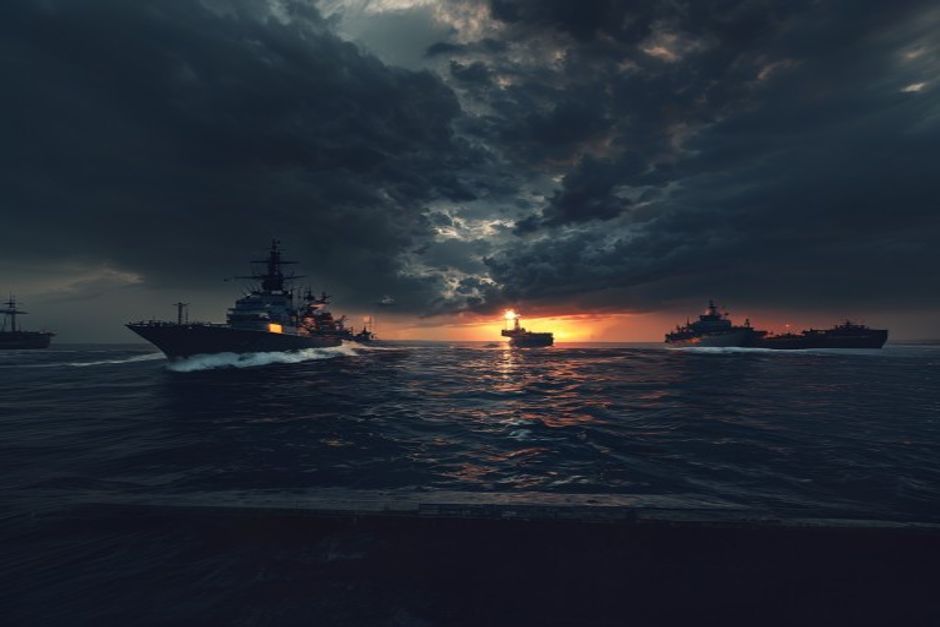
Dubai-based journalist Natasha Turak has shed light on the complex dynamics surrounding the Strait of Hormuz, revealing that Gulf nations never fully embraced current US President Donald Trump's 'Project Freedom.' Despite the initiative ostensibly aligning with their long-held desire for the vital waterway's unrestricted passage, underlying concerns persisted.
Escalation Fears Grip the Gulf
Turak explained to Al Jazeera that a primary apprehension among Gulf leaders was the potential for increased militarization in the region to act as a 'tripwire' for further escalation. This fear materialized recently with skirmishes in the strait and attacks on the United Arab Emirates, incidents for which Iran has denied responsibility. The journalist noted that Trump's decision to pause the new operation in the strait has undoubtedly unsettled leaders across the Gulf capitals.
Tehran's Perception and Economic Stakes
A significant worry now is that Tehran might perceive the recent escalation as a successful tactic, especially given President Trump's apparent eagerness to disengage from regional conflicts. The Strait of Hormuz is not merely a geopolitical flashpoint; it is absolutely crucial for the economic stability of Gulf nations. They are deeply invested in preventing a scenario where Iran effectively becomes the gatekeeper of this critical maritime route. Simultaneously, these nations are hesitant about a permanent US military presence, seeking a delicate balance between ensuring security and avoiding entanglements that could lead to further instability.
Navigating a Precarious Path
The situation underscores the intricate foreign policy challenges faced by the Gulf states. While they desire secure passage through the Strait of Hormuz, they are also navigating the complex relationship with both the United States and Iran. The perceived wavering of US commitment, coupled with Iran's assertive posture, creates an environment of uncertainty. Turak's insights highlight the delicate tightrope walk required to maintain economic prosperity and regional security amidst fluctuating international dynamics and the ever-present specter of conflict in one of the world's most strategically important waterways.
दुबई से मध्य पूर्व को कवर करने वाली पत्रकार नताशा तुरक ने होर्मुज जलडमरूमध्य के आसपास की जटिल गतिशीलता पर प्रकाश डाला है। उन्होंने बताया कि खाड़ी देशों ने पूर्व अमेरिकी राष्ट्रपति डोनाल्ड ट्रम्प के 'प्रोजेक्ट फ्रीडम' को कभी भी पूरी तरह से स्वीकार नहीं किया था। भले ही यह पहल महत्वपूर्ण जलमार्ग के अप्रतिबंधित मार्ग की उनकी लंबे समय से चली आ रही इच्छा के अनुरूप थी, फिर भी अंतर्निहित चिंताएं बनी रहीं।
खाड़ी में टकराव का डर
तुरक ने अल जज़ीरा को बताया कि खाड़ी नेताओं के बीच एक प्राथमिक चिंता इस क्षेत्र में बढ़ते सैन्यीकरण की संभावना थी, जो और अधिक टकराव के लिए 'ट्रिपवायर' के रूप में काम कर सकता था। यह डर हाल ही में जलडमरूमध्य में झड़पों और संयुक्त अरब अमीरात पर हमलों के साथ सामने आया, जिन घटनाओं के लिए ईरान ने जिम्मेदारी से इनकार किया है। पत्रकार ने नोट किया कि ट्रम्प द्वारा जलडमरूमध्य में नए ऑपरेशन को रोकने के निर्णय ने निश्चित रूप से खाड़ी की राजधानियों के नेताओं को चिंतित कर दिया है।
तेहरान की धारणा और आर्थिक दांव
अब एक महत्वपूर्ण चिंता यह है कि तेहरान हाल के तनाव को एक सफल रणनीति के रूप में देख सकता है, खासकर राष्ट्रपति ट्रम्प की क्षेत्रीय संघर्षों से खुद को अलग करने की स्पष्ट इच्छा को देखते हुए। होर्मुज जलडमरूमध्य केवल एक भू-राजनीतिक फ्लैशपॉइंट नहीं है; यह खाड़ी देशों की आर्थिक स्थिरता के लिए अत्यंत महत्वपूर्ण है। वे ईरान के प्रभावी रूप से इस महत्वपूर्ण समुद्री मार्ग के गेटकीपर बनने की स्थिति को रोकने में गहराई से निवेशित हैं। साथ ही, ये राष्ट्र स्थायी अमेरिकी सैन्य उपस्थिति से हिचक रहे हैं, सुरक्षा सुनिश्चित करने और ऐसे संघर्षों से बचने के बीच एक नाजुक संतुलन की तलाश कर रहे हैं जिससे और अधिक अस्थिरता पैदा हो सकती है।
एक अनिश्चित मार्ग पर नेविगेट करना
यह स्थिति खाड़ी देशों के सामने आने वाली जटिल विदेश नीति की चुनौतियों को रेखांकित करती है। जबकि वे होर्मुज जलडमरूमध्य के माध्यम से सुरक्षित मार्ग चाहते हैं, वे संयुक्त राज्य अमेरिका और ईरान दोनों के साथ जटिल संबंधों को भी नेविगेट कर रहे हैं। अमेरिकी प्रतिबद्धता के कथित अस्थिरता, ईरान के मुखर रुख के साथ मिलकर, अनिश्चितता का माहौल बनाती है। तुरक की अंतर्दृष्टि दुनिया के सबसे रणनीतिक रूप से महत्वपूर्ण जलमार्गों में से एक में बदलते अंतरराष्ट्रीय गतिशीलता और संघर्ष के निरंतर भय के बीच आर्थिक समृद्धि और क्षेत्रीय सुरक्षा बनाए रखने के लिए आवश्यक नाजुक संतुलन को उजागर करती है।
दुबईतून मध्य पूर्वेचे वार्तांकन करणाऱ्या पत्रकार नताशा तुरक यांनी होर्मुझ सामुद्रधुनीभोवतीच्या गुंतागुंतीच्या परिस्थितीवर प्रकाश टाकला आहे. त्यांनी सांगितले की, आखाती देशांनी माजी अमेरिकन अध्यक्ष डोनाल्ड ट्रम्प यांच्या 'प्रोजेक्ट फ्रीडम'चे कधीही पूर्णपणे समर्थन केले नाही. जरी या उपक्रमाचा उद्देश महत्त्वपूर्ण जलमार्गाच्या निर्बंधमुक्त प्रवासाच्या त्यांच्या दीर्घकाळापासूनच्या इच्छेशी जुळणारा असला तरी, अंतर्गत चिंता कायम होत्या.
संघर्षाची भीती आखाती देशांना सतावत आहे
तुरक यांनी अल जजीराला सांगितले की, आखाती नेत्यांमधील एक प्रमुख चिंता म्हणजे या प्रदेशात वाढलेल्या लष्करीकरणामुळे संघर्षाला आणखी चिथावणी मिळण्याची शक्यता होती. ही भीती नुकतीच सामुद्रधुनीतील चकमकी आणि संयुक्त अरब अमिरातीवरील हल्ल्यांच्या स्वरूपात प्रत्यक्षात आली, ज्या हल्ल्यांमागे आपला हात असल्याचे इराणने नाकारले आहे. पत्रकार तुरक यांनी नमूद केले की, ट्रम्प यांनी सामुद्रधुनीतील नवीन ऑपरेशन थांबवण्याचा निर्णय घेतल्याने आखाती देशांतील नेत्यांची चिंता वाढली आहे.
तेहरानची धारणा आणि आर्थिक हितसंबंध
आता एक मोठी चिंता ही आहे की, तेहरान अलीकडील संघर्षाकडे एक यशस्वी डावपेच म्हणून पाहू शकेल, विशेषतः अध्यक्ष ट्रम्प हे प्रादेशिक संघर्षातून बाहेर पडण्यास उत्सुक असल्याचे दिसत असल्याने. होर्मुझ सामुद्रधुनी केवळ एक भू-राजकीय तणाव बिंदू नाही; तर ती आखाती देशांच्या आर्थिक स्थिरतेसाठी अत्यंत महत्त्वाची आहे. इराण या महत्त्वपूर्ण जलमार्गाचे प्रवेशद्वार बनेल, अशी परिस्थिती टाळण्यासाठी ते मोठ्या प्रमाणात वचनबद्ध आहेत. त्याच वेळी, हे देश कायमस्वरूपी अमेरिकेच्या लष्करी उपस्थितीबद्दल साशंक आहेत आणि त्यामुळे अधिक अस्थिरता निर्माण होण्याचा धोका टाळून सुरक्षा सुनिश्चित करण्यामध्ये एक नाजूक संतुलन शोधत आहेत.
एका अस्थिर मार्गावर वाटचाल
ही परिस्थिती आखाती देशांसमोर असलेल्या गुंतागुंतीच्या परराष्ट्र धोरणाच्या आव्हानांवर प्रकाश टाकते. जरी त्यांना होर्मुझ सामुद्रधुनीतून सुरक्षित मार्गाची इच्छा असली तरी, ते अमेरिका आणि इराण या दोन्ही देशांशी असलेल्या गुंतागुंतीच्या संबंधांनाही सामोरे जात आहेत. अमेरिकेच्या वचनबद्धतेतील कथित अस्थिरता, इराणच्या आक्रमक भूमिकेमुळे, अनिश्चिततेचे वातावरण निर्माण करते. तुरक यांचे विश्लेषण जगातील सर्वात धोरणात्मकदृष्ट्या महत्त्वाच्या जलमार्गांपैकी एकातील बदलत्या आंतरराष्ट्रीय गतिशीलतेच्या आणि संघर्षाच्या सततच्या भीतीमुळे आर्थिक समृद्धी आणि प्रादेशिक सुरक्षा राखण्यासाठी आवश्यक असलेल्या नाजूक संतुलनावर भर देते.
দুবাই থেকে মধ্যপ্রাচ্য নিয়ে কাজ করা সাংবাদিক নাতাশা তুরক হরমুজ প্রণালীর চারপাশের জটিল পরিস্থিতি নিয়ে আলোকপাত করেছেন। তিনি প্রকাশ করেছেন যে উপসাগরীয় দেশগুলো প্রাক্তন মার্কিন প্রেসিডেন্ট ডোনাল্ড ট্রাম্পের 'প্রজেক্ট ফ্রিডম'কে কখনোই পুরোপুরি সমর্থন করেনি। যদিও এই উদ্যোগটি গুরুত্বপূর্ণ জলপথে অবাধ চলাচলের তাদের দীর্ঘদিনের আকাঙ্ক্ষার সাথে সঙ্গতিপূর্ণ ছিল, তবুও অন্তর্নিহিত উদ্বেগগুলি রয়ে গিয়েছিল।
অঞ্চলজুড়ে উত্তেজনা বৃদ্ধির আশঙ্কা
তুরক আল জাজিরাকে বলেছেন যে উপসাগরীয় নেতাদের মধ্যে একটি প্রধান উদ্বেগ ছিল এই অঞ্চলে আরও সামরিকীকরণ বৃদ্ধি পেলে তা আরও উত্তেজনা সৃষ্টির 'ট্রিগার' হিসেবে কাজ করতে পারে। এই ভয় সম্প্রতি প্রণালীতে সংঘর্ষ এবং সংযুক্ত আরব আমিরাতে হামলার মাধ্যমে বাস্তবে রূপ নিয়েছে, যেগুলির জন্য ইরান দায় অস্বীকার করেছে। সাংবাদিক উল্লেখ করেছেন যে ট্রাম্পের প্রণালীতে নতুন অপারেশন স্থগিত করার সিদ্ধান্ত নিঃসন্দেহে উপসাগরীয় রাজধানীগুলির নেতাদের উদ্বিগ্ন করেছে।
তেহরানের উপলব্ধি এবং অর্থনৈতিক ঝুঁকি
এখন একটি বড় উদ্বেগ হল যে তেহরান সাম্প্রতিক উত্তেজনাকে একটি সফল কৌশল হিসাবে দেখতে পারে, বিশেষ করে প্রেসিডেন্ট ট্রাম্পের আঞ্চলিক সংঘাত থেকে নিজেদের প্রত্যাহার করার সুস্পষ্ট ইচ্ছার কারণে। হরমুজ প্রণালী কেবল একটি ভূ-রাজনৈতিক উত্তেজনার কেন্দ্রবিন্দু নয়; এটি উপসাগরীয় দেশগুলির অর্থনৈতিক স্থিতিশীলতার জন্য অত্যন্ত গুরুত্বপূর্ণ। তারা এমন পরিস্থিতি প্রতিরোধে গভীরভাবে বিনিয়োগ করেছে যেখানে ইরান কার্যকরভাবে এই গুরুত্বপূর্ণ জলপথের নিয়ন্ত্রক হয়ে উঠবে। একই সাথে, এই দেশগুলো মার্কিন যুক্তরাষ্ট্রের স্থায়ী সামরিক উপস্থিতি নিয়ে দ্বিধাগ্রস্ত, যা আরও অস্থিতিশীলতার দিকে নিয়ে যেতে পারে এমন ঘটনা এড়িয়ে নিরাপত্তা নিশ্চিত করার মধ্যে একটি সূক্ষ্ম ভারসাম্য খুঁজছে।
এক অনিশ্চিত পথে যাত্রা
এই পরিস্থিতি উপসাগরীয় দেশগুলোর জটিল পররাষ্ট্রনীতির চ্যালেঞ্জগুলো তুলে ধরে। যদিও তারা হরমুজ প্রণালীর মাধ্যমে নিরাপদ চলাচলের আকাঙ্ক্ষা রাখে, তারা মার্কিন যুক্তরাষ্ট্র এবং ইরান উভয়ের সাথেই তাদের জটিল সম্পর্ককেও নেভিগেট করছে। মার্কিন প্রতিশ্রুতির কথিত অস্থিরতা, ইরানের আক্রমণাত্মক অবস্থানের সাথে মিলিত হয়ে, এক অনিশ্চয়তার পরিবেশ তৈরি করছে। তুরকের অন্তর্দৃষ্টি বিশ্বের অন্যতম কৌশলগতভাবে গুরুত্বপূর্ণ জলপথে পরিবর্তনশীল আন্তর্জাতিক গতিশীলতা এবং সংঘাতের অবিরাম ভয়ের মধ্যেও অর্থনৈতিক সমৃদ্ধি এবং আঞ্চলিক নিরাপত্তা বজায় রাখার জন্য প্রয়োজনীয় সূক্ষ্ম ভারসাম্য বজায় রাখার উপর জোর দেয়।
துபாயிலிருந்து மத்திய கிழக்கைப் பற்றி செய்தியளிக்கும் நட்டாஷா துராக், ஹோர்முஸ் ஜலசந்தியைச் சுற்றியுள்ள சிக்கலான சூழ்நிலைகள் குறித்து வெளிச்சம் போட்டுக் காட்டியுள்ளார். முன்னாள் அமெரிக்க அதிபர் டொனால்ட் ட்ரம்பின் 'ப்ராஜெக்ட் ஃப்ரீடம்' என்பதை வளைகுடா நாடுகள் ஒருபோதும் முழுமையாக ஏற்கவில்லை என்பதை அவர் வெளிப்படுத்தியுள்ளார். இந்த முன்முயற்சி முக்கிய நீர்வழியின் கட்டுப்பாடற்ற போக்குவரத்திற்கான அவர்களின் நீண்டகால விருப்பத்துடன் ஒத்துப்போனாலும், உள்ளார்ந்த கவலைகள் நீடித்தன.
வளைகுடாவில் பதற்றம் அதிகரிக்கும் அச்சம்
ஜலசந்தியில் சமீபத்திய மோதல்கள் மற்றும் ஐக்கிய அரபு எமிரேட்ஸில் நடந்த தாக்குதல்கள், இதற்கு ஈரான் பொறுப்பேற்க மறுத்த நிலையில், இதுபோன்ற சம்பவங்கள் மேலும் பதற்றத்தை தூண்டும் 'டிரிப்வயர்' ஆக செயல்படக்கூடும் என்ற அச்சம் நிலவியது என்று துராக் அல் ஜசீராவிற்கு தெரிவித்தார். ஜலசந்தியில் ட்ரம்பின் புதிய நடவடிக்கையை நிறுத்துவதற்கான முடிவு, வளைகுடா தலைநகரங்களில் உள்ள தலைவர்களை நிச்சயமாக கவலையடையச் செய்துள்ளது என்றும் அவர் குறிப்பிட்டார்.
தெஹ்ரானின் பார்வை மற்றும் பொருளாதார அபாயங்கள்
தற்போது முக்கிய கவலை என்னவென்றால், குறிப்பாக அதிபர் ட்ரம்ப் பிராந்திய மோதல்களில் இருந்து விலகுவதற்கு ஆர்வம் காட்டுவதால், சமீபத்திய பதற்றத்தை ஒரு வெற்றிகரமான தந்திரமாக டெஹ்ரான் கருதக்கூடும். ஹோர்முஸ் ஜலசந்தி ஒரு புவிசார் அரசியல் பதற்றப் புள்ளி மட்டுமல்ல; இது வளைகுடா நாடுகளின் பொருளாதார ஸ்திரத்தன்மைக்கு மிகவும் முக்கியமானது. ஈரான் இந்த முக்கியமான நீர்வழியின் வாயில்காவலராக மாறும் ஒரு சூழ்நிலையைத் தடுப்பதில் அவர்கள் ஆழமாக முதலீடு செய்துள்ளனர். அதே நேரத்தில், இந்த நாடுகள் நிரந்தர அமெரிக்க இராணுவ இருப்பைக் குறித்து தயக்கம் காட்டுகின்றன, மேலும் ஸ்திரமின்மையை ஏற்படுத்தும் சம்பவங்களைத் தவிர்த்து பாதுகாப்பை உறுதி செய்வதில் ஒரு நுட்பமான சமநிலையைத் தேடுகின்றன.
சவாலான பாதையில் பயணித்தல்
இந்த நிலைமை வளைகுடா நாடுகள் எதிர்கொள்ளும் சிக்கலான வெளியுறவுக் கொள்கை சவால்களை அடிக்கோடிட்டுக் காட்டுகிறது. ஹோர்முஸ் ஜலசந்தி வழியாக பாதுகாப்பான போக்குவரத்தை அவர்கள் விரும்பினாலும், அமெரிக்கா மற்றும் ஈரான் ஆகிய இரு நாடுகளுடனான தங்கள் சிக்கலான உறவுகளையும் அவர்கள் கையாள்கின்றனர். அமெரிக்க உறுதிமொழிகளின் மேலோட்டமான நிலைத்தன்மை, ஈரானின் ஆக்கிரமிப்பு நிலைப்பாட்டுடன் சேர்ந்து, நிச்சயமற்ற தன்மையை உருவாக்குகிறது. துராக்கின் நுண்ணறிவுகள், உலகின் மிக மூலோபாய முக்கியத்துவம் வாய்ந்த நீர்வழிகளில் ஒன்றில் மாறிவரும் சர்வதேச இயக்கவியல் மற்றும் மோதலின் இடைவிடாத அச்சங்களுக்கு மத்தியில் பொருளாதார செழிப்பு மற்றும் பிராந்திய பாதுகாப்பைப் பராமரிக்கத் தேவையான நுட்பமான சமநிலையை அடிக்கோடிட்டுக் காட்டுகின்றன.
దుబాయ్ నుండి మధ్యప్రాచ్యాన్ని కవర్ చేస్తున్న జర్నలిస్ట్ నటాషా తురాక్, హార్ముజ్ జలసంధి చుట్టూ నెలకొన్న సంక్లిష్ట పరిస్థితులపై వెలుగునిచ్చారు. పూర్వపు అమెరికా అధ్యక్షుడు డొనాల్డ్ ట్రంప్ యొక్క 'ప్రాజెక్ట్ ఫ్రీడమ్'ను గల్ఫ్ దేశాలు ఎన్నడూ పూర్తిగా ఆమోదించలేదని ఆమె వెల్లడించారు. ఈ చొరవ వ్యూహాత్మకంగా కీలకమైన జలమార్గం యొక్క నిర్విఘ్న ప్రయాణానికి వారి దీర్ఘకాల కోరికతో ఏకీభవించినప్పటికీ, అంతర్లీన ఆందోళనలు అలాగే కొనసాగాయి.
గల్ఫ్లో ఉద్రిక్తతల భయం
తురాక్ అల్ జజీరాకు మాట్లాడుతూ, గల్ఫ్ నాయకుల మధ్య ప్రధాన ఆందోళన ఏమిటంటే, ఈ ప్రాంతంలో సైనికీకరణ పెరగడం మరిన్ని ఘర్షణలకు 'ట్రిప్-వైర్'గా మారే అవకాశం ఉంది. ఈ భయం ఇటీవల జలసంధిలో జరిగిన ఘర్షణలు మరియు యునైటెడ్ అరబ్ ఎమిరేట్స్పై జరిగిన దాడులతో వాస్తవ రూపం దాల్చింది, ఈ దాడుల వెనుక తమ హస్తం ఉందని ఇరాన్ నిరాకరించింది. జలసంధిలో ట్రంప్ యొక్క కొత్త కార్యకలాపాన్ని నిలిపివేసే నిర్ణయం ఖచ్చితంగా గల్ఫ్ రాజధానులలోని నాయకులను ఆందోళనకు గురిచేసిందని జర్నలిస్ట్ పేర్కొన్నారు.
టెహ్రాన్ అవగాహన మరియు ఆర్థికపరమైన నష్టాలు
ఇప్పుడు ఒక ముఖ్యమైన ఆందోళన ఏమిటంటే, ముఖ్యంగా అధ్యక్షుడు ట్రంప్ ఈ ప్రాంతీయ సంఘర్షణల నుండి వైదొలగడానికి ఆసక్తి చూపుతున్న నేపథ్యంలో, టెహ్రాన్ ఇటీవలి ఉద్రిక్తతలను విజయవంతమైన ఎత్తుగడగా పరిగణించవచ్చని. హార్ముజ్ జలసంధి కేవలం భౌగోళిక రాజకీయ ఉద్రిక్తతలకు కేంద్ర బిందువు మాత్రమే కాదు; ఇది గల్ఫ్ దేశాల ఆర్థిక స్థిరత్వానికి అత్యంత కీలకం. ఇరాన్ ఈ కీలకమైన జలమార్గం యొక్క గేట్ కీపర్గా మారే పరిస్థితిని నివారించడానికి వారు తీవ్రంగా కృషి చేస్తున్నారు. అదే సమయంలో, ఈ దేశాలు శాశ్వత అమెరికా సైనిక ఉనికి గురించి సంకోచిస్తున్నాయి, మరిన్ని అస్థిరతలకు దారితీసే సంఘటనలను నివారిస్తూ భద్రతను నిర్ధారించుకోవడంలో సున్నితమైన సమతుల్యతను కోరుకుంటున్నాయి.
ప్రమాదకరమైన మార్గంలో పయనించడం
ఈ పరిస్థితి గల్ఫ్ దేశాలు ఎదుర్కొంటున్న సంక్లిష్ట విదేశాంగ విధాన సవాళ్లను తెలియజేస్తుంది. హార్ముజ్ జలసంధి ద్వారా సురక్షితమైన మార్గాన్ని వారు కోరుకుంటున్నప్పటికీ, వారు అమెరికా మరియు ఇరాన్ రెండింటితోనూ తమ సంక్లిష్ట సంబంధాలను కూడా నెమ్మదిగా ముందుకు తీసుకెళ్తున్నారు. అమెరికా నిబద్ధతలో పైపై మాటలు, ఇరాన్ యొక్క దూకుడు వైఖరితో కలిసి, అనిశ్చితి వాతావరణాన్ని సృష్టిస్తున్నాయి. ప్రపంచంలోని అత్యంత వ్యూహాత్మకంగా ముఖ్యమైన జలమార్గాలలో ఒకటైన ఈ ప్రాంతంలో, మారుతున్న అంతర్జాతీయ డైనమిక్స్ మరియు సంఘర్షణల నిరంతర భయం మధ్య ఆర్థిక శ్రేయస్సు మరియు ప్రాంతీయ భద్రతను కొనసాగించడానికి అవసరమైన సున్నితమైన సమతుల్యతను తురాక్ యొక్క అంతర్దృష్టులు నొక్కి చెబుతున్నాయి.
દુબઈથી મધ્ય પૂર્વનું રિપોર્ટિંગ કરતા પત્રકાર નતાશા તુરાકે હોર્મુઝની ખાડીની આસપાસની જટિલ પરિસ્થિતિઓ પર પ્રકાશ પાડ્યો છે. તેમણે જણાવ્યું કે ગલ્ફ દેશોએ ભૂતપૂર્વ યુએસ પ્રમુખ ડોનાલ્ડ ટ્રમ્પના 'પ્રોજેક્ટ ફ્રીડમ'ને ક્યારેય સંપૂર્ણપણે સ્વીકાર્યું ન હતું. ભલે આ પહેલ મહત્વપૂર્ણ જળમાર્ગના અવરોધ વિનાના માર્ગ માટે તેમની લાંબા સમયથી ચાલી આવતી ઈચ્છા સાથે સુસંગત હતી, તેમ છતાં આંતરિક ચિંતાઓ યથાવત રહી.
ખાડીમાં તણાવ વધવાનો ભય
તુરાકે અલ જઝીરાને જણાવ્યું કે ગલ્ફ નેતાઓમાં મુખ્ય ચિંતા એ હતી કે આ વિસ્તારમાં વધુ લશ્કરીકરણ વધવાથી તે વધુ તણાવ માટે 'ટ્રિપવાયર' તરીકે કામ કરી શકે છે. આ ભય તાજેતરમાં જળમાર્ગમાં થયેલી અથડામણો અને સંયુક્ત આરબ અમીરાત પર થયેલા હુમલાઓના રૂપમાં વાસ્તવિક બન્યો, જેના માટે ઈરાને જવાબદારીનો ઇનકાર કર્યો છે. પત્રકારે નોંધ્યું કે ટ્રમ્પે જળમાર્ગમાં નવા ઓપરેશનને સ્થગિત કરવાનો નિર્ણય ગલ્ફની રાજધાનીઓમાં નેતાઓને ચોક્કસપણે ચિંતિત કરી દીધો છે.
તેહરાનની ધારણા અને આર્થિક જોખમો
હવે એક મોટી ચિંતા એ છે કે તેહરાન તાજેતરના તણાવને એક સફળ વ્યૂહરચના તરીકે જોઈ શકે છે, ખાસ કરીને પ્રમુખ ટ્રમ્પ પ્રાદેશિક સંઘર્ષોમાંથી પોતાને બહાર કાઢવા માટે આતુર હોવાથી. હોર્મુઝની ખાડી માત્ર ભૌગોલિક રાજકીય તણાવ બિંદુ નથી; તે ગલ્ફ દેશોની આર્થિક સ્થિરતા માટે અત્યંત મહત્વપૂર્ણ છે. તેઓ ઈરાન આ મહત્વપૂર્ણ જળમાર્ગના ગેટકીપર બને તેવી પરિસ્થિતિને રોકવામાં ઊંડાણપૂર્વક રોકાણ ધરાવે છે. તે જ સમયે, આ દેશો કાયમી યુએસ લશ્કરી હાજરી અંગે સંકોચ અનુભવી રહ્યા છે, અને વધુ અસ્થિરતા તરફ દોરી શકે તેવી ઘટનાઓને ટાળીને સુરક્ષા સુનિશ્ચિત કરવા વચ્ચે એક નાજુક સંતુલન શોધી રહ્યા છે.
અનિશ્ચિત માર્ગ પર નેવિગેટ કરવું
આ પરિસ્થિતિ ગલ્ફ દેશો સામેના જટિલ વિદેશ નીતિના પડકારોને પ્રકાશિત કરે છે. જ્યારે તેઓ હોર્મુઝની ખાડીમાંથી સુરક્ષિત માર્ગ ઇચ્છે છે, ત્યારે તેઓ યુએસ અને ઈરાન બંને સાથેના તેમના જટિલ સંબંધોને પણ નેવિગેટ કરી રહ્યા છે. યુએસ પ્રતિબદ્ધતામાં કથિત અસ્થિરતા, ઈરાનના આક્રમક વલણ સાથે મળીને, અનિશ્ચિતતાનું વાતાવરણ બનાવે છે. તુરાકની આંતરદૃષ્ટિ વિશ્વના સૌથી વ્યૂહાત્મક રીતે મહત્વપૂર્ણ જળમાર્ગોમાંના એકમાં બદલાતી આંતરરાષ્ટ્રીય ગતિશીલતા અને સંઘર્ષના સતત ભય વચ્ચે આર્થિક સમૃદ્ધિ અને પ્રાદેશિક સુરક્ષા જાળવવા માટે જરૂરી નાજુક સંતુલન પર ભાર મૂકે છે.
ਦੁਬਈ ਤੋਂ ਮੱਧ ਪੂਰਬ ਦੀ ਕਵਰੇਜ ਕਰਨ ਵਾਲੀ ਪੱਤਰਕਾਰ ਨਤਾਸ਼ਾ ਤੁਰਕ ਨੇ ਹਾਰਮੂਜ਼ ਜਲ-ਸੰਧੀ ਦੇ ਆਲੇ-ਦੁਆਲੇ ਦੀਆਂ ਗੁੰਝਲਦਾਰ ਗਤੀਸ਼ੀਲਤਾ 'ਤੇ ਚਾਨਣਾ ਪਾਇਆ ਹੈ। ਉਨ੍ਹਾਂ ਨੇ ਖੁਲਾਸਾ ਕੀਤਾ ਕਿ ਖਾੜੀ ਦੇਸ਼ਾਂ ਨੇ ਸਾਬਕਾ ਅਮਰੀਕੀ ਰਾਸ਼ਟਰਪਤੀ ਡੋਨਾਲਡ ਟਰੰਪ ਦੇ 'ਪ੍ਰੋਜੈਕਟ ਫਰੀਡਮ' ਦਾ ਕਦੇ ਵੀ ਪੂਰੀ ਤਰ੍ਹਾਂ ਸਮਰਥਨ ਨਹੀਂ ਕੀਤਾ। ਭਾਵੇਂ ਇਸ ਪਹਿਲ ਦਾ ਉਦੇਸ਼ ਇਸ ਮਹੱਤਵਪੂਰਨ ਜਲ-ਮਾਰਗ ਦੇ ਅਣ-ਬੰਨ੍ਹੇ ਰਾਹ ਬਾਰੇ ਉਨ੍ਹਾਂ ਦੀ ਲੰਬੇ ਸਮੇਂ ਤੋਂ ਚੱਲੀ ਆ ਰਹੀ ਇੱਛਾ ਨਾਲ ਮੇਲ ਖਾਂਦਾ ਸੀ, ਫਿਰ ਵੀ ਅੰਦਰੂਨੀ ਚਿੰਤਾਵਾਂ ਬਣੀਆਂ ਰਹੀਆਂ।
ਖਾੜੀ ਵਿੱਚ ਤਣਾਅ ਵਧਣ ਦਾ ਡਰ
ਤੁਰਕ ਨੇ ਅਲ ਜਜ਼ੀਰਾ ਨੂੰ ਦੱਸਿਆ ਕਿ ਖਾੜੀ ਦੇ ਨੇਤਾਵਾਂ ਦਰਮਿਆਨ ਇੱਕ ਮੁੱਖ ਚਿੰਤਾ ਇਹ ਸੀ ਕਿ ਇਸ ਖੇਤਰ ਵਿੱਚ ਵਧਿਆ ਹੋਇਆ ਫੌਜੀਕਰਨ ਹੋਰ ਵਧਣ ਲਈ 'ਟ੍ਰਿਪ-ਵਾਇਰ' ਵਜੋਂ ਕੰਮ ਕਰ ਸਕਦਾ ਹੈ। ਇਹ ਡਰ ਹਾਲ ਹੀ ਵਿੱਚ ਜਲ-ਸੰਧੀ ਵਿੱਚ ਝੜਪਾਂ ਅਤੇ ਸੰਯੁਕਤ ਅਰਬ ਅਮੀਰਾਤ 'ਤੇ ਹੋਏ ਹਮਲਿਆਂ ਦੇ ਰੂਪ ਵਿੱਚ ਸੱਚ ਸਾਬਤ ਹੋਇਆ, ਜਿਸ ਲਈ ਇਰਾਨ ਨੇ ਜ਼ਿੰਮੇਵਾਰੀ ਤੋਂ ਇਨਕਾਰ ਕੀਤਾ ਹੈ। ਪੱਤਰਕਾਰ ਨੇ ਨੋਟ ਕੀਤਾ ਕਿ ਟਰੰਪ ਦੁਆਰਾ ਜਲ-ਸੰਧੀ ਵਿੱਚ ਨਵੇਂ ਆਪ੍ਰੇਸ਼ਨ ਨੂੰ ਰੋਕਣ ਦੇ ਫੈਸਲੇ ਨੇ ਨਿਸ਼ਚਤ ਤੌਰ 'ਤੇ ਖਾੜੀ ਦੀਆਂ ਰਾਜਧਾਨੀਆਂ ਦੇ ਨੇਤਾਵਾਂ ਨੂੰ ਚਿੰਤਾ ਵਿੱਚ ਪਾ ਦਿੱਤਾ ਹੈ।
ਤੇਹਰਾਨ ਦੀ ਸਮਝ ਅਤੇ ਆਰਥਿਕ ਜੋਖਮ
ਹੁਣ ਇੱਕ ਵੱਡੀ ਚਿੰਤਾ ਇਹ ਹੈ ਕਿ ਤੇਹਰਾਨ ਹਾਲੀਆ ਤਣਾਅ ਨੂੰ ਇੱਕ ਸਫਲ ਰਣਨੀਤੀ ਵਜੋਂ ਦੇਖ ਸਕਦਾ ਹੈ, ਖਾਸ ਕਰਕੇ ਰਾਸ਼ਟਰਪਤੀ ਟਰੰਪ ਦੇ ਖੇਤਰੀ ਸੰਘਰਸ਼ਾਂ ਤੋਂ ਆਪਣੇ ਆਪ ਨੂੰ ਬਾਹਰ ਕੱਢਣ ਦੀ ਸਪੱਸ਼ਟ ਇੱਛਾ ਨੂੰ ਦੇਖਦੇ ਹੋਏ। ਹਾਰਮੂਜ਼ ਜਲ-ਸੰਧੀ ਸਿਰਫ ਇੱਕ ਭੂ-ਰਾਜਨੀਤਿਕ ਤਣਾਅ ਬਿੰਦੂ ਨਹੀਂ ਹੈ; ਇਹ ਖਾੜੀ ਦੇਸ਼ਾਂ ਦੀ ਆਰਥਿਕ ਸਥਿਰਤਾ ਲਈ ਬਹੁਤ ਜ਼ਰੂਰੀ ਹੈ। ਉਹ ਇੱਕ ਅਜਿਹੀ ਸਥਿਤੀ ਨੂੰ ਰੋਕਣ ਵਿੱਚ ਡੂੰਘਾਈ ਨਾਲ ਨਿਵੇਸ਼ ਕਰ ਰਹੇ ਹਨ ਜਿੱਥੇ ਇਰਾਨ ਪ੍ਰਭਾਵਸ਼ਾਲੀ ਢੰਗ ਨਾਲ ਇਸ ਮਹੱਤਵਪੂਰਨ ਜਲ-ਮਾਰਗ ਦਾ ਗੇਟਕੀਪਰ ਬਣ ਜਾਂਦਾ ਹੈ। ਇਸ ਦੇ ਨਾਲ ਹੀ, ਇਹ ਦੇਸ਼ ਸਥਾਈ ਅਮਰੀਕੀ ਫੌਜੀ ਮੌਜੂਦਗੀ ਬਾਰੇ ਝਿਜਕ ਰਹੇ ਹਨ, ਹੋਰ ਅਸਥਿਰਤਾ ਵੱਲ ਲੈ ਜਾ ਸਕਣ ਵਾਲੀਆਂ ਘਟਨਾਵਾਂ ਤੋਂ ਬਚਦੇ ਹੋਏ ਸੁਰੱਖਿਆ ਨੂੰ ਯਕੀਨੀ ਬਣਾਉਣ ਵਿੱਚ ਇੱਕ ਨਾਜ਼ੁਕ ਸੰਤੁਲਨ ਦੀ ਭਾਲ ਕਰ ਰਹੇ ਹਨ।
ਇੱਕ ਅਨਿਸ਼ਚਿਤ ਮਾਰਗ 'ਤੇ ਚੱਲਣਾ
ਇਹ ਸਥਿਤੀ ਖਾੜੀ ਦੇਸ਼ਾਂ ਸਾਹਮਣੇ ਆਉਣ ਵਾਲੀਆਂ ਗੁੰਝਲਦਾਰ ਵਿਦੇਸ਼ ਨੀਤੀ ਦੀਆਂ ਚੁਣੌਤੀਆਂ ਨੂੰ ਉਜਾਗਰ ਕਰਦੀ ਹੈ। ਜਦੋਂ ਕਿ ਉਹ ਹਾਰਮੂਜ਼ ਜਲ-ਸੰਧੀ ਰਾਹੀਂ ਸੁਰੱਖਿਅਤ ਮਾਰਗ ਦੀ ਇੱਛਾ ਰੱਖਦੇ ਹਨ, ਉਹ ਅਮਰੀਕਾ ਅਤੇ ਇਰਾਨ ਦੋਵਾਂ ਨਾਲ ਆਪਣੇ ਗੁੰਝਲਦਾਰ ਸਬੰਧਾਂ ਨੂੰ ਵੀ ਨੈਵੀਗੇਟ ਕਰ ਰਹੇ ਹਨ। ਅਮਰੀਕੀ ਵਚਨਬੱਧਤਾ ਦਾ ਕਥਿਤ ਅਸਥਿਰਤਾ, ਇਰਾਨ ਦੀ ਹਮਲਾਵਰ ਸਥਿਤੀ ਦੇ ਨਾਲ ਮਿਲ ਕੇ, ਅਨਿਸ਼ਚਿਤਤਾ ਦਾ ਮਾਹੌਲ ਬਣਾਉਂਦੀ ਹੈ। ਤੁਰਕ ਦੀ ਸੂਝ-ਬੂਝ ਦੁਨੀਆ ਦੇ ਸਭ ਤੋਂ ਰਣਨੀਤਕ ਤੌਰ 'ਤੇ ਮਹੱਤਵਪੂਰਨ ਜਲ-ਮਾਰਗਾਂ ਵਿੱਚੋਂ ਇੱਕ ਵਿੱਚ ਬਦਲਦੀ ਅੰਤਰਰਾਸ਼ਟਰੀ ਗਤੀਸ਼ੀਲਤਾ ਅਤੇ ਸੰਘਰਸ਼ ਦੇ ਨਿਰੰਤਰ ਡਰ ਦੇ ਵਿਚਕਾਰ ਆਰਥਿਕ ਖੁਸ਼ਹਾਲੀ ਅਤੇ ਖੇਤਰੀ ਸੁਰੱਖਿਆ ਨੂੰ ਬਣਾਈ ਰੱਖਣ ਲਈ ਲੋੜੀਂਦੇ ਨਾਜ਼ੁਕ ਸੰਤੁਲਨ 'ਤੇ ਜ਼ੋਰ ਦਿੰਦੀ ਹੈ।

💬 Comments