Breaking News
ताज़ा खबर
Trump Blasts Pacific Allies: Japan, South Korea, Australia Face Pressure Over Iran Conflict
ट्रम्प का प्रशांत सहयोगियों पर निशाना: जापान, दक्षिण कोरिया, ऑस्ट्रेलिया ईरान संघर्ष पर दबाव में
By AI News Desk
🕐 07 April 2026, 03:40 PM
🕐 07 April 2026, 15:40
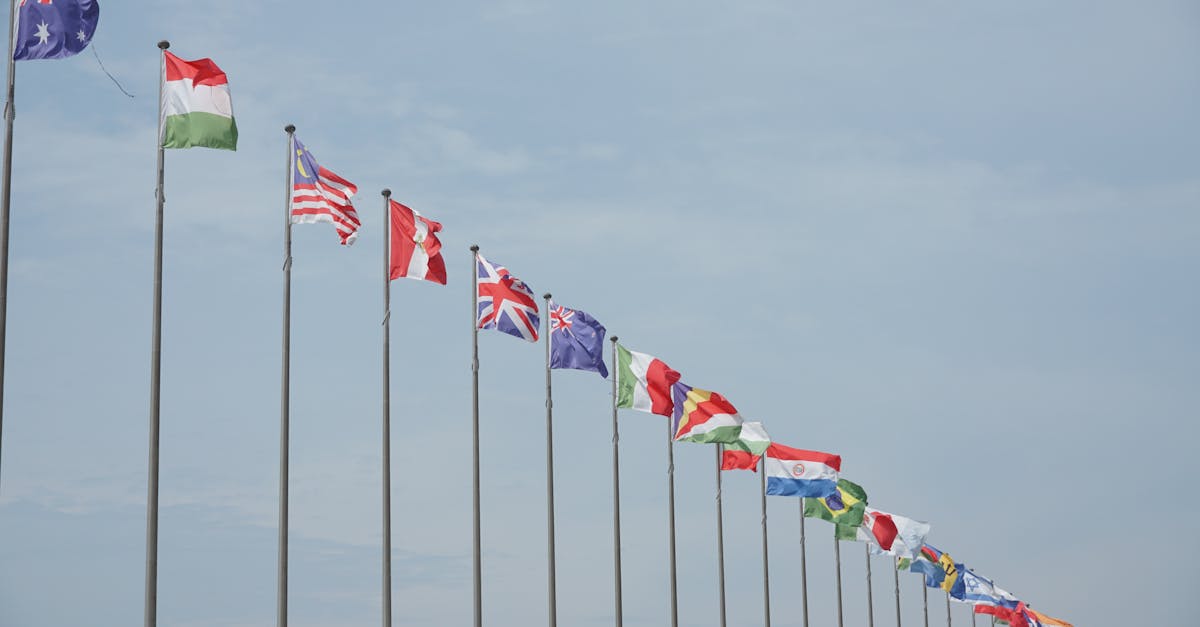
Former President Donald Trump has publicly expressed his dissatisfaction with key Pacific allies, including South Korea, Australia, and Japan, accusing them of not contributing sufficiently to American efforts in the ongoing conflict with Iran. These remarks underscore a persistent theme in Trump's foreign policy approach, which often emphasized a transactional view of alliances and a demand for greater burden-sharing from partner nations.
Allies' Diplomatic Stance vs. US Demands
Trump’s criticism comes amidst a complex geopolitical landscape where the United States has sought to build a broad international coalition to counter Iranian influence and its nuclear ambitions. However, CNN’s Hanako Montgomery highlights that many of these allies are adopting a more diplomatic and cautious approach, differing significantly from Washington’s often more confrontational stance. For countries like Japan and South Korea, deeply reliant on Middle Eastern oil supplies, stability in the region is paramount. A direct military entanglement could jeopardize their economic lifelines and regional security.
Australia, while a steadfast security partner of the U.S., also balances its alliance commitments with its own strategic interests in the Indo-Pacific. While they may participate in some multilateral efforts, a full-scale commitment to a potentially wider conflict with Iran presents a different calculus. These nations often prefer to support stability operations, humanitarian efforts, or intelligence sharing rather than direct military confrontation unless their immediate interests are severely threatened.
The divergence in strategy reveals a fundamental tension within alliances. While the U.S. often expects its partners to align with its foreign policy priorities, allies also possess their sovereign interests, economic dependencies, and domestic political considerations. Japan, for instance, has a pacifist constitution, limiting its military's offensive capabilities, though it has increasingly expanded its self-defense forces and international contributions in recent years. South Korea, constantly vigilant against threats from its northern neighbor, must prioritize its own immediate security challenges on the peninsula.
These Pacific nations maintain crucial security alliances with the United States, which serve as cornerstones of regional stability. However, their diplomatic efforts, engagement in multilateral forums, and pursuit of de-escalation are often seen by them as equally, if not more, effective ways to address global challenges like the Iran situation. Their approach seeks to avoid further destabilization of a volatile region, understanding that military action can have unpredictable and far-reaching consequences.
The challenge for American diplomacy lies in reconciling its expectations with the strategic realities and independent foreign policy objectives of its allies. The calls for greater contributions from the U.S. side will likely continue to prompt these nations to carefully calibrate their responses, aiming to maintain robust alliances while safeguarding their own national interests and promoting peaceful resolutions where possible. This delicate balancing act remains a defining feature of international relations in the face of complex global flashpoints.
पूर्व राष्ट्रपति डोनाल्ड ट्रम्प ने दक्षिण कोरिया, ऑस्ट्रेलिया और जापान सहित प्रमुख प्रशांत सहयोगियों के प्रति अपनी असंतोष व्यक्त की है। उन्होंने इन देशों पर ईरान के साथ चल रहे संघर्ष में अमेरिकी प्रयासों में पर्याप्त योगदान नहीं देने का आरोप लगाया है। ये टिप्पणियां ट्रम्प के विदेश नीति दृष्टिकोण में एक लगातार विषय को रेखांकित करती हैं, जिसमें अक्सर गठबंधनों का एक लेन-देन संबंधी दृष्टिकोण और भागीदार राष्ट्रों से अधिक बोझ साझा करने की मांग पर जोर दिया जाता था।
सहयोगियों का राजनयिक रुख बनाम अमेरिकी मांगें
ट्रम्प की आलोचना ऐसे समय में आई है जब अमेरिका ने ईरानी प्रभाव और उसके परमाणु महत्वाकांक्षाओं का मुकाबला करने के लिए एक व्यापक अंतरराष्ट्रीय गठबंधन बनाने की मांग की है। हालांकि, सीएनएन की हनाको मोंटगोमरी बताती हैं कि इनमें से कई सहयोगी अधिक राजनयिक और सतर्क दृष्टिकोण अपना रहे हैं, जो वाशिंगटन के अक्सर अधिक टकराव वाले रुख से काफी भिन्न है। जापान और दक्षिण कोरिया जैसे देशों के लिए, जो मध्य पूर्वी तेल आपूर्ति पर अत्यधिक निर्भर हैं, इस क्षेत्र में स्थिरता सर्वोपरि है। एक सीधा सैन्य हस्तक्षेप उनकी आर्थिक जीवनरेखाओं और क्षेत्रीय सुरक्षा को खतरे में डाल सकता है।
ऑस्ट्रेलिया, हालांकि अमेरिका का एक दृढ़ सुरक्षा भागीदार है, अपने गठबंधन प्रतिबद्धताओं को इंडो-पैसिफिक में अपने स्वयं के रणनीतिक हितों के साथ संतुलित करता है। जबकि वे कुछ बहुपक्षीय प्रयासों में भाग ले सकते हैं, ईरान के साथ संभावित व्यापक संघर्ष के लिए पूर्ण पैमाने पर प्रतिबद्धता एक अलग गणना प्रस्तुत करती है। ये राष्ट्र अक्सर सीधे सैन्य टकराव के बजाय स्थिरता संचालन, मानवीय प्रयासों, या खुफिया जानकारी साझा करने का समर्थन करना पसंद करते हैं, जब तक कि उनके तत्काल हित गंभीर रूप से खतरे में न हों।
रणनीति में यह अंतर गठबंधनों के भीतर एक मौलिक तनाव को प्रकट करता है। जबकि अमेरिका अक्सर अपने भागीदारों से अपनी विदेश नीति प्राथमिकताओं के साथ संरेखित होने की उम्मीद करता है, सहयोगियों के पास अपने संप्रभु हित, आर्थिक निर्भरता और घरेलू राजनीतिक विचार भी होते हैं। उदाहरण के लिए, जापान का एक शांतिवादी संविधान है, जो उसकी सेना की आक्रामक क्षमताओं को सीमित करता है, हालांकि इसने हाल के वर्षों में अपनी आत्मरक्षा बलों और अंतरराष्ट्रीय योगदानों का तेजी से विस्तार किया है। दक्षिण कोरिया, अपने उत्तरी पड़ोसी से खतरों के खिलाफ लगातार सतर्क रहता है, उसे प्रायद्वीप पर अपनी तत्काल सुरक्षा चुनौतियों को प्राथमिकता देनी चाहिए।
ये प्रशांत राष्ट्र संयुक्त राज्य अमेरिका के साथ महत्वपूर्ण सुरक्षा गठबंधन बनाए रखते हैं, जो क्षेत्रीय स्थिरता की आधारशिला के रूप में कार्य करते हैं। हालांकि, उनके राजनयिक प्रयास, बहुपक्षीय मंचों में भागीदारी, और तनाव कम करने की उनकी खोज को वे अक्सर ईरान जैसी वैश्विक चुनौतियों का समाधान करने के अधिक, यदि नहीं, तो समान रूप से प्रभावी तरीके मानते हैं। उनका दृष्टिकोण एक अस्थिर क्षेत्र को और अधिक अस्थिर होने से रोकने की कोशिश करता है, यह समझते हुए कि सैन्य कार्रवाई के अप्रत्याशित और दूरगामी परिणाम हो सकते हैं।
अमेरिकी कूटनीति के लिए चुनौती अपने सहयोगियों की रणनीतिक वास्तविकताओं और स्वतंत्र विदेश नीति उद्देश्यों के साथ अपनी अपेक्षाओं को समेटना है। अमेरिका की ओर से अधिक योगदान के लिए आह्वान से इन राष्ट्रों को अपनी प्रतिक्रियाओं को सावधानीपूर्वक कैलिब्रेट करने के लिए प्रेरित किया जाएगा, जिसका लक्ष्य मजबूत गठबंधन बनाए रखना है, जबकि अपने स्वयं के राष्ट्रीय हितों की रक्षा करना और जहां संभव हो, शांतिपूर्ण समाधान को बढ़ावा देना है। यह नाजुक संतुलन कार्य जटिल वैश्विक फ्लैशपॉइंट्स के सामने अंतरराष्ट्रीय संबंधों की एक परिभाषित विशेषता बनी हुई है।
