Breaking News
ताज़ा खबर
International Talks on Iran War Face Uncertainty Amidst Trump's Demands for Allied Action
ईरान युद्ध पर अंतरराष्ट्रीय वार्ताएं अनिश्चितता में: ट्रंप की सहयोगी देशों से सक्रिय भूमिका की मांग
By AI News Desk
🕐 04 April 2026, 07:35 AM
🕐 04 April 2026, 07:35
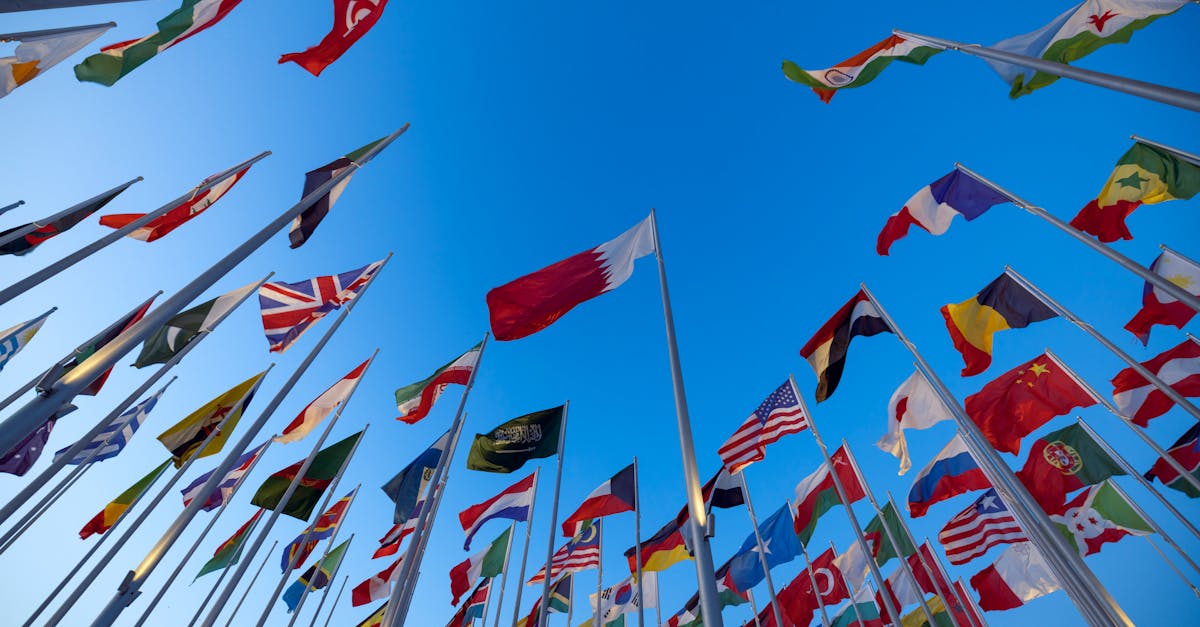
In a critical period for global diplomacy, dozens of countries have convened for high-stakes talks aimed at addressing the complex and escalating tensions surrounding Iran. These international discussions arrive at a pivotal moment, with the world watching to see if a unified front can be forged to de-escalate the volatile situation in the Middle East. However, a significant cloud of uncertainty hangs over these proceedings: whether the outcomes will be sufficient to satisfy the specific and often stringent demands of former President Donald Trump, who consistently urged other nations to take a more active and direct role in confronting what he termed the 'Iran war'.
Trump's 'Maximum Pressure' and Allied Discontent
Throughout his presidency, Trump pursued a policy of 'maximum pressure' against Iran, withdrawing the United States from the landmark 2015 Iran nuclear deal (Joint Comprehensive Plan of Action, JCPOA) and re-imposing crippling sanctions. His administration frequently criticized European allies and other global partners for what it perceived as insufficient action against Iran’s ballistic missile program, regional proxy activities, and alleged support for terrorism. Trump’s calls for greater allied involvement were not just about military engagement but also about a more robust economic and diplomatic isolation of Tehran.
These talks, therefore, represent a delicate balancing act. On one hand, there is a clear international desire to prevent further escalation and to find a diplomatic pathway forward. Many nations, particularly European powers, have consistently advocated for continued dialogue and adherence to the JCPOA, even in the face of US withdrawal. On the other hand, the legacy of Trump’s demands — which emphasized burden-sharing and a more aggressive posture — presents a challenge for achieving a consensus that satisfies all parties, especially the US perspective at the time.
The Stakes of Global Cooperation
The core question remains: Can these multinational talks bridge the gap between divergent strategic approaches to Iran? Will the collective efforts of dozens of nations be perceived as substantial enough to meet the call for 'more active participation' that Trump articulated? The discussions likely involve strategies for maintaining regional stability, addressing Iran’s nuclear ambitions, and mitigating proxy conflicts. However, success will be measured not only by the agreements reached but also by their reception from key global players, particularly the United States.
Failure to find common ground or to produce outcomes that align with the demands of influential nations could have far-reaching consequences. It could further strain international alliances, undermine diplomatic efforts, and potentially exacerbate regional instability, increasing the risk of a wider conflict. The diplomatic efforts currently underway underscore the intricate nature of global governance and the enduring challenge of forging a unified international response to complex geopolitical crises, especially when faced with differing national interests and policy philosophies.
वैश्विक कूटनीति के एक महत्वपूर्ण दौर में, दर्जनों देशों ने ईरान के आसपास के जटिल और बढ़ते तनावों को संबोधित करने के उद्देश्य से उच्च-स्तरीय वार्ता के लिए बैठक की है। ये अंतरराष्ट्रीय चर्चाएँ एक निर्णायक मोड़ पर आई हैं, और दुनिया यह देखने के लिए उत्सुक है कि क्या मध्य पूर्व में अस्थिर स्थिति को कम करने के लिए एक एकीकृत मोर्चा बनाया जा सकता है। हालाँकि, इन कार्यवाही पर अनिश्चितता का एक बड़ा बादल मंडरा रहा है: क्या परिणाम पूर्व राष्ट्रपति डोनाल्ड ट्रंप की विशिष्ट और अक्सर कड़ी मांगों को पूरा करने के लिए पर्याप्त होंगे, जिन्होंने लगातार अन्य देशों से 'ईरान युद्ध' कहे जाने वाले संघर्ष में अधिक सक्रिय और प्रत्यक्ष भूमिका निभाने का आग्रह किया था।
ट्रंप का 'अधिकतम दबाव' और सहयोगी देशों की असंतुष्टि
अपने पूरे राष्ट्रपति काल में, ट्रंप ने ईरान के खिलाफ 'अधिकतम दबाव' की नीति अपनाई, 2015 के ऐतिहासिक ईरान परमाणु समझौते (संयुक्त व्यापक कार्य योजना, JCPOA) से संयुक्त राज्य अमेरिका को वापस ले लिया और विनाशकारी प्रतिबंधों को फिर से लागू किया। उनके प्रशासन ने यूरोपीय सहयोगियों और अन्य वैश्विक भागीदारों की लगातार आलोचना की, क्योंकि उन्हें ईरान के बैलिस्टिक मिसाइल कार्यक्रम, क्षेत्रीय प्रॉक्सी गतिविधियों और आतंकवाद के कथित समर्थन के खिलाफ अपर्याप्त कार्रवाई के रूप में देखा गया। ट्रंप की अधिक सहयोगी भागीदारी की मांगें केवल सैन्य जुड़ाव के बारे में नहीं थीं, बल्कि तेहरान को अधिक मजबूत आर्थिक और राजनयिक अलगाव के बारे में भी थीं।
इसलिए, ये वार्ताएँ एक नाजुक संतुलन का प्रतिनिधित्व करती हैं। एक ओर, आगे बढ़ने से रोकने और एक राजनयिक मार्ग खोजने की स्पष्ट अंतरराष्ट्रीय इच्छा है। कई राष्ट्रों, विशेष रूप से यूरोपीय शक्तियों ने, अमेरिकी वापसी के बावजूद, निरंतर संवाद और JCPOA के पालन की वकालत की है। दूसरी ओर, ट्रंप की मांगों की विरासत - जिसने बोझ-साझाकरण और अधिक आक्रामक रुख पर जोर दिया - सभी पक्षों, विशेष रूप से उस समय के अमेरिकी परिप्रेक्ष्य को संतुष्ट करने वाली सहमति प्राप्त करने के लिए एक चुनौती प्रस्तुत करती है।
वैश्विक सहयोग के दांव
मूल प्रश्न बना हुआ है: क्या ये बहुराष्ट्रीय वार्ताएँ ईरान के प्रति भिन्न रणनीतिक दृष्टिकोणों के बीच की खाई को पाट सकती हैं? क्या दर्जनों राष्ट्रों के सामूहिक प्रयासों को ट्रंप द्वारा व्यक्त 'अधिक सक्रिय भागीदारी' की मांग को पूरा करने के लिए पर्याप्त माना जाएगा? चर्चाओं में क्षेत्रीय स्थिरता बनाए रखने, ईरान की परमाणु महत्वाकांक्षाओं को संबोधित करने और प्रॉक्सी संघर्षों को कम करने की रणनीतियाँ शामिल होने की संभावना है। हालाँकि, सफलता को केवल किए गए समझौतों से ही नहीं, बल्कि प्रमुख वैश्विक खिलाड़ियों, विशेष रूप से संयुक्त राज्य अमेरिका से उनकी प्रतिक्रिया से भी मापा जाएगा।
सामान्य आधार खोजने में विफलता या प्रभावशाली राष्ट्रों की मांगों के अनुरूप परिणाम उत्पन्न करने में विफलता के दूरगामी परिणाम हो सकते हैं। यह अंतरराष्ट्रीय गठबंधनों को और तनावग्रस्त कर सकता है, राजनयिक प्रयासों को कमजोर कर सकता है, और संभावित रूप से क्षेत्रीय अस्थिरता को बढ़ा सकता है, जिससे व्यापक संघर्ष का जोखिम बढ़ सकता है। वर्तमान में चल रहे राजनयिक प्रयास वैश्विक शासन की जटिल प्रकृति और जटिल भू-राजनीतिक संकटों के लिए एक एकीकृत अंतरराष्ट्रीय प्रतिक्रिया बनाने की स्थायी चुनौती को रेखांकित करते हैं, खासकर जब विभिन्न राष्ट्रीय हितों और नीतिगत दर्शन का सामना करना पड़ता है।
