Breaking News
ताज़ा खबर
ताजी बातमी
সর্বশেষ সংবাদ
சமீபத்திய செய்தி
తాజా వార్త
તાજા સમાચાર
ਤਾਜ਼ਾ ਖ਼ਬਰ
Ukraine Drones Strike Russian Fuel Tankers & Crimea Terminal
यूक्रेनी ड्रोनों ने रूसी ईंधन ठिकानों और क्रीमिया टर्मिनल को निशाना बनाया
युक्रेनच्या ड्रोन हल्ल्यांनी रशियन इंधन आणि क्राइमिया टर्मिनल लक्ष्य केले
ইউক্রেনীয় ড্রোন রুশ জ্বালানি ট্যাঙ্কার এবং ক্রিমিয়া টার্মিনালে হামলা চালিয়েছে
உக்ரைன் ட்ரோன்கள் ரஷ்ய எரிபொருள் கப்பல்கள் மற்றும் கிரிமியா முனையத்தைத் தாக்கி, எரிசக்திப் போரை அதிகரிக்கின்றன
ఉక్రెయిన్ డ్రోన్లు రష్యన్ ఇంధన ట్యాంకర్లు & క్రిమియా టెర్మినల్పై దాడి, శక్తి యుద్ధాన్ని పెంచుతున్నాయి
યુક્રેન ડ્રોન્સે રશિયન ઇંધણ ટેન્કરો અને ક્રિમિયા ટર્મિનલ પર હુમલો કર્યો
ਯੂਕਰੇਨ ਦੇ ਡਰੋਨਾਂ ਨੇ ਰੂਸੀ ਬਾਲਣ ਟੈਂਕਰਾਂ ਅਤੇ ਕ੍ਰੀਮੀਆ ਟਰਮੀਨਲ ਨੂੰ ਮਾਰਿਆ
By AI News Desk
🕐 07 July 2026, 04:43 PM
🌍 World
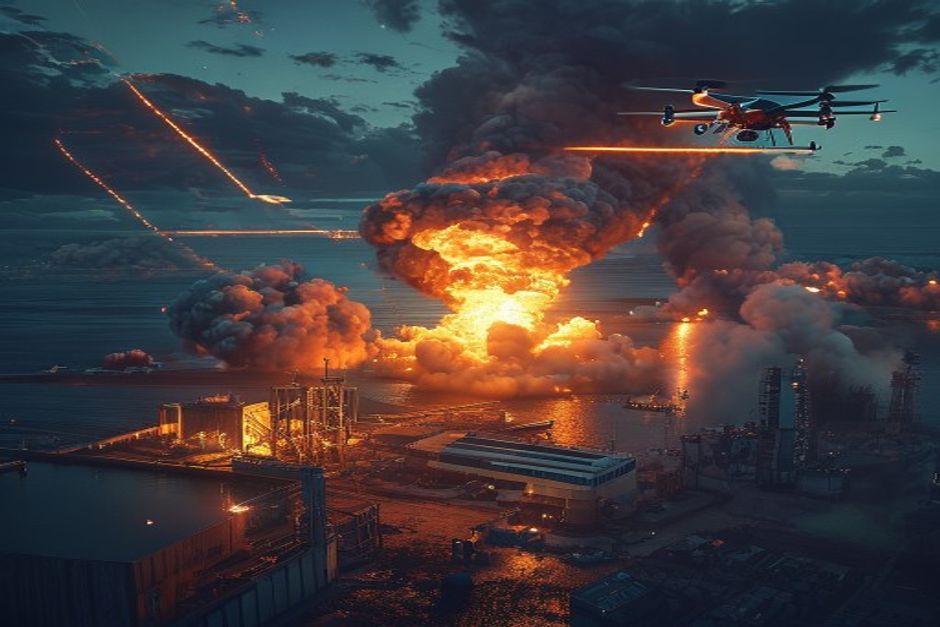
In a significant escalation of its ongoing campaign against Russian energy infrastructure, Ukrainian drones have successfully targeted fuel tankers in the Sea of Azov and a crucial fuel terminal in occupied Crimea. These latest strikes underscore Ukraine's persistent strategy to disrupt Moscow's logistical and financial capabilities, which are vital for sustaining its full-scale invasion.
The attacks, reported in the early hours, inflicted considerable damage, raising concerns about Russia's ability to maintain its fuel supply lines, particularly those supporting military operations in southern Ukraine. The Sea of Azov, a strategic waterway, has been pivotal for transporting goods, including fuel, to Russian-occupied territories. Disrupting this maritime route adds immense pressure on Russia's war economy and military logistics.
Strategic Targets, Significant Impact
Targeting fuel tankers at sea presents a complex challenge, requiring advanced drone technology and precise intelligence. The successful execution of these operations highlights Ukraine's evolving drone warfare capabilities, moving beyond land-based targets to maritime assets. Simultaneously, the strike on the fuel terminal in Crimea, a peninsula annexed by Russia in 2014, demonstrates Ukraine's continued resolve to challenge Russian control over the territory and its critical infrastructure.
Ukrainian military officials have refrained from directly claiming responsibility for specific attacks but have consistently hinted at the nation's right to target assets supporting Russia's aggression. These actions are part of a broader strategy to degrade Russia's military-industrial complex and impose a heavy cost on its continued occupation.
The ramifications of these strikes extend beyond immediate fuel shortages. They signal a potential increase in insurance costs for vessels operating in Russian waters, complicating Moscow's efforts to export oil and gas and import essential goods. Furthermore, these attacks are likely to intensify Russia's air defense efforts around its energy facilities, potentially diverting resources from other areas of the conflict. As the conflict grinds on, Ukraine's audacious use of drone technology continues to reshape the battlefield, keeping Russia under constant threat and forcing it to adapt to new asymmetric challenges.
यूक्रेन ने रूसी ऊर्जा अवसंरचना के खिलाफ अपने अभियान में महत्वपूर्ण वृद्धि करते हुए, अज़ोव सागर में ईंधन टैंकरों और कब्जे वाले क्रीमिया में एक महत्वपूर्ण ईंधन टर्मिनल को सफलतापूर्वक निशाना बनाया है। ये नवीनतम हमले मास्को की रसद और वित्तीय क्षमताओं को बाधित करने की यूक्रेन की दृढ़ रणनीति को रेखांकित करते हैं, जो उसके पूर्ण पैमाने पर आक्रमण को बनाए रखने के लिए महत्वपूर्ण हैं।
सुबह के शुरुआती घंटों में हुए इन हमलों से काफी नुकसान हुआ, जिससे दक्षिणी यूक्रेन में सैन्य अभियानों का समर्थन करने वाली रूसी ईंधन आपूर्ति लाइनों को बनाए रखने की रूस की क्षमता के बारे में चिंताएं बढ़ गईं। अज़ोव सागर, एक रणनीतिक जलमार्ग, रूसी-कब्जे वाले क्षेत्रों में ईंधन सहित माल के परिवहन के लिए महत्वपूर्ण रहा है। इस समुद्री मार्ग को बाधित करने से रूस की युद्ध अर्थव्यवस्था और सैन्य रसद पर भारी दबाव पड़ता है।
रणनीतिक लक्ष्य, महत्वपूर्ण प्रभाव
समुद्र में ईंधन टैंकरों को निशाना बनाना एक जटिल चुनौती प्रस्तुत करता है, जिसके लिए उन्नत ड्रोन प्रौद्योगिकी और सटीक खुफिया जानकारी की आवश्यकता होती है। इन अभियानों का सफल निष्पादन यूक्रेन की विकसित होती ड्रोन युद्ध क्षमताओं को उजागर करता है, जो भूमि-आधारित लक्ष्यों से समुद्री संपत्तियों की ओर बढ़ रहा है। साथ ही, 2014 में रूस द्वारा अधिग्रहित एक प्रायद्वीप, क्रीमिया में ईंधन टर्मिनल पर हमला, रूसी नियंत्रण को चुनौती देने और इसकी महत्वपूर्ण अवसंरचना पर यूक्रेन के निरंतर संकल्प को दर्शाता है।
यूक्रेनी सैन्य अधिकारियों ने विशिष्ट हमलों की सीधे जिम्मेदारी लेने से परहेज किया है, लेकिन रूस की आक्रामकता का समर्थन करने वाली संपत्तियों को निशाना बनाने के राष्ट्र के अधिकार का लगातार संकेत दिया है। ये कार्रवाइयां रूस के सैन्य-औद्योगिक परिसर को कमजोर करने और उसके निरंतर कब्जे पर भारी लागत लगाने की व्यापक रणनीति का हिस्सा हैं।
इन हमलों के परिणाम तत्काल ईंधन की कमी से कहीं अधिक हैं। वे रूसी जल में संचालित जहाजों के लिए बीमा लागत में संभावित वृद्धि का संकेत देते हैं, जिससे मास्को के तेल और गैस का निर्यात करने और आवश्यक वस्तुओं का आयात करने के प्रयासों में जटिलता आती है। इसके अलावा, इन हमलों से रूस की ऊर्जा सुविधाओं के आसपास उसकी हवाई रक्षा प्रयासों में तेजी आने की संभावना है, जिससे संघर्ष के अन्य क्षेत्रों से संसाधन संभावित रूप से हटाए जा सकते हैं। जैसे-जैसे संघर्ष जारी है, ड्रोन प्रौद्योगिकी का यूक्रेन का साहसिक उपयोग युद्धक्षेत्र को नया रूप देना जारी रखता है, रूस को लगातार खतरे में रखता है और उसे नई विषम चुनौतियों के अनुकूल होने के लिए मजबूर करता है।
युक्रेनने रशियन ऊर्जा पायाभूत सुविधांविरुद्धच्या आपल्या मोहिमेत लक्षणीय वाढ केली आहे. युक्रेनियन ड्रोनने अझोव्ह समुद्रातील इंधन टँकर आणि व्यापलेल्या क्राइमियातील एका महत्त्वाच्या इंधन टर्मिनलला यशस्वीरित्या लक्ष्य केले आहे. हे नवीनतम हल्ले युक्रेनच्या मॉस्कोच्या लॉजिस्टिक आणि आर्थिक क्षमतांना बाधित करण्याच्या सततच्या धोरणावर जोर देतात, जे रशियाच्या पूर्ण-स्तरीय आक्रमणास कायम ठेवण्यासाठी महत्त्वपूर्ण आहेत.
पहाटेच्या सुमारास झालेल्या या हल्ल्यांमुळे मोठे नुकसान झाले, ज्यामुळे रशियाच्या इंधन पुरवठा साखळी टिकवून ठेवण्याच्या क्षमतेबद्दल चिंता वाढली आहे, विशेषतः दक्षिणी युक्रेनमधील लष्करी कारवाईला पाठिंबा देणाऱ्या पुरवठा साखळ्या. अझोव्ह समुद्र, एक सामरिक जलमार्ग, रशियाच्या ताब्यात असलेल्या प्रदेशात इंधनासह वस्तूंच्या वाहतुकीसाठी महत्त्वाचा राहिला आहे. या सागरी मार्गात अडथळा निर्माण केल्याने रशियाच्या युद्ध अर्थव्यवस्थेवर आणि लष्करी लॉजिस्टिक्सवर प्रचंड दबाव येतो.
सामरिक लक्ष्ये, महत्त्वपूर्ण परिणाम
समुद्रातील इंधन टँकरला लक्ष्य करणे हे एक जटिल आव्हान आहे, ज्यासाठी प्रगत ड्रोन तंत्रज्ञान आणि अचूक बुद्धिमत्तेची आवश्यकता असते. या ऑपरेशन्सच्या यशस्वी अंमलबजावणीमुळे युक्रेनच्या विकसित होत असलेल्या ड्रोन युद्धक्षमतेवर प्रकाश पडतो, जे जमिनीवरील लक्ष्यांच्या पलीकडे जाऊन सागरी मालमत्तेकडे वळले आहे. त्याच वेळी, 2014 मध्ये रशियाने ताब्यात घेतलेल्या क्राइमियातील इंधन टर्मिनलवरील हल्ल्याने, प्रदेशावरील रशियन नियंत्रण आणि त्याच्या गंभीर पायाभूत सुविधांना आव्हान देण्याचा युक्रेनचा सततचा निर्धार दर्शविला आहे.
युक्रेनियन लष्करी अधिकाऱ्यांनी विशिष्ट हल्ल्यांची थेट जबाबदारी घेण्यापासून परावृत्त केले आहे, परंतु रशियाच्या आक्रमणाला पाठिंबा देणाऱ्या मालमत्तांना लक्ष्य करण्याचा राष्ट्राच्या हक्काचे सातत्याने संकेत दिले आहेत. या कृती रशियाच्या लष्करी-औद्योगिक संकुलाला कमी करण्यासाठी आणि त्याच्या सततच्या ताब्यावर मोठी किंमत लादण्यासाठी एका व्यापक धोरणाचा भाग आहेत.
या हल्ल्यांचे परिणाम केवळ तात्काळ इंधनाच्या कमतरतेपलीकडे जातात. ते रशियन पाण्यात कार्यरत असलेल्या जहाजांसाठी विमा खर्चात संभाव्य वाढीचा संकेत देतात, ज्यामुळे मॉस्कोच्या तेल आणि वायू निर्यात करण्याच्या आणि आवश्यक वस्तू आयात करण्याच्या प्रयत्नांना गुंतागुंत येते. याव्यतिरिक्त, हे हल्ले रशियाच्या ऊर्जा सुविधांभोवती त्याच्या हवाई संरक्षण प्रयत्नांना तीव्र करण्याची शक्यता आहे, ज्यामुळे संघर्षाच्या इतर भागातून संसाधने वळवली जाऊ शकतात. संघर्ष जसजसा पुढे सरकत आहे, तसतसे युक्रेनचा ड्रोन तंत्रज्ञानाचा धाडसी वापर युद्धभूमीला नवसंजीवनी देत आहे, रशियाला सतत धोक्यात ठेवत आहे आणि त्याला नवीन विषम आव्हानांशी जुळवून घेण्यास भाग पाडत आहे.
রাশিয়ার জ্বালানি পরিকাঠামোর বিরুদ্ধে তার চলমান অভিযানে একটি উল্লেখযোগ্য বৃদ্ধি ঘটিয়ে, ইউক্রেনীয় ড্রোনগুলো আজোভ সাগরে জ্বালানি ট্যাঙ্কার এবং দখলকৃত ক্রিমিয়ার একটি গুরুত্বপূর্ণ জ্বালানি টার্মিনালকে সফলভাবে লক্ষ্য করেছে। এই সাম্প্রতিক হামলাগুলো মস্কোর লজিস্টিক্যাল এবং আর্থিক ক্ষমতাকে ব্যাহত করার ইউক্রেনের অবিরাম কৌশলকে তুলে ধরে, যা তার পূর্ণ মাত্রার আক্রমণ বজায় রাখার জন্য অত্যাবশ্যক।
ভোরের দিকে সংঘটিত এই হামলাগুলো ব্যাপক ক্ষতিসাধন করেছে, যার ফলে রাশিয়ার জ্বালানি সরবরাহ লাইন, বিশেষত দক্ষিণ ইউক্রেনের সামরিক অভিযানকে সমর্থনকারী লাইনগুলো বজায় রাখার ক্ষমতা নিয়ে উদ্বেগ বাড়ছে। আজোভ সাগর, একটি কৌশলগত জলপথ, রাশিয়ান-অধিকৃত অঞ্চলগুলিতে জ্বালানিসহ পণ্য পরিবহনের জন্য গুরুত্বপূর্ণ ভূমিকা পালন করেছে। এই সামুদ্রিক পথ ব্যাহত করা রাশিয়ার যুদ্ধ অর্থনীতি এবং সামরিক লজিস্টিক্সের উপর enorme চাপ সৃষ্টি করে।
কৌশলগত লক্ষ্য, উল্লেখযোগ্য প্রভাব
সমুদ্রে জ্বালানি ট্যাঙ্কারকে লক্ষ্য করা একটি জটিল চ্যালেঞ্জ উপস্থাপন করে, যার জন্য উন্নত ড্রোন প্রযুক্তি এবং সুনির্দিষ্ট গোয়েন্দা তথ্যের প্রয়োজন হয়। এই অভিযানগুলোর সফল বাস্তবায়ন ইউক্রেনের বিকশিত ড্রোন যুদ্ধ ক্ষমতাকে তুলে ধরে, যা স্থল-ভিত্তিক লক্ষ্যমাত্রা ছাড়িয়ে সামুদ্রিক সম্পদকে লক্ষ্য করছে। একই সময়ে, ২০১৪ সালে রাশিয়া কর্তৃক দখলকৃত একটি উপদ্বীপ ক্রিমিয়ার জ্বালানি টার্মিনালে হামলা, এই অঞ্চলের উপর রাশিয়ার নিয়ন্ত্রণ এবং তার গুরুত্বপূর্ণ পরিকাঠামোকে চ্যালেঞ্জ করার ইউক্রেনের ধারাবাহিক সংকল্প প্রদর্শন করে।
ইউক্রেনীয় সামরিক কর্মকর্তারা নির্দিষ্ট হামলার সরাসরি দায় স্বীকার করা থেকে বিরত থেকেছেন, তবে রাশিয়ার আগ্রাসনকে সমর্থনকারী সম্পদকে লক্ষ্য করার জাতির অধিকারের ইঙ্গিত দিয়েছেন। এই পদক্ষেপগুলো রাশিয়ার সামরিক-শিল্প কমপ্লেক্সকে দুর্বল করা এবং তার অব্যাহত দখলদারিত্বের উপর একটি ভারী ব্যয় চাপানোর একটি বৃহত্তর কৌশলের অংশ।
এই হামলার প্রভাব তাৎক্ষণিক জ্বালানি ঘাটতির বাইরেও প্রসারিত। তারা রাশিয়ার জলসীমায় পরিচালিত জাহাজগুলির জন্য বীমা খরচ বৃদ্ধির সম্ভাবনা নির্দেশ করে, যা তেল ও গ্যাস রপ্তানি এবং প্রয়োজনীয় পণ্য আমদানি করার মস্কোর প্রচেষ্টাকে জটিল করে তোলে। উপরন্তু, এই হামলাগুলো রাশিয়ার জ্বালানি সুবিধার চারপাশে তার বিমান প্রতিরক্ষা প্রচেষ্টাকে তীব্র করতে পারে, সম্ভবত সংঘাতের অন্যান্য ক্ষেত্র থেকে সম্পদ সরিয়ে নিতে পারে। যুদ্ধ চলতে থাকলে, ইউক্রেনের ড্রোন প্রযুক্তির সাহসী ব্যবহার যুদ্ধক্ষেত্রকে নতুন আকার দিতে থাকবে, রাশিয়াকে ক্রমাগত হুমকির মুখে রাখবে এবং তাকে নতুন অসম চ্যালেঞ্জের সাথে খাপ খাইয়ে নিতে বাধ্য করবে।
ரஷ்ய எரிசக்தி உள்கட்டமைப்புக்கு எதிரான தனது தொடர்ச்சியான பிரச்சாரத்தில் ஒரு குறிப்பிடத்தக்க அதிகரிப்பாக, உக்ரேனிய ட்ரோன்கள் அசோவ் கடலில் உள்ள எரிபொருள் கப்பல்கள் மற்றும் ஆக்கிரமிக்கப்பட்ட கிரிமியாவில் உள்ள ஒரு முக்கியமான எரிபொருள் முனையத்தை வெற்றிகரமாகத் தாக்கியுள்ளன. இந்த சமீபத்திய தாக்குதல்கள், ரஷ்யாவின் முழு அளவிலான ஆக்கிரமிப்பைத் தக்கவைக்க அவசியமான மாஸ்கோவின் தளவாட மற்றும் நிதி திறன்களை சீர்குலைப்பதற்கான உக்ரைனின் தொடர்ச்சியான உத்தியை அடிக்கோடிட்டுக் காட்டுகின்றன.
அதிகாலையில் அறிவிக்கப்பட்ட இந்த தாக்குதல்கள் கணிசமான சேதத்தை ஏற்படுத்தின, இதனால் ரஷ்யாவின் எரிபொருள் விநியோக வழித்தடங்களை, குறிப்பாக தெற்கு உக்ரைனில் இராணுவ நடவடிக்கைகளை ஆதரிக்கும் வழித்தடங்களை பராமரிக்கும் திறன் குறித்து கவலைகள் எழுந்தன. அசோவ் கடல், ஒரு மூலோபாய நீர்வழி, எரிபொருள் உட்பட பொருட்களை ரஷ்ய ஆக்கிரமிப்பு பகுதிகளுக்கு கொண்டு செல்வதில் முக்கிய பங்கு வகிக்கிறது. இந்த கடல் வழியை சீர்குலைப்பது ரஷ்யாவின் போர் பொருளாதாரம் மற்றும் இராணுவ தளவாடங்கள் மீது immense அழுத்தத்தை சேர்க்கிறது.
மூலோபாய இலக்குகள், குறிப்பிடத்தக்க தாக்கம்
கடலில் எரிபொருள் கப்பல்களை இலக்கு வைப்பது ஒரு சிக்கலான சவாலை முன்வைக்கிறது, இதற்கு மேம்பட்ட ட்ரோன் தொழில்நுட்பம் மற்றும் துல்லியமான நுண்ணறிவு தேவைப்படுகிறது. இந்த நடவடிக்கைகளின் வெற்றிகரமான செயல்படுத்தல் உக்ரைனின் வளர்ந்து வரும் ட்ரோன் போர் திறன்களை எடுத்துக்காட்டுகிறது, நில அடிப்படையிலான இலக்குகளிலிருந்து கடல்சார் சொத்துக்களுக்கு நகர்கிறது. அதே நேரத்தில், 2014 இல் ரஷ்யாவால் இணைக்கப்பட்ட ஒரு தீபகற்பமான கிரிமியாவில் உள்ள எரிபொருள் முனையத்தின் மீதான தாக்குதல், அந்தப் பகுதியின் மீதான ரஷ்ய கட்டுப்பாட்டையும் அதன் முக்கியமான உள்கட்டமைப்பையும் சவால் செய்வதற்கான உக்ரைனின் தொடர்ச்சியான உறுதியை நிரூபிக்கிறது.
உக்ரேனிய இராணுவ அதிகாரிகள் குறிப்பிட்ட தாக்குதல்களுக்கு நேரடியாக பொறுப்பேற்பதில் இருந்து விலகி இருந்தாலும், ரஷ்யாவின் ஆக்கிரமிப்பை ஆதரிக்கும் சொத்துக்களை இலக்கு வைக்கும் நாட்டின் உரிமையை தொடர்ந்து சுட்டிக்காட்டியுள்ளனர். இந்த நடவடிக்கைகள் ரஷ்யாவின் இராணுவ-தொழில்துறை வளாகத்தை சீர்குலைப்பதற்கும், அதன் தொடர்ச்சியான ஆக்கிரமிப்பிற்கு ஒரு பெரிய விலையை சுமத்துவதற்கும் ஒரு பரந்த உத்தியின் ஒரு பகுதியாகும்.
இந்தத் தாக்குதல்களின் விளைவுகள் உடனடி எரிபொருள் பற்றாக்குறைக்கு அப்பாற்பட்டவை. அவை ரஷ்ய நீரில் செயல்படும் கப்பல்களுக்கான காப்பீட்டு செலவுகளில் சாத்தியமான அதிகரிப்பை சுட்டிக்காட்டுகின்றன, இது எண்ணெய் மற்றும் எரிவாயுவை ஏற்றுமதி செய்வதற்கும் அத்தியாவசிய பொருட்களை இறக்குமதி செய்வதற்கும் மாஸ்கோவின் முயற்சிகளை சிக்கலாக்குகிறது. மேலும், இந்த தாக்குதல்கள் ரஷ்யாவின் எரிசக்தி வசதிகளைச் சுற்றியுள்ள அதன் விமான பாதுகாப்பு முயற்சிகளை தீவிரப்படுத்த வாய்ப்புள்ளது, இது மோதலின் மற்ற பகுதிகளில் இருந்து வளங்களை திசை திருப்பலாம். மோதல் தொடரும் நிலையில், ட்ரோன் தொழில்நுட்பத்தை உக்ரைன் துணிச்சலாகப் பயன்படுத்துவது போர்க்களத்தை மறுவடிவமைத்து வருகிறது, ரஷ்யாவை தொடர்ந்து அச்சுறுத்தலுக்கு உள்ளாக்குகிறது மற்றும் புதிய சமச்சீரற்ற சவால்களுக்கு ஏற்ப மாறும்படி கட்டாயப்படுத்துகிறது.
రష్యన్ ఇంధన మౌలిక సదుపాయాలపై ఉక్రెయిన్ తన నిరంతర ప్రచారంలో భాగంగా, అజోవ్ సముద్రంలో ఇంధన ట్యాంకర్లు మరియు ఆక్రమిత క్రిమియాలోని కీలక ఇంధన టెర్మినల్ను ఉక్రేనియన్ డ్రోన్లు విజయవంతంగా లక్ష్యంగా చేసుకున్నాయి. ఈ తాజా దాడులు మాస్కో యొక్క లాజిస్టికల్ మరియు ఆర్థిక సామర్థ్యాలను దెబ్బతీయడానికి ఉక్రెయిన్ యొక్క నిరంతర వ్యూహాన్ని నొక్కి చెబుతున్నాయి, ఇది దాని పూర్తి స్థాయి దండయాత్రను కొనసాగించడానికి అత్యవసరం.
తెల్లవారుజామున నివేదించబడిన ఈ దాడులు గణనీయమైన నష్టాన్ని కలిగించాయి, రష్యా తన ఇంధన సరఫరా మార్గాలను, ముఖ్యంగా దక్షిణ ఉక్రెయిన్లో సైనిక కార్యకలాపాలకు మద్దతు ఇచ్చే వాటిని నిర్వహించగల సామర్థ్యం గురించి ఆందోళనలను పెంచాయి. అజోవ్ సముద్రం, ఒక వ్యూహాత్మక జలమార్గం, రష్యా ఆక్రమిత ప్రాంతాలకు ఇంధనంతో సహా వస్తువులను రవాణా చేయడానికి కీలకమైనది. ఈ సముద్ర మార్గాన్ని అంతరాయం చేయడం రష్యా యొక్క యుద్ధ ఆర్థిక వ్యవస్థ మరియు సైనిక లాజిస్టిక్స్పై అపారమైన ఒత్తిడిని పెంచుతుంది.
వ్యూహాత్మక లక్ష్యాలు, గణనీయమైన ప్రభావం
సముద్రంలో ఇంధన ట్యాంకర్లను లక్ష్యంగా చేసుకోవడం ఒక సంక్లిష్టమైన సవాలును అందిస్తుంది, దీనికి అధునాతన డ్రోన్ సాంకేతికత మరియు ఖచ్చితమైన నిఘా అవసరం. ఈ కార్యకలాపాల విజయవంతమైన అమలు ఉక్రెయిన్ యొక్క అభివృద్ధి చెందుతున్న డ్రోన్ యుద్ధ సామర్థ్యాలను హైలైట్ చేస్తుంది, భూమి ఆధారిత లక్ష్యాల నుండి సముద్ర ఆస్తులకు మారుతుంది. అదే సమయంలో, 2014 లో రష్యా చేత ఆక్రమించబడిన ద్వీపకల్పమైన క్రిమియాలోని ఇంధన టెర్మినల్పై దాడి, భూభాగంపై రష్యన్ నియంత్రణ మరియు దాని కీలక మౌలిక సదుపాయాలను సవాలు చేయడానికి ఉక్రెయిన్ యొక్క నిరంతర సంకల్పాన్ని ప్రదర్శిస్తుంది.
ఉక్రేనియన్ సైనిక అధికారులు నిర్దిష్ట దాడులకు నేరుగా బాధ్యత వహించడం నుండి దూరంగా ఉన్నారు, అయితే రష్యా యొక్క దురాక్రమణకు మద్దతు ఇచ్చే ఆస్తులను లక్ష్యంగా చేసుకునే దేశం యొక్క హక్కును నిరంతరం సూచించారు. ఈ చర్యలు రష్యా యొక్క సైనిక-పారిశ్రామిక సముదాయాన్ని దెబ్బతీయడానికి మరియు దాని నిరంతర ఆక్రమణపై భారీ వ్యయాన్ని విధించడానికి ఒక విస్తృత వ్యూహంలో భాగం.
ఈ దాడుల పరిణామాలు తక్షణ ఇంధన కొరతకు మించి విస్తరించి ఉన్నాయి. అవి రష్యన్ జలాల్లో పనిచేసే నౌకలకు బీమా ఖర్చులు పెరిగే అవకాశం ఉందని సూచిస్తున్నాయి, ఇది చమురు మరియు గ్యాస్ ఎగుమతి చేయడానికి మరియు అవసరమైన వస్తువులను దిగుమతి చేసుకోవడానికి మాస్కో యొక్క ప్రయత్నాలను క్లిష్టతరం చేస్తుంది. అంతేకాకుండా, ఈ దాడులు రష్యా యొక్క శక్తి సౌకర్యాల చుట్టూ దాని వాయు రక్షణ ప్రయత్నాలను తీవ్రతరం చేసే అవకాశం ఉంది, ఇది సంఘర్షణలోని ఇతర ప్రాంతాల నుండి వనరులను మళ్లించవచ్చు. సంఘర్షణ కొనసాగుతున్నందున, డ్రోన్ సాంకేతికతను ఉక్రెయిన్ సాహసోపేతంగా ఉపయోగించడం యుద్ధభూమిని పునర్నిర్మించడం కొనసాగిస్తోంది, రష్యాను నిరంతరం ముప్పులో ఉంచుతుంది మరియు కొత్త అసమాన సవాళ్లకు అనుగుణంగా మారమని బలవంతం చేస్తుంది.
રશિયન ઉર્જા માળખાકીય સુવિધાઓ સામેની તેની સતત ઝુંબેશમાં નોંધપાત્ર વધારો કરીને, યુક્રેનિયન ડ્રોન દ્વારા એઝોવ સમુદ્રમાં ઇંધણ ટેન્કરો અને કબજા હેઠળના ક્રિમિયામાં એક મહત્વપૂર્ણ ઇંધણ ટર્મિનલને સફળતાપૂર્વક નિશાન બનાવવામાં આવ્યું છે. આ તાજેતરના હુમલાઓ યુક્રેનની મોસ્કોની લોજિસ્ટિકલ અને નાણાકીય ક્ષમતાઓને વિક્ષેપિત કરવાની સતત વ્યૂહરચનાને રેખાંકિત કરે છે, જે તેના સંપૂર્ણ પાયે આક્રમણને ટકાવી રાખવા માટે મહત્વપૂર્ણ છે.
વહેલી સવારે નોંધાયેલા આ હુમલાઓએ નોંધપાત્ર નુકસાન પહોંચાડ્યું, જેનાથી રશિયાની ઇંધણ પુરવઠા લાઇનો જાળવી રાખવાની ક્ષમતા અંગે ચિંતા વધી, ખાસ કરીને દક્ષિણ યુક્રેનમાં લશ્કરી કામગીરીને ટેકો આપતી લાઇનો. એઝોવ સમુદ્ર, એક વ્યૂહાત્મક જળમાર્ગ, રશિયન-કબજા હેઠળના પ્રદેશોમાં ઇંધણ સહિત માલસામાનના પરિવહન માટે મુખ્ય રહ્યો છે. આ દરિયાઈ માર્ગને વિક્ષેપિત કરવાથી રશિયાના યુદ્ધ અર્થતંત્ર અને લશ્કરી લોજિસ્ટિક્સ પર પ્રચંડ દબાણ આવે છે.
વ્યૂહાત્મક લક્ષ્યો, નોંધપાત્ર અસર
દરિયામાં ઇંધણ ટેન્કરોને નિશાન બનાવવું એક જટિલ પડકાર રજૂ કરે છે, જેના માટે અદ્યતન ડ્રોન ટેકનોલોજી અને ચોક્કસ ગુપ્ત માહિતીની જરૂર પડે છે. આ ઓપરેશન્સના સફળ અમલીકરણ યુક્રેનની વિકસતી ડ્રોન યુદ્ધ ક્ષમતાઓને હાઇલાઇટ કરે છે, જે જમીન-આધારિત લક્ષ્યોથી દરિયાઈ સંપત્તિઓ તરફ આગળ વધી રહી છે. તે જ સમયે, 2014 માં રશિયા દ્વારા anexed કરાયેલ એક દ્વીપકલ્પ, ક્રિમિયામાં ઇંધણ ટર્મિનલ પરનો હુમલો, પ્રદેશ પર રશિયન નિયંત્રણ અને તેની મહત્વપૂર્ણ માળખાકીય સુવિધાઓને પડકારવા માટે યુક્રેનના સતત સંકલ્પને દર્શાવે છે.
યુક્રેનિયન લશ્કરી અધિકારીઓએ ચોક્કસ હુમલાઓની સીધી જવાબદારી લેવાથી દૂર રહ્યા છે પરંતુ રશિયાની આક્રમકતાને સમર્થન આપતી સંપત્તિઓને નિશાન બનાવવાની રાષ્ટ્રના અધિકારનો સતત સંકેત આપ્યો છે. આ ક્રિયાઓ રશિયાના લશ્કરી-ઔદ્યોગિક સંકુલને નબળું પાડવા અને તેના સતત કબજા પર ભારે ખર્ચ લાદવા માટે એક વ્યાપક વ્યૂહરચનાનો ભાગ છે.
આ હુમલાઓના પરિણામો તાત્કાલિક ઇંધણની અછતથી આગળ વધે છે. તેઓ રશિયન જળમાં કાર્યરત જહાજો માટે વીમા ખર્ચમાં સંભવિત વધારો સૂચવે છે, જે તેલ અને ગેસની નિકાસ કરવા અને આવશ્યક ચીજવસ્તુઓની આયાત કરવાના મોસ્કોના પ્રયાસોને જટિલ બનાવે છે. વધુમાં, આ હુમલાઓ રશિયાની ઉર્જા સુવિધાઓની આસપાસ તેના હવાઈ સંરક્ષણ પ્રયાસોને તેજ બનાવે તેવી શક્યતા છે, સંઘર્ષના અન્ય ક્ષેત્રોમાંથી સંસાધનોને સંભવિત રૂપે ડાયવર્ટ કરી શકે છે. જેમ જેમ સંઘર્ષ ચાલુ રહે છે, તેમ તેમ યુક્રેનનો ડ્રોન ટેકનોલોજીનો સાહસિક ઉપયોગ યુદ્ધના મેદાનને ફરીથી આકાર આપી રહ્યો છે, રશિયાને સતત ખતરા હેઠળ રાખીને તેને નવા અસમપ્રમાણ પડકારોને અનુકૂલિત થવા દબાણ કરે છે.
ਰੂਸੀ ਊਰਜਾ ਬੁਨਿਆਦੀ ਢਾਂਚੇ ਦੇ ਖਿਲਾਫ ਆਪਣੀ ਚੱਲ ਰਹੀ ਮੁਹਿੰਮ ਵਿੱਚ ਇੱਕ ਮਹੱਤਵਪੂਰਨ ਵਾਧੇ ਵਜੋਂ, ਯੂਕਰੇਨੀ ਡਰੋਨਾਂ ਨੇ ਅਜ਼ੋਵ ਸਾਗਰ ਵਿੱਚ ਬਾਲਣ ਟੈਂਕਰਾਂ ਅਤੇ ਕਬਜ਼ੇ ਵਾਲੇ ਕ੍ਰੀਮੀਆ ਵਿੱਚ ਇੱਕ ਮਹੱਤਵਪੂਰਨ ਬਾਲਣ ਟਰਮੀਨਲ ਨੂੰ ਸਫਲਤਾਪੂਰਵਕ ਨਿਸ਼ਾਨਾ ਬਣਾਇਆ ਹੈ। ਇਹ ਤਾਜ਼ਾ ਹਮਲੇ ਮਾਸਕੋ ਦੀਆਂ ਲੌਜਿਸਟਿਕਲ ਅਤੇ ਵਿੱਤੀ ਸਮਰੱਥਾਵਾਂ ਨੂੰ ਵਿਗਾੜਨ ਲਈ ਯੂਕਰੇਨ ਦੀ ਨਿਰੰਤਰ ਰਣਨੀਤੀ ਨੂੰ ਦਰਸਾਉਂਦੇ ਹਨ, ਜੋ ਇਸਦੇ ਪੂਰੇ ਪੈਮਾਨੇ ਦੇ ਹਮਲੇ ਨੂੰ ਕਾਇਮ ਰੱਖਣ ਲਈ ਮਹੱਤਵਪੂਰਨ ਹਨ।
ਸਵੇਰੇ-ਸਵੇਰੇ ਹੋਏ ਹਮਲਿਆਂ ਨੇ ਕਾਫੀ ਨੁਕਸਾਨ ਪਹੁੰਚਾਇਆ, ਜਿਸ ਨਾਲ ਰੂਸ ਦੀ ਆਪਣੀ ਬਾਲਣ ਸਪਲਾਈ ਲਾਈਨਾਂ ਨੂੰ ਬਣਾਈ ਰੱਖਣ ਦੀ ਸਮਰੱਥਾ ਬਾਰੇ ਚਿੰਤਾਵਾਂ ਵਧੀਆਂ, ਖਾਸ ਤੌਰ 'ਤੇ ਦੱਖਣੀ ਯੂਕਰੇਨ ਵਿੱਚ ਫੌਜੀ ਕਾਰਵਾਈਆਂ ਦਾ ਸਮਰਥਨ ਕਰਨ ਵਾਲੀਆਂ। ਅਜ਼ੋਵ ਸਾਗਰ, ਇੱਕ ਰਣਨੀਤਕ ਜਲਮਾਰਗ, ਰੂਸੀ-ਕਬਜ਼ੇ ਵਾਲੇ ਖੇਤਰਾਂ ਵਿੱਚ ਬਾਲਣ ਸਮੇਤ ਵਸਤੂਆਂ ਦੀ ਢੋਆ-ਢੁਆਈ ਲਈ ਅਹਿਮ ਰਿਹਾ ਹੈ। ਇਸ ਸਮੁੰਦਰੀ ਰਸਤੇ ਨੂੰ ਵਿਗਾੜਨਾ ਰੂਸ ਦੀ ਜੰਗੀ ਅਰਥਵਿਵਸਥਾ ਅਤੇ ਫੌਜੀ ਲੌਜਿਸਟਿਕਸ 'ਤੇ ਬਹੁਤ ਦਬਾਅ ਪਾਉਂਦਾ ਹੈ।
ਰਣਨੀਤਕ ਨਿਸ਼ਾਨੇ, ਮਹੱਤਵਪੂਰਨ ਪ੍ਰਭਾਵ
ਸਮੁੰਦਰ ਵਿੱਚ ਬਾਲਣ ਟੈਂਕਰਾਂ ਨੂੰ ਨਿਸ਼ਾਨਾ ਬਣਾਉਣਾ ਇੱਕ ਗੁੰਝਲਦਾਰ ਚੁਣੌਤੀ ਪੇਸ਼ ਕਰਦਾ ਹੈ, ਜਿਸ ਲਈ ਉੱਨਤ ਡਰੋਨ ਤਕਨਾਲੋਜੀ ਅਤੇ ਸਹੀ ਖੁਫੀਆ ਜਾਣਕਾਰੀ ਦੀ ਲੋੜ ਹੁੰਦੀ ਹੈ। ਇਹਨਾਂ ਕਾਰਵਾਈਆਂ ਦਾ ਸਫਲ ਨਿਰਣਾ ਯੂਕਰੇਨ ਦੀਆਂ ਵਿਕਸਤ ਹੋ ਰਹੀਆਂ ਡਰੋਨ ਯੁੱਧ ਸਮਰੱਥਾਵਾਂ ਨੂੰ ਉਜਾਗਰ ਕਰਦਾ ਹੈ, ਜੋ ਜ਼ਮੀਨ-ਆਧਾਰਿਤ ਨਿਸ਼ਾਨਿਆਂ ਤੋਂ ਸਮੁੰਦਰੀ ਸੰਪਤੀਆਂ ਵੱਲ ਵਧ ਰਹੀਆਂ ਹਨ। ਇਸ ਦੇ ਨਾਲ ਹੀ, 2014 ਵਿੱਚ ਰੂਸ ਦੁਆਰਾ ਕਬਜ਼ੇ ਵਾਲੇ ਪ੍ਰਾਇਦੀਪ, ਕ੍ਰੀਮੀਆ ਵਿੱਚ ਬਾਲਣ ਟਰਮੀਨਲ 'ਤੇ ਹਮਲਾ, ਖੇਤਰ 'ਤੇ ਰੂਸੀ ਨਿਯੰਤਰਣ ਅਤੇ ਇਸਦੇ ਮਹੱਤਵਪੂਰਨ ਬੁਨਿਆਦੀ ਢਾਂਚੇ ਨੂੰ ਚੁਣੌਤੀ ਦੇਣ ਲਈ ਯੂਕਰੇਨ ਦੇ ਨਿਰੰਤਰ ਸੰਕਲਪ ਨੂੰ ਦਰਸਾਉਂਦਾ ਹੈ।
ਯੂਕਰੇਨੀ ਫੌਜੀ ਅਧਿਕਾਰੀਆਂ ਨੇ ਖਾਸ ਹਮਲਿਆਂ ਦੀ ਸਿੱਧੀ ਜ਼ਿੰਮੇਵਾਰੀ ਲੈਣ ਤੋਂ ਗੁਰੇਜ਼ ਕੀਤਾ ਹੈ ਪਰ ਰੂਸ ਦੀ ਹਮਲਾਵਰਤਾ ਦਾ ਸਮਰਥਨ ਕਰਨ ਵਾਲੀਆਂ ਸੰਪਤੀਆਂ ਨੂੰ ਨਿਸ਼ਾਨਾ ਬਣਾਉਣ ਦੇ ਰਾਸ਼ਟਰ ਦੇ ਅਧਿਕਾਰ ਦਾ ਲਗਾਤਾਰ ਸੰਕੇਤ ਦਿੱਤਾ ਹੈ। ਇਹ ਕਾਰਵਾਈਆਂ ਰੂਸ ਦੇ ਫੌਜੀ-ਉਦਯੋਗਿਕ ਕੰਪਲੈਕਸ ਨੂੰ ਨੀਵਾਂ ਕਰਨ ਅਤੇ ਇਸ ਦੇ ਲਗਾਤਾਰ ਕਬਜ਼ੇ 'ਤੇ ਭਾਰੀ ਲਾਗਤ ਲਗਾਉਣ ਦੀ ਵਿਆਪਕ ਰਣਨੀਤੀ ਦਾ ਹਿੱਸਾ ਹਨ।
ਇਹਨਾਂ ਹਮਲਿਆਂ ਦੇ ਨਤੀਜੇ ਤੁਰੰਤ ਬਾਲਣ ਦੀ ਘਾਟ ਤੋਂ ਪਰੇ ਹਨ। ਉਹ ਰੂਸੀ ਪਾਣੀਆਂ ਵਿੱਚ ਕੰਮ ਕਰ ਰਹੇ ਜਹਾਜ਼ਾਂ ਲਈ ਬੀਮਾ ਲਾਗਤਾਂ ਵਿੱਚ ਸੰਭਾਵੀ ਵਾਧੇ ਦਾ ਸੰਕੇਤ ਦਿੰਦੇ ਹਨ, ਜਿਸ ਨਾਲ ਤੇਲ ਅਤੇ ਗੈਸ ਨਿਰਯਾਤ ਕਰਨ ਅਤੇ ਜ਼ਰੂਰੀ ਵਸਤੂਆਂ ਦੀ ਦਰਾਮਦ ਕਰਨ ਲਈ ਮਾਸਕੋ ਦੇ ਯਤਨਾਂ ਨੂੰ ਗੁੰਝਲਦਾਰ ਬਣਾਉਂਦਾ ਹੈ। ਇਸ ਤੋਂ ਇਲਾਵਾ, ਇਹ ਹਮਲੇ ਰੂਸ ਦੀਆਂ ਊਰਜਾ ਸਹੂਲਤਾਂ ਦੇ ਆਲੇ ਦੁਆਲੇ ਇਸਦੀ ਹਵਾਈ ਰੱਖਿਆ ਕੋਸ਼ਿਸ਼ਾਂ ਨੂੰ ਤੇਜ਼ ਕਰਨ ਦੀ ਸੰਭਾਵਨਾ ਹੈ, ਸੰਭਾਵਤ ਤੌਰ 'ਤੇ ਸੰਘਰਸ਼ ਦੇ ਹੋਰ ਖੇਤਰਾਂ ਤੋਂ ਸਰੋਤਾਂ ਨੂੰ ਮੋੜਦੇ ਹਨ। ਜਿਵੇਂ ਕਿ ਸੰਘਰਸ਼ ਜਾਰੀ ਹੈ, ਡਰੋਨ ਤਕਨਾਲੋਜੀ ਦੀ ਯੂਕਰੇਨ ਦੀ ਦਲੇਰਾਨਾ ਵਰਤੋਂ ਜੰਗ ਦੇ ਮੈਦਾਨ ਨੂੰ ਮੁੜ ਆਕਾਰ ਦੇ ਰਹੀ ਹੈ, ਰੂਸ ਨੂੰ ਲਗਾਤਾਰ ਖ਼ਤਰੇ ਵਿੱਚ ਰੱਖਦੀ ਹੈ ਅਤੇ ਇਸਨੂੰ ਨਵੀਆਂ ਅਸਮਾਨ ਚੁਣੌਤੀਆਂ ਦੇ ਅਨੁਕੂਲ ਹੋਣ ਲਈ ਮਜਬੂਰ ਕਰਦੀ ਹੈ।

💬 Comments