Breaking News
ताज़ा खबर
ताजी बातमी
সর্বশেষ সংবাদ
சமீபத்திய செய்தி
తాజా వార్త
તાજા સમાચાર
ਤਾਜ਼ਾ ਖ਼ਬਰ
Cuba Returns to Charcoal and Firewood Cooking Amidst Intensifying US Oil Blockade
ईंधन संकट के बीच क्यूबा में लकड़ी और कोयले पर खाना पकाने को मजबूर लोग
अमेरिकेच्या तेल नाकेबंदीमुळे क्यूबा कोळसा आणि लाकडावर जेवण बनवण्यास भाग पाडले
মার্কিন তেল নিষেধাজ্ঞার জেরে কিউবায় কয়লা ও জ্বালানি কাঠ ব্যবহারে বাধ্য হচ্ছে মানুষ
அமெரிக்காவின் எண்ணெய் முற்றுகையால் கியூபாவில் நிலக்கரி மற்றும் விறகு சமையல்
అమెరికా ఆయిల్ దిగ్బంధనంతో క్యూబాలో కట్టెల పొయ్యిపై వంట
યુએસ તેલ નાકાબંધીને કારણે ક્યુબામાં કોલસો અને લાકડા પર રસોઈ
ਅਮਰੀਕੀ ਤੇਲ ਦੀ ਨਾਕਾਬੰਦੀ ਕਾਰਨ ਕਿਊਬਾ ਵਿੱਚ ਕੋਲੇ ਅਤੇ ਲੱਕੜੀ 'ਤੇ ਰਸੋਈ
By AI News Desk
🕐 15 July 2026, 12:42 PM
🌍 World
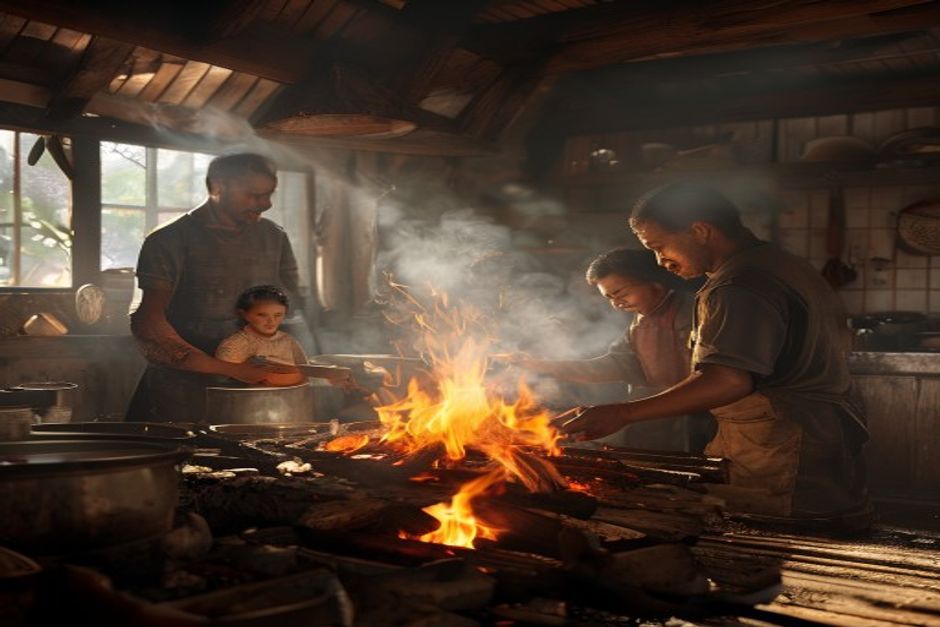
HAVANA – The daily lives of Cubans are undergoing a drastic, retrogressive shift as the nation grapples with an unprecedented fuel crisis. In a stark testament to the deepening economic hardship, many households are now relying on charcoal and firewood for cooking, a practice reminiscent of past centuries. This significant change is a direct consequence of the Trump administration's sustained and crippling oil blockade, which has severely restricted the island's access to crucial energy imports.
Fuel Scarcity Bites Hard
The scarcity of gasoline and diesel has become a pervasive reality across Cuba. The dwindling supply chains have been exacerbated by the near-total cessation of Russian oil shipments, a vital lifeline for the Cuban economy. Reports indicate that only a single Russian tanker has managed to dock in Cuba in the last six months, a dramatic drop from previous levels. This lack of fuel not only impacts transportation and agriculture but has now fundamentally altered basic domestic activities like cooking.
A Glimpse into the Past
Residents in Havana and other cities are increasingly turning to burning wood and charcoal, substances that were largely phased out decades ago with the advent of more accessible energy sources. The smell of burning wood now wafts through neighborhoods, a poignant symbol of the country's struggle. Families are adapting by gathering fuel where they can, often at great personal cost and effort. This reliance on traditional, less efficient methods highlights the severe limitations imposed by the ongoing sanctions.
Economic and Social Strain
The consequences of this fuel crisis extend far beyond the kitchen. The agricultural sector, already struggling, faces further disruption, impacting food availability. Public transportation is severely limited, making daily commutes a significant challenge. The economic strain is palpable, with rising prices for essential goods and services, further squeezing already struggling households. Al Jazeera's Ed Augustin reports from Havana, capturing the human element of this crisis, where ordinary citizens are forced to innovate and adapt in extraordinary circumstances. The situation underscores the profound impact of international sanctions on the everyday lives of millions.
हवाना – क्यूबा में ईंधन का संकट गहराता जा रहा है, जिसके कारण लोगों को अब खाना पकाने के लिए कोयला और लकड़ी का इस्तेमाल करना पड़ रहा है। यह उस तेल नाकाबंदी का नवीनतम परिणाम है जिसे अमेरिकी प्रशासन ने लगाया है। पिछले छह महीनों में केवल एक रूसी टैंकर ही क्यूबा पहुंचा है, जिससे देश में ईंधन की भारी कमी हो गई है।
पेट्रोलियम की किल्लत
क्यूबा की राजधानी हवाना में, निवासी अब खाना पकाने के लिए पारंपरिक तरीकों पर लौट आए हैं। कई घरों में गैजेट्स और स्टोव बेकार पड़े हैं क्योंकि वे बिजली या गैस के बिना काम नहीं कर सकते। इसके बजाय, लोग लकड़ी के गट्ठर और कोयले के बोरे खरीदते हुए देखे जा रहे हैं। यह स्थिति देश के सामने मौजूद ऊर्जा संकट की गंभीरता को दर्शाती है।
अमेरिकी प्रतिबंधों का प्रभाव
यह संकट अमेरिकी प्रशासन की ओर से लगाए गए कड़े तेल प्रतिबंधों का सीधा परिणाम है। इन प्रतिबंधों ने क्यूबा के लिए ईंधन के आयात को बेहद मुश्किल बना दिया है। रूस, जो क्यूबा का एक प्रमुख तेल आपूर्तिकर्ता रहा है, हाल के महीनों में केवल एक टैंकर ही भेज पाया है। इसके कारण गैसोलीन और डीजल की कमी हो गई है, जिससे परिवहन और अन्य आवश्यक सेवाएं प्रभावित हो रही हैं।
आम जनजीवन पर असर
ईंधन की कमी का असर आम नागरिकों के जीवन पर पड़ रहा है। परिवहन महंगा हो गया है और कुछ क्षेत्रों में तो यह लगभग असंभव हो गया है। लोग काम पर जाने, स्कूल या बाजारों तक पहुंचने के लिए संघर्ष कर रहे हैं। इस स्थिति ने क्यूबा की अर्थव्यवस्था पर भी दबाव डाला है, क्योंकि कई उद्योग ईंधन पर निर्भर हैं। अल जज़ीरा के एड ऑगस्टिन हवाना से रिपोर्ट करते हुए बताते हैं कि कैसे लोग इस मुश्किल दौर से गुजर रहे हैं और अपनी रोजमर्रा की जरूरतों को पूरा करने के लिए नए तरीके खोज रहे हैं। यह स्थिति अंतरराष्ट्रीय प्रतिबंधों के मानव प्रभाव को उजागर करती है।
HAVANA – अमेरिकेच्या प्रशासनाने घातलेल्या कठोर तेल नाकेबंदीमुळे क्यूबा मोठ्या इंधन संकटाचा सामना करत आहे. या संकटामुळे आता सामान्य नागरिकांना स्वयंपाकासाठी कोळसा आणि लाकडाचा वापर करावा लागत आहे. ही परिस्थिती भूतकाळातील आठवण करून देणारी आहे आणि देशाच्या अर्थव्यवस्थेवरील ताण दर्शवते.
इंधनाची भीषण टंचाई
गेल्या सहा महिन्यांत क्यूबाला केवळ एक रशियन तेल टँकर मिळाला आहे, ज्यामुळे देशात इंधनाची प्रचंड टंचाई निर्माण झाली आहे. पेट्रोल आणि डिझेलच्या कमतरतेमुळे वाहतूक आणि इतर सेवांवर गंभीर परिणाम झाला आहे. या इंधन टंचाईमुळे, हवाना आणि इतर शहरांमधील अनेक कुटुंबे आता स्वयंपाकासाठी लाकूड आणि कोळशावर अवलंबून आहेत. अनेक घरांमध्ये गॅस किंवा वीज नसलेल्या स्टोव्हची जागा आता लाकूड जाळून स्वयंपाक करण्याच्या पारंपरिक पद्धतींनी घेतली आहे.
अमेरिकेच्या निर्बंधांचा परिणाम
या इंधन संकटाचे मूळ अमेरिकेच्या ट्रम्प प्रशासनाने लागू केलेल्या कठोर तेल निर्बंधांमध्ये आहे. या निर्बंधांमुळे क्यूबासाठी इंधनाची आयात करणे अत्यंत कठीण झाले आहे. रशिया, जो क्यूबाचा एक प्रमुख तेल पुरवठादार होता, त्याच्याकडून होणारी पुरवठा कपात या समस्येचे गांभीर्य वाढवते. या निर्बंधांचा थेट परिणाम देशाच्या अर्थव्यवस्थेवर होत आहे, कारण अनेक उद्योगधंदे इंधनावर अवलंबून आहेत.
जनजीवनावरील परिणाम
इंधनाच्या कमतरतेमुळे सामान्य नागरिकांच्या दैनंदिन जीवनावर मोठा परिणाम झाला आहे. वाहतूक महाग झाली आहे आणि सार्वजनिक वाहतूक व्यवस्था कोलमडली आहे. लोकांना कामावर जाण्यासाठी, शाळेत किंवा बाजारात जाण्यासाठी संघर्ष करावा लागत आहे. अल जज़ीराचे प्रतिनिधी एड ऑगस्टिन हवानाहून या परिस्थितीचा अहवाल देत आहेत. ते सामान्य लोकांच्या या कठीण काळातून मार्ग काढण्याच्या प्रयत्नांवर प्रकाश टाकत आहेत. ही परिस्थिती आंतरराष्ट्रीय निर्बंधांचा सामान्य लोकांच्या जीवनावर होणारा परिणाम अधोरेखित करते.
হাভানা – কিউবা বর্তমানে এক ভয়াবহ জ্বালানি সংকটের সম্মুখীন, যার ফলে দেশটির জনগণকে রান্নার জন্য কয়লা ও জ্বালানি কাঠের উপর নির্ভর করতে হচ্ছে। এটি মার্কিন প্রশাসনের আরোপিত তেল নিষেধাজ্ঞার একটি স্পষ্ট পরিণাম। গত ছয় মাসে মাত্র একটি রাশিয়ান তেলের ট্যাংকার কিউবায় পৌঁছেছে, যা দেশটির জ্বালানি সরবরাহে এক চরম ঘাটতি তৈরি করেছে।
তেলের তীব্র অভাব
এই তেল সংকটের কারণে পেট্রোল ও ডিজেলের সরবরাহ মারাত্মকভাবে কমে গেছে। এর প্রভাব পরিবহণ ব্যবস্থা থেকে শুরু করে দৈনন্দিন জীবনেও পড়েছে। বর্তমানে, হাভানার অনেক পরিবার রান্নার জন্য ঐতিহ্যবাহী পদ্ধতির আশ্রয় নিতে বাধ্য হচ্ছে। যেখানে একসময় আধুনিক গ্যাস বা বিদ্যুৎ চালিত সরঞ্জাম ব্যবহার করা হত, সেখানে এখন কাঠ ও কয়লার ব্যবহার চোখে পড়ছে। এই পরিস্থিতি দেশটির জ্বালানি সংকটের ভয়াবহতাকে তুলে ধরেছে।
আমেরিকান নিষেধাজ্ঞার প্রভাব
এই সংকটের মূল কারণ হল মার্কিন প্রশাসন কর্তৃক আরোপিত কঠোর তেল নিষেধাজ্ঞা। এই নিষেধাজ্ঞার ফলে কিউবার পক্ষে বিদেশ থেকে জ্বালানি আমদানি করা অত্যন্ত কঠিন হয়ে পড়েছে। রাশিয়া, যা কিউবার অন্যতম প্রধান তেল সরবরাহকারী ছিল, তাদের কাছ থেকে আসা তেলের পরিমাণও উল্লেখযোগ্যভাবে হ্রাস পেয়েছে। গত ছয় মাসে মাত্র একটি রাশিয়ান ট্যাংকার কিউবার বন্দরে নোঙর করেছে। এর ফলে একদিকে যেমন জ্বালানির ঘাটতি দেখা দিয়েছে, তেমনই দেশের অর্থনীতিও চাপের মুখে পড়েছে।
সাধারণ মানুষের জীবনযাত্রা
জ্বালানির অভাব সাধারণ মানুষের জীবনযাত্রাকে ব্যাপকভাবে প্রভাবিত করেছে। পরিবহণ ব্যবস্থা অত্যন্ত ব্যয়বহুল হয়ে উঠেছে এবং কিছু এলাকায় তা প্রায় অসম্ভব হয়ে পড়েছে। মানুষকে কাজে যাওয়া, স্কুলে পৌঁছানো বা বাজারে যাওয়ার জন্য সংগ্রাম করতে হচ্ছে। আল জazeera-র প্রতিনিধি এড অগাস্টিন হাভানা থেকে এই পরিস্থিতি তুলে ধরেছেন, যেখানে সাধারণ মানুষ এই কঠিন সময়ে নিজেদের মানিয়ে নিতে এবং দৈনন্দিন চাহিদা মেটাতে নতুন উপায় খুঁজছে। এই ঘটনা আন্তর্জাতিক নিষেধাজ্ঞার মানবিক প্রভাবকে আরও একবার স্পষ্ট করেছে।
ஹாவானா – கியூபா கடுமையான எரிபொருள் நெருக்கடியைச் சந்தித்து வருகிறது, இதன் விளைவாக நாட்டின் மக்கள் சமையலுக்கு நிலக்கரி மற்றும் விறகு போன்றவற்றை நம்பியிருக்க வேண்டியுள்ளது. இது அமெரிக்க நிர்வாகம் விதித்த எண்ணெய் முற்றுகையின் நேரடி விளைவாகும். கடந்த ஆறு மாதங்களில் ஒரே ஒரு ரஷ்ய எண்ணெய் கப்பல் மட்டுமே கியூபாவிற்கு வந்துள்ளது, இது நாட்டின் எரிபொருள் விநியோகத்தில் பெரும் பற்றாக்குறையை ஏற்படுத்தியுள்ளது.
கடுமையான பெட்ரோலியப் பற்றாக்குறை
இந்த எரிபொருள் நெருக்கடியால் பெட்ரோல் மற்றும் டீசல் விநியோகம் கடுமையாக பாதிக்கப்பட்டுள்ளது. இதன் தாக்கம் போக்குவரத்து முதல் அன்றாட வாழ்க்கை வரை பரவியுள்ளது. தற்போது, ஹாவானாவில் உள்ள பல குடும்பங்கள் சமையலுக்கு பாரம்பரிய முறைகளைப் பின்பற்றுகின்றனர். ஒரு காலத்தில் நவீன எரிவாயு அல்லது மின்சாரத்தில் இயங்கும் சாதனங்கள் பயன்படுத்தப்பட்ட இடங்களில், இப்போது விறகு மற்றும் நிலக்கரியின் பயன்பாடு அதிகமாகி வருகிறது. இந்த நிலைமை நாட்டின் எரிபொருள் நெருக்கடியின் தீவிரத்தை எடுத்துக்காட்டுகிறது.
அமெரிக்கத் தடைகளின் தாக்கம்
இந்த நெருக்கடிக்கான முக்கிய காரணம், அமெரிக்க நிர்வாகத்தால் விதிக்கப்பட்ட கடுமையான எண்ணெய் தடைகள் ஆகும். இந்தத் தடைகளால் கியூபாவிற்கு வெளிநாடுகளில் இருந்து எரிபொருளை இறக்குமதி செய்வது மிகவும் கடினமாகிவிட்டது. கியூபாவின் முக்கிய எண்ணெய் வழங்குநராக இருந்த ரஷ்யாவிடமிருந்தும் வரும் எண்ணெயின் அளவு கணிசமாகக் குறைந்துள்ளது. கடந்த ஆறு மாதங்களில் ஒரே ஒரு ரஷ்ய எண்ணெய் கப்பல் மட்டுமே கியூபாவின் துறைமுகத்தில் வந்துள்ளது. இதனால், ஒருபுறம் எரிபொருள் பற்றாக்குறை ஏற்பட்டுள்ளது, மறுபுறம் நாட்டின் பொருளாதாரமும் அழுத்தத்திற்கு உள்ளாகியுள்ளது.
பொது மக்களின் வாழ்க்கை
எரிபொருள் பற்றாக்குறையால் பொதுமக்களின் அன்றாட வாழ்க்கை பெரிதும் பாதிக்கப்பட்டுள்ளது. போக்குவரத்து மிகவும் விலை உயர்ந்ததாக மாறியுள்ளது, சில பகுதிகளில் அது கிட்டத்தட்ட சாத்தியமற்றதாகிவிட்டது. மக்கள் வேலைக்குச் செல்ல, பள்ளிக்குச் செல்ல அல்லது சந்தைக்குச் செல்ல சிரமப்படுகின்றனர். அல் ஜசீரா நிருபர் எட் அகஸ்டின் ஹாவானாவிலிருந்து இந்தப் பிரச்சினையை எடுத்துரைக்கிறார். இங்கு சாதாரண மக்கள் இந்த கடினமான காலத்தில் தங்களைத் தகவமைத்துக் கொள்ளவும், அன்றாட தேவைகளைப் பூர்த்தி செய்யவும் புதிய வழிகளைக் கண்டறிந்து வருகின்றனர். இந்தச் சம்பவம் சர்வதேச தடைகளின் மனிதாபிமான தாக்கத்தை மீண்டும் ஒருமுறை தெளிவுபடுத்துகிறது.
హవానా – క్యూబా తీవ్ర ఇంధన సంక్షోభాన్ని ఎదుర్కొంటోంది, దీని కారణంగా దేశ ప్రజలు వంట కోసం బొగ్గు మరియు కట్టెలపై ఆధారపడవలసి వస్తోంది. ఇది అమెరికా పరిపాలన విధించిన ఆయిల్ దిగ్బంధనం యొక్క ప్రత్యక్ష ఫలితం. గత ఆరు నెలల్లో కేవలం ఒక రష్యన్ చమురు ట్యాంకర్ మాత్రమే క్యూబాకు చేరింది, ఇది దేశ ఇంధన సరఫరాలో తీవ్ర కొరతను సృష్టించింది.
తీవ్రమైన పెట్రోలియం కొరత
ఈ ఇంధన సంక్షోభం కారణంగా పెట్రోల్ మరియు డీజిల్ సరఫరా తీవ్రంగా ప్రభావితమైంది. దీని ప్రభావం రవాణా నుండి రోజువారీ జీవితం వరకు విస్తరించింది. ప్రస్తుతం, హవానాలోని అనేక కుటుంబాలు వంట కోసం సాంప్రదాయ పద్ధతులను అవలంబిస్తున్నాయి. ఒకప్పుడు ఆధునిక గ్యాస్ లేదా విద్యుత్ పరికరాలు ఉపయోగించిన చోట్ల, ఇప్పుడు కట్టెలు మరియు బొగ్గు వాడకం ఎక్కువగా కనిపిస్తోంది. ఈ పరిస్థితి దేశ ఇంధన సంక్షోభం యొక్క తీవ్రతను తెలియజేస్తుంది.
అమెరికా ఆంక్షల ప్రభావం
ఈ సంక్షోభానికి ప్రధాన కారణం, అమెరికా పరిపాలన విధించిన కఠినమైన చమురు ఆంక్షలు. ఈ ఆంక్షల వల్ల క్యూబాకు విదేశాల నుండి ఇంధనాన్ని దిగుమతి చేసుకోవడం చాలా కష్టమైంది. క్యూబా యొక్క ప్రధాన చమురు సరఫరాదారుగా ఉన్న రష్యా నుండి వచ్చే చమురు పరిమాణం కూడా గణనీయంగా తగ్గింది. గత ఆరు నెలల్లో కేవలం ఒక రష్యన్ చమురు ట్యాంకర్ మాత్రమే క్యూబా రేవుకు చేరుకుంది. దీనివల్ల, ఒకవైపు ఇంధన కొరత ఏర్పడటమే కాకుండా, దేశ ఆర్థిక వ్యవస్థ కూడా ఒత్తిడికి గురవుతోంది.
సామాన్య ప్రజల జీవితాలు
ఇంధన కొరత వల్ల సామాన్య ప్రజల రోజువారీ జీవితం తీవ్రంగా ప్రభావితమైంది. రవాణా చాలా ఖరీదైనదిగా మారింది, కొన్ని ప్రాంతాలలో అది దాదాపు అసాధ్యంగా మారింది. ప్రజలు పనికి వెళ్ళడానికి, పాఠశాలకు చేరుకోవడానికి లేదా మార్కెట్కు వెళ్ళడానికి కష్టపడుతున్నారు. అల్ జజీరా ప్రతినిధి ఎడ్ అగస్టిన్ హవానా నుండి ఈ పరిస్థితిని వివరిస్తున్నారు, ఇక్కడ సామాన్య ప్రజలు ఈ కష్టకాలంలో తమను తాము సర్దుబాటు చేసుకోవడానికి మరియు రోజువారీ అవసరాలను తీర్చడానికి కొత్త మార్గాలను అన్వేషిస్తున్నారు. ఈ సంఘటన అంతర్జాతీయ ఆంక్షల మానవతా ప్రభావాన్ని మరోసారి స్పష్టం చేసింది.
હવાના – ક્યુબા ગંભીર ઇંધણ સંકટનો સામનો કરી રહ્યું છે, જેના કારણે દેશના લોકોને રસોઈ માટે કોલસો અને લાકડા પર નિર્ભર રહેવું પડી રહ્યું છે. આ યુએસ પ્રશાસન દ્વારા લાદવામાં આવેલી તેલ નાકાબંધીનું સીધું પરિણામ છે. છેલ્લા છ મહિનામાં માત્ર એક રશિયન તેલ ટેન્કર ક્યુબા પહોંચ્યું છે, જેણે દેશના ઇંધણ પુરવઠામાં ભારે અછત ઊભી કરી છે.
ગંભીર પેટ્રોલિયમની અછત
આ ઇંધણ સંકટને કારણે પેટ્રોલ અને ડીઝલના પુરવઠા પર ગંભીર અસર પડી છે. તેની અસર પરિવહનથી લઈને રોજિંદા જીવન સુધી વિસ્તરી છે. હાલમાં, હવાનાના ઘણા પરિવારો રસોઈ માટે પરંપરાગત પદ્ધતિઓ અપનાવી રહ્યા છે. જ્યાં એક સમયે આધુનિક ગેસ અથવા વીજળીથી ચાલતા ઉપકરણોનો ઉપયોગ થતો હતો, ત્યાં હવે લાકડા અને કોલસાનો ઉપયોગ વધી રહ્યો છે. આ પરિસ્થિતિ દેશના ઇંધણ સંકટની ગંભીરતા દર્શાવે છે.
યુએસ પ્રતિબંધોનો પ્રભાવ
આ સંકટનું મુખ્ય કારણ યુએસ પ્રશાસન દ્વારા લાદવામાં આવેલા કડક તેલ પ્રતિબંધો છે. આ પ્રતિબંધોને કારણે ક્યુબા માટે વિદેશમાંથી ઇંધણની આયાત કરવી ખૂબ મુશ્કેલ બની ગઈ છે. રશિયા, જે ક્યુબાનો મુખ્ય તેલ પુરવઠાదారు હતો, પાસેથી આવતા તેલનું પ્રમાણ પણ નોંધપાત્ર રીતે ઘટ્યું છે. છેલ્લા છ મહિનામાં માત્ર એક રશિયન તેલ ટેન્કર ક્યુબા બંદરે પહોંચ્યું છે. આના કારણે, એક તરફ ઇંધણની અછત સર્જાઈ છે, તો બીજી તરફ દેશની અર્થવ્યવસ્થા પર પણ દબાણ આવી રહ્યું છે.
સામાન્ય લોકોનું જીવન
ઇંધણની અછતને કારણે સામાન્ય લોકોના રોજિંદા જીવન પર મોટી અસર પડી છે. પરિવહન ખૂબ મોંઘું બન્યું છે અને કેટલાક વિસ્તારોમાં તે લગભગ અશક્ય બની ગયું છે. લોકોને કામ પર જવા, શાળાએ પહોંચવા અથવા બજારમાં જવા માટે સંઘર્ષ કરવો પડે છે. અલ જઝીરાના પત્રકાર એડ અગસ્ટિન હવાનાથી આ પરિસ્થિતિ જણાવી રહ્યા છે, જ્યાં સામાન્ય લોકો આ મુશ્કેલ સમયમાં પોતાની જાતને અનુકૂલિત કરવા અને રોજિંદી જરૂરિયાતો પૂરી કરવા માટે નવા માર્ગો શોધી રહ્યા છે. આ ઘટના આંતરરાષ્ટ્રીય પ્રતિબંધોના માનવીય પ્રભાવને ફરી એકવાર સ્પષ્ટ કરે છે.
ਹਵਾਨਾ – ਕਿਊਬਾ ਇੱਕ ਗੰਭੀਰ ਬਾਲਣ ਸੰਕਟ ਦਾ ਸਾਹਮਣਾ ਕਰ ਰਿਹਾ ਹੈ, ਜਿਸ ਕਾਰਨ ਦੇਸ਼ ਦੇ ਲੋਕਾਂ ਨੂੰ ਰਸੋਈ ਲਈ ਕੋਲੇ ਅਤੇ ਲੱਕੜੀ 'ਤੇ ਨਿਰਭਰ ਰਹਿਣਾ ਪੈ ਰਿਹਾ ਹੈ। ਇਹ ਅਮਰੀਕੀ ਪ੍ਰਸ਼ਾਸਨ ਦੁਆਰਾ ਲਗਾਈ ਗਈ ਤੇਲ ਨਾਕਾਬੰਦੀ ਦਾ ਸਿੱਟਾ ਹੈ। ਪਿਛਲੇ ਛੇ ਮਹੀਨਿਆਂ ਵਿੱਚ ਸਿਰਫ ਇੱਕ ਰੂਸੀ ਤੇਲ ਟੈਂਕਰ ਕਿਊਬਾ ਪਹੁੰਚਿਆ ਹੈ, ਜਿਸ ਨੇ ਦੇਸ਼ ਦੀ ਬਾਲਣ ਸਪਲਾਈ ਵਿੱਚ ਭਾਰੀ ਘਾਟਾ ਪੈਦਾ ਕੀਤਾ ਹੈ।
ਗੰਭੀਰ ਪੈਟਰੋਲੀਅਮ ਦੀ ਕਮੀ
ਇਸ ਬਾਲਣ ਸੰਕਟ ਕਾਰਨ ਪੈਟਰੋਲ ਅਤੇ ਡੀਜ਼ਲ ਦੀ ਸਪਲਾਈ 'ਤੇ ਗੰਭੀਰ ਅਸਰ ਪਿਆ ਹੈ। ਇਸ ਦਾ ਪ੍ਰਭਾਵ ਆਵਾਜਾਈ ਤੋਂ ਲੈ ਕੇ ਰੋਜ਼ਾਨਾ ਜੀਵਨ ਤੱਕ ਫੈਲਿਆ ਹੋਇਆ ਹੈ। ਇਸ ਸਮੇਂ, ਹਵਾਨਾ ਦੇ ਕਈ ਪਰਿਵਾਰ ਰਸੋਈ ਲਈ ਰਵਾਇਤੀ ਢੰਗਾਂ ਦੀ ਵਰਤੋਂ ਕਰ ਰਹੇ ਹਨ। ਜਿੱਥੇ ਇੱਕ ਸਮੇਂ ਆਧੁਨਿਕ ਗੈਸ ਜਾਂ ਬਿਜਲੀ ਨਾਲ ਚੱਲਣ ਵਾਲੇ ਉਪਕਰਣਾਂ ਦੀ ਵਰਤੋਂ ਕੀਤੀ ਜਾਂਦੀ ਸੀ, ਉੱਥੇ ਹੁਣ ਲੱਕੜੀ ਅਤੇ ਕੋਲੇ ਦੀ ਵਰਤੋਂ ਵਧ ਰਹੀ ਹੈ। ਇਹ ਸਥਿਤੀ ਦੇਸ਼ ਦੇ ਬਾਲਣ ਸੰਕਟ ਦੀ ਗੰਭੀਰਤਾ ਨੂੰ ਦਰਸਾਉਂਦੀ ਹੈ।
ਅਮਰੀਕੀ ਪਾਬੰਦੀਆਂ ਦਾ ਪ੍ਰਭਾਵ
ਇਸ ਸੰਕਟ ਦਾ ਮੁੱਖ ਕਾਰਨ ਅਮਰੀਕੀ ਪ੍ਰਸ਼ਾਸਨ ਦੁਆਰਾ ਲਗਾਈਆਂ ਗਈਆਂ ਸਖ਼ਤ ਤੇਲ ਪਾਬੰਦੀਆਂ ਹਨ। ਇਨ੍ਹਾਂ ਪਾਬੰਦੀਆਂ ਕਾਰਨ ਕਿਊਬਾ ਲਈ ਬਾਹਰੋਂ ਬਾਲਣ ਦਰਾਮਦ ਕਰਨਾ ਬਹੁਤ ਮੁਸ਼ਕਲ ਹੋ ਗਿਆ ਹੈ। ਰੂਸ, ਜੋ ਕਿ ਕਿਊਬਾ ਦਾ ਮੁੱਖ ਤੇਲ ਸਪਲਾਇਰ ਸੀ, ਤੋਂ ਆਉਣ ਵਾਲੇ ਤੇਲ ਦੀ ਮਾਤਰਾ ਵੀ ਕਾਫ਼ੀ ਘੱਟ ਗਈ ਹੈ। ਪਿਛਲੇ ਛੇ ਮਹੀਨਿਆਂ ਵਿੱਚ ਸਿਰਫ ਇੱਕ ਰੂਸੀ ਤੇਲ ਟੈਂਕਰ ਕਿਊਬਾ ਬੰਦਰਗਾਹ 'ਤੇ ਪਹੁੰਚਿਆ ਹੈ। ਇਸ ਕਾਰਨ, ਇੱਕ ਪਾਸੇ ਬਾਲਣ ਦੀ ਕਮੀ ਹੋ ਗਈ ਹੈ, ਦੂਜੇ ਪਾਸੇ ਦੇਸ਼ ਦੀ ਆਰਥਿਕਤਾ 'ਤੇ ਵੀ ਦਬਾਅ ਆ ਰਿਹਾ ਹੈ।
ਆਮ ਲੋਕਾਂ ਦਾ ਜੀਵਨ
ਬਾਲਣ ਦੀ ਕਮੀ ਕਾਰਨ ਆਮ ਲੋਕਾਂ ਦੇ ਰੋਜ਼ਾਨਾ ਜੀਵਨ 'ਤੇ ਵੱਡਾ ਅਸਰ ਪਿਆ ਹੈ। ਆਵਾਜਾਈ ਬਹੁਤ ਮਹਿੰਗੀ ਹੋ ਗਈ ਹੈ ਅਤੇ ਕੁਝ ਇਲਾਕਿਆਂ ਵਿੱਚ ਇਹ ਲਗਭਗ ਅਸੰਭਵ ਹੋ ਗਈ ਹੈ। ਲੋਕਾਂ ਨੂੰ ਕੰਮ 'ਤੇ ਜਾਣ, ਸਕੂਲ ਪਹੁੰਚਣ ਜਾਂ ਬਾਜ਼ਾਰ ਜਾਣ ਲਈ ਸੰਘਰਸ਼ ਕਰਨਾ ਪੈ ਰਿਹਾ ਹੈ। ਅਲ ਜਜ਼ੀਰਾ ਦੇ ਪੱਤਰਕਾਰ ਐਡ ਅਗਸਟੀਨ ਹਵਾਨਾ ਤੋਂ ਇਸ ਸਥਿਤੀ ਬਾਰੇ ਦੱਸ ਰਹੇ ਹਨ, ਜਿੱਥੇ ਆਮ ਲੋਕ ਇਸ ਮੁਸ਼ਕਲ ਸਮੇਂ ਵਿੱਚ ਆਪਣੇ ਆਪ ਨੂੰ ਢਾਲਣ ਅਤੇ ਰੋਜ਼ਾਨਾ ਦੀਆਂ ਜ਼ਰੂਰਤਾਂ ਪੂਰੀਆਂ ਕਰਨ ਲਈ ਨਵੇਂ ਤਰੀਕੇ ਲੱਭ ਰਹੇ ਹਨ। ਇਹ ਘਟਨਾ ਅੰਤਰਰਾਸ਼ਟਰੀ ਪਾਬੰਦੀਆਂ ਦੇ ਮਨੁੱਖੀ ਪ੍ਰਭਾਵ ਨੂੰ ਮੁੜ ਸਪੱਸ਼ਟ ਕਰਦੀ ਹੈ।

💬 Comments