Breaking News
ताज़ा खबर
Venus Returns as Dazzling Evening Star in 2026: A Celestial Spectacle Awaits
2026 में शुक्र की शानदार वापसी: एक खगोलीय तमाशा आपका इंतजार कर रहा है
By AI News Desk
🕐 06 April 2026, 08:08 AM
🕐 06 April 2026, 08:08
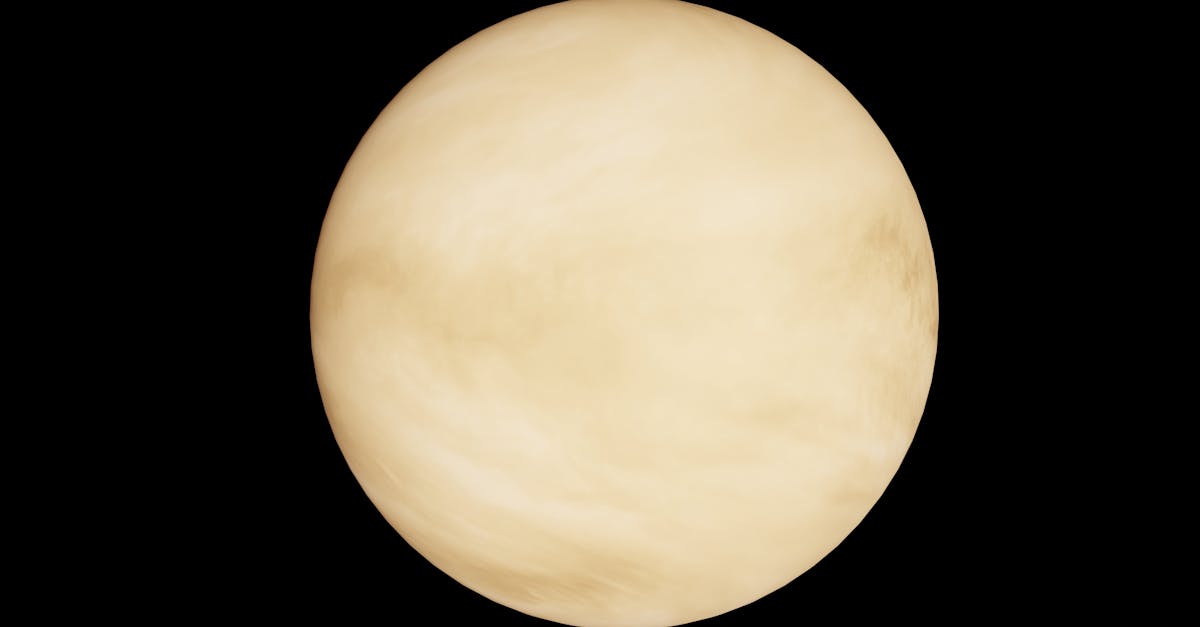
Get ready for an extraordinary celestial treat! The brilliant planet Venus is set to make a spectacular return as a dazzling evening star in 2026, promising skygazers a series of breathtaking views throughout the summer months. Known as Earth's 'sister planet' and often referred to as both the 'Morning Star' and 'Evening Star,' Venus is renowned for its unparalleled brightness in our night sky, outshining all other planets and stars except for the Sun and Moon.
Venus's Dazzling Return in 2026
Astronomers and casual observers alike are eagerly anticipating 2026, when Venus will grace our evening skies with remarkable prominence. This particular apparition is expected to be exceptionally brilliant, offering stunning visual experiences. From late spring through the summer, Venus will climb higher in the western sky after sunset, becoming an unmistakable beacon of light for several months.
Conjunctions and Peak Brightness
The 2026 display of Venus will feature several 'dazzling conjunctions.' A planetary conjunction occurs when two or more celestial bodies appear close together in the sky as seen from Earth. While they are still millions of miles apart in space, their alignment creates a beautiful visual pairing. Venus, being so bright, makes these conjunctions particularly striking, especially when paired with the Moon or other planets like Jupiter or Saturn. These moments offer fantastic opportunities for astrophotography and memorable viewing.
Moreover, Venus will reach its 'peak brightness' during its 2026 evening appearance. This is due to a combination of its phase (like the Moon, Venus goes through phases) and its proximity to Earth. At its brightest, Venus can even cast faint shadows in extremely dark conditions, a testament to its incredible luminosity. Even in light-polluted urban areas, Venus is usually easily visible, making it one of the most accessible astronomical phenomena.
How to Observe the Evening Star
Observing Venus requires no special equipment. Simply look towards the western horizon shortly after sunset. Its brilliant, steady glow will make it unmistakable. For an enhanced experience, binoculars can reveal its crescent phase as it approaches its brightest points, while a small telescope can offer even more detailed views of its changing shape. The planet's dense, reflective cloud cover means surface details are hidden, but its phases are a beautiful sight to behold.
Beyond its visual appeal, Venus holds significant cultural and scientific importance. Named after the Roman goddess of love and beauty, it has captivated humanity for millennia. Scientifically, Venus is a fascinating world, despite its hellish surface temperatures and crushing atmosphere. Its ongoing study provides crucial insights into planetary evolution and the conditions that might exist on exoplanets.
Mark your calendars for 2026 and prepare to be mesmerized by the return of Venus, the brilliant evening star. It promises to be a celestial spectacle not to be missed, offering a unique opportunity to connect with the wonders of our solar system.
एक असाधारण खगोलीय उपचार के लिए तैयार हो जाइए! शानदार ग्रह शुक्र 2026 में एक चकाचौंध भरे शाम के तारे के रूप में वापसी करने के लिए तैयार है, जो पूरे गर्मी के महीनों में आकाश देखने वालों को लुभावने दृश्यों की एक श्रृंखला का वादा करता है। पृथ्वी के 'जुड़वां ग्रह' के रूप में जाना जाता है और अक्सर 'सुबह का तारा' और 'शाम का तारा' दोनों के रूप में संदर्भित किया जाता है, शुक्र हमारे रात के आकाश में अपनी अद्वितीय चमक के लिए प्रसिद्ध है, जो सूर्य और चंद्रमा को छोड़कर सभी अन्य ग्रहों और तारों को मात देता है।
2026 में शुक्र की शानदार वापसी
खगोलशास्त्री और सामान्य पर्यवेक्षक समान रूप से 2026 का बेसब्री से इंतजार कर रहे हैं, जब शुक्र उल्लेखनीय प्रमुखता के साथ हमारे शाम के आकाश की शोभा बढ़ाएगा। इस विशेष उपस्थिति के असाधारण रूप से शानदार होने की उम्मीद है, जो शानदार दृश्य अनुभव प्रदान करेगी। देर से वसंत से लेकर गर्मियों तक, शुक्र सूर्यास्त के बाद पश्चिमी आकाश में ऊंचा चढ़ेगा, जो कई महीनों तक प्रकाश का एक अचूक प्रतीक बन जाएगा।
संयोजन और चरम चमक
शुक्र का 2026 का प्रदर्शन कई 'चकाचौंध भरे संयोजनों' को प्रदर्शित करेगा। एक ग्रहीय संयोजन तब होता है जब पृथ्वी से देखे जाने पर दो या दो से अधिक खगोलीय पिंड आकाश में एक साथ करीब दिखाई देते हैं। जबकि वे अंतरिक्ष में लाखों मील दूर हैं, उनका संरेखण एक सुंदर दृश्य जोड़ी बनाता है। शुक्र, इतना चमकीला होने के कारण, इन संयोजनों को विशेष रूप से आकर्षक बनाता है, खासकर जब चंद्रमा या बृहस्पति या शनि जैसे अन्य ग्रहों के साथ जोड़ा जाता है। ये क्षण खगोल फोटोग्राफी और यादगार देखने के लिए शानदार अवसर प्रदान करते हैं।
इसके अलावा, शुक्र अपनी 2026 की शाम की उपस्थिति के दौरान अपनी 'चरम चमक' तक पहुंचेगा। यह इसके चरण (चंद्रमा की तरह, शुक्र चरणों से गुजरता है) और पृथ्वी के करीब होने के संयोजन के कारण है। अपनी सबसे चमकीली अवस्था में, शुक्र अत्यधिक अंधेरी परिस्थितियों में भी हल्की छाया डाल सकता है, जो इसकी अविश्वसनीय चमक का प्रमाण है। यहां तक कि प्रकाश-प्रदूषित शहरी क्षेत्रों में भी, शुक्र आमतौर पर आसानी से दिखाई देता है, जिससे यह सबसे सुलभ खगोलीय घटनाओं में से एक है।
शाम के तारे का अवलोकन कैसे करें
शुक्र का अवलोकन करने के लिए किसी विशेष उपकरण की आवश्यकता नहीं होती है। सूर्यास्त के तुरंत बाद बस पश्चिमी क्षितिज की ओर देखें। इसकी शानदार, स्थिर चमक इसे अचूक बना देगी। एक बेहतर अनुभव के लिए, दूरबीन इसके सबसे चमकीले बिंदुओं के पास इसके अर्धचंद्राकार चरण को प्रकट कर सकती है, जबकि एक छोटा टेलीस्कोप इसके बदलते आकार के और भी विस्तृत दृश्य पेश कर सकता है। ग्रह के घने, परावर्तक बादल आवरण का मतलब है कि सतह के विवरण छिपे हुए हैं, लेकिन इसके चरण देखने में एक सुंदर दृश्य हैं।
अपने दृश्य अपील से परे, शुक्र का महत्वपूर्ण सांस्कृतिक और वैज्ञानिक महत्व है। रोमन प्रेम और सौंदर्य की देवी के नाम पर, इसने सहस्राब्दियों से मानवता को मोहित किया है। वैज्ञानिक रूप से, शुक्र एक आकर्षक दुनिया है, इसके नरक जैसे सतह के तापमान और कुचलने वाले वातावरण के बावजूद। इसका चल रहा अध्ययन ग्रहीय विकास और एक्सोप्लैनेट्स पर मौजूद हो सकने वाली स्थितियों में महत्वपूर्ण अंतर्दृष्टि प्रदान करता है।
2026 के लिए अपने कैलेंडर को चिह्नित करें और शाम के शानदार तारे शुक्र की वापसी से मंत्रमुग्ध होने के लिए तैयार हो जाइए। यह एक खगोलीय तमाशा होने वाला है जिसे चूकना नहीं चाहिए, जो हमारे सौर मंडल के चमत्कारों से जुड़ने का एक अनूठा अवसर प्रदान करता है।
