Breaking News
ताज़ा खबर
BBC's Orla Guerin Reports on Iran's Strategic Grip on Vital Global Shipping Lane
बीबीसी की ओर्ला गेरिन की रिपोर्ट: ईरान की वैश्विक शिपिंग लेन पर रणनीतिक पकड़
By AI News Desk
🕐 06 April 2026, 02:55 PM
🕐 06 April 2026, 14:55
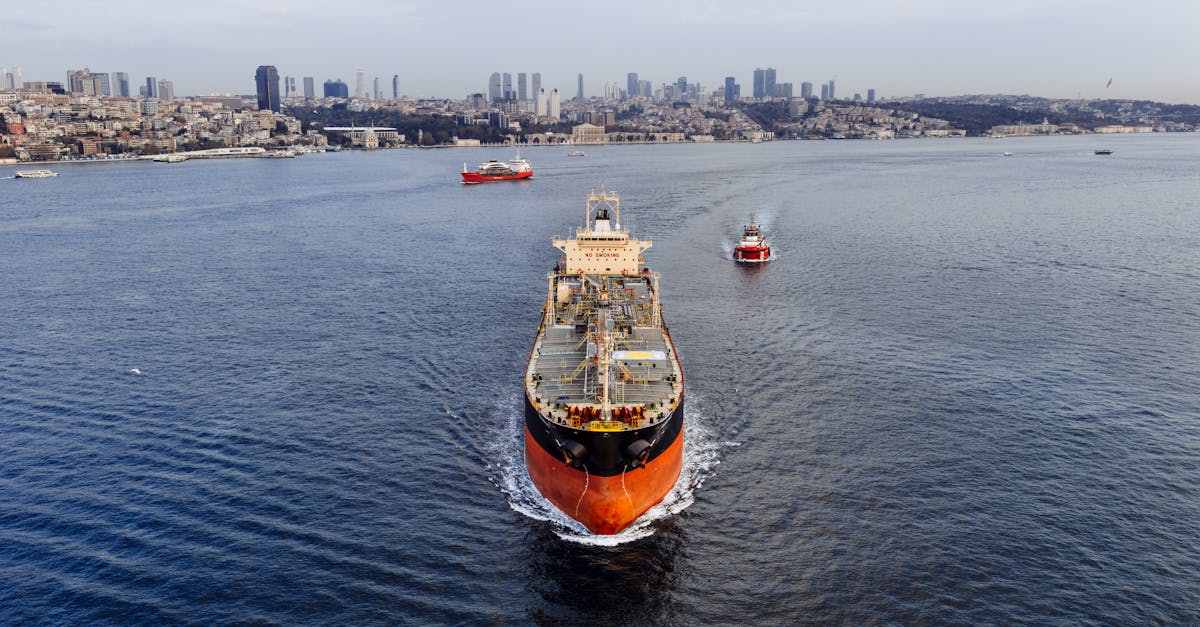
BBC Correspondent Orla Guerin has ventured to the precipice of one of the world's most critical maritime choke points, a waterway over which Iran exerts significant influence. Her recent reporting sheds light on the escalating tensions surrounding this vital conduit for global trade and energy, widely understood to be the Strait of Hormuz. This narrow passage, connecting the Persian Gulf with the Arabian Sea, is not merely a geographical feature; it is a geopolitical fault line with profound implications for the world economy and international security.
The Strategic Significance of the Strait of Hormuz
The Strait of Hormuz is undeniably the world's most important oil transit choke point due to its large volume of oil transit. Approximately one-fifth of the world’s daily petroleum consumption and one-third of global seaborne oil passes through this strait. Tankers carrying crude oil and refined petroleum products from Saudi Arabia, Iran, Iraq, Kuwait, Qatar, and the United Arab Emirates must navigate its waters. Any disruption here sends immediate shockwaves through global energy markets, leading to volatile oil prices and economic uncertainty worldwide. The sheer volume of trade, extending beyond oil to liquefied natural gas (LNG) and other goods, underscores its irreplaceable role in global commerce.
Iran's Strategic Leverage and Historical Threats
Positioned along the northern coast of the strait, Iran holds a unique and powerful strategic advantage. For decades, Tehran has leveraged its proximity and military capabilities to periodically threaten the closure of the Strait of Hormuz in response to international sanctions, perceived aggressions, or diplomatic stalemates. These threats, whether rhetorical or backed by naval exercises, serve as a potent reminder of Iran's capacity to disrupt global energy supplies and exert pressure on the international community. The Iranian Revolutionary Guard Corps Navy (IRGCN) maintains a significant presence in these waters, equipped with fast patrol boats, anti-ship missiles, and mines, designed to project power and deter adversaries.
Global Repercussions and International Concerns
The possibility of a "stranglehold" on this waterway sends shivers down the spine of global powers and international shipping companies alike. A full closure of the strait, however unlikely due to the massive international response it would provoke, would devastate global economies. Even minor disruptions, such as harassment of commercial vessels or limited blockades, can lead to substantial increases in shipping insurance premiums, rerouting of vessels, and heightened geopolitical instability. Nations reliant on Middle Eastern oil, particularly in Asia and Europe, closely monitor the situation, often urging diplomatic resolutions to ease tensions. The United States, with its Fifth Fleet based in Bahrain, maintains a robust military presence in the region specifically to ensure freedom of navigation and deter any attempts to impede maritime traffic.
Orla Guerin's report from the edge of this critical waterway serves as a timely reminder of the delicate balance of power in the Middle East and the far-reaching consequences of regional conflicts. The Strait of Hormuz remains a focal point of international concern, a narrow stretch of water where economic interests, national security, and geopolitical ambitions constantly collide, making it one of the most volatile and watched maritime passages on Earth.
बीबीसी संवाददाता ओर्ला गेरिन दुनिया के सबसे महत्वपूर्ण समुद्री चोक पॉइंट्स में से एक के किनारे तक पहुंची हैं, एक ऐसा जलमार्ग जिस पर ईरान का महत्वपूर्ण प्रभाव है। उनकी हालिया रिपोर्ट वैश्विक व्यापार और ऊर्जा के लिए इस महत्वपूर्ण मार्ग के आसपास बढ़ते तनाव पर प्रकाश डालती है, जिसे व्यापक रूप से होर्मुज जलडमरूमध्य (Strait of Hormuz) के रूप में समझा जाता है। फारस की खाड़ी को अरब सागर से जोड़ने वाला यह संकरा मार्ग केवल एक भौगोलिक विशेषता नहीं है; यह एक भू-राजनीतिक फ़ॉल्ट लाइन है जिसके वैश्विक अर्थव्यवस्था और अंतर्राष्ट्रीय सुरक्षा के लिए गहरे निहितार्थ हैं।
होर्मुज जलडमरूमध्य का रणनीतिक महत्व
होर्मुज जलडमरूमध्य अपने बड़े तेल पारगमन मात्रा के कारण निस्संदेह दुनिया का सबसे महत्वपूर्ण तेल पारगमन चोक पॉइंट है। दुनिया के दैनिक पेट्रोलियम उपभोग का लगभग पांचवां हिस्सा और वैश्विक समुद्री तेल का एक तिहाई इस जलडमरूमध्य से होकर गुजरता है। सऊदी अरब, ईरान, इराक, कुवैत, कतर और संयुक्त अरब अमीरात से कच्चे तेल और परिष्कृत पेट्रोलियम उत्पादों को ले जाने वाले टैंकरों को इसके पानी से होकर गुजरना पड़ता है। यहां किसी भी व्यवधान से वैश्विक ऊर्जा बाजारों में तत्काल झटके लगते हैं, जिससे दुनिया भर में तेल की कीमतों में अस्थिरता और आर्थिक अनिश्चितता पैदा होती है। व्यापार की विशाल मात्रा, जो तेल से परे तरलीकृत प्राकृतिक गैस (एलएनजी) और अन्य सामानों तक फैली हुई है, वैश्विक वाणिज्य में इसकी अपूरणीय भूमिका को रेखांकित करती है।
ईरान का रणनीतिक लाभ और ऐतिहासिक धमकियाँ
जलडमरूमध्य के उत्तरी तट पर स्थित, ईरान एक अद्वितीय और शक्तिशाली रणनीतिक लाभ रखता है। दशकों से, तेहरान ने अंतरराष्ट्रीय प्रतिबंधों, कथित आक्रामकता या राजनयिक गतिरोध के जवाब में होर्मुज जलडमरूमध्य को बंद करने की समय-समय पर धमकी देने के लिए अपनी निकटता और सैन्य क्षमताओं का लाभ उठाया है। ये धमकियां, चाहे वे मौखिक हों या नौसैनिक अभ्यासों द्वारा समर्थित, वैश्विक ऊर्जा आपूर्ति को बाधित करने और अंतरराष्ट्रीय समुदाय पर दबाव डालने की ईरान की क्षमता की एक शक्तिशाली याद दिलाती हैं। ईरानी रिवोल्यूशनरी गार्ड कॉर्प्स नेवी (IRGCN) इन पानी में एक महत्वपूर्ण उपस्थिति बनाए रखती है, जिसमें तेज गश्ती नौकाएं, जहाज-रोधी मिसाइलें और खदानें शामिल हैं, जिन्हें शक्ति का प्रदर्शन करने और विरोधियों को रोकने के लिए डिज़ाइन किया गया है।
वैश्विक प्रभाव और अंतर्राष्ट्रीय चिंताएँ
इस जलमार्ग पर "कब्जे" की संभावना वैश्विक शक्तियों और अंतरराष्ट्रीय शिपिंग कंपनियों दोनों को भयभीत करती है। जलडमरूमध्य का पूर्ण बंद, हालांकि बड़े पैमाने पर अंतरराष्ट्रीय प्रतिक्रिया के कारण इसकी संभावना कम है, वैश्विक अर्थव्यवस्थाओं को तबाह कर देगा। यहां तक कि मामूली व्यवधान, जैसे वाणिज्यिक जहाजों का उत्पीड़न या सीमित नाकाबंदी, शिपिंग बीमा प्रीमियम में पर्याप्त वृद्धि, जहाजों का मार्ग बदलना और भू-राजनीतिक अस्थिरता में वृद्धि का कारण बन सकता है। मध्य पूर्वी तेल पर निर्भर राष्ट्र, विशेष रूप से एशिया और यूरोप में, स्थिति की बारीकी से निगरानी करते हैं, अक्सर तनाव कम करने के लिए राजनयिक समाधानों का आग्रह करते हैं। संयुक्त राज्य अमेरिका, बहरीन में अपने पांचवें बेड़े के साथ, विशेष रूप से नेविगेशन की स्वतंत्रता सुनिश्चित करने और समुद्री यातायात को बाधित करने के किसी भी प्रयास को रोकने के लिए क्षेत्र में एक मजबूत सैन्य उपस्थिति बनाए रखता है।
ओर्ला गेरिन की इस महत्वपूर्ण जलमार्ग के किनारे से की गई रिपोर्ट मध्य पूर्व में शक्ति के नाजुक संतुलन और क्षेत्रीय संघर्षों के दूरगामी परिणामों की एक समयोचित याद दिलाती है। होर्मुज जलडमरूमध्य अंतरराष्ट्रीय चिंता का एक केंद्र बना हुआ है, पानी का एक संकरा खिंचाव जहां आर्थिक हित, राष्ट्रीय सुरक्षा और भू-राजनीतिक महत्वाकांक्षाएं लगातार टकराती हैं, जिससे यह पृथ्वी पर सबसे अस्थिर और देखे जाने वाले समुद्री मार्गों में से एक बन जाता है।
