Breaking News
ताज़ा खबर
Iranian Citizens Defy US Threats Amidst Strait of Hormuz Tensions
होर्मुज जलडमरूमध्य तनाव: ईरानी नागरिक अमेरिकी धमकियों का कर रहे हैं मुकाबला
By AI News Desk
🕐 08 April 2026, 02:56 PM
🕐 08 April 2026, 14:56
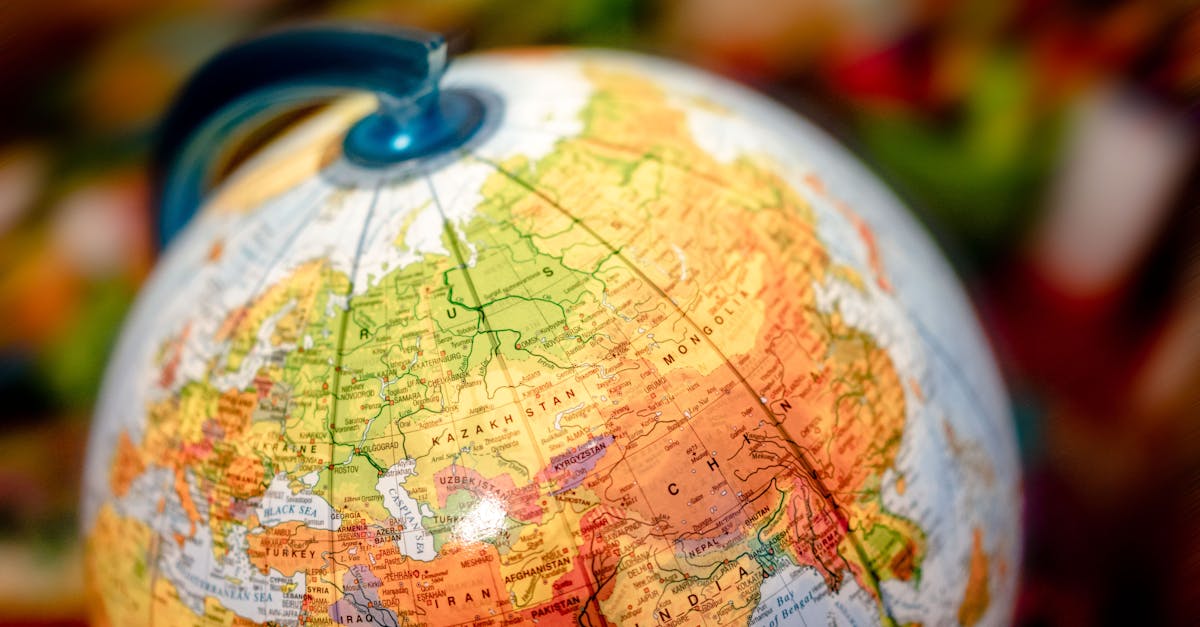
Recent escalations in geopolitical tensions between the United States and Iran have placed the ordinary citizens of Iran squarely in the crosshairs. Recent statements from US officials, warning of significant repercussions for Iran's critical infrastructure—specifically its power plants and bridges—unless the strategically vital Strait of Hormuz is opened, have sent ripples of concern and defiance through the nation. This high-stakes ultimatum underscores the precarious balance of power in the Middle East and highlights the potential human cost of political brinkmanship.
The Strait of Hormuz, a narrow waterway connecting the Persian Gulf to the open ocean, is a choke point through which a significant portion of the world's oil supply passes. Its closure, or even the credible threat of it, has profound global economic implications. Against this backdrop, the US threat is not merely a diplomatic statement but a direct challenge with tangible, devastating consequences for millions of Iranians.
Ordinary Iranians React with Resilience and Concern
On the streets of Tehran, Isfahan, and other Iranian cities, the response from ordinary citizens is a complex tapestry of emotions. While a strong undercurrent of national pride and defiance against perceived foreign bullying is evident, there is also palpable anxiety about the practical implications of such threats. Many Iranians, who have lived through decades of sanctions and international pressure, view the latest threats as yet another test of their resilience.
For many, the thought of power plants being destroyed conjures immediate fears of widespread blackouts, affecting everything from homes and hospitals to schools and businesses. The destruction of bridges would cripple internal travel, trade, and the distribution of essential goods, exacerbating existing economic hardships. "We have seen hard times before," remarked a Tehran shopkeeper, "but targeting our infrastructure directly impacts our daily bread, our children's future."
However, alongside these concerns, there is a visible surge of unity. Social media platforms and informal gatherings buzz with discussions where many Iranians express a determination to stand together. The threats are often interpreted as an attempt to destabilize the nation, an effort that many believe will only strengthen their resolve and national cohesion.
Geopolitical Stakes and Humanitarian Impact
The situation underscores the broader geopolitical stakes surrounding Iran and the Middle East. The Strait of Hormuz has long been a flashpoint, critical for global energy security. Any military action or disruption there would not only affect Iran but would send shockwaves across the international economy.
International observers and human rights organizations are increasingly voicing concerns about the potential humanitarian crisis that would ensue if military action were to target civilian infrastructure. The principle of distinction in international humanitarian law mandates that civilian objects must not be targeted. The US officials' threats, regardless of intent, raise serious questions about the protection of civilians in times of conflict.
As the world watches the escalating rhetoric, the resilience of ordinary Iranians remains a poignant focal point. Their lives, livelihoods, and sense of national dignity are at the heart of this volatile standoff, reminding all that behind the grand pronouncements of leaders lie the quiet fears and unwavering spirit of people simply trying to live their lives.
संयुक्त राज्य अमेरिका और ईरान के बीच भू-राजनीतिक तनाव में हालिया वृद्धि ने ईरान के आम नागरिकों को सीधे निशाने पर ला दिया है। अमेरिकी अधिकारियों के हालिया बयान, जिनमें सामरिक रूप से महत्वपूर्ण होर्मुज जलडमरूमध्य नहीं खुलने पर ईरान के महत्वपूर्ण बुनियादी ढांचे — विशेष रूप से उसके बिजली संयंत्रों और पुलों — के लिए गंभीर परिणामों की चेतावनी दी गई है, इसने पूरे देश में चिंता और अवज्ञा की लहरें भेज दी हैं। यह उच्च दांव वाला अल्टीमेटम मध्य पूर्व में शक्ति के अनिश्चित संतुलन को रेखांकित करता है और राजनीतिक पैंतरेबाजी की संभावित मानवीय लागत पर प्रकाश डालता है।
होर्मुज जलडमरूमध्य, फारस की खाड़ी को खुले महासागर से जोड़ने वाला एक संकीर्ण जलमार्ग है, जिसके माध्यम से दुनिया की तेल आपूर्ति का एक महत्वपूर्ण हिस्सा गुजरता है। इसका बंद होना, या यहां तक कि इसके बंद होने की विश्वसनीय धमकी भी, वैश्विक आर्थिक निहितार्थों को गहरा करती है। इस पृष्ठभूमि में, अमेरिकी धमकी केवल एक राजनयिक बयान नहीं है बल्कि लाखों ईरानियों के लिए मूर्त, विनाशकारी परिणामों के साथ एक सीधी चुनौती है।
आम ईरानी लचीलेपन और चिंता के साथ प्रतिक्रिया दे रहे हैं
तेहरान, इस्फहान और अन्य ईरानी शहरों की सड़कों पर, आम नागरिकों की प्रतिक्रिया भावनाओं का एक जटिल मिश्रण है। जहां विदेशी दादागिरी के खिलाफ राष्ट्रीय गौरव और अवज्ञा का एक मजबूत अंतर्निहित प्रवाह स्पष्ट है, वहीं ऐसी धमकियों के व्यावहारिक निहितार्थों के बारे में स्पष्ट चिंता भी है। कई ईरानी, जिन्होंने दशकों के प्रतिबंधों और अंतरराष्ट्रीय दबाव का सामना किया है, नवीनतम धमकियों को अपने लचीलेपन की एक और परीक्षा मानते हैं।
कई लोगों के लिए, बिजली संयंत्रों के नष्ट होने का विचार व्यापक ब्लैकआउट के तत्काल डर को जन्म देता है, जो घरों और अस्पतालों से लेकर स्कूलों और व्यवसायों तक सब कुछ प्रभावित करेगा। पुलों का विनाश आंतरिक यात्रा, व्यापार और आवश्यक वस्तुओं के वितरण को पंगु बना देगा, जिससे मौजूदा आर्थिक कठिनाइयां और बढ़ जाएंगी। तेहरान के एक दुकानदार ने टिप्पणी की, "हमने पहले भी कठिन समय देखे हैं, लेकिन हमारे बुनियादी ढांचे को निशाना बनाने से हमारी दैनिक रोटी, हमारे बच्चों के भविष्य पर सीधा असर पड़ता है।"
हालांकि, इन चिंताओं के साथ-साथ एकता में एक स्पष्ट वृद्धि भी है। सोशल मीडिया प्लेटफॉर्म और अनौपचारिक सभाएं चर्चाओं से गुलजार हैं जहां कई ईरानी एक साथ खड़े होने का दृढ़ संकल्प व्यक्त करते हैं। धमकियों को अक्सर राष्ट्र को अस्थिर करने के प्रयास के रूप में व्याख्या किया जाता है, एक ऐसा प्रयास जिसे कई लोगों का मानना है कि यह उनके संकल्प और राष्ट्रीय एकजुटता को ही मजबूत करेगा।
भू-राजनीतिक दांव और मानवीय प्रभाव
यह स्थिति ईरान और मध्य पूर्व से जुड़े व्यापक भू-राजनीतिक दांवों को रेखांकित करती है। होर्मुज जलडमरूमध्य लंबे समय से एक ज्वलंत मुद्दा रहा है, जो वैश्विक ऊर्जा सुरक्षा के लिए महत्वपूर्ण है। वहां कोई भी सैन्य कार्रवाई या व्यवधान न केवल ईरान को प्रभावित करेगा बल्कि अंतरराष्ट्रीय अर्थव्यवस्था में भी झटके पैदा करेगा।
अंतर्राष्ट्रीय पर्यवेक्षक और मानवाधिकार संगठन संभावित मानवीय संकट के बारे में बढ़ती चिंता व्यक्त कर रहे हैं जो यदि सैन्य कार्रवाई नागरिक बुनियादी ढांचे को निशाना बनाती है तो उत्पन्न होगा। अंतरराष्ट्रीय मानवीय कानून में अंतर का सिद्धांत यह अनिवार्य करता है कि नागरिक वस्तुओं को निशाना नहीं बनाया जाना चाहिए। अमेरिकी अधिकारियों की धमकियां, इरादे की परवाह किए बिना, संघर्ष के समय में नागरिकों की सुरक्षा के बारे में गंभीर सवाल उठाती हैं।
जैसे-जैसे दुनिया बढ़ती बयानबाजी को देख रही है, आम ईरानियों का लचीलापन एक मार्मिक केंद्र बिंदु बना हुआ है। उनका जीवन, आजीविका और राष्ट्रीय गरिमा इस अस्थिर गतिरोध के केंद्र में है, जो सभी को याद दिलाता है कि नेताओं की बड़ी घोषणाओं के पीछे उन लोगों के शांत भय और अटूट भावनाएं हैं जो बस अपना जीवन जीने की कोशिश कर रहे हैं।
