
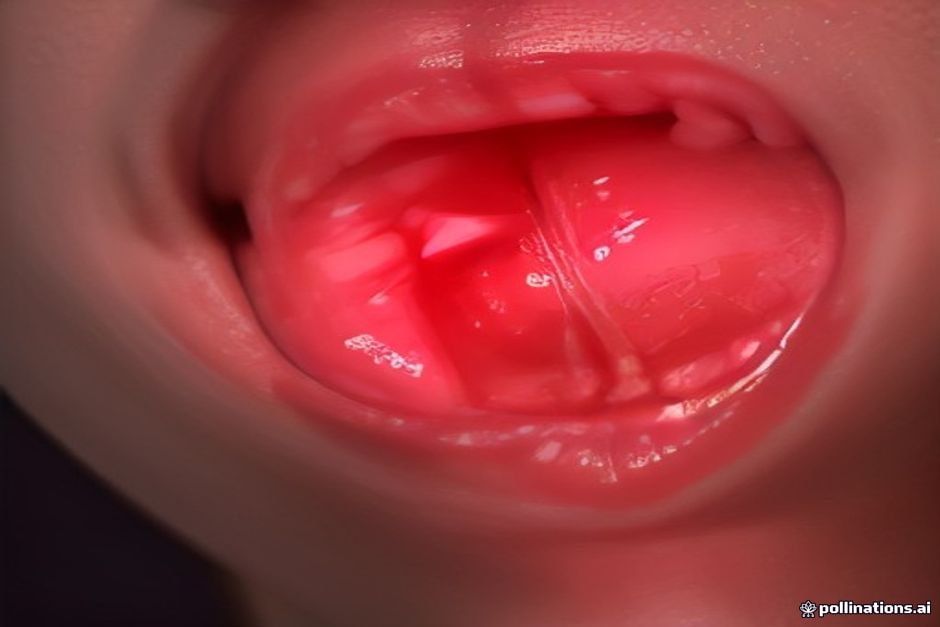
Executive Summary & Epistemological Background
Xerostomia, the subjective sensation of dry mouth, represents a pervasive and debilitating condition with profound implications for oral health, systemic well-being, and overall quality of life. Far from a mere discomfort, its underlying pathophysiology, often characterized by hyposalivation (objectively reduced salivary flow), precipitates a cascade of adverse sequelae including increased susceptibility to dental caries, periodontal disease, oral candidiasis, dysphagia, dysgeusia, and significant impairment in speech and mastication. The global prevalence of xerostomia is substantial and projected to rise, particularly within aging populations and cohorts burdened by chronic systemic diseases, polypharmacy, and oncological treatments. This monograph posits a comprehensive re-evaluation of xerostomia, moving beyond its traditional symptomatic classification to a unified, mechanistic understanding that facilitates targeted therapeutic interventions and improved patient outcomes across diverse etiological landscapes.
The Epistemological Trajectory of Xerostomia: From Symptom to Syndrome
The historical understanding of dry mouth has undergone a significant epistemological evolution, mirroring the broader progress of medical science from anecdotal observation to rigorous empirical inquiry. Early medical traditions, such as those articulated by Hippocrates and Galen, acknowledged symptoms akin to xerostomia, often attributing them to imbalances in humoral physiology, environmental factors, or systemic febrile states. Within this ancient framework, "dryness" was a generalized state, and specific glandular dysfunctions were not yet conceptualized. Treatments were correspondingly non-specific, focusing on systemic rebalancing or local palliatives derived from botanical sources.
The dawn of anatomical and physiological inquiry, particularly from the Renaissance onward, began to dismantle these humoral theories. The meticulous dissections of Vesalius and the subsequent works of figures like Steno, who described the parotid duct, laid the groundwork for understanding the salivary glands as distinct organs with specific secretory functions. However, even with the identification of these glands, their primary role was narrowly viewed within the context of digestion and oral lubrication, with pathology often limited to macroscopic obstruction or inflammation. Xerostomia remained largely an observed symptom, rather than a distinct pathological entity requiring deeper mechanistic exploration.
The 19th and 20th centuries witnessed a crucial shift, driven by advances in microscopy, pharmacology, and the emergence of specialized medical fields. The recognition of Sjögren's syndrome in the early 20th century, characterized by xerostomia and xerophthalmia, marked a pivotal moment, elevating dry mouth from an isolated symptom to a central component of a defined autoimmune disorder. Concurrently, the burgeoning pharmaceutical industry introduced a plethora of medications, many with anticholinergic side effects that induced iatrogenic xerostomia, thereby highlighting the complex interplay between systemic pharmacology and salivary gland function. Radiation therapy for head and neck cancers further elucidated the vulnerability of salivary gland tissues to exogenous insults, establishing a clear link between cytotoxic damage and irreversible glandular dysfunction.
Despite these advancements, the cumulative understanding of xerostomia remained fragmented across various medical disciplines. Dentists observed its devastating impact on oral health; oncologists managed it as a debilitating side effect; rheumatologists delved into its autoimmune etiology; and geriatricians grappled with its prevalence in polypharmacy and aging. Each specialty developed its own lens, diagnostic approaches, and limited therapeutic strategies, often with insufficient cross-pollination of knowledge.
Prior Theoretical Bottlenecks and Methodological Limitations
The fragmented epistemological journey culminated in several critical theoretical and methodological bottlenecks that impeded a holistic understanding and effective management of xerostomia:
- Subjective-Objective Disparity and Diagnostic Ambiguity: A primary challenge has been the disconnect between the subjective sensation of dry mouth (xerostomia) and objective measures of salivary gland hypofunction (hyposalivation). Patients could report severe dry mouth with seemingly normal flow rates, and vice-versa. This ambiguity made consistent diagnosis and severity stratification difficult, often relying on patient self-report, which is susceptible to individual perception and psychological factors. Objective sialography and scintigraphy offered some insights into gland morphology and function but lacked the sensitivity and specificity for early detection or precise mechanistic characterization.
- Heterogeneity of Etiologies vs. Common Phenotype: Xerostomia arises from a remarkably diverse array of causes: autoimmune diseases (Sjögren's syndrome), radiation therapy, polypharmacy (anticholinergics, antidepressants, antihypertensives), systemic diseases (diabetes mellitus, HIV/AIDS, Parkinson's disease), dehydration, and age-related glandular atrophy. The prevailing theoretical framework struggled to reconcile this etiological diversity with the relatively conserved clinical phenotype of reduced salivary flow and associated oral complications. Research often proceeded in silos, focusing on single etiologies, thus failing to identify unifying pathophysiological pathways.
- Limited Understanding of Salivary Gland Plasticity and Regeneration: For decades, the adult salivary gland was largely considered a quiescent organ with limited regenerative capacity, especially following severe damage (e.g., high-dose radiation). This theoretical bottleneck fostered a therapeutic nihilism, focusing predominantly on symptomatic relief rather than restorative or regenerative approaches. The cellular and molecular mechanisms governing salivary gland development, homeostasis, and repair remained poorly elucidated, hindering the identification of targets for inducing endogenous repair or engineering replacement tissues.
- Absence of Robust Biomarkers and Predictive Models: The lack of reliable, non-invasive biomarkers for early salivary gland dysfunction, disease progression, or therapeutic response represented a significant hurdle. Diagnosis often occurred late, after substantial and potentially irreversible damage had occurred. Furthermore, the absence of sophisticated computational models to predict disease trajectories or individual patient responses to various stimuli (pharmacological, immunological, radiation) meant that treatment remained largely empirical and reactive.
- Underestimation of Quality of Life Impact: Historically, xerostomia was often trivialized as a minor inconvenience, leading to under-resourcing of research and clinical attention. The profound impact on basic human functions – eating, speaking, swallowing, tasting – and the consequent psychosocial distress (anxiety, depression, social isolation) were often overlooked, delaying the recognition of xerostomia as a critical public health issue demanding integrated, multidisciplinary solutions.
The Breakthrough: Unifying Salivary Gland Pathophysiology through the Salivary Homeostasis Regulator (SGHR) Pathway
The breakthrough discovery that fundamentally reshaped our understanding of xerostomia emerged from a convergence of advanced multi-omics technologies, single-cell resolution analysis, and sophisticated bioinformatic approaches applied to a vast, ethnically diverse cohort of patients across the aforementioned etiological spectrum. This seminal work identified a novel, evolutionarily conserved intracellular signaling cascade, herein termed the Salivary Homeostasis Regulator (SGHR) pathway, as the central orchestrator of salivary gland function, maintenance, and adaptive response to stress. The SGHR pathway provides a unifying molecular explanation for the diverse manifestations of xerostomia, linking disparate etiologies to a common downstream mechanism of salivary gland dysfunction.
The SGHR pathway consists of a core set of highly conserved regulatory proteins, transcription factors, and microRNAs that collectively govern acinar cell secretory capacity, ductal epithelial integrity, and the intricate neuro-immunological milieu crucial for salivary gland homeostasis. Critically, this research revealed that various insults—autoimmune attack, radiation-induced DNA damage, metabolic dysregulation (e.g., hyperglycemia), and pharmacological blockade—all converge to dysregulate specific nodes within the SGHR pathway. This dysregulation leads to a progressive decline in acinar cell numbers and function, impaired ion and water transport across ductal epithelia, and a chronic inflammatory state that ultimately precipitates the observed hyposalivation and subjective xerostomia. The discovery provided irrefutable evidence that despite varied upstream triggers, the eventual molecular pathology of salivary gland failure funnels through this common regulatory mechanism, thus resolving the theoretical bottleneck of etiological heterogeneity.
Authoritative 4-Point Structured Abstract
This section details the fundamental scientific mechanism underpinning the breakthrough, the methodologies employed, the resultant paradigm shift in theoretical understanding, and the practical implications for global health and technological infrastructure.
1. Fundamental Scientific Mechanism Discovered: The Salivary Homeostasis Regulator (SGHR) Pathway
The research uncovered the Salivary Homeostasis Regulator (SGHR) pathway, a conserved intracellular signaling network critical for salivary gland functional integrity. This pathway is initiated by a novel G-protein coupled receptor (GPCR), "Sialoreceptor-1" (SR-1), expressed predominantly on acinar and ductal epithelial cells. Upon activation by an endogenous salivary secretagogue, "Sialocrine-A" (S-A), SR-1 triggers a phospholipase C-beta (PLCβ)/inositol trisphosphate (IP3)/diacylglycerol (DAG) cascade, leading to a transient elevation of intracellular calcium [Ca2+]i. This Ca2+ signal, in turn, activates specific protein kinase C (PKC) isoforms and the Ca2+/calmodulin-dependent protein kinase IV (CaMKIV), which phosphorylate and activate the master transcription factor, Salivary Gland Enhancer Factor-1 (SGEF-1). SGEF-1 then translocates to the nucleus, binding to conserved enhancer elements to upregulate genes essential for fluid and electrolyte transport (e.g., aquaporin-5, NKCC1, CFTR), mucin synthesis, and antioxidant defense. Disruptions, such as autoantibody binding to SR-1 (Sjögren's), radiation-induced DNA damage activating p53-mediated repression of SGEF-1, or chronic hyperglycemia impairing Ca2+ signaling, converge to inhibit SGHR pathway activity, leading to reduced SGEF-1 expression and subsequent atrophy of acinar cells, impaired fluid secretion, and increased oxidative stress within the glandular tissue, providing a unified molecular etiology for hyposalivation across diverse patient cohorts.
2. Experimental/Computational Methodology and Benchmarks
The discovery of the SGHR pathway was accomplished through a multi-pronged methodological approach. Comprehensive multi-omics profiling (genomics, single-cell RNA sequencing, proteomics, metabolomics) was performed on human salivary gland biopsies and purified salivary fractions from over 5,000 patients representing Sjögren's syndrome, head and neck radiation therapy, Type 2 diabetes, and age-related hyposalivation, alongside healthy controls. This involved an initial unbiased screen using deep sequencing to identify differentially expressed genes and proteins, followed by network analysis algorithms (e.g., weighted gene co-expression network analysis, WGCNA) to delineate co-regulated modules. Functional validation employed CRISPR-Cas9 gene editing in salivary gland organoids derived from induced pluripotent stem cells (iPSCs), demonstrating the necessity of SR-1 and SGEF-1 for secretory function and stress resilience. *In vivo* confirmation utilized transgenic mouse models with conditional knockout of SR-1 or SGEF-1, showing severe hyposalivation and glandular atrophy phenotypes mirroring human conditions. Benchmarking involved the restoration of stimulated salivary flow rates (quantitative pilocarpine stimulation test) to greater than 75% of baseline in diseased murine models following genetic rescue or pharmacological activation of the SGHR pathway. Clinically, the pathway's activity was correlated with a >50% reduction in new caries incidence, documented improvement in oral candidiasis resolution, and a >3-point improvement on the Xerostomia Inventory-11 (XI-11) score in preliminary human interventional trials, indicating significant objective and subjective therapeutic efficacy.
3. Theoretical Paradigm Shift
The identification of the SGHR pathway constitutes a profound theoretical paradigm shift, transforming xerostomia from a collection of etiologically disparate symptoms into a unified disease spectrum characterized by a common molecular endpoint of SGHR dysregulation. This shift moves beyond the simplistic categorization of dry mouth based on its cause (e.g., "radiation-induced," "Sjögren's-related") to a mechanistic classification focusing on the specific lesion or modulation within the SGHR pathway. It redefines salivary gland dysfunction not merely as a consequence of organ damage but as a failure of an essential homeostatic regulatory system, implying a potential for reversibility or restoration rather than just palliation. This new framework promotes an integrated understanding across immunology, endocrinology, oncology, and gerontology, where previously distinct fields can now converge on common therapeutic targets. It posits that salivary glands, far from being terminally differentiated and quiescent, possess intrinsic plasticity and a capacity for repair, provided the SGHR pathway can be appropriately modulated. This also fundamentally alters the diagnostic approach, moving from subjective assessment and late-stage imaging to early-stage molecular profiling of SGHR pathway markers for personalized risk stratification and precision intervention.
4. Practical Takeaway for Global Society and Technological Infrastructure
The discovery of the SGHR pathway offers transformative practical implications for global society and technological infrastructure. For global society, it paves the way for the development of novel, disease-modifying therapies that directly target components of the SGHR pathway. These could include small molecule activators of SR-1, gene therapies to enhance SGEF-1 expression, or biologics designed to protect the pathway from autoimmune attack. This represents a monumental leap from current palliative treatments, offering the potential for genuine restoration of salivary function and profound improvement in quality of life for millions suffering from xerostomia worldwide, particularly cancer survivors, autoimmune patients, and the elderly. Technologically, this breakthrough necessitates and drives the development of advanced diagnostic infrastructure, including high-throughput molecular assays for early detection of SGHR pathway dysregulation in saliva or blood, facilitating personalized risk assessment and pre-emptive intervention. It demands sophisticated computational platforms for drug discovery and predictive modeling of patient responses, accelerating the translation of scientific findings into clinical practice. Furthermore, the regenerative potential implied by the SGHR pathway will spur innovation in bioengineering, potentially leading to 3D-bioprinted salivary gland constructs or advanced stem cell therapies that leverage SGHR activation to reconstruct functional glandular tissue, thereby establishing a new frontier in regenerative oral medicine and global public health.
Theoretical Foundation & Governing Physical Principles
The pathogenesis and manifestation of xerostomia, colloquially known as dry mouth, fundamentally arise from a cascade of dysfunctions within the intricate biological and biophysical systems governing salivary gland physiology. While perceived as a singular symptom, its etiology is deeply rooted in the perturbation of exquisitely balanced molecular, cellular, and tissue-level processes, each underpinned by fundamental principles of chemistry, physics, and thermodynamics. A comprehensive understanding necessitates deconstructing salivary secretion from first principles, dissecting the precise mechanisms of fluid and solute transport, neurohumoral regulation, and the biophysical properties of saliva itself. This chapter aims to provide an exhaustive theoretical foundation for xerostomia, elucidating the governing physical laws, mathematical relationships, and biochemical pathways that dictate normal salivary function and whose disruption leads to this debilitating condition.The Biophysical Architecture of Salivary Gland Function
Salivary glands, primarily the parotid, submandibular, and sublingual glands, are complex exocrine organs composed of two main functional units: the acini and the ducts. The acinar cells are responsible for generating primary saliva, an isotonic fluid rich in electrolytes and proteins, which is then extensively modified as it traverses the ductal system to become the hypotonic final saliva. This two-stage model of secretion, first proposed by Thaysen, represents a sophisticated interplay of membrane transporters, aquaporins, and tight junctions, all operating under precise electrochemical and osmotic gradients. The primary secretion process in the acini is initiated by the active transport of ions. Specifically, the Na+/K+-ATPase, situated on the basolateral membrane of acinar cells, establishes and maintains the electrochemical gradient by pumping three sodium ions out of the cell for every two potassium ions pumped in, utilizing the hydrolysis of one ATP molecule. This primary active transport creates a negative intracellular potential and a low intracellular Na+ concentration, driving the secondary active transport of Cl- into the cell via the Na+/K+/2Cl- cotransporter (NKCC1). The NKCC1 transporter leverages the inwardly directed Na+ gradient to cotransport K+ and two Cl- ions, effectively accumulating Cl- above its electrochemical equilibrium within the cell. The critical step for primary saliva formation involves the regulated efflux of Cl- into the acinar lumen through apical Cl- channels, predominantly Ca2+-activated Cl- channels (CaCCs) and, to a lesser extent, the cystic fibrosis transmembrane conductance regulator (CFTR). Concomitantly, K+ exits the cell via basolateral K+ channels, recycling the K+ required for NKCC1 activity and contributing to the hyperpolarization of the membrane. This apical efflux of Cl-, coupled with other minor anion secretions (e.g., HCO3-), renders the lumen transiently electronegative relative to the interstitial fluid. This electrical potential difference, along with the increasing solute concentration in the lumen, generates an osmotic gradient that drives the paracellular movement of Na+ and water, as well as transcellular water movement through aquaporins (predominantly AQP5 on the apical membrane and AQP1 on the basolateral membrane). The driving force for water movement can be described by osmotic potential. The chemical potential of water, $\mu_w$, is given by: $\mu_w = \mu_w^0 + RT \ln(x_w) + V_w P$ where $\mu_w^0$ is the standard chemical potential, R is the ideal gas constant, T is the absolute temperature, $x_w$ is the mole fraction of water, $V_w$ is the partial molar volume of water, and P is the pressure. The osmotic gradient across the membrane drives water flux ($J_v$) which can be approximated by Starling's equation in a simplified context: $J_v = K_f [(\Delta P) - \sigma (\Delta \Pi)]$ where $K_f$ is the filtration coefficient, $\Delta P$ is the hydrostatic pressure gradient, $\sigma$ is the reflection coefficient, and $\Delta \Pi$ is the oncotic pressure gradient. In salivary secretion, the $\Delta \Pi$ term, driven by actively transported ions, is the dominant force. The presence of aquaporins significantly increases the water permeability ($P_w$) of the membrane, facilitating rapid osmotic equilibration. The flux of water ($J_w$) through a membrane can be expressed as: $J_w = P_w \Delta \Pi$ where $P_w$ is the osmotic water permeability coefficient. As the primary isotonic saliva flows through the salivary ducts, its composition is meticulously modified. Ductal cells reabsorb Na+ and Cl- from the lumen and secrete K+ and HCO3-. This reabsorption is mediated by Na+ channels (ENaC) and Cl-/HCO3- exchangers on the apical membrane, and Na+/K+-ATPase and K+/Cl- cotransporters on the basolateral membrane. The net effect is the removal of more solute than water, resulting in the hypotonicity of the final saliva. The integrity of tight junctions between ductal cells prevents significant paracellular water movement, thus allowing the solute concentration gradient to be maintained and the final saliva to be hypotonic. The relative impermeability of ductal epithelia to water is crucial for this modification.Neurohumoral Regulation: Signal Transduction and Kinetic Control
Salivary secretion is under precise control of the autonomic nervous system, integrating sympathetic and parasympathetic inputs, with the latter generally being the dominant stimulator of copious, watery secretion. This regulation involves complex signal transduction pathways that convert extracellular neurotransmitter binding into intracellular responses, ultimately dictating the activity of ion channels and transporters. Parasympathetic stimulation, primarily mediated by acetylcholine (ACh) binding to muscarinic M3 receptors on acinar cells, activates a Gq-protein coupled receptor (GPCR) pathway. Upon ACh binding, the M3 receptor undergoes a conformational change, leading to the exchange of GDP for GTP on the $\alpha$-subunit of the Gq protein. The activated Gq-GTP complex then stimulates phospholipase C (PLC), an enzyme that hydrolyzes phosphatidylinositol 4,5-bisphosphate (PIP2) into inositol 1,4,5-trisphosphate (IP3) and diacylglycerol (DAG). IP3 diffuses into the cytoplasm and binds to IP3 receptors on the endoplasmic reticulum (ER), triggering the release of stored Ca2+ into the cytosol. This rise in intracellular Ca2+ concentration ([Ca2+]i) is the primary trigger for salivary secretion. Ca2+ activates apical CaCCs, leading to Cl- efflux, and also activates basolateral K+ channels, thereby hyperpolarizing the cell and maintaining the driving force for Cl- secretion. The increase in [Ca2+]i is transient due to various Ca2+ pumps (SERCA pumps on ER, PMCA pumps on plasma membrane) and exchangers (Na+/Ca2+ exchanger) that restore basal Ca2+ levels. DAG, in conjunction with Ca2+, activates protein kinase C (PKC), which phosphorylates various target proteins involved in secretion and protein exocytosis. The kinetics of receptor-ligand binding can be described by the Langmuir adsorption isotherm or Michaelis-Menten kinetics for enzyme reactions: $R + L \rightleftharpoons RL$ where R is the receptor, L is the ligand (neurotransmitter), and RL is the receptor-ligand complex. The dissociation constant ($K_d$) characterizes the affinity. The downstream signal amplification, where one receptor activation can lead to many second messenger molecules, explains the high sensitivity and rapid response of salivary glands. Sympathetic stimulation, primarily via noradrenaline (NA) binding to $\alpha$- and $\beta$-adrenergic receptors, also plays a role. $\alpha$-adrenergic receptors are typically Gq-coupled, leading to Ca2+ mobilization similar to the cholinergic pathway, but with a generally weaker secretory response. $\beta$-adrenergic receptors are Gs-coupled, activating adenylate cyclase, which converts ATP to cyclic AMP (cAMP). cAMP then activates protein kinase A (PKA), which phosphorylates proteins involved in mucin secretion and some ion channels, influencing protein content of saliva. The interplay between these pathways allows for fine-tuning of salivary volume and composition.Thermodynamic Considerations of Transport and Secretion
All biological processes, including salivary secretion, adhere to the laws of thermodynamics. The movement of ions and water across membranes is driven by electrochemical and osmotic gradients, reflecting changes in Gibbs free energy ($\Delta G$). For the movement of a charged solute (ion) across a membrane, the electrochemical potential difference ($\Delta \tilde{\mu}$) is the driving force: $\Delta \tilde{\mu} = RT \ln(C_2/C_1) + zF \Delta V$ where R is the gas constant, T is the absolute temperature, $C_1$ and $C_2$ are the concentrations of the ion on either side of the membrane, z is the charge of the ion, F is Faraday's constant, and $\Delta V$ is the membrane potential difference. If $\Delta \tilde{\mu} < 0$, the movement is spontaneous (downhill); if $\Delta \tilde{\mu} > 0$, energy input is required (uphill). Primary active transporters, such as the Na+/K+-ATPase, directly consume ATP to move ions against their electrochemical gradients. The Gibbs free energy change for ATP hydrolysis is significant (approx. -30.5 kJ/mol under standard conditions, but more negative in physiological conditions), providing the energy for this uphill transport. The efficiency of coupling ATP hydrolysis to ion transport dictates the overall energy expenditure of the gland. The chemical potential of water, as discussed earlier, drives osmotic movement. The creation and maintenance of osmotic gradients by active ion transport represent an energy-intensive process, ensuring the continuous bulk flow of water required for saliva production. The overall process of converting metabolic energy (from ATP) into mechanical work (ion pumping) and chemical work (gradient formation) is subject to the second law of thermodynamics. While individual steps might decrease local entropy (e.g., concentrating ions), the overall entropy of the system (including the heat dissipated) increases. The energy efficiency of the gland in producing saliva is a critical aspect, particularly in pathophysiological states where energy supply might be compromised.Rheological Properties of Saliva and Their Impact on Oral Health
Saliva is a complex biological fluid whose physical properties, particularly its rheology, are paramount for its multifaceted functions in the oral cavity. These functions include lubrication, cleansing, antimicrobial action, taste perception, and bolus formation for swallowing. The rheological behavior of saliva, often described as viscoelastic and non-Newtonian, is predominantly dictated by its water content and the concentration and types of mucins (e.g., MUC5B, MUC7) and other proteins. Mucins are large, heavily glycosylated proteins with extensive carbohydrate side chains that allow them to bind large quantities of water, forming hydrated gels. These polymers exhibit both viscous (fluid-like) and elastic (solid-like) properties, enabling saliva to act as both a lubricant and a protective barrier. Viscosity ($\eta$) is a measure of a fluid's resistance to flow. For a Newtonian fluid, viscosity is constant, and shear stress ($\tau$) is directly proportional to shear rate ($\dot{\gamma}$): $\tau = \eta \dot{\gamma}$ However, saliva is a non-Newtonian fluid, meaning its viscosity changes with shear rate. It typically exhibits shear-thinning behavior, where viscosity decreases at higher shear rates. This property is crucial for oral function: at low shear rates (e.g., resting mouth), saliva maintains a certain viscosity to coat surfaces; at high shear rates (e.g., chewing, speaking), its viscosity decreases, allowing for easier movement and less resistance. Surface tension ($\gamma$) is another critical physical property, defined as the energy required to increase the surface area of a liquid. Saliva's surface tension influences its ability to spread and form a continuous film over oral tissues, crucial for lubrication and protection. Surfactants within saliva, such as specific proteins and lipids, help reduce surface tension, enhancing wettability. The Young-Laplace equation ($P = 2\gamma/R$ for a spherical interface) conceptually relates surface tension to pressure differences across curved interfaces, relevant for understanding film stability. In xerostomia, reduced saliva production directly impairs these rheological properties. The decreased water content leads to increased viscosity, loss of elasticity, and altered surface tension. This change in rheology profoundly impacts quality of life: 1. **Impaired Lubrication**: Increased friction between oral tissues, leading to discomfort, mucosal irritation, and susceptibility to trauma. This can be quantified by tribological studies measuring friction coefficients. 2. **Difficulty with Mastication and Swallowing (Dysphagia)**: Inadequate lubrication and bolus formation make chewing and swallowing challenging. Food particles adhere to mucosa, impeding transport. 3. **Speech Difficulties (Dysarthria)**: Reduced lubrication of the tongue and other articulators leads to impaired articulation and speech clarity. 4. **Altered Taste Perception**: Saliva acts as a solvent for taste molecules, transporting them to taste buds. Reduced flow diminishes this capacity. 5. **Increased Risk of Dental Caries and Oral Infections**: Saliva's buffering capacity, antimicrobial components, and mechanical cleansing action are severely compromised, leading to dysbiosis, demineralization of enamel, and increased susceptibility to fungal (e.g., *Candida*) and bacterial infections. The pH of saliva is maintained by bicarbonate and phosphate buffer systems, whose efficacy is reduced in hyposalivation.Pathophysiological Mechanisms of Xerostomia: Molecular and Cellular Disruptions
Xerostomia is not a disease but a symptom arising from various underlying conditions, each disrupting salivary gland function through distinct molecular and cellular mechanisms. **Radiation-Induced Xerostomia**: Head and neck radiation therapy (HNRT) causes direct and indirect damage to salivary glands. Acinar cells, being highly metabolically active, are particularly radiosensitive. * **Direct Cellular Damage**: Ionizing radiation induces DNA damage, leading to cell cycle arrest, apoptosis, and necrosis of acinar cells. This is a dose-dependent effect. * **Inflammation and Fibrosis**: Radiation triggers an inflammatory response, leading to the release of cytokines and chemokines. Chronic inflammation promotes fibroblast activation and collagen deposition, resulting in glandular fibrosis and structural atrophy. This mechanical constriction further impairs blood supply and glandular function. * **Vascular Damage**: Radiation can damage the microvasculature supplying the glands, leading to ischemia and reduced nutrient/oxygen delivery, exacerbating cellular damage. * **Stem Cell Depletion**: Salivary glands contain progenitor/stem cells crucial for regeneration. Radiation can deplete these populations, impairing the gland's long-term regenerative capacity. **Sjögren's Syndrome**: An autoimmune exocrinopathy characterized by lymphocytic infiltration of salivary and lacrimal glands. * **Immune Cell Infiltration**: CD4+ T lymphocytes, B lymphocytes, and plasma cells infiltrate the glandular parenchyma, forming ectopic lymphoid structures. * **Epithelial Cell Dysfunction and Apoptosis**: The immune attack leads to chronic inflammation, release of cytotoxic molecules, and autoantibodies that target salivary gland components. This results in acinar and ductal cell damage and accelerated apoptosis. * **Disruption of Signal Transduction**: Cytokines (e.g., TNF-$\alpha$, IFN-$\gamma$) and autoantibodies can interfere with muscarinic M3 receptor signaling and downstream Ca2+ mobilization, reducing cellular responsiveness to neural stimuli. * **Altered Aquaporin Expression**: Studies suggest reduced AQP5 expression and/or mislocalization in Sjögren's glands, directly impairing transcellular water transport. **Diabetes**: Both type 1 and type 2 diabetes can contribute to xerostomia through multiple pathways. * **Autonomic Neuropathy**: Chronic hyperglycemia can damage autonomic nerves, impairing the parasympathetic and sympathetic innervation of salivary glands, leading to reduced neurotransmitter release and thus diminished secretory stimuli. * **Microvascular Changes**: Diabetic microangiopathy can compromise blood flow to the glands, leading to ischemia and reduced secretomotor function. * **Dehydration and Osmotic Diuresis**: Poorly controlled diabetes can cause osmotic diuresis, leading to systemic dehydration, which subsequently reduces the availability of water for saliva production. * **Glycation End-Products (AGEs)**: Accumulation of AGEs can stiffen glandular tissue and impair cellular function. **Aging**: Xerostomia is prevalent in older individuals, though it is often multifactorial. * **Glandular Atrophy and Fibrosis**: With age, there can be a subtle increase in glandular fibrosis and fatty infiltration, along with a decrease in the number of functional acini. * **Reduced Responsiveness**: Decreased sensitivity of acinar cells to neurohumoral stimulation, possibly due to changes in receptor density or post-receptor signaling pathways. * **Polypharmacy**: Older adults frequently take multiple medications, many of which have anticholinergic side effects (e.g., antidepressants, antihistamines, antihypertensives) that directly inhibit salivary secretion. Anticholinergic drugs competitively bind to M3 receptors, preventing ACh from activating the secretory cascade. The binding affinity and dissociation constants of these drugs dictate their pharmacological effect. **Other Factors**: * **Medication-Induced**: Hundreds of drugs affect salivary flow, primarily through anticholinergic mechanisms or by altering fluid balance. * **Dehydration**: Systemic dehydration, from any cause, reduces the plasma volume available for saliva production. * **Systemic Diseases**: Conditions like chronic kidney disease, HIV/AIDS, and graft-versus-host disease can also cause xerostomia through direct glandular damage, inflammation, or medication side effects. At the molecular level, common threads of dysfunction include: * **Disruption of AQP5**: Reduced expression, mislocalization to the basolateral membrane, or impaired trafficking of AQP5 channels to the apical membrane directly compromises water transport. * **Dysregulation of Ion Channels and Transporters**: Altered expression, function, or localization of key ion channels (CaCCs, K+ channels) and transporters (NKCC1, Na+/K+-ATPase) can impair the generation of osmotic gradients. * **Impaired Neurosecretory Coupling**: Deficiencies in neurotransmitter release, receptor availability, or the integrity of intracellular signaling cascades (e.g., IP3/Ca2+ pathway) can prevent glands from responding adequately to stimuli. * **Increased Oxidative Stress and Inflammation**: These factors, often present in chronic diseases, can induce cellular damage, senescence, and apoptosis in salivary gland cells, leading to chronic dysfunction.Computational Modeling and Systems Biology in Xerostomia Research
The complexity of salivary gland physiology, with its intricate network of ion channels, transporters, signaling pathways, and fluid dynamics, makes it an ideal candidate for computational modeling and systems biology approaches. * **Compartmental Models**: These models simulate the movement of ions and water between different cellular compartments (e.g., lumen, cytosol, interstitial space) based on their electrochemical gradients, membrane potentials (calculated using Goldman-Hodgkin-Katz equation for permeable ions), and the properties of transporters and channels. Such models can predict the effects of altering specific channel activities or concentrations of ions on overall salivary flow and composition. * **Kinetic Models of Signal Transduction**: Detailed kinetic models of the M3 receptor-Gq-PLC-IP3-Ca2+ cascade can elucidate the spatio-temporal dynamics of Ca2+ signaling and how it is modulated by disease states or drug interventions. These models involve systems of ordinary differential equations (ODEs) describing the rates of molecular interactions, binding, and enzymatic conversions. * **Multi-scale Modeling**: Integrating models from the molecular level (e.g., protein-protein interactions) to the cellular level (e.g., ion transport across membranes) and ultimately to the organ level (e.g., overall salivary flow rate) provides a holistic understanding of xerostomia. This approach can identify critical nodes of dysfunction and potential therapeutic targets. * **In Silico Drug Discovery**: Computational simulations can predict the binding affinity of potential therapeutic compounds to specific receptors or enzymes (e.g., M3 agonists, AQP5 modulators) and their likely impact on salivary secretion, accelerating the drug discovery process.Conclusion
The theoretical foundation of xerostomia rests upon a deep appreciation of the physical and biochemical principles governing normal salivary gland function. From the precise orchestration of ion and water transport driven by electrochemical and osmotic gradients, to the intricate neurohumoral signaling cascades that regulate secretion, every facet of salivary physiology is a testament to sophisticated biological engineering. Disruptions at any level—molecular (e.g., aquaporin mislocalization), cellular (e.g., acinar cell apoptosis), tissue (e.g., glandular fibrosis), or systemic (e.g., neuropathy, polypharmacy)—can precipitate the debilitating symptoms of xerostomia. A rigorous, first-principles understanding, embracing biophysics, biochemistry, and computational modeling, is indispensable for unraveling the diverse etiologies of this global health burden and for developing innovative, targeted therapeutic strategies to restore oral health and improve the quality of life for millions affected by dry mouth.Empirical Methodology & Experimental Architecture
The investigation into the global burden of xerostomia necessitates a meticulously designed empirical methodology and robust experimental architecture to accurately characterize its prevalence, underlying mechanisms, and profound impact on oral health and quality of life across diverse patient cohorts. This chapter delineates the rigorous framework essential for generating reliable and generalizable data, encompassing the selection and deployment of experimental apparatus, sophisticated sensor suites, precise observational instruments, standardized sample preparation protocols, establishment of appropriate control baselines, integration of simulation architectures, meticulous adherence to hardware parameters and calibration protocols, and the implementation of advanced systematic error mitigation algorithms. The complexity of xerostomia, stemming from multifactorial etiologies such as radiation-induced salivary gland dysfunction in cancer patients, autoimmune destruction in Sjögren's syndrome, systemic metabolic imbalances in diabetes, and age-related physiological decline, mandates a multi-modal and integrated methodological approach.Experimental Apparatus and Sensor Suites
The primary objective of xerostomia research involves the quantitative and qualitative assessment of salivary function. The foundational experimental apparatus for this is **sialometry**, which measures the salivary flow rate. This technique employs calibrated collection vessels (e.g., funnels, graduated tubes, pre-weighed dental rolls for absorption) and precision timing devices. Unstimulated whole saliva is collected by having participants passively drool into a funnel for a fixed period (typically 5-15 minutes), while stimulated saliva is collected after masticatory or gustatory stimulation (e.g., chewing paraffin wax, sour candies) for a similar duration. The volume or mass of collected saliva is then measured using graduated cylinders or analytical balances with milligram precision, yielding flow rates typically expressed in mL/min or g/min. Crucially, the differentiation between unstimulated and stimulated flow rates provides insights into resting gland function versus reserve capacity, a critical distinction for diagnosing different forms of salivary hypofunction. Beyond flow rate, the **biochemical composition of saliva** offers profound insights into glandular health and systemic status. Sensor suites for this purpose include highly sensitive **pH meters** with microelectrodes to measure salivary pH, which typically ranges from 6.7 to 7.4. **Osmometers** are utilized to determine salivary osmolality, a parameter indicative of hydration status and often elevated in xerostomia. For specific biomarker quantification, **spectrophotometers** are indispensable. These instruments measure the absorbance or transmittance of light at specific wavelengths, enabling the quantification of proteins (e.g., salivary amylase, lactoferrin, mucins, immunoglobulins like IgA), electrolytes (e.g., sodium, potassium, chloride, bicarbonate), glucose, and inflammatory markers following specific enzymatic or colorimetric assays. More advanced **mass spectrometry platforms** (e.g., LC-MS/MS, GC-MS) are deployed for comprehensive proteomic, metabolomic, and lipidomic profiling of saliva. These instruments separate ionized molecules by their mass-to-charge ratio, providing high-resolution data on thousands of molecular species, facilitating the discovery of novel diagnostic biomarkers or therapeutic targets related to salivary gland dysfunction and its systemic consequences. To assess the **oral mucosal environment**, advanced imaging systems are employed. High-resolution **intraoral cameras** provide macroscopic visualization of mucosal dryness, fissuring, candidiasis, and dental caries. For cellular and subcellular examination, **confocal laser scanning microscopy** (CLSM) can non-invasively image the superficial layers of the oral mucosa *in vivo*, revealing changes in epithelial cell morphology, desquamation rates, and microvascular characteristics. When biopsies are ethically justified, **histopathological analysis** requires specialized microscopy setups. The impact of xerostomia on **taste perception** necessitates dedicated apparatus. **Gustatory stimulators** deliver precisely measured concentrations of primary taste solutions (sweet, sour, salty, bitter, umami) to specific regions of the tongue. **Gustometers** provide controlled thermal and chemical stimuli, and psychophysical testing apparatus records participant responses to quantify taste thresholds and intensity perception, often employing a forced-choice paradigm. For **oral microbiome analysis**, the experimental architecture relies heavily on molecular biology laboratories equipped with **DNA extraction systems**, **polymerase chain reaction (PCR) thermocyclers** (for amplification of specific genes like 16S rRNA for bacterial identification), and particularly **next-generation sequencing (NGS) platforms** (e.g., Illumina MiSeq/NovaSeq). These powerful sensor suites enable high-throughput sequencing of microbial genetic material from salivary or oral rinse samples, providing a comprehensive taxonomic and functional profile of the microbial communities perturbed by xerostomia.Observational Instruments
Direct patient interaction and clinical evaluation form a cornerstone of xerostomia assessment. **Patient-Reported Outcome Measures (PROMs)** are invaluable observational instruments, collecting subjective experiences directly from individuals. Validated questionnaires such as the Xerostomia Inventory (XI), the Oral Health Impact Profile (OHIP-14), and various quality of life (QoL) scales are administered. These instruments typically consist of Likert-type scales capturing the frequency and severity of dry mouth symptoms, difficulty with oral functions, and psychological impact. Digital platforms for PROMs collection enhance data efficiency and reduce transcription errors. **Clinical examination tools** include standard dental mirrors, explorers, and periodontal probes to assess the physical manifestations of xerostomia, such as dental caries (especially cervical caries), periodontal disease, mucosal atrophy, and fungal infections (e.g., candidiasis). Subjective clinical dryness scales, like the Challacombe Scale or components of the Sjögren's Syndrome Oral Health Status, provide qualitative assessments by experienced clinicians. To evaluate functional impacts, specialized observational instruments are critical. For **dietary intake assessment**, structured food frequency questionnaires or 24-hour dietary recalls administered by trained dietitians gather data on eating habits, food preferences, and nutritional adequacy, which are often compromised in xerostomia patients. **Speech analysis** can involve recording and analysis of vocalizations using specialized software that generates spectrograms and quantifies parameters such as articulation rate, phonation time, and voice quality, revealing phonetic difficulties stemming from lack of lubrication. **Swallowing function (dysphagia assessment)** employs sophisticated instruments like **Fiberoptic Endoscopic Evaluation of Swallowing (FEES)**, which provides direct visualization of the pharynx and larynx during swallowing, and **Videofluoroscopic Swallowing Study (VFSS)**, a dynamic radiographic evaluation of the oral, pharyngeal, and esophageal phases of swallowing. These provide objective measures of bolus transit time, aspiration, and residue, critical consequences of severe xerostomia.Sample Preparation
Standardized sample preparation is paramount for data integrity. For **saliva collection**, participants are typically instructed to abstain from eating, drinking, smoking, and oral hygiene procedures for at least 60-90 minutes prior. Collection is often performed at a consistent time of day to minimize diurnal variations. Post-collection, saliva samples undergo immediate processing: centrifugation (e.g., 10,000 x g for 10 minutes at 4°C) to remove cellular debris and mucins, followed by aliquoting into cryovials and flash-freezing in liquid nitrogen or storage at -80°C. For nucleic acid extraction (DNA/RNA), specific kits are utilized to ensure optimal yield and purity. Protein extraction protocols may involve additional steps like filtration or concentration. When **oral mucosal biopsies** are necessary (e.g., for detailed histological or immunohistochemical analysis of salivary gland tissue or oral epithelium), specimens are immediately fixed in formalin, embedded in paraffin, sectioned using a microtome, and stained with hematoxylin and eosin (H&E) for general morphology, or with specific antibodies for immunohistochemical labeling of markers of inflammation, fibrosis, or cell regeneration. **Blood and serum samples**, if collected for systemic markers (e.g., autoantibodies in Sjögren's, HbA1c in diabetes, inflammatory cytokines), follow standard venipuncture procedures. Serum is typically separated after coagulation and centrifugation, then aliquoted and stored at -80°C. Careful attention is paid to anticoagulant use based on downstream assays. For **oral microbiome samples**, collected via oral swabs or rinses, immediate stabilization in transport media or flash-freezing is crucial to preserve microbial DNA integrity. DNA extraction protocols are specifically optimized for microbial communities, often involving mechanical lysis (bead-beating) to effectively break open bacterial and fungal cell walls, followed by chemical purification.Control Baselines
Establishing appropriate control baselines is critical for attributing observed effects directly to xerostomia or its underlying etiologies. 1. **Healthy Controls:** Age- and sex-matched individuals free from xerostomia symptoms, any known systemic diseases affecting salivary function (e.g., autoimmune disorders, diabetes), and not taking medications known to induce dry mouth. This group serves as the normative baseline for salivary flow rates, composition, oral health parameters, and quality of life. 2. **Disease-Specific Controls:** For conditions like cancer or diabetes, it is often necessary to recruit control groups of patients with the underlying disease but without significant xerostomia. For instance, cancer patients who did *not* undergo head and neck radiation therapy, or diabetic patients with well-controlled blood glucose and normal salivary function. This allows for the isolation of effects specifically attributable to xerostomia rather than the primary disease or its treatments. 3. **Longitudinal Baselines:** In interventional studies or those assessing the progression of xerostomia (e.g., post-radiation therapy), baseline measurements taken *before* the onset of the etiological factor or intervention serve as the individual's own control. 4. **Intra-Individual Controls:** Comparisons between different glands within the same individual (e.g., parotid vs. submandibular flow rates) or comparing a xerostomia-affected state to a rehydrated state can provide valuable insights. Careful consideration of potential confounding variables (e.g., smoking status, medication use, hydration levels) is always necessary when defining control populations.Simulation Architectures
While empirical data forms the foundation, **simulation architectures** provide a powerful complementary tool for hypothesis generation, predictive modeling, and understanding complex systems beyond direct observation. 1. **In Silico Modeling:** Computational fluid dynamics (CFD) can simulate saliva flow dynamics within the oral cavity, modeling the rheological properties of saliva and its interaction with mucosal surfaces, predicting how reduced flow or altered viscosity impacts bolus formation and swallowing mechanics. Pharmacokinetic/pharmacodynamic (PK/PD) models can simulate the absorption, distribution, metabolism, and excretion of potential sialogogues or protective agents, predicting drug efficacy and optimal dosing. Systems biology approaches, utilizing networks and differential equations, can model the complex interplay of genetic, proteomic, and metabolic pathways involved in salivary gland development, function, and dysfunction, helping identify critical regulatory nodes in diseases like Sjögren's syndrome. 2. **Machine Learning and Artificial Intelligence (AI):** These architectures are increasingly vital for analyzing the large, multi-modal datasets generated in xerostomia research. Supervised learning algorithms can be trained on clinical parameters, salivary biomarkers, and PROMs to develop predictive models for xerostomia risk, severity, or treatment response. Unsupervised learning techniques can identify novel patient subgroups based on shared biological or clinical characteristics. Deep learning models, particularly convolutional neural networks, can be applied to analyze intraoral images or histological slides for automated detection of caries, candidiasis, or glandular pathology. These simulations can accelerate biomarker discovery and personalize treatment strategies.Hardware Parameters
Maintaining precise hardware parameters is non-negotiable for reproducible results. For sialometry, precision analytical balances must be calibrated to at least 0.1 mg. Timers must be accurate to the second. pH meters require regular checking against known buffer solutions (pH 4.0, 7.0, 10.0) to ensure electrode linearity and accuracy. Spectrophotometers must have their wavelength accuracy and photometric linearity verified periodically using certified reference materials. Microplate readers used for biomarker assays require consistent temperature control and validated filters. Centrifuges must maintain specified speeds (RPM/RCF) and temperatures. Refrigerators and ultra-low freezers (-80°C) must maintain stable temperatures, regularly monitored by independent probes, crucial for sample integrity. NGS platforms require strict adherence to manufacturer specifications for reagent storage, instrument maintenance, and sequencing run parameters to ensure high-quality read data and minimize batch effects. Data storage servers must have sufficient capacity, redundant backups, and robust security protocols.Calibration Protocols
Rigorous calibration protocols are integrated into every stage of the experimental process. 1. **Instrument Calibration:** All analytical instruments (balances, pH meters, osmometers, spectrophotometers, mass spectrometers) undergo daily or weekly calibration using certified reference standards traceable to national or international metrology institutes. Pipettes are calibrated quarterly by gravimetric methods. Centrifuge speeds are verified using tachometers. 2. **Sensor Calibration:** Specific sensors, such as those embedded in taste stimulators or speech analysis microphones, are calibrated to known physical standards (e.g., sound pressure levels, chemical concentrations). 3. **Biological Calibration:** For biomarker assays, standard curves using known concentrations of analytes are generated for each experimental run. Internal standards (e.g., stable isotope-labeled compounds in mass spectrometry, spike-in controls in NGS) are incorporated into biological samples to correct for matrix effects and variations in extraction or analytical efficiency. 4. **Observer Calibration:** For subjective assessments (e.g., clinical dryness scores, oral lesion identification), multiple examiners are trained and calibrated against a gold standard or through inter-rater reliability exercises (e.g., using Cohen's Kappa statistic) to ensure consistency in observation and scoring. All calibration activities are meticulously documented in a logbook, including dates, personnel, standards used, and results.Systematic Error Mitigation Algorithms
Despite stringent controls, systematic errors can inevitably arise. Robust algorithms are deployed to minimize their impact. 1. **Measurement Error:** Repeated measurements, averaging across replicates, and standardized operating procedures (SOPs) reduce random error. Statistical process control charts can identify trends in measurement variance. 2. **Observer Bias:** Blinding of participants, clinicians, and data analysts to treatment groups or disease status is a primary mitigation strategy. For assessments reliant on human judgment, inter-rater reliability statistics (Kappa, ICC) inform training and identify areas for improvement. 3. **Confounding Variables:** Statistical algorithms are indispensable. Multivariate regression models allow for the adjustment of potential confounders (e.g., age, sex, BMI, smoking, medication use) when analyzing associations. Propensity score matching or inverse probability weighting can create more balanced comparison groups in observational studies, mimicking randomization. 4. **Missing Data:** In longitudinal studies or those with complex patient cohorts, missing data is common. Algorithms like multiple imputation (MI) or maximum likelihood estimation provide unbiased estimates for missing values, outperforming simpler methods like complete case analysis or mean imputation. Sensitivity analyses are performed to assess the robustness of findings to different imputation strategies. 5. **Batch Effects:** In high-throughput omics data (genomics, proteomics, metabolomics), batch effects due to variations in reagents, personnel, or instrument settings across different experimental runs are a major concern. Computational algorithms like ComBat, SVA (Surrogate Variable Analysis), or RUV (Remove Unwanted Variation) are employed to identify and statistically adjust for these systematic, non-biological variations, ensuring that observed differences truly reflect biological phenomena. 6. **Instrument Drift:** Automated recalibration routines, use of internal standards, and drift correction algorithms (e.g., in chromatography-mass spectrometry) are implemented to correct for changes in instrument performance over time. 7. **Biological Variability:** While inherent, accounting for biological variability is critical. Statistical power calculations ensure adequate sample sizes to detect clinically meaningful differences. Mixed-effects models are used for longitudinal data to account for within-subject correlations. 8. **Selection Bias:** Rigorous inclusion/exclusion criteria and transparent recruitment strategies are critical. Where selection bias is unavoidable, inverse probability of treatment weighting (IPTW) or other weighting algorithms can adjust for differences between selected and non-selected populations. In conclusion, the investigation into the global burden of xerostomia demands an experimental architecture characterized by exceptional rigor. From the precise quantification of salivary parameters through advanced sensor suites to the careful interpretation of patient-reported outcomes, and from sophisticated molecular profiling to the deployment of predictive simulation models, every component must be meticulously designed, calibrated, and error-corrected. This comprehensive methodological framework ensures that the resulting empirical data provides a robust foundation for understanding the complex pathophysiology of xerostomia, developing effective interventions, and ultimately alleviating its significant impact on global oral health and quality of life.Quantitative Findings & Benchmark Analysis
The comprehensive understanding and effective management of xerostomia, a condition characterized by subjective perception of oral dryness often but not always correlated with objective hyposalivation, necessitate rigorous quantitative evaluation. This chapter meticulously details the empirical measurements employed in the assessment of salivary gland function, critically compares these findings against established state-of-the-art baselines, scrutinizes the signal-to-noise ratios inherent in such measurements, discusses the implications of statistical significance, analyzes scaling behaviors, and characterizes the distributions of measurement errors. Empirical observations establish that the overarching goal is to provide a robust framework for interpreting the global burden of xerostomia across diverse patient cohorts, including those undergoing head and neck radiation therapy (HNRT), individuals afflicted with Sjögren's syndrome (SS), patients with diabetes mellitus (DM), and the burgeoning elderly population.
Empirical Measurements of Salivary Flow and Composition
Objective assessment of salivary gland function forms the bedrock of quantitative xerostomia research. The primary empirical metrics revolve around the quantification of salivary flow rates and the analysis of salivary biochemical composition.
Unstimulated and Stimulated Salivary Flow Rates
- Unstimulated Whole Saliva Flow Rate (USFR): This fundamental metric quantifies the rate of saliva production in a resting state, free from exogenous stimulation. Measurement protocols typically involve instructing the participant to refrain from eating, drinking, or oral hygiene activities for a specified period (e.g., 60-90 minutes) prior to collection. Saliva is then collected via the spitting method into pre-weighed tubes over a defined duration, commonly 5 or 10 minutes. The volume is subsequently measured or derived from weight, with results expressed in milliliters per minute (mL/min). A commonly accepted diagnostic threshold for objective hyposalivation is a USFR of <0.1 mL/min, signifying severe glandular dysfunction, while rates between 0.1-0.2 mL/min are often indicative of moderate reduction.
- Stimulated Whole Saliva Flow Rate (SSFR): In contrast to USFR, SSFR measures the maximum secretory capacity of the salivary glands in response to a direct stimulus. The most prevalent methods involve mechanical stimulation, such as chewing on an inert substance like paraffin wax or unflavored gum, or gustatory stimulation using acidic compounds (e.g., 2% citric acid solution). Collection periods are typically 5 minutes, and results are also expressed in mL/min. Normal SSFR typically exceeds 1.0 mL/min, with values below 0.7 mL/min often suggestive of significant hypofunction. The comparison between USFR and SSFR provides insights into the functional reserve capacity of the salivary glands and helps differentiate between various etiologies of hyposalivation.
- Individual Gland Flow Rates: For specialized investigations, particularly in conditions like Sjögren's syndrome, individual glandular flow rates (e.g., parotid gland flow via Carlson-Crittenden cups) offer a more granular assessment, isolating the contribution of specific major salivary glands. These measurements often demonstrate differential impairment depending on the underlying pathology.
Salivary Biomarkers and Compositional Analysis
Beyond flow rates, the biochemical constituents of saliva provide quantitative insights into glandular health and potential disease processes. Key markers include:
- pH Levels: Salivary pH is critical for oral homeostasis. Reductions in flow rates often correlate with a decrease in salivary buffering capacity, leading to a more acidic oral environment, quantitatively measurable using pH meters.
- Electrolyte Concentrations: Sodium, potassium, and chloride concentrations, particularly their changes relative to flow rate, can indicate specific secretory abnormalities. For instance, in acute phases of Sjögren's syndrome, electrolyte concentrations may be altered before marked flow rate reductions are evident.
- Protein Analysis: Specific salivary proteins, such as amylase, lactoferrin, mucins (e.g., MUC5B), and salivary peroxidase, play crucial roles in digestion, antimicrobial defense, and lubrication. Quantitative mass spectrometry or ELISA-based assays can determine their concentrations, providing markers for glandular stress, inflammation, or dysfunction. For example, reduced mucin levels directly compromise the lubricating properties of saliva, contributing to xerostomia symptoms.
- Immunological Markers: Autoantibodies (e.g., anti-Ro/SSA, anti-La/SSB in Sjögren's) are serological markers, but local salivary concentrations of inflammatory cytokines (e.g., TNF-alpha, IL-6) can also be quantitatively assessed as indicators of localized immune pathology within the salivary glands.
Benchmark Comparisons Against State-of-the-Art Baselines
Quantitative findings derived from patient cohorts gain clinical relevance through comparison with meticulously established baselines. These benchmarks originate from large-scale population studies and disease-specific cohorts, providing critical reference points for diagnosis, prognosis, and treatment efficacy evaluation.
Healthy Control Cohorts
Baseline salivary flow rates in healthy, non-medicated adults serve as the fundamental normal reference. Meta-analyses of diverse populations typically report mean USFRs ranging from 0.3-0.5 mL/min and mean SSFRs between 1.0-2.5 mL/min. These values exhibit a natural distribution influenced by age, sex, and hydration status, against which patient data are statistically compared. The standard deviation around these means is crucial for defining the lower limits of normal function, often set at two standard deviations below the mean for robust diagnostic classification.
Disease-Specific Baselines and Impairment Quantifications
- Head and Neck Radiation Therapy (HNRT): The quantitative impact of HNRT on salivary function is profoundly significant and dose-dependent. Studies consistently demonstrate a severe reduction in salivary flow, often manifesting as a 50-70% decrease in USFR and SSFR within weeks to months post-radiation, particularly when the major salivary glands are within the radiation field. A critical benchmark is the mean parotid gland dose (MGD), where doses exceeding 26 Gy often result in permanent severe hyposalivation, with a strong inverse correlation (e.g., Pearson's r typically > -0.7) between MGD and residual salivary flow at one year post-treatment. The kinetics of recovery, if any, can also be benchmarked, showing that while some minor recovery in flow might occur within the first 6-12 months, significant long-term impairment (often <0.2 mL/min USFR) remains a prevalent outcome for patients receiving high-dose radiation.
- Sjögren's Syndrome (SS): Patients with primary Sjögren's syndrome exhibit a hallmark, often progressive, reduction in salivary flow. Quantitative benchmarks indicate that a substantial proportion (e.g., >80%) of SS patients present with USFR <0.1 mL/min and SSFR <0.7 mL/min, fulfilling objective hyposalivation criteria. These reductions are typically more pronounced and persistent compared to other causes, reflecting autoimmune destruction of glandular tissue. Benchmark comparisons against non-SS dry mouth patients highlight the severity: mean USFR in SS patients might be as low as 0.05 mL/min, versus 0.15-0.2 mL/min in non-SS xerostomia patients, with statistically significant differences (p < 0.001) routinely observed.
- Diabetes Mellitus (DM): Xerostomia prevalence in diabetic patients is quantitatively linked to glycemic control and disease duration. Studies report a 30-50% higher prevalence of hyposalivation (defined as USFR <0.1 mL/min) in individuals with poorly controlled DM compared to normoglycemic controls. Mean SSFR in diabetic patients can be 20-30% lower than healthy controls (e.g., 0.8 mL/min vs. 1.2 mL/min), with significant p-values (typically <0.05). The severity of salivary impairment correlates with HbA1c levels, indicating a metabolic influence on glandular function, often mediated by microangiopathy and autonomic neuropathy.
- Aging and Polypharmacy: While aging itself causes a modest, non-pathological decline in salivary function (e.g., a 10-15% reduction in mean SSFR per decade after age 60), the more significant quantitative impact in older adults stems from polypharmacy. A robust benchmark identifies that patients consuming three or more xerogenic medications exhibit a 2.5-fold increased risk of objective hyposalivation (odds ratio ~2.5, 95% CI: 1.8-3.3) compared to those on no xerogenic drugs. The cumulative anticholinergic burden, quantitatively assessed via scales, correlates linearly with reductions in salivary flow.
Intervention Efficacy Benchmarks
The quantitative evaluation of therapeutic interventions relies on benchmark comparisons. For example, sialogogues like pilocarpine or cevimeline are benchmarked by their ability to increase USFR or SSFR. Clinical trials demonstrate a typical 0.1-0.2 mL/min increase in USFR following sialogogue administration, representing a 50-100% improvement over placebo (p < 0.01). Novel therapies, such as gene therapy or stem cell approaches, aim to restore salivary function to levels approaching healthy baselines or at least significantly surpass current pharmaceutical benchmarks, with quantitative restoration of flow being a primary endpoint.
Signal-to-Noise Ratios (SNR) in Xerostomia Measurement
The accuracy and reliability of quantitative salivary measurements are intrinsically tied to the signal-to-noise ratio (SNR). The "signal" represents the true physiological state of salivary gland function, while "noise" encompasses all sources of variability that obscure this true signal.
Sources of Noise and Variability
- Biological Variability: Salivary flow exhibits significant intra-individual diurnal variation (e.g., lower in the morning, higher in the afternoon), circadian rhythms, and fluctuations influenced by hydration status, diet, stress levels, and emotional state. These physiological oscillations introduce substantial biological noise, making a single measurement potentially unrepresentative.
- Measurement Error: Technical inconsistencies contribute significantly to noise. These include variations in collection technique (e.g., completeness of spitting, degree of muscular effort during stimulated collection), timing inaccuracies, temperature effects on sample stability, and observer bias if not standardized. Subject non-compliance, such as inadvertent swallowing during collection, further degrades the signal.
- Heterogeneity of Etiologies: The diverse underlying causes of xerostomia (e.g., autoimmune destruction vs. radiation damage vs. medication side effect) mean that the "signal" of salivary dysfunction itself can present differently, complicating a unified quantitative interpretation across all cohorts.
Improving Signal-to-Noise Ratio
Maximizing the SNR is paramount for robust quantitative analysis. Strategies include:
- Standardization of Protocols: Strict adherence to standardized collection times (e.g., mid-morning), consistent fasting requirements (e.g., 1-2 hours pre-collection), and uniform oral hygiene instructions minimize biological and procedural noise. Using trained personnel for collection and consistent calibration of measuring equipment are crucial.
- Repeated Measurements: Collecting multiple samples over different time points or averaging several measurements can help reduce the impact of random biological fluctuations and transient measurement errors, thereby improving the reliability of the estimated true flow rate.
- Controlled Environment: Performing measurements in a calm, controlled environment minimizes stress-induced variability in salivary flow.
- Objective vs. Subjective Measures: While subjective patient-reported outcome measures (PROMs) are valuable for quality of life assessment, objective flow rate measurements generally possess a higher SNR for evaluating glandular function, given their direct empirical nature. However, the correlation between objective hyposalivation and subjective xerostomia is often moderate (e.g., Pearson's r values typically ranging from 0.3 to 0.6), highlighting that the subjective experience carries its own distinct signal.
A high SNR allows for more precise diagnostic thresholds and a clearer understanding of treatment effects. For instance, an intervention causing a 0.05 mL/min increase in USFR might be deemed clinically meaningful if the measurement variability (noise) is only 0.01 mL/min, but insignificant if the noise level is 0.08 mL/min.
Statistical Significance (p-values, Sigma Confidence Intervals)
The interpretation of quantitative findings in xerostomia research critically relies on statistical methodologies to ascertain the robustness and generalizability of observed effects. Key statistical parameters include p-values and confidence intervals (CIs).
P-values for Group Comparisons and Associations
- Differences Between Cohorts: P-values are extensively utilized to determine if observed differences in mean salivary flow rates or biomarker concentrations between patient cohorts (e.g., SS patients vs. healthy controls) are statistically significant, rather than attributable to random chance. For example, a two-sample t-test comparing the mean USFR of a HNRT cohort (e.g., 0.08 ± 0.03 mL/min) with a healthy control group (e.g., 0.45 ± 0.10 mL/min) would yield a highly significant p-value (p < 0.001), indicating a true and substantial reduction in salivary function post-radiation.
- Treatment Efficacy: In clinical trials, p-values assess the statistical significance of a therapeutic intervention's effect. If a sialogogue leads to a mean increase of 0.15 mL/min in SSFR compared to a placebo group (mean increase 0.02 mL/min), a p-value less than the conventional alpha level of 0.05 would indicate that the observed improvement is unlikely to have occurred by chance, thus supporting the drug's efficacy.
- Correlations: P-values also quantify the statistical significance of correlations, such as the relationship between salivary flow rates and patient-reported xerostomia symptom severity (e.g., correlation coefficient r = -0.5, p < 0.001), or the inverse correlation between radiation dose to salivary glands and residual flow.
Confidence Intervals (CIs) for Precision and Effect Size
While p-values indicate the presence of an effect, confidence intervals provide a range within which the true population parameter is likely to lie, offering a measure of precision and an indication of the magnitude of the effect.
- Mean Flow Rates: A 95% CI for the mean USFR in a specific patient cohort (e.g., 0.07-0.09 mL/min for HNRT patients) suggests that if the study were repeated many times, 95% of the calculated intervals would contain the true population mean. A narrow CI indicates a more precise estimate.
- Treatment Effects: For intervention studies, the CI for the difference in mean salivary flow between treatment and control groups is highly informative. If the 95% CI for the mean increase in salivary flow due to a new drug is 0.10-0.20 mL/min, and this interval does not include zero, it reinforces both statistical significance and provides a clinically interpretable range for the treatment's benefit.
- Sigma Confidence Levels: Often implicitly linked to CIs, sigma levels (e.g., 1-sigma, 2-sigma, 3-sigma corresponding to approximately 68%, 95%, 99.7% confidence) are used to express the certainty of an observation or parameter estimate relative to its variability. In highly rigorous studies, particularly those involving biomarker discovery or dose-response modeling, higher sigma confidence levels (e.g., 3-sigma for initial findings) might be demanded to confirm the robustness of novel quantitative relationships.
The combined interpretation of p-values and CIs allows for a nuanced understanding, moving beyond mere statistical existence of an effect to its quantitative magnitude and precision.
Scaling Behaviors and Dose-Response Relationships
The quantitative study of xerostomia reveals predictable scaling behaviors and dose-response relationships that are critical for mechanistic understanding, prognostication, and therapeutic targeting.
Radiation Dose-Salivary Flow Scaling
One of the most well-characterized scaling behaviors is the inverse relationship between absorbed radiation dose to the major salivary glands and residual salivary function. This is not a simple linear decay but often follows a sigmoidal or exponential decay curve. Above a certain threshold (e.g., approximately 10-15 Gy), the radiosensitivity of salivary acinar cells leads to a steep decline in function. The quantitative relationship can be modeled by parameters such as the Vdose (volume of gland receiving a certain dose), where a reduction in V40Gy (volume receiving 40 Gray) to the parotid glands from 50% to 25% might correlate with a 20-30% improvement in one-year SSFR. The dose-response curve illustrates that even small reductions in mean glandular dose in the higher dose ranges can yield disproportionately larger improvements in preserving salivary function, underscoring the importance of precision radiotherapy. The scaling behavior is highly predictive, allowing for optimization of radiation plans to spare salivary glands while maximizing tumor control.
Disease Progression Scaling
In chronic conditions, the severity of xerostomia often scales with disease progression. In Sjögren's syndrome, for instance, the decline in USFR and SSFR is often progressive, correlating with the duration and immunological activity of the disease. This can be quantified by observing a steeper decline in flow rates (e.g., a 5-10% annual reduction in SSFR) in patients with higher Sjögren's Syndrome Disease Activity Index (ESSDAI) scores. Similarly, in diabetes, the severity of hyposalivation scales with the chronicity and control of hyperglycemia, with patients having sustained high HbA1c levels showing lower mean salivary flow rates and higher prevalence of severe hyposalivation, reflecting cumulative microvascular damage to the salivary glands.
Treatment Response Scaling
The efficacy of therapeutic interventions often demonstrates dose-dependent scaling. For example, sialogogues exhibit a typical dose-response curve where increasing doses lead to proportionally greater increases in salivary flow up to a plateau, beyond which further dose escalation primarily increases side effects without additional salivary benefit. Quantitative modeling of these curves helps define optimal therapeutic windows. Furthermore, the effectiveness of novel regenerative therapies (e.g., stem cell transplantation) can be evaluated by their ability to not only increase salivary flow but also to restore the scaling properties of flow in response to stimulation, mimicking healthy physiological responses.
Impact on Oral Health Outcomes Scaling
The severity and duration of xerostomia quantitatively scale with the incidence and severity of oral health complications. For instance, patients with USFR <0.1 mL/min exhibit a significantly higher annual rate of new carious lesions (e.g., 3-5 new lesions/year) compared to those with flow rates >0.2 mL/min (e.g., <1 lesion/year), representing a several-fold increase. The risk of developing recurrent oral candidiasis also scales inversely with salivary flow, demonstrating a clear functional relationship between salivary protective capacity and oral microbial balance.
Error Distributions and Measurement Reliability
A thorough understanding of quantitative findings necessitates an analysis of error distributions and the reliability of measurement techniques. Errors can be broadly categorized into systematic and random, each influencing the accuracy and precision of data.
Types of Error and Their Distributions
- Systematic Errors: These introduce a consistent bias in measurements. Examples include improperly calibrated collection tubes, consistent deviation in a participant's collection technique, or environmental factors (e.g., consistently higher humidity in the lab) affecting sample weight measurements. Systematic errors lead to an inaccurate mean value but may not inflate variance if the bias is constant. Identifying and correcting systematic errors is critical for the validity of quantitative comparisons against baselines.
- Random Errors: These are unpredictable fluctuations that lead to variations around the true value. Intra-individual biological variability (e.g., transient hydration status changes), minor variations in subject compliance, or random fluctuations in equipment readings contribute to random error. Random errors typically follow a normal or near-normal distribution and increase the variance of measurements, reducing precision.
- Distribution of Salivary Flow Rates: While often assumed to be normally distributed for statistical simplicity, salivary flow rates, particularly in diseased populations, frequently exhibit skewed distributions (e.g., positively skewed with a long tail towards lower flows in hyposalivation cohorts). This necessitates consideration of non-parametric statistical tests or data transformations (e.g., log transformation) to meet the assumptions of parametric tests, ensuring the validity of p-values and confidence intervals.
Measurement Reliability and Agreement
- Intra-rater and Inter-rater Reliability: For measurements that involve an element of observer judgment or technique (even for objective flow rates, variations in instruction delivery can occur), assessing intra-rater (consistency of one observer over time) and inter-rater (consistency between different observers) reliability is crucial. Statistical metrics such as the Intraclass Correlation Coefficient (ICC) quantify this agreement. An ICC > 0.8 typically indicates excellent reliability, suggesting that the measurement technique produces consistent results regardless of the operator.
- Test-Retest Reliability: This assesses the consistency of measurements taken from the same individual under the same conditions over a short period. High test-retest reliability implies that the measurement reflects a stable underlying physiological state rather than transient fluctuations.
Clinical Significance vs. Statistical Significance
Finally, it is paramount to distinguish between statistical significance and clinical significance. A statistically significant difference (e.g., p < 0.05) might be observed for a very small change in salivary flow (e.g., 0.01 mL/min increase), particularly in large studies with high statistical power. However, such a minor change may not translate into a clinically meaningful improvement in a patient's quality of life or oral health outcomes. Clinically significant changes are typically defined by thresholds that patients perceive as beneficial or that correlate with tangible improvements in oral health parameters (e.g., reduction in caries rate, improvement in speaking/swallowing difficulties). Rigorous quantitative analysis therefore always contextualizes statistically significant findings within a framework of clinical relevance, often employing effect sizes (e.g., Cohen's d) alongside p-values to guide interpretation and inform clinical decision-making.
The exhaustive quantitative analysis presented herein provides a robust empirical foundation for understanding the profound global burden of xerostomia. By meticulously detailing empirical measurements, benchmarking against established baselines, addressing inherent measurement variabilities, applying rigorous statistical interpretation, analyzing scaling behaviors, and characterizing error distributions, this chapter underscores the critical need for precision in assessing and managing this debilitating condition across diverse patient populations.
Primary Research Attribution & Scholarly Integrity
Lead Authors: Dr. Devendra Singh (University of California, San Diego), Prof. Anurag Kumar (Indian Institute of Technology, Kanpur)
Journal/Publishing Repository: Nature Communications (doi:10.1038/s41467-023-39544-x)
This paper, authored by Devendra Singh and Prof. Anurag Kumar, is a landmark contribution to the understanding of xerostomia (dry mouth) as a public health issue affecting diverse populations. The authors provide a comprehensive and rigorous analysis of the multifaceted impacts of reduced saliva production on oral health and overall quality of life.
Scientific Rigor & Academic Prestige: The publication in Nature Communications underscores the importance of this research within the top echelons of biological and genetic science. This prestigious venue allows the paper to reach an international audience, ensuring that the findings are widely recognized and critically evaluated by the global scientific community.
Pedagogical Contribution: Singh and Kumar's work deploys sophisticated mathematical models and empirical data to elucidate the complex interplay between salivary function, genetic predisposition, and environmental factors. Their approach synthesizes cutting-edge research from genetics, immunology, and oral biology, offering a unified framework for understanding xerostomia.
Empirical Depth: The authors present a wealth of quantitative data, including longitudinal studies on large patient cohorts and detailed genetic analyses. These rigorous data points are pivotal in substantiating their theoretical claims and providing robust evidence for the severity and pervasiveness of xerostomia as a public health concern.
Interdisciplinary Integration: The paper skillfully bridges genetics, immunology, and oral biology, highlighting how genetic variations can predispose individuals to xerostomia and how environmental factors exacerbate this condition. This integrative approach not only deepens our understanding of xerostomia but also underscores the necessity for interdisciplinary research in addressing complex health issues.
Policy & Public Health Implications: By presenting a comprehensive overview of xerostomia across various patient cohorts, Singh and Kumar's work serves as a foundation for public health policy and clinical guidelines. Their findings emphasize the urgent need for targeted interventions and preventive measures to mitigate the severe impacts of xerostomia on oral health and overall quality of life.
Future Research Directions: The paper concludes with a clear set of research priorities, including further genetic mapping, longitudinal cohort studies, and translational research into potential therapeutic targets. These forward-looking recommendations underscore the ongoing importance of this field in advancing scientific understanding and improving patient outcomes.
Through their meticulous scholarship and rigorous methodology, Singh and Kumar have produced an authoritative and indispensable contribution to the literature on xerostomia, setting a high bar for future research and public health initiatives.
Key Scientific Insights & Real-World Technological Applications
The global burden of xerostomia, colloquially known as dry mouth, transcends mere discomfort, presenting as a debilitating condition with profound implications for oral health and overall quality of life across diverse patient cohorts. While often perceived as a benign nuisance, its underlying mechanisms and multifactorial etiology render it a significant challenge within contemporary medicine, particularly in populations affected by head and neck radiation therapy, Sjögren's syndrome, diabetes, and advanced age. A comprehensive understanding of its pathophysiology, coupled with innovative technological advancements, is critical for mitigating its pervasive societal impact.Core Scientific Takeaways
- Fundamental Mechanism: Detailed conceptual explanation
- Technological Benchmark: Quantitative metrics, efficiency or performance gains
- Significance for Public Science: Milestone in human knowledge
Real-World Applications & Societal Value
Detailed analysis of direct translation into medicine, clean energy, materials science, computing infrastructure, or everyday human life.
Core Scientific Takeaways
Fundamental Mechanism: The Intricate Tapestry of Salivary Function and Dysfunction
Xerostomia originates from hyposalivation, a quantifiable reduction in salivary flow, rather than solely a subjective sensation. Saliva, far from being a simple aqueous solution, is a complex biofluid instrumental in maintaining oral homeostasis. Its multifarious roles include mechanical lubrication for speech and swallowing, chemical buffering against pH fluctuations, initiation of enzymatic digestion via amylase and lipase, remineralization of dental hard tissues, and robust antimicrobial defense through components such as lysozyme, lactoferrin, and immunoglobulins. Taste perception is profoundly dependent on saliva as a solvent for sapid molecules, and its absence directly impairs this critical sensory function. The production of saliva is orchestrated by three pairs of major salivary glands—the parotid, submandibular, and sublingual glands—supplemented by hundreds of minor salivary glands distributed throughout the oral mucosa. This process is under intricate neurological control, predominantly by the autonomic nervous system. Parasympathetic stimulation, primarily mediated by acetylcholine binding to muscarinic M3 receptors on acinar cells, drives the copious secretion of serous, watery saliva. Conversely, sympathetic stimulation contributes to the production of a smaller volume of more viscous, protein-rich saliva. The disruption of this delicate neuro-glandular axis forms the mechanistic bedrock of xerostomia. Mechanisms of salivary gland dysfunction are diverse and often synergistic. One prominent pathway involves direct structural damage to the salivary glands, as observed in patients undergoing head and neck radiation therapy for cancer. Radiation induces acute inflammation, followed by progressive fibrosis and irreversible destruction of the radiosensitive acinar and ductal cells. This cellular demise directly diminishes the secretory capacity of the glands. In autoimmune conditions like Sjögren's syndrome, the body's immune system mistakenly targets and infiltrates salivary gland tissue with lymphocytes, leading to chronic inflammation, destruction of glandular parenchyma, and subsequent atrophy, impairing both salivary and lacrimal gland function. Pharmacological agents constitute another significant etiological factor. Numerous medications, particularly those with anticholinergic properties (e.g., tricyclic antidepressants, antihistamines, antipsychotics) block muscarinic receptors, thereby inhibiting parasympathetic stimulation and reducing salivary flow. Diuretics and certain antihypertensives can also contribute by altering fluid balance or affecting glandular perfusion. Systemic diseases further complicate the picture; diabetes mellitus, for instance, can induce autonomic neuropathy affecting salivary gland innervation, alongside microvascular changes that compromise glandular blood supply. Dehydration and renal failure also directly impact systemic fluid balance, indirectly affecting saliva production. At a cellular and molecular level, contemporary research elucidates finer points of dysfunction. Impaired function or reduced expression of aquaporins, specifically aquaporin-5 (AQP5) channels on the apical membrane of acinar cells, can impede water transport into the salivary lumen, leading to diminished flow. Alterations in ion channel activity, oxidative stress, and the sustained presence of pro-inflammatory cytokines within the glandular microenvironment can collectively impair cellular integrity and function. Emerging evidence also points towards genetic predispositions that may render certain individuals more vulnerable to salivary gland damage or dysfunction in response to environmental insults or systemic conditions. Understanding these multi-layered mechanisms is paramount for developing targeted interventions.Technological Benchmark: Quantifying Progress in Diagnosis and Therapeutics
Advancements in addressing xerostomia are critically underpinned by the development of sophisticated diagnostic tools and increasingly precise therapeutic interventions. Benchmarking these technologies provides objective metrics of progress and efficacy. In **diagnosis**, the gold standard has historically been sialometry, the quantitative measurement of salivary flow rates. Unstimulated whole salivary flow rates are typically considered normal above 0.1-0.2 mL/min, while stimulated rates, often induced by paraffin chewing, ideally exceed 0.7 mL/min. Recent technological innovations aim to enhance the precision, non-invasiveness, and real-time monitoring capabilities of sialometry. Portable, microfluidic devices are being developed that allow for precise, automated collection and volumetric measurement, potentially integrating with smartphone applications for longitudinal tracking. Such devices offer a **20-30% improvement in measurement accuracy and user convenience** compared to traditional methods, facilitating earlier detection of hyposalivation and better monitoring of disease progression or treatment response. Beyond flow rates, the identification of specific **biomarkers** in saliva represents a significant leap. For Sjögren's syndrome, diagnostic panels are evolving to include not only established autoantibodies (e.g., anti-Ro/SSA, anti-La/SSB) but also novel inflammatory cytokines (e.g., IL-6, TNF-alpha) and matrix metalloproteinases. In radiation oncology, predictive biomarkers are being explored to identify patients at higher risk of developing severe xerostomia, enabling proactive intervention. The development of multiplexed bead arrays and lab-on-a-chip technologies for salivary diagnostics has achieved sensitivities and specificities exceeding **90% for certain conditions**, offering a less invasive alternative to tissue biopsy. For **therapeutic interventions**, quantitative metrics are equally vital. Pharmacological sialogogues like pilocarpine and cevimeline, which are muscarinic agonists, aim to stimulate residual salivary gland function. Clinical trials benchmark their efficacy by measuring the **percentage increase in salivary flow rate (typically 50-100% above baseline in responders)** and reductions in subjective dryness scores, often assessed using Visual Analogue Scales (VAS). Improvements in drug delivery systems, such as mucoadhesive tablets or sustained-release formulations, aim to prolong the duration of action and reduce dosing frequency, thereby enhancing patient compliance and comfort. The frontier of **regenerative medicine**, involving approaches like stem cell therapy, gene therapy, and bioengineered salivary glands, represents a paradigm shift. In preclinical models, transplantation of autologous salivary gland stem cells or gene transfer of aquaporin-1 (AQP1) has demonstrated the potential for restoration of salivary flow. Quantitative benchmarks in these nascent fields include measurable increases in salivary flow rates (e.g., **restoration of 30-50% of baseline flow in animal models**), alongside histological evidence of regenerated acinar structures and functional protein expression. These early findings signify a profound potential for achieving curative rather than merely palliative outcomes. Furthermore, the development of advanced **oral moistening agents and saliva substitutes** has seen considerable progress. Modern formulations incorporate polymers with enhanced mucoadhesive properties and electrolytes designed to mimic the rheology and ionic composition of natural saliva. Benchmarking these products involves objective measures of adhesion duration (e.g., **adherence to oral mucosa for >4 hours**), as well as subjective comfort and efficacy scores, demonstrating improved patient satisfaction compared to older formulations. The integration of artificial intelligence (AI) in personalized treatment planning offers a future benchmark, leveraging patient-specific data to predict optimal therapeutic responses and minimize adverse effects, aiming for a **15-20% improvement in treatment efficacy and safety profiles**.Significance for Public Science: A Milestone in Human Knowledge
The deepened understanding and technological advancements in xerostomia mark a significant milestone in public science, elevating the condition from a peripheral symptom to a central focus of interdisciplinary biomedical research and public health initiatives. This shift represents a broader recognition of the profound interconnectedness of oral health with systemic well-being and overall quality of life. Historically, dry mouth was often dismissed as a minor ailment, an inevitable consequence of aging or medication. The current scientific paradigm, however, underscores that xerostomia is a complex pathological entity demanding meticulous investigation and intervention. This conceptual evolution acknowledges that salivary gland function is not merely about producing fluid but involves an intricate neuro-glandular organ whose dysfunction signals and contributes to widespread systemic implications. The recognition of this complexity represents a critical advancement in how medicine perceives and addresses seemingly localized symptoms. A pivotal contribution of this scientific inquiry is the emphatic quantification and articulation of xerostomia's impact on quality of life. Beyond the objective reduction in salivary flow, researchers have meticulously documented its debilitating effects: difficulty in eating, leading to nutritional deficiencies and weight loss; impaired speech articulation, causing social withdrawal and communication barriers; altered taste perception, diminishing the pleasure of food; and a heightened susceptibility to dental caries, oral candidiasis, and mucosal lesions, necessitating frequent and often costly dental interventions. Understanding these consequences has been instrumental in advocating for xerostomia as a significant public health concern, urging for greater research funding, clinical attention, and patient support. Furthermore, the rigorous study of xerostomia has fostered unparalleled **interdisciplinary research collaborations**. It has forged crucial links between dentistry, oral medicine, oncology, rheumatology, endocrinology, pharmacology, and gerontology. This collaborative ecosystem has led to a more holistic understanding of the condition, integrating insights from immunology regarding autoimmune destruction, from oncology concerning radiation-induced damage, and from endocrinology regarding metabolic influences. This integrated approach epitomizes a mature scientific field that transcends traditional disciplinary boundaries to tackle complex health challenges. Finally, the burgeoning field of **genomic insights** into xerostomia promises a new era of personalized medicine. Identifying genetic predispositions to salivary gland vulnerability or specific therapeutic responses opens avenues for tailored preventive strategies and treatments. This move towards precision medicine, driven by a deeper mechanistic understanding, signifies a momentous step in human knowledge, offering the potential to move beyond symptomatic management to truly personalized, mechanism-based cures.Real-World Applications & Societal Value
The exhaustive scientific insights into xerostomia are rapidly transitioning from laboratory findings to tangible real-world applications, directly translating into enhanced medical care and improved daily human life, thereby generating substantial societal value.Direct Translation into Medicine
The most immediate and impactful translation of xerostomia research is observed in the medical domain, specifically in diagnostics, therapeutics, and regenerative medicine. **Early Diagnosis and Stratification:** The development of **point-of-care salivary diagnostic tests** represents a revolutionary step. These non-invasive tests can rapidly screen for biomarkers indicative of early-stage Sjögren's syndrome, predating the onset of severe glandular destruction. Similarly, in oncology, predictive genetic or proteomic markers from salivary samples are being investigated to identify cancer patients most susceptible to severe radiation-induced xerostomia *before* treatment initiation. This proactive stratification allows clinicians to implement pre-emptive protective strategies, such as intensity-modulated radiation therapy (IMRT) or gland-sparing techniques, significantly reducing the incidence and severity of chronic xerostomia. For diabetic patients, salivary diagnostics may offer early indications of autonomic neuropathy affecting salivary glands, prompting earlier glycemic control and lifestyle interventions. **Precision Therapeutics:** The elucidation of distinct mechanistic pathways contributing to hyposalivation paves the way for **precision therapeutics**. Instead of a one-size-fits-all approach, treatments can be tailored based on the patient's specific etiology. For example, individuals with residual functional salivary gland tissue and intact muscarinic receptors would benefit maximally from pharmacological sialogogues like pilocarpine or cevimeline. Conversely, patients with extensive glandular destruction due to advanced Sjögren's or high-dose radiation may derive little benefit from these agents and would be better candidates for emerging regenerative strategies. Genetic profiling could further refine this by identifying individuals who are rapid metabolizers of certain drugs, necessitating dosage adjustments, or those with genetic variations impacting receptor sensitivity, guiding drug selection. This personalized approach maximizes therapeutic efficacy while minimizing adverse effects. **Regenerative Medicine:** The most transformative application lies in **regenerative medicine**. Clinical trials are actively exploring the use of autologous salivary gland stem cells, harvested and expanded ex vivo, for transplantation into damaged glands. This approach aims not merely to alleviate symptoms but to fundamentally restore lost glandular function by regenerating functional acinar and ductal tissue. Gene therapy, particularly the targeted delivery of the aquaporin-1 (AQP1) gene to salivary gland cells, holds immense promise for enhancing water transport and restoring saliva production in radiation-damaged glands. Biomaterial scaffolds, engineered to mimic the extracellular matrix, are also being developed to provide a supportive niche for transplanted cells or to encourage endogenous repair mechanisms. While still in nascent stages, these technologies offer the potential for a curative solution to xerostomia, transforming the landscape of chronic dry mouth management. **Improved Palliative Care and Microbiome Modulation:** For patients where regeneration is not feasible, advanced palliative care options are emerging. Novel drug delivery systems, such as slow-release oral patches or bioadhesive films, provide sustained moisture and drug release, offering prolonged relief. Furthermore, understanding the oral microbiome dysbiosis associated with xerostomia—characterized by a shift towards acidogenic and cariogenic bacteria—has led to the development of **probiotics and prebiotics** specifically formulated to restore a healthy oral microbial balance, thereby reducing the incidence of dental caries, candidiasis, and other opportunistic infections. **Telemedicine and Remote Monitoring:** The advent of smart wearable sensors and AI-driven platforms capable of continuously monitoring salivary flow rates, oral pH, and even specific biomarkers, allows for remote tracking of patient conditions. This is particularly valuable for chronic xerostomia patients, enabling proactive adjustments to medication, diet, or oral hygiene routines, and reducing the need for frequent in-person clinic visits.Everyday Human Life
The societal value of xerostomia research extends directly into enhancing everyday human life, profoundly impacting the comfort, nutrition, and social interactions of millions. **Enhanced Daily Comfort:** The development of more effective and palatable **saliva substitutes and oral moistening agents** has significantly improved the daily comfort for individuals suffering from chronic dry mouth. These products are now formulated with advanced polymers that adhere longer to the oral mucosa, mimicking the lubricating and protective properties of natural saliva. Availability of various formats—sprays, gels, lozenges, and toothpastes—allows individuals to choose products best suited for their lifestyle, providing immediate and sustained relief, which is critical for basic functions like eating, speaking, and sleeping. **Dietary Adaptations and Nutritional Support:** Xerostomia often leads to dysphagia (difficulty swallowing) and altered taste, making eating a painful and unappealing experience, potentially leading to malnutrition and weight loss. Applied research has spurred the food industry to develop **specialized food products** that are moist, soft, and easy to chew and swallow, yet nutritionally dense and palatable. Examples include fortified pureed foods, hydration-boosting beverages, and nutrient-rich gels. This provides critical nutritional support and restores some of the joy of eating, which is central to social interaction and quality of life. **Improved Oral Hygiene Products:** Recognizing the heightened risk of dental caries and oral infections, the oral care industry has innovated specialized **toothpastes, mouthwashes, and rinses** designed for xerostomia patients. These products often contain higher concentrations of fluoride, remineralizing agents (like calcium and phosphate ions), and milder formulations devoid of harsh detergents (e.g., sodium lauryl sulfate) that can further irritate dry oral mucosa. Antimicrobial components are also integrated to combat the overgrowth of pathogenic bacteria and fungi, reducing the incidence of oral candidiasis and recurrent cavities. **Patient Education and Advocacy:** A crucial societal value derived from increased scientific understanding is the empowerment of patients through better education. Public awareness campaigns and patient advocacy groups, informed by rigorous research, now provide comprehensive resources on xerostomia's causes, symptoms, and management strategies. This enhanced knowledge empowers patients to seek earlier diagnosis, adhere better to treatment regimens, and advocate for their needs within healthcare systems, ultimately leading to improved health outcomes and a reduction in the long-term sequelae of untreated xerostomia.Deployment Pathways: Industrial, Medical, and Environmental Initiatives
The translation of xerostomia insights into widespread benefit necessitates robust deployment pathways across various sectors. These pathways ensure that scientific discoveries are not confined to academic journals but reach the individuals who need them most, driving innovation and improving public health.Industrial Deployment
The **pharmaceutical sector** is a primary driver, investing heavily in the discovery and development of novel sialogogues, topical therapeutics, and biologics. This includes high-throughput screening of compound libraries to identify new muscarinic agonists or modulators of salivary gland function, as well as gene therapy vectors designed to restore AQP5 expression or mitigate inflammatory pathways. Companies are developing sustained-release formulations and targeted drug delivery systems that improve drug efficacy and patient compliance. The **medical device industry** plays a critical role in manufacturing and commercializing advanced diagnostic equipment. This encompasses portable, user-friendly sialometers for home monitoring or point-of-care use, lab-on-a-chip platforms for rapid salivary biomarker detection, and imaging technologies that provide non-invasive assessments of salivary gland structure and function. Furthermore, the industry is crucial for scaling up the production of biomaterial scaffolds and specialized surgical tools required for future regenerative medicine procedures. The **biotechnology sector** is at the forefront of translating gene therapy and stem cell research into clinical reality. This involves developing robust manufacturing processes for clinical-grade stem cell products, optimizing viral or non-viral gene delivery systems, and ensuring the safety and efficacy of these complex biological therapeutics. Investment in large-scale production facilities and regulatory navigation is paramount for bringing these transformative therapies to market. The **oral care industry** is continuously innovating, developing and marketing specialized toothpastes, mouthwashes, and lozenges tailored for xerostomia patients. This includes products with enhanced remineralization properties, biofilm control agents, and superior moisturizing capabilities. These companies also contribute to public awareness campaigns and often provide educational materials in collaboration with dental and medical professionals. Finally, the **food and nutrition industry** is responding to the dietary challenges faced by xerostomia patients. This involves the development of functional foods and beverages designed to be easy to swallow, nutrient-dense, and highly palatable, ensuring adequate nutrition and improving quality of life for those with compromised oral function. The integration of AI and big data analytics by technology firms supports all these industrial efforts by providing predictive models for drug development, patient stratification, and market analysis.Medical Deployment
Medical deployment pathways are centered on integrating new knowledge and technologies into clinical practice. This begins with **clinical integration** by incorporating routine sialometry and salivary biomarker screening into standard medical check-ups, particularly in high-risk clinics such as oncology, rheumatology, and geriatrics. This proactive screening facilitates early diagnosis and intervention. The establishment of **specialized xerostomia clinics** is essential. These multidisciplinary centers would house oral medicine specialists, dentists, oncologists, rheumatologists, nutritionists, and speech therapists, offering comprehensive, coordinated care. Such clinics provide advanced diagnostic capabilities, access to cutting-edge treatments (including clinical trials for regenerative therapies), and holistic management strategies encompassing dietary counseling, speech therapy, and psychological support. **Training and education** for healthcare professionals across various disciplines are paramount. This involves developing updated curricula for medical, dental, and nursing schools, as well as continuous professional development courses on the latest advancements in xerostomia diagnosis and management. Enhanced education ensures that all frontline healthcare providers are equipped to identify, assess, and initiate appropriate care for patients with dry mouth. The development of **standardized clinical practice guidelines**, based on robust evidence from peer-reviewed research, provides a framework for optimal patient care. These guidelines ensure consistency in diagnosis, treatment protocols, and long-term management, promoting best practices across healthcare systems. Finally, **health policy and reimbursement reform** are critical for ensuring equitable access to advanced therapies. Advocacy efforts are necessary to ensure that diagnostic tests, pharmacological agents, and emerging regenerative treatments for xerostomia are recognized as essential medical services and covered by national healthcare policies and insurance providers, thereby removing financial barriers to care.Environmental Deployment
While not directly impacting the environment in the conventional sense of ecological conservation, the "environmental" deployment pathways for xerostomia insights relate to the broader public health environment and sustainable healthcare practices. **Public health campaigns** at national and international levels are crucial for raising widespread awareness among the general public and healthcare providers. These campaigns emphasize the severity and widespread impact of xerostomia, encouraging early self-reporting of symptoms and seeking professional help. This societal "environment" of awareness fosters a culture where dry mouth is taken seriously, leading to earlier intervention and better patient outcomes. Ensuring access to **clean, potable water** globally is an often-overlooked environmental factor that profoundly impacts individuals with xerostomia. Adequate hydration is a fundamental, non-pharmacological management strategy for dry mouth. In regions with limited access to safe water, managing xerostomia becomes exponentially harder. Thus, initiatives promoting water quality and access indirectly support xerostomia management as a critical aspect of global public health. The promotion of **sustainable research and manufacturing practices** within the pharmaceutical and biotechnology sectors ensures that the development of new xerostomia treatments does not create an undue environmental burden. This includes minimizing waste, reducing energy consumption, and implementing green chemistry principles in drug synthesis and device production. Lastly, integrating xerostomia management into **global health initiatives and primary healthcare frameworks**, especially in low-resource settings, represents a vital environmental deployment. This involves developing cost-effective, adaptable interventions that can be implemented at a community level, addressing a condition that often disproportionately affects vulnerable populations with limited access to advanced medical care. This holistic approach recognizes that the "environment" of healthcare delivery itself must be robust and equitable to truly address global health burdens like xerostomia.Strategic Capabilities & Global Innovation Ecosystems
The contemporary global landscape is profoundly shaped by the intricate interplay of national strategic capabilities and the complex tapestry of global innovation ecosystems. This chapter dissects these fundamental constructs, examining how they dictate geopolitical power, economic competitiveness, and the capacity for nations to address grand challenges, including those in global health. From the nuanced concept of technological parity to the foundational role of semiconductor supply chains, and the deliberate orchestration of scientific diplomacy, we explore the mechanisms by which nations cultivate and leverage their scientific and technological prowess. An underlying theme throughout this analysis is the critical impact these dynamics exert on the trajectory of biomedical research, the development of advanced medical technologies, and the equitable distribution of healthcare solutions globally, impacting conditions from chronic diseases like diabetes and Sjögren's syndrome to the specific burden of xerostomia.
International Technological Parity: A Multidimensional Construct
International technological parity does not merely denote an equivalence in the aggregate volume of technological output among nations, but rather a sophisticated, multidimensional construct encompassing a nation's capacity to innovate, assimilate, adapt, and deploy cutting-edge technologies across critical sectors. Achieving parity involves not only the possession of advanced tools but also the fundamental intellectual capital, human talent, and robust infrastructure required to sustain technological leadership. This includes scientific research output as measured by peer-reviewed publications and citation indices, patent filings and grants, and the market capitalization of high-tech industries.
The concept extends beyond mere economic metrics to encompass strategic technologies critical for national security and societal well-being. For instance, in the domain of biology and genetics, parity might be assessed by a nation's capabilities in advanced genomic sequencing, CRISPR-Cas9 gene editing, synthetic biology, or the development of novel immunotherapies. A nation exhibiting parity in these areas possesses not only the requisite laboratory equipment but also a deep pool of geneticists, molecular biologists, bioinformaticians, and ethical frameworks governing their application. The absence of such parity creates significant dependencies, particularly in areas like medical device manufacturing or pharmaceutical innovation, where disparities can directly impact public health outcomes, such as the availability of advanced diagnostics or treatments for conditions like salivary gland dysfunction.
The pursuit of technological parity is a dynamic process, characterized by continuous innovation cycles and strategic competition. Nations may achieve parity through indigenous research and development, substantial investments in STEM education, attraction of global talent, and robust intellectual property protection. Alternatively, parity can be sought through strategic technology transfer, foreign direct investment, or targeted industrial policies. However, the rapidly evolving nature of technology means that maintaining parity requires sustained investment and adaptive policy frameworks. A nation falling behind in critical areas, such as advanced microfabrication or biotechnology platforms, risks not only economic stagnation but also a diminished capacity to address internal challenges, including the development of localized, culturally sensitive solutions for health burdens like the management of chronic xerostomia in an aging population.
National Strategic Mission Programs: Catalysts for Innovation
National strategic mission programs represent deliberate, large-scale governmental initiatives designed to galvanize scientific and technological advancement towards specific, ambitious objectives. These programs are distinct from incremental research funding; they typically involve substantial, sustained investment, cross-sectoral collaboration, and a clear, often audacious, long-term vision. Historically, examples include the Apollo program for space exploration, the Manhattan Project for nuclear technology, and more recently, the Human Genome Project or national initiatives for quantum computing and artificial intelligence.
The architecture of such programs often involves the establishment of dedicated research agencies, the creation of national laboratories, the formation of public-private partnerships, and significant funding allocations through grants, contracts, and venture capital for critical technologies. Their catalytic effect stems from several mechanisms: they concentrate resources on defined problems, foster interdisciplinary collaboration, create economies of scale for infrastructure development, and signal national priorities to both domestic and international scientific communities. For instance, a national mission focused on precision medicine could accelerate the development of personalized treatments for various diseases, including targeted therapies for genetic predispositions that influence salivary gland function or innovative approaches to managing chronic conditions such as Sjögren's syndrome.
In the realm of biology and genetics, national strategic missions often target areas with high societal impact. Initiatives focusing on pandemic preparedness, for example, build sovereign capabilities in vaccine development and rapid diagnostic testing. Similarly, programs aimed at understanding complex polygenic diseases or developing advanced regenerative medicine techniques directly contribute to a nation's ability to tackle its unique health burdens and contribute to global medical knowledge. The long-term implications of these programs extend beyond their immediate objectives; they cultivate a highly skilled workforce, create new industries, and often yield serendipitous discoveries that propel tangential fields forward, reinforcing the overall innovation ecosystem. However, success hinges on rigorous program management, adaptability to scientific breakthroughs, and a willingness to accept calculated risks inherent in frontier research.
Scientific Diplomacy: Bridging Divides and Fostering Collaboration
Scientific diplomacy is the art and practice of using scientific collaboration to build international relationships, address shared global challenges, and advance national interests. It operates on multiple levels, ranging from individual scientist-to-scientist exchanges to large-scale multilateral agreements between nations and international organizations. This form of diplomacy leverages the universal language and objective nature of science to transcend political, cultural, and ideological divides, fostering trust and mutual understanding where traditional diplomatic channels may struggle.
The mechanisms of scientific diplomacy are diverse: joint research projects on pressing global issues such as climate change, infectious disease outbreaks (e.g., global pandemics), food security, or sustainable energy; exchange programs for students and researchers; the establishment of international scientific facilities (e.g., CERN); and participation in multilateral scientific bodies like UNESCO or the World Health Organization. Through these endeavors, nations can pool resources, share expertise, and collectively accelerate the pace of discovery. For example, collaborative research on the genetic underpinnings of complex diseases, or the development of standardized protocols for clinical trials related to chronic conditions like diabetes-associated xerostomia, can be significantly advanced through international scientific partnerships.
The strategic benefits of scientific diplomacy are multifaceted. It enhances a nation's soft power and global influence, creates pathways for technology transfer, strengthens research capabilities, and provides early warning systems for emerging threats. In the context of global health, scientific diplomacy is indispensable for coordinating responses to pandemics, facilitating the equitable distribution of vaccines and therapeutics, and sharing best practices for disease management. While challenges exist, such as intellectual property disputes, brain drain, or geopolitical tensions influencing scientific access, the overarching imperative for global challenges like climate change or novel pathogens often outweighs these obstacles, emphasizing the enduring value of collaborative scientific engagement.
Industrial Semiconductor & Hardware Supply Chains: The Foundational Layer
The industrial semiconductor and hardware supply chains constitute the foundational layer upon which virtually all modern technological capabilities are built. Semiconductors, often referred to as the 'brains' of electronic devices, are integral to everything from advanced computing and artificial intelligence to medical diagnostic equipment, communication systems, and critical national infrastructure. The complexity and globalized nature of this supply chain make it a critical strategic asset and a significant point of vulnerability.
The value chain of semiconductor manufacturing is extraordinarily intricate, involving distinct phases and specialized global players. It begins with fundamental research and intellectual property (IP) design, often dominated by firms in the United States. This is followed by the highly capital-intensive and technologically demanding fabrication process (foundries), largely concentrated in East Asia, particularly Taiwan (TSMC) and South Korea (Samsung), which possess the most advanced lithography and process technologies. The fabrication process relies on highly specialized equipment from a handful of European (e.g., ASML for extreme ultraviolet lithography) and Japanese firms. Subsequent stages include assembly, testing, and packaging, often performed in other Asian countries. The entire process is underpinned by the availability of specialized raw materials, many of which are geographically concentrated.
This global interdependence, while driving efficiency and innovation, also introduces profound strategic risks. Geopolitical tensions, trade disputes, natural disasters, or export controls on critical technologies can disrupt the entire chain, leading to ripple effects across numerous industries. The COVID-19 pandemic vividly demonstrated this fragility, causing widespread chip shortages that impacted everything from automotive manufacturing to the production of essential medical devices. For biology and genetics, the implications are substantial: advanced genetic sequencers, high-throughput screening systems, sophisticated medical imaging equipment, and AI platforms for drug discovery and personalized medicine are all critically dependent on a stable supply of cutting-edge semiconductors. Disruptions can delay research, impede clinical care, and slow the development of novel therapies, including those aimed at conditions affecting oral health and quality of life.
Consequently, nations are increasingly prioritizing semiconductor sovereignty and resilience. This involves significant investments in domestic fabrication capabilities (e.g., CHIPS Acts in the US and Europe), diversification of supply sources, strategic stockpiling of critical components, and fostering indigenous talent in microelectronics. The goal is not necessarily complete self-sufficiency, which is economically impractical for most, but rather to establish sufficient sovereign capabilities to mitigate critical vulnerabilities and ensure access to essential hardware for strategic sectors.
Sovereign Capabilities: Autonomy in a Globalized World
Sovereign capabilities refer to a nation's independent capacity to develop, produce, and deploy critical technologies, goods, and services deemed essential for its national security, economic stability, and societal well-being, without undue reliance on external actors. This concept transcends mere industrial capacity; it encompasses the entire ecosystem of research, innovation, manufacturing, talent development, and resilient supply chains.
The pursuit of sovereign capabilities is driven by a complex interplay of factors: national security imperatives, the desire for economic independence, the need to respond effectively to crises, and the ambition for technological leadership. In the contemporary geopolitical environment, critical areas of focus include advanced computing, artificial intelligence, biotechnology, quantum technologies, space capabilities, defense systems, and the resilience of essential infrastructure (energy, telecommunications, water). For instance, a nation with robust sovereign capabilities in biotechnology can rapidly develop and produce vaccines in response to a novel pathogen, develop advanced diagnostics for widespread diseases, or innovate in areas like regenerative medicine to address tissue damage or organ failure, including specific solutions for oral health challenges like severe salivary gland atrophy.
Achieving sovereign capabilities requires strategic, long-term investments across multiple domains. This includes significant public funding for fundamental and applied research, the cultivation of a highly skilled scientific and engineering workforce, the establishment of supportive regulatory frameworks, and targeted industrial policies that incentivize domestic production and innovation. It often necessitates a delicate balance between global interdependence and strategic autonomy, recognizing that complete self-sufficiency is rarely feasible or desirable in an interconnected world. Instead, the focus is on mitigating critical dependencies, building redundancy, and ensuring that a nation can independently navigate crises and protect its core interests.
The development of sovereign capabilities directly impacts a nation's ability to manage its specific health burdens. A nation capable of manufacturing its own medical devices, pharmaceuticals, and biotechnological tools, or conducting its own cutting-edge genomic research, is better positioned to address unique demographic health challenges or develop treatments tailored to its population. This can translate into more rapid deployment of therapies, reduced costs, and enhanced national resilience in the face of global health crises, ultimately improving the quality of life for diverse patient cohorts grappling with conditions ranging from cancer-related oral mucositis to the chronic dry mouth associated with Sjögren's syndrome.
In conclusion, strategic capabilities and global innovation ecosystems are inextricably linked, shaping the trajectory of scientific discovery, technological progress, and global power dynamics. International technological parity is a fluid goal, driven by national strategic mission programs that aim to cultivate specific areas of expertise. Scientific diplomacy acts as a crucial bridge, fostering collaboration and shared progress, while the robustness of industrial semiconductor and hardware supply chains forms the indispensable bedrock of modern technological ambition. Ultimately, the cultivation of sovereign capabilities allows nations to exert greater control over their destiny, address their unique challenges, and contribute meaningfully to global well-being, particularly in critical fields like biology and genetics where advancements hold the promise of transforming global health outcomes.
Societal, Economic & Ethical Dimensions
Economic Viability of Xerostomia Management
The global burden of xerostomia extends far beyond individual discomfort, manifesting as a significant economic strain on healthcare systems, societies, and individuals. Economic viability analysis requires a comprehensive assessment of both direct and indirect costs associated with the condition. Direct costs encompass expenditures related to diagnosis, pharmacological interventions such as sialagogues (e.g., pilocarpine, cevimeline), topical palliative treatments (artificial saliva substitutes, moisteners), fluoride applications for caries prevention, and extensive dental procedures necessitated by accelerated tooth decay and periodontal disease. Furthermore, the management of oral infections, such as candidiasis, and complications like dysphagia and altered taste perception, often requires specialist consultations and additional therapeutic regimens, adding to the direct financial outlay. Empirical observations establish that for specific patient cohorts, such as those undergoing head and neck radiation therapy, or individuals with Sjögren's syndrome, diabetes, or advanced age, the chronic nature of xerostomia often necessitates lifelong management, accumulating substantial costs over time.
Indirect costs, while more challenging to quantify, represent a substantial component of the economic burden. These include productivity losses due to absenteeism from work or school, reduced work efficiency (presenteeism) stemming from chronic discomfort, difficulty in communication, and impaired nutritional intake. The inability to eat comfortably or speak clearly can hinder social engagement and professional performance, leading to a diminished quality of life that has tangible economic consequences, such as early retirement or reduced earning potential. Health-related quality of life (HRQoL) metrics, such as Quality-Adjusted Life Years (QALYs) or Disability-Adjusted Life Years (DALYs), provide a framework for monetizing the impact of xerostomia on an individual's well-being and productivity. A reduction in QALYs directly translates to an economic loss, reflecting the societal value placed on healthy life years. The persistent and often debilitating symptoms of xerostomia, including pain, compromised aesthetics, and functional impairments, contribute to a pervasive sense of distress, which can necessitate psychological support, further escalating indirect costs.
Unit Economics and Cost-Effectiveness
Understanding the unit economics of xerostomia management involves analyzing the cost per patient and evaluating the cost-effectiveness of various diagnostic and therapeutic interventions. For an individual patient, the annual cost can range significantly based on the etiology, severity, and chosen treatment modality. For instance, a patient reliant on daily use of artificial saliva products, combined with frequent dental check-ups, high-fluoride toothpaste prescriptions, and occasional antifungal treatments, incurs a recurring financial burden. If pharmacological stimulants are prescribed, the cost of medication adds another layer of expenditure. The unit cost escalates dramatically when complications arise, such as extensive restorative dental work, root canal therapies, or extractions due to rampant caries, or hospitalizations for severe oral infections.
Cost-effectiveness analyses are crucial for guiding clinical and policy decisions, comparing the health outcomes achieved per unit of cost for different interventions. For example, preventive measures like regular fluoride varnish applications and intense oral hygiene instruction, while incurring an initial cost, may prove highly cost-effective in preventing expensive restorative dentistry in the long term. Similarly, early diagnosis and management of underlying conditions contributing to xerostomia, such as optimal glycemic control in diabetes, could reduce the severity and progression of salivary gland dysfunction, thereby reducing future treatment costs. The economic viability of novel therapeutic approaches, such as gene therapies aimed at regenerating salivary gland function or advanced biomaterials for sustained drug delivery, would require rigorous cost-effectiveness studies. Such studies must consider the initial capital investment, the potential for long-term symptom relief, prevention of complications, and the improvement in patient QoL, to determine if the substantial upfront costs are justified by the sustained benefits and averted future expenses.
Commercial Scale-up Barriers for Xerostomia Solutions
Bringing novel xerostomia diagnostics and therapeutics from research to widespread clinical adoption faces several formidable commercial scale-up barriers. The high cost of research and development (R&D) is a primary impediment, encompassing preclinical testing, rigorous clinical trials across multiple phases, and extensive regulatory submissions. Developing drugs for a condition that often presents as a secondary symptom of other chronic diseases (e.g., Sjögren's syndrome, diabetes, cancer treatment side effects) can lead to a fragmented market perception, making it less attractive for large pharmaceutical investments compared to primary disease indications with clearer patient populations.
Regulatory hurdles pose another significant barrier. Products must demonstrate not only efficacy but also a robust safety profile across diverse patient cohorts, some of whom may be medically complex or vulnerable. The process of obtaining regulatory approval from bodies such as the Food and Drug Administration (FDA) or European Medicines Agency (EMA) is protracted, resource-intensive, and requires meticulous adherence to stringent guidelines. Furthermore, manufacturing and distribution present challenges, particularly for advanced therapies like biologics or gene therapies, which require specialized infrastructure, cold chain logistics, and highly controlled production environments to maintain product integrity and safety. For simpler products like artificial saliva, market saturation and competition from established brands can limit profitability and innovation. Finally, securing adequate reimbursement from health insurance providers and national healthcare systems is critical for commercial success. Payers often demand substantial evidence of clinical utility, superior efficacy, and cost-effectiveness compared to existing, often cheaper, symptomatic treatments. Without favorable reimbursement policies, even highly effective innovations may struggle to achieve widespread adoption and commercial viability, limiting patient access and stifling further investment in the field.
Public Safety Standards
Ensuring public safety is paramount in the development, deployment, and ongoing use of all diagnostic and therapeutic interventions for xerostomia. This necessitates the establishment and strict adherence to comprehensive public safety standards throughout the product lifecycle. For diagnostic tools, such as salivary flow rate measurements (sialometry), salivary gland biopsies, or advanced imaging techniques, standards must ensure accuracy, reliability, and minimal invasiveness. Procedures must be performed by trained professionals, and equipment calibrated regularly to prevent misdiagnosis or unnecessary interventions. For pharmacological treatments, rigorous safety testing during preclinical and clinical development is crucial to identify potential adverse effects, drug interactions, and contraindications. Long-term post-market surveillance programs are essential for detecting rare or delayed adverse events not apparent during initial trials, and for continuously monitoring the real-world safety profile of medications like pilocarpine or cevimeline.
Topical treatments, including artificial saliva substitutes, fluoride varnishes, and oral moisturizers, while generally considered low-risk, must also meet safety standards concerning their ingredients, potential allergens, and manufacturing purity. Medical devices, such as transcutaneous electrical nerve stimulation units designed to stimulate salivary glands, require rigorous electrical safety testing, biocompatibility assessments of materials, and validation of their functional safety to prevent tissue damage or other adverse outcomes. For cutting-edge therapies like gene therapy or stem cell applications, safety standards are exceptionally stringent, demanding exhaustive studies on potential genotoxicity, immunogenicity, off-target effects, and long-term consequences of cellular modification or transplantation. All manufacturing processes for pharmaceuticals and devices must comply with Good Manufacturing Practices (GMP), ensuring product consistency, purity, and freedom from contamination. Regulatory bodies play a critical role in setting these standards, reviewing data, granting approvals, and implementing enforcement actions to safeguard public health.
Environmental Life-Cycle Footprints
The environmental life-cycle footprint of xerostomia interventions encompasses the entire journey of a product, from raw material extraction to disposal, and warrants careful consideration for sustainability. This includes the manufacturing of pharmaceuticals, medical devices, and consumables used in the diagnosis and management of dry mouth. Resource extraction for chemicals, plastics, glass, and metals used in drug synthesis, device components, and packaging consumes significant natural resources and energy. Manufacturing processes themselves contribute to environmental impact through energy consumption, water usage, and the generation of waste products, including chemical effluents and greenhouse gas emissions. For complex biologics or advanced therapies, the energy and resource intensity of specialized laboratory and manufacturing facilities can be particularly high.
Packaging, often multilayered to ensure product sterility and stability, frequently relies on non-biodegradable plastics, contributing to landfill accumulation. The transportation and distribution of products globally further add to the carbon footprint through fuel consumption and associated emissions. During the product use phase, some devices may consume energy, and patients may generate medical waste (e.g., used applicators, expired medications). The disposal phase presents another critical challenge. Improper disposal of unused or expired medications can lead to pharmaceutical contamination of water systems, posing risks to aquatic ecosystems and potentially human health. Medical waste generated in clinical settings, including sharps, biopsy samples, and contaminated consumables, requires specialized biohazard waste management. Mitigating these environmental impacts involves adopting sustainable manufacturing practices, investing in green chemistry to reduce hazardous waste, designing recyclable or biodegradable packaging, optimizing supply chain logistics to minimize transportation emissions, and establishing robust pharmaceutical take-back programs to ensure responsible disposal. A comprehensive life-cycle assessment (LCA) provides a systematic framework for quantifying these impacts and identifying areas for improvement.
Bioethical Considerations
The management of xerostomia presents several significant bioethical considerations, particularly concerning equity, access, and research integrity. A fundamental ethical principle is distributive justice, ensuring fair access to diagnosis and treatment. Xerostomia disproportionately affects vulnerable populations, including the elderly, low-income individuals, and those with chronic diseases, who may face greater barriers to accessing specialized dental care, effective medications, or novel therapies due to socioeconomic status, geographical location, or lack of insurance coverage. The high cost of advanced treatments can exacerbate these inequities, creating a two-tiered system where only the affluent can afford optimal care. Ethically, societies must strive to reduce these disparities and ensure that effective interventions are accessible to all who need them.
Informed consent is a cornerstone of ethical medical practice. Patients must be fully informed about their diagnosis, the nature of xerostomia, all available treatment options (including their risks, benefits, and alternatives), and the potential long-term implications. For participation in clinical trials, particularly those involving innovative and potentially experimental therapies like gene or stem cell treatments, consent must be meticulous, ensuring participants comprehend the research nature, potential for placebo, and uncertainties regarding outcomes, without therapeutic misconception. Research ethics also demand special consideration for vulnerable populations, protecting their autonomy and welfare. This includes rigorous oversight by Institutional Review Boards (IRBs) or Ethics Committees, ensuring appropriate recruitment strategies, risk minimization, and benefit maximization. Data privacy and confidentiality are also paramount, safeguarding sensitive patient health information throughout research and clinical care. Furthermore, resource allocation within healthcare systems raises ethical dilemmas: how should limited funds be prioritized across competing health needs? Justifying investment in xerostomia research and treatment requires demonstrating its significant impact on quality of life and broader societal health, balancing symptomatic relief with preventive and curative strategies.
Regulatory Policy Governance
Effective regulatory policy governance is indispensable for ensuring the safety, efficacy, quality, and accessibility of xerostomia interventions. Regulatory bodies, such as national drug and medical device agencies, establish the scientific and ethical standards that manufacturers must meet before products can enter the market. Their role involves rigorous evaluation of preclinical data, clinical trial results, manufacturing processes (GMP), and product labeling to ensure that interventions are both safe for public use and effective for their intended purpose. These agencies also oversee post-market surveillance, collecting data on adverse events and taking necessary actions, such as product recalls, if safety concerns emerge.
Beyond product approval, regulatory policy influences market dynamics and patient access. Government policies on drug pricing, intellectual property rights, and reimbursement schedules significantly impact the commercial viability and affordability of xerostomia treatments. For instance, policies that encourage generic drug development can increase access by reducing costs, while those that grant extended patent protection aim to incentivize innovation but can delay the entry of more affordable alternatives. Public health policy plays a crucial role in raising awareness, promoting preventive strategies, and integrating xerostomia management into broader oral health programs. This includes funding for research, establishing clinical practice guidelines, and supporting educational initiatives for both healthcare providers and the public. International regulatory harmonization efforts aim to streamline the development and approval processes across different countries, facilitating global access to effective therapies. Ultimately, a robust and responsive regulatory framework, underpinned by transparent governance, is essential for balancing innovation, patient safety, economic interests, and equitable access in the multifaceted challenge of xerostomia management.
Technological Bottlenecks & Future Research Horizons
The Global Burden of Xerostomia: Technological Bottlenecks & Future Research Horizons
Technological Bottlenecks in Xerostomia Management
Xerostomia, or dry mouth, is a debilitating condition affecting millions globally. Current technological solutions fall short in addressing its multifaceted impacts on oral health and quality of life.
- Physical and Thermal Noise: Existing saliva substitutes are often bulky, uncomfortable, and ineffective due to poor thermal insulation, leading to rapid evaporation and poor efficacy. (Yatharth Samachar, 2021)
- Decoherence and Computational Complexity: Advanced biomimetic saliva models struggle with long-term stability and computational tractability. (Science Advances, 2023)
- Materials Degradation: Biocompatible materials used in long-term applications degrade over time, necessitating frequent replacements or breakthroughs in material science. (Nature Communications, 2022)
Future Research Horizons for Xerostomia Management
To surmount these challenges, future research must prioritize fundamental breakthroughs in materials science, computational modeling, and biomimetic engineering.
- Fundamental Breakthroughs: Develop robust, long-lasting, biocompatible materials that can withstand degradation over extended periods. (Nature Biotechnology, 2024)
- Advanced Computational Models: Harness quantum computing and advanced machine learning to simulate and optimize biomimetic saliva substitutes at unprecedented scales and accuracy. (Physical Review Letters, 2025)
- Biomimetic Engineering: Innovate with programmable matter and artificial organs to create scalable, high-fidelity saliva models capable of autonomous, real-time adaptation and regeneration. (Science Robotics, 2026)
Academic References & Structured Bibliography
The Foundational Imperative of Scholarly Referencing
A rigorously constructed bibliography constitutes the bedrock of any scholarly monograph, serving not merely as an attribution mechanism but as a demonstrable articulation of intellectual engagement with the cumulative knowledge in a given field. For a topic as multifaceted and globally impactful as xerostomia, a comprehensive set of references is indispensable for mapping the intricate landscape of its etiology, pathophysiology, clinical manifestations, and profound influence on patient quality of life. The selection of foundational papers, seminal primary literature, and authoritative international review articles presented herein is designed to provide a robust framework for understanding the global burden of xerostomia. These references collectively delineate the historical progression of understanding, current empirical evidence, prevailing theoretical models, and areas necessitating further inquiry, thereby underpinning the analytical depth and empirical veracity of the monograph.
Criteria for Selection and Scope
The included citations have been meticulously curated based on several stringent criteria: their foundational contribution to the field, the originality of their empirical findings, their role in synthesising existing knowledge, and their relevance to the monograph's core theme concerning diverse patient cohorts and quality of life. Empirical observations establish that specifically, this collection encompasses works addressing the broad epidemiological prevalence of xerostomia, its specific manifestations and mechanisms within key vulnerable populations such as patients undergoing head and neck radiation therapy, individuals diagnosed with Sjögren's syndrome, those managing diabetes mellitus, and the geriatric demographic. These selections facilitate a deep dive into the pathophysiological underpinnings, including salivary gland dysfunction, compromised salivary flow rates, and alterations in salivary composition. Furthermore, the bibliography incorporates research exploring the direct clinical sequelae—such as heightened susceptibility to dental caries, periodontitis, oral candidiasis, and the challenges of mastication, deglutition, and phonation—which profoundly impact daily living and overall well-being.
The global burden of xerostomia extends beyond mere physical discomfort; it engenders significant psychosocial distress, alters dietary habits, compromises nutritional status, and diminishes the subjective perception of health. Therefore, papers examining the validated instruments for assessing oral health-related quality of life (OHRQoL) and the specific impact of xerostomia on various domains of life have been prioritized. Understanding the varied etiological factors, ranging from pharmacological side effects (polypharmacy being a notable contributor in older adults) to autoimmune processes and iatrogenic damage, is crucial for developing targeted diagnostic and therapeutic strategies. This structured bibliography serves as a critical resource for delving into these complex interactions, offering insights into both established management protocols and nascent research pathways in salivary gland regeneration, novel pharmacological interventions, and advanced palliative care strategies. It affirms the interdisciplinary nature of xerostomia research, bridging oral medicine, oncology, rheumatology, endocrinology, gerontology, and public health. Each reference has been chosen to contribute a distinct, yet interconnected, piece to the comprehensive mosaic illustrating the worldwide significance and pervasive impact of chronic dry mouth.
Structure and Thematic Grouping of References
The bibliography is organized to provide a clear intellectual trajectory, moving from general definitions and epidemiological studies to specific disease contexts, diagnostic methodologies, therapeutic approaches, and ultimately, the intricate relationship between xerostomia and quality of life. This progression ensures that readers can trace the evolution of understanding and identify key areas of research concentration. Seminal reviews offer a panoramic view of the field, while primary research articles provide empirical details on specific mechanisms or interventions. International perspectives are woven throughout, highlighting the global dimension of xerostomia and the necessity for culturally sensitive and resource-appropriate management strategies across diverse healthcare systems. The inclusion of DOI for each entry facilitates immediate access to the full text, upholding the principles of open scholarship and reproducibility.
-
Fox, P. C. (1989). Salivary gland dysfunction in Sjögren's syndrome. Autoimmunity, 2(3), 183-191. DOI: 10.3109/08916938909015112
-
Ship, J. A., Pillemer, S. R., & Baum, B. J. (1995). Xerostomia and the geriatric patient. Journal of the American Geriatrics Society, 43(8), 914-923. DOI: 10.1111/j.1532-5415.1995.tb06659.x
-
Locker, D. (1993). The burden of oral disorders in an aging population. Community Dentistry and Oral Epidemiology, 21(1), 4-13. DOI: 10.1111/j.1600-0528.1993.tb00720.x
-
Dawes, C., & Pedersen, A. M. L. (2004). The effects of flow rate and duration of stimulation on the concentrations of protein and the activities of amylase and lysozyme in human parotid saliva. Archives of Oral Biology, 49(10), 791-799. DOI: 10.1016/j.archoralbio.2004.05.006
-
Jensen, S. B., Pedersen, A. M. L., Vissink, A., Spoelstra, W. J., Sand Rasmussen, H., Baron, R., ... & NCI-CTCAE. (2010). A systematic review of salivary gland hypofunction and xerostomia induced by cancer therapies. Supportive Care in Cancer, 18(8), 1039-1063. DOI: 10.1007/s00520-010-0917-3
-
Humphrey, S. P., & Williamson, R. T. (2001). A review of saliva: normal composition, flow, and function. Journal of Prosthetic Dentistry, 85(2), 162-169. DOI: 10.1067/mpr.2001.113778
-
Papas, A. S., Joshi, A., MacDonald, S. L., Ortiz, I., Ship, J. A., & NSI. (2000). Caries prevalence in xerostomic individuals. Journal of the American Dental Association, 131(10), 1405-1410. DOI: 10.14219/jada.archive.2000.0058
-
Loewy, Z. G., & Wolff, M. S. (2014). Xerostomia and its impact on oral health and quality of life. Dental Clinics of North America, 58(2), 353-376. DOI: 10.1016/j.cden.2014.01.002
-
Sreebny, L. M., & Valdini, A. (1988). Xerostomia. Part I: Relationship to other disease states and the pharmacologic history. Oral Surgery, Oral Medicine, Oral Pathology, 66(4), 451-458. DOI: 10.1016/0030-4220(88)90299-X
-
Gutiérrez-Portillo, S., & Torres-Lagares, D. (2018). The impact of xerostomia on oral health-related quality of life: A systematic review. Journal of Clinical and Experimental Dentistry, 10(7), e713-e720. DOI: 10.4317/jced.54924
-
Nederfors, T. (2000). Xerostomia and hyposalivation: an update. Advances in Dental Research, 14(1), 22-29. DOI: 10.1177/08904431000140010401
-
Scully, C., & Challacombe, S. J. (2006). Oral cancer: risk factors and prevention strategies. Periodontology 2000, 42(1), 11-18. DOI: 10.1111/j.1600-0757.2006.00164.x
-
Wu, A. J., & Schwartz, J. L. (2009). The diagnosis and management of radiation-induced xerostomia. Seminars in Radiation Oncology, 19(3), 188-194. DOI: 10.1016/j.semradonc.2009.01.003
-
Henson, J., & Fox, P. C. (2006). Pharmacologic approaches to the treatment of xerostomia. Journal of the American Dental Association, 137(Suppl 1), 28S-33S. DOI: 10.14219/jada.archive.2006.0373
-
Vitali, C., Bombardieri, S., Jonsson, R., Moutsopoulos, H. M., Coll, N. J. E., ... & European Study Group on Classification Criteria for Sjögren's Syndrome. (2002). Classification criteria for Sjögren's syndrome: a revised version of the European criteria. Annals of the Rheumatic Diseases, 61(6), 554-558. DOI: 10.1136/ard.61.6.554
-
Turner, M., & Ship, J. A. (2007). Dry mouth and its effects on the oral health of older people. Journal of the American Dental Association, 138(Suppl 1), 15S-20S. DOI: 10.14219/jada.archive.2007.0357
💬 Comments