Breaking News
ताज़ा खबर
ताजी बातमी
সর্বশেষ সংবাদ
சமீபத்திய செய்தி
తాజా వార్త
તાજા સમાચાર
ਤਾਜ਼ਾ ਖ਼ਬਰ
Surprising Green Surge: Deserts to Lead Biomass Growth
मरुस्थलों में हरित क्रांति: बायोमास वृद्धि का चौंकाने वाला अनुमान
वाळवंटी प्रदेशात हिरवी क्रांती: बायोमास वाढीचे आश्चर्यकारक अंदाज
মরুভূমিতে সবুজ বিপ্লব: বায়োমাস বৃদ্ধির আশ্চর্যজনক পূর্বাভাস
பாலைவனங்களில் பசுமைப் புரட்சி: தாவர உயிர்ப்பொருள் வளர்ச்சியில் எதிர்பாராத கணிப்புகள்
ఎడారులలో పచ్చదనం: బయోమాస్ వృద్ధిపై ఊహించని అంచనాలు
રણપ્રદેશોમાં હરિયાળી ક્રાંતિ: બાયોમાસ વૃદ્ધિના આશ્ચર્યજનક અનુમાનો
રણપ્રદેશਾਂ ਵਿੱਚ ਹਰਿਤ ਇਨਕਲਾਬ: ਬਾਇਓਮਾਸ ਵਾਧੇ ਦੇ ਹੈਰਾਨ ਕਰਨ ਵਾਲੇ ਅਨੁਮਾਨ
By AI News Desk
🕐 23 April 2026, 03:05 PM
🔬 Science
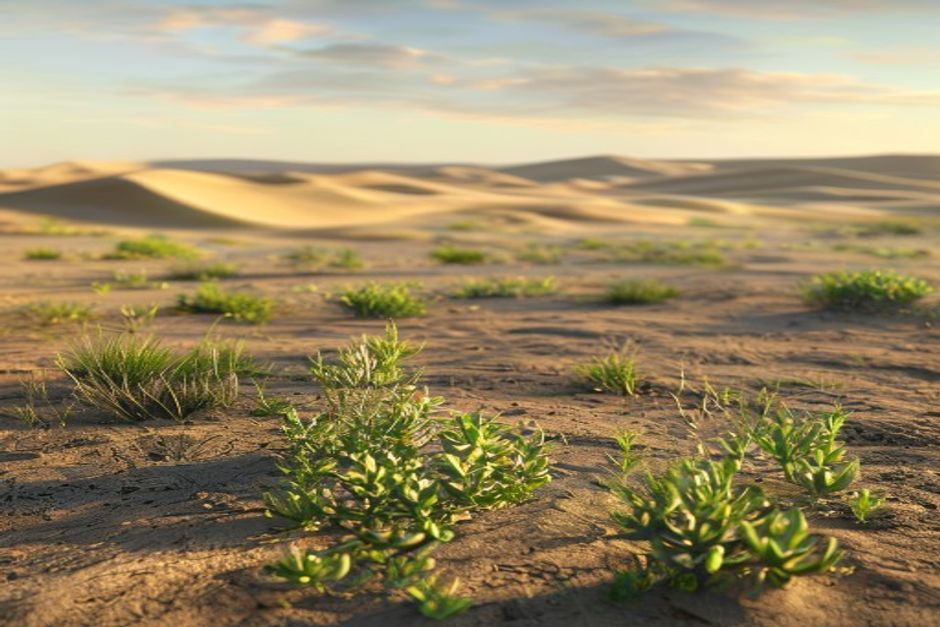
In a finding that challenges conventional wisdom, new projections reveal that the world's desert and semi-arid zones are poised to see the most significant increases in carbon biomass. This ecological shift, driven by evolving climatic patterns and potentially enhanced CO2 levels, could have profound implications for global carbon sequestration efforts.
Desert Dominance in Biomass Gains
Contrary to the expectation that lush forests would be the primary beneficiaries of increased atmospheric carbon, research indicates that arid and semi-arid regions are set to experience the largest gains. This suggests a remarkable resilience and adaptive capacity within the plant life of these historically water-scarce environments. The precise mechanisms driving this growth are still under investigation, but theories include improved water-use efficiency in certain plant species and altered rainfall patterns in some areas.
Himalaya, Plains, and Deccan Follow
Following closely behind the desert zones, the trans-Himalaya, Indo-Gangetic Plain, and the Deccan Peninsula are also projected to show substantial increases in carbon biomass. The trans-Himalayan region, known for its unique alpine and high-altitude ecosystems, may see shifts in vegetation cover. The vast agricultural heartland of the Indo-Gangetic Plain, already a significant carbon sink, could further enhance its capacity. Similarly, the diverse landscapes of the Deccan Peninsula are expected to contribute to this greening trend.
Implications for Climate Change Mitigation
These projections underscore the complex and sometimes counter-intuitive ways ecosystems respond to global change. While the increase in biomass offers a potential natural climate solution, it also highlights the need for region-specific adaptation and conservation strategies. Understanding these dynamic shifts is crucial for accurate climate modeling and for developing effective policies to manage both the opportunities and challenges presented by a changing planet. Further research will focus on the long-term sustainability of these biomass gains and their impact on biodiversity and local climates.
एक ऐसी खोज जो पारंपरिक ज्ञान को चुनौती देती है, नई भविष्यवाणियाँ बताती हैं कि दुनिया के रेगिस्तानी और अर्ध-शुष्क क्षेत्र कार्बन बायोमास में सबसे महत्वपूर्ण वृद्धि देखने के लिए तैयार हैं। यह पारिस्थितिक बदलाव, जो विकसित हो रहे जलवायु पैटर्न और संभावित रूप से बढ़े हुए CO2 स्तरों से प्रेरित है, वैश्विक कार्बन पृथक्करण प्रयासों के लिए गहरा प्रभाव डाल सकता है।
बायोमास लाभ में रेगिस्तान का दबदबा
इस अपेक्षा के विपरीत कि हरे-भरे जंगल बढ़े हुए वायुमंडलीय कार्बन के प्राथमिक लाभार्थी होंगे, अनुसंधान इंगित करता है कि शुष्क और अर्ध-शुष्क क्षेत्रों में कार्बन बायोमास में सबसे बड़ी वृद्धि देखी जाएगी। यह ऐतिहासिक रूप से पानी की कमी वाले वातावरण में पौधे जीवन के भीतर उल्लेखनीय लचीलापन और अनुकूलन क्षमता का सुझाव देता है। इस वृद्धि को चलाने वाले सटीक तंत्र अभी भी जांच के दायरे में हैं, लेकिन सिद्धांतों में कुछ पौधों की प्रजातियों में पानी के उपयोग की बेहतर दक्षता और कुछ क्षेत्रों में वर्षा के पैटर्न में बदलाव शामिल हैं।
हिमालय, मैदान और दक्कन का अनुसरण
इसके बाद रेगिस्तानी क्षेत्रों के, ट्रांस-हिमालय, सिंधु-गंगा का मैदान और दक्कन का पठार भी कार्बन बायोमास में पर्याप्त वृद्धि दिखाने का अनुमान है। ट्रांस-हिमालयी क्षेत्र, जो अपने अद्वितीय अल्पाइन और उच्च-ऊंचाई वाले पारिस्थितिक तंत्र के लिए जाना जाता है, वनस्पति आवरण में बदलाव देख सकता है। सिंधु-गंगा के मैदान का विशाल कृषि केंद्र, जो पहले से ही एक महत्वपूर्ण कार्बन सिंक है, अपनी क्षमता को और बढ़ा सकता है। इसी तरह, दक्कन के पठार के विविध परिदृश्यों से इस हरित प्रवृत्ति में योगदान करने की उम्मीद है।जलवायु परिवर्तन शमन के लिए निहितार्थ
ये भविष्यवाणियाँ वैश्विक परिवर्तन पर पारिस्थितिक तंत्र की जटिल और कभी-कभी विपरीत प्रतिक्रियाओं को रेखांकित करती हैं। जबकि बायोमास में वृद्धि एक संभावित प्राकृतिक जलवायु समाधान प्रदान करती है, यह क्षेत्र-विशिष्ट अनुकूलन और संरक्षण रणनीतियों की आवश्यकता पर भी प्रकाश डालती है। इन गतिशील बदलावों को समझना सटीक जलवायु मॉडलिंग और एक बदलती दुनिया द्वारा प्रस्तुत अवसरों और चुनौतियों दोनों के प्रबंधन के लिए प्रभावी नीतियों के विकास के लिए महत्वपूर्ण है। आगे का शोध इन बायोमास लाभों की दीर्घकालिक स्थिरता और जैव विविधता और स्थानीय जलवायु पर उनके प्रभाव पर ध्यान केंद्रित करेगा।
एका शोधात, जो पारंपरिक ज्ञानाला आव्हान देतो, नवीन अंदाज वर्तवतात की जगातील वाळवंटी आणि निम-शुष्क प्रदेश कार्बन बायोमासमध्ये सर्वात लक्षणीय वाढ अनुभवण्यासाठी सज्ज आहेत. हे पर्यावरणीय बदल, विकसित होत असलेल्या हवामान पद्धती आणि संभाव्य वाढलेल्या CO2 पातळीमुळे प्रेरित, जागतिक कार्बन सीक्वेस्ट्रेशन प्रयत्नांवर दूरगामी परिणाम करू शकतात.
बायोमास वाढीमध्ये वाळवंटांचे वर्चस्व
या कल्पनेच्या विरोधात की घनदाट जंगले वाढलेल्या वातावरणीय कार्बनचे प्राथमिक लाभार्थी असतील, संशोधनातून असे दिसून येते की कोरड्या आणि निम-शुष्क प्रदेशात कार्बन बायोमासमध्ये सर्वाधिक वाढ अपेक्षित आहे. हे ऐतिहासिकदृष्ट्या पाणी-दुष्काळ असलेल्या वातावरणातील वनस्पतींच्या जीवनातील उल्लेखनीय लवचिकता आणि अनुकूलन क्षमता दर्शवते. या वाढीस कारणीभूत ठरणारे नेमके घटक अजूनही तपासणीच्या अधीन आहेत, परंतु सिद्धांतांमध्ये काही वनस्पती प्रजातींमध्ये पाण्याची कार्यक्षमता सुधारणे आणि काही भागात पर्जन्यमानाच्या पद्धतींमध्ये बदल यांचा समावेश आहे.
हिमालय, मैदान आणि दख्खनचे अनुसरण
वाळवंटी प्रदेशांनंतर, ट्रान्स-हिमालय, सिंधू-गंगा मैदान आणि दख्खनचे पठार देखील कार्बन बायोमासमध्ये लक्षणीय वाढ दर्शवतील असा अंदाज आहे. ट्रान्स-हिमालयीन प्रदेश, जी आपल्या अद्वितीय अल्पाइन आणि उच्च-उंचीवरील परिसंस्थांसाठी ओळखला जातो, तेथे वनस्पतींच्या आवरणात बदल दिसू शकतात. सिंधू-गंगा मैदानाचे विशाल कृषी क्षेत्र, जे आधीच एक महत्त्वपूर्ण कार्बन सिंक आहे, त्याची क्षमता आणखी वाढवू शकते. त्याचप्रमाणे, दख्खनच्या पठारावरील विविध भूदृश्यांकडून या हरित प्रवृत्तीमध्ये योगदान देण्याची अपेक्षा आहे.
हवामान बदल शमनसाठी परिणाम
हे अंदाज हवामान बदलांना परिसंस्था कशा प्रकारे प्रतिक्रिया देतात याचे जटिल आणि कधीकधी प्रति-अंतर्ज्ञानी मार्ग अधोरेखित करतात. बायोमासमधील वाढ नैसर्गिक हवामान समाधानाची क्षमता प्रदान करते, तरीही ते क्षेत्र-विशिष्ट अनुकूलन आणि संवर्धन धोरणांची आवश्यकता देखील दर्शवते. या गतिशील बदलांना समजून घेणे अचूक हवामान मॉडेलिंगसाठी आणि बदलत्या ग्रहाद्वारे सादर केलेल्या संधी आणि आव्हाने दोन्ही व्यवस्थापित करण्यासाठी प्रभावी धोरणे विकसित करण्यासाठी महत्त्वपूर्ण आहे. पुढील संशोधन या बायोमास वाढीची दीर्घकालीन टिकाऊपणा आणि जैवविविधता व स्थानिक हवामानावर होणारे त्यांचे परिणाम यावर लक्ष केंद्रित करेल.
একটি আবিষ্কার যা প্রচলিত ধারণাকে চ্যালেঞ্জ করে, নতুন পূর্বাভাস বলছে যে বিশ্বের মরুভূমি এবং আধা-শুষ্ক অঞ্চলগুলি কার্বন বায়োমাসের সবচেয়ে উল্লেখযোগ্য বৃদ্ধি পেতে চলেছে। এই পরিবেশগত পরিবর্তন, যা জলবায়ু পরিবর্তনের ধরণ এবং সম্ভাব্যভাবে বর্ধিত CO2 স্তর দ্বারা চালিত, বিশ্বব্যাপী কার্বন সিকোয়েস্ট্রেশন প্রচেষ্টায় গভীর প্রভাব ফেলতে পারে।
বায়োমাস বৃদ্ধিতে মরুভূমির প্রাধান্য
এই ধারণার বিপরীতে যে সবুজ বনভূমি বর্ধিত বায়ুমণ্ডলীয় কার্বনের প্রাথমিক সুবিধাভোগী হবে, গবেষণা নির্দেশ করে যে শুষ্ক এবং আধা-শুষ্ক অঞ্চলগুলি বায়োমাস বৃদ্ধিতে নেতৃত্ব দেবে। এটি ঐতিহাসিকভাবে জল-ঘাটতিযুক্ত পরিবেশের উদ্ভিদ জীবনের অসাধারণ স্থিতিস্থাপকতা এবং অভিযোজন ক্ষমতা নির্দেশ করে। এই বৃদ্ধি চালিত করার সঠিক প্রক্রিয়াগুলি এখনও তদন্তাধীন রয়েছে, তবে তত্ত্বগুলির মধ্যে নির্দিষ্ট উদ্ভিদ প্রজাতির জলের ব্যবহার দক্ষতা এবং কিছু অঞ্চলে বৃষ্টিপাতের ধরণে পরিবর্তন অন্তর্ভুক্ত রয়েছে।
হিমালয়, সমভূমি এবং দাক্ষিণাত্য অনুসরণ করবে
মরুভূমি অঞ্চলের পরে, ট্রান্স-হিমালয়, ইন্দো-গাঙ্গেয় সমভূমি এবং দাক্ষিণাত্য মালভূমি অঞ্চলগুলিও কার্বন বায়োমাসে উল্লেখযোগ্য বৃদ্ধি দেখাবে বলে অনুমান করা হচ্ছে। ট্রান্স-হিমালয় অঞ্চল, তার অনন্য আলপাইন এবং উচ্চ-ভূমি বাস্তুতন্ত্রের জন্য পরিচিত, উদ্ভিদের আবরণে পরিবর্তন দেখতে পারে। ইন্দো-গাঙ্গেয় সমভূমির বিশাল কৃষি কেন্দ্র, যা ইতিমধ্যে একটি গুরুত্বপূর্ণ কার্বন সিঙ্ক, তার ক্ষমতা আরও বাড়াতে পারে। একইভাবে, দাক্ষিণাত্য মালভূমির বৈচিত্র্যময় ভূদৃশ্যগুলি এই সবুজ প্রবণতায় অবদান রাখবে বলে আশা করা হচ্ছে।
জলবায়ু পরিবর্তন প্রশমনের জন্য প্রভাব
এই পূর্বাভাসগুলি পরিবেশগত তন্ত্রগুলি কীভাবে বিশ্ব পরিবর্তনের প্রতি প্রতিক্রিয়া জানায় তার জটিল এবং কখনও কখনও প্রতি-স্বজ্ঞাত উপায়গুলি তুলে ধরে। যদিও বায়োমাসের বৃদ্ধি একটি সম্ভাব্য প্রাকৃতিক জলবায়ু সমাধান সরবরাহ করে, এটি অঞ্চল-নির্দিষ্ট অভিযোজন এবং সংরক্ষণ কৌশলের প্রয়োজনীয়তাও তুলে ধরে। এই গতিশীল পরিবর্তনগুলি বোঝা সঠিক জলবায়ু মডেলিং এবং একটি পরিবর্তনশীল গ্রহ দ্বারা উপস্থাপিত সুযোগ এবং চ্যালেঞ্জগুলি উভয়ই পরিচালনা করার জন্য কার্যকর নীতিগুলি তৈরি করার জন্য অত্যন্ত গুরুত্বপূর্ণ। ভবিষ্যতের গবেষণা এই বায়োমাস বৃদ্ধির দীর্ঘমেয়াদী স্থায়িত্ব এবং জীববৈচিত্র্য ও স্থানীয় জলবায়ুর উপর তাদের প্রভাবের উপর দৃষ্টি নিবদ্ধ করবে।
பாரம்பரிய அறிவுக்கு சவால் விடும் ஒரு கண்டுபிடிப்பில், புதிய கணிப்புகள் உலக பாலைவனங்கள் மற்றும் அரை-வறண்ட மண்டலங்கள் கார்பன் தாவர உயிர்ப்பொருள் வளர்ச்சியில் மிக முக்கியமான வளர்ச்சியை காண தயாராக இருப்பதாக கூறுகின்றன. தட்பவெப்ப மாற்றங்களின் தற்போதைய போக்குகள் மற்றும் CO2 அளவுகள் அதிகரிப்பு ஆகியவற்றால் தூண்டப்படும் இந்த சூழலியல் மாற்றம், உலகளாவிய கார்பன் பிரித்தெடுக்கும் முயற்சிகளில் ஆழமான தாக்கத்தை ஏற்படுத்தும்.
தாவர உயிர்ப்பொருள் வளர்ச்சியில் பாலைவனங்களின் ஆதிக்கம்
பசுமையான காடுகள் அதிகரிக்கும் வளிமண்டல கார்பனின் முக்கிய பயனாளிகளாக இருக்கும் என்ற எதிர்பார்ப்புக்கு மாறாக, வறண்ட மற்றும் அரை-வறண்ட பகுதிகள் தாவர உயிர்ப்பொருள் வளர்ச்சியில் முன்னணியில் இருக்கும் என்று ஆராய்ச்சி சுட்டிக்காட்டுகிறது. இது வரலாற்று ரீதியாக நீர் பற்றாக்குறை உள்ள சூழல்களின் தாவரங்களின் குறிப்பிடத்தக்க பின்னடைவு மற்றும் தகவமைக்கும் திறனைக் குறிக்கிறது. இந்த வளர்ச்சியைத் தூண்டும் துல்லியமான வழிமுறைகள் இன்னும் விசாரணையில் உள்ளன, ஆனால் சில தாவர இனங்களின் நீர் பயன்பாட்டுத் திறன் மற்றும் சில பகுதிகளில் மழைப்பொழிவு முறைகளில் ஏற்படும் மாற்றங்கள் ஆகியவை கோட்பாடுகளில் அடங்கும்.
இமயமலை, சமவெளி மற்றும் தக்காணத்தின் தொடர்ச்சி
பாலைவன மண்டலங்களைத் தொடர்ந்து, டிரான்ஸ்-இமயமலை, சிந்து-கங்கை சமவெளி மற்றும் தக்காண பீடபூமிப் பகுதிகள் கார்பன் தாவர உயிர்ப்பொருளில் கணிசமான வளர்ச்சியை பதிவு செய்யும் என எதிர்பார்க்கப்படுகிறது. அதன் தனித்துவமான அல்பைன் மற்றும் உயர்-நிலப்பரப்பு சூழல்களுக்கு பெயர் பெற்ற டிரான்ஸ்-இமயமலைப் பகுதி, தாவர மூடுதலில் மாற்றங்களைக் காணலாம். சிந்து-கங்கை சமவெளியின் பரந்த விவசாயப் பகுதி, ஏற்கனவே ஒரு முக்கிய கார்பன் உறிஞ்சியாக உள்ளது, அதன் திறனை மேலும் அதிகரிக்கக்கூடும். இதேபோல், தக்காண பீடபூமியின் பல்வேறு நிலப்பரப்புகள் இந்த பசுமையான போக்கிற்கு பங்களிக்கும் என்று எதிர்பார்க்கப்படுகிறது.
காலநிலை மாற்றத் தணிப்புக்கான தாக்கங்கள்
இந்த கணிப்புகள், சூழல் அமைப்புகள் உலகளாவிய மாற்றங்களுக்கு எவ்வாறு பதிலளிக்கின்றன என்பதன் சிக்கலான மற்றும் சில சமயங்களில் எதிர்-உள்ளுணர்வு வழிகளை எடுத்துக்காட்டுகின்றன. தாவர உயிர்ப்பொருள் அதிகரிப்பு ஒரு சாத்தியமான இயற்கை காலநிலை தீர்வை வழங்கினாலும், இது பிராந்திய-குறிப்பிட்ட தழுவல் மற்றும் பாதுகாப்பு உத்திகளின் தேவையையும் எடுத்துக்காட்டுகிறது. இந்த ஆற்றல்மிக்க மாற்றங்களைப் புரிந்துகொள்வது, துல்லியமான காலநிலை மாதிரியாக்கத்திற்கும், மாறிவரும் கிரகத்தால் முன்வைக்கப்படும் வாய்ப்புகள் மற்றும் சவால்கள் இரண்டையும் நிர்வகிப்பதற்கான பயனுள்ள கொள்கைகளை உருவாக்குவதற்கும் இன்றியமையாதது. மேலும் ஆராய்ச்சி இந்த தாவர உயிர்ப்பொருள் வளர்ச்சியின் நீண்டகால நிலைத்தன்மை மற்றும் பல்லுயிர் பெருக்கம் மற்றும் உள்ளூர் காலநிலையில் அவற்றின் தாக்கம் ஆகியவற்றில் கவனம் செலுத்தும்.
సాంప్రదాయ జ్ఞానాన్ని సవాలు చేసే ఒక ఆవిష్కరణలో, కొత్త అంచనాలు ప్రపంచంలోని ఎడారి మరియు పాక్షిక-శుష్క ప్రాంతాలు కార్బన్ బయోమాస్లో అత్యంత ముఖ్యమైన పెరుగుదలను చూడబోతున్నాయని తెలియజేస్తున్నాయి. అభివృద్ధి చెందుతున్న వాతావరణ నమూనాలు మరియు పెరిగిన CO2 స్థాయిల వల్ల ప్రేరేపించబడిన ఈ పర్యావరణ మార్పు, ప్రపంచ కార్బన్ వేరుచేసే ప్రయత్నాలపై తీవ్ర ప్రభావం చూపుతుంది.
బయోమాస్ పెరుగుదలలో ఎడారి ఆధిపత్యం
పచ్చని అడవులు పెరిగిన వాతావరణ కార్బన్ యొక్క ప్రాథమిక లబ్ధిదారులవుతాయనే అంచనాకు విరుద్ధంగా, పొడి మరియు పాక్షిక-శుష్క ప్రాంతాలు బయోమాస్ పెరుగుదలలో ముందుంటాయని పరిశోధన సూచిస్తుంది. ఇది చారిత్రాత్మకంగా నీటి కొరత ఉన్న వాతావరణంలోని మొక్కల జీవితం యొక్క అద్భుతమైన స్థితిస్థాపకత మరియు అనుకూల సామర్థ్యాన్ని సూచిస్తుంది. ఈ వృద్ధిని నడిపించే ఖచ్చితమైన యంత్రాంగాలు ఇంకా పరిశోధనలో ఉన్నాయి, అయితే సిద్ధాంతాలలో కొన్ని మొక్కల జాతుల మెరుగైన నీటి వినియోగ సామర్థ్యం మరియు కొన్ని ప్రాంతాలలో వర్షపాత నమూనాలలో మార్పులు ఉన్నాయి.
హిమాలయాలు, మైదానాలు మరియు దక్కన్ అనుసరిస్తాయి
ఎడారి మండలాలను అనుసరించి, ట్రాన్స్-హిమాలయ, ఇండో-గంగా మైదానం మరియు దక్కన్ పీఠభూమి ప్రాంతాలు కూడా కార్బన్ బయోమాస్లో గణనీయమైన పెరుగుదలను నమోదు చేస్తాయని అంచనా వేయబడింది. దాని ప్రత్యేకమైన ఆల్పైన్ మరియు ఎత్తైన పర్యావరణ వ్యవస్థలకు ప్రసిద్ధి చెందిన ట్రాన్స్-హిమాలయ ప్రాంతం, వృక్షసంపద కవచంలో మార్పులను చూడవచ్చు. ఇండో-గంగా మైదానం యొక్క విస్తారమైన వ్యవసాయ కేంద్రం, ఇది ఇప్పటికే ఒక ముఖ్యమైన కార్బన్ సింక్, దాని సామర్థ్యాన్ని మరింత పెంచుతుంది. అదేవిధంగా, దక్కన్ పీఠభూమి యొక్క విభిన్న ప్రకృతి దృశ్యాలు ఈ పచ్చదనం ధోరణికి దోహదం చేస్తాయని ఆశించబడుతుంది.
వాతావరణ మార్పుల ఉపశమనానికి పరిణామాలు
ఈ అంచనాలు పర్యావరణ వ్యవస్థలు ప్రపంచ మార్పులకు ఎలా ప్రతిస్పందిస్తాయో సంక్లిష్టమైన మరియు కొన్నిసార్లు విరుద్ధమైన మార్గాలను నొక్కి చెబుతాయి. బయోమాస్ పెరుగుదల సంభావ్య సహజ వాతావరణ పరిష్కారాన్ని అందించినప్పటికీ, ఇది ప్రాంత-నిర్దిష్ట అనుసరణ మరియు సంరక్షణ వ్యూహాల అవసరాన్ని కూడా హైలైట్ చేస్తుంది. ఈ డైనమిక్ మార్పులను అర్థం చేసుకోవడం ఖచ్చితమైన వాతావరణ నమూనాల రూపకల్పనకు మరియు మారుతున్న గ్రహం ద్వారా అందించబడిన అవకాశాలు మరియు సవాళ్లు రెండింటినీ నిర్వహించడానికి సమర్థవంతమైన విధానాలను రూపొందించడానికి చాలా అవసరం. భవిష్యత్ పరిశోధన ఈ బయోమాస్ పెరుగుదల యొక్క దీర్ఘకాలిక స్థిరత్వం మరియు జీవవైవిధ్యం మరియు స్థానిక వాతావరణాలపై వాటి ప్రభావంపై దృష్టి పెడుతుంది.
એક શોધમાં, જે પરંપરાગત શાણપણને પડકારે છે, નવા અનુમાનો સૂચવે છે કે વિશ્વના રણપ્રદેશો અને અર્ધ-શુષ્ક વિસ્તારો કાર્બન બાયોમાસમાં સૌથી નોંધપાત્ર વધારો અનુભવવા માટે તૈયાર છે. આ પર્યાવરણીય પરિવર્તન, વિકસતા જતા આબોહવા પદ્ધતિઓ અને સંભવિત રીતે વધેલા CO2 સ્તરો દ્વારા પ્રેરિત, વૈશ્વિક કાર્બન સંગ્રહ પ્રયાસો પર ઊંડી અસર કરી શકે છે.
બાયોમાસ વૃદ્ધિમાં રણનું પ્રભુત્વ
આ અપેક્ષાથી વિપરીત કે ગાઢ જંગલો વધેલા વાતાવરણીય કાર્બનના પ્રાથમિક લાભાર્થી બનશે, સંશોધન સૂચવે છે કે શુષ્ક અને અર્ધ-શુષ્ક વિસ્તારો બાયોમાસ વૃદ્ધિમાં સૌથી મોટો હિસ્સો ધરાવશે. આ ઐતિહાસિક રીતે પાણી-અછતવાળા વાતાવરણમાં વનસ્પતિ જીવનની નોંધપાત્ર સ્થિતિસ્થાપકતા અને અનુકૂલન ક્ષમતા સૂચવે છે. આ વૃદ્ધિને ચલાવનારા ચોક્કસ પદ્ધતિઓ હજુ પણ તપાસ હેઠળ છે, પરંતુ સિદ્ધાંતોમાં કેટલીક વનસ્પતિ પ્રજાતિઓની પાણી-ઉપયોગની કાર્યક્ષમતામાં સુધારો અને કેટલાક વિસ્તારોમાં વરસાદની પદ્ધતિઓમાં ફેરફારનો સમાવેશ થાય છે.
હિમાલય, મેદાનો અને દખ્ખનનું અનુસરણ
રણ વિસ્તારો પછી, ટ્રાન્સ-હિમાલય, સિંધુ-ગંગા મેદાન અને દખ્ખન દ્વીપકલ્પ પણ કાર્બન બાયોમાસમાં નોંધપાત્ર વધારો દર્શાવશે તેવી ધારણા છે. તેના અનન્ય આલ્પાઇન અને ઉચ્ચ-ઊંચાઇવાળા ઇકોસિસ્ટમ માટે જાણીતો ટ્રાન્સ-હિમાલયન પ્રદેશ, વનસ્પતિ આવરણમાં ફેરફારો જોઈ શકે છે. સિંધુ-ગંગા મેદાનનો વિશાળ કૃષિ કેન્દ્ર, જે પહેલેથી જ એક મહત્વપૂર્ણ કાર્બન સિંક છે, તેની ક્ષમતાને વધુ વધારી શકે છે. તેવી જ રીતે, દખ્ખન દ્વીપકલ્પના વૈવિધ્યસભર લેન્ડસ્કેપ્સ આ હરિયાળી વૃત્તિમાં યોગદાન આપે તેવી અપેક્ષા છે.
આબોહવા પરિવર્તન શમન માટે અસરો
આ અનુમાનો ઇકોસિસ્ટમ્સ વૈશ્વિક ફેરફારો પર કેવી રીતે પ્રતિક્રિયા આપે છે તેના જટિલ અને ક્યારેક વિરોધાભાસી માર્ગોને પ્રકાશિત કરે છે. જ્યારે બાયોમાસમાં વધારો સંભવિત કુદરતી આબોહવા ઉકેલ પ્રદાન કરે છે, તે પ્રદેશ-વિશિષ્ટ અનુકૂલન અને સંરક્ષણ વ્યૂહરચનાઓની જરૂરિયાત પર પણ પ્રકાશ પાડે છે. આ ગતિશીલ ફેરફારોને સમજવું સચોટ આબોહવા મોડેલિંગ માટે અને બદલાતા ગ્રહ દ્વારા રજૂ કરાયેલ તકો અને પડકારો બંનેને સંચાલિત કરવા માટે અસરકારક નીતિઓ ઘડવા માટે નિર્ણાયક છે. વધુ સંશોધન આ બાયોમાસ વૃદ્ધિની લાંબા ગાળાની સ્થિરતા અને જૈવવિવિધતા અને સ્થાનિક આબોહવા પર તેમના પ્રભાવ પર ધ્યાન કેન્દ્રિત કરશે.
ਇੱਕ ਖੋਜ ਵਿੱਚ, ਜੋ ਰਵਾਇਤੀ ਗਿਆਨ ਨੂੰ ਚੁਣੌਤੀ ਦਿੰਦੀ ਹੈ, ਨਵੇਂ ਅਨੁਮਾਨ ਦੱਸਦੇ ਹਨ ਕਿ ਦੁਨੀਆ ਦੇ ਮਾਰੂਥਲ ਅਤੇ ਅਰਧ-ਸੁੱਕੇ ਖੇਤਰ ਕਾਰਬਨ ਬਾਇਓਮਾਸ ਵਿੱਚ ਸਭ ਤੋਂ ਮਹੱਤਵਪੂਰਨ ਵਾਧਾ ਦੇਖਣ ਲਈ ਤਿਆਰ ਹਨ। ਇਹ ਵਾਤਾਵਰਣਕ ਤਬਦੀਲੀ, ਜੋ ਕਿ ਜਲਵਾਯੂ ਪੈਟਰਨਾਂ ਵਿੱਚ ਬਦਲਾਅ ਅਤੇ ਸੰਭਾਵਤ ਤੌਰ 'ਤੇ ਵਧੇ ਹੋਏ CO2 ਪੱਧਰਾਂ ਦੁਆਰਾ ਪ੍ਰੇਰਿਤ ਹੈ, ਗਲੋਬਲ ਕਾਰਬਨ ਸੀਕਵੇਸਟ੍ਰੇਸ਼ਨ ਯਤਨਾਂ 'ਤੇ ਡੂੰਘੇ ਪ੍ਰਭਾਵ ਪਾ ਸਕਦੀ ਹੈ.
ਬਾਇਓਮਾਸ ਵਾਧੇ ਵਿੱਚ ਮਾਰੂਥਲ ਦਾ ਦਬਦਬਾ
ਇਸ ਧਾਰਨਾ ਦੇ ਉਲਟ ਕਿ ਹਰੇ-ਭਰੇ ਜੰਗਲ ਵਧੇ ਹੋਏ ਵਾਯੂਮੰਡਲ ਕਾਰਬਨ ਦੇ ਮੁੱਖ ਲਾਭਪਾਤਰ ਹੋਣਗੇ, ਖੋਜ ਦਰਸਾਉਂਦੀ ਹੈ ਕਿ ਸੁੱਕੇ ਅਤੇ ਅਰਧ-ਸੁੱਕੇ ਖੇਤਰ ਬਾਇਓਮਾਸ ਵਾਧੇ ਵਿੱਚ ਸਭ ਤੋਂ ਵੱਡਾ ਹਿੱਸਾ ਪ੍ਰਾਪਤ ਕਰਨਗੇ। ਇਹ ਇਤਿਹਾਸਕ ਤੌਰ 'ਤੇ ਪਾਣੀ ਦੀ ਕਮੀ ਵਾਲੇ ਵਾਤਾਵਰਣਾਂ ਵਿੱਚ ਪੌਦਿਆਂ ਦੇ ਜੀਵਨ ਦੇ ਮਹੱਤਵਪੂਰਨ ਲਚਕੀਲੇਪਣ ਅਤੇ ਅਨੁਕੂਲਣਯੋਗਤਾ ਨੂੰ ਦਰਸਾਉਂਦਾ ਹੈ। ਇਸ ਵਾਧੇ ਨੂੰ ਚਲਾਉਣ ਵਾਲੇ ਸਹੀ ਤਰੀਕੇ ਅਜੇ ਵੀ ਜਾਂਚ ਅਧੀਨ ਹਨ, ਪਰ ਸਿਧਾਂਤਾਂ ਵਿੱਚ ਕੁਝ ਪੌਦਿਆਂ ਦੀਆਂ ਕਿਸਮਾਂ ਦੀ ਪਾਣੀ-ਵਰਤੋਂ ਕੁਸ਼ਲਤਾ ਵਿੱਚ ਸੁਧਾਰ ਅਤੇ ਕੁਝ ਖੇਤਰਾਂ ਵਿੱਚ ਬਾਰਿਸ਼ ਦੇ ਪੈਟਰਨ ਵਿੱਚ ਤਬਦੀਲੀਆਂ ਸ਼ਾਮਲ ਹਨ.
ਹਿਮਾਲਾ, ਮੈਦਾਨਾਂ ਅਤੇ ਦੱਕਨ ਦਾ ਪਿੱਛਾ
ਮਾਰੂਥਲ ਖੇਤਰਾਂ ਤੋਂ ਬਾਅਦ, ਟ੍ਰਾਂਸ-ਹਿਮਾਲਿਆ, ਸਿੰਧੂ-ਗੰਗਾ ਮੈਦਾਨ ਅਤੇ ਦੱਕਨ ਪਠਾਰ ਵੀ ਕਾਰਬਨ ਬਾਇਓਮਾਸ ਵਿੱਚ ਮਹੱਤਵਪੂਰਨ ਵਾਧਾ ਦਿਖਾਉਣਗੇ ਅਜਿਹੇ ਅਨੁਮਾਨ ਹਨ। ਟ੍ਰਾਂਸ-ਹਿਮਾਲੀਅਨ ਖੇਤਰ, ਜੋ ਕਿ ਇਸਦੇ ਵਿਲੱਖਣ ਅਲਪਾਈਨ ਅਤੇ ਉੱਚ-ਉੱਚਾਈ ਵਾਲੇ ਈਕੋਸਿਸਟਮ ਲਈ ਜਾਣਿਆ ਜਾਂਦਾ ਹੈ, ਬਨਸਪਤੀ ਕਵਰ ਵਿੱਚ ਬਦਲਾਅ ਦੇਖ ਸਕਦਾ ਹੈ। ਸਿੰਧੂ-ਗੰਗਾ ਮੈਦਾਨ ਦਾ ਵਿਸ਼ਾਲ ਖੇਤੀ ਕੇਂਦਰ, ਜੋ ਪਹਿਲਾਂ ਹੀ ਇੱਕ ਮਹੱਤਵਪੂਰਨ ਕਾਰਬਨ ਸਿੰਕ ਹੈ, ਆਪਣੀ ਸਮਰੱਥਾ ਨੂੰ ਹੋਰ ਵਧਾ ਸਕਦਾ ਹੈ। ਇਸੇ ਤਰ੍ਹਾਂ, ਦੱਕਨ ਪਠਾਰ ਦੇ ਵਿਭਿੰਨ ਭੂ-ਦ੍ਰਿਸ਼ਯਾਂ ਤੋਂ ਇਸ ਹਰਿਆਲੀ ਰੁਝਾਨ ਵਿੱਚ ਯੋਗਦਾਨ ਪਾਉਣ ਦੀ ਉਮੀਦ ਹੈ.
ਜਲਵਾਯੂ ਪਰਿਵਰਤਨ ਨੂੰ ਘਟਾਉਣ ਲਈ ਪ੍ਰਭਾਵ
ਇਹ ਅਨੁਮਾਨ ਈਕੋਸਿਸਟਮਸ ਵਿਸ਼ਵਵਿਆਪੀ ਤਬਦੀਲੀਆਂ 'ਤੇ ਕਿਵੇਂ ਪ੍ਰਤੀਕਿਰਿਆ ਕਰਦੇ ਹਨ ਇਸਦੇ ਗੁੰਝਲਦਾਰ ਅਤੇ ਕਈ ਵਾਰ ਵਿਰੋਧਾਭਾਸੀ ਤਰੀਕਿਆਂ ਨੂੰ ਉਜਾਗਰ ਕਰਦੇ ਹਨ। ਜਦੋਂ ਕਿ ਬਾਇਓਮਾਸ ਵਿੱਚ ਵਾਧਾ ਇੱਕ ਸੰਭਾਵੀ ਕੁਦਰਤੀ ਜਲਵਾਯੂ ਹੱਲ ਪ੍ਰਦਾਨ ਕਰਦਾ ਹੈ, ਇਹ ਖੇਤਰ-ਵਿਸ਼ੇਸ਼ ਅਨੁਕੂਲਨ ਅਤੇ ਸੰਭਾਲ ਰਣਨੀਤੀਆਂ ਦੀ ਲੋੜ ਨੂੰ ਵੀ ਉਜਾਗਰ ਕਰਦਾ ਹੈ। ਇਹਨਾਂ ਗਤੀਸ਼ੀਲ ਬਦਲਾਵਾਂ ਨੂੰ ਸਮਝਣਾ ਸਹੀ ਜਲਵਾਯੂ ਮਾਡਲਿੰਗ ਲਈ ਅਤੇ ਬਦਲਦੇ ਗ੍ਰਹਿ ਦੁਆਰਾ ਪੇਸ਼ ਕੀਤੇ ਗਏ ਮੌਕਿਆਂ ਅਤੇ ਚੁਣੌਤੀਆਂ ਦੋਵਾਂ ਨੂੰ ਪ੍ਰਬੰਧਿਤ ਕਰਨ ਲਈ ਪ੍ਰਭਾਵਸ਼ਾਲੀ ਨੀਤੀਆਂ ਵਿਕਸਤ ਕਰਨ ਲਈ ਮਹੱਤਵਪੂਰਨ ਹੈ। ਭਵਿੱਖ ਦਾ ਖੋਜ ਇਹਨਾਂ ਬਾਇਓਮਾਸ ਵਾਧੇ ਦੀ ਲੰਬੇ ਸਮੇਂ ਦੀ ਸਥਿਰਤਾ ਅਤੇ ਜੀਵ-ਵਿਭਿੰਨਤਾ ਅਤੇ ਸਥਾਨਕ ਜਲਵਾਯੂਆਂ 'ਤੇ ਉਨ੍ਹਾਂ ਦੇ ਪ੍ਰਭਾਵ 'ਤੇ ਕੇਂਦਰਿਤ ਹੋਵੇਗਾ.

💬 Comments