Breaking News
ताज़ा खबर
ताजी बातमी
সর্বশেষ সংবাদ
சமீபத்திய செய்தி
తాజా వార్త
તાજા સમાચાર
ਤਾਜ਼ਾ ਖ਼ਬਰ
Western Sahara: Where Cameras Tell Tales of Suppression and Privilege
पश्चिमी सहारा: जहां कैमरे दमन और विशेषाधिकार की कहानियां कहते हैं
पश्चिम सहारा: जिथे कॅमेरे दडपशाही आणि विशेषाधिकारांच्या कथा सांगतात
পশ্চিম সাহারা: যেখানে ক্যামেরা দমন এবং সুবিধার গল্প বলে
மேற்கு சகாரா: அங்கு கேமராக்கள் அடக்குமுறை மற்றும் சிறப்புரிமை கதைகளை கூறுகின்றன
పశ్చిమ సహారా: కెమెరాలు అణచివేత మరియు ప్రత్యేక హక్కుల కథలను చెప్పే చోటు
પશ્ચિમ સહారా: જ્યાં કેમેરા દમન અને વિશેષાધિકારની વાર્તાઓ કહે છે
ਪੱਛਮੀ ਸਹਾਰਾ: ਜਿੱਥੇ ਕੈਮਰੇ ਦਮਨ ਅਤੇ ਵਿਸ਼ੇਸ਼ ਅਧਿਕਾਰ ਦੀਆਂ ਕਹਾਣੀਆਂ ਕਹਿੰਦੇ ਹਨ
By AI News Desk
🕐 16 July 2026, 12:53 PM
🎬 Entertainment
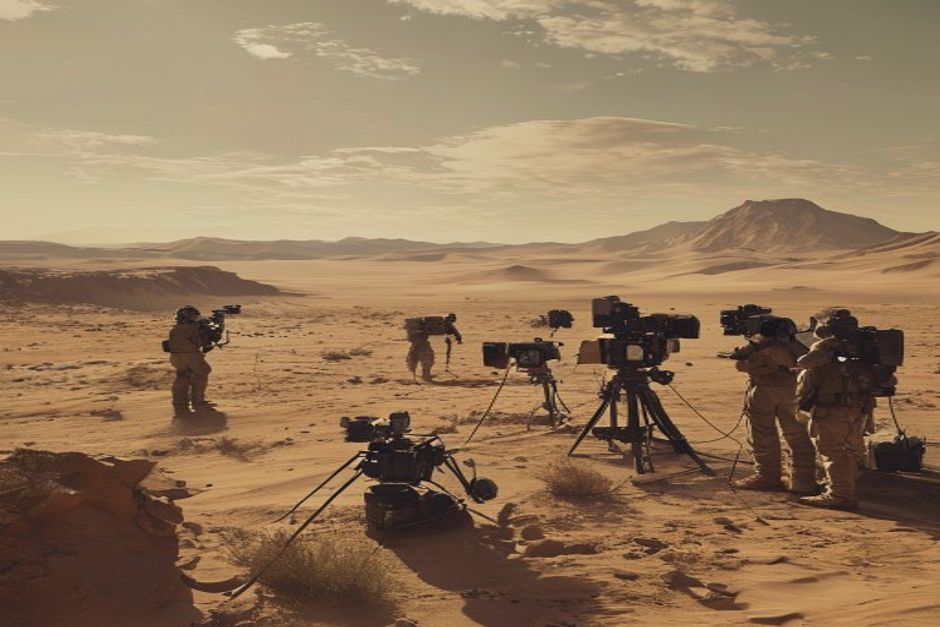
The stark contrast in how Western Sahara is treated by the international film industry versus its own people is a story in itself, highlighting a troubling double standard. While international filmmakers are welcomed and facilitated to capture exotic scenes for their productions, the native Sahrawi people face severe repercussions, including imprisonment, for simply holding a camera in their homeland.
The Price of Documentation
For Sahrawi filmmakers and journalists, documenting everyday life under Moroccan occupation is an act of defiance that carries immense personal risk. The Moroccan regime views any attempt by the indigenous population to tell their own stories through a lens as a direct threat to its narrative of sovereignty over Western Sahara. This suppression effectively silences the voices of a people struggling to assert their identity and rights.
A Welcome for Outsiders, A Prison for Locals
Conversely, when celebrated international directors and production crews choose Western Sahara for its picturesque landscapes, they are granted unprecedented access. Authorities that would deny a local journalist a permit to film are eager to host and escort Hollywood crews, offering them the very freedom of expression that is denied to the indigenous population. This preferential treatment underscores a cynical exploitation of the region's beauty while perpetuating the political oppression faced by its people.
The Ethical Dilemma
The decision by international productions to film in a territory marked by such human rights concerns raises profound ethical questions. Does the allure of exotic backdrops justify tacitly endorsing a regime that silences its own citizens? As Peter Bradshaw’s five-star review celebrates the cinematic artistry, it’s crucial to remember the context: the freedom to create art in Western Sahara is not equally distributed. This situation calls for a critical examination of the film industry's complicity in overlooking or even benefiting from oppressive political realities, effectively erasing the difficult journey of the Sahrawi people by presenting their land as merely an exotic stage.
अंतर्राष्ट्रीय फिल्म उद्योग द्वारा पश्चिमी सहारा के साथ व्यवहार करने के तरीके में एक स्पष्ट विरोधाभास, और उसके अपने लोगों के साथ, अपने आप में एक कहानी है, जो एक परेशान करने वाले दोहरे मापदंड को उजागर करती है। जबकि अंतरराष्ट्रीय फिल्म निर्माताओं का स्वागत किया जाता है और उनके प्रोडक्शन के लिए विदेशी दृश्यों को कैप्चर करने की सुविधा दी जाती है, वहीं मूल सहरावी लोग अपनी मातृभूमि में सिर्फ कैमरा रखने के लिए कारावास सहित गंभीर परिणामों का सामना करते हैं।
दस्तावेज़ीकरण की कीमत
सहरावी फिल्म निर्माताओं और पत्रकारों के लिए, मोरक्को के कब्जे वाले जीवन के रोजमर्रा के जीवन का दस्तावेजीकरण करना एक ऐसा कार्य है जो अपार व्यक्तिगत जोखिम वहन करता है। मोरक्को का शासन स्वदेशी आबादी द्वारा अपने स्वयं के कथाओं को एक लेंस के माध्यम से बताने के किसी भी प्रयास को पश्चिमी सहारा पर संप्रभुता की अपनी कथा के लिए एक सीधा खतरा मानता है। यह दमन प्रभावी रूप से उन लोगों की आवाज़ों को खामोश कर देता है जो अपनी पहचान और अधिकारों को स्थापित करने के लिए संघर्ष कर रहे हैं।
बाहरी लोगों के लिए स्वागत, स्थानीय लोगों के लिए जेल
इसके विपरीत, जब अंतरराष्ट्रीय स्तर पर प्रसिद्ध निर्देशकों और प्रोडक्शन क्रू अपनी प्रोडक्शन के लिए पश्चिमी सहारा को चुनते हैं, तो उन्हें अभूतपूर्व पहुंच प्रदान की जाती है। वे अधिकारी जो एक स्थानीय पत्रकार को फिल्माने के लिए परमिट देने से इनकार करेंगे, वे हॉलीवुड क्रू की मेजबानी और उन्हें साथ ले जाने के लिए उत्सुक हैं, उन्हें अभिव्यक्ति की वह स्वतंत्रता प्रदान करते हैं जो स्वदेशी आबादी से वंचित है। यह तरजीही व्यवहार उन लोगों द्वारा झेले जा रहे राजनीतिक उत्पीड़न को बढ़ाते हुए, क्षेत्र की सुंदरता के एक कपटी शोषण को रेखांकित करता है।
नैतिक दुविधा
अंतर्राष्ट्रीय प्रोडक्शन द्वारा ऐसी मानवाधिकार चिंताओं से चिह्नित क्षेत्र में फिल्माने का निर्णय गहन नैतिक प्रश्न उठाता है। क्या विदेशी पृष्ठभूमि के आकर्षण को ऐसे शासन को मूक समर्थन देना उचित है जो अपने नागरिकों को चुप कराता है? जैसे पीटर ब्रैडशॉ की फाइव-स्टार समीक्षा सिनेमाई कलात्मकता का जश्न मनाती है, इस संदर्भ को याद रखना महत्वपूर्ण है: पश्चिमी सहारा में कला बनाने की स्वतंत्रता समान रूप से वितरित नहीं है। इस स्थिति के लिए फिल्म उद्योग की मिलीभगत की जांच की आवश्यकता है, जो विदेशी राजनीतिक वास्तविकताओं को नजरअंदाज करती है या यहां तक कि उनसे लाभान्वित होती है, प्रभावी रूप से अपने विदेशी मंच के रूप में अपनी भूमि को प्रस्तुत करके सहरावी लोगों की कठिन यात्रा को मिटा देती है।
आंतरराष्ट्रीय चित्रपट उद्योगाद्वारे पश्चिम सहारासोबत केले जाणारे वर्तन आणि तिथल्या लोकांचे अनुभव यातील तीव्र विरोधाभास स्वतःच एक कहाणी आहे, जी एका त्रासदायक दुहेरी मापदंडावर प्रकाश टाकते. आंतरराष्ट्रीय चित्रपट निर्मात्यांचे स्वागत केले जाते आणि त्यांच्या निर्मितीसाठी विदेशी दृश्ये चित्रित करण्यासाठी त्यांना सुविधा पुरवल्या जातात, त्याच वेळी मूळ सहारवी लोकांना त्यांच्या मातृभूमीत कॅमेरा धरल्याबद्दल तुरुंगवासासह गंभीर परिणामांना सामोरे जावे लागते.
दस्तऐवजीकरणाची किंमत
सहारवी चित्रपट निर्माते आणि पत्रकारांसाठी, मोरोक्कन राजवटीखालील दैनंदिन जीवनाचे दस्तऐवजीकरण करणे हा एक असा कृती आहे ज्यामध्ये प्रचंड वैयक्तिक धोका असतो. मोरोक्कन राजवट स्थानिक लोकांकडून त्यांच्या कथांना कॅमेऱ्यातून मांडण्याचा कोणताही प्रयत्न म्हणजे पश्चिम सहारावरील त्यांच्या सार्वभौमत्वाच्या कथेला थेट धोका मानते. हे दमन प्रभावीपणे त्या लोकांच्या आवाजांना शांत करते जे त्यांची ओळख आणि हक्क स्थापित करण्यासाठी संघर्ष करत आहेत.
बाहेरील लोकांसाठी स्वागत, स्थानिकांसाठी तुरुंग
याउलट, जेव्हा आंतरराष्ट्रीय स्तरावर प्रसिद्ध दिग्दर्शक आणि प्रोडक्शन क्रू त्यांच्या चित्रपटांसाठी पश्चिम सहाराची निवड करतात, तेव्हा त्यांना अभूतपूर्व प्रवेश दिला जातो. जे अधिकारी स्थानिक पत्रकाराला चित्रीकरणासाठी परवानगी नाकारतील, तेच अधिकारी हॉलिवूड क्रूचे स्वागत करण्यास आणि त्यांना मार्गदर्शन करण्यास उत्सुक असतात, त्यांना तीच अभिव्यक्ती स्वातंत्र्य देतात जी स्थानिक लोकांना नाकारली जाते. हे प्राधान्यपूर्ण वर्तन त्या लोकांच्या राजकीय दडपशाहीला खतपाणी घालताना प्रदेशाच्या सौंदर्याचे एक कपटी शोषण अधोरेखित करते.
नैतिक पेचप्रसंग
अशा मानवाधिकार चिंतांनी ग्रासलेल्या प्रदेशात आंतरराष्ट्रीय चित्रपट निर्मिती करण्याची निवड गंभीर नैतिक प्रश्न उभे करते. विदेशी पार्श्वभूमीच्या आकर्षणाला अशा राजवटीला मूक समर्थन देणे योग्य आहे का, जी आपल्या नागरिकांना शांत करते? पीटर ब्रॅडशॉच्या फाइव्ह-स्टार समीक्षेत चित्रपटाच्या कलात्मकतेचे कौतुक केले असले तरी, संदर्भाची आठवण ठेवणे महत्त्वाचे आहे: पश्चिम सहारामध्ये कला निर्माण करण्याचे स्वातंत्र्य समान रीतीने वितरित केलेले नाही. या परिस्थितीसाठी चित्रपट उद्योगाच्या संगनमताची गंभीर तपासणी करण्याची आवश्यकता आहे, जी परदेशी राजकीय वास्तवांना दुर्लक्षित करते किंवा त्यातून फायदा घेते, आणि त्यांच्या भूमीला केवळ एक विदेशी देखावा म्हणून सादर करून सहारवी लोकांच्या कठीण प्रवासाला प्रभावीपणे पुसून टाकते.
আন্তর্জাতিক চলচ্চিত্র শিল্পের দ্বারা পশ্চিম সাহারার প্রতি আচরণ এবং এর নিজস্ব জনগণের অভিজ্ঞতার মধ্যে সুস্পষ্ট বৈপরীত্য নিজেই একটি গল্প, যা একটি বিরক্তিকর দ্বৈত মান প্রকাশ করে। আন্তর্জাতিক চলচ্চিত্র নির্মাতাদের তাদের প্রযোজনার জন্য বহিরাগত দৃশ্য ধারণে স্বাগত জানানো এবং সহায়তা করা হয়, অন্যদিকে স্থানীয় সাহরাউইরা তাদের মাতৃভূমিতে কেবল একটি ক্যামেরা ধরার জন্য কারাবাসের গুরুতর পরিণতির সম্মুখীন হয়।
নথিভুক্তির মূল্য
সাহারউই চলচ্চিত্র নির্মাতা এবং সাংবাদিকদের জন্য, মরক্কোর শাসনের অধীনে দৈনন্দিন জীবন নথিভুক্ত করা একটি সাহসিক কাজ যা অপরিসীম ব্যক্তিগত ঝুঁকি বহন করে। মরক্কোর শাসনব্যবস্থা আদিবাসী জনগোষ্ঠীর দ্বারা তাদের নিজস্ব গল্প ক্যামেরার মাধ্যমে বলার যে কোনও প্রচেষ্টাকে পশ্চিম সাহারার উপর সার্বভৌমত্বের বিষয়ে তাদের নিজস্ব আখ্যানের প্রতি সরাসরি হুমকি হিসাবে দেখে। এই দমন प्रभावीভাবে সেই সমস্ত মানুষদের কণ্ঠস্বরকে নীরব করে দেয় যারা তাদের পরিচয় এবং অধিকার প্রতিষ্ঠার জন্য সংগ্রাম করছে।
বাইরেরদের জন্য অভ্যর্থনা, স্থানীয়দের জন্য জেল
বিপরীতে, যখন আন্তর্জাতিকভাবে বিখ্যাত পরিচালকরা এবং প্রোডাকশন ক্রুরা তাদের চলচ্চিত্রের জন্য পশ্চিম সাহারাকে বেছে নেয়, তখন তাদের অভূতপূর্ব প্রবেশাধিকার দেওয়া হয়। যে কর্তৃপক্ষগুলি স্থানীয় সাংবাদিকদের চিত্রগ্রহণের অনুমতি দিতে অস্বীকার করবে, তারাই হলিউড ক্রুদের স্বাগত জানাতে এবং তাদের সঙ্গ দিতে আগ্রহী, তাদের সেই বাকস্বাধীনতার অধিকার প্রদান করে যা স্থানীয়দের অস্বীকার করা হয়। এই অগ্রাধিকারমূলক আচরণ সেই অঞ্চলের সৌন্দর্যের একটি চতুর শোষণকে তুলে ধরে, যা সেখানকার জনগণের উপর চলমান রাজনৈতিক নিপীড়নকে আরও বাড়িয়ে তোলে।
নৈতিক সংকট
এই ধরনের মানবাধিকার উদ্বেগ দ্বারা চিহ্নিত একটি অঞ্চলে আন্তর্জাতিক প্রযোজনাগুলির শুটিং করার সিদ্ধান্ত গভীর নৈতিক প্রশ্ন উত্থাপন করে। বহিরাগত দৃশ্যের আকর্ষণ কি এমন একটি শাসনকে মৌন সমর্থনকে ন্যায্যতা দেয় যা তার নাগরিকদের নীরব করে দেয়? যেমন পিটার ব্র্যাডশ'-এর ফাইভ-স্টার পর্যালোচনা সিনেমার শৈল্পিকতার উদযাপন করে, তেমনি এই প্রেক্ষাপটটি মনে রাখা গুরুত্বপূর্ণ: পশ্চিম সাহারায় শিল্প সৃষ্টির স্বাধীনতা সমানভাবে বণ্টিত নয়। এই পরিস্থিতি চলচ্চিত্র শিল্পের জড়িত থাকার একটি গুরুতর তদন্তের দাবি রাখে, যা বিদেশি রাজনৈতিক বাস্তবতাগুলিকে উপেক্ষা করে বা এমনকি সেগুলি থেকে উপকৃত হয়, তাদের ভূমিকে কেবল একটি বহিরাগত মঞ্চ হিসাবে উপস্থাপন করে সাহরাউই জনগণের কঠিন যাত্রাকে কার্যকরভাবে মুছে ফেলে।
சர்வதேச படத் துறையால் மேற்கு சகாரா நடத்தப்படும் விதம், அதன் சொந்த மக்களுடன், தனியாகவே ஒரு கதையாகும், இது ஒரு தொந்தரவான இரட்டை நிலையை வெளிச்சம் போட்டுக் காட்டுகிறது. சர்வதேச திரைப்பட தயாரிப்பாளர்களை வரவேற்று, அவர்களின் படைப்புகளுக்கு கவர்ச்சிகரமான காட்சிகளைப் பதிவு செய்ய வசதி அளிக்கப்படும்போது, உள்ளூர் சகராவி மக்கள் தங்கள் தாயகத்தில் ஒரு கேமராவைப் பிடிப்பதற்காக சிறைவாசம் உட்பட கடுமையான விளைவுகளை எதிர்கொள்கின்றனர்.
ஆவணப்படுத்துதலின் விலை
சகராவி திரைப்பட தயாரிப்பாளர்கள் மற்றும் பத்திரிகையாளர்களுக்கு, மொராக்கோ ஆக்கிரமிப்பின் கீழ் அன்றாட வாழ்க்கையை ஆவணப்படுத்துவது என்பது மகத்தான தனிப்பட்ட ஆபத்தை சுமக்கும் ஒரு செயலாகும். மேற்கு சகாராவின் மீதான இறையாண்மை குறித்த அதன் சொந்தக் கதையை ஒரு லென்ஸ் மூலம் சொல்லும் பூர்வகுடி மக்களின் எந்தவொரு முயற்சியையும் மொராக்கோ ஆட்சி ஒரு நேரடி அச்சுறுத்தலாகக் கருதுகிறது. இந்த அடக்குமுறை, தங்கள் அடையாளம் மற்றும் உரிமைகளை நிலைநாட்டப் போராடும் ஒரு மக்களின் குரல்களை திறம்பட அமைதியாக்குகிறது.
வெளியாட்களுக்கு வரவேற்பு, உள்ளூர் மக்களுக்கு சிறை
மாறாக, சர்வதேச அளவில் புகழ்பெற்ற இயக்குநர்கள் மற்றும் படக்குழுவினர் தங்கள் படப்பிடிப்புக்காக மேற்கு சகாராவைத் தேர்ந்தெடுக்கும்போது, அவர்களுக்கு முன்னோடியில்லாத அணுகல் வழங்கப்படுகிறது. உள்ளூர் பத்திரிகையாளருக்கு படப்பிடிப்பு அனுமதி மறுக்கும் அதிகாரிகள், ஹாலிவுட் குழுவினரை வரவேற்று, அவர்களுக்கு வழிகாட்டவும், உள்ளூர் மக்களுக்கு மறுக்கப்பட்ட அதே கருத்துச் சுதந்திரத்தை வழங்கவும் ஆர்வமாக உள்ளனர். இந்த முன்னுரிமைப் பாகுபாடு, இப்பகுதியின் அழகை சூழ்ச்சியாகச் சுரண்டுவதோடு, அதன் மக்கள் எதிர்கொள்ளும் அரசியல் அடக்குமுறையையும் அதிகரிக்கிறது.
தார்மீக சங்கடம்
மனித உரிமை மீறல்கள் நிறைந்த ஒரு பிராந்தியத்தில் சர்வதேசப் படப்பிடிப்புகள் நடத்தும் முடிவு, ஆழ்ந்த தார்மீக கேள்விகளை எழுப்புகிறது. கவர்ச்சிகரமான பின்னணிகளின் ஈர்ப்பு, தனது குடிமக்களை அமைதிப்படுத்தும் ஒரு ஆட்சிக்கு மறைமுக ஆதரவை நியாயப்படுத்துகிறதா? பீட்டர் பிராட்ஷோவின் ஐந்து நட்சத்திர விமர்சனம் சினிமா கலைத்துவத்தைக் கொண்டாடும் அதே வேளையில், இந்தச் சூழலை நினைவில் கொள்வது அவசியம்: மேற்கு சகாராவில் கலை உருவாக்கும் சுதந்திரம் சமமாகப் பகிரப்படவில்லை. இந்த நிலைமை, மேற்குலகின் அரசியல் யதார்த்தங்களை புறக்கணிக்கும் அல்லது அவற்றிலிருந்து பயனடையும் திரைப்படத் துறையின் கூட்டுப் பொறுப்புணர்வை தீவிரமாக ஆராய வேண்டிய அவசியத்தை உணர்த்துகிறது, மேலும் அவர்களின் நிலத்தை ஒரு கவர்ச்சிகரமான மேடையாக மட்டும் சித்தரிப்பதன் மூலம் சகராவி மக்களின் கடினமான பயணத்தை திறம்பட அழிக்கிறது.
అంతర్జాతీయ చలనచిత్ర పరిశ్రమ పశ్చిమ సహారాను చూసే విధానంలో, మరియు అక్కడి ప్రజల అనుభవాల్లో ఒక స్పష్టమైన వైరుధ్యం ఉంది, ఇది ఒక ఆందోళనకరమైన ద్వంద్వ ప్రమాణాన్ని బహిర్గతం చేస్తుంది. అంతర్జాతీయ చిత్రనిర్మాతలను స్వాగతించి, వారి చిత్రాల కోసం అన్యదేశ దృశ్యాలను చిత్రీకరించడానికి వారికి అన్ని సదుపాయాలు కల్పిస్తున్నప్పుడు, స్థానిక సహ్రావి ప్రజలు తమ మాతృభూమిలో కెమెరా పట్టుకున్నందుకు జైలు శిక్షతో సహా తీవ్ర పరిణామాలను ఎదుర్కొంటున్నారు.
డాక్యుమెంటేషన్ యొక్క ధర
సహ్రావి చిత్రనిర్మాతలు మరియు పాత్రికేయులకు, మొరాకో ఆక్రమణలో రోజువారీ జీవితాన్ని డాక్యుమెంట్ చేయడం అనేది అపారమైన వ్యక్తిగత ప్రమాదాన్ని కలిగి ఉన్న చర్య. పశ్చిమ సహారాపై సార్వభౌమాధికారం గురించి దాని స్వంత కథనాన్ని చెప్పడానికి స్థానిక జనాభా చేసే ఏ ప్రయత్నాన్నైనా మొరాకో పాలన ప్రత్యక్ష ముప్పుగా పరిగణిస్తుంది. ఈ అణచివేత, తమ గుర్తింపు మరియు హక్కులను స్థాపించడానికి పోరాడుతున్న ప్రజల గొంతులను సమర్థవంతంగా అణిచివేస్తుంది.
బయటివారికి స్వాగతం, స్థానికులకు జైలు
దీనికి విరుద్ధంగా, అంతర్జాతీయంగా ప్రసిద్ధి చెందిన దర్శకులు మరియు ప్రొడక్షన్ క్రూలు తమ చిత్రాల కోసం పశ్చిమ సహారాను ఎంచుకున్నప్పుడు, వారికి అపూర్వమైన ప్రాప్యత లభిస్తుంది. స్థానిక పాత్రికేయులకు చిత్రీకరణ అనుమతి నిరాకరించే అధికారులు, హాలీవుడ్ క్రూలను స్వాగతించి, మార్గనిర్దేశం చేయడానికి, స్థానికులకు నిరాకరించబడిన అదే భావ ప్రకటనా స్వేచ్ఛను వారికి అందించడానికి ఆసక్తి చూపుతారు. ఈ ప్రాధాన్యత వివక్ష, ఆ ప్రాంతం యొక్క అందాన్ని అవకాశవాదంతో దోచుకోవడాన్ని హైలైట్ చేస్తుంది, అదే సమయంలో అక్కడి ప్రజలు ఎదుర్కొంటున్న రాజకీయ అణచివేతను పెంచుతుంది.
నైతిక సందిగ్ధత
ఇటువంటి మానవ హక్కుల సమస్యలతో గుర్తించబడిన ప్రాంతంలో అంతర్జాతీయ ప్రొడక్షన్స్ చిత్రీకరించాలనే నిర్ణయం లోతైన నైతిక ప్రశ్నలను లేవనెత్తుతుంది. అన్యదేశ నేపథ్యాల ఆకర్షణ, తన పౌరులను నిశ్శబ్దం చేసే పాలనకు నిశ్శబ్ద మద్దతును సమర్థిస్తుందా? పీటర్ బ్రాడ్షా యొక్క ఫైవ్-స్టార్ రివ్యూ సినిమా కళాత్మకతను జరుపుతున్నప్పుడు, ఆ సందర్భాన్ని గుర్తుంచుకోవడం చాలా ముఖ్యం: పశ్చిమ సహారాలో కళను సృష్టించే స్వేచ్ఛ సమానంగా పంపిణీ చేయబడదు. ఈ పరిస్థితి, విదేశీ రాజకీయ వాస్తవాలను విస్మరించే లేదా వాటి నుండి ప్రయోజనం పొందే చలనచిత్ర పరిశ్రమ యొక్క భాగస్వామ్యాన్ని తీవ్రంగా పరిశీలించాల్సిన అవసరాన్ని సూచిస్తుంది, వారి భూమిని కేవలం ఒక అన్యదేశ వేదికగా ప్రదర్శించడం ద్వారా సహ్రావి ప్రజల కష్టతరమైన ప్రయాణాన్ని సమర్థవంతంగా తుడిచివేస్తుంది.
આંતરરાષ્ટ્રીય ફિલ્મ ઉદ્યોગ પશ્ચિમ સહારા સાથે જે રીતે વ્યવહાર કરે છે અને ત્યાંના લોકોના અનુભવો વચ્ચેનો સ્પષ્ટ વિરોધાભાસ પોતાનામાં એક વાર્તા છે, જે એક પરેશાન કરનાર બેવડા ધોરણને ઉજાગર કરે છે. જ્યારે આંતરરાષ્ટ્રીય ફિલ્મ નિર્માતાઓને તેમના પ્રોડક્શન્સ માટે વિદેશી દ્રશ્યો ફિલ્માવવા માટે આવકારવામાં આવે છે અને સુવિધા આપવામાં આવે છે, ત્યારે સ્થાનિક સહરાવી લોકો પોતાના વતનમાં માત્ર કેમેરો પકડવા બદલ જેલવાસ સહિત ગંભીર પરિણામોનો સામનો કરે છે.
દસ્તાવેજીકરણની કિંમત
સહરાવી ફિલ્મ નિર્માતાઓ અને પત્રકારો માટે, મોરોક્કન કબજા હેઠળના રોજિંદા જીવનનું દસ્તાવેજીકરણ કરવું એ એક કાર્ય છે જે અપાર વ્યક્તિગત જોખમ વહન કરે છે. મોરોક્કન શાસન પશ્ચિમ સહારા પર સાર્વભૌમત્વની પોતાની કથા માટે સ્વદેશી લોકો દ્વારા તેમના પોતાના વાર્તાઓને કેમેરા દ્વારા કહેવાના કોઈપણ પ્રયાસને સીધો ખતરો માને છે. આ દમન અસરકારક રીતે એવા લોકોના અવાજોને શાંત પાડે છે જેઓ તેમની ઓળખ અને અધિકારો સ્થાપિત કરવા માટે સંઘર્ષ કરી રહ્યા છે.
બહારના લોકો માટે સ્વાગત, સ્થાનિકો માટે જેલ
તેનાથી વિપરીત, જ્યારે આંતરરાષ્ટ્રીય સ્તરે પ્રખ્યાત દિગ્દર્શકો અને પ્રોડક્શન ક્રૂ તેમના પ્રોડક્શન્સ માટે પશ્ચિમ સહારાને પસંદ કરે છે, ત્યારે તેમને અભૂતપૂર્વ પહોંચ આપવામાં આવે છે. જે અધિકારીઓ સ્થાનિક પત્રકારને ફિલ્માંકન માટે પરવાનગી નકારશે, તે જ અધિકારીઓ હોલીવુડ ક્રૂનું સ્વાગત કરવા અને તેમને માર્ગદર્શન આપવા ઉત્સુક છે, તેમને અભિવ્યક્તિની સ્વતંત્રતા પ્રદાન કરે છે જે સ્થાનિકોને નકારવામાં આવે છે. આ પ્રાધાન્યતા વ્યવહાર, તે પ્રદેશની સુંદરતાના કપટી શોષણને રેખાંકિત કરે છે, જ્યારે ત્યાંના લોકો દ્વારા સહન કરવામાં આવતા રાજકીય દમનને વધારે છે.
નૈતિક મૂંઝવણ
આવી માનવ અધિકાર ચિંતાઓ દ્વારા ચિહ્નિત પ્રદેશમાં આંતરરાષ્ટ્રીય પ્રોડક્શન્સ દ્વારા ફિલ્માંકન કરવાનો નિર્ણય ગહન નૈતિક પ્રશ્નો ઉભા કરે છે. શું વિદેશી દ્રશ્યોનું આકર્ષણ એવી શાસનને મૌન સમર્થન આપે છે જે તેના નાગરિકોને શાંત પાડે છે? જેમ પીટર બ્રેડશોની ફાઈવ-સ્ટાર સમીક્ષા સિનેમેટિક કલાત્મકતાની ઉજવણી કરે છે, તે સંદર્ભને યાદ રાખવું મહત્વપૂર્ણ છે: પશ્ચિમ સહારામાં કલા બનાવવાની સ્વતંત્રતા સમાન રીતે વહેંચાયેલી નથી. આ પરિસ્થિતિ ફિલ્મ ઉદ્યોગની ભાગીદારીની ગંભીર તપાસની માંગ કરે છે, જે વિદેશી રાજકીય વાસ્તવિકતાઓને અવગણે છે અથવા તો તેમનાથી લાભ મેળવે છે, અસરકારક રીતે તેમના ભૂમિને માત્ર એક વિદેશી મંચ તરીકે રજૂ કરીને સહરાવી લોકોની મુશ્કેલ યાત્રાને ભૂંસી નાખે છે.
ਅੰਤਰਰਾਸ਼ਟਰੀ ਫਿਲਮ ਉਦਯੋਗ ਪੱਛਮੀ ਸਹਾਰਾ ਨਾਲ ਜਿਸ ਤਰ੍ਹਾਂ ਵਿਵਹਾਰ ਕਰਦਾ ਹੈ, ਅਤੇ ਇਸਦੇ ਆਪਣੇ ਲੋਕਾਂ ਦੇ ਅਨੁਭਵਾਂ ਦੇ ਵਿਚਕਾਰ ਇੱਕ ਸਪੱਸ਼ਟ ਵਿਰੋਧਾਭਾਸ, ਆਪਣੇ ਆਪ ਵਿੱਚ ਇੱਕ ਕਹਾਣੀ ਹੈ, ਜੋ ਇੱਕ ਪਰੇਸ਼ਾਨ ਕਰਨ ਵਾਲੇ ਦੋਹਰੇ ਮਾਪਦੰਡ ਨੂੰ ਉਜਾਗਰ ਕਰਦੀ ਹੈ। ਜਦੋਂ ਕਿ ਅੰਤਰਰਾਸ਼ਟਰੀ ਫਿਲਮ ਨਿਰਮਾਤਾਵਾਂ ਦਾ ਸਵਾਗਤ ਕੀਤਾ ਜਾਂਦਾ ਹੈ ਅਤੇ ਉਹਨਾਂ ਦੇ ਪ੍ਰੋਡਕਸ਼ਨਾਂ ਲਈ ਵਿਦੇਸ਼ੀ ਦ੍ਰਿਸ਼ਾਂ ਨੂੰ ਕੈਪਚਰ ਕਰਨ ਲਈ ਸਹੂਲਤ ਦਿੱਤੀ ਜਾਂਦੀ ਹੈ, ਉਥੇ ਹੀ ਸਥਾਨਕ ਸਹਰਾਵੀ ਲੋਕ ਆਪਣੇ ਵਤਨ ਵਿੱਚ ਸਿਰਫ਼ ਕੈਮਰਾ ਫੜਨ ਲਈ ਕੈਦ ਸਮੇਤ ਗੰਭੀਰ ਨਤੀਜਿਆਂ ਦਾ ਸਾਹਮਣਾ ਕਰਦੇ ਹਨ।
ਦਸਤਾਵੇਜ਼ੀਕਰਨ ਦੀ ਕੀਮਤ
ਸਹਰਾਵੀ ਫਿਲਮ ਨਿਰਮਾਤਾਵਾਂ ਅਤੇ ਪੱਤਰਕਾਰਾਂ ਲਈ, ਮੋਰੱਕੋ ਦੇ ਕਬਜ਼ੇ ਹੇਠ ਰੋਜ਼ਾਨਾ ਜੀਵਨ ਨੂੰ ਦਸਤਾਵੇਜ਼ੀ ਬਣਾਉਣਾ ਇੱਕ ਅਜਿਹਾ ਕੰਮ ਹੈ ਜੋ ਭਾਰੀ ਨਿੱਜੀ ਜੋਖਮ ਲੈ ਕੇ ਆਉਂਦਾ ਹੈ। ਮੋਰੱਕੋ ਦਾ ਸ਼ਾਸਨ ਪੱਛਮੀ ਸਹਾਰਾ ਉੱਤੇ ਪ੍ਰਭੂਸੱਤਾ ਬਾਰੇ ਆਪਣੀ ਕਥਾ ਲਈ ਸਥਾਨਕ ਆਬਾਦੀ ਦੁਆਰਾ ਆਪਣੇ ਖੁਦ ਦੇ ਕਹਾਣੀਆਂ ਨੂੰ ਕੈਮਰੇ ਰਾਹੀਂ ਦੱਸਣ ਦੇ ਕਿਸੇ ਵੀ ਯਤਨ ਨੂੰ ਸਿੱਧਾ ਖਤਰਾ ਮੰਨਦਾ ਹੈ। ਇਹ ਦਮਨ ਪ੍ਰਭਾਵਸ਼ਾਲੀ ਢੰਗ ਨਾਲ ਉਨ੍ਹਾਂ ਲੋਕਾਂ ਦੀਆਂ ਆਵਾਜ਼ਾਂ ਨੂੰ ਚੁੱਪ ਕਰਾਉਂਦਾ ਹੈ ਜੋ ਆਪਣੀ ਪਛਾਣ ਅਤੇ ਅਧਿਕਾਰਾਂ ਨੂੰ ਸਥਾਪਤ ਕਰਨ ਲਈ ਸੰਘਰਸ਼ ਕਰ ਰਹੇ ਹਨ।
ਬਾਹਰਲੇ ਲੋਕਾਂ ਲਈ ਸਵਾਗਤ, ਸਥਾਨਕ ਲੋਕਾਂ ਲਈ ਜੇਲ੍ਹ
ਇਸਦੇ ਉਲਟ, ਜਦੋਂ ਅੰਤਰਰਾਸ਼ਟਰੀ ਪੱਧਰ 'ਤੇ ਮਸ਼ਹੂਰ ਨਿਰਦੇਸ਼ਕ ਅਤੇ ਪ੍ਰੋਡਕਸ਼ਨ ਕਰੂ ਆਪਣੇ ਪ੍ਰੋਡਕਸ਼ਨਾਂ ਲਈ ਪੱਛਮੀ ਸਹਾਰਾ ਚੁਣਦੇ ਹਨ, ਤਾਂ ਉਨ੍ਹਾਂ ਨੂੰ ਅਭੂਤਪੂਰਵ ਪਹੁੰਚ ਦਿੱਤੀ ਜਾਂਦੀ ਹੈ। ਉਹ ਅਧਿਕਾਰੀ ਜੋ ਕਿਸੇ ਸਥਾਨਕ ਪੱਤਰਕਾਰ ਨੂੰ ਫਿਲਮਾਂਕਣ ਦੀ ਇਜਾਜ਼ਤ ਦੇਣ ਤੋਂ ਇਨਕਾਰ ਕਰਨਗੇ, ਉਹ ਹਾਲੀਵੁੱਡ ਕਰੂਆਂ ਦਾ ਸਵਾਗਤ ਕਰਨ ਅਤੇ ਉਨ੍ਹਾਂ ਦੀ ਅਗਵਾਈ ਕਰਨ ਲਈ ਉਤਸੁਕ ਹਨ, ਉਨ੍ਹਾਂ ਨੂੰ ਪ੍ਰਗਟਾਵੇ ਦੀ ਉਹ ਆਜ਼ਾਦੀ ਪ੍ਰਦਾਨ ਕਰਦੇ ਹਨ ਜੋ ਸਥਾਨਕ ਲੋਕਾਂ ਤੋਂ ਇਨਕਾਰ ਕੀਤੀ ਜਾਂਦੀ ਹੈ। ਇਹ ਤਰਜੀਹੀ ਵਿਵਹਾਰ ਉਸ ਖੇਤਰ ਦੀ ਸੁੰਦਰਤਾ ਦੇ ਚਲਾਕ ਸ਼ੋਸ਼ਣ ਨੂੰ ਉਜਾਗਰ ਕਰਦਾ ਹੈ, ਜਦੋਂ ਕਿ ਉਥੋਂ ਦੇ ਲੋਕਾਂ ਦੁਆਰਾ ਸਹਿਣ ਕੀਤੇ ਜਾ ਰਹੇ ਰਾਜਨੀਤਿਕ ਦਮਨ ਨੂੰ ਵਧਾਉਂਦਾ ਹੈ।
ਨੈਤਿਕ ਦੁਬਿਧਾ
ਅਜਿਹੀਆਂ ਮਨੁੱਖੀ ਅਧਿਕਾਰ ਚਿੰਤਾਵਾਂ ਦੁਆਰਾ ਚਿੰਨ੍ਹਿਤ ਖੇਤਰ ਵਿੱਚ ਅੰਤਰਰਾਸ਼ਟਰੀ ਪ੍ਰੋਡਕਸ਼ਨਾਂ ਦੁਆਰਾ ਫਿਲਮਾਂਕਣ ਕਰਨ ਦਾ ਫੈਸਲਾ ਡੂੰਘੇ ਨੈਤਿਕ ਪ੍ਰਸ਼ਨ ਉਠਾਉਂਦਾ ਹੈ। ਕੀ ਵਿਦੇਸ਼ੀ ਬੈਕਡ੍ਰੌਪਸ ਦਾ ਆਕਰਸ਼ਣ ਇੱਕ ਸ਼ਾਸਨ ਨੂੰ ਮਨਜ਼ੂਰੀ ਦਿੰਦਾ ਹੈ ਜੋ ਆਪਣੇ ਨਾਗਰਿਕਾਂ ਨੂੰ ਚੁੱਪ ਕਰਾਉਂਦਾ ਹੈ? ਜਿਵੇਂ ਕਿ ਪੀਟਰ ਬ੍ਰੈਡਸ਼ਾਓ ਦੀ ਪੰਜ-ਸਿਤਾਰਾ ਸਮੀਖਿਆ ਸਿਨੇਮੈਟਿਕ ਕਲਾਤਮਕਤਾ ਦਾ ਜਸ਼ਨ ਮਨਾਉਂਦੀ ਹੈ, ਇਸ ਸੰਦਰਭ ਨੂੰ ਯਾਦ ਰੱਖਣਾ ਮਹੱਤਵਪੂਰਨ ਹੈ: ਪੱਛਮੀ ਸਹਾਰਾ ਵਿੱਚ ਕਲਾ ਬਣਾਉਣ ਦੀ ਆਜ਼ਾਦੀ ਬਰਾਬਰ ਨਹੀਂ ਵੰਡੀ ਜਾਂਦੀ। ਇਸ ਸਥਿਤੀ ਲਈ ਫਿਲਮ ਉਦਯੋਗ ਦੀ ਸ਼ਮੂਲੀਅਤ ਦੀ ਗੰਭੀਰ ਜਾਂਚ ਦੀ ਲੋੜ ਹੈ, ਜੋ ਵਿਦੇਸ਼ੀ ਰਾਜਨੀਤਿਕ వాస్తਵਿਕਤਾਵਾਂ ਨੂੰ ਨਜ਼ਰਅੰਦਾਜ਼ ਕਰਦੀ ਹੈ ਜਾਂ ਉਨ੍ਹਾਂ ਤੋਂ ਲਾਭ ਵੀ ਉਠਾਉਂਦੀ ਹੈ, ਪ੍ਰਭਾਵਸ਼ਾਲੀ ਢੰਗ ਨਾਲ ਉਨ੍ਹਾਂ ਦੀ ਜ਼ਮੀਨ ਨੂੰ ਸਿਰਫ਼ ਇੱਕ ਵਿਦੇਸ਼ੀ ਸਟੇਜ ਵਜੋਂ ਪੇਸ਼ ਕਰਕੇ ਸਹਰਾਵੀ ਲੋਕਾਂ ਦੀ ਔਖੀ ਯਾਤਰਾ ਨੂੰ ਮਿਟਾ ਦਿੰਦੀ ਹੈ।

💬 Comments