Breaking News
ताज़ा खबर
ताजी बातमी
সর্বশেষ সংবাদ
சமீபத்திய செய்தி
తాజా వార్త
તાજા સમાચાર
ਤਾਜ਼ਾ ਖ਼ਬਰ
Indian Research Labs Hampered by Rigid Hierarchies, Experts Suggest
भारतीय शोध प्रयोगशाळांमधील कठोर उतरंड संशोधनावर परिणाम करत आहे का?
भारतातील प्रयोगशाळांमध्ये उतरंडीमुळे संशोधनाला खीळ?
ভারতের গবেষণা ল্যাবরেটরিগুলিতে কঠোর শ্রেণিবিন্যাস কি উদ্ভাবনে বাধা সৃষ্টি করছে?
இந்திய ஆய்வகங்களில் அதிகார படிநிலை ஆராய்ச்சிக்கு தடையாக உள்ளதா?
భారతీయ పరిశోధన ప్రయోగశాలల్లో కఠినమైన శ్రేణి విధానాలు ఆవిష్కరణలకు ఆటంకం కలిగిస్తున్నాయా?
ભારતીય સંશોધન પ્રયોગશાળાઓમાં કડક શ્રેણિબદ્ધતા નવીનતાને અવરોધી રહી છે?
ਭਾਰਤੀ ਖੋਜ ਪ੍ਰਯੋਗਸ਼ਾਲਾਵਾਂ ਵਿੱਚ ਕਠੋਰ ਲੜੀਵਾਰਤਾ ਖੋਜ ਲਈ ਰੁਕਾਵਟ?
By AI News Desk
🕐 03 August 2026, 01:52 PM
🔬 Science
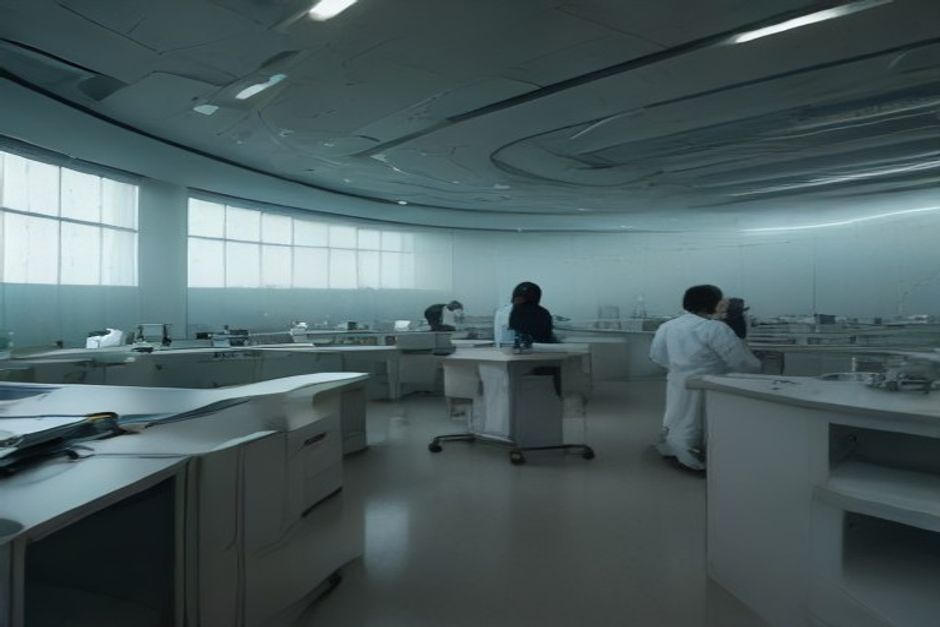
A growing chorus of voices within India's scientific community is raising concerns about the prevailing hierarchical structures in many research laboratories. While robust scientific progress thrives on the free exchange of ideas and healthy competition, it appears that a different kind of competition – for proximity to power – might be stifling innovation in Indian institutions.
The Paradox of Hierarchy
Leading scientific institutions worldwide are increasingly characterized by flatter organizational structures that encourage collaboration and open discourse. However, many laboratories in India continue to operate under rigid hierarchies that can impede the free flow of innovative thoughts and experimental approaches. This top-down approach, where junior researchers may feel hesitant to challenge established ideas or propose unconventional methods, can create an environment where only ideas sanctioned by those in power truly flourish.
Impact on Innovation
The consequences of such rigid structures can be significant. When researchers are more focused on navigating internal power dynamics than on pursuing groundbreaking work, creativity and risk-taking, crucial elements of scientific discovery, can suffer. This can lead to a stagnation of research output, a reluctance to explore novel avenues, and a potential brain drain as talented individuals seek environments that offer greater intellectual freedom and recognition based on merit rather than hierarchy.
The Path Forward
Experts suggest that a shift towards more collaborative and less hierarchical models is essential for unlocking India's full scientific potential. Fostering an environment where ideas are judged on their scientific merit, regardless of the proposer's position, and where constructive criticism is welcomed, is paramount. Encouraging interdisciplinary collaboration and providing platforms for young researchers to voice their opinions without fear of reprisal could be key steps in revitalizing India's research landscape and ensuring it can compete effectively on the global stage.
भारतातील अनेक प्रयोगशाळांमधील कठोर उतरंडीच्या रचनेबद्दल वैज्ञानिक समुदायात चिंता व्यक्त केली जात आहे. जिथे विचारांची देवाणघेवाण आणि निरोगी स्पर्धा संशोधनाला चालना देते, तिथे सत्तेच्या जवळ जाण्यासाठी होणारी स्पर्धा नवनिर्मितीला अडथळा आणू शकते.
उतरंडीचा विरोधाभास
जगभरातील प्रमुख वैज्ञानिक संस्थांमध्ये सहकार्य आणि मुक्त संवादाला प्रोत्साहन देणाऱ्या सपाट संघटनात्मक रचना आहेत. तथापि, भारतातील अनेक प्रयोगशाळा अजूनही अशा कठोर उतरंडीखाली कार्यरत आहेत, ज्यामुळे नवनवीन विचार आणि प्रयोगात्मक पद्धतींच्या मुक्त प्रवाहात अडथळा येऊ शकतो. हा वरून खाली येणारा दृष्टिकोन, जिथे कनिष्ठ संशोधक प्रस्थापित कल्पनांना आव्हान देण्यास किंवा अपारंपरिक पद्धती प्रस्तावित करण्यास कचरू शकतात, असे वातावरण तयार करू शकते जिथे केवळ सत्तेतील लोकांच्या मान्यताप्राप्त कल्पनाच खऱ्या अर्थाने फुलतात.
नवनिर्मितीवर परिणाम
अशा कठोर रचनांचे परिणाम महत्त्वपूर्ण असू शकतात. जेव्हा संशोधक मुलभूत कामावर लक्ष केंद्रित करण्याऐवजी अंतर्गत सत्ता गतिशीलता नेव्हिगेट करण्यावर अधिक लक्ष केंद्रित करतात, तेव्हा वैज्ञानिक शोधाचे महत्त्वपूर्ण घटक असलेले सर्जनशीलता आणि धोका पत्करणे धोक्यात येऊ शकते. यामुळे संशोधनाच्या उत्पादकतेत घट होऊ शकते, नवीन मार्ग शोधण्यात संकोच वाटू शकतो आणि प्रतिभावान व्यक्ती अधिक बौद्धिक स्वातंत्र्य आणि गुणवत्तेवर आधारित ओळख देणारी संसाधने शोधत असल्यामुळे 'ब्रेन ड्रेन' होऊ शकते.
पुढील मार्ग
भारताची पूर्ण वैज्ञानिक क्षमता उघडण्यासाठी अधिक सहयोगी आणि कमी उतरंडीच्या मॉडेल्सकडे जाणे आवश्यक आहे असे तज्ञांचे मत आहे. अशा वातावरणाची निर्मिती करणे आवश्यक आहे जिथे विचारांचे मूल्यांकन त्यांच्या वैज्ञानिक गुणवत्तेवर केले जाते, सादरकर्त्याच्या स्थानावर अवलंबून नाही आणि जिथे विधायक टीका स्वागतार्ह आहे. आंतरविद्याशाखीय सहकार्याला प्रोत्साहन देणे आणि तरुण संशोधकांना भीतीशिवाय आपले मत मांडण्यासाठी व्यासपीठ उपलब्ध करून देणे हे भारताच्या संशोधन क्षेत्राला पुनरुज्जीवित करण्यासाठी आणि जागतिक स्तरावर प्रभावीपणे स्पर्धा करण्यासाठी महत्त्वाचे ठरू शकते.
भारतातील अनेक प्रयोगशाळांमधील कठोर उतरंडीच्या रचनेबद्दल वैज्ञानिक समुदायात चिंता व्यक्त केली जात आहे. जिथे विचारांची देवाणघेवाण आणि निरोगी स्पर्धा संशोधनाला चालना देते, तिथे सत्तेच्या जवळ जाण्यासाठी होणारी स्पर्धा नवनिर्मितीला अडथळा आणू शकते.
उतरंडीचा विरोधाभास
जगभरातील प्रमुख वैज्ञानिक संस्थांमध्ये सहकार्य आणि मुक्त संवादाला प्रोत्साहन देणाऱ्या सपाट संघटनात्मक रचना आहेत. तथापि, भारतातील अनेक प्रयोगशाळा अजूनही अशा कठोर उतरंडीखाली कार्यरत आहेत, ज्यामुळे नवनवीन विचार आणि प्रयोगात्मक पद्धतींच्या मुक्त प्रवाहात अडथळा येऊ शकतो. हा वरून खाली येणारा दृष्टिकोन, जिथे कनिष्ठ संशोधक प्रस्थापित कल्पनांना आव्हान देण्यास किंवा अपारंपरिक पद्धती प्रस्तावित करण्यास कचरू शकतात, असे वातावरण तयार करू शकते जिथे केवळ सत्तेतील लोकांच्या मान्यताप्राप्त कल्पनाच खऱ्या अर्थाने फुलतात.
नवनिर्मितीवर परिणाम
अशा कठोर रचनांचे परिणाम महत्त्वपूर्ण असू शकतात. जेव्हा संशोधक मुलभूत कामावर लक्ष केंद्रित करण्याऐवजी अंतर्गत सत्ता गतिशीलता नेव्हिगेट करण्यावर अधिक लक्ष केंद्रित करतात, तेव्हा वैज्ञानिक शोधाचे महत्त्वपूर्ण घटक असलेले सर्जनशीलता आणि धोका पत्करणे धोक्यात येऊ शकते. यामुळे संशोधनाच्या उत्पादकतेत घट होऊ शकते, नवीन मार्ग शोधण्यात संकोच वाटू शकतो आणि प्रतिभावान व्यक्ती अधिक बौद्धिक स्वातंत्र्य आणि गुणवत्तेवर आधारित ओळख देणारी संसाधने शोधत असल्यामुळे 'ब्रेन ड्रेन' होऊ शकते.
पुढील मार्ग
भारताची पूर्ण वैज्ञानिक क्षमता उघडण्यासाठी अधिक सहयोगी आणि कमी उतरंडीच्या मॉडेल्सकडे जाणे आवश्यक आहे असे तज्ञांचे मत आहे. अशा वातावरणाची निर्मिती करणे आवश्यक आहे जिथे विचारांचे मूल्यांकन त्यांच्या वैज्ञानिक गुणवत्तेवर केले जाते, सादरकर्त्याच्या स्थानावर अवलंबून नाही आणि जिथे विधायक टीका स्वागतार्ह आहे. आंतरविद्याशाखीय सहकार्याला प्रोत्साहन देणे आणि तरुण संशोधकांना भीतीशिवाय आपले मत मांडण्यासाठी व्यासपीठ उपलब्ध करून देणे हे भारताच्या संशोधन क्षेत्राला पुनरुज्जीवित करण्यासाठी आणि जागतिक स्तरावर प्रभावीपणे स्पर्धा करण्यासाठी महत्त्वाचे ठरू शकते.
ভারতের বৈজ্ঞানিক সম্প্রদায়ের মধ্যে অনেকেই গবেষণাগারের প্রচলিত শ্রেণিবদ্ধ কাঠামোর বিষয়ে উদ্বেগ প্রকাশ করছেন। যেখানে ধারণাগুলির অবাধ আদান-প্রদান এবং সুস্থ প্রতিযোগিতা বৈজ্ঞানিক অগ্রগতিতে সহায়তা করে, সেখানে ক্ষমতার নৈকট্যের জন্য প্রতিযোগিতা উদ্ভাবনকে বাধাগ্রস্ত করতে পারে।
শ্রেণিবদ্ধতার আপাতবৈপরীত্য
বিশ্বজুড়ে শীর্ষস্থানীয় বৈজ্ঞানিক প্রতিষ্ঠানগুলি ক্রমবর্ধমানভাবে সমতল সাংগঠনিক কাঠামো দ্বারা চিহ্নিত হচ্ছে যা সহযোগিতা এবং উন্মুক্ত আলোচনাকে উৎসাহিত করে। তবে, ভারতে অনেক গবেষণাগার কঠোর শ্রেণিবিন্যাসের অধীনে কাজ করে চলেছে যা উদ্ভাবনী চিন্তাভাবনা এবং পরীক্ষামূলক পদ্ধতির অবাধ প্রবাহকে বাধাগ্রস্ত করতে পারে। এই শীর্ষ-থেকে-নিচে পদ্ধতি, যেখানে জুনিয়র গবেষকরা প্রতিষ্ঠিত ধারণাগুলিকে চ্যালেঞ্জ করতে বা অপ্রচলিত পদ্ধতি প্রস্তাব করতে দ্বিধা বোধ করতে পারেন, এমন একটি পরিবেশ তৈরি করতে পারে যেখানে কেবল ক্ষমতাবানদের দ্বারা অনুমোদিত ধারণাই সত্যিকার অর্থে বিকশিত হয়।
উদ্ভাবনের উপর প্রভাব
এই ধরনের কঠোর কাঠামোর ফলাফল তাৎপর্যপূর্ণ হতে পারে। যখন গবেষকরা মৌলিক কাজের পরিবর্তে অভ্যন্তরীণ ক্ষমতার গতিশীলতা নেভিগেট করার উপর বেশি মনোযোগ দেন, তখন সৃজনশীলতা এবং ঝুঁকি গ্রহণের মতো বৈজ্ঞানিক আবিষ্কারের গুরুত্বপূর্ণ উপাদানগুলি ক্ষতিগ্রস্ত হতে পারে। এটি গবেষণার আউটপুটে স্থবিরতা, নতুন পথ অন্বেষণে অনিচ্ছা এবং প্রতিভাবান ব্যক্তিদের অন্য পরিবেশে চলে যাওয়ার প্রবণতা সৃষ্টি করতে পারে যারা অধিকতর বৌদ্ধিক স্বাধীনতা এবং মেধার ভিত্তিতে স্বীকৃতি প্রদানকারী পরিবেশ খোঁজে।
ভবিষ্যতের পথ
বিশেষজ্ঞরা পরামর্শ দিচ্ছেন যে ভারতের পূর্ণ বৈজ্ঞানিক সম্ভাবনা উন্মোচন করার জন্য আরও সহযোগিতামূলক এবং কম শ্রেণিবদ্ধ মডেলের দিকে পরিবর্তন অপরিহার্য। এমন একটি পরিবেশ তৈরি করা যেখানে ধারণার বিচার তাদের বৈজ্ঞানিক যোগ্যতার উপর ভিত্তি করে করা হয়, প্রস্তাবকের পদের উপর নির্ভর করে নয়, এবং যেখানে গঠনমূলক সমালোচনাকে স্বাগত জানানো হয়, তা অত্যন্ত গুরুত্বপূর্ণ। আন্তঃবিভাগীয় সহযোগিতাকে উৎসাহিত করা এবং তরুণ গবেষকদের ভয়ের সম্মুখীন না হয়ে তাদের মতামত প্রকাশের জন্য প্ল্যাটফর্ম সরবরাহ করা ভারতের গবেষণা ক্ষেত্রকে পুনরুজ্জীবিত করার এবং বিশ্ব মঞ্চে কার্যকরভাবে প্রতিযোগিতা করার জন্য মূল পদক্ষেপ হতে পারে।
இந்தியாவின் அறிவியல் சமூகத்தில் உள்ள பல குரல்கள், ஆய்வகங்களில் நிலவும் படிநிலை அமைப்புகள் குறித்து கவலை தெரிவித்து வருகின்றன. கருத்துக்களின் சுதந்திரமான பரிமாற்றம் மற்றும் ஆரோக்கியமான போட்டி அறிவியலை மேம்படுத்தினாலும், அதிகாரத்திற்கு நெருக்கமான போட்டிகள் கண்டுபிடிப்புகளைத் தடுக்கலாம்.
படிநிலையின் முரண்பாடு
உலகெங்கிலும் உள்ள முன்னணி அறிவியல் நிறுவனங்கள், ஒத்துழைப்பையும் வெளிப்படையான விவாதத்தையும் ஊக்குவிக்கும் மென்மையான நிறுவன கட்டமைப்புகளால் வகைப்படுத்தப்படுகின்றன. இருப்பினும், இந்தியாவில் உள்ள பல ஆய்வகங்கள் இன்னும் கடுமையான படிநிலை அமைப்பின் கீழ் செயல்படுகின்றன. இது புதுமையான சிந்தனைகள் மற்றும் சோதனை அணுகுமுறைகளின் தடையற்ற ஓட்டத்தைத் தடுக்கலாம். இந்த மேல்-கீழ் அணுகுமுறையில், இளைய ஆராய்ச்சியாளர்கள் நிறுவப்பட்ட கருத்துக்களை கேள்வி கேட்க அல்லது வழக்கத்திற்கு மாறான முறைகளைப் பரிந்துரைக்க தயங்கலாம். இதனால், அதிகாரத்தில் உள்ளவர்களால் அங்கீகரிக்கப்பட்ட கருத்துக்கள் மட்டுமே உண்மையாக செழித்து வளரும் சூழல் உருவாகலாம்.
கண்டுபிடிப்புகளில் தாக்கம்
இதுபோன்ற கடுமையான கட்டமைப்புகளின் விளைவுகள் குறிப்பிடத்தக்கதாக இருக்கலாம். ஆராய்ச்சியாளர்கள் புதுமையான வேலைகளைத் தொடர்வதற்குப் பதிலாக உள் அதிகாரப் போட்டிகளைச் சமாளிப்பதில் அதிக கவனம் செலுத்தும்போது, புதிய கண்டுபிடிப்புகளின் முக்கிய கூறுகளான படைப்பாற்றல் மற்றும் இடர் எடுக்கும் திறன் ஆகியவை பாதிக்கப்படலாம். இது ஆராய்ச்சியின் விளைச்சலில் தேக்கநிலை, புதிய வழிகளை ஆராய்வதில் தயக்கம், மற்றும் திறமையான நபர்கள் அதிக அறிவுசார் சுதந்திரம் மற்றும் தகுதியின் அடிப்படையில் அங்கீகாரத்தை வழங்கும் சூழலைத் தேடிச் செல்வதால் மூளைச் சலவைக்கு வழிவகுக்கும்.
முன்னோக்கிய பாதை
இந்தியாவின் முழு அறிவியல் திறனை வெளிக்கொணர, அதிக ஒத்துழைப்பு மற்றும் குறைவான படிநிலை மாதிரிகளை நோக்கி மாறுவது அவசியம் என்று நிபுணர்கள் பரிந்துரைக்கின்றனர். கருத்துக்கள் அவர்களின் அறிவியல் தகுதி அடிப்படையில் மதிப்பிடப்படும் ஒரு சூழலை வளர்ப்பது, முன்மொழிபவரின் நிலையைப் பொருட்படுத்தாமல், மற்றும் ஆக்கபூர்வமான விமர்சனங்கள் வரவேற்கப்படுகின்றன என்பது முக்கியமானது. துறைகளுக்கிடையிலான ஒத்துழைப்பை ஊக்குவித்தல் மற்றும் இளம் ஆராய்ச்சியாளர்களுக்கு அச்சமின்றி தங்கள் கருத்துக்களை வெளிப்படுத்த தளங்களை வழங்குதல் ஆகியவை இந்தியாவின் ஆராய்ச்சி நிலப்பரப்பை புத்துயிர் அளிப்பதற்கும் உலக அரங்கில் திறம்பட போட்டியிடுவதற்கும் முக்கிய படிகளாக இருக்கும்.
భారతదేశంలోని అనేక పరిశోధనా ప్రయోగశాలల్లో ప్రబలంగా ఉన్న కఠినమైన శ్రేణి (hierarchical) నిర్మాణాలపై శాస్త్రీయ సమాజంలో ఆందోళన వ్యక్తమవుతోంది. ఆలోచనల స్వేచ్ఛా మార్పిడి, ఆరోగ్యకరమైన పోటీ పరిశోధనలను ప్రోత్సహిస్తుండగా, అధికారానికి దగ్గరవ్వడానికి జరిగే పోటీ ఆవిష్కరణలకు ఆటంకం కలిగిస్తోందని విమర్శలు వస్తున్నాయి.
శ్రేణి విధానంలోని వైరుధ్యం
ప్రపంచవ్యాప్తంగా ఉన్న అగ్రశ్రేణి శాస్త్రీయ సంస్థలు సహకారాన్ని, బహిరంగ చర్చను ప్రోత్సహించే సరళమైన సంస్థాగత నిర్మాణాలను అవలంబిస్తున్నాయి. అయితే, భారతదేశంలోని అనేక ప్రయోగశాలలు ఇప్పటికీ కఠినమైన శ్రేణి పద్ధతుల్లోనే పనిచేస్తున్నాయి. ఇది నూతన ఆలోచనలు, ప్రయోగాత్మక పద్ధతుల స్వేచ్ఛా ప్రవాహానికి ఆటంకం కలిగిస్తుంది. ఈ 'టాప్-డౌన్' (top-down) విధానంలో, జూనియర్ పరిశోధకులు స్థిరపడిన సిద్ధాంతాలను ప్రశ్నించడానికి లేదా అసాధారణ పద్ధతులను సూచించడానికి సంకోచించవచ్చు. దీనివల్ల, అధికారంలో ఉన్నవారు ఆమోదించిన ఆలోచనలు మాత్రమే వర్ధిల్లగల వాతావరణం ఏర్పడుతుంది.
ఆవిష్కరణలపై ప్రభావం
ఇటువంటి కఠినమైన నిర్మాణాల ప్రభావం గణనీయంగా ఉంటుంది. పరిశోధకులు ప్రాథమిక పనిపై దృష్టి సారించే బదులు అంతర్గత అధికార సమీకరణాలను (power dynamics) నిర్వహించడంపై ఎక్కువ శ్రద్ధ పెట్టినప్పుడు, శాస్త్రీయ ఆవిష్కరణలకు కీలకమైన సృజనాత్మకత, రిస్క్ తీసుకోవడం వంటి అంశాలు దెబ్బతినవచ్చు. ఇది పరిశోధన ఫలితాలలో స్తబ్ధతకు, కొత్త మార్గాలను అన్వేషించడంలో సంకోచానికి దారితీయవచ్చు. అంతేకాకుండా, ప్రతిభావంతులైన వ్యక్తులు అధిక మేధో స్వేచ్ఛ, అర్హత ఆధారిత గుర్తింపు లభించే వాతావరణాన్ని కోరుకుంటూ 'బ్రెయిన్ డ్రెయిన్' (brain drain)కు కారణం కావచ్చు.
ముందుకు సాగే మార్గం
భారతదేశం యొక్క పూర్తి శాస్త్రీయ సామర్థ్యాన్ని వెలికితీయడానికి, మరింత సహకార, తక్కువ శ్రేణి నమూనాల వైపు మారడం అవసరమని నిపుణులు సూచిస్తున్నారు. ప్రతిపాదకుల స్థానంతో సంబంధం లేకుండా, వారి శాస్త్రీయ యోగ్యత ఆధారంగా ఆలోచనలను అంచనా వేసే, నిర్మాణాత్మక విమర్శలను స్వాగతించే వాతావరణాన్ని పెంపొందించడం చాలా ముఖ్యం. అంతర్-విభాగ సహకారాన్ని (interdisciplinary collaboration) ప్రోత్సహించడం, యువ పరిశోధకులకు భయం లేకుండా తమ అభిప్రాయాలను వ్యక్తీకరించడానికి వేదికలను అందించడం వంటివి భారతదేశ పరిశోధనా రంగాన్ని పునరుజ్జీవింపజేయడానికి, ప్రపంచ వేదికపై సమర్థవంతంగా పోటీ పడటానికి కీలకమైన చర్యలు.
ભારતના વૈજ્ઞાનિક સમુદાયમાં ઘણા અવાજો ભારતીય પ્રયોગશાળાઓમાં પ્રવર્તમાન શ્રેણિબદ્ધ (hierarchical) માળખા વિશે ચિંતા વ્યક્ત કરી રહ્યા છે. જ્યાં વિચારોનું મુક્ત આદાન-પ્રદાન અને સ્વસ્થ સ્પર્ધા વૈજ્ઞાનિક પ્રગતિને વેગ આપે છે, ત્યાં સત્તાની નિકટતા માટેની સ્પર્ધા નવીનતાને અવરોધી શકે છે.
શ્રેણિબદ્ધતાનો વિરોધાભાસ
વિશ્વભરની અગ્રણી વૈજ્ઞાનિક સંસ્થાઓ હવે વધુ ને વધુ સપાટ સંસ્થાકીય માળખાં અપનાવી રહી છે, જે સહયોગ અને ખુલ્લા સંવાદને પ્રોત્સાહન આપે છે. જોકે, ભારતમાં ઘણી પ્રયોગશાળાઓ હજુ પણ કડક શ્રેણિબદ્ધતા હેઠળ કાર્યરત છે, જે નવીન વિચારો અને પ્રાયોગિક અભિગમોના મુક્ત પ્રવાહને અવરોધે છે. આ 'ટોપ-ડાઉન' (top-down) અભિગમમાં, જુનિયર સંશોધકો સ્થાપિત વિચારોને પડકારવામાં અથવા અસામાન્ય પદ્ધતિઓ સૂચવવામાં ખચકાવ અનુભવી શકે છે. આનાથી એક એવું વાતાવરણ સર્જાઈ શકે છે જ્યાં માત્ર સત્તામાં રહેલા લોકો દ્વારા માન્ય વિચારો જ ખરેખર ખીલી શકે છે.
નવીનતા પર અસર
આવા કડક માળખાંના પરિણામો નોંધપાત્ર હોઈ શકે છે. જ્યારે સંશોધકો મૂળભૂત કાર્ય પર ધ્યાન કેન્દ્રિત કરવાને બદલે આંતરિક સત્તાની ગતિવિધિઓને (power dynamics) નેવિગેટ કરવા પર વધુ ધ્યાન કેન્દ્રિત કરે છે, ત્યારે સર્જનાત્મકતા અને જોખમ લેવાની ક્ષમતા જેવા વૈજ્ઞાનિક શોધના મહત્વપૂર્ણ ઘટકોને નુકસાન થઈ શકે છે. આનાથી સંશોધનના પરિણામોમાં સ્થિરતા આવી શકે છે, નવા માર્ગો શોધવામાં અનિચ્છા વધી શકે છે, અને પ્રતિભાશાળી વ્યક્તિઓ વધુ બૌદ્ધિક સ્વતંત્રતા અને યોગ્યતા આધારિત માન્યતા પ્રદાન કરતા વાતાવરણની શોધમાં 'બ્રેઇન ડ્રેઇન' (brain drain)નો શિકાર બની શકે છે.
આગળનો માર્ગ
નિષ્ણાતો સૂચવે છે કે ભારતના સંપૂર્ણ વૈજ્ઞાનિક પોટેન્શિયલને ઉજાગર કરવા માટે વધુ સહયોગી અને ઓછી શ્રેણિબદ્ધ પદ્ધતિઓ તરફ વળવું આવશ્યક છે. એવું વાતાવરણ વિકસાવવું જ્યાં વિચારોનું મૂલ્યાંકન તેમના વૈજ્ઞાનિક યોગ્યતાના આધારે થાય, પ્રસ્તાવકની સ્થિતિને ધ્યાનમાં લીધા વિના, અને જ્યાં રચનાત્મક ટીકા આવકારવામાં આવે, તે સર્વોપરી છે. આંતરશાખાકીય સહયોગને (interdisciplinary collaboration) પ્રોત્સાહન આપવું અને યુવા સંશોધકોને ભય વિના તેમના મંતવ્યો વ્યક્ત કરવા માટે પ્લેટફોર્મ પૂરું પાડવું એ ભારતના સંશોધન લેન્ડસ્કેપને પુનર્જીવિત કરવા અને વૈશ્વિક મંચ પર અસરકારક રીતે સ્પર્ધા કરવા માટેના મુખ્ય પગલાં હોઈ શકે છે.
ਭਾਰਤ ਦੇ ਵਿਗਿਆਨਕ ਭਾਈਚਾਰੇ ਵਿੱਚ ਬਹੁਤ ਸਾਰੀਆਂ ਆਵਾਜ਼ਾਂ ਭਾਰਤੀ ਪ੍ਰਯੋਗਸ਼ਾਲਾਵਾਂ ਵਿੱਚ ਪ੍ਰਚਲਿਤ ਕਠੋਰ ਲੜੀਵਾਰ (hierarchical) ਢਾਂਚਿਆਂ ਬਾਰੇ ਚਿੰਤਾ ਜਤਾ ਰਹੀਆਂ ਹਨ। ਜਿੱਥੇ ਵਿਚਾਰਾਂ ਦਾ ਮੁਕਤ ਆਦਾਨ-ਪ੍ਰਦਾਨ ਅਤੇ ਸਿਹਤਮੰਦ ਮੁਕਾਬਲਾ ਵਿਗਿਆਨਕ ਤਰੱਕੀ ਨੂੰ ਉਤਸ਼ਾਹਿਤ ਕਰਦਾ ਹੈ, ਉੱਥੇ ਸ਼ਕਤੀ ਦੇ ਨੇੜੇ ਜਾਣ ਲਈ ਮੁਕਾਬਲਾ ਨਵੀਨਤਾ ਨੂੰ ਰੋਕ ਸਕਦਾ ਹੈ।
ਲੜੀਵਾਰਤਾ ਦਾ ਵਿਰੋਧਾਭਾਸ
ਵਿਸ਼ਵ ਭਰ ਦੀਆਂ ਮੋਹਰੀ ਵਿਗਿਆਨਕ ਸੰਸਥਾਵਾਂ ਵਿੱਚ ਸਹਿਯੋਗ ਅਤੇ ਖੁੱਲ੍ਹੇ ਸੰਵਾਦ ਨੂੰ ਉਤਸ਼ਾਹਿਤ ਕਰਨ ਵਾਲੇ ਸਮਤਲ ਸੰਗਠਨਾਤਮਕ ਢਾਂਚੇ ਵੱਧ ਰਹੇ ਹਨ। ਹਾਲਾਂਕਿ, ਭਾਰਤ ਦੀਆਂ ਬਹੁਤ ਸਾਰੀਆਂ ਪ੍ਰਯੋਗਸ਼ਾਲਾਵਾਂ ਅਜੇ ਵੀ ਕਠੋਰ ਲੜੀਵਾਰਤਾ ਦੇ ਅਧੀਨ ਕੰਮ ਕਰ ਰਹੀਆਂ ਹਨ, ਜੋ ਨਵੀਨ ਸੋਚ ਅਤੇ ਪ੍ਰਯੋਗਾਤਮਕ ਪਹੁੰਚਾਂ ਦੇ ਮੁਕਤ ਪ੍ਰਵਾਹ ਨੂੰ ਰੋਕ ਸਕਦੀਆਂ ਹਨ। ਇਸ 'ਟਾਪ-ਡਾਊਨ' (top-down) ਪਹੁੰਚ ਵਿੱਚ, ਜੂਨੀਅਰ ਖੋਜਕਰਤਾ ਸਥਾਪਿਤ ਵਿਚਾਰਾਂ ਨੂੰ ਚੁਣੌਤੀ ਦੇਣ ਜਾਂ ਅਸਾਧਾਰਨ ਤਰੀਕਿਆਂ ਦਾ ਪ੍ਰਸਤਾਵ ਕਰਨ ਤੋਂ ਝਿਜਕ ਸਕਦੇ ਹਨ। ਇਹ ਇੱਕ ਅਜਿਹਾ ਮਾਹੌਲ ਬਣਾ ਸਕਦਾ ਹੈ ਜਿੱਥੇ ਸਿਰਫ ਸੱਤਾ ਵਿੱਚ ਬੈਠੇ ਲੋਕਾਂ ਦੁਆਰਾ ਮਨਜ਼ੂਰ ਕੀਤੇ ਗਏ ਵਿਚਾਰ ਹੀ ਅਸਲ ਵਿੱਚ ਖਿੜ ਸਕਦੇ ਹਨ।
ਨਵੀਨਤਾ 'ਤੇ ਪ੍ਰਭਾਵ
ਅਜਿਹੇ ਕਠੋਰ ਢਾਂਚਿਆਂ ਦੇ ਨਤੀਜੇ ਮਹੱਤਵਪੂਰਨ ਹੋ ਸਕਦੇ ਹਨ। ਜਦੋਂ ਖੋਜਕਰਤਾ ਮੁੱਢਲੇ ਕੰਮ 'ਤੇ ਧਿਆਨ ਕੇਂਦਰਿਤ ਕਰਨ ਦੀ ਬਜਾਏ ਅੰਦਰੂਨੀ ਸ਼ਕਤੀ ਦੀਆਂ ਗਤੀਸ਼ੀਲਾਂ (power dynamics) ਨੂੰ ਨੈਵੀਗੇਟ ਕਰਨ 'ਤੇ ਵਧੇਰੇ ਧਿਆਨ ਕੇਂਦਰਿਤ ਕਰਦੇ ਹਨ, ਤਾਂ ਸਿਰਜਣਾਤਮਕਤਾ ਅਤੇ ਜੋਖਮ ਲੈਣ ਵਰਗੇ ਵਿਗਿਆਨਕ ਖੋਜ ਦੇ ਮਹੱਤਵਪੂਰਨ ਤੱਤ ਪ੍ਰਭਾਵਿਤ ਹੋ ਸਕਦੇ ਹਨ। ਇਹ ਖੋਜ ਦੇ ਨਤੀਜਿਆਂ ਵਿੱਚ ਰੁਕਾਵਟ, ਨਵੇਂ ਰਸਤੇ ਲੱਭਣ ਵਿੱਚ ਝਿਜਕ, ਅਤੇ ਪ੍ਰਤਿਭਾਸ਼ਾਲੀ ਵਿਅਕਤੀਆਂ ਲਈ ਵਧੇਰੇ ਬੌਧਿਕ ਸੁਤੰਤਰਤਾ ਅਤੇ ਯੋਗਤਾ-ਆਧਾਰਿਤ ਮਾਨਤਾ ਪ੍ਰਦਾਨ ਕਰਨ ਵਾਲੇ ਮਾਹੌਲ ਦੀ ਭਾਲ ਵਿੱਚ 'ਬ੍ਰੇਨ ਡਰੇਨ' (brain drain) ਦਾ ਕਾਰਨ ਬਣ ਸਕਦਾ ਹੈ।
ਅੱਗੇ ਦਾ ਰਾਹ
ਮਾਹਰਾਂ ਦਾ ਸੁਝਾਅ ਹੈ ਕਿ ਭਾਰਤ ਦੀ ਪੂਰੀ ਵਿਗਿਆਨਕ ਸਮਰੱਥਾ ਨੂੰ ਉਜਾਗਰ ਕਰਨ ਲਈ ਵਧੇਰੇ ਸਹਿਯੋਗੀ ਅਤੇ ਘੱਟ ਲੜੀਵਾਰ ਮਾਡਲਾਂ ਵੱਲ ਵਧਣਾ ਜ਼ਰੂਰੀ ਹੈ। ਅਜਿਹਾ ਮਾਹੌਲ ਬਣਾਉਣਾ ਜਿੱਥੇ ਵਿਚਾਰਾਂ ਦਾ ਮੁਲਾਂਕਣ ਉਨ੍ਹਾਂ ਦੀ ਵਿਗਿਆਨਕ ਯੋਗਤਾ ਦੇ ਅਧਾਰ 'ਤੇ ਕੀਤਾ ਜਾਂਦਾ ਹੈ, ਪ੍ਰਸਤਾਵਕ ਦੀ ਸਥਿਤੀ ਦੀ ਪਰਵਾਹ ਕੀਤੇ ਬਿਨਾਂ, ਅਤੇ ਜਿੱਥੇ ਉਸਾਰੂ ਆਲੋਚਨਾ ਦਾ ਸਵਾਗਤ ਕੀਤਾ ਜਾਂਦਾ ਹੈ, ਬਹੁਤ ਮਹੱਤਵਪੂਰਨ ਹੈ। ਅੰਤਰ-ਵਿਭਾਗੀ ਸਹਿਯੋਗ (interdisciplinary collaboration) ਨੂੰ ਉਤਸ਼ਾਹਿਤ ਕਰਨਾ ਅਤੇ ਨੌਜਵਾਨ ਖੋਜਕਰਤਾਵਾਂ ਨੂੰ ਬਿਨਾਂ ਡਰ ਦੇ ਆਪਣੇ ਵਿਚਾਰ ਪ੍ਰਗਟ ਕਰਨ ਲਈ ਪਲੇਟਫਾਰਮ ਪ੍ਰਦਾਨ ਕਰਨਾ ਭਾਰਤ ਦੇ ਖੋਜ ਲੈਂਡਸਕੇਪ ਨੂੰ ਮੁੜ ਸੁਰਜੀਤ ਕਰਨ ਅਤੇ ਵਿਸ਼ਵ ਪੱਧਰ 'ਤੇ ਪ੍ਰਭਾਵਸ਼ਾਲੀ ਢੰਗ ਨਾਲ ਮੁਕਾਬਲਾ ਕਰਨ ਲਈ ਮੁੱਖ ਕਦਮ ਹੋ ਸਕਦੇ ਹਨ।

💬 Comments