Breaking News
ताज़ा खबर
India's Prototype Fast Breeder Reactor Achieves Criticality: A Major Leap Towards Nuclear Fuel Self-Reliance
भारत के प्रोटोटाइप फास्ट ब्रीडर रिएक्टर ने हासिल की क्रिटिकेलिटी: परमाणु ईंधन आत्मनिर्भरता की दिशा में एक बड़ी छलांग
By AI News Desk
🕐 07 April 2026, 05:13 PM
🕐 07 April 2026, 17:13
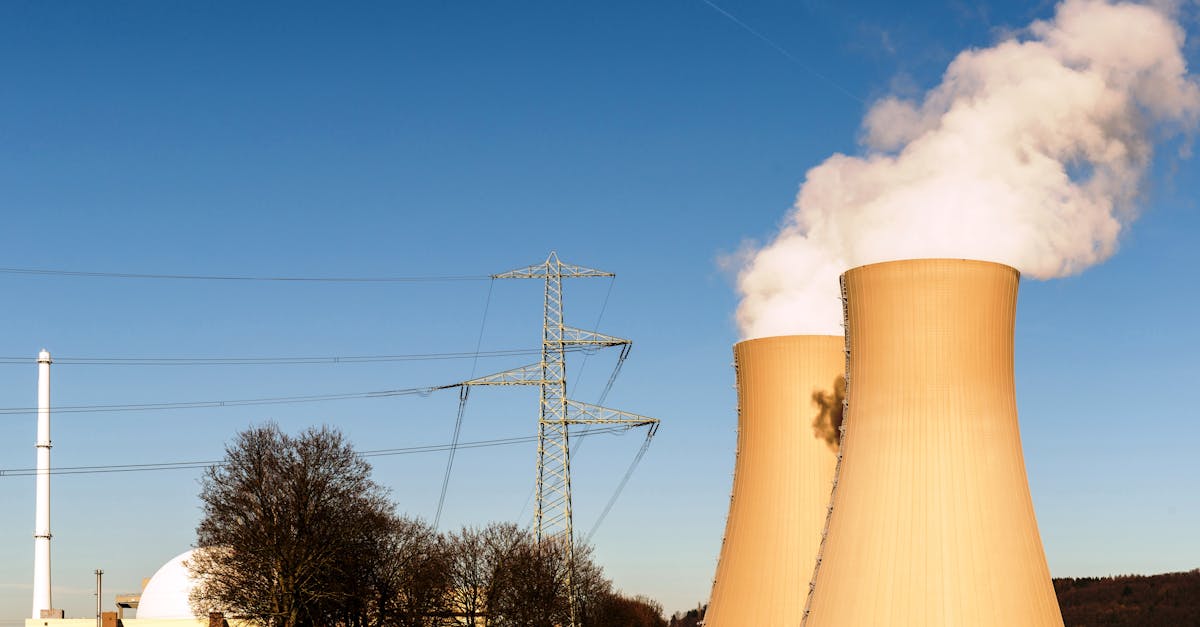
India's Nuclear Energy Ambition Takes a Giant Leap
The Prototype Fast Breeder Reactor (PFBR) at Kalpakkam, India, has successfully achieved criticality, marking a monumental step in the nation's journey towards complete nuclear fuel self-reliance. This significant milestone, announced recently, propels India further into the second stage of its ambitious three-stage nuclear power program, designed to harness the country's vast thorium reserves and secure its long-term energy future.
Understanding Criticality: A Nuclear Breakthrough
Achieving criticality means that the reactor has initiated a self-sustaining nuclear fission chain reaction. It's the operational state where the nuclear fuel generates enough neutrons to sustain the reaction without external input, producing heat that can then be converted into electricity. For a fast breeder reactor like the PFBR, this is not just about energy generation; it's about “breeding” new fissile material.
Unlike conventional light water reactors, fast breeder reactors are designed to produce more nuclear fuel than they consume. The PFBR uses a mixed oxide (MOX) fuel composed of plutonium and uranium and is cooled by liquid sodium. Its unique design allows it to convert uranium-238, which is not fissile, into plutonium-239, a fissile material that can be used as fuel in subsequent reactors. This process is crucial for India, which has limited natural uranium reserves but abundant thorium resources.
The Three-Stage Nuclear Program and Self-Reliance
India's nuclear program, envisioned by Dr. Homi J. Bhabha, aims to utilize the country's indigenous fuel resources effectively. The first stage involves pressurized heavy water reactors (PHWRs) powered by natural uranium. The second stage, where the PFBR plays a pivotal role, focuses on fast breeder reactors that use plutonium recycled from the first stage, simultaneously breeding more fissile material. The third and final stage will involve advanced heavy water reactors (AHWRs) powered by thorium-uranium-233 fuel cycle.
The successful operation of the PFBR is a testament to India's scientific and engineering prowess, demonstrating its capability to master complex nuclear technologies. This achievement not only bolsters India's energy security by reducing its dependence on imported fossil fuels and uranium but also positions it as a leader in advanced nuclear technology.
Economic and Strategic Implications
The PFBR, with a capacity of 500 MWe, is expected to significantly contribute to India's power grid once fully operational. Beyond electricity generation, its success has profound strategic implications. It ensures a closed fuel cycle, meaning nuclear waste can be reprocessed and reused, minimizing waste volume and toxicity. This self-sustaining approach is vital for a country with ambitious development goals and a growing energy demand.
This milestone reinforces India's commitment to clean energy and its 'Make in India' initiative within the strategic sector of nuclear power. It underscores the nation's resolve to achieve energy independence and lead the way in developing sustainable nuclear technologies for the future.
भारत की परमाणु ऊर्जा महत्वाकांक्षा ने ली एक बड़ी छलांग
कलपक्कम में भारत के स्वदेशी रूप से विकसित प्रोटोटाइप फास्ट ब्रीडर रिएक्टर (PFBR) ने सफलतापूर्वक क्रिटिकेलिटी हासिल कर ली है, जो राष्ट्र की परमाणु ईंधन आत्मनिर्भरता की ओर यात्रा में एक ऐतिहासिक कदम है। यह महत्वपूर्ण उपलब्धि, जिसकी हाल ही में घोषणा की गई, भारत को अपने महत्वाकांक्षी त्रि-स्तरीय परमाणु ऊर्जा कार्यक्रम के दूसरे चरण में और आगे बढ़ाती है, जिसे देश के विशाल थोरियम भंडार का उपयोग करने और इसके दीर्घकालिक ऊर्जा भविष्य को सुरक्षित करने के लिए डिज़ाइन किया गया है।
क्रिटिकेलिटी को समझना: एक परमाणु सफलता
क्रिटिकेलिटी प्राप्त करने का अर्थ है कि रिएक्टर ने एक आत्मनिर्भर परमाणु विखंडन श्रृंखला प्रतिक्रिया शुरू कर दी है। यह वह परिचालन स्थिति है जहां परमाणु ईंधन बाहरी इनपुट के बिना प्रतिक्रिया को बनाए रखने के लिए पर्याप्त न्यूट्रॉन उत्पन्न करता है, जिससे गर्मी पैदा होती है जिसे बाद में बिजली में परिवर्तित किया जा सकता है। PFBR जैसे फास्ट ब्रीडर रिएक्टर के लिए, यह सिर्फ ऊर्जा उत्पादन के बारे में नहीं है; यह नई विखंडनीय सामग्री “पैदा करने” के बारे में है।
पारंपरिक हल्के पानी के रिएक्टरों के विपरीत, फास्ट ब्रीडर रिएक्टरों को खपत से अधिक परमाणु ईंधन का उत्पादन करने के लिए डिज़ाइन किया गया है। PFBR प्लूटोनियम और यूरेनियम से बने मिश्रित ऑक्साइड (MOX) ईंधन का उपयोग करता है और इसे तरल सोडियम द्वारा ठंडा किया जाता है। इसका अनूठा डिज़ाइन इसे यूरेनियम-238, जो विखंडनीय नहीं है, को प्लूटोनियम-239 में बदलने की अनुमति देता है, एक विखंडनीय सामग्री जिसका उपयोग बाद के रिएक्टरों में ईंधन के रूप में किया जा सकता है। यह प्रक्रिया भारत के लिए महत्वपूर्ण है, जिसके पास प्राकृतिक यूरेनियम के सीमित भंडार हैं लेकिन प्रचुर मात्रा में थोरियम संसाधन हैं।
त्रि-स्तरीय परमाणु कार्यक्रम और आत्मनिर्भरता
डॉ. होमी जे. भाभा द्वारा परिकल्पित भारत का परमाणु कार्यक्रम, देश के स्वदेशी ईंधन संसाधनों का प्रभावी ढंग से उपयोग करना चाहता है। पहले चरण में प्राकृतिक यूरेनियम द्वारा संचालित दबावयुक्त भारी पानी के रिएक्टर (PHWR) शामिल हैं। दूसरा चरण, जिसमें PFBR एक महत्वपूर्ण भूमिका निभाता है, फास्ट ब्रीडर रिएक्टरों पर केंद्रित है जो पहले चरण से पुनर्चक्रित प्लूटोनियम का उपयोग करते हैं, साथ ही अधिक विखंडनीय सामग्री का प्रजनन करते हैं। तीसरा और अंतिम चरण थोरियम-यूरेनियम-233 ईंधन चक्र द्वारा संचालित उन्नत भारी पानी के रिएक्टर (AHWR) शामिल होंगे।
PFBR का सफल संचालन भारत की वैज्ञानिक और इंजीनियरिंग क्षमता का प्रमाण है, जो जटिल परमाणु प्रौद्योगिकियों में महारत हासिल करने की उसकी क्षमता को प्रदर्शित करता है। यह उपलब्धि न केवल आयातित जीवाश्म ईंधन और यूरेनियम पर अपनी निर्भरता को कम करके भारत की ऊर्जा सुरक्षा को मजबूत करती है, बल्कि इसे उन्नत परमाणु प्रौद्योगिकी में एक अग्रणी के रूप में भी स्थापित करती है।
आर्थिक और रणनीतिक निहितार्थ
500 मेगावाट की क्षमता वाले PFBR से पूरी तरह चालू होने के बाद भारत के बिजली ग्रिड में महत्वपूर्ण योगदान करने की उम्मीद है। बिजली उत्पादन से परे, इसकी सफलता के गहरे रणनीतिक निहितार्थ हैं। यह एक बंद ईंधन चक्र सुनिश्चित करता है, जिसका अर्थ है कि परमाणु कचरे को पुनर्संसाधित और पुन: उपयोग किया जा सकता है, जिससे कचरे की मात्रा और विषाक्तता कम होती है। यह आत्मनिर्भर दृष्टिकोण महत्वाकांक्षी विकास लक्ष्यों और बढ़ती ऊर्जा मांग वाले देश के लिए महत्वपूर्ण है।
यह मील का पत्थर स्वच्छ ऊर्जा के प्रति भारत की प्रतिबद्धता और परमाणु ऊर्जा के रणनीतिक क्षेत्र के भीतर इसकी 'मेक इन इंडिया' पहल को मजबूत करता है। यह ऊर्जा स्वतंत्रता प्राप्त करने और भविष्य के लिए टिकाऊ परमाणु प्रौद्योगिकियों को विकसित करने में अग्रणी भूमिका निभाने के देश के संकल्प को रेखांकित करता है।
