Breaking News
ताज़ा खबर
US Rejects Iran's 'Illegal' Strait Claims Amidst Escalating Tensions Over Vital Waterway
अमेरिका ने ईरान के 'अवैध' जलडमरूमध्य के दावों को खारिज किया, महत्वपूर्ण जलमार्ग पर तनाव बढ़ा
By AI News Desk
🕐 03 April 2026, 11:01 PM
🕐 03 April 2026, 23:01
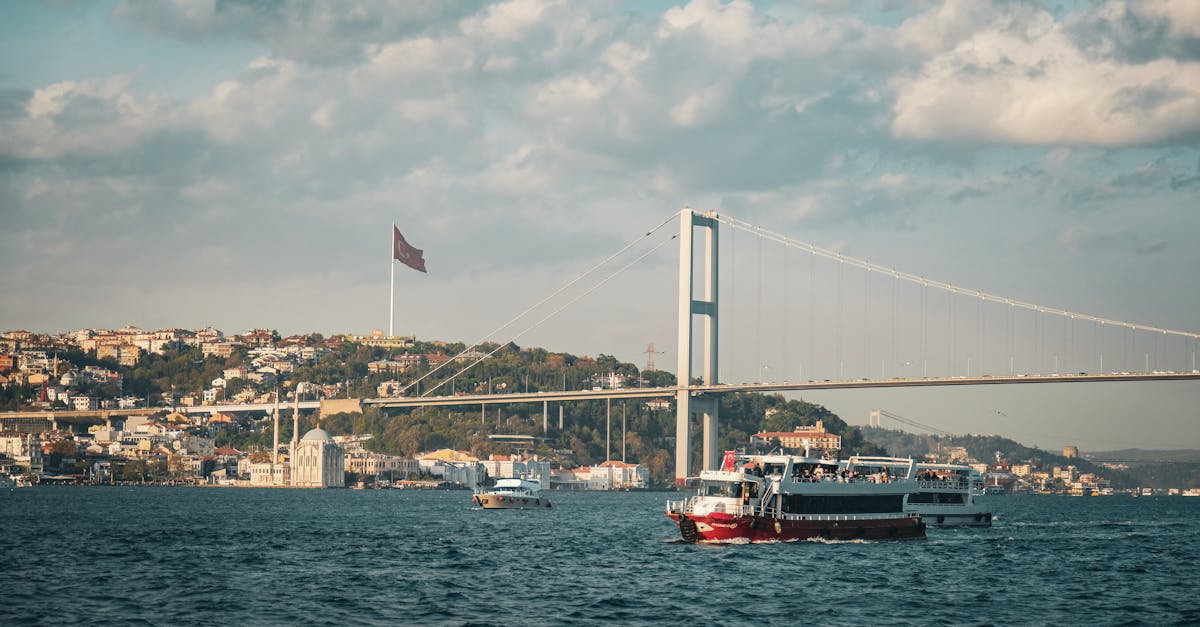
Tensions between the United States and Iran are escalating once again over the critical Strait of Hormuz, a vital maritime artery connecting the Persian Gulf to the open sea. The U.S. has firmly rejected Iran’s recent assertions of control over this strategic waterway, branding such claims as "illegal" and contrary to international law. This latest diplomatic confrontation underscores a long-standing dispute over navigation rights and regional sovereignty in one of the world’s most sensitive geopolitical hotspots.
The Strait's Indispensable Role in Global Commerce
The Strait of Hormuz is not merely a narrow body of water; it is a choke point through which approximately 20% of the world’s petroleum and liquefied natural gas (LNG) transits daily. This makes it an indispensable lifeline for global energy supplies and a critical conduit for international trade. Any disruption in the strait directly impacts oil prices, energy security, and the stability of the global economy. Countries worldwide, particularly those reliant on Middle Eastern oil, watch developments in this region with acute concern, recognizing the potential for widespread economic repercussions from any naval confrontations or restrictions on passage.
A History of Contention and Naval Posturing
The current dispute is rooted in decades of strained relations between Washington and Tehran, often exacerbated by Iran's nuclear program, sanctions, and regional proxy conflicts. While the U.S. consistently upholds the principle of freedom of navigation under international maritime law, ensuring unhindered passage for all vessels, Iran has periodically asserted its authority, sometimes threatening to close the strait. These threats typically surface during periods of heightened tension, such as when international sanctions are imposed on Iran or when its national interests are perceived to be under threat. Previous incidents have included the seizure of oil tankers, close encounters between naval forces, and the deployment of advanced military assets by both sides, all contributing to an atmosphere of precarious stability.
International Law vs. National Sovereignty Claims
At the heart of the legal argument lies the United Nations Convention on the Law of the Sea (UNCLOS), which guarantees the right of "transit passage" through straits used for international navigation. Most international maritime powers, including the U.S., interpret this to mean that all vessels, including warships, have the right to swift and continuous passage without undue interference. Iran, while a signatory to UNCLOS, has often advanced a more restrictive interpretation, citing its sovereign rights over its territorial waters. This divergence in interpretation creates a dangerous grey area, allowing both sides to justify their actions based on different legal frameworks, thereby increasing the risk of miscalculation and accidental escalation.
Geopolitical Implications and Future Outlook
The escalating rhetoric surrounding the Strait of Hormuz has significant geopolitical ramifications. It not only intensifies the broader US-Iran rivalry but also sends ripples of anxiety across the entire Middle East. Gulf allies of the United States view Iran’s assertions as a direct threat to their economic stability and security. The ongoing standoff highlights the urgent need for diplomatic engagement and de-escalation mechanisms. Without a clear understanding and adherence to international maritime protocols by all parties, the potential for a minor incident to ignite a major regional or even global crisis remains a constant and alarming possibility. The international community continues to call for restraint and adherence to established norms to maintain the free flow of commerce through this indispensable waterway.
पर्शियाई खाड़ी को खुले समुद्र से जोड़ने वाले एक महत्वपूर्ण समुद्री मार्ग, रणनीतिक होर्मुज जलडमरूमध्य को लेकर संयुक्त राज्य अमेरिका और ईरान के बीच एक बार फिर तनाव बढ़ रहा है। अमेरिका ने इस महत्वपूर्ण जलमार्ग पर ईरान के हालिया नियंत्रण के दावों को दृढ़ता से खारिज कर दिया है, इन दावों को "अवैध" और अंतर्राष्ट्रीय कानून के विपरीत करार दिया है। यह नवीनतम राजनयिक टकराव दुनिया के सबसे संवेदनशील भू-राजनीतिक हॉटस्पॉट में नेविगेशन अधिकारों और क्षेत्रीय संप्रभुता को लेकर एक लंबे समय से चले आ रहे विवाद को रेखांकित करता है।
वैश्विक व्यापार में जलडमरूमध्य की अपरिहार्य भूमिका
होर्मुज जलडमरूमध्य केवल पानी का एक संकीर्ण निकाय नहीं है; यह एक ऐसा चोक पॉइंट है जिससे दुनिया के पेट्रोलियम और तरलीकृत प्राकृतिक गैस (एलएनजी) का लगभग 20% दैनिक रूप से गुजरता है। यह इसे वैश्विक ऊर्जा आपूर्ति के लिए एक अपरिहार्य जीवनरेखा और अंतर्राष्ट्रीय व्यापार के लिए एक महत्वपूर्ण माध्यम बनाता है। जलडमरूमध्य में कोई भी व्यवधान सीधे तेल की कीमतों, ऊर्जा सुरक्षा और वैश्विक अर्थव्यवस्था की स्थिरता को प्रभावित करता है। दुनिया भर के देश, विशेष रूप से मध्य पूर्वी तेल पर निर्भर देश, इस क्षेत्र में होने वाले घटनाक्रमों को तीव्र चिंता के साथ देखते हैं, किसी भी नौसैनिक टकराव या मार्ग पर प्रतिबंध से व्यापक आर्थिक प्रभावों की संभावना को पहचानते हैं।
विवाद और नौसैनिक शक्ति प्रदर्शन का इतिहास
वर्तमान विवाद वाशिंगटन और तेहरान के बीच दशकों के तनावपूर्ण संबंधों में निहित है, जो अक्सर ईरान के परमाणु कार्यक्रम, प्रतिबंधों और क्षेत्रीय प्रॉक्सी संघर्षों से बढ़ जाता है। जबकि अमेरिका लगातार अंतर्राष्ट्रीय समुद्री कानून के तहत नेविगेशन की स्वतंत्रता के सिद्धांत को बनाए रखता है, सभी जहाजों के लिए अबाध मार्ग सुनिश्चित करता है, ईरान ने समय-समय पर अपने अधिकार का दावा किया है, कभी-कभी जलडमरूमध्य को बंद करने की धमकी भी दी है। ये धमकियाँ आमतौर पर उच्च तनाव की अवधियों के दौरान सामने आती हैं, जैसे जब ईरान पर अंतर्राष्ट्रीय प्रतिबंध लगाए जाते हैं या जब उसके राष्ट्रीय हितों को खतरे में माना जाता है। पिछली घटनाओं में तेल टैंकरों की जब्ती, नौसैनिक बलों के बीच करीबी मुठभेड़ें और दोनों पक्षों द्वारा उन्नत सैन्य संपत्तियों की तैनाती शामिल है, जो सभी अस्थिरता के माहौल में योगदान करते हैं।
अंतर्राष्ट्रीय कानून बनाम राष्ट्रीय संप्रभुता के दावे
कानूनी तर्क के मूल में संयुक्त राष्ट्र समुद्री कानून संधि (UNCLOS) है, जो अंतर्राष्ट्रीय नेविगेशन के लिए उपयोग किए जाने वाले जलडमरूमध्य के माध्यम से "पारगमन मार्ग" के अधिकार की गारंटी देती है। अधिकांश अंतर्राष्ट्रीय समुद्री शक्तियां, जिनमें अमेरिका भी शामिल है, इसकी व्याख्या इस रूप में करती हैं कि सभी जहाजों, जिनमें युद्धपोत भी शामिल हैं, को बिना किसी अनुचित हस्तक्षेप के तेजी से और निरंतर मार्ग का अधिकार है। ईरान, UNCLOS का एक हस्ताक्षरकर्ता होने के बावजूद, अक्सर अपनी क्षेत्रीय जल पर अपने संप्रभु अधिकारों का हवाला देते हुए एक अधिक प्रतिबंधात्मक व्याख्या को आगे बढ़ाता है। व्याख्या में यह अंतर एक खतरनाक ग्रे क्षेत्र बनाता है, जिससे दोनों पक्षों को विभिन्न कानूनी ढांचों के आधार पर अपने कार्यों को सही ठहराने की अनुमति मिलती है, जिससे गलत अनुमान और आकस्मिक वृद्धि का जोखिम बढ़ जाता है।
भू-राजनीतिक निहितार्थ और भविष्य का दृष्टिकोण
होर्मुज जलडमरूमध्य के आसपास बढ़ती बयानबाजी के महत्वपूर्ण भू-राजनीतिक निहितार्थ हैं। यह न केवल व्यापक अमेरिका-ईरान प्रतिद्वंद्विता को तीव्र करता है बल्कि पूरे मध्य पूर्व में चिंता की लहरें भी भेजता है। संयुक्त राज्य अमेरिका के खाड़ी सहयोगी ईरान के दावों को अपनी आर्थिक स्थिरता और सुरक्षा के लिए सीधा खतरा मानते हैं। चल रहा गतिरोध राजनयिक जुड़ाव और तनाव कम करने वाले तंत्रों की तत्काल आवश्यकता को उजागर करता है। सभी पक्षों द्वारा अंतर्राष्ट्रीय समुद्री प्रोटोकॉल की स्पष्ट समझ और पालन के बिना, एक छोटी सी घटना के बड़े क्षेत्रीय या यहां तक कि वैश्विक संकट को जन्म देने की संभावना एक निरंतर और खतरनाक संभावना बनी हुई है। अंतर्राष्ट्रीय समुदाय इस अपरिहार्य जलमार्ग के माध्यम से वाणिज्य के मुक्त प्रवाह को बनाए रखने के लिए संयम और स्थापित मानदंडों के पालन का आह्वान जारी रखता है।
